
The Emotional Landscape of Ancient Indian Families

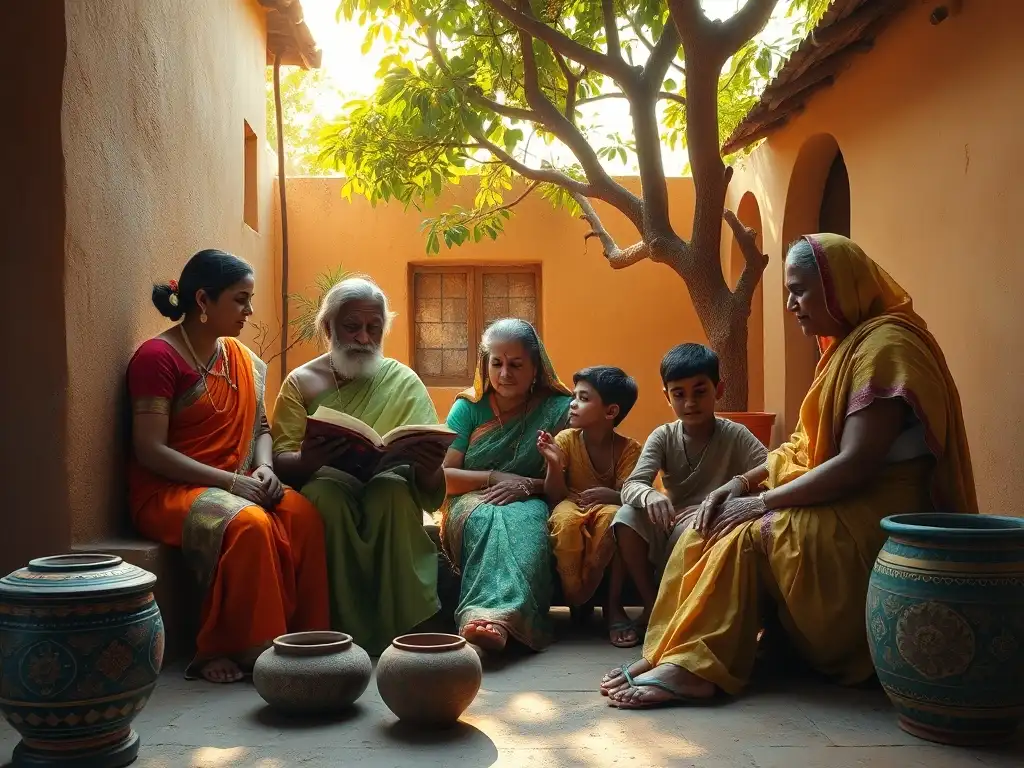
Welcome to Ancient India History, where we embark on a fascinating journey through the vibrant tapestry of India's past. In our featured article, "The Emotional Landscape of Ancient Indian Families," we delve into the intricate emotional ties in ancient India, revealing how familial bonds shaped daily life and societal norms. As you explore the rich narratives and cultural nuances that defined ancient civilizations—from the sophisticated Indus Valley to the illustrious Gupta Empire—you'll uncover the profound ways emotions influenced relationships and community. Prepare to be intrigued and inspired as we unravel the stories that connect us to our shared heritage!
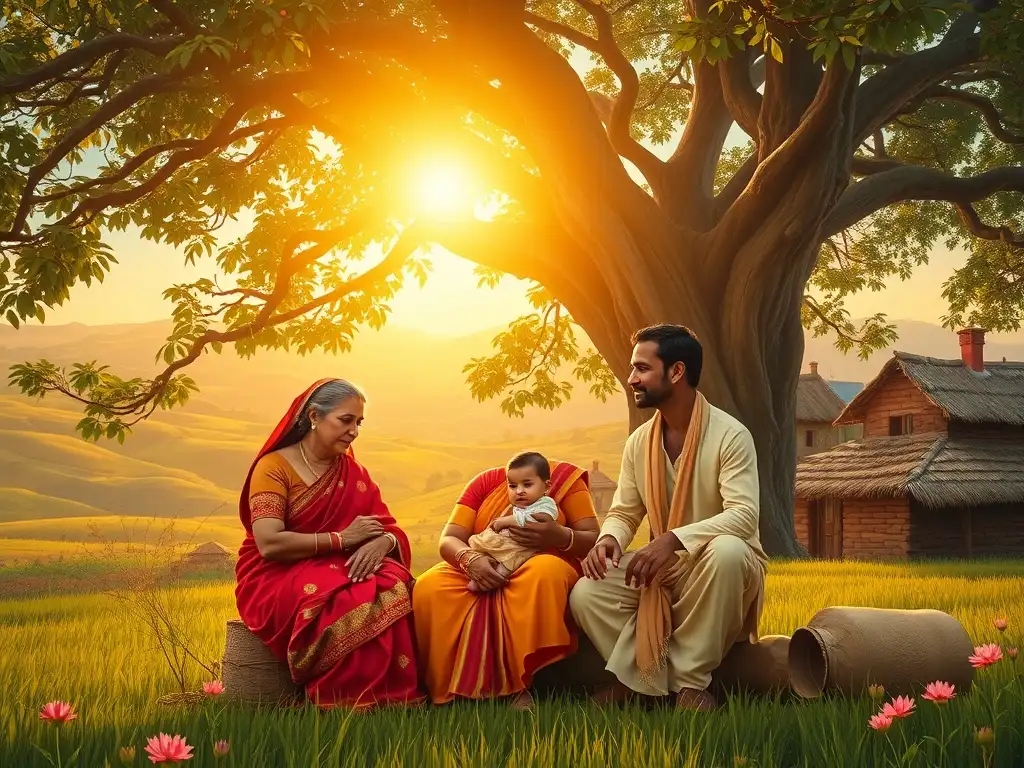
The emotional landscape of ancient Indian families is a rich tapestry woven with intricate relationships, cultural norms, and societal expectations. Understanding the emotional ties in ancient India provides invaluable insights into how families functioned, the bonds that were formed, and the values that were upheld throughout various dynasties and eras.
This exploration not only highlights the significance of familial relationships but also sheds light on the broader societal implications of these emotional connections. By delving into the emotional dynamics of ancient Indian families, we can appreciate the depth of human experience that has shaped the social fabric of India over millennia.
Understanding Emotional Ties in Ancient India
Definition of Emotional Ties
Emotional ties in ancient India can be defined as the deep-seated connections that bind family members together, characterized by love, respect, duty, and shared experiences. These ties were often influenced by cultural traditions and societal norms, manifesting in various forms such as:
- Affectionate bonds: These included love between spouses, parental love towards children, and sibling relationships.
- Cultural obligations: The responsibilities and expectations that individuals had towards their family members, often dictated by social customs.
- Spiritual connections: The shared beliefs and rituals that reinforced familial bonds through religious practices.
The prominence of these emotional ties is evident in ancient texts, literature, and art, which often celebrate the significance of family and relationships.
Importance of Emotions in Family Dynamics
Emotions played a crucial role in shaping family dynamics in ancient India. They influenced decision-making, conflict resolution, and the overall harmony within the household. Key aspects include:
- Decision-making: Emotional ties often guided important family decisions, such as marriages, inheritance, and education.
- Conflict resolution: Families relied on emotional bonds to navigate disagreements, with elders frequently mediating disputes to maintain harmony.
- Cultural transmission: Emotional connections facilitated the passing down of traditions, values, and customs from one generation to the next, ensuring continuity and stability within families.
Historical Context of Family Structures in Ancient India
Overview of Family Systems: Joint vs. Nuclear Families
Ancient Indian family structures predominantly revolved around two systems: joint families and nuclear families.
- Joint Families: Typically included several generations living together, emphasizing collective responsibilities and shared resources. Emotional ties were strengthened through daily interactions and communal living.
- Nuclear Families: Consisted of a couple and their children, which became more common in later periods. Emotional ties in nuclear families often focused on the immediate family unit, fostering intimacy and direct support.
The choice between these family structures often depended on regional, economic, and cultural factors, reflecting the diversity of family life in ancient India.
Influence of Religion and Philosophy on Family Emotions
Religion and philosophy had a profound impact on the emotional landscape of ancient Indian families. Key influences included:
- Dharma (duty): The concept of dharma emphasized the importance of fulfilling familial responsibilities and maintaining harmony within the family unit.
- Philosophical teachings: Texts like the Bhagavad Gita and Upanishads provided guidance on emotional resilience, compassion, and the significance of relationships.
- Rituals and ceremonies: Religious practices often involved family participation, reinforcing emotional ties and collective identity.
By examining these influences, we can understand how emotional ties were not only vital for individual well-being but also for societal cohesion in ancient India.
The Role of Marriage in Strengthening Emotional Bonds
Marriage in ancient India was not just a social contract but a profound emotional union that intertwined the fates of families and individuals. The institution of marriage was seen as vital for the continuation of lineage and the preservation of family honor. Emotional ties in ancient India were often reinforced through marriage, creating a network of relationships that extended beyond the couple.
The emotional landscape of ancient Indian families was deeply influenced by the idea of Samskara, which refers to the sacred rites of passage. Marriage was considered one of the most significant Samskaras, marking the transition into a new phase of life. This ritual was believed to foster deep emotional connections not only between the husband and wife but also among their families, establishing a sense of unity and shared responsibility.
In many communities, marriage was celebrated with elaborate ceremonies that involved both families, promoting emotional bonds through shared joy and communal festivities. This collective participation helped to strengthen relationships, ensuring that emotional ties were not just confined to the couple but extended throughout their families and kinship networks.
Marriage Traditions and Their Emotional Significance
The marriage traditions in ancient India were rich and varied, often reflective of local customs and religious beliefs. Each tradition carried with it a unique emotional significance, contributing to the overall emotional fabric of families. For instance, the Kanyadaan ritual, where the bride's father gives her away to the groom, symbolizes the emotional surrender of a father and the acceptance of a new familial bond. This act is steeped in emotion, highlighting the deep connections between family members.
Additionally, the practice of Saptapadi, or the seven steps taken by the couple during the wedding ceremony, embodies the emotional commitment of the couple to support and care for each other throughout their lives. Each step represents a vow that strengthens their emotional ties, establishing a partnership based on mutual respect and affection.
The emotional significance of these traditions is further emphasized through the concept of Dharma, which denotes the moral and ethical responsibilities within a marriage. Upholding one’s Dharma fosters a sense of duty and loyalty, which are crucial for maintaining emotional bonds within the family structure.
Arranged Marriages: Cultural Practices and Emotional Implications
Arranged marriages were the norm in ancient India, encompassing a wide range of cultural practices that shaped emotional experiences. Families would carefully select partners based on various criteria, including social status, caste, and economic stability, reflecting the collective values of the community. While this practice may seem impersonal by modern standards, it often resulted in strong emotional ties formed over time.
The emotional implications of arranged marriages can be profound. Initially, the couple might feel a sense of obligation rather than romantic love. However, many families believed that emotional intimacy would develop over time as the couple navigated life together. The gradual building of affection through shared experiences often led to deep emotional connections, transforming the initial bond into a lasting partnership.
Moreover, arranged marriages reinforced family unity and support systems. The involvement of families in the marriage process meant that emotional support was readily available, helping couples to cope with challenges and fostering a sense of belonging. This collective approach to marriage often ensured that emotional ties extended well beyond the couple, encompassing both families.
Parenting and Child Relationships in Ancient Indian Families
Parenting in ancient Indian families was largely influenced by cultural norms and societal expectations, shaping the emotional landscape of family interactions. Parents were seen as the primary nurturers, responsible for instilling values and ensuring the emotional well-being of their children. The relationships between parents and children were characterized by affection, guidance, and a sense of duty.
Emotional Development of Children in Ancient India
The emotional development of children in ancient India was closely linked to the family structure and cultural practices. From a young age, children were taught the importance of emotional ties within the family. They were encouraged to express their feelings and learn empathy, often through stories and parables that highlighted moral values and emotional intelligence.
Education, typically overseen by family elders, played a crucial role in shaping not only the intellectual but also the emotional growth of children. The emphasis on Guru-Shishya relationships in ancient educational practices fostered a deep emotional bond between teachers and students, reinforcing the value of mentorship and emotional support in a child's development.
Furthermore, family gatherings and rituals provided children with opportunities to witness and participate in expressions of love and affection, helping them internalize these emotional values. This nurturing environment was essential for fostering secure emotional attachments, enabling children to develop strong relationships later in life.
The Role of Elders in Shaping Family Emotions
Elders held a revered position in ancient Indian families, acting as emotional anchors and sources of wisdom. Their role was pivotal in shaping the emotional climate of the household. Grandparents and other senior family members were often involved in parenting, providing guidance and support to younger generations. Their experiences and teachings helped instill a sense of belonging and emotional security in children.
The presence of elders in family dynamics also facilitated the transmission of cultural values and emotional practices. By sharing stories of familial heritage and personal experiences, elders nurtured emotional bonds within the family, reinforcing the importance of unity and compassion. Their authority and respect within the family structure encouraged younger members to value emotional ties, fostering a culture of love, respect, and emotional responsibility.
Additionally, the emotional support provided by elders during significant life events, such as marriages and religious ceremonies, helped to strengthen familial bonds. Their involvement ensured that traditions were honored, and emotional ties were celebrated, creating a cohesive family identity that transcended generations.
Gender Roles and Emotional Expression in Ancient Indian Families
In ancient Indian society, family structures were deeply influenced by established gender roles, which significantly shaped emotional expression within households. Men and women were often assigned specific responsibilities, and these roles dictated how emotions were expressed and perceived. While men were typically seen as protectors and providers, women played a crucial role as nurturers and caretakers, contributing to the emotional atmosphere of the home.
Emotional expression was often regulated by societal norms. For instance, men were expected to display strength and stoicism, while women were encouraged to express emotions more openly, particularly nurturing feelings like love, compassion, and empathy. This dichotomy shaped the emotional landscape of families, as women often became the emotional anchors, fostering connections and providing support on various levels.
Women's Emotional Contributions to Family Life
Women in ancient Indian families were central to maintaining emotional health within the household. Their roles as mothers and caregivers allowed them to cultivate a nurturing environment where emotional ties could flourish. Women were often responsible for teaching children about emotional values, such as respect, love, and empathy, which laid the foundation for future familial relationships.
Women also participated in rituals and festivals that reinforced emotional bonds within families. Their involvement in these cultural practices not only helped strengthen relationships among family members but also connected them to broader community ties, enhancing feelings of belonging and support. The emotional contributions of women were thus vital in creating a harmonious family life, as they balanced the emotional needs of all members and facilitated open communication.
Men's Roles and Emotional Expectations in Family Dynamics
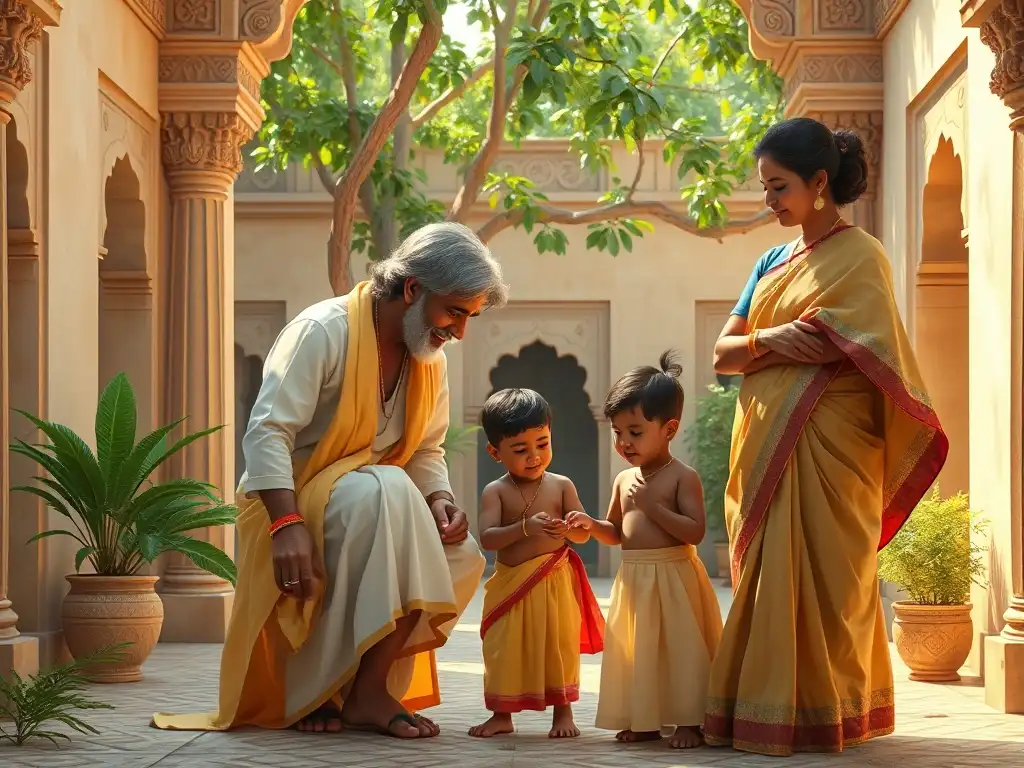
Men in ancient Indian families were typically positioned as the authority figures, tasked with providing for the family and ensuring its safety. This societal expectation often placed pressure on men to exhibit emotional restraint, leading to a complex interplay between strength and vulnerability. While they were expected to protect and provide, there was also a silent acknowledgment of their emotional needs, which were often overlooked.
Despite societal expectations, many men found ways to express their emotions, particularly through their relationships with their wives and children. Instances of emotional vulnerability could be observed in times of crisis or family gatherings, where men might display affection and care. Such moments were crucial in breaking down the rigid boundaries of emotional expression, allowing for a more profound connection between family members.
Festivals and Rituals: Emotional Expressions in Family Gatherings
Festivals and rituals played an essential role in the emotional landscape of ancient Indian families. These occasions provided opportunities for family members to come together, celebrate, and express their emotions collectively. They were not just religious observances but also communal gatherings that reinforced family ties and emotional connections.
Through shared experiences during festivals, families could convey love, gratitude, and joy, strengthening their emotional bonds. The communal nature of these celebrations fostered a sense of belonging and unity, allowing family members to connect with one another on a deeper level.
Celebrations and Their Impact on Family Emotional Ties
Celebrations in ancient India, such as Diwali, Holi, and various marriage ceremonies, were significant for enhancing emotional ties within families. These events served as platforms for expressing emotions like joy, gratitude, and love, facilitating interactions among family members that were often less frequent in everyday life.
The act of celebrating together created lasting memories, allowing families to reflect on their shared experiences and the emotions tied to them. Such gatherings were crucial in reinforcing familial connections, as they provided a sense of togetherness that enhanced the emotional fabric of family life.
Rituals as a Means of Strengthening Family Bonds
Rituals in ancient Indian families often transcended mere tradition; they served as vital mechanisms for strengthening family bonds. Whether through daily practices, seasonal celebrations, or life-cycle events like weddings and funerals, rituals provided structured opportunities for families to come together and express their collective emotions.
These rituals were imbued with symbolic significance, often representing values such as loyalty, respect, and love. Engaging in these practices not only reinforced familial identities but also nurtured emotional resilience, enabling families to navigate challenges together. In this way, rituals became instrumental in cultivating a supportive emotional landscape, emphasizing the importance of shared experiences in the emotional ties of ancient Indian families.
Case Studies: Notable Families in Ancient Indian Texts
Ancient Indian texts are rich with narratives that highlight the emotional ties within families, showcasing how these relationships shaped societal norms and individual destinies. One prominent example is the Kauravas and Pandavas from the Mahabharata, a narrative that captures the complexities of sibling rivalry, loyalty, and the profound emotional bonds that can exist even amidst conflict. The tragic fate of both families illustrates how emotional ties can lead to both unity and despair, emphasizing the duality of familial love.
Another significant family is that of Lord Rama, Sita, and Lakshmana, as depicted in the Ramayana. This epic presents an idealized version of family relationships, where devotion, sacrifice, and righteousness are paramount. The emotional ties between Rama and Sita, along with the unwavering support from Lakshmana, underscore the virtues of loyalty and love in the face of adversity, portraying a model for familial conduct in ancient Indian society.
Analysis of Emotional Ties in Epic Narratives
The emotional ties portrayed in epic narratives like the Mahabharata and the Ramayana serve not only as a reflection of familial relationships but also as a lens through which we can analyze the broader cultural values of ancient India. These stories often depict intense emotions such as love, jealousy, and betrayal, providing insight into the human experience and the moral dilemmas faced by individuals.
In the Mahabharata, the bond between Draupadi and the Pandavas exemplifies unconditional loyalty and the complexities of polygamous relationships. Draupadi’s emotional turmoil during the infamous game of dice highlights the vulnerability of women in patriarchal societies and the strength they can exhibit in adversity. Furthermore, the relationship dynamics among the Kauravas and Pandavas illustrate the consequences of greed, ambition, and discord within families, culminating in the catastrophic war of Kurukshetra.
Similarly, the Ramayana offers a portrayal of ideal family relationships, showcasing the emotional depth of characters such as Sita and her steadfastness during Rama’s exile. The epic reinforces themes of duty (dharma) and the importance of emotional resilience, which resonates deeply within the cultural consciousness of India, serving as a moral compass for familial relationships across generations.
Lessons from Historical Family Dynamics
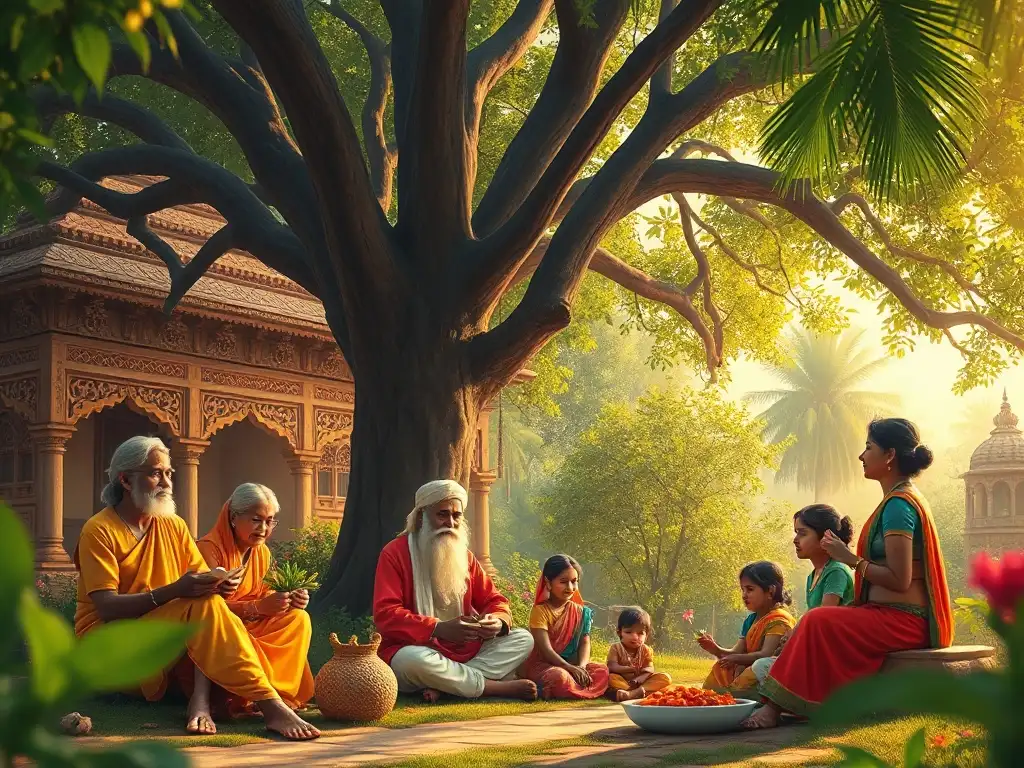
The emotional landscapes of ancient Indian families impart valuable lessons that remain relevant today. One key lesson is the importance of communication and understanding in maintaining familial bonds. The narratives often depict characters who face dire consequences due to misunderstandings or the inability to express their emotions effectively. This highlights the need for open dialogue in fostering healthy family relationships.
Additionally, ancient texts emphasize the role of sacrifice and selflessness within families. Characters such as Lakshmana, who willingly sacrifices his comforts to accompany Rama during his exile, exemplify the ideal of familial loyalty. These values encourage modern families to prioritize the well-being of their loved ones, promoting a sense of unity and collective strength.
Furthermore, the emotional experiences depicted in these historical accounts remind us of the transience of life and relationships. The tragic outcomes faced by many characters serve as a poignant reminder that familial bonds, while deeply cherished, must be nurtured with care and empathy to withstand the test of time.
Legacy of Emotional Ties in Ancient India
The emotional ties established in ancient Indian families have left an indelible mark on the cultural fabric of India. These ties, characterized by deep-rooted values of love, respect, and duty, continue to inform contemporary relationships. The emphasis on familial loyalty and the sanctity of marriage, as seen in texts, persists in modern Indian society, shaping the expectations and responsibilities of family members.
In addition, the ideals and narratives surrounding familial relationships from ancient times have influenced social norms, rituals, and festivals. Events such as Raksha Bandhan, celebrating the bond between brothers and sisters, stem from these ancient values, reinforcing emotional connections and mutual support among families.
How Ancient Emotional Practices Influence Modern Indian Families
Modern Indian families still exhibit the emotional ties and values that were prevalent in ancient times. Practices such as joint family living arrangements and the celebration of festivals together underscore the importance of maintaining close-knit family structures. The emotional practices, such as honoring elders and showing respect for familial roles, reflect the legacy of ancient customs, demonstrating continuity through generations.
Moreover, storytelling remains a powerful tool for transmitting values. Parents often share tales from the Mahabharata and Ramayana with their children, imparting lessons about emotional resilience, loyalty, and the significance of family ties. This oral tradition reinforces the cultural understanding of emotional connections, ensuring that the wisdom of the past continues to shape contemporary family dynamics.
The Enduring Significance of Emotional Connections in Indian Culture
Emotional connections in Indian culture continue to hold immense significance, shaping individual identities and community bonds. The principles of compassion, forgiveness, and support are deeply ingrained in social interactions, reflecting the teachings of ancient texts. These values foster a sense of belonging and community, which is vital in a diverse society.
Furthermore, the emotional depth found in relationships is celebrated in various art forms, including literature, music, and dance. Themes of love, sacrifice, and familial harmony resonate in traditional performances, reinforcing the importance of emotional ties in cultural expressions.
Ultimately, the legacy of emotional connections in ancient India serves as a guiding framework for modern society, reminding individuals of the timeless importance of nurturing relationships. As families navigate contemporary challenges, the lessons derived from ancient emotional practices provide a foundation for building resilient and loving familial bonds that can withstand the trials of modern life.
Conclusion: The Lasting Impact of Emotional Ties in Ancient Indian Families
The emotional ties in ancient India profoundly shaped family dynamics, social structures, and cultural practices. These bonds were not only crucial for the stability of families but also played a significant role in the broader societal framework. The interconnectedness of emotions, responsibilities, and rituals fostered a sense of belonging and continuity across generations. The teachings of ancient texts, such as the Manusmriti and the Mahabharata, often emphasized the importance of familial relationships, showcasing how love, duty, and respect were integral to personal and communal life.
Moreover, the emotional landscapes created by these ties have had a lasting impact on contemporary Indian society. Modern familial structures still reflect the values of loyalty, duty, and emotional support that were prevalent in ancient times. Understanding these emotional connections allows for a deeper appreciation of how historical contexts influence present-day relationships and societal norms. The legacy of emotional ties in ancient Indian families serves as a reminder of the enduring nature of human connections and their role in shaping cultures over time.
Reflection on the Importance of Understanding Emotional Landscapes
Understanding the emotional landscapes of ancient Indian families is vital for several reasons. First, it offers insights into how emotions governed interpersonal relationships and community interactions. By studying these emotional ties, scholars can better comprehend the complexities of family life in ancient India, including issues of loyalty, conflict resolution, and social harmony.
Additionally, reflecting on these emotional landscapes helps to recognize the fluidity of human emotions over time. Emotions such as love, grief, and joy are universal, yet their expressions and significance can vary greatly across cultures and historical periods. Through the lens of ancient Indian families, we can explore how societal norms and cultural practices shaped emotional experiences and vice versa.
Lastly, understanding these emotional ties leads to a greater awareness of the historical context surrounding familial roles and responsibilities. It highlights the importance of emotional education and its implications for societal health. By recognizing the emotional foundations of ancient societies, we can draw parallels to contemporary issues in family dynamics and emotional well-being, enriching our understanding of human behavior across time.
Future Research Directions on Emotions in Ancient Societies
The study of emotional ties in ancient India opens several avenues for future research. One potential direction is the comparative analysis of emotional landscapes across different ancient civilizations. Understanding how emotions were expressed and valued in societies such as Mesopotamia, Ancient Egypt, and China could provide valuable insights into the universality and cultural specificity of emotional experiences.
Another area of exploration could focus on the role of women in shaping emotional ties within ancient families. Researching women's perspectives and experiences can deepen our understanding of their influence on familial emotional landscapes, which historically have been underrepresented in scholarly discourse.
Furthermore, interdisciplinary approaches that incorporate psychology, anthropology, and literary studies can enhance our understanding of emotions in ancient societies. For instance, examining literary texts, art, and rituals through an emotional lens may yield new interpretations of how emotions were constructed and perceived in ancient Indian culture.
Lastly, utilizing modern technologies such as digital humanities tools can facilitate the analysis of historical texts and artifacts, uncovering patterns and themes related to emotional ties that may have previously gone unnoticed. By pursuing these research directions, scholars can continue to unravel the complexities of emotional landscapes in ancient societies, contributing to a richer understanding of human history and experience.
- Understanding Emotional Ties in Ancient India
- Historical Context of Family Structures in Ancient India
- The Role of Marriage in Strengthening Emotional Bonds
- Parenting and Child Relationships in Ancient Indian Families
- Gender Roles and Emotional Expression in Ancient Indian Families
- Women's Emotional Contributions to Family Life
- Men's Roles and Emotional Expectations in Family Dynamics
- Festivals and Rituals: Emotional Expressions in Family Gatherings
- Celebrations and Their Impact on Family Emotional Ties
- Rituals as a Means of Strengthening Family Bonds
- Case Studies: Notable Families in Ancient Indian Texts
- Analysis of Emotional Ties in Epic Narratives
- Lessons from Historical Family Dynamics
- Legacy of Emotional Ties in Ancient India
- How Ancient Emotional Practices Influence Modern Indian Families
- The Enduring Significance of Emotional Connections in Indian Culture
- Conclusion: The Lasting Impact of Emotional Ties in Ancient Indian Families
- What were the emotional ties like in ancient Indian families?
- How did cultural practices influence emotional connections in ancient India?
- What role did religion play in shaping emotional relationships in these families?
- How did the social structure impact emotional dynamics in ancient Indian families?
- Are there any historical texts that highlight emotional ties in ancient Indian families?
Frequently Asked Questions
What were the emotional ties like in ancient Indian families?
In ancient India, emotional ties were characterized by strong familial bonds and a sense of duty, where respect for elders and care for children were paramount.
How did cultural practices influence emotional connections in ancient India?
Cultural practices such as festivals, rituals, and joint family systems played a significant role in strengthening emotional connections among family members, fostering unity and shared identity.
What role did religion play in shaping emotional relationships in these families?
Religion provided a framework for moral values and ethical conduct, enhancing emotional ties by promoting compassion, respect, and a sense of community within families.
The social structure, including the caste system and joint family systems, influenced emotional dynamics by dictating roles and responsibilities, which reinforced familial loyalty and support.
Are there any historical texts that highlight emotional ties in ancient Indian families?
Yes, texts like the Mahabharata and Ramayana illustrate the complexities of emotional ties, depicting themes of love, sacrifice, and duty within familial relationships in ancient India.
Final Reflection: The Enduring Legacy of Emotional Ties in Ancient India
The exploration of emotional ties in ancient India reveals a profound connection that transcends time and culture. Today, as we navigate an increasingly fragmented world, the lessons from ancient Indian families remind us of the importance of nurturing our emotional bonds. The intricate web of relationships that defined these families serves as a powerful reminder that our connections with one another are foundational to our well-being and social cohesion. In an era where technology often replaces face-to-face interactions, we must recognize that the strength of our emotional ties is what truly sustains us.
The influence of these emotional ties continues to resonate in our contemporary cultural and social landscape. The values of love, respect, and unity that were prevalent in ancient Indian families still shape our modern relationships, guiding us toward deeper connections. As we reflect on these historical narratives, we can see how they inform our understanding of family dynamics today. The family is both a haven and a challenge, a place of love and a site of conflict, where emotional ties are tested and strengthened.
This quote encapsulates the dual nature of family life, reminding us that the emotional landscapes we navigate are both complex and essential to our growth.
As we conclude this exploration, I invite you to reflect on your own emotional ties and the legacy of those who came before you. Consider how the lessons learned from ancient Indian families can inspire you to cultivate deeper connections in your life. Embrace the opportunity to strengthen your relationships, honor your heritage, and create a nurturing environment for those around you. Let the wisdom of the past guide you as you forge meaningful emotional ties in your present and future.
Embrace and Reflect on the Rich Emotions of Ancient Indian Families
Thank you for taking the time to explore the intricate emotional landscape of ancient Indian families with us. We hope this journey has deepened your understanding of their values, connections, and struggles. Now, let’s bridge the past to the present and infuse these insights into your life.
Here are some empowering actions you can take:
- Reflect on your own family’s emotional heritage. Consider the values and traditions you hold dear, and think about how you can honor them in your everyday life.
- Share your insights with your community! You might start a discussion group or a blog to explore how the emotional dynamics of the past continue to influence modern relationships.
- Explore literature or documentaries about ancient Indian families to gain a deeper understanding of their complex emotional ties.
In what ways do you think the emotional bonds of ancient families inform our understanding of family dynamics today? We invite you to share your thoughts below!