
The Culinary Secrets of the Indus Valley: Unearthing Ancient Indian Food Traditions

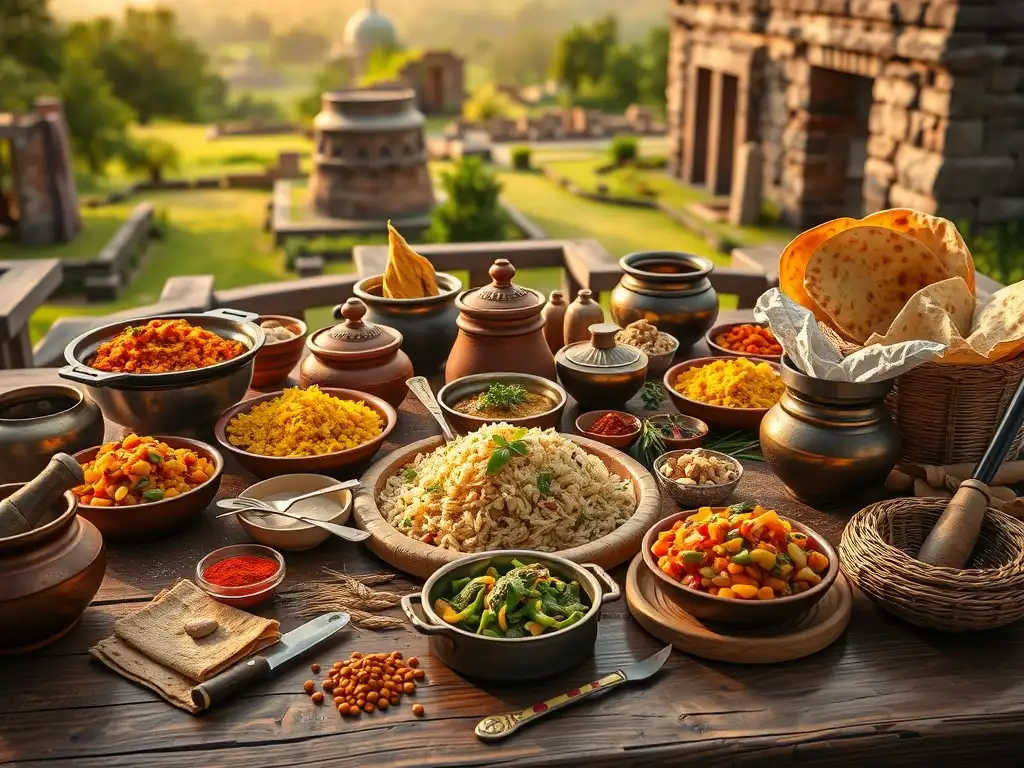
Welcome to Ancient India History, where we embark on a fascinating journey through the rich tapestry of India's ancient civilizations! In our featured article, “The Culinary Secrets of the Indus Valley: Unearthing Ancient Indian Food Traditions,” we delve into the delectable world of Ancient Indian food traditions that have shaped the culinary landscape of modern India.
Discover the flavors, ingredients, and cooking techniques that have stood the test of time, and prepare to be captivated by the stories behind these age-old practices. Join us as we unveil the culinary heritage that has nourished generations and continues to inspire today—your exploration starts here!
- Introduction to Ancient Indian Food Traditions
- The Historical Context of Ancient Indian Food Traditions
- Cooking Methods of the Indus Valley Civilization
- Signature Dishes of Ancient Indian Food Traditions
- The Role of Food in Ancient Indian Society and Culture
- Reviving Ancient Indian Food Traditions in Modern Cuisine
- Conclusion: Preserving Ancient Indian Food Traditions for Future Generations
- Call to Action: Explore and Experience Ancient Indian Food Traditions
-
Frequently Asked Questions
- What are some key features of ancient Indian food traditions?
- How did the Indus Valley Civilization contribute to food traditions?
- What role did spices play in ancient Indian cuisine?
- How did the Gupta Empire influence food culture in ancient India?
- Are there any notable ancient texts on Indian food traditions?
- Final Reflection: Unearthing the Rich Tapestry of Ancient Indian Food Traditions
- Unveil the Flavors of Ancient India Today!
Introduction to Ancient Indian Food Traditions
The culinary traditions of ancient India are a vibrant tapestry woven from the rich cultural heritage of its civilizations. Among these, the Indus Valley Civilization stands out as one of the earliest and most advanced societies, showcasing a remarkable understanding of agriculture, trade, and food preparation. As we delve into the culinary secrets of the Indus Valley, we uncover not only the ingredients and cooking techniques of the time but also the cultural significance behind them. This exploration reveals how ancient Indian food traditions have shaped modern Indian cuisine and continue to influence dietary practices today.
Understanding these ancient practices is essential not only for appreciating the gastronomic diversity of India but also for recognizing the profound connection between food, culture, and identity that has persisted through millennia. With a focus on the Indus Valley, we will explore the rich culinary heritage that has laid the foundation for contemporary Indian food practices.
The Importance of Culinary Heritage in Ancient India
Culinary heritage in ancient India serves as a crucial link to the past, reflecting the social, economic, and environmental conditions of its time. The food traditions that emerged during this period are not merely recipes; they embody the philosophies, rituals, and daily lives of the people.
- Cultural Significance: Food has always played a vital role in cultural identity. In ancient India, meals were often prepared with specific rituals, highlighting the spiritual connection to the ingredients used.
- Regional Diversity: The vast geography of India contributed to the diversity of food traditions. Each region developed unique culinary practices based on locally available resources, climate, and cultural influences.
- Trade and Exchange: The ancient trade routes facilitated the exchange of ingredients and cooking techniques, leading to a rich amalgamation of culinary traditions. Spices, grains, and cooking methods traveled along these routes, shaping regional cuisines.
Understanding the importance of these culinary traditions helps us appreciate the intricate relationship between food and culture in ancient India, showcasing how these traditions continue to influence modern Indian cuisine.
Overview of Indus Valley Civilization and Its Culinary Practices
The Indus Valley Civilization, flourishing around 2500 BCE in what is now Pakistan and northwest India, is renowned for its advanced urban planning and sophisticated agricultural practices. The people of this civilization had a profound understanding of nutrition and food preservation, which is evident in their culinary practices.
- Agriculture and Diet: The fertile plains of the Indus Valley allowed for the cultivation of various crops, including wheat, barley, and legumes. Archaeological evidence suggests that fruits like dates and pomegranates were also cultivated, forming a diverse diet rich in nutrients.
- Cooking Techniques: The Indus Valley inhabitants employed various cooking techniques, including baking, boiling, and possibly even roasting. Archaeological sites have revealed clay ovens and pottery that indicate sophisticated methods of food preparation.
- Food Preservation: The use of storage facilities and granaries demonstrates an advanced understanding of food preservation. This ensured a stable food supply, allowing the civilization to thrive.
The culinary practices of the Indus Valley not only reflect the daily lives of its people but also highlight the importance of food in their social and economic structures. By examining these practices, we gain valuable insights into the foundations of ancient Indian food traditions that continue to resonate today.
The Historical Context of Ancient Indian Food Traditions
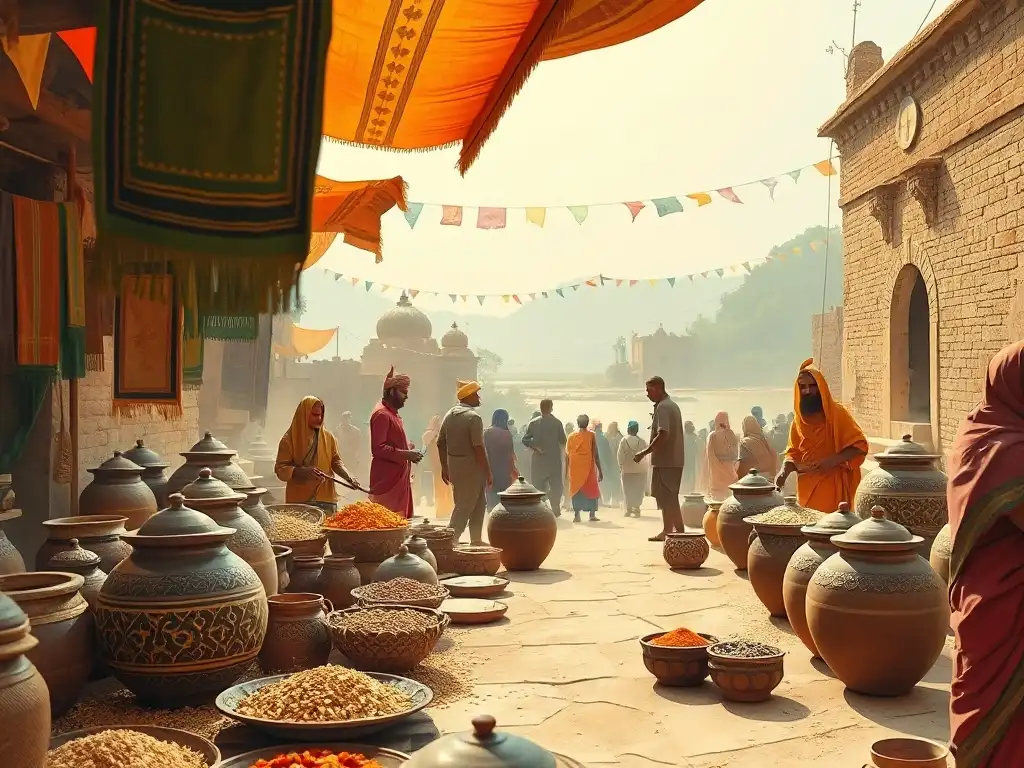
The culinary practices of the Indus Valley Civilization, which flourished between 3300 and 1300 BCE, reveal a sophisticated understanding of food that goes beyond mere sustenance. This era is marked by advancements in agriculture, trade, and social organization, all of which significantly influenced the development of ancient Indian food traditions. The cities of Mohenjo-Daro and Harappa serve as prime archaeological sites, where evidence of food storage, cooking techniques, and social dining practices has been unearthed.
Food in the Indus Valley was not only a basic necessity but also a reflection of the community's culture and values. The integration of various ingredients and cooking methods points to a rich culinary tapestry influenced by geography, climate, and trade routes. The presence of seals and artifacts suggests that food was also part of religious and ceremonial practices, indicating that ancient Indian food traditions were deeply intertwined with the spirituality of the people.
Agriculture and Farming Techniques in the Indus Valley
The agricultural practices of the Indus Valley Civilization were remarkably advanced, indicative of a society that prioritized innovation and sustainability. The fertile plains along the Indus River provided an ideal environment for farming, leading to the cultivation of various crops that became staples of ancient Indian food traditions.
- Irrigation Systems: The Indus Valley featured sophisticated irrigation systems that allowed for controlled water supply to fields, enhancing crop yields. This innovation was critical in sustaining agriculture during dry seasons.
- Crop Rotation: Evidence suggests that farmers practiced crop rotation, which improved soil fertility and reduced pest populations. This practice ensured a diverse range of crops could be harvested throughout the year.
- Domesticated Animals: Livestock, such as cattle, goats, and sheep, were not only used for labor and milk production but also played a role in agricultural practices, contributing to the overall sustainability of food systems.
The combination of these techniques laid the groundwork for the rich culinary landscape that characterized ancient Indian food traditions.
Key Ingredients in Ancient Indian Cuisine
The ingredients used in ancient Indian cuisine were integral to the flavor profiles and nutritional values of the dishes. The Indus Valley Civilization had access to a variety of local and regional ingredients, which shaped their culinary practices.
Grains: Wheat, Barley, and Rice
Grains were the cornerstone of the diet in the Indus Valley. Archaeological findings indicate the cultivation of several key grains:
- Wheat: This was the most prevalent grain, used to make flatbreads and porridge. Its cultivation in the Indus Valley predates that in other regions, showcasing the civilization's agricultural prowess.
- Barley: Often used as animal fodder, barley was also consumed by humans in various forms, including breads and fermented beverages.
- Rice: Although not as widely cultivated in the early phases, rice started to gain prominence towards the later periods, reflecting the adaptability of the diet to include new staples.
These grains formed the foundation of many traditional dishes, and their significance in ancient Indian food traditions cannot be overstated.
Legumes: The Role of Pulses in Nutrition
Legumes were another vital component of the ancient Indian diet, providing essential protein and nutrients. The incorporation of pulses such as lentils, chickpeas, and peas exemplified the nutritional knowledge of the Indus Valley people.
- Nutritional Benefits: Rich in protein and fiber, legumes helped to balance the predominantly carbohydrate-based diet, offering a source of sustained energy.
- Culinary Versatility: Pulses were prepared in various ways, from stews to side dishes, and were often combined with grains, highlighting the culinary creativity of the time.
The significance of legumes in ancient Indian food traditions extends beyond mere sustenance; they are still celebrated in contemporary Indian cuisine.
Spices and Flavorings: A Taste of the Past
The use of spices and flavorings in ancient Indian cuisine was not only for taste but also for preservation and health benefits. Archaeological evidence suggests that the people of the Indus Valley utilized a variety of spices:
- Turmeric: Known for its anti-inflammatory properties, turmeric was likely used in both cooking and medicinal practices.
- Coriander and Cumin: These spices added flavor to dishes and were essential in creating the complex tastes characteristic of ancient Indian food traditions.
- Mustard: Often used in oil form, mustard seeds were a common ingredient in cooking, providing both flavor and nutritional value.
The legacy of these spices has continued to influence Indian cuisine, showcasing the depth and richness of ancient Indian food traditions.
Cooking Methods of the Indus Valley Civilization
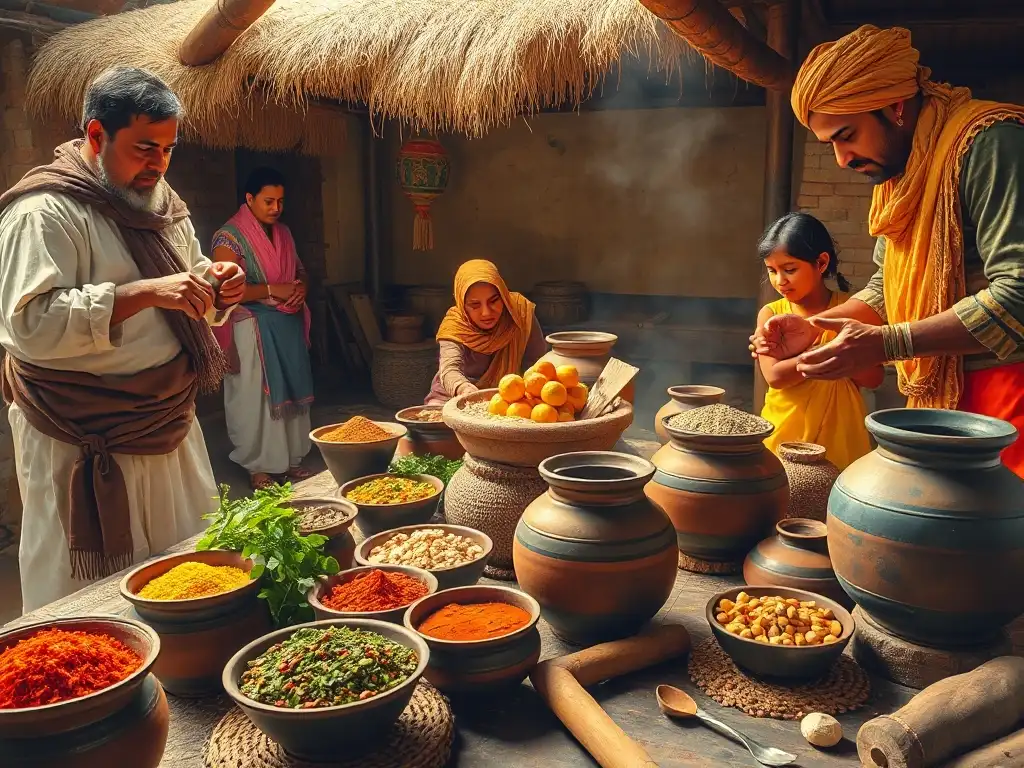
The Indus Valley Civilization, one of the world's earliest urban cultures, had a rich tapestry of culinary practices that reflect their innovative spirit and adaptability to their environment. The cooking methods of this ancient society were deeply intertwined with their agricultural practices, availability of resources, and communal lifestyle.
Traditional Cooking Techniques: From Clay Pots to Tandoors
The cooking techniques of the Indus Valley people were notably advanced for their time, primarily utilizing locally available materials and methods. Clay pots were a staple in their culinary practices, as they were excellent for slow cooking and retaining flavors. These pots were often crafted using a coiling technique, allowing for varied sizes and shapes, which optimized cooking for both small and large gatherings.
Another significant method was the use of tandoors, a type of clay oven that originated in this civilization. Tandoors were ideal for baking bread, which was a dietary staple. The use of this cooking method allowed for the preparation of various types of flatbreads, such as roti and naan, which were often enjoyed with lentils or vegetables. The unique flavor imparted by the tandoor, through the high heat and smoky flavor, remains a hallmark of Indian cuisine today.
Cooking also involved techniques like steaming, which was likely achieved using large, shallow pots over boiling water. This method preserved the nutrients of the food, particularly vegetables and grains, and is reminiscent of modern-day steaming practices.
The Influence of Geography on Culinary Practices
The geography of the Indus Valley significantly influenced its food traditions and cooking methods. The region's varied landscapes, which included fertile plains, deserts, and proximity to major rivers, shaped agricultural practices and, consequently, culinary traditions.
River Systems and Their Impact on Food Production
The Indus River and its tributaries provided essential irrigation for agriculture, allowing for the cultivation of a variety of crops. This plentiful access to water enabled the growth of wheat, barley, and legumes, which formed the backbone of the diet. The river systems also facilitated fishing, contributing to a diverse protein source. The strategic location of major urban centers near these rivers not only supported agriculture but also enabled trade routes that introduced new ingredients and culinary techniques from neighboring regions.
The reliance on river systems fostered a communal approach to food production and sharing within the Indus Valley society, where surplus crops could be traded or used in communal feasts, further enriching their culinary culture.
Climate and Its Role in Ingredient Availability
The climate of the Indus Valley, characterized by hot summers and mild winters, played a crucial role in ingredient availability. The seasonality of crops dictated what could be harvested and consumed at different times of the year.
During the cooler months, legumes and grains were harvested, forming the basis of hearty stews and flatbreads. Conversely, the warmer months saw the cultivation of vegetables and fruits, adding freshness and variety to their diet.
The adaptability of ancient Indian food traditions is evident in how the people of the Indus Valley utilized their climatic conditions to create a diverse array of dishes that celebrated seasonal ingredients. This understanding of local ecology and agriculture laid the groundwork for what would become a hallmark of ancient Indian food traditions.
The culinary secrets of the Indus Valley not only showcase the sophistication of their cooking methods but also highlight the intricate relationship between geography, climate, and culinary practices. Such historical insights into ancient Indian food traditions reveal the roots of contemporary Indian cuisine, which continues to evolve while honoring its rich heritage.
Signature Dishes of Ancient Indian Food Traditions
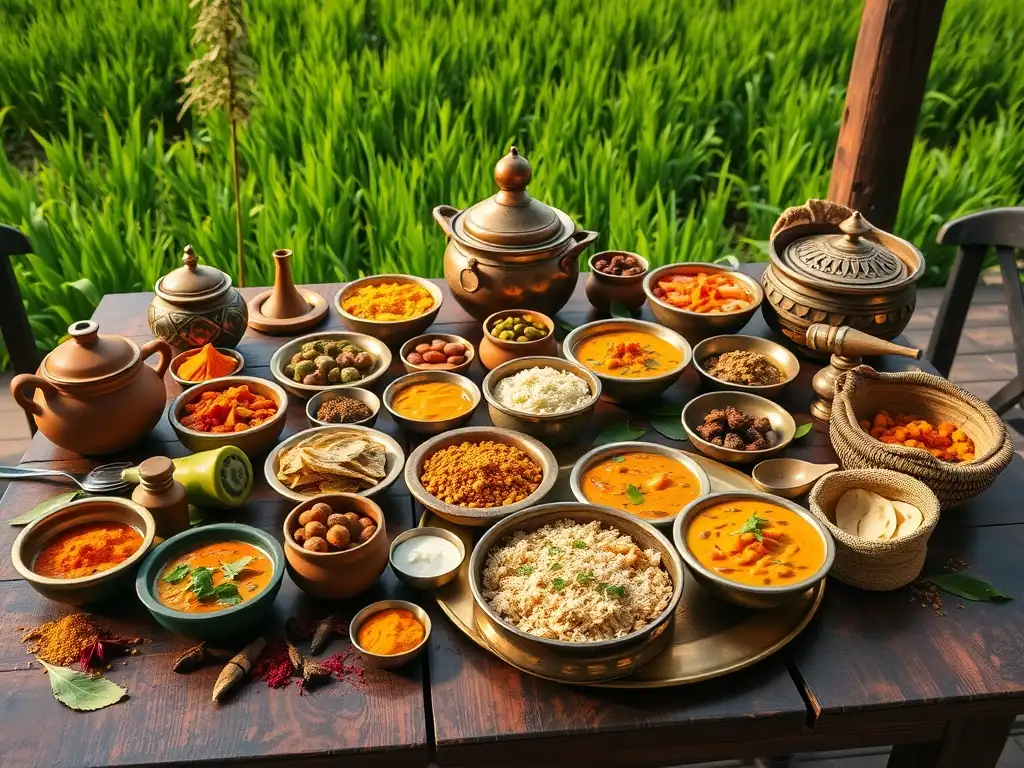
The culinary landscape of the Indus Valley Civilization is a testament to the rich and diverse food traditions that have shaped ancient Indian cuisine. With evidence pointing to sophisticated agricultural practices, the people of this era developed signature dishes that laid the groundwork for contemporary Indian food culture. The emphasis on locally sourced ingredients, coupled with innovative cooking techniques, highlights the Indus Valley's contributions to the broader spectrum of ancient Indian food traditions.
Staple Foods: Bread and Grains of the Indus Valley
The dietary staples of the Indus Valley included a variety of grains that were not only essential for sustenance but also played a significant role in cultural practices. Archaeological findings indicate that wheat and barley were among the primary grains cultivated in this region, forming the basis of many traditional dishes.
- Wheat: Known for its versatility, wheat was ground into flour to create various breads.
- Barley: Used in both food and beverages, barley was integral to the diet, often boiled or fermented.
These grains were complemented by legumes, pulses, and a selection of vegetables, which were commonly available due to the fertile lands surrounding the Indus River. This combination of ingredients reflects the early understanding of nutrition and the importance of a balanced diet in ancient Indian food traditions.
Recipes for Traditional Flatbreads: Roti and Naan
Flatbreads, particularly roti and naan, are the cornerstone of Indian cuisine, with roots tracing back to the Indus Valley. These breads are made from whole wheat flour, which is a staple in many households today.
- Roti:
- Ingredients: Whole wheat flour, water, salt (optional).
- Instructions:
- Mix flour and salt in a bowl, gradually adding water to form a dough.
- Knead the dough until smooth, then cover and let it rest for 30 minutes.
- Divide the dough into small balls and roll each into a thin circle.
- Cook on a hot griddle until puffed and golden on both sides.
- Naan:
- Ingredients: All-purpose flour, yeast, yogurt, water, salt.
- Instructions:
- Activate yeast in warm water, then mix with flour, yogurt, and salt to form a soft dough.
- Allow the dough to rise for 1-2 hours.
- Roll out the dough into oval shapes and cook on a hot tandoor or griddle until charred and cooked through.
These recipes not only illustrate the culinary skills of the Indus Valley people but also highlight the continuity of ancient Indian food traditions that persist to this day.
Fermented Foods and Their Cultural Significance
Fermented foods play a crucial role in ancient Indian food traditions, offering preservation methods and enhancing the nutritional profile of various dishes. In the Indus Valley, fermentation was likely utilized to create foods that are both flavorful and beneficial for health.
- Health Benefits: Fermented foods are known to improve digestion and boost immunity, showcasing an early understanding of food science among ancient civilizations.
- Cultural Practices: The preparation and consumption of fermented products often included communal activities, reinforcing social bonds within communities.
The significance of fermented foods in ancient Indian cuisine serves as a bridge connecting past practices to contemporary dietary habits.
The Art of Making Lassi and Curd
Among the most cherished fermented foods in ancient Indian culture are lassi and curd, both of which have origins in the Indus Valley.
- Curd:
- Ingredients: Milk, a small amount of existing curd (as a starter).
- Instructions:
- Boil milk and let it cool to a warm temperature.
- Stir in a spoonful of curd and cover it to allow fermentation overnight.
- Once set, curd can be enjoyed plain or flavored with spices.
- Lassi:
- Ingredients: Curd, water, sugar or salt (depending on preference).
- Instructions:
- Blend curd with water until smooth.
- Add sugar for a sweet lassi or salt for a savory version.
- Serve chilled, often garnished with mint or spices.
These traditional preparations not only highlight the culinary artistry of ancient Indian food traditions but also reflect the cultural significance of dairy in the diet of the Indus Valley people. The continued popularity of lassi and curd in modern Indian cuisine underscores the lasting legacy of these ancient practices.
Ancient Indian Sweets: A Taste of Heritage
Ancient Indian sweets are a delightful reflection of the rich culinary heritage of the Indus Valley civilization and its successors. These sweets not only tantalize the taste buds but also embody the cultural significance of various festivals and rituals in ancient India. Ingredients such as jaggery, milk, and various grains were often used, showcasing the agricultural richness of the region.
The preparation of sweets was deeply intertwined with social gatherings and celebrations. For instance, Kheer, a rice pudding made from milk and sweetened with jaggery or sugar, has been a staple dessert for centuries. It was often offered to deities in temples, highlighting its spiritual importance. Similarly, Halwa, a sweet dish made from various base ingredients such as semolina or lentils, was commonly prepared during festive occasions and family gatherings, symbolizing unity and joy.
These ancient sweets have evolved over the centuries but remain a cherished part of Indian cuisine. Their recipes have been passed down through generations, preserving the culinary traditions that reflect the agricultural practices, climate, and cultural exchanges of ancient India. Today, enjoying these sweets is not just about taste, but also about appreciating the history and stories they carry, making them an essential aspect of ancient Indian food traditions.
Recipes for Traditional Sweets: Kheer and Halwa
Kheer Recipe
Kheer is a simple yet rich dessert that can be prepared with minimal ingredients. Here’s how to make this traditional sweet:
- Ingredients:
- 1 cup of rice (preferably basmati)
- 4 cups of whole milk
- 1/2 cup of jaggery or sugar (adjust to taste)
- 1/4 teaspoon of cardamom powder
- A handful of nuts (cashews, almonds) and raisins
- A pinch of saffron (optional)
- Instructions:
- Rinse the rice thoroughly and soak it in water for about 30 minutes.
- In a heavy-bottomed pan, bring the milk to a boil.
- Add the soaked rice and cook on low heat, stirring occasionally, until the rice is cooked and the mixture thickens (around 20-25 minutes).
- Stir in the jaggery or sugar and mix until dissolved.
- Add cardamom powder, nuts, raisins, and saffron. Cook for another 5 minutes.
- Serve warm or chilled, garnished with additional nuts.
Halwa Recipe
Halwa can be made using different bases like semolina (suji) or lentils. Here’s a basic recipe using semolina:
- Ingredients:
- 1 cup of semolina
- 1 cup of sugar
- 2 cups of water
- 1/2 cup of ghee (clarified butter)
- 1/4 teaspoon of cardamom powder
- Chopped nuts (cashews, almonds) for garnish
- Instructions:
- Heat ghee in a pan and add semolina. Roast it on low heat until it turns golden brown and fragrant.
- In a separate pot, bring water to a boil and add sugar, stirring until dissolved.
- Gradually pour the sugar water into the roasted semolina, stirring continuously to avoid lumps.
- Cook until the mixture thickens and starts to leave the sides of the pan.
- Add cardamom powder and garnish with chopped nuts.
- Serve hot, allowing the sweet aroma to fill your home.
Both Kheer and Halwa are not just desserts but are imbued with the essence of ancient Indian food traditions, celebrating the flavors and techniques that have been cherished through the ages.
The Role of Food in Ancient Indian Society and Culture
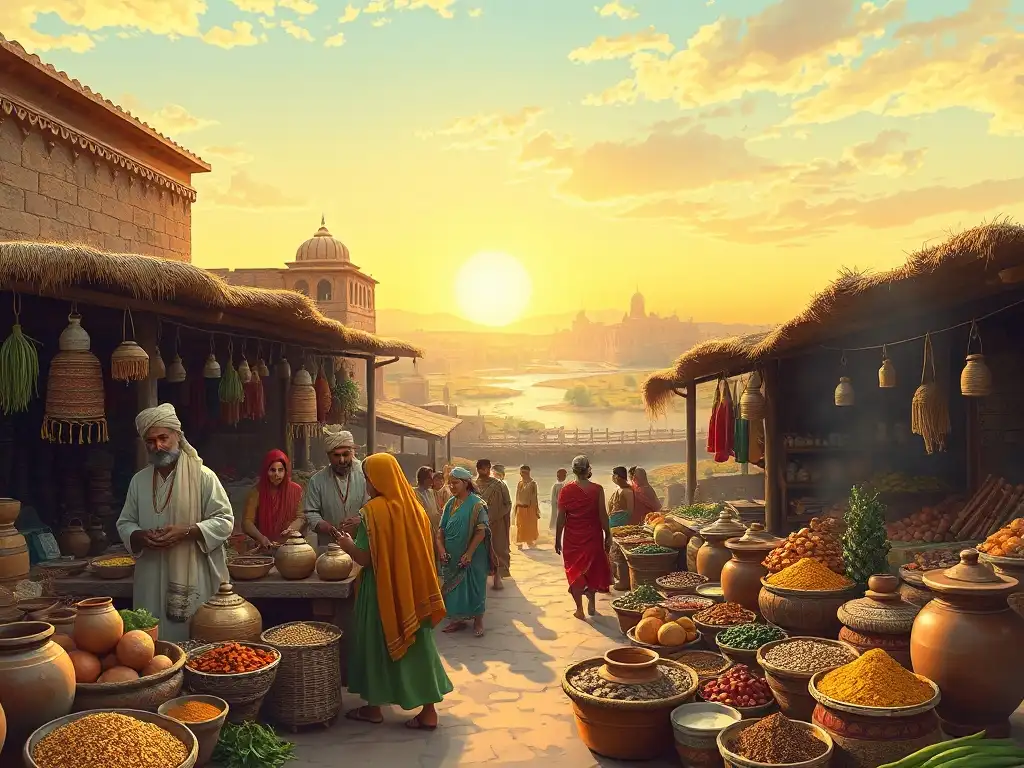
In ancient Indian society, food played a significant role in defining social hierarchies and status. The variety of food consumed and the manner in which it was prepared and served often reflected an individual's social class. For instance, the elite and wealthy families had access to a wider range of ingredients and spices, allowing them to create elaborate dishes that showcased their affluence.
- Luxury Ingredients: Items such as saffron, ghee, and a variety of meats were typically reserved for the upper class. These ingredients were not merely for sustenance; they were symbols of wealth and power.
- Culinary Skills: The ability to prepare intricate dishes was a prized skill among the affluent. Cooks and chefs who could create complex flavors and present dishes artistically were often held in high esteem.
Conversely, the lower classes often relied on simpler, more accessible ingredients, such as grains and legumes. This disparity in food consumption highlighted the economic divides within society.
Rituals and Ceremonies: The Cultural Importance of Food Offerings
Food has always held a sacred place in ancient Indian rituals and ceremonies, serving as a bridge between the material and spiritual worlds. Offerings of food during religious ceremonies were believed to please the deities and bring blessings to the household.
- Prasadam: This term refers to food offered to deities during worship, which is later distributed to devotees. It symbolizes the divine blessing and is integral to many rituals.
- Festivals: Celebrations like Diwali and Pongal feature specific foods that are prepared and shared among family and community members, reinforcing social bonds and cultural identity.
Moreover, the preparation of these foods often involved specific rituals, emphasizing purity and devotion. For example, the act of cooking was sometimes treated as a spiritual practice, with the kitchen being regarded as a sacred space.
Trade and Culinary Exchange: Influences from Neighboring Cultures
The Indus Valley civilization was strategically located along major trade routes, facilitating culinary exchanges with neighboring regions. This interaction led to a rich tapestry of food traditions influenced by various cultures.
- Spices and Ingredients: The trade networks allowed the introduction of diverse spices like black pepper and turmeric from Southeast Asia, profoundly impacting the flavor profiles of ancient Indian cuisine.
- Culinary Techniques: Techniques such as fermentation and preservation were adopted from other cultures, enhancing food preservation methods and diversifying culinary practices.
This exchange not only enriched the local cuisine but also contributed to the development of a unique culinary identity that would influence generations to come. As a result, ancient Indian food traditions were not merely insular but were dynamic and evolving, reflecting a blend of indigenous practices and external influences.
Reviving Ancient Indian Food Traditions in Modern Cuisine
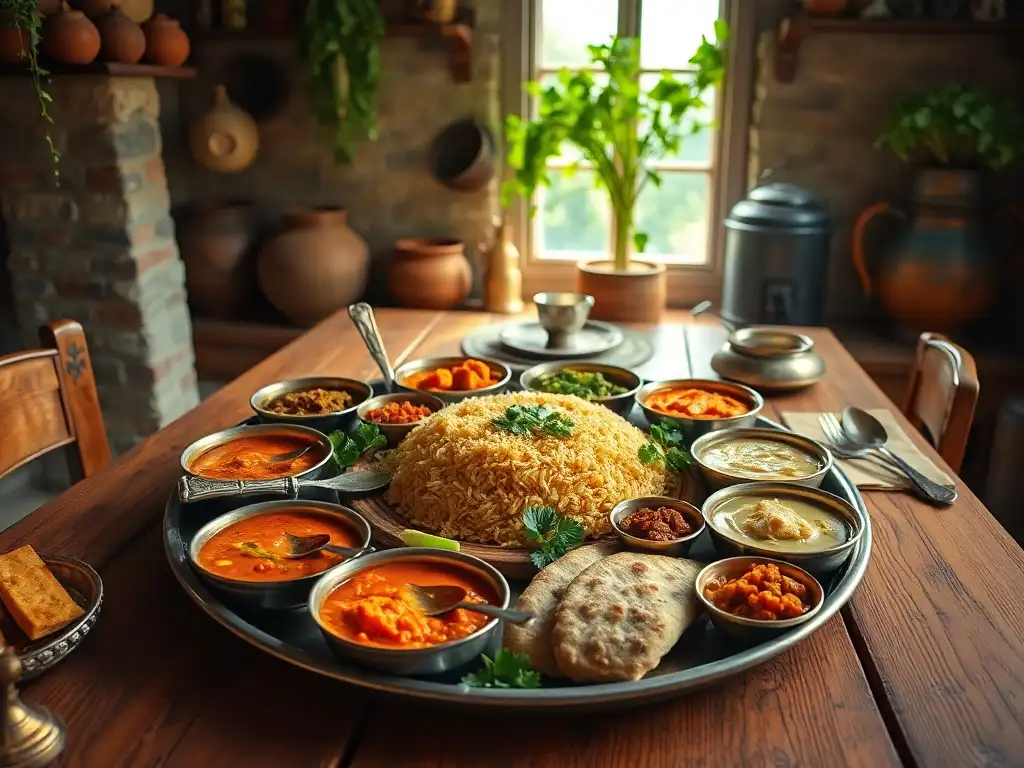
The revival of ancient Indian food traditions is gaining momentum as contemporary chefs and culinary enthusiasts seek to reconnect with the rich heritage of flavors and techniques that date back to the Indus Valley civilization. These traditions are not only an expression of culture but also a means of preserving the diverse agricultural practices and seasonal ingredients that have shaped Indian cuisine over millennia. By integrating ancient recipes into modern cooking, chefs are providing a unique dining experience that honors the past while appealing to contemporary palates.
The exploration of ancient Indian food traditions involves understanding the fundamental ingredients and cooking methods that were used. Staples such as millet, barley, and lentils were prevalent in the diets of ancient Indians, often flavored with spices like turmeric, cumin, and coriander. These methods are now being adapted to suit modern tastes, with chefs reimagining traditional dishes while maintaining their essence. Furthermore, the use of cooking techniques such as clay pot cooking and slow simmering is being revived, emphasizing the importance of time-honored practices in the culinary arts.
Contemporary Chefs Embracing Ancient Recipes
Contemporary chefs are at the forefront of reviving ancient Indian food traditions, creatively intertwining them with modern culinary techniques. By sourcing local ingredients and employing sustainable practices, they are not only preserving these traditions but also promoting a deeper connection to the land and its history. This movement is characterized by a focus on authenticity, flavor, and the narrative behind each dish.
One notable aspect of this culinary revival is the interest in heirloom grains and forgotten vegetables, which are being brought back to the forefront of Indian cuisine. Chefs are experimenting with ancient grains like foxtail millet and kodo millet, which offer health benefits and unique flavors. Additionally, traditional fermentation methods are being utilized to create probiotic-rich dishes that reflect the ancient practices of food preservation.
Case Study: Chef Vikram Sunderam and Their Culinary Innovations
Chef Vikram Sunderam, a prominent figure in the culinary scene, is a prime example of how chefs are embracing ancient Indian food traditions. His approach combines meticulous research and a passion for authenticity, leading to the creation of innovative dishes that pay homage to India’s rich culinary history.
At his acclaimed restaurant, he incorporates forgotten ingredients and traditional recipes into his menus, attracting food lovers who seek an authentic experience. For instance, Sunderam has successfully reintroduced the use of bhakri, a coarsely ground millet flatbread, alongside contemporary dishes that highlight its versatility. His commitment to ancient food traditions is evident in his meticulous sourcing of ingredients, often collaborating with local farmers to ensure the use of organic and heirloom products.
Through his culinary innovations, Chef Sunderam is not only reviving ancient recipes but also educating diners about the significance of these ingredients, fostering a greater appreciation for ancient Indian food traditions.
Restaurants Celebrating Ancient Indian Food Traditions
Several restaurants across India are dedicated to celebrating and showcasing ancient Indian food traditions. These establishments often serve as cultural ambassadors, providing diners with a taste of history while promoting sustainable practices and local ingredients. Here are two notable examples:
Top Restaurants to Experience Ancient Indian Cuisine
1. Indian Accent
Located in New Delhi, Indian Accent is renowned for its creative take on traditional Indian cuisine. The chef meticulously researches ancient recipes and ingredients, crafting a menu that reflects the culinary diversity of India. Signature dishes often include elements inspired by ancient food traditions, such as the use of heirloom grains and forgotten spices.
2. Bukhara
Situated in the ITC Maurya, New Delhi, Bukhara is celebrated for its authentic North Indian fare. The restaurant takes pride in its clay oven-cooked dishes that echo the traditional cooking methods of ancient India. The menu features an array of kebabs and breads, with an emphasis on using local and seasonal ingredients, allowing diners to experience the flavors that have been cherished for centuries.
The revival of ancient Indian food traditions through the lens of modern cuisine is a growing trend that enriches the culinary landscape. Chefs like Vikram Sunderam are leading the charge, while restaurants such as Indian Accent and Bukhara serve as pillars of this movement, celebrating the timeless flavors of ancient India.
Conclusion: Preserving Ancient Indian Food Traditions for Future Generations
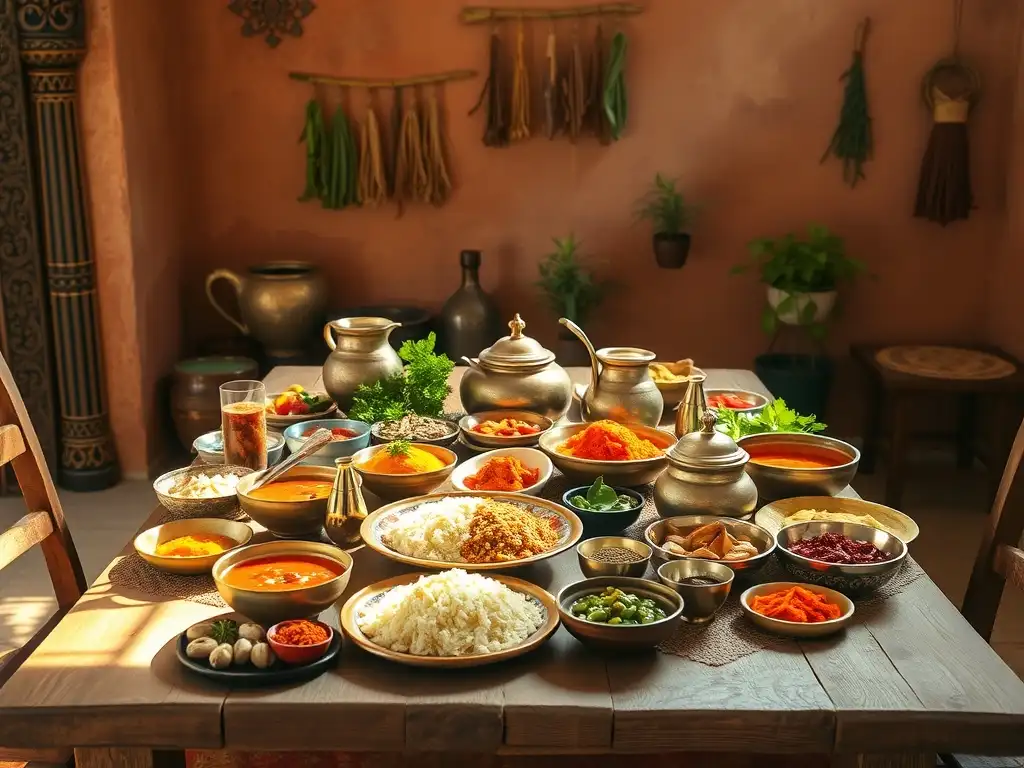
The culinary heritage of the Indus Valley and ancient Indian civilizations is a treasure trove of flavors, techniques, and cultural significance. Preserving these ancient Indian food traditions is crucial not only for cultural identity but also for enriching contemporary cuisine. As we delve into the past, we uncover the ways in which ancient societies utilized local ingredients, developed unique cooking methods, and established communal eating practices.
To ensure that future generations appreciate and continue these traditions, it is essential to document and share knowledge through various avenues, including culinary schools, community workshops, and cultural festivals. Engaging younger generations through hands-on experiences can cultivate a sense of pride and ownership over their culinary heritage.
Furthermore, the integration of ancient recipes into modern culinary practices can enhance the gastronomic landscape, allowing traditional flavors to flourish in contemporary kitchens. By fostering a dialogue between the past and present, we can create a vibrant culinary culture that honors its roots while evolving with time.
The Importance of Culinary Tourism in Ancient Indian Heritage
Culinary tourism has emerged as a powerful tool for promoting ancient Indian food traditions. It invites travelers to explore and experience the rich tapestry of flavors and cooking methods that define India's culinary landscape.
- Cultural Exchange: Culinary tourism facilitates cultural exchange, allowing visitors to engage with local communities and learn about their food practices. This interaction not only enriches the travel experience but also fosters appreciation for ancient traditions.
- Economic Benefits: By promoting local cuisines through culinary tourism, communities can benefit economically. Local markets, restaurants, and producers thrive as tourists seek authentic experiences tied to ancient Indian food traditions.
- Preservation of Heritage: Culinary tourism encourages the preservation of traditional recipes and cooking techniques. When travelers express interest in these practices, it motivates locals to sustain their culinary heritage, ensuring that ancient knowledge is not lost.
- Educational Opportunities: Culinary tourism serves as an educational platform, providing workshops and cooking classes that teach visitors about ancient food preparation methods and the significance of local ingredients.
Encouraging Sustainable Practices and Local Ingredients
The revival and preservation of ancient Indian food traditions are closely linked to the promotion of sustainable practices and the use of local ingredients. Here are several ways to encourage this approach:
- Support Local Farmers: By sourcing ingredients from local farmers, communities can enhance the sustainability of their culinary practices. This not only reduces the carbon footprint associated with food transport but also helps maintain agricultural biodiversity.
- Seasonal Cooking: Emphasizing seasonal ingredients aligns with ancient practices, where food was prepared based on availability. This method not only supports local agriculture but also enhances the flavor and nutrition of dishes.
- Waste Reduction: Incorporating techniques from ancient Indian food traditions, such as fermentation and preservation, can help minimize food waste. These practices not only extend the shelf life of ingredients but also create unique flavors that contribute to culinary diversity.
- Community Engagement: Involving local communities in the promotion of sustainable culinary practices fosters a sense of ownership and pride. Collaborative efforts such as farmers' markets and community kitchens can serve as platforms for sharing knowledge and traditions.
Honoring and preserving ancient Indian food traditions is essential for cultural continuity and culinary innovation. By promoting culinary tourism and supporting sustainable practices, we can ensure that these rich traditions are celebrated and passed down through generations.
Call to Action: Explore and Experience Ancient Indian Food Traditions
Exploring Ancient Indian food traditions can be a sensory journey that connects you with the rich culinary heritage of one of the world's oldest civilizations. Whether you are a food enthusiast or a history buff, delving into the flavors, ingredients, and cooking techniques of the Indus Valley can provide a deeper understanding of how these traditions have shaped modern Indian cuisine.
To embark on this culinary adventure, consider engaging with resources that provide authentic recipes and insights into the ancient practices that have been passed down through generations.
Recommended Cookbooks on Ancient Indian Cuisine
"The Indian Slow Cooker" - A Guide to Historical Recipes
This cookbook offers a unique blend of traditional recipes adapted for the modern kitchen. It highlights methods and ingredients that have roots in ancient culinary practices, allowing readers to recreate dishes that echo the flavors of the Indus Valley civilization.
- Key Features:
- Slow-cooking techniques that enhance flavors, mirroring ancient cooking methods.
- Recipes that include staples like lentils, grains, and spices that were prevalent in ancient Indian diets.
- Tips on sourcing authentic ingredients to achieve an authentic taste.
"Curry: A Tale of Cooks and Conquerors" - Understanding Ancient Indian Culinary Practices
This book provides a historical narrative of how curry has evolved, tracing its origins back to ancient times. It delves into the impact of trade, migration, and conquest on the development of curry, one of the most iconic elements of Indian cuisine.
- Key Features:
- A rich historical context that explains the significance of spices in ancient Indian cooking.
- Insights into the cultural exchanges that influenced ancient Indian food traditions.
- Recipes that are both traditional and contemporary, showcasing the versatility of curry.
Join Culinary Tours Focused on Ancient Indian Traditions
Participating in culinary tours that focus on ancient Indian food traditions offers an immersive experience. These tours not only allow you to taste authentic dishes but also provide insights into the cultural significance behind them.
- What to Expect:
- Hands-on cooking classes where you can learn ancient techniques and recipes from local chefs.
- Visits to historical sites that have influenced regional cuisines.
- Opportunities to engage with local communities and experience their food practices firsthand.
By joining these tours, you will not only savor the flavors of ancient India but also connect with the stories and traditions that have shaped its culinary landscape.
Embark on this journey to discover the culinary secrets of the Indus Valley and enrich your understanding of ancient Indian food traditions!
Frequently Asked Questions
What are some key features of ancient Indian food traditions?
Ancient Indian food traditions were characterized by diverse ingredients, regional flavors, and the use of spices. They emphasized vegetarianism, influenced by cultural and religious beliefs.
How did the Indus Valley Civilization contribute to food traditions?
The Indus Valley Civilization laid the foundation for agriculture, cultivating crops like wheat and barley. Their urban planning included granaries, showcasing the importance of food storage and trade.
What role did spices play in ancient Indian cuisine?
Spices were crucial in ancient Indian cuisine, not only for flavor but also for their preservative qualities. They were traded extensively, contributing to India's reputation as a hub for exotic flavors.
How did the Gupta Empire influence food culture in ancient India?
During the Gupta Empire, there was a flourish in culinary arts and literature. This period saw the introduction of new cooking techniques and a variety of dishes that blended regional influences.
Are there any notable ancient texts on Indian food traditions?
Yes, ancient texts such as the Ayurveda and various cooking manuals provide insights into food traditions, including recipes, dietary principles, and the health benefits of different ingredients.
Final Reflection: Unearthing the Rich Tapestry of Ancient Indian Food Traditions
The exploration of ancient Indian food traditions reveals not only the culinary practices of the Indus Valley civilization but also their profound connection to our contemporary culture. Today, as we navigate a globalized world, the resurgence of interest in traditional diets and sustainable practices underscores the significance of these ancient culinary secrets. The flavors and techniques that have been passed down through generations are more than just recipes; they are a testament to the resilience and creativity of our ancestors.
The influence of ancient Indian food traditions extends beyond mere sustenance; it shapes our identities and cultural narratives. As we embrace these age-old practices, we find ourselves reconnecting with our roots and fostering a deeper appreciation for the diversity of our culinary heritage. Food is not just what we eat; it is a reflection of who we are.
This sentiment resonates profoundly as we delve into the culinary history of the Indus Valley, reminding us that every dish tells a story of the people, their environment, and their values.
As we reflect on the lessons from the past, let us take a moment to consider how we can incorporate these ancient practices into our modern lives. I invite you to explore your own culinary heritage, experiment with traditional recipes, and share these experiences with others. By doing so, we not only honor the rich tapestry of ancient Indian food traditions but also ensure that these culinary secrets continue to thrive for future generations. Embrace the flavors of history and let them inspire your kitchen today!
Unveil the Flavors of Ancient India Today!
Thank you for diving into the rich tapestry of the Indus Valley’s culinary secrets with us! You’ve discovered fascinating insights into ancient food traditions that not only shaped Indian cuisine but also connect us to our cultural heritage. Now, it’s time to take action and bring these flavors into your own life!
Here are some exciting steps you can take:
- Experiment with a Forgotten Recipe: Choose one of the ancient dishes you learned about and try recreating it at home. Share your culinary adventure on social media with the hashtag **#IndusFlavorJourney**!
- Join a Local Cooking Class: Look for workshops that focus on traditional Indian cooking. It's a fun way to meet new friends and deepen your understanding of these ancient techniques.
- Spread the Word: Share this article with friends or family who love to cook. Spark conversations about the history behind the dishes and inspire them to explore their culinary heritage too!
What ancient flavors will you explore in your next dish, and how do you envision connecting with your cultural heritage through food?