
Yoga as a Path to Enlightenment: Insights from Ancient Indian Scholars

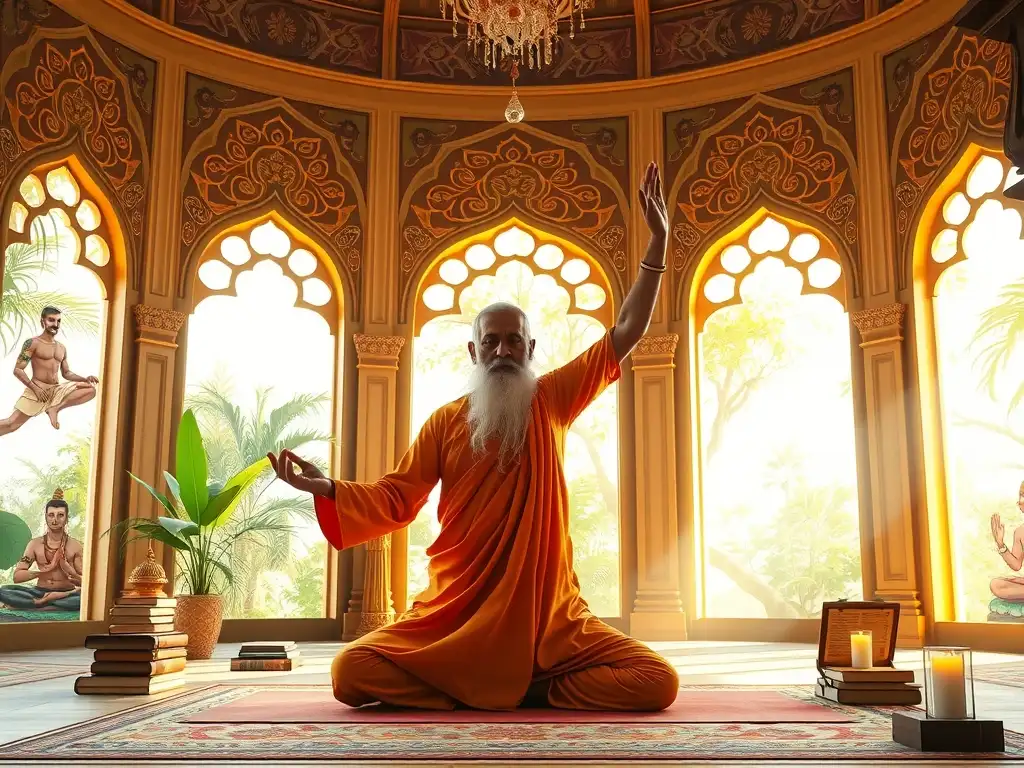
Welcome to Ancient India History, where we invite you on a journey through the vibrant tapestry of ancient Indian civilizations. Dive into the profound insights of Yoga and ancient Indian scholars, a timeless practice that has shaped the spiritual and philosophical landscape of the world. Discover how these scholars viewed yoga not merely as a physical exercise, but as a transformative path to enlightenment. Prepare to unravel the mysteries behind their teachings and understand the cultural significance of yoga in ancient times. Your exploration begins here—let curiosity guide you deeper into the wisdom of our past!
Introduction to Yoga and Ancient Indian Scholars
Yoga, a practice that transcends mere physical exercise, is deeply rooted in the philosophical and spiritual traditions of ancient India. It serves as a profound path to enlightenment, guiding practitioners towards self-realization and inner peace. The contributions of ancient Indian scholars to the field of yoga are invaluable, shaping its principles, techniques, and philosophical underpinnings.
This article delves into the wisdom imparted by these scholars, exploring how their insights continue to influence modern practices and understanding of yoga. As we navigate through the rich tapestry of ancient Indian history, we will uncover the transformative power of yoga through the lens of those who pioneered its teachings.
The Historical Context of Yoga in Ancient India
Understanding the history of yoga requires a journey back to its origins within the vibrant civilizations of ancient India. Yoga is not merely a set of postures; it is an intricate system of philosophy and practice that has evolved over thousands of years. The earliest references to yoga can be found in the Vedas, specifically in the Rigveda, dating back to around 1500 BCE. These texts provide insights into the spiritual practices and rituals that laid the groundwork for later developments in yoga.
Tracing the Origins of Yoga
The roots of yoga can be traced to the Indus Valley Civilization, where archaeological findings suggest the presence of yogic practices as early as 3000 BCE. Seals depicting figures in meditative postures indicate a rich tradition of spiritual exploration. Over time, yoga absorbed influences from various philosophical schools, including Samkhya and Vedanta, evolving into a comprehensive system of thought.
The Upanishads, composed between 800 and 400 BCE, further elucidated the nature of reality and the self, establishing a philosophical framework that would guide yogic practices. It was during this period that the concept of moksha, or liberation, emerged as a central goal of yoga, setting the stage for future scholars to explore its implications.
Key Ancient Indian Scholars and Their Contributions
Several eminent scholars have significantly shaped the discourse on yoga, each contributing unique perspectives that enriched its practice:
- Patanjali: Often regarded as the father of yoga, Patanjali compiled the Yoga Sutras around the 2nd century BCE. His work systematized yoga into an eightfold path ( Ashtanga Yoga), outlining ethical precepts, physical practices, and meditative techniques.
- Vyasa: A revered sage who commented on the Yoga Sutras, Vyasa emphasized the importance of meditation and self-discipline in achieving enlightenment. His interpretations laid the groundwork for many subsequent philosophical discussions on yoga.
- Shankara: A prominent philosopher from the 8th century CE, Shankara integrated yoga with Advaita Vedanta, advocating for the non-duality of the self and the ultimate reality. His teachings reinforced the connection between yoga and the pursuit of knowledge.
- Buddha: Though not a traditional yogi, the Buddha’s teachings on mindfulness and meditation have greatly influenced yogic practices. His emphasis on the Middle Way resonates with the balanced approach of yoga, promoting mental clarity and spiritual growth.
These scholars, among others, have left an indelible mark on the tradition of yoga, ensuring its relevance and adaptability throughout the ages. Understanding their contributions allows modern practitioners to appreciate the depth and richness of yoga as a path to enlightenment.
Understanding Yoga as a Path to Enlightenment
Yoga, derived from the Sanskrit word "Yuj," meaning to unite, serves as a comprehensive approach to achieving enlightenment through a harmonious union of body, mind, and spirit. Ancient Indian scholars elucidated that the practice of yoga transcends mere physical postures; it is fundamentally a transformative journey toward self-realization and a deeper understanding of one’s place in the cosmos. Through the lens of history, yoga has been perceived not only as a series of exercises but as a profound philosophical system that integrates various aspects of life, leading practitioners toward liberation (moksha).
The concept of enlightenment in yoga is intricately tied to the understanding of consciousness and the self. Ancient texts such as the Bhagavad Gita and the Yoga Sutras of Patanjali highlight that enlightenment is achieved when an individual transcends the limitations of the ego and realizes their true nature as part of a universal consciousness. This journey is marked by self-discipline, ethical living, and spiritual practices that foster growth and insight.
The Philosophical Underpinnings of Yoga
The philosophical foundations of yoga are deeply rooted in ancient Indian thought, particularly within the schools of Vedanta and Samkhya. These philosophies emphasize dualism and the distinction between the material and spiritual realms. Ancient scholars posited that the ultimate goal of human existence is to attain liberation from the cycle of birth and rebirth (samsara) and to realize the oneness with the divine.
Key philosophical concepts include:
- Dharma: The ethical and moral duties that govern an individual's life, which is crucial for personal development and societal harmony.
- Karma: The law of cause and effect, wherein one's actions directly influence future experiences, reinforcing the importance of righteous living.
- Moksha: The ultimate state of liberation and enlightenment, representing freedom from the material world's constraints.
Through these principles, ancient scholars articulated a holistic view of human existence, advocating for a lifestyle that supports spiritual growth and enlightenment.
Techniques and Practices Advocated by Ancient Scholars
Ancient Indian scholars outlined various techniques and practices integral to the yoga path, each designed to facilitate the journey toward enlightenment. These practices can be broadly categorized into three main areas:
- Asana (Postures): Physical postures that promote health, flexibility, and strength, allowing practitioners to prepare their bodies for prolonged periods of meditation.
- Pranayama (Breath Control): Techniques focusing on breath regulation, which is believed to enhance vital energy (prana) and cultivate mental clarity and focus.
- Dhyana (Meditation): A central practice in yoga, meditation involves concentrated thought and reflection, enabling deeper insight and connection with the inner self.
These foundational practices serve not only to enhance physical well-being but also to cultivate mental discipline, emotional stability, and spiritual awakening, guiding practitioners toward their ultimate goal of enlightenment.
The Role of Meditation in Ancient Yoga Practices
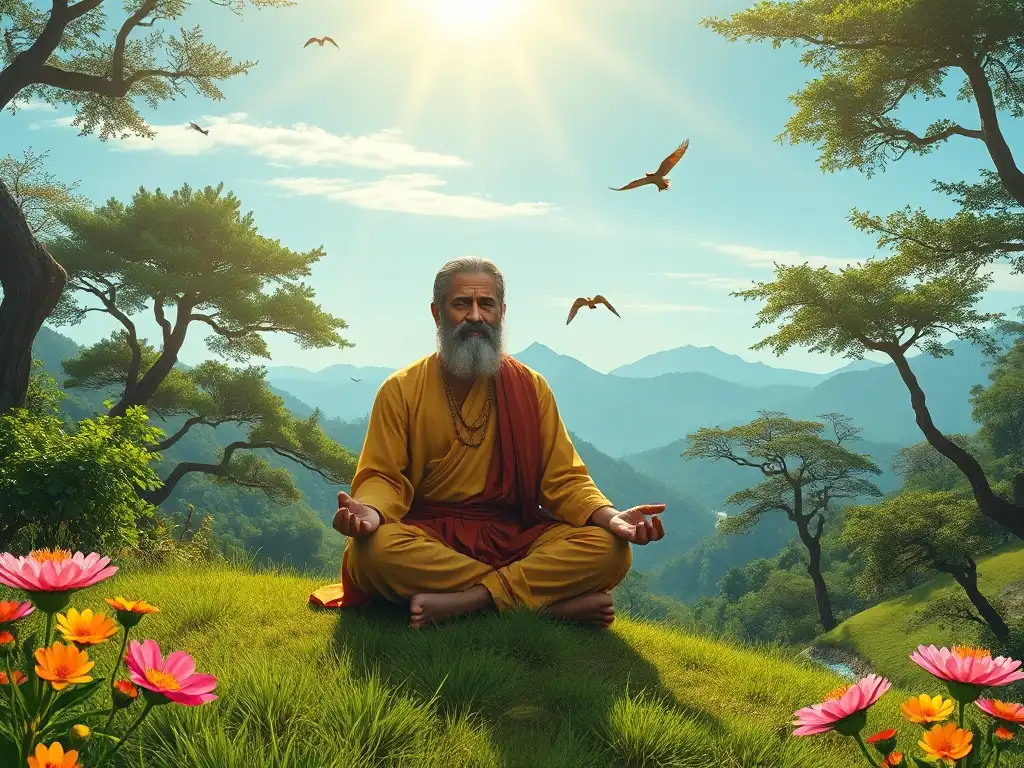
Meditation is a cornerstone of ancient yoga practices, revered as a powerful tool for self-discovery and spiritual growth. Ancient Indian scholars recognized that meditation facilitates the stilling of the mind, allowing practitioners to transcend ordinary thoughts and connect with higher states of consciousness.
Meditative practices were often combined with ethical guidelines, such as the Yamas and Niyamas, which emphasize moral conduct and personal observances. Through meditation, individuals could cultivate qualities like compassion, non-attachment, and self-awareness, which are essential for progressing on the path to enlightenment.
Meditation Techniques from Ancient Indian Scholars
Various meditation techniques have been documented by ancient Indian scholars, each offering unique pathways to enlightenment:
- Mindfulness Meditation: A practice focusing on observing thoughts without attachment, fostering a state of awareness and presence.
- Mantra Meditation: The repetition of sacred sounds or phrases (mantras) to cultivate concentration and connect with spiritual vibrations.
- Visualization: A technique involving the mental imagery of deities or symbols, promoting a sense of connection with the divine.
These techniques were often taught within the context of a guru-disciple relationship, emphasizing the importance of guidance in navigating the complexities of the mind and spirit.
Case Studies: Ancient Practices in Modern Context
The relevance of ancient yoga practices in contemporary society is evident through various case studies that demonstrate their enduring effectiveness. For instance, many modern yoga schools and practitioners integrate traditional techniques such as the practice of pranayama, which has been shown to reduce stress and enhance overall well-being.
Additionally, meditation techniques derived from ancient sources are widely adopted in therapeutic settings, providing tools for mental health treatment and personal development. Programs incorporating mindfulness meditation have gained traction in schools and workplaces, reflecting the timeless wisdom of ancient scholars in addressing modern challenges.
These case studies underscore the significant role that ancient practices play in today's quest for personal growth and enlightenment, bridging the gap between past wisdom and contemporary needs.
Yoga's Evolution Through Time
Yoga has undergone significant transformations since its inception in ancient India, evolving into a multifaceted practice that encompasses physical postures, meditation techniques, and philosophical insights. The roots of yoga can be traced back over 5,000 years, primarily found in the sacred texts known as the Vedas and later elaborated in the Upanishads. These early texts laid the groundwork for understanding yoga as a spiritual discipline aimed at achieving union with the divine.
Initially, yoga was practiced as a means to attain higher consciousness and enlightenment, focusing on the cultivation of the mind and spirit. The emergence of the Yoga Sutras of Patanjali in the 2nd century BCE marked a pivotal moment in yoga's history, systematizing its practices and philosophies into an eightfold path known as Ashtanga. This framework consisted of ethical precepts, physical postures (asanas), breath control (pranayama), and meditative practices, serving as a comprehensive guide to achieving self-realization.
The Transition from Ancient to Modern Yoga
The transition from ancient to modern yoga can be attributed to various sociocultural factors, including colonialism, globalization, and the influence of Western thought. In the late 19th and early 20th centuries, figures such as Swami Vivekananda began to popularize yoga in the West, framing it as a holistic approach to wellness and self-discovery. This shift marked a significant departure from its traditional spiritual context, emphasizing physical health and fitness.
The introduction of Hatha Yoga in the early 20th century further transformed yoga into a more accessible practice, focusing on physical postures and their benefits for the body. Teachers like T. Krishnamacharya and B.K.S. Iyengar played crucial roles in developing modern styles of yoga, such as Iyengar Yoga and Ashtanga Vinyasa, which garnered global attention and appeal. As a result, yoga became synonymous with physical exercise, often overshadowing its philosophical and meditative roots.
Modern Interpretations and Misinterpretations of Ancient Teachings
Today, modern interpretations of yoga often diverge significantly from its ancient origins. The emphasis on physical fitness and aesthetic performance in contemporary yoga classes can lead to misunderstandings of the deeper philosophical and spiritual aspects that ancient Indian scholars emphasized. For instance, while the physical postures are vital for preparing the body for meditation, they were never intended to be the sole focus of yoga practice.
Moreover, the commercialization of yoga has introduced various trends and practices that may distort traditional teachings. Terms like "yoga for weight loss" or "yoga as a workout" can misrepresent the holistic nature of the practice, reducing it to a mere fitness regime rather than the comprehensive spiritual path envisioned by ancient scholars. This shift raises important questions about authenticity and the preservation of yoga's original intent.
Conclusion: The Enduring Legacy of Ancient Indian Scholars in Yoga
The enduring legacy of ancient Indian scholars in the realm of yoga signifies the profound impact their teachings continue to have on contemporary society. Despite the transformations and adaptations that yoga has undergone over the centuries, the foundational principles outlined in ancient texts remain relevant.
The emphasis on self-discipline, mindfulness, and the pursuit of spiritual enlightenment resonates with modern practitioners seeking deeper meaning in their lives. As we explore the rich history of yoga, it is essential to honor the wisdom of these ancient scholars and strive to incorporate their insights into our modern practices. By doing so, we can bridge the gap between ancient teachings and contemporary applications, ensuring that the essence of yoga as a path to enlightenment remains alive and accessible for future generations.
Further Reading and Resources
To deepen your understanding of yoga and its philosophical underpinnings as articulated by ancient Indian scholars, consider exploring the following resources:
- Books:
- The Yoga Sutras of Patanjali - A foundational text that outlines the principles of yoga and its application in achieving spiritual enlightenment.
- The Bhagavad Gita - A dialogue that covers yoga as a path to self-realization and the importance of duty and righteousness.
- The Upanishads - Ancient texts that delve into the philosophical concepts of yoga and meditation, providing insights into the nature of reality.
- Online Resources:
- Yoga Alliance - A comprehensive platform featuring articles, webinars, and resources related to the philosophy of yoga and its historical context.
- Ancient India History - Articles and essays focusing on the contributions of ancient Indian scholars to the field of yoga and philosophy.
- Documentaries:
- The Science of Yoga - A documentary that explores the historical and cultural significance of yoga in ancient India.
- Yoga: The Art of Transformation - A visual journey through the history of yoga, showcasing the practices and philosophies that shaped its development.
By engaging with these materials, readers can gain a more profound appreciation of how ancient Indian scholars have shaped the practice of yoga and its role in the journey toward enlightenment.
Call to Action
Are you ready to embark on your own journey of discovery and enlightenment through yoga? Explore the teachings of ancient Indian scholars and integrate their wisdom into your practice. Here are some actionable steps to get started:
- Join a Yoga Class: Seek out local or online classes that emphasize the philosophical aspects of yoga. Look for instructors who incorporate ancient texts and teachings into their sessions.
- Start a Reading Journey: Choose a book from the further reading list and dedicate time each week to study its teachings. Reflect on how these concepts can be applied to your daily life.
- Practice Mindfulness: Incorporate meditation and mindfulness exercises into your routine. Use guidance from ancient texts to deepen your practice and connect with your inner self.
- Engage with the Community: Participate in forums or discussion groups focused on yoga and its philosophies. Share insights and learn from others who share your interest in ancient Indian wisdom.
Take these steps to not only enhance your understanding of yoga as a path to enlightenment but also to contribute to the ongoing exploration of this rich tradition. Your journey into the depths of yoga and the teachings of ancient Indian scholars awaits! 🧘♀️✨
- Introduction to Yoga and Ancient Indian Scholars
- The Historical Context of Yoga in Ancient India
- Understanding Yoga as a Path to Enlightenment
- The Philosophical Underpinnings of Yoga
- The Role of Meditation in Ancient Yoga Practices
- Yoga's Evolution Through Time
- The Transition from Ancient to Modern Yoga
- Modern Interpretations and Misinterpretations of Ancient Teachings
- Conclusion: The Enduring Legacy of Ancient Indian Scholars in Yoga
- Further Reading and Resources
- Call to Action
- What is the significance of Yoga in ancient Indian culture?
- Who were some key ancient Indian scholars associated with Yoga?
- How did Yoga evolve over time in ancient India?
- What role did meditation play in ancient Indian Yoga practices?
- How do modern interpretations of Yoga relate to ancient teachings?
Frequently Asked Questions
What is the significance of Yoga in ancient Indian culture?
Yoga was not just a physical practice but a spiritual discipline aimed at achieving enlightenment and self-realization, deeply intertwined with the philosophies of ancient Indian scholars.
Who were some key ancient Indian scholars associated with Yoga?
Prominent figures such as Patanjali, who authored the Yoga Sutras, and Vyasa, known for the Bhagavad Gita, greatly contributed to the understanding and development of Yoga as a profound practice.
How did Yoga evolve over time in ancient India?
Originally rooted in Vedic traditions, Yoga evolved through various philosophies, including Samkhya and Vedanta, adapting to the spiritual needs of the people and leading to different schools of thought.
What role did meditation play in ancient Indian Yoga practices?
Meditation was a core component, fostering a deeper connection to the self and the universe, allowing practitioners to cultivate mindfulness and achieve higher states of consciousness.
How do modern interpretations of Yoga relate to ancient teachings?
While modern Yoga often emphasizes physical postures, its roots in ancient teachings remind us of its holistic purpose: to unify the mind, body, and spirit for a comprehensive approach to well-being.
Final Reflection: The Timeless Journey of Yoga and Enlightenment
Yoga, as explored through the insights of ancient Indian scholars, remains profoundly relevant in today's fast-paced world. The teachings of these scholars not only provide a pathway to physical well-being but also serve as a guide for mental clarity and spiritual growth. In an era where stress and distraction are rampant, the wisdom of yoga offers a sanctuary for those seeking balance and enlightenment.
The influence of yoga extends beyond individual practice; it has woven itself into the cultural and social fabric of our lives. As we embrace these ancient teachings, we find ourselves part of a larger movement that values mindfulness, self-awareness, and interconnectedness. Yoga is the journey of the self, through the self, to the self.
This quote encapsulates the essence of yoga's transformative power, reminding us that the path to enlightenment is both personal and universal.
As you reflect on the insights shared in this article, consider how you can incorporate the principles of yoga into your daily life. Embrace the opportunity to cultivate mindfulness, foster inner peace, and connect with your true self. The journey of yoga is not just about physical postures; it is an invitation to explore the depths of your being and to live with intention and purpose. Take a moment to breathe, reflect, and step onto your mat—your path to enlightenment awaits.
Embrace Your Journey Towards Enlightenment!
Thank you for diving deep into the transformative insights of yoga from ancient Indian scholars! You've unlocked a treasure trove of wisdom that can guide your path to personal growth and enlightenment. Now, it's time to take your learnings to the next level.
Here’s how you can continue to nurture your journey:
- Begin a daily yoga practice: Dedicate at least 20 minutes each day to immerse yourself in yoga, focusing on breathing and meditation to enhance your mindfulness.
- Explore ancient texts: Read renowned works such as the Bhagavad Gita or the Yoga Sutras of Patanjali to deepen your understanding and connection to these teachings.
- Share your experience: Join or create a local yoga group or online community to discuss your insights and inspire others on their own paths.
What aspect of yoga resonates most with your personal journey toward enlightenment? Let's spark a conversation!