
Harvesting Techniques: The Tools and Methods of Ancient Indian Farmers

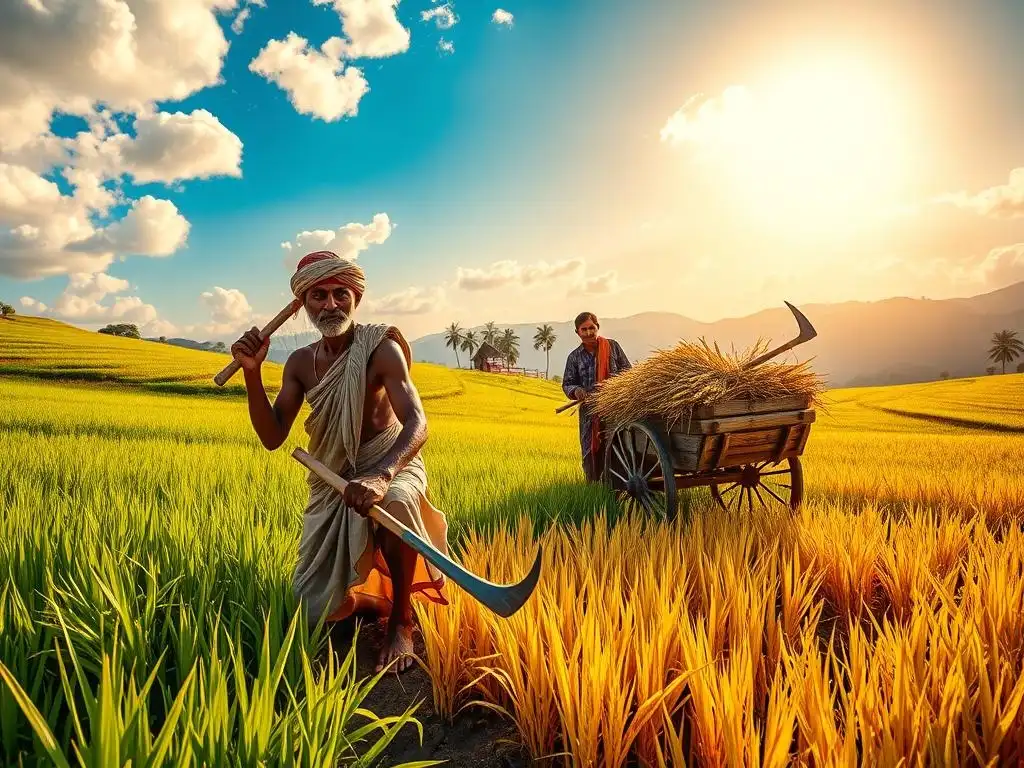
Welcome to Ancient India History, where we delve into the fascinating tapestry of India's rich and diverse past. In our featured article, "Harvesting Techniques: The Tools and Methods of Ancient Indian Farmers," we uncover the ingenious farming techniques that sustained civilizations from the Indus Valley to the Gupta Empire. How did these early farmers cultivate their lands, and what tools did they use to thrive in a challenging environment? Join us on this journey through time to discover the innovative practices that laid the foundation for India's agricultural legacy. Your exploration of ancient wisdom begins here!
Introduction to Ancient Indian Farming Techniques
The history of agriculture in ancient India is a testament to the ingenuity and resourcefulness of its civilizations. Ancient Indian farming techniques encompassed a variety of practices that evolved over millennia, influenced by geographical diversity, climatic conditions, and socio-cultural factors.
From the sophisticated irrigation systems of the Indus Valley Civilization to the extensive agrarian practices during the Gupta Empire, farming was not just a means of sustenance but also a cornerstone of economic stability and cultural development. This article delves into the tools and methods employed by ancient Indian farmers, highlighting their significant contributions to agricultural practices that laid the foundation for modern farming.
Overview of Ancient Agriculture in India
Agriculture in ancient India can be traced back to the Neolithic Age, where early settlers began to cultivate crops and domesticate animals. The fertile plains of the Indus River Valley marked a significant turning point, as communities transitioned from nomadic lifestyles to settled farming.
Key elements that defined ancient Indian agriculture include:
- Diverse Crops: Farmers cultivated a variety of crops, including wheat, barley, rice, and pulses, catering to regional diets and climatic conditions.
- Innovative Techniques: Techniques such as crop rotation, mixed cropping, and use of organic fertilizers were prevalent, showcasing an understanding of sustainable practices.
- Irrigation Systems: Advanced irrigation methods, including canals and wells, ensured efficient water management, crucial for successful harvests.
Importance of Harvesting in Crop Cultivation
Harvesting is a critical phase in agriculture, marking the culmination of farmers’ efforts throughout the growing season. In ancient India, effective harvesting techniques directly impacted food security and economic prosperity.
The significance of harvesting can be summarized as follows:
- Maximizing Yield: Timely harvesting ensured that crops were gathered at their peak ripeness, enhancing quality and quantity.
- Storage and Preservation: Proper harvesting techniques facilitated better storage, minimizing post-harvest losses and ensuring provisions for lean periods.
- Cultural Practices: Harvesting often involved community participation, reinforcing social bonds and cultural traditions.
Historical Context of Ancient Indian Farming Techniques
Understanding the historical context of ancient Indian farming techniques reveals the depth of knowledge and skill that farmers possessed. Various civilizations contributed to the evolution of agriculture, each adding unique practices and tools that shaped the agricultural landscape.
Evolution of Agriculture in Ancient India
The evolution of agriculture in ancient India can be categorized into distinct phases:
- Early Settlements: The transition from foraging to farming marked the beginning of agricultural practices, with settlements emerging around fertile river valleys.
- Indus Valley Civilization: Renowned for its planned cities and advanced irrigation, this civilization set benchmarks in agricultural productivity and trade.
- Post-Vedic Period: The introduction of iron tools and plowing techniques further revolutionized farming, allowing for expansion into less fertile areas.
- Gupta Empire: This era witnessed significant advancements in agricultural techniques, including the use of cash crops and improved irrigation methods.
Major Civilizations Contributing to Farming Practices
Several ancient Indian civilizations played pivotal roles in developing and refining farming practices:
- Indus Valley Civilization: Known for its sophisticated urban planning and extensive irrigation networks, it laid the groundwork for agriculture in India.
- Maurya Empire: This period saw state intervention in agriculture, with policies encouraging crop diversity and improving trade routes for agricultural products.
- Gupta Empire: The Golden Age of India was marked by innovations in agriculture, including the introduction of new crops and tools, enhancing overall productivity.
Through these civilizations, ancient Indian farmers developed a rich tapestry of agricultural techniques that not only sustained their communities but also left a lasting legacy on the agricultural practices we see today.
Tools Used in Ancient Indian Harvesting
The tools used in ancient Indian harvesting were crucial for the efficient collection of crops and played a significant role in the agricultural practices of the time. These tools were often handcrafted from locally available materials, reflecting the ingenuity of ancient Indian farmers. The development and use of these tools varied across regions, influenced by the type of crops grown and the specific environmental conditions.
Traditional Harvesting Tools and Implements
Ancient Indian farmers utilized a variety of traditional tools for harvesting, each designed for specific tasks. Some of the most notable implements included:
- Sickle (Fasli): A curved blade, often made of iron or bronze, used for cutting grains like wheat and barley. The sickle allowed for swift and efficient harvesting, as it could cut multiple stalks at once.
- Sickle-like Tools: Variations of the sickle, such as the kharra and khurpi, adapted for different types of crops and harvesting methods, were commonly used.
- Scythes: Larger than sickles, scythes were employed for harvesting grass and other tall crops. They required more strength to wield but allowed for quicker harvesting of larger areas.
- Baskets and Containers: After cutting the grains, farmers used woven baskets to collect and transport the harvested produce. These baskets were often made from reeds or bamboo, showcasing the sustainable practices of ancient times.
These tools not only facilitated the harvesting process but also highlighted the craftsmanship of ancient Indian artisans who created them.
Role of Animal Power in Ancient Farming
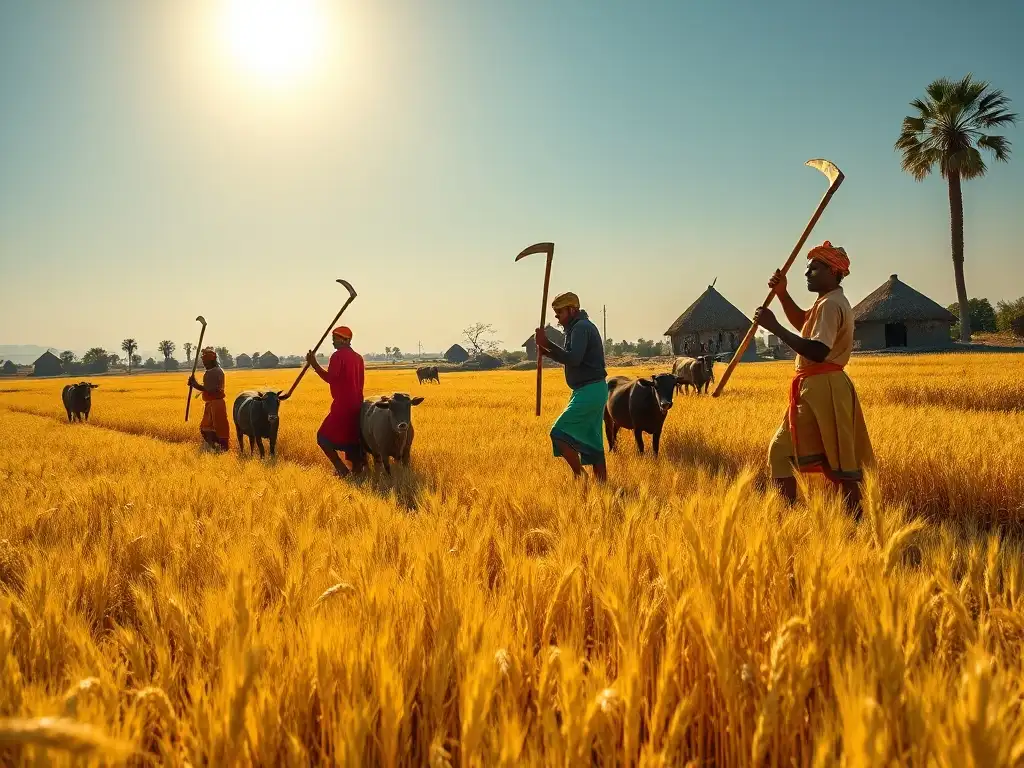
Animal power significantly contributed to the agricultural practices of ancient India, particularly during the harvesting phase. Draft animals, such as oxen and buffaloes, were commonly used to assist in various farming tasks. Their role in harvesting included:
- Threshing: After the crops were harvested, animals were often used to trample the harvested stalks, separating the grains from the chaff. This method was efficient and reduced the labor required from farmers.
- Transportation: Animals helped transport harvested goods to storage areas or markets, which was essential for trade and sustenance.
- Field Preparation: While primarily focused on harvesting, animal power was also utilized in the preparation of fields for the next crop cycle, ensuring sustainable agricultural practices.
The integration of animal power into farming not only increased productivity but also reduced the physical burden on farmers.
Methods of Harvesting in Ancient India
Ancient Indian harvesting methods were deeply intertwined with the agricultural calendar and local customs. The techniques employed varied based on the types of crops and regional practices, showcasing a rich tapestry of agricultural knowledge.
Manual Harvesting Techniques
Manual harvesting was the predominant method used by ancient Indian farmers. This labor-intensive process involved several steps, including:
- Cutting: Farmers would use sickles to cut crops at the base. This was often done by hand, requiring skill and precision to ensure that the entire plant was removed without damaging the surrounding crops.
- Gathering: After cutting, farmers would gather the stalks into bundles. This step was essential for organizing the harvest and preparing for subsequent processing.
- Transporting to Threshing Areas: Once gathered, the bundles were transported to designated threshing areas, where further processing would take place.
Manual harvesting allowed for careful selection of crops, ensuring that only mature grains were collected, which was vital for maintaining crop quality.
Seasonal Harvesting Practices
Ancient Indian farmers adapted their harvesting practices to align with seasonal changes and crop cycles. Key aspects of these practices included:
- Timing: Harvesting was meticulously timed based on the growth cycles of crops. For example, wheat was typically harvested in the spring, while rice was harvested in the summer and monsoon seasons.
- Community Involvement: Harvesting often involved the participation of the entire community, turning the process into a social event. This not only facilitated quicker harvesting but also reinforced community bonds.
- Rituals and Festivals: Many harvesting activities were accompanied by rituals and festivals, reflecting the cultural significance of agriculture. Celebrations like Makar Sankranti marked the end of the harvest season, emphasizing gratitude for the crops.
These seasonal practices ensured that ancient Indian farmers maximized their yield while fostering a sense of community and cultural identity.
Agricultural Innovations of Ancient Indian Farmers
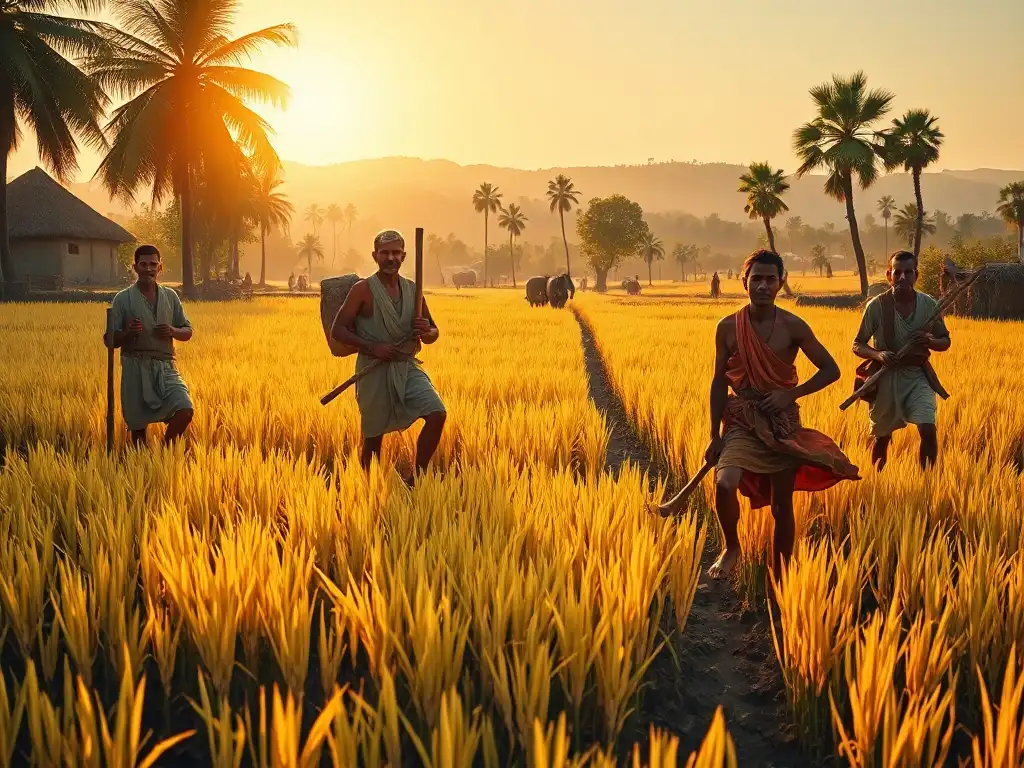
Ancient Indian farmers were pioneers in developing innovative agricultural practices that significantly enhanced crop production and sustainability. These innovations were largely influenced by the diverse climatic and geographical conditions of the subcontinent. Farmers employed a range of tools and techniques, some of which laid the groundwork for modern agricultural practices.
One notable innovation was the use of plows, which were typically made from wood and sometimes reinforced with iron. The plow enabled farmers to till the land more effectively, turning over the soil to aerate it and prepare it for sowing. The introduction of the arda (a traditional wooden plow) was a significant advancement that improved the efficiency of land cultivation.
Additionally, ancient Indian farmers practiced crop rotation, which involved alternating the types of crops grown in a particular area across seasons. This method not only prevented soil depletion but also reduced pest infestations and diseases, ultimately leading to healthier crops. Farmers also embraced intercropping, cultivating two or more crops simultaneously in the same field, optimizing space and resources while enhancing biodiversity.
Irrigation Techniques and Their Influence on Harvest
Irrigation was a cornerstone of ancient Indian agriculture, especially in regions where rainfall was insufficient. The development of sophisticated irrigation techniques allowed farmers to cultivate crops more reliably and increase their yields significantly.
One of the most prominent systems was the use of canals, which channeled water from rivers to fields. The Indus Valley Civilization, for example, constructed an extensive network of canals for irrigation, showcasing their advanced engineering skills. This method enhanced water availability, enabling farmers to grow multiple crops throughout the year.
Moreover, farmers utilized rainwater harvesting techniques, such as constructing small check dams and reservoirs to capture and store rainwater. This practice ensured that water was available during dry spells, further stabilizing crop production. The strategic use of irrigation transformed agricultural output, leading to surplus production, which was crucial for the growth of urban centers.
Fertilization Practices to Enhance Crop Yield
To maximize crop yields, ancient Indian farmers employed various fertilization practices that focused on enriching the soil. These practices were based on a deep understanding of local ecosystems and soil health.
Natural fertilizers were predominantly used, with farmers utilizing organic matter like cow dung, which was rich in nutrients. This practice not only improved soil fertility but also enhanced its structure, promoting better water retention and aeration. Additionally, farmers relied on green manure—cover crops grown specifically to be plowed back into the soil, enriching it with organic material.
The use of mineral fertilizers also emerged, with ancient texts indicating the application of substances like ashes and lime to adjust soil pH and nutrient levels. The combination of these traditional fertilization techniques contributed to robust crop yields, ensuring food security for ancient Indian societies.
Regional Variations in Harvesting Techniques
Geographical and climatic diversity across India led to distinct regional variations in harvesting techniques. Each region developed methods tailored to local conditions, crops, and cultural practices, reflecting the ingenuity of ancient Indian farmers.
North India: Techniques and Tools
In North India, farmers traditionally used sickles made of iron or bronze for harvesting. This tool allowed them to cut crops like wheat and barley efficiently. Additionally, the use of wooden threshing sledges was common, enabling farmers to separate grain from chaff after harvesting. The communal aspect of harvesting in this region was notable, with communities often coming together during harvest time, fostering social bonds and cooperation.
South India: Unique Methods and Practices
Southern Indian farmers employed unique harvesting methods, often influenced by the monsoon climate. They utilized curved sickles for cutting crops such as rice and millets. The practice of bundling harvested crops into sheaves before transporting them was prevalent, allowing for easier handling and storage. Furthermore, traditional techniques like the use of bullocks for pulling plows and threshing were integral to the harvesting process, showcasing the synergy between human and animal labor.
East and West India: Diverse Approaches to Harvesting
In East India, particularly in regions like Bengal, farmers developed practices suited to the wetland environment. They used long-handled sickles to harvest rice, enabling them to work in flooded fields. The emphasis on communal harvesting was evident, with festivals marking the end of the harvest season, reinforcing cultural traditions.
Conversely, in West India, farmers relied on more arid agricultural practices, using simple wooden harvesting tools. They adapted their harvesting techniques to withstand the challenges of limited water supply, often employing drought-resistant crops. This adaptability highlighted the resilience of farmers in facing climatic challenges while ensuring food production.
The diverse harvesting techniques across ancient India reflect a rich tapestry of agricultural innovation, deeply rooted in the environmental and cultural contexts of the time.
Cultural Significance of Harvesting in Ancient India
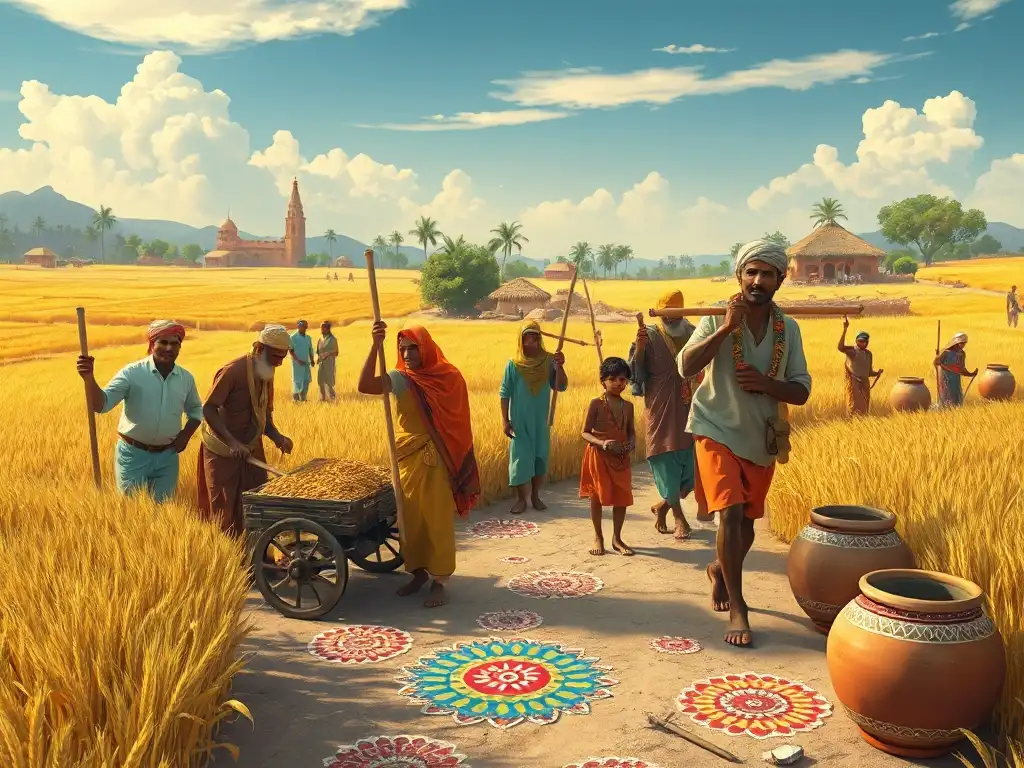
Harvesting in ancient India was not merely a laborious task; it held profound cultural significance that intertwined with religious beliefs, social customs, and community bonding. The act of harvesting marked the culmination of a long process of cultivation and care, embodying the relationship between humans and nature. It symbolized abundance and prosperity, reflecting the agricultural calendar's critical role in the lives of ancient Indian communities.
In various regions, the harvest season was a time of joy and gratitude, leading to the creation of numerous traditions and practices aimed at honoring the deities believed to bless the crops. This connection to spirituality reinforced the importance of agriculture in sustaining life and community well-being, making harvesting a sacred event that was celebrated collectively.
Festivals and Rituals Related to Harvesting
The harvest season in ancient India was often celebrated with vibrant festivals that varied by region, reflecting local customs and agricultural practices. Makar Sankranti, celebrated in January, welcomed the harvest of sugarcane and marked the transition of the sun into the zodiac sign of Capricorn. During this festival, communities engaged in kite flying, bonfires, and feasting, symbolizing the end of winter and the arrival of longer days.
Another prominent festival was Pongal, predominantly observed in Tamil Nadu, which honored the sun god and the harvest of rice. This four-day festival involved cooking special dishes from freshly harvested rice, offering them to deities, and sharing with family and neighbors, thereby emphasizing community spirit.
These festivals not only celebrated the agricultural bounty but also served as a reminder of the Divine's role in providing sustenance, reinforcing the connection between spirituality and farming.
Community Practices and Cooperation in Harvesting
Harvesting in ancient India was a communal activity that fostered cooperation and social cohesion among farmers. Villagers would often come together, forming groups to assist each other in the labor-intensive task of gathering crops. This practice was not only practical but also reinforced community ties, as it allowed for the sharing of knowledge, tools, and techniques.
The concept of 'Shram Daan', or the donation of labor, was significant during harvest time. It emphasized the importance of collective effort and reciprocity. Farmers would alternate between helping each other with harvesting, ensuring that everyone benefited from the communal labor. This cooperation extended beyond mere practicality; it was a manifestation of social responsibility and mutual support that defined the agricultural societies of ancient India.
Conclusion: Legacy of Ancient Indian Farming Techniques
The legacy of ancient Indian farming techniques is evident in the continued relevance of many practices today. The methods developed by ancient farmers, including crop rotation, intercropping, and the use of organic fertilizers, laid the groundwork for sustainable agriculture. These techniques not only optimized production but also preserved soil fertility, demonstrating an early understanding of ecological balance.
Lasting Impact on Modern Agriculture
Modern Indian agriculture has benefited immensely from the foundational practices established in ancient times. Techniques such as the use of indigenous seeds, traditional irrigation methods, and organic farming principles are still prevalent. These practices have evolved but remain rooted in the wisdom of ancient farmers, emphasizing sustainability and ecological harmony. As contemporary challenges arise, including climate change and soil degradation, revisiting these ancient techniques offers valuable insights into sustainable farming.
Preservation of Traditional Practices in Contemporary Farming
Efforts to preserve traditional farming practices are gaining momentum in contemporary India. Organizations and farmers' groups are increasingly recognizing the value of ancient techniques in promoting biodiversity and sustainable agriculture. Initiatives aimed at reviving traditional crop varieties and methods are being implemented, ensuring that the knowledge and skills of ancient Indian farmers are not lost.
By integrating these practices into modern agricultural systems, there is a growing movement to create a more sustainable and resilient farming landscape, honoring the legacy of ancient Indian farming techniques while addressing the needs of future generations. The cultural significance of these practices remains a testament to the deep-rooted relationship between agriculture and Indian identity, highlighting the importance of preserving this heritage for years to come.
References and Further Reading on Ancient Indian Farming Techniques
The study of ancient Indian farming techniques provides valuable insights into the agricultural practices that shaped one of the oldest civilizations in the world. Below are some recommended resources for those interested in delving deeper into this fascinating subject.
Suggested Books and Articles
-
"The Indus Valley Civilization: A Historical Overview" by Gregory Possehl
This book provides a comprehensive look at the Indus Valley Civilization, including its agricultural practices and tools. Possehl discusses the significance of farming in sustaining urban centers.
-
"Ancient Indian Agriculture: A Historical Perspective" by R. S. Sharma
Sharma’s work offers an in-depth analysis of agricultural methods throughout various periods of ancient India, emphasizing technological advancements and their impact on society.
-
"Farming in Ancient India" by D. K. Chakrabarti
This article explores the different farming techniques employed in ancient India, highlighting the tools used and the crops cultivated, supported by archaeological findings.
-
"The Agricultural Economy of Ancient India" by M. N. Srinivas
This book discusses the economic aspects of agriculture in ancient India, including trade relations influenced by agricultural surplus. It also examines the social structures that evolved around farming communities.
-
"A History of Indian Agriculture" by R. P. Dutta
Dutta's work traces the evolution of agriculture in India, highlighting key innovations and practices from the Vedic period to the early medieval era.
Online Resources for Ancient Indian Agriculture
-
Digital South Asia Library
This online resource offers a wealth of historical documents and maps related to ancient Indian agriculture, including farming techniques and crop distribution.
-
Indian Agricultural Research Institute (IARI)
The IARI website features publications and research papers that discuss ancient agricultural practices in India, offering a modern perspective on historical techniques.
-
The Ancient India Archive
This digital archive includes various texts and research materials on ancient Indian farming, showcasing the tools and methods through the ages.
-
National Museum of Agriculture, India
The museum’s website provides insights into the history of Indian agriculture, including exhibits on ancient farming tools and techniques.
-
Historic Agriculture of India Blog
This blog features articles and discussions on various aspects of ancient Indian agriculture, including interviews with historians and archaeologists specializing in ancient farming practices.
By exploring these resources, readers can gain a deeper understanding of the rich agricultural heritage of ancient India and the techniques that contributed to its development.
- Introduction to Ancient Indian Farming Techniques
- Historical Context of Ancient Indian Farming Techniques
- Tools Used in Ancient Indian Harvesting
- Methods of Harvesting in Ancient India
- Agricultural Innovations of Ancient Indian Farmers
- Irrigation Techniques and Their Influence on Harvest
- Fertilization Practices to Enhance Crop Yield
- Regional Variations in Harvesting Techniques
- Cultural Significance of Harvesting in Ancient India
- Conclusion: Legacy of Ancient Indian Farming Techniques
- References and Further Reading on Ancient Indian Farming Techniques
- What were some common farming techniques used in ancient India?
- How did ancient Indian farmers manage irrigation?
- What role did crops play in the economy of ancient India?
- Were there specific tools used by farmers in ancient India?
- How did ancient Indian farming techniques influence modern agriculture?
Frequently Asked Questions
What were some common farming techniques used in ancient India?
Ancient Indian farmers utilized a variety of techniques such as ploughing, crop rotation, and irrigation systems to enhance soil fertility and increase crop yields.
How did ancient Indian farmers manage irrigation?
Farmers employed canals, wells, and wells with bucket systems to manage irrigation, ensuring a steady water supply for their crops, especially during dry seasons.
What role did crops play in the economy of ancient India?
Crops such as rice, wheat, and barley were not only staples for sustenance but also vital for trade, contributing significantly to the economic prosperity of ancient Indian civilizations.
Were there specific tools used by farmers in ancient India?
Yes, ancient Indian farmers used tools like the plough, sickle, and harrow. These implements were essential for land preparation, planting, and harvesting crops efficiently.
How did ancient Indian farming techniques influence modern agriculture?
Many ancient Indian farming techniques, particularly in irrigation and crop diversity, laid the foundation for modern agricultural practices, emphasizing the importance of sustainability and resource management.
Final Reflection: The Enduring Legacy of Ancient Indian Farming Techniques
The exploration of ancient Indian farming techniques reveals a profound connection between our past and present agricultural practices. As we face modern challenges such as climate change and food security, the wisdom embedded in these age-old methods becomes increasingly relevant. The ingenuity of ancient farmers not only laid the foundation for sustainable agriculture but also highlights the importance of respecting and learning from our historical roots. Their innovative spirit serves as a reminder that solutions to contemporary issues often lie in the lessons of history.
The influence of these techniques extends far beyond the fields; they have shaped cultural identities and social structures throughout generations. By understanding the methods and tools used by our ancestors, we can appreciate the intricate relationship between agriculture and community. As Mahatma Gandhi once said, “The future depends on what you do today.” This quote resonates deeply as we consider how the practices of ancient Indian farmers continue to inspire modern agricultural movements, emphasizing sustainability, biodiversity, and local knowledge.
As we reflect on the rich tapestry of ancient Indian farming techniques, I invite you to consider how these lessons can be applied in your own life. Whether you are a gardener, a consumer, or simply someone who cares about the environment, think about how you can incorporate sustainable practices into your daily routine. Let us honor the legacy of those who came before us by embracing their wisdom and striving for a future that respects both our heritage and our planet.
Unveil the Secrets of Ancient Farming!
Thank you for exploring the fascinating world of ancient Indian farming techniques with us! We hope you gained valuable insights into the tools and methods that shaped agricultural practices. Now it’s time to take action and deepen your understanding.
Here are a few exciting steps you can take:
- Dive Deeper: Research ancient farming methods and their influence on contemporary agricultural practices. Explore books or documentaries to broaden your knowledge!
- Join the Conversation: Share your thoughts and findings in the comments below or on social media. Engage with others who share your passion for history and agriculture!
- Get Hands-On: Visit a local farm or community garden that employs traditional farming methods. Experience firsthand how ancient techniques impact modern agriculture!
What ancient farming technique intrigues you the most, and how could you apply that knowledge to today’s agricultural practices? Let's discuss!