
Ancient Indian Rituals and Their Symbolic Use of Colors

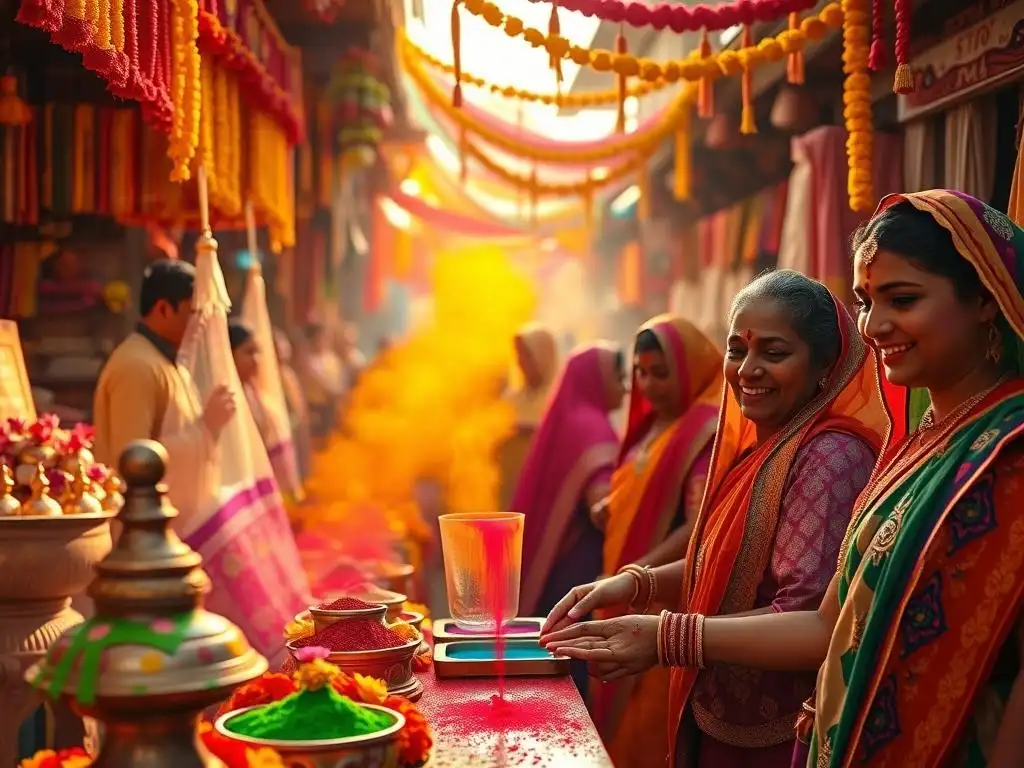
Welcome to Ancient India History, where we embark on a fascinating journey through the vibrant tapestry of ancient Indian civilizations! In this exploration, we’ll delve into the captivating world of Ancient Indian rituals and their symbolic use of colors. Discover how these rituals not only reflect the profound spiritual beliefs of the time but also weave a colorful narrative that connects us to the past. Are you ready to uncover the hidden meanings behind the hues that have shaped centuries of tradition? Dive in and let the colors of history illuminate your understanding!
Introduction to Ancient Indian Rituals
Ancient Indian rituals are a profound reflection of the intricate tapestry of cultural beliefs, spiritual practices, and traditions that have flourished throughout the subcontinent. From the earliest days of the Indus Valley Civilization to the sophisticated practices of the Gupta Empire, rituals have served as a vital means of connecting individuals with the divine, the cosmos, and their community.
These ceremonies often encompass a rich array of colors, each carrying deep symbolic meanings that enhance the overall significance of the rituals. Understanding the interplay between ancient Indian rituals and their symbolic use of colors not only provides insight into the historical context but also reveals the enduring impact of these traditions on contemporary practices.
Overview of Rituals in Ancient Indian Culture
Rituals in ancient Indian culture were diverse and complex, encompassing a wide range of practices from daily worship (puja) to grand ceremonies marking significant life events. These rituals served multiple purposes, including:
- Spiritual Connection: Engaging with deities or spiritual entities to seek blessings and guidance.
- Community Bonding: Bringing people together for communal worship, fostering a sense of belonging and shared identity.
- Cultural Preservation: Transmitting values, beliefs, and traditions from generation to generation.
Key rituals included sacrifices (yajnas), marriage ceremonies (kanyadaan), and various seasonal festivals that marked the agricultural calendar. Each of these rituals utilized specific colors to enhance their meanings and emotional resonance.
Importance of Colors in Rituals and Ceremonies
Colors play a crucial role in ancient Indian rituals, acting as a language in their own right. Each hue is associated with particular emotions, deities, and cosmic elements, creating a vibrant visual landscape that amplifies the spiritual experience. The significance of colors in rituals includes:
- Symbolic Representation: Different colors symbolize various aspects of life, such as purity, love, fertility, and prosperity.
- Psychological Impact: Colors evoke emotions and set the mood for the ritual, influencing participants' psychological states.
- Cultural Identity: Specific colors can signify regional or community identities, reinforcing a shared heritage.
For instance, the color saffron is often associated with purity and renunciation, while red symbolizes love and fertility, commonly seen in wedding ceremonies.
The Role of Symbolism in Ancient Indian Rituals
Symbolism is a cornerstone of ancient Indian rituals, serving as a bridge between the material and spiritual realms. Every element in a ritual—from the offerings made to the chants recited—carries symbolic weight, contributing to the overall narrative of the ceremony.
Understanding Symbolism in Ancient Indian Traditions
In ancient Indian traditions, symbolism extends beyond mere representation; it embodies the core values and beliefs of society. The use of symbols in rituals often reflects:
- Philosophical Concepts: Many rituals are grounded in profound philosophical ideas, such as dharma (duty) and karma (action and consequence).
- Mythological Narratives: Rituals frequently draw upon stories from ancient texts, embedding cultural lore into the fabric of the ceremony.
For example, the lotus flower, often featured in rituals, symbolizes purity and spiritual awakening, making it a powerful emblem in spiritual practices.
The Connection Between Colors and Spiritual Beliefs
The intertwining of colors and spiritual beliefs is a defining characteristic of ancient Indian rituals. Each color not only conveys specific meanings but also resonates with particular deities and cosmic principles. This connection manifests in several ways:
- Divine Associations: Certain colors are dedicated to specific deities— blue for Krishna, green for Ganesh, and so forth.
- Seasonal Significance: Colors may also reflect seasonal changes, with yellow representing the harvest and abundance during festivals like Makar Sankranti.
By understanding this connection, one can appreciate the profound depth of ancient Indian rituals, where colors serve as more than mere decoration; they are vital components of the spiritual journey.
Exploring the symbolic use of colors in ancient Indian rituals reveals a rich and intricate layer of meaning that continues to influence contemporary practices and celebrations.
Key Colors Used in Ancient Indian Rituals
Colors play a vital role in ancient Indian rituals, each imbued with rich symbolism and significance. The use of colors in these ceremonies not only enhances the visual appeal but also carries deeper meanings that resonate with cultural beliefs and spiritual insights. From the vibrant hues of red and yellow to the serene tones of white and blue, each color is intricately woven into the fabric of ritualistic practices, reflecting the values and traditions of ancient Indian civilizations. Understanding these colors provides insight into the broader cultural context and the spiritual dimensions of rituals that have evolved over centuries.
Red: Significance and Usage in Rituals
Red is one of the most prominent colors in ancient Indian rituals, symbolizing love, passion, and power. It is often associated with the goddess Shakti, representing female energy and fertility. In many ceremonies, red is used in the form of vermilion (sindoor) applied to the forehead of married women, signifying marital bliss and prosperity. During festivals like Durga Puja, red is prevalent in decorations, clothing, and offerings, embodying the vibrancy of life and the triumph of good over evil. Additionally, red is used in rituals to invoke strength and protection, making it an indispensable part of many sacred ceremonies.
Yellow: Symbolism and Cultural Importance
Yellow is another significant color in ancient Indian rituals, symbolizing knowledge, learning, and auspiciousness. It is often associated with the harvest and the glory of the sun. For instance, during the festival of Makar Sankranti, yellow garments and sweets made from jaggery and sesame seeds are common as a way to celebrate abundance and prosperity. Yellow is also linked to the deity Vishnu and is used in various pujas to invoke blessings for wisdom and enlightenment. The color represents a joyful spirit, and its presence in rituals is believed to promote harmony and positive energy.
Green: Representations and Ritual Applications
Green embodies freshness, fertility, and renewal, making it a color of great importance in agricultural societies. In rituals, green is often associated with nature and prosperity, symbolizing new beginnings and growth. During the festival of Baisakhi, which marks the harvest season, green is prominently featured in decorations and attire, celebrating the bounty of the earth. Additionally, green leaves and plants are integral to various pujas, signifying life and abundance. The use of this color in rituals reflects a deep reverence for nature and the cycles of life.
Blue: Spiritual Meanings and Historical Context
Blue holds profound spiritual significance in ancient Indian rituals, often associated with the divine and the infinite. It represents tranquility, depth, and the cosmos, evoking a sense of calm and introspection. The deity Krishna, often depicted with blue skin, embodies love and compassion, making blue a color of devotion and reverence. In rituals, blue is used in various forms, including clothing, decorations, and even in the offerings to deities. Its presence reflects a connection to the spiritual realm and the search for inner peace, making it a powerful symbol in the context of ancient Indian spirituality.
White: Purity and Its Role in Ceremonies
White is universally recognized as a symbol of purity, peace, and truth in ancient Indian rituals. It is often associated with spiritual clarity and is commonly worn during ceremonies involving mourning and remembrance. In rituals like the last rites, white clothing is traditionally worn by mourners to signify the purity of the soul and the transient nature of life. Additionally, white flowers and offerings are used in various pujas to invoke blessings and protect against negativity. The color serves as a reminder of the divine and the importance of purity in thoughts and actions.
Black: Mysticism and Symbolic Interpretations
Black, often perceived as a color of negativity in many cultures, holds a different connotation in ancient Indian rituals. It is associated with the mystical, the unknown, and the protective forces against malevolent energies. In certain rituals, black is used to ward off evil spirits, and black sesame seeds are commonly offered during ceremonies to symbolize protection and grounding. Moreover, the color is linked to the goddess Kali, who represents the fierce aspect of femininity and the destruction of evil. Thus, black embodies a duality of fear and reverence, illustrating the complexity of ancient Indian beliefs.
Rituals and Their Color Associations
The association of specific colors with various rituals enhances their symbolic meanings and provides a visual language that conveys the underlying spiritual significance. From joyous celebrations to solemn ceremonies, the colors used in ancient Indian rituals reflect the diverse cultural heritage and the profound beliefs that guide these practices.
Festivals and Their Associated Colors
In ancient India, festivals are vibrant expressions of culture and spirituality, each with its unique set of colors that enhance the celebratory atmosphere. For example, during Holi, the festival of colors, participants throw colored powders at each other, celebrating the arrival of spring and the victory of good over evil. Each color used in Holi has its significance; for instance, red symbolizes love, yellow represents knowledge, and green denotes fertility.
Similarly, during Diwali, the festival of lights, colors like gold, orange, and red are prominent, symbolizing wealth, joy, and prosperity. Such associations create a rich tapestry of meanings that deepen the experience of these cultural festivities.
Marriage Ceremonies and Color Significance
Marriage ceremonies in ancient India are deeply rooted in tradition, and colors play a crucial role in conveying cultural values and blessings. Red is traditionally the predominant color worn by brides, symbolizing love, fertility, and marital bliss. The groom often wears shades of gold or cream, representing prosperity and auspiciousness. During the ceremony, various rituals involve the use of colorful decorations, flowers, and sacred items, each chosen for their symbolic meanings. The vibrant colors reflect the joy of the occasion and the couple's new journey together, enriching the ceremonial experience with layers of cultural significance.
Religious Rituals: Puja and Color Symbolism
In religious rituals, particularly puja, colors are meticulously chosen to enhance the spiritual atmosphere and invoke divine presence. Each color used in offerings, decorations, and attire has specific meanings that align with the deities being honored. For instance, yellow flowers are offered to Lord Vishnu, while red is often associated with Goddess Durga.
The careful selection of colors in puja rituals not only signifies respect and devotion but also establishes a connection between the worshippers and the divine. This practice reflects a deep understanding of the spiritual dimensions of colors and their ability to convey reverence and intention in sacred spaces.
Regional Variations in Color Symbolism in Rituals
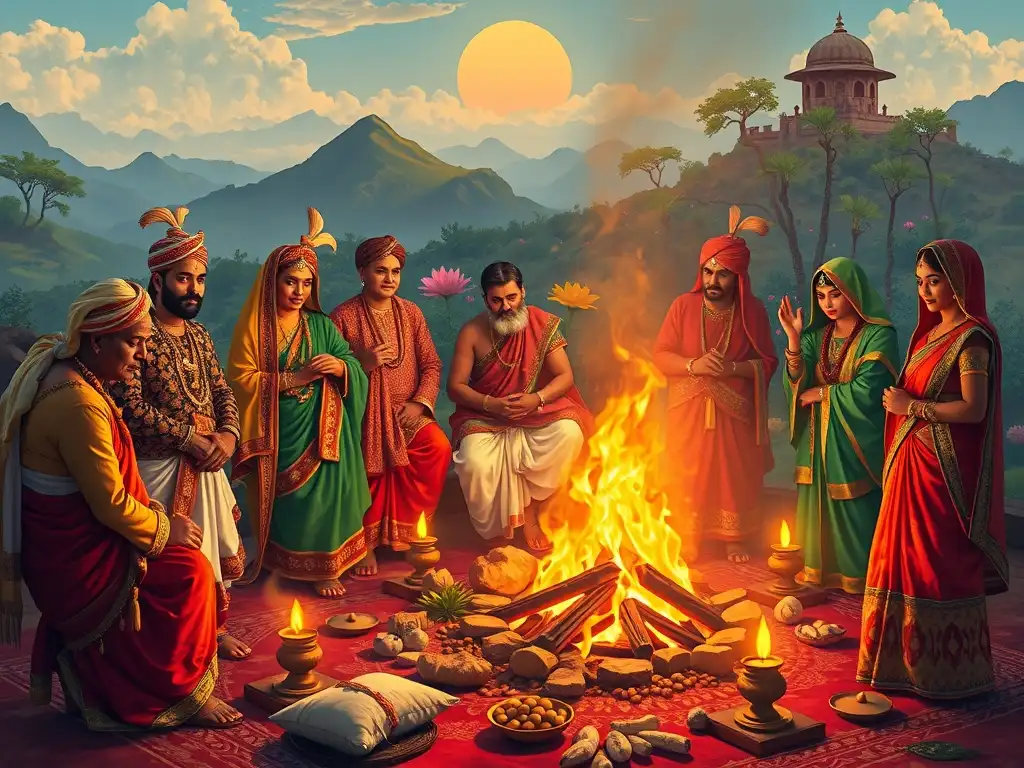
Color symbolism in ancient Indian rituals varies significantly across different regions, each having its unique interpretations and usages. These variations stem from local customs, cultural influences, and historical contexts that have shaped the rituals over centuries. Understanding these regional differences offers a deeper insight into how colors are perceived and incorporated into the spiritual and cultural fabric of Indian society.
North Indian Rituals and Their Unique Color Representations
In North India, vibrant colors play a crucial role in rituals and ceremonies, often symbolizing various deities and seasons. For instance, red is predominantly associated with Shakti, the goddess of power, representing strength, passion, and fertility. It is commonly used in weddings and festive occasions, where brides often wear red to symbolize auspiciousness.
Yellow, often linked to the harvest season, is another significant color, especially during the festival of Baisakhi, marking the Punjabi New Year. Rituals in North India also employ green, symbolizing prosperity and growth, particularly during Holi, where the use of colored powders signifies joy and the arrival of spring.
South Indian Traditions: Color Symbolism in Rituals
In South India, colors also hold profound meanings in rituals, though they may differ in representation compared to their northern counterparts. White is often associated with purity and peace, primarily seen in the attire during rituals dedicated to deities like Lord Shiva. The use of white flowers in offerings signifies reverence and devotion.
Saffron, a color deeply rooted in Hindu philosophy, represents renunciation and spirituality, often seen in the garments of ascetics and during temple rituals. The festival of Pongal highlights golden yellow, representing the harvest, prosperity, and gratitude towards nature. Each color in South Indian traditions is carefully selected for its spiritual significance, reinforcing the connection between the divine and the earth.
East vs. West: Diverse Color Usage in Ancient Rituals
The eastern and western regions of India exhibit contrasting color usages in their ancient rituals. In Eastern India, particularly during the Durga Puja, red and gold are prevalent, symbolizing the divine feminine and wealth, respectively. The intricate use of these colors in decorations and attire reflects reverence and celebration of the goddess.
Conversely, in Western India, colors like blue and yellow are prominent in festivals such as Navratri. Blue symbolizes the Krishna and his divine attributes, while yellow represents the harvest and prosperity. The regional differences highlight the influence of local customs, historical narratives, and climatic conditions, leading to a rich tapestry of color symbolism in rituals across India.
The Evolution of Color Symbolism in Modern Practices
The evolution of color symbolism in Indian rituals has been shaped by historical changes, globalization, and cultural exchanges. While many traditional practices have remained intact, modern interpretations often blend ancient meanings with contemporary aesthetics. This evolution reflects the dynamic nature of culture and the adaptability of rituals to new contexts.
Continuity of Ancient Traditions in Contemporary Rituals
Despite the inevitable changes brought by modernization, many ancient traditions continue to thrive in contemporary rituals. Festivals such as Diwali and Holi still retain their colorful essence, where the symbolism of colors remains integral to the celebrations. For example, during Diwali, gold and red lights are used to symbolize wealth and auspiciousness, connecting the present with age-old customs.
Furthermore, contemporary weddings often incorporate traditional color symbolism, with brides choosing colors based on their cultural backgrounds and family traditions. The continuity of these practices ensures that the rich heritage of ancient Indian rituals remains alive and cherished in modern society.
Influence of Ancient Color Symbolism on Modern Indian Culture
Ancient color symbolism profoundly influences modern Indian culture, manifesting in various aspects of life, from fashion to interior design. Colors that were once reserved for rituals now find their place in everyday expressions, symbolizing cultural identity and continuity.
For instance, the use of red and gold in weddings has transcended traditional boundaries, influencing bridal wear across different cultures. Additionally, the symbolic meanings of colors are increasingly recognized in art and media, reflecting the ongoing relevance of ancient practices in contemporary narratives. Thus, the legacy of ancient Indian rituals and their color symbolism continues to shape the cultural landscape of modern India, creating a bridge between the past and the present.
Conclusion
The exploration of ancient Indian rituals and their symbolic use of colors reveals a profound connection between culture, spirituality, and the natural world. Colors in these rituals are not mere aesthetics; they are imbued with deep meanings and cultural significance that transcend time. Each hue tells a story, represents emotions, and serves as a conduit for spiritual expression, reflecting the beliefs and values of ancient Indian civilizations.
Recap of Ancient Indian Rituals and Color Symbolism
Throughout history, ancient Indian rituals have seamlessly integrated colors into their practices, with each color reflecting specific attributes and themes. For instance, red symbolizes passion and strength, often associated with love and fertility. Meanwhile, yellow is linked to knowledge and learning, frequently appearing in ceremonies that celebrate wisdom. The color white denotes purity and peace, making it a common choice for rituals related to life transitions such as weddings and funerals. Other colors, such as green and blue, further enrich the tapestry of rituals by symbolizing growth, prosperity, and divinity.
These colors are not only significant during the rituals themselves but also play a crucial role in the attire and decorations involved. The careful selection of colors enhances the atmosphere of sacredness and reverence, shaping the participants' experiences and reinforcing the ritual's purpose.
The Lasting Impact of Colors on Cultural Identity and Heritage
The influence of colors in ancient Indian rituals extends beyond individual ceremonies, significantly impacting cultural identity and heritage. As colors have been woven into the fabric of various festivals, they have fostered a sense of community and continuity among generations. For instance, the vibrant displays during celebrations like Holi and Diwali not only reflect joy and festivity but also serve as reminders of the cultural narratives and values inherent in these traditions.
Moreover, the symbolic use of colors has contributed to the preservation of ancient practices in modern times. As contemporary societies continue to honor these rituals, the meanings attached to colors remain relevant and potent. This enduring legacy highlights how colors in ancient Indian rituals are not static; they evolve yet maintain their core significance, binding people to their cultural roots while adapting to changing societal contexts.
The symbolic use of colors in ancient Indian rituals exemplifies a rich heritage that continues to influence cultural practices today, underscoring the intricate relationship between color, spirituality, and identity within the ancient Indian civilization.
- Introduction to Ancient Indian Rituals
- The Role of Symbolism in Ancient Indian Rituals
- Key Colors Used in Ancient Indian Rituals
- Rituals and Their Color Associations
- Regional Variations in Color Symbolism in Rituals
- The Evolution of Color Symbolism in Modern Practices
- Conclusion
- What are the key colors used in ancient Indian rituals?
- How do colors symbolize different aspects of life in ancient Indian culture?
- What role do rituals play in ancient Indian society?
- Can you explain the significance of symbolism in ancient Indian rituals?
- How did the Gupta Empire influence ancient Indian rituals and their symbolic meanings?
Frequently Asked Questions
What are the key colors used in ancient Indian rituals?
In ancient Indian rituals, colors such as red, yellow, white, and green are significant, each representing various emotions and purposes in spiritual practices.
How do colors symbolize different aspects of life in ancient Indian culture?
Colors in ancient Indian culture symbolize various aspects of life; for instance, red signifies passion and love, while green represents prosperity and growth.
What role do rituals play in ancient Indian society?
Rituals in ancient Indian society are integral for marking important events, fostering community, and connecting individuals to their spiritual beliefs and heritage.
Can you explain the significance of symbolism in ancient Indian rituals?
Symbolism in ancient Indian rituals serves to convey deeper meanings and values, allowing practitioners to engage with their spiritual and cultural identity through tangible elements like colors.
How did the Gupta Empire influence ancient Indian rituals and their symbolic meanings?
The Gupta Empire enriched ancient Indian rituals by integrating art, literature, and philosophy, which enhanced the symbolism of colors and practices, reflecting a more diverse spiritual landscape.
Final Reflection: The Enduring Legacy of Color in Ancient Indian Rituals
The exploration of ancient Indian rituals and their symbolic use of colors remains profoundly relevant today, as it reveals the intricate tapestry of culture, spirituality, and identity that shapes our world. In a time when we seek meaning and connection in our lives, understanding how colors have been woven into the fabric of rituals provides insight into the values and beliefs that continue to influence contemporary practices. The vibrancy of these colors serves as a reminder of the depth and richness of human expression.
The impact of these ancient rituals transcends time, influencing not only cultural practices but also personal identities and community bonds. The symbolism of colors in rituals fosters a sense of belonging and continuity, reminding us of our shared heritage. Colors are the smiles of nature,
a quote that encapsulates the joy and significance that colors bring to our lives. As we engage with these traditions, we are invited to reflect on how they shape our understanding of ourselves and our place in the world.
As you ponder the lessons of ancient Indian rituals and their colorful symbolism, consider how you can incorporate these insights into your own life. Reflect on the colors that resonate with you and the meanings they hold in your personal journey. Embrace the opportunity to create your own rituals that honor your experiences and values, allowing the vibrant spectrum of colors to guide you toward deeper connections with yourself and others. Let the legacy of these ancient practices inspire you to explore the beauty and significance of color in your everyday life.
Unveil the Vibrant Legacy of Ancient Indian Colors!
Thank you for diving into the fascinating world of ancient Indian rituals and their rich symbolism! You've uncovered the powerful meanings behind colors and their role in cultural practices. Now, it's time to take this knowledge further and truly embody the spirit of these traditions.
Here’s how you can actively engage with what you've learned:
- Experiment with Color: Incorporate traditional colors into your daily life. Whether through your wardrobe, home decor, or lifestyle choices, embrace the hues that resonate with the wisdom of ancient India.
- Share Your Journey: Engage in conversations about these rituals with your friends and family! Discuss the significance of colors in rituals and explore their perspectives on these ancient practices.
- Explore Local Traditions: Attend cultural festivals or exhibitions in your area. Immerse yourself in the experience and observe how colors are integrated into contemporary rituals.
As you reflect on the vibrant connections we've explored, here’s a question to ponder: How can incorporating the principles of color symbolism enhance your personal rituals or celebrations today?