
The Evolution of Rituals: Changes Over Time in Ancient India

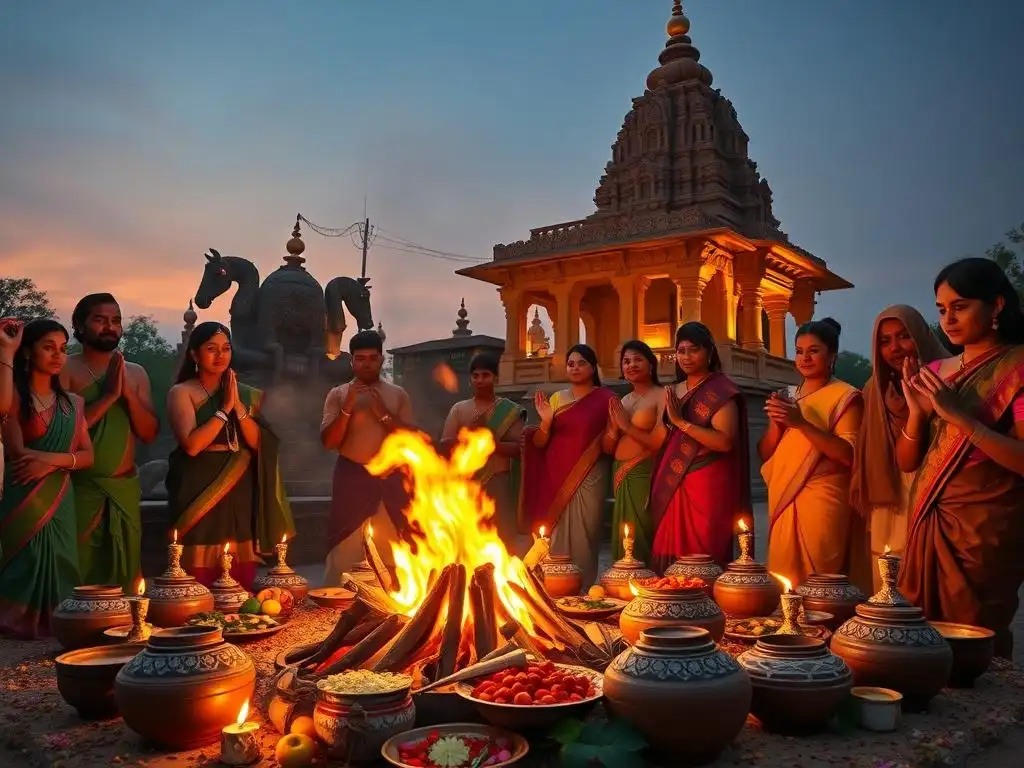
Welcome to Ancient India History, where we embark on a captivating journey through the rich tapestry of ancient Indian civilizations. From the intricate urban planning of the Indus Valley to the intellectual flourishing during the Gupta Empire, each era tells a story of innovation and cultural depth. In our featured article, "The Evolution of Rituals: Changes Over Time in Ancient India," we delve into the fascinating transformations of ancient Indian rituals, uncovering how they evolved alongside society, spirituality, and tradition.
Are you ready to explore the profound significance behind these rituals and how they shaped the cultural landscape? Join us as we unravel the past and ignite your curiosity!
Introduction to Ancient Indian Rituals Evolution
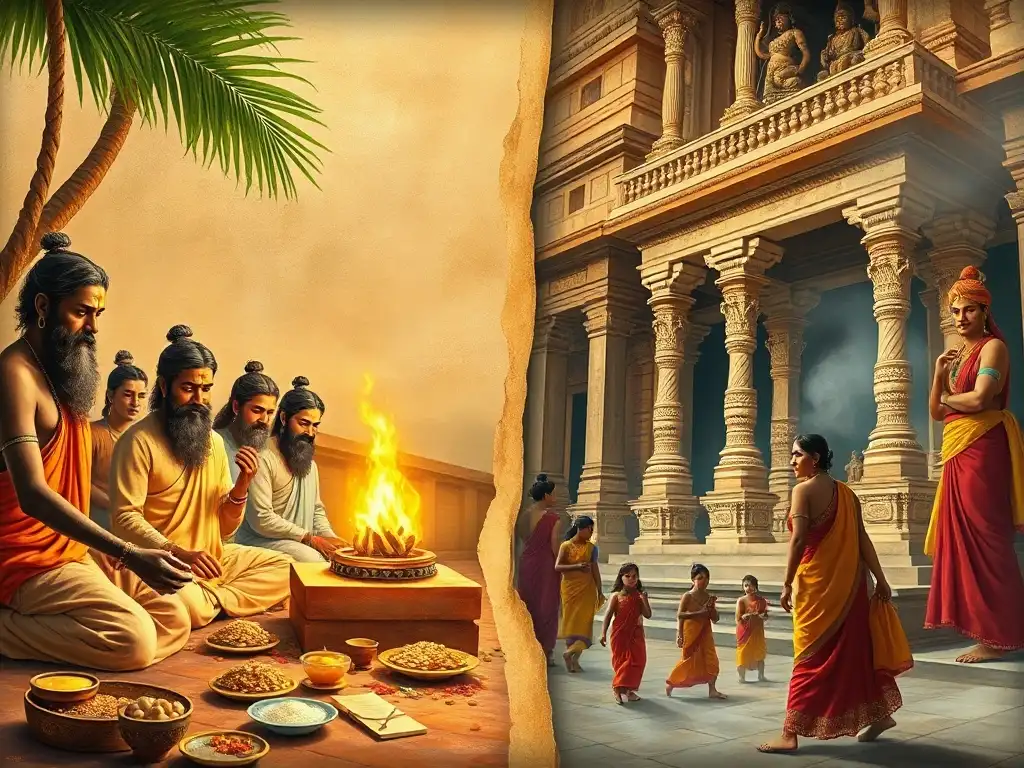
The evolution of rituals in ancient India reflects the profound and intricate tapestry of its cultural and spiritual heritage. From the early practices of the Indus Valley Civilization to the sophisticated ceremonies of the Gupta Empire, ancient Indian rituals have undergone significant transformations, adapting to the changing social, religious, and philosophical landscapes.
This article explores the ancient Indian rituals evolution, tracing the development of these practices and their enduring significance within society. By examining different historical periods and their respective ritualistic expressions, we gain insight into how ancient Indians navigated their beliefs, identities, and communal bonds through the lens of ritual.
Defining Ancient Indian Rituals
Ancient Indian rituals are a collection of structured actions and ceremonies that hold spiritual or cultural significance. These practices often involve:
- Offerings: Presenting items such as food, flowers, or incense to deities.
- Chanting: Reciting sacred texts or mantras to invoke divine presence.
- Meditation: Engaging in focused mental practices to achieve spiritual insight.
- Festivals: Celebrating seasonal or religious occasions that reinforce community ties.
These rituals were not merely formalities; they served as a means of connecting with the divine, marking important life events, and reinforcing social norms.
Importance of Rituals in Ancient Indian Society
Rituals played a pivotal role in ancient Indian society for several reasons:
- Spiritual Connection: They offered a pathway for individuals and communities to connect with the divine and seek blessings.
- Cultural Identity: Rituals helped define cultural practices and beliefs, fostering a sense of belonging among community members.
- Social Cohesion: Participating in rituals strengthened social bonds and reinforced communal values, essential for maintaining harmony within society.
- Transmission of Knowledge: Rituals often served as a medium for passing down traditions, teachings, and cultural narratives from generation to generation.
Through these functions, rituals were integral to the social fabric of ancient India, shaping the lives of its people.
Historical Overview of Ritual Practices in Ancient India
Early Rituals of the Indus Valley Civilization
The Indus Valley Civilization (circa 3300–1300 BCE) is one of the earliest known urban cultures in ancient India, and its rituals provide fascinating insights into early spiritual practices. Archaeological findings, such as seals and sculptures, suggest that the people engaged in ritualistic activities that may have included:
- Water purification: Indicating a potential belief in cleansing as a precursor to spiritual practices.
- Fertility rites: Represented by figurines that may symbolize fertility deities.
- Community gatherings: Evidence of large, public spaces suggests communal rituals were an integral part of their culture.
However, much about their specific rituals remains elusive due to the undeciphered script and limited records.
Vedic Rituals: Foundations of Ancient Indian Spirituality
With the arrival of the Vedic period (circa 1500–500 BCE), rituals became more codified and elaborate, laying the foundation for later Hindu practices. The Vedas, the ancient sacred texts, detail various rituals, including:
- Yajnas (sacrificial offerings): Central to Vedic worship, where offerings were made to deities for prosperity and favor.
- Soma rituals: Involving the preparation and consumption of a sacred drink believed to confer immortality.
- Rites of passage: Such as naming ceremonies, thread ceremonies, and marriage rituals, which marked significant life transitions.
These Vedic rituals established a comprehensive framework for spiritual practice, emphasizing the importance of ritual precision and the role of priests.
Transition to Post-Vedic Rituals and Practices
The transition from Vedic to post-Vedic rituals marked a significant evolution in spiritual practices. The emergence of philosophical schools, such as Buddhism and Jainism, introduced new perspectives on rituals, often challenging Vedic orthodoxy. Key developments included:
- Simplification of rituals: Many sects emphasized personal spiritual experience over elaborate ceremonies.
- Integration of local traditions: As different communities interacted, rituals began to incorporate regional practices, leading to a rich diversity in ceremonial expressions.
- Rise of Bhakti movements: These movements focused on personal devotion to deities, often downplaying ritualistic formalities in favor of heartfelt worship.
This evolution of rituals reflects the dynamic interplay of culture, spirituality, and societal change in ancient India, laying the groundwork for the diverse ritual practices that continue to be embraced today.
Major Phases in the Evolution of Ancient Indian Rituals
The evolution of ancient Indian rituals can be broadly categorized into several major phases, reflecting the profound changes in society, culture, and spirituality throughout history. These phases encompass:
-
Indus Valley Civilization (c. 2500–1900 BCE)
The earliest archaeological findings suggest that the Indus Valley civilization engaged in various forms of ritualistic practices, possibly involving fire altars and bathing rituals, as indicated by the Great Bath of Mohenjo-Daro. These rituals likely centered around fertility, agriculture, and the reverence of natural elements.
-
Vedic Period (c. 1500–500 BCE)
The transition to the Vedic period marked a significant shift in ritual practices, with the introduction of elaborate sacrificial rites (yajnas) that were performed to appease deities. The rituals became increasingly codified through texts like the Vedas, emphasizing the importance of sound (mantras) and ritual precision.
-
Epic and Puranic Period (c. 500 BCE–500 CE)
This era saw the incorporation of mythological narratives into rituals, as reflected in the Mahabharata and Ramayana. Rituals became more accessible, with the rise of temple worship and community-based festivals, which included rituals that honored local deities and ancestors.
-
Medieval Period (c. 500–1500 CE)
The influence of regional cultures led to diverse rituals across India. Bhakti movements emphasized personal devotion, resulting in simpler rituals that focused on the worship of gods through songs and poetry. This period marked a significant departure from the rigid Vedic rituals towards more inclusive practices.
-
Modern Era (c. 1500 CE–present)
In the contemporary context, rituals have continued to evolve, influenced by colonialism, globalization, and modern interpretations of tradition. New forms of rituals have emerged, reflecting current social values and collective identity, while preserving elements of ancient practices.
The Influence of Religion on Ritual Evolution
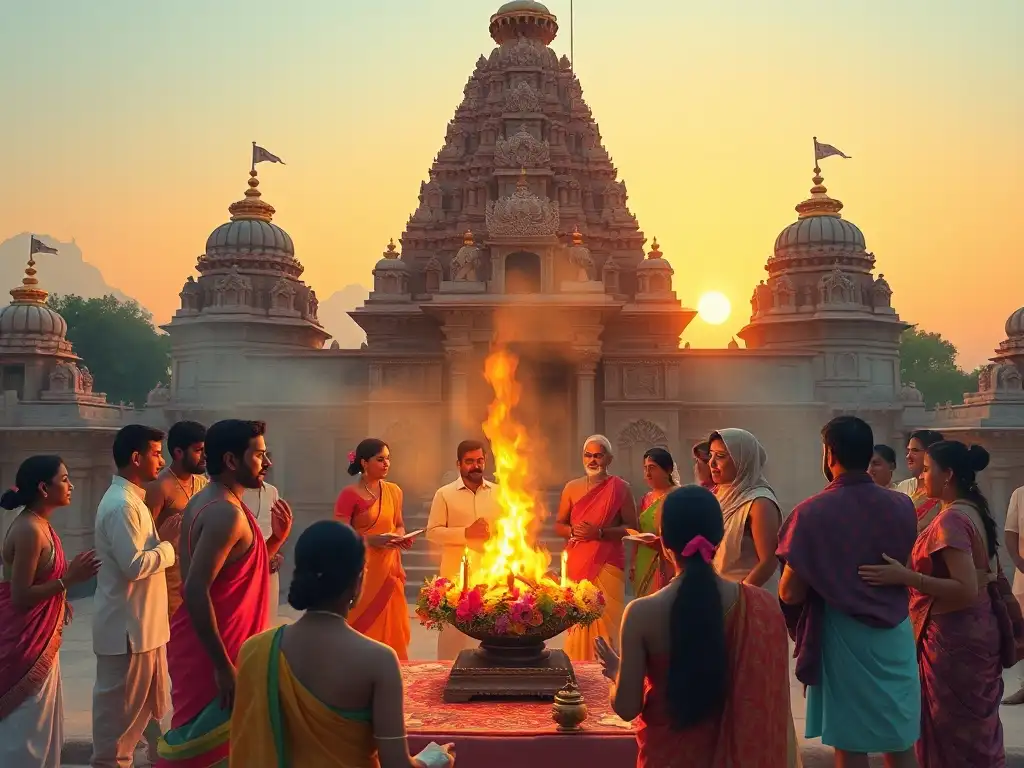
Religion has been a cornerstone in shaping the evolution of rituals throughout ancient India. The interplay between different religious philosophies, such as Hinduism, Buddhism, and Jainism, led to the transformation and adaptation of rituals over time.
- Hinduism: The transition from Vedic rituals to more accessible forms of worship showcased the adaptability of Hindu practices, integrating various local customs and deities. This syncretism allowed rituals to remain relevant to changing societal norms.
- Buddhism and Jainism: These religions introduced new concepts of ritual, often emphasizing meditation and inner purity over external rites. As a result, certain Vedic rituals were challenged or reinterpreted, encouraging a broader understanding of spirituality.
- Regional Influences: Different regions adopted unique religious practices, leading to the emergence of localized festivals and rituals. The blending of indigenous beliefs with major religious traditions enriched the ritual landscape of ancient India.
Social changes have played a pivotal role in the evolution of rituals in ancient India. As societies transformed due to economic, political, and cultural shifts, rituals adapted to reflect these dynamics.
- Caste System: The stratification of society influenced the accessibility of certain rituals. Initially exclusive Vedic rituals became more democratized, especially with the rise of Bhakti movements, allowing broader participation in spiritual practices.
- Agricultural Practices: As agriculture became the backbone of society, rituals celebrating harvests and seasonal changes gained prominence. These agrarian rituals often involved community participation, reinforcing social bonds.
- Urbanization: The growth of urban centers led to the development of public festivals and communal rituals. This transition reflected the need for collective identity and social cohesion within increasingly complex societies.
Key Rituals and Ceremonies Through the Ages
Throughout ancient Indian history, certain key rituals and ceremonies have stood out, illustrating the rich tapestry of cultural practices. These rituals often served specific functions, from religious observance to social celebration.
Significant Vedic Rituals and Their Transformation
The Vedic period laid the foundation for many rituals that continue to influence contemporary practices. Key Vedic rituals include:
- Yajnas: These fire sacrifices were performed to honor deities and seek blessings. Over time, the complexity of these rituals diminished, with simpler forms emerging that focused more on personal devotion rather than elaborate ceremonies.
- Samskaras: Life-cycle rituals such as birth, marriage, and death were codified during this period. These rituals evolved to incorporate local customs, reflecting the diversity of practices across different regions.
- Agni and Soma Rituals: The worship of fire (Agni) and the consumption of soma (a ritual drink) were central to Vedic practices. While the grand yajnas have largely transformed, the essence of invoking divine blessings through fire persists in modern rituals.
The Role of Festivals in Ritual Evolution
Festivals have played a crucial role in the evolution of rituals in ancient India. They serve as communal events that reinforce cultural identity and religious significance.
- Seasonal Festivals: Celebrations like Makar Sankranti and Onam are rooted in agrarian practices, reflecting the cycle of nature and harvest. These festivals have evolved to incorporate regional variations and local deities.
- Religious Festivals: Major festivals such as Diwali and Holi have ancient origins, often linked to mythological narratives. Over time, these celebrations have expanded to include various rituals, community gatherings, and cultural performances.
- Adaptation and Continuity: While the core themes of festivals remain, the rituals associated with them have adapted to contemporary social contexts. This adaptability ensures that ancient traditions remain vibrant and relevant in modern society.
The evolution of ancient Indian rituals is a dynamic process influenced by religion, social changes, and cultural diversity. Understanding this evolution provides valuable insights into the rich heritage of ancient Indian civilizations and their enduring legacy.
The Influence of External Cultures on Ancient Indian Rituals
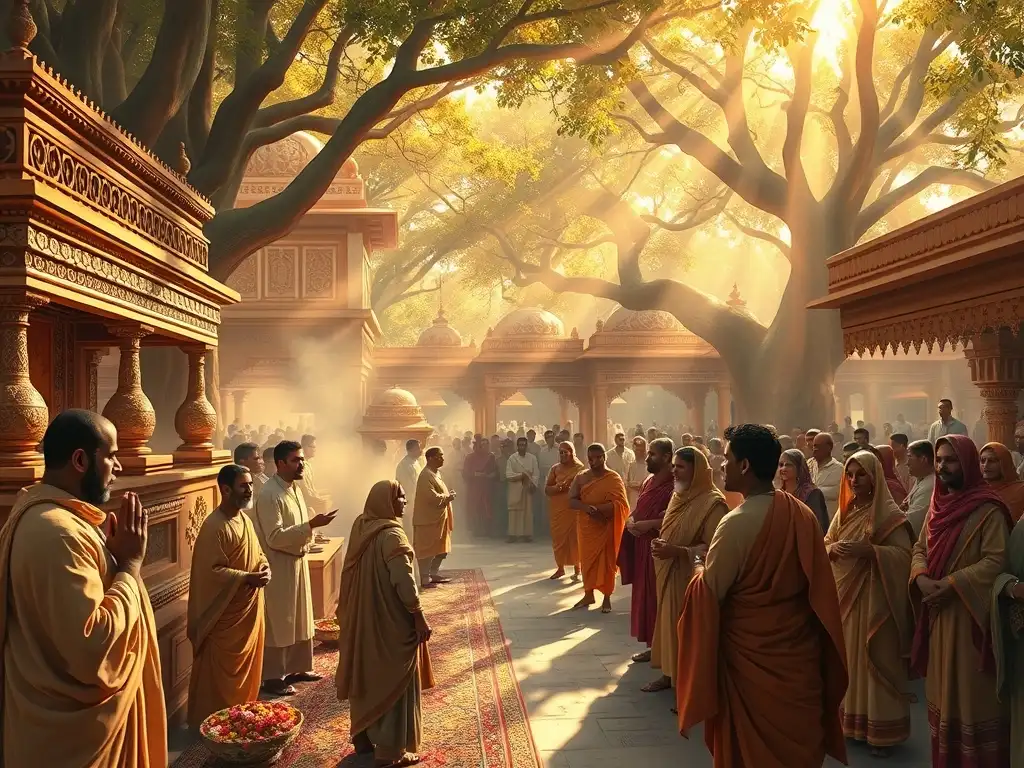
The evolution of ancient Indian rituals was significantly shaped by interactions with external cultures throughout history. As trade routes expanded and empires rose and fell, various influences mingled with indigenous practices, leading to the richness and diversity found in Indian rituals today. These influences can be traced back to pivotal eras, particularly during interactions with Persian, Hellenistic, and later Islamic cultures, each leaving an indelible mark on the fabric of Indian ceremonial life.
Interaction with Persian and Hellenistic Cultures
The arrival of Persian culture during the Achaemenid Empire and its subsequent interactions with Indian kingdoms catalyzed a transformation in rituals. Persian influences are particularly evident in various aspects of court ceremonies, where regal displays of power and divine authority began to mirror Persian practices. For instance, the incorporation of fire rituals, akin to Zoroastrian traditions, became more prominent in certain regions, symbolizing purity and the divine presence.
Simultaneously, the Hellenistic influence, particularly during the era of Alexander the Great, introduced new philosophical and artistic dimensions to rituals. The blending of Greek and Indian thought led to the emergence of hybrid practices, especially in the realm of artistic expressions during rituals. The use of dramatic storytelling and visual arts in ceremonies, inspired by Greek theatre, began to enrich the narrative quality of mythological reenactments in rituals, creating a unique cultural amalgamation.
The Impact of Islamic Traditions on Indian Rituals
The arrival of Islamic traditions from the 7th century onwards marked another significant chapter in the evolution of ancient Indian rituals. The interaction between Hindu and Islamic practices led to a fascinating synthesis, especially in regions where both cultures coexisted. For example, the concept of Sufism brought forth a rich array of devotional practices that blended with existing Hindu rituals, emphasizing themes of love and devotion to the divine, often expressed through music and dance.
Moreover, Islamic influences introduced new festivals and rituals, such as Eid, which have been absorbed into the cultural landscape of Indian society. The incorporation of architectural elements from Islamic culture into Hindu temples and ritual spaces also reflects this blending of traditions. This syncretism enriched the ritualistic landscape, showcasing the adaptability and resilience of ancient Indian rituals in the face of changing cultural dynamics.
Conclusion: The Lasting Impact of Ancient Indian Rituals Evolution
The evolution of ancient Indian rituals is a testament to the dynamic interplay of cultures throughout history. The amalgamation of indigenous practices with external influences has resulted in a vibrant tapestry of rituals that continue to evolve. Today, these rituals serve not only as religious expressions but also as cultural heritage that binds communities together.
Reflections on Modern Ritual Practices in India
In contemporary India, the echoes of ancient rituals can still be felt, albeit with adaptations that reflect modern sensibilities. Many rituals have been reinterpreted to accommodate changing social structures and values, while still retaining their core significance. For instance, traditional festivals such as Diwali and Holi incorporate both ancient customs and contemporary influences, making them relatable to younger generations.
Furthermore, the resurgence of interest in ancient rituals has led to a revival of certain practices, as people seek to reconnect with their heritage. This reflects a broader trend of cultural reclamation, where modern practitioners actively engage with the ancient roots of their rituals, ensuring that these practices not only survive but thrive in a contemporary context.
The Importance of Preserving Ancient Ritual Heritage
Preserving the heritage of ancient Indian rituals is crucial for maintaining cultural identity and continuity. As globalization and modernization pose challenges to traditional practices, efforts to document and promote these rituals become imperative. Organizations and cultural institutions play a vital role in this preservation, offering workshops, festivals, and educational programs that highlight the significance of these rituals.
Moreover, the documentation of oral traditions, performance arts, and ritual practices ensures that future generations can appreciate and learn from their ancestral heritage. By fostering an understanding of ancient rituals, societies can cultivate a sense of belonging and identity, reinforcing the importance of these practices in the ever-evolving narrative of Indian culture.
The evolution of ancient Indian rituals, influenced by external cultures, remains a vital component of India's cultural heritage. Embracing this legacy while adapting to contemporary realities ensures that these rituals continue to resonate with future generations.
Further Reading and Resources on Ancient Indian Rituals
To gain a more comprehensive understanding of the evolution of rituals in ancient India, a variety of books, articles, and online resources are available. These resources delve into the historical context, significance, and transformations of rituals throughout different periods of Indian civilization. Below, we outline some key recommendations for further exploration.
Recommended Books and Articles
-
"The Vedic Rituals: A Study of Ancient Indian Sacrifices" by Patrick Olivelle
This book explores the intricacies of Vedic rituals, focusing on their origins, practices, and meanings. Olivelle provides a rich analysis of how these rituals evolved over time and their impact on later traditions.
-
"Rituals of Indian Culture" by A. L. Basham
A classic text that offers insights into the rituals practiced across various Indian cultures and their significance in social and religious contexts. Basham's work is essential for understanding the broader spectrum of ancient Indian rituals.
-
"The Evolution of Hindu Rituals" by N. J. Rao
This article traces the historical development of rituals in Hinduism, examining how they have adapted and changed from the Vedic period to contemporary practices.
-
"Indian Festivals: A Cultural Perspective" by R. S. Sharma
This book provides an overview of various Indian festivals, detailing the rituals associated with them and their historical evolution. This is particularly useful for understanding how rituals are interwoven with cultural celebrations.
-
"Sacred Texts and Rituals: The Role of Scriptures in Ancient Indian Society" by M. K. Gupta
This scholarly article discusses the interplay between sacred texts and rituals, highlighting how scripture informs and shapes ritual practices over time.
Online Resources for Deeper Understanding
-
Digital Library of India
This extensive digital archive includes a wealth of texts related to ancient Indian rituals, including manuscripts, historical documents, and scholarly articles. It's an invaluable resource for researchers and enthusiasts alike.
-
The Hindu Portal
A comprehensive online resource that offers articles, essays, and discussions on various aspects of Hindu rituals and their evolution. It provides insights into both ancient practices and their modern interpretations.
-
The Indology Website
This academic site features a collection of research papers and articles focusing on various topics in Indology, including ancient Indian rituals. It serves as a platform for scholars to share their findings and engage in discussions.
-
YouTube - Indian Cultural Heritage Channel
This channel offers video content exploring the rituals and traditions of ancient India, featuring expert discussions, documentaries, and visual representations of rituals in historical contexts.
-
Online Courses on Ancient Indian Culture
Various universities and platforms, such as Coursera and edX, offer online courses on ancient Indian history and culture, often including modules on rituals and their evolution. These courses are helpful for those seeking structured learning and expert guidance.
By utilizing these resources, readers can deepen their understanding of the evolution of ancient Indian rituals, discovering how they reflect the broader cultural, religious, and social changes that have shaped India's rich historical tapestry.
- Introduction to Ancient Indian Rituals Evolution
- Historical Overview of Ritual Practices in Ancient India
- Major Phases in the Evolution of Ancient Indian Rituals
- The Influence of Religion on Ritual Evolution
- Social Changes and Their Effect on Rituals
- Key Rituals and Ceremonies Through the Ages
- The Influence of External Cultures on Ancient Indian Rituals
- Conclusion: The Lasting Impact of Ancient Indian Rituals Evolution
- Further Reading and Resources on Ancient Indian Rituals
Frequently Asked Questions
What are ancient Indian rituals?
Ancient Indian rituals are ceremonial practices and traditions that were integral to the spiritual and cultural life of various civilizations in India, reflecting their belief systems and social structures.
How did ancient Indian rituals evolve over time?
The evolution of ancient Indian rituals was influenced by various factors such as religious reforms, cultural exchanges, and the rise and fall of empires, leading to a diverse and dynamic set of practices.
What role did the Indus Valley civilization play in ritual practices?
The Indus Valley civilization is known for its advanced urban planning and ritualistic elements, including bathhouses and fire altars, indicating an early form of religious practice that laid the foundation for later traditions.
How did the Gupta Empire influence rituals in ancient India?
The Gupta Empire is often referred to as the Golden Age of ancient India, where rituals became more sophisticated and were influenced by art, literature, and philosophy, promoting a rich tapestry of cultural expressions.
Are there any significant texts that document ancient Indian rituals?
Yes, texts such as the Vedas, Upanishads, and Puranas provide extensive insights into the rituals, philosophies, and spiritual practices of ancient Indian civilizations, marking their evolution over time.
Final Reflection: The Timeless Journey of Ancient Indian Rituals
The evolution of ancient Indian rituals is not merely a historical account; it is a profound reflection of the changing values and beliefs that shape our societies today. As we navigate a world that is increasingly interconnected yet diverse, understanding the transformations of these rituals offers us a lens through which we can appreciate the rich tapestry of human experience. The significance of these rituals, from their origins to their modern adaptations, underscores the enduring nature of cultural practices and their ability to evolve while retaining core meanings.
Cultural rituals have always served as a bridge between the past and the present, influencing our social fabric in ways that are often subtle yet profound. The evolution of these ancient practices highlights how they adapt to the needs and contexts of different eras, fostering a sense of identity and continuity. Rituals are the threads that weave together the fabric of our shared humanity.
This ongoing influence reminds us that while the forms may change, the essence of connection, community, and spirituality remains a vital part of our lives.
As we reflect on the evolution of ancient Indian rituals, let us consider how we can incorporate the lessons learned from these practices into our own lives. Take a moment to reflect on the rituals that hold meaning for you and explore how they can evolve to resonate with your current experiences.
Embrace the opportunity to create new traditions that honor your heritage while also allowing for personal growth and transformation. In doing so, we not only preserve the past but also enrich our present and future, ensuring that the spirit of these ancient rituals continues to thrive in our modern world.
Embrace the Wisdom of the Past
Thank you for diving deep into the fascinating evolution of rituals in ancient India! Your interest not only enriches your understanding but also connects you to the vibrant tapestry of history that has shaped cultures. Now, let’s keep that momentum going and take these insights even further!
- Dive into a Local Workshop: Seek out a community workshop or class focused on traditional Indian rituals. Engaging with practitioners allows you to experience these customs firsthand and rediscover their significance in today's world.
- Share Your Thoughts: Start a conversation with friends or on social media about how rituals influence modern life. **Your perspective can inspire others and keep the discussion vibrant! **
- Explore Further: Delve into ancient texts or visit museums that showcase artifacts from this rich heritage. Understanding the historical context can deepen your appreciation and knowledge of these rituals.
How do you think the evolving rituals of ancient India influence modern practices in your community today? Let’s share our insights!