
The Role of Music and Dance in Ancient Indian Ceremonial Practices

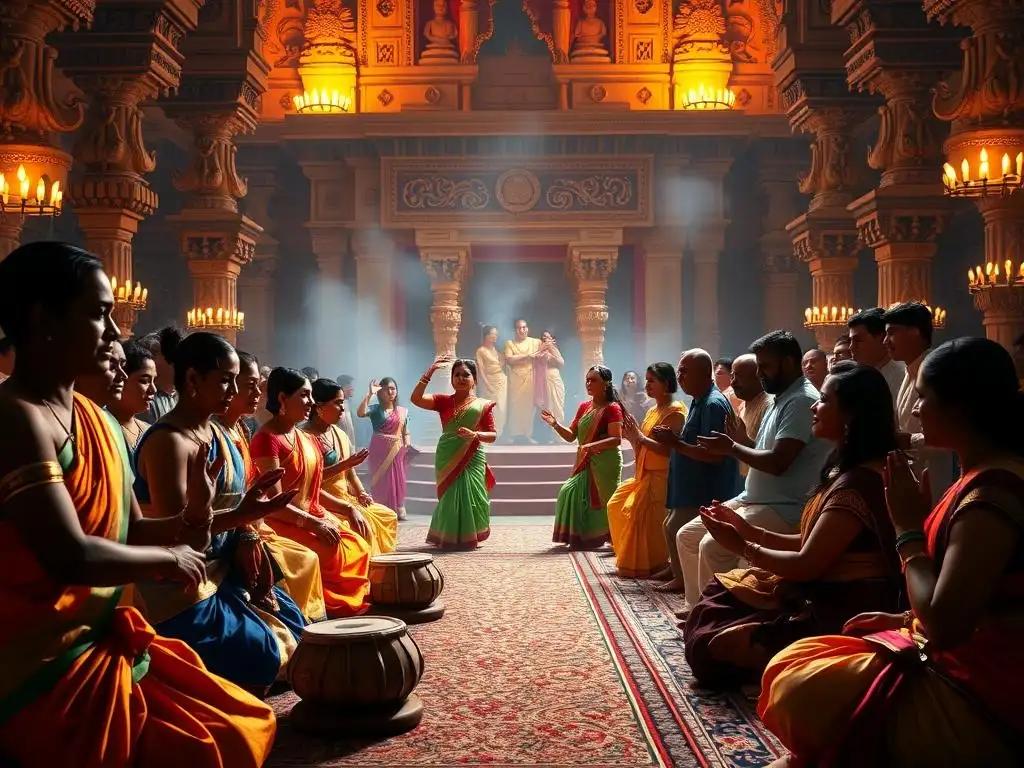
Welcome to Ancient India History, where we embark on a fascinating journey through the vibrant tapestry of ancient Indian civilizations. Here, we delve into the profound impact of music and dance, essential elements that breathed life into ceremonial practices throughout history.
In our feature article, “The Role of Music and Dance in Ancient Indian Ceremonial Practices,” we invite you to uncover how these art forms not only celebrated cultural heritage but also played a pivotal role in rituals and festivals. Get ready to explore the rhythmic echoes of the past and the stories they tell—your adventure into the heart of ancient India begins now!
Introduction to Ancient Indian Music and Dance
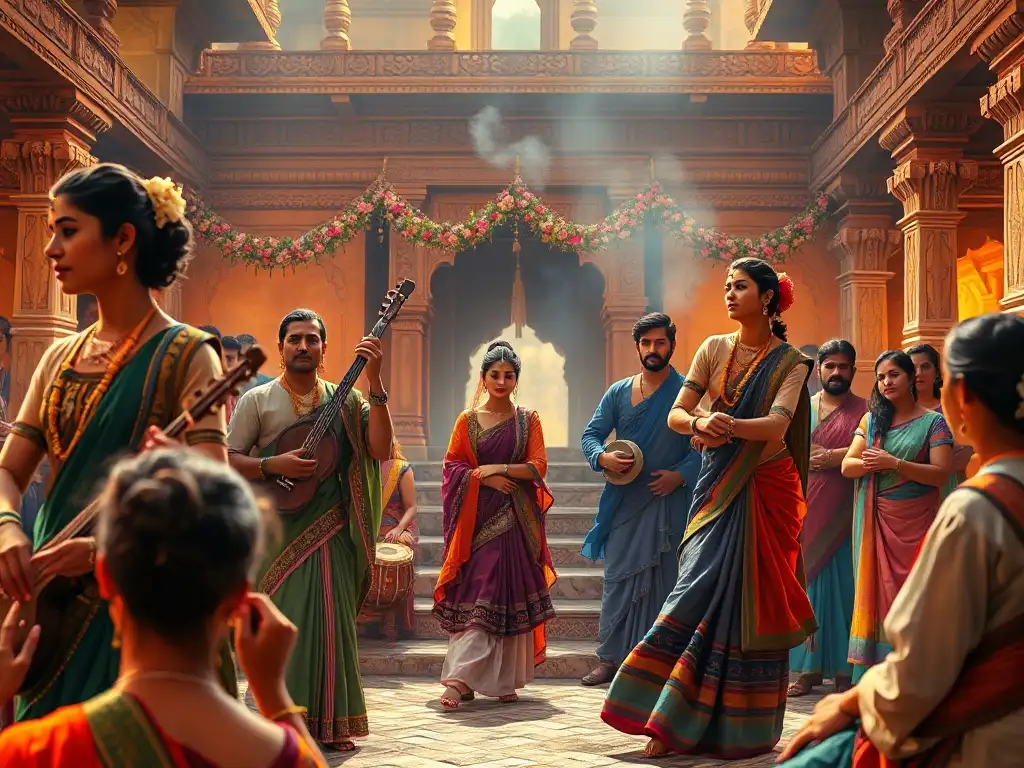
The rich tapestry of ancient Indian civilization is beautifully interwoven with the threads of music and dance, which have played a crucial role in ceremonial practices throughout history. From the serene melodies of the Indus Valley to the elaborate performances of the Gupta Empire, ancient Indian music and dance serve as vital expressions of cultural identity, spirituality, and communal harmony.
These art forms were not merely entertainment; they were integral to rituals, celebrations, and religious observances, reflecting the beliefs and values of the time. Understanding the role of music and dance in these contexts provides profound insights into the social and spiritual fabric of ancient Indian societies.
Overview of Ancient Indian Ceremonial Practices
Ancient Indian ceremonial practices encompassed a wide range of activities, including religious rituals, festive celebrations, and life-cycle events. These ceremonies often involved elaborate preparations and were characterized by their rich symbolism and adherence to tradition. Key components of these rituals frequently included:
- Offerings and Prayers: Devotional acts aimed at appeasing deities and seeking blessings.
- Ritualistic Performances: Enactments that depicted mythological stories and moral teachings.
- Community Participation: Engaging local communities in collective worship and celebration.
Music and dance were essential to these practices, enhancing the emotional and spiritual experiences for participants and fostering a sense of unity.
Significance of Music and Dance in Rituals
The significance of music and dance in ancient Indian rituals cannot be overstated. These art forms served multiple purposes:
- Spiritual Connection: Music and dance were believed to facilitate a direct connection with the divine. The rhythmic sounds and graceful movements created a transcendent atmosphere, inviting spiritual presence.
- Cultural Transmission: Through songs and dances, stories of deities, heroes, and historical events were passed down generations, ensuring the preservation of cultural heritage.
- Social Cohesion: Ceremonial music and dance fostered community bonds, encouraging participation and shared experiences among individuals from diverse backgrounds.
Historical Context of Ancient Indian Music and Dance
Understanding the historical context of ancient Indian music and dance is essential to appreciate their evolution and impact on society. Each era brought distinct influences that shaped these art forms, reflecting the changing political, social, and religious landscapes.
Evolution of Musical Styles in Ancient India
The evolution of musical styles in ancient India can be traced through various periods:
- Vedic Period (1500-500 BCE): Music was primarily vocal and accompanied by instruments like the lyre and flute, focusing on chants and hymns dedicated to deities.
- Post-Vedic Era (500 BCE - 300 CE): Musical complexity increased with the introduction of new instruments and the codification of ragas (melodic frameworks).
- Gupta Period (c. 300-550 CE): Marked by a flourishing of arts, this era witnessed the emergence of classical music styles, with the development of theoretical texts that laid the foundation for Hindustani and Carnatic music.
Key Dance Forms in Ancient Indian Traditions
Ancient Indian dance forms were deeply rooted in religious and cultural narratives. Some notable styles include:
- Bharatanatyam: Originating from Tamil Nadu, this classical dance form combines intricate footwork, expressive gestures, and storytelling through dance.
- Kathak: Hailing from North India, Kathak is characterized by its swift footwork and expressive facial expressions, often depicting tales from Hindu mythology.
- Odissi: Known for its graceful movements and sculpturesque poses, Odissi from Odisha is one of the oldest classical dance forms in India, often performed in temples.
Together, these dance forms, alongside the diverse musical traditions, highlight the integral role of music and dance in ancient Indian ceremonial practices, providing a lens through which we can explore the cultural richness of India's past.
The Functions of Music in Ancient Indian Ceremonies
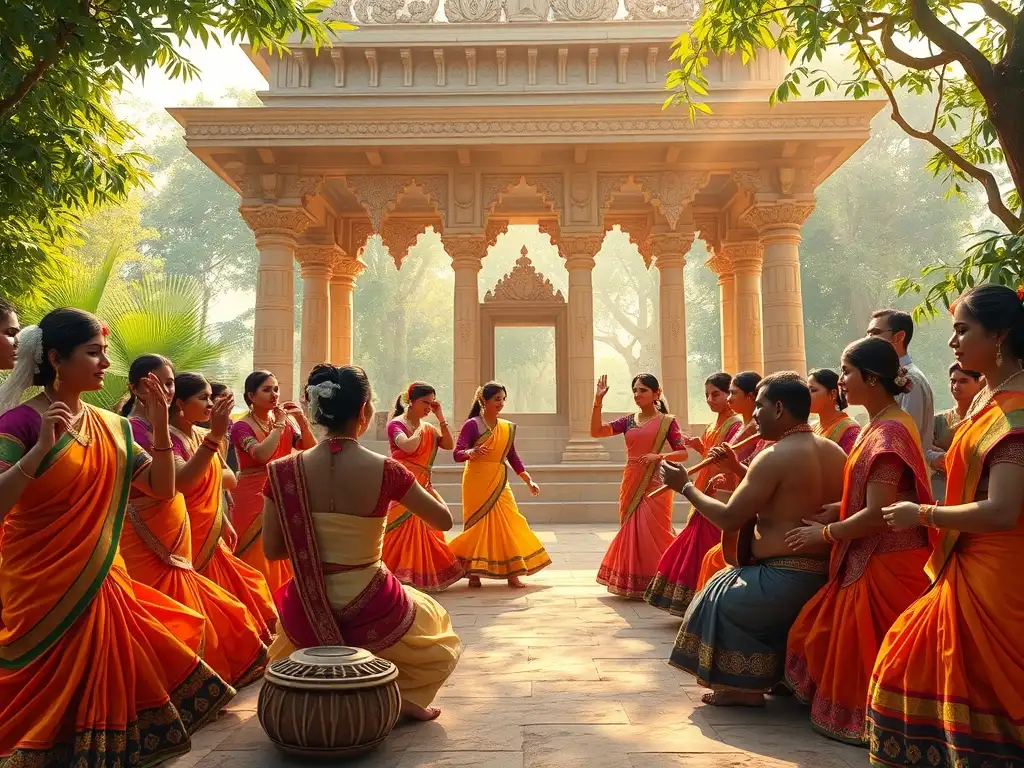
Music played a pivotal role in ancient Indian ceremonies, serving multiple functions that enriched the spiritual and cultural fabric of the society. It was not merely an art form but a vital aspect of various rituals and ceremonies. The use of instruments, vocal recitations, and chants were intricately woven into the ceremonial practices, enhancing the overall experience and significance of the events.
Music as a Tool for Spiritual Connection
In ancient India, music was regarded as a divine language that facilitated a connection between the earthly realm and the spiritual world. Sacred texts, such as the Vedas, emphasize the importance of sound in rituals, suggesting that specific musical notes could evoke deities and enhance spiritual experiences. The chanting of mantras, often accompanied by rhythmic instruments like the tabla and mridangam, created an atmosphere conducive to meditation and devotion.
Moreover, each raga, a melodic framework in Indian classical music, was believed to correspond with specific emotions and times of the day, which allowed practitioners to align their spiritual intentions with the cosmic order. This deep-rooted belief in the spiritual power of music made it an essential component of ceremonies, from weddings to religious festivals, where participants sought to invoke divine blessings and transcend the mundane.
Role of Music in Enhancing Ceremonial Atmosphere
The ambiance of ceremonial gatherings was significantly enhanced by the presence of music. It not only elevated the mood but also created a sense of community among participants. Instruments such as the shehnai, used during weddings and auspicious events, symbolized joy and celebration, while the haunting sounds of the flute could evoke feelings of longing and devotion.
Additionally, rhythmic patterns created by drumming during processions and rituals helped to synchronize movements and actions, fostering unity among the participants. The layering of melodies and harmonies added depth to the ceremonies, allowing individuals to immerse themselves fully in the experience. Through these musical expressions, ancient Indians were able to communicate their emotions and intentions, enriching their cultural heritage.
The Importance of Dance in Ancient Indian Rituals
Dance in ancient India was not just a form of entertainment; it was a profound expression of spirituality and cultural identity. Integral to many religious and social ceremonies, dance served as a medium to convey stories, emotions, and rituals, playing a crucial role in the ceremonial landscape.
Symbolism of Dance in Ceremonial Contexts
Each dance form in ancient India, whether it be Bharatanatyam, Kathak, or Odissi, carried its own set of symbolic meanings and cultural references. Dancers often depicted divine narratives, portraying the lives of gods and goddesses or illustrating significant mythological events. This symbolic representation offered participants a glimpse into the divine and the moral lessons embedded in the stories.
Moreover, the intricate hand gestures (mudras) and facial expressions (abhinaya) used in dance were not merely for aesthetic purposes; they conveyed deep spiritual meanings and emotions. Through these movements, dancers were seen as mediums of divine expression, bridging the gap between the human and the divine realms during rituals and ceremonies.
Dance as a Means of Storytelling and Expression
Dance has long been a powerful storytelling medium in ancient India. Each performance was a narrative that unfolded through movement, rhythm, and expression, captivating audiences and conveying complex tales from ancient texts. The ability to express stories through dance allowed communities to preserve their cultural heritage and pass down traditions from one generation to the next.
In ceremonial contexts, dance served to engage participants actively in the rituals. For instance, during festivals, community members would participate in group dances, reinforcing social bonds and collective identity. This dynamic interaction fostered a sense of belonging and unity, making dance an essential aspect of the communal experience in ancient Indian ceremonial practices.
Overall, the integration of music and dance in ancient Indian ceremonies highlighted their significance in spiritual practices, storytelling, and cultural expression, leaving a profound legacy that continues to resonate in contemporary Indian traditions.
Instruments Used in Ancient Indian Music
The musical landscape of ancient India was rich and varied, characterized by a wide array of instruments that played a crucial role in both secular and ceremonial contexts. These instruments not only provided the melodic and rhythmic foundation for music but also enhanced the emotional resonance of various rituals and celebrations. From stringed instruments to percussion and wind instruments, the diversity reflects the intricate relationship between music and society in ancient India.
Traditional Musical Instruments of Ancient India
Ancient Indian music featured several traditional instruments, each with its unique sound and cultural significance. Some of the most notable instruments include:
- Veena: A plucked string instrument, the veena is considered one of the oldest in Indian classical music. It has various forms, including the Saraswati veena and the Rudra veena, each associated with different musical traditions.
- Mridangam: This double-headed drum is a principal percussion instrument in Carnatic music. Its rhythmic patterns are vital in accompanying vocalists and dancers during performances.
- Bansuri: A bamboo flute, the bansuri is known for its soothing sound. It has been associated with pastoral themes and is often linked to the divine figure of Krishna.
- Dholak: A popular hand-played drum, the dholak is used in folk music and ceremonial contexts, adding a vibrant rhythm to various celebrations.
These instruments were not merely tools for creating music; they embodied the philosophies and aesthetics of ancient Indian culture, often imbued with rituals and spiritual significance.
The Role of Instruments in Ceremonial Music
In ancient Indian ceremonial practices, musical instruments played a pivotal role in setting the tone and atmosphere of various rites and rituals. Instruments were strategically chosen based on the nature of the ceremony, whether it was a religious offering, a royal celebration, or a seasonal festivity.
- Enhancing Spiritual Experience: Instruments like the shankh (conch shell) and ghanta (bell) were often used in rituals to invoke deities and create an auspicious environment. The sound of these instruments was believed to purify the surroundings and attract divine blessings.
- Accompanying Dance: In many ceremonies, music and dance were inseparable. Instruments such as the tabla and harmonium provided rhythmic and melodic support for classical dance forms, transforming the performances into a holistic experience that engaged both the senses and the spirit.
- Cultural Expression: The choice and use of instruments reflected regional identities and cultural expressions, weaving a rich tapestry of sound that resonated with the community's values and traditions.
Prominent Ancient Indian Music and Dance Traditions
The interplay of music and dance in ancient India was not only an artistic pursuit but also a means of storytelling, celebration, and spiritual practice. Several prominent traditions emerged, each with its unique characteristics and historical significance.
Classical Music Traditions: Carnatic and Hindustani
Ancient Indian classical music is broadly categorized into two major traditions: Carnatic and Hindustani. Each tradition has distinct features, yet both share a common foundation rooted in ancient texts and philosophies.
- Carnatic Music: Predominantly practiced in southern India, Carnatic music is characterized by its intricate melodic structures and elaborate improvisational techniques. It emphasizes vocal music, with compositions often dedicated to deities and spiritual themes. Instruments like the veena, mridangam, and flute play a significant role in performances, highlighting the intricate interplay of melody and rhythm.
- Hindustani Music: Emerging from the northern regions, Hindustani music features a blend of indigenous and Persian influences. It is recognized for its vast repertoire of ragas (melodic frameworks) and talas (rhythmic cycles). The sitar and tabla are iconic instruments in this tradition, often accompanying vocalists to create soulful and profound musical experiences.
Both traditions have evolved over centuries, with each generation contributing to their rich legacies, and they continue to influence contemporary Indian music.
Classical Dance Forms: Bharatanatyam, Kathak, and Odissi
Ancient Indian dance forms are deeply intertwined with music, serving as a medium for storytelling and spiritual expression. Among the classical dance forms, Bharatanatyam, Kathak, and Odissi stand out for their historical significance and artistic depth.
- Bharatanatyam: Originating from Tamil Nadu, Bharatanatyam is one of the oldest classical dance forms in India. It is characterized by its grace, intricate footwork, and expressive hand gestures (mudras). The dance often narrates mythological stories and spiritual themes, accompanied by classical Carnatic music.
- Kathak: With roots in northern India, Kathak is known for its intricate footwork and expressive storytelling. It incorporates elements of both Hindu and Muslim cultures, showcasing a blend of narrative and pure dance. Kathak is often performed in a circular stage format, with the dancer engaging the audience through rhythmic improvisation and expressive movements.
- Odissi: Hailing from Odisha, Odissi is distinguished by its sculptural poses and fluid movements. This dance form is characterized by its emphasis on tribhangi (three bends of the body) and mudras. Odissi performances often depict stories from Hindu mythology and are accompanied by both vocal and instrumental music.
These classical dance forms, deeply rooted in ancient Indian culture, continue to thrive today, reflecting the timeless connection between music, dance, and ceremonial practices.
Case Studies of Music and Dance in Specific Ceremonies
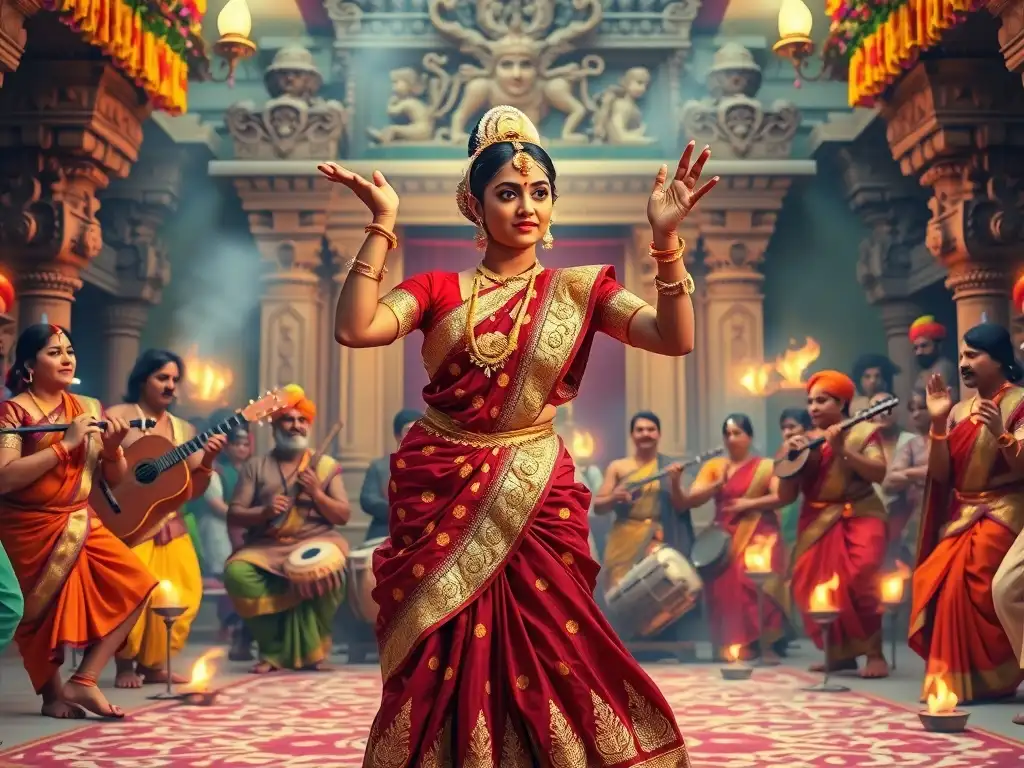
Ancient Indian music and dance played crucial roles in various ceremonial practices, often serving as a medium for spiritual expression and communal bonding. The integration of music and dance into rituals not only enhanced their aesthetic appeal but also deepened their significance. A few notable case studies highlight the intricate relationship between these art forms and specific ceremonies.
One prominent example is the Sama Veda chanting during Vedic rituals. The Sama Veda, known for its melodic hymns, was pivotal in ceremonies like Yajnas, where offerings were made to deities. The singing of these hymns was believed to invoke divine presence, thereby establishing a sacred atmosphere essential for the ritual's success.
Another significant instance is found in the Natya Shastra, an ancient treatise on performing arts attributed to Bharata Muni. This text outlines the importance of dance in rituals, especially in temple ceremonies. Classical dances, such as Bharatanatyam and Odissi, were often performed as offerings to deities, embodying spiritual narratives that conveyed religious devotion and cultural heritage.
The Role of Music and Dance in Vedic Rituals
In Vedic rituals, music and dance served as essential components to enhance the spiritual ambiance and facilitate communication with the divine. The Sama Veda specifically contains hymns meant to be sung, emphasizing the auditory experience of rituals. These melodies were carefully composed to resonate with the energies of the universe, believed to amplify the effectiveness of the rituals.
During ceremonies, priests would chant these hymns in a call-and-response format, often accompanied by instruments such as the veena and mridangam. The rhythmic patterns not only provided a musical backdrop but also helped participants enter a meditative state, fostering a deeper connection to the spiritual essence of the ceremony.
Dance also played a critical role in Vedic rituals, particularly through the depiction of mythological stories and allegories. Performers, often clad in elaborate costumes, would enact these narratives, drawing the audience into a shared spiritual experience. The combination of music, dance, and storytelling created a holistic ceremonial experience that transcended mere ritualistic practice.
Celebrations and Festivals Featuring Music and Dance
Ancient Indian festivals were vibrant celebrations characterized by an abundance of music and dance, reflecting the cultural richness of the society. Each festival had its own unique musical styles and dance forms, integral to the festivities.
One significant festival is Navaratri, dedicated to the worship of the goddess Durga. During this nine-night celebration, music and dance are central to the festivities. Traditional dances like Garba and Dandiya Raas are performed, with participants dressing in colorful attire and engaging in rhythmic movements. The accompanying folk music, often played on traditional instruments like the dhol and flute, creates an atmosphere of joy and devotion.
Similarly, the festival of Diwali incorporates music and dance in its celebrations. Folk songs and classical music are integral to the rituals performed during the festival, symbolizing the victory of light over darkness. Dance performances, often showcasing traditional styles like Kathak and Kuchipudi, are a common sight during Diwali celebrations, adding to the festive spirit.
Influence of Ancient Indian Music and Dance on Contemporary Practices
The legacy of ancient Indian music and dance continues to influence contemporary practices, shaping the cultural landscape of modern India. While many traditional forms have evolved, their core elements remain integral to the cultural identity of the nation.
Legacy of Ancient Music and Dance in Modern India
Modern Indian music and dance forms draw heavily from their ancient roots. Classical music genres like Hindustani and Carnatic music retain structures and ragas developed during ancient times, serving as a foundation for contemporary compositions. Similarly, classical dance forms such as Bharatanatyam, Kathak, and Odissi are still practiced and celebrated, showcasing the intricate techniques and storytelling traditions of their ancient predecessors.
The influence of ancient practices can also be seen in popular cultural expressions, where elements of traditional music and dance are infused into modern performances, films, and stage shows. This blending of old and new has not only preserved these art forms but has also made them accessible to younger generations.
Preservation of Ancient Traditions in Contemporary Ceremonies
Efforts to preserve ancient music and dance traditions are evident in various cultural initiatives across India. Many organizations and institutions focus on teaching and promoting these art forms, ensuring their continuity in contemporary settings. Festivals and cultural events often feature performances that celebrate ancient traditions, attracting audiences and fostering appreciation for these rich cultural heritages.
Furthermore, educational programs in schools and universities emphasize the importance of ancient music and dance, encouraging students to engage with their cultural roots. This commitment to preservation is vital in maintaining the relevance of these art forms in modern society, ensuring that the vibrancy of ancient Indian music and dance continues to thrive in ceremonial practices today.
Conclusion
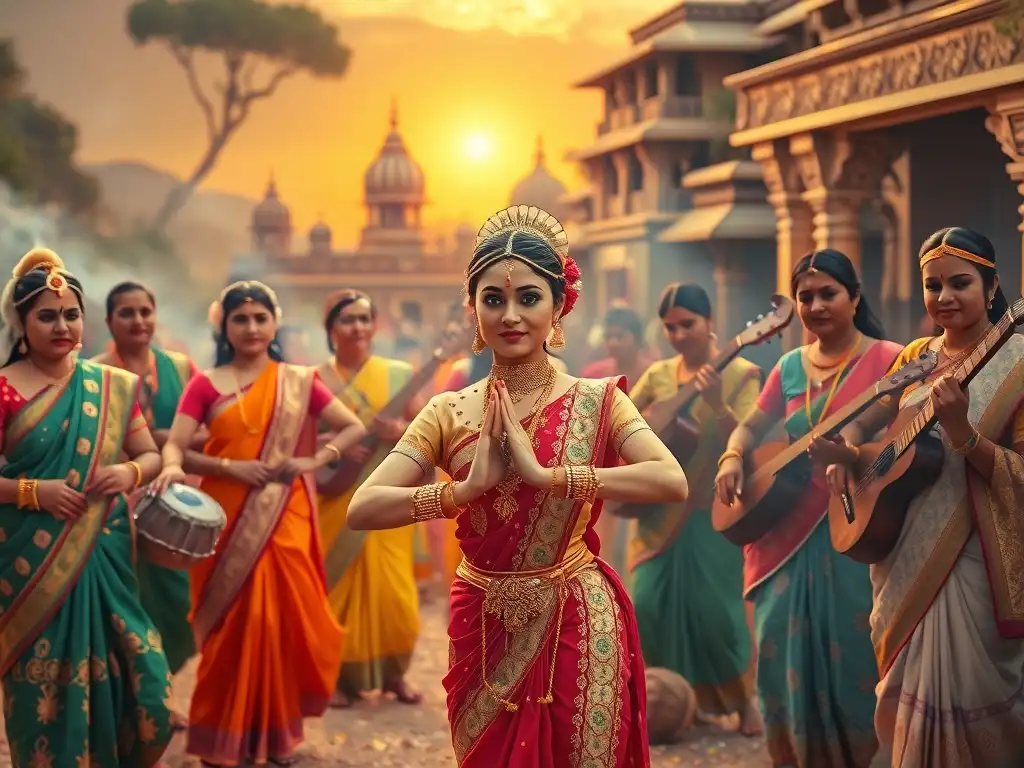
The exploration of ancient Indian music and dance reveals a profound connection between these art forms and the ceremonial practices that characterized the rich tapestry of Indian culture. Music and dance were not merely entertainment; they were integral to the spiritual and social fabric of ancient Indian society. Through rituals, festivals, and ceremonies, these art forms served as mediums for communication with the divine, a means of storytelling, and a way to express collective joy, sorrow, and reverence.
Summary of the Role of Music and Dance in Ancient Indian Ceremonial Practices
Ancient Indian music and dance played pivotal roles in various ceremonial practices, contributing to the overall ambiance and significance of these events. Here are some key points summarizing their roles:
- Spiritual Connection: Music and dance were often viewed as offerings to deities, enhancing the spiritual experience of rituals. Instruments like the veena and tabla were commonly used to invoke divine presence during ceremonies.
- Cultural Expression: Different regions of ancient India had distinct musical styles and dance forms, reflecting local traditions and customs. This diversity enriched the ceremonial practices and showcased the cultural identity of communities.
- Communal Bonding: Ceremonial music and dance fostered unity within communities, bringing people together in shared experiences. Group performances during festivals and rituals strengthened social ties and collective identity.
- Storytelling: Many dances were narrative in nature, conveying stories from ancient epics like the Ramayana and Mahabharata. This not only entertained but also educated audiences about their heritage and values.
- Ritualistic Significance: Specific dances and musical compositions were designed for particular ceremonies, such as weddings, births, and religious festivals, signifying their importance in marking significant life events.
Reflection on the Cultural Significance of Ancient Indian Music and Dance
The cultural significance of ancient Indian music and dance extends beyond mere performance; it encapsulates the essence of ancient Indian civilization. These art forms served as a bridge between the earthly and the divine, allowing practitioners and audiences alike to experience a heightened sense of spirituality and connection to their heritage.
- Preservation of Traditions: The transmission of musical and dance traditions from generation to generation ensured that the rich cultural narratives of ancient India were preserved. This continuity is crucial for understanding contemporary Indian culture and its roots.
- Symbolism and Meaning: Every gesture in dance and every note in music carried symbolic meanings, often relating to concepts such as love, devotion, and cosmic balance. This depth added layers of understanding to the ceremonial practices, making them more than just physical expressions.
- Influence on Modern Practices: The impact of ancient Indian music and dance continues to resonate today. Contemporary forms still draw inspiration from traditional practices, illustrating a dynamic evolution of cultural expressions that honor the past while adapting to the present.
In essence, ancient Indian music and dance not only enriched ceremonial practices but also laid the groundwork for a cultural legacy that continues to inspire and influence various aspects of life in modern India. The reverberations of these artistic expressions remind us of their enduring importance and the deep connections they foster among people across time.
- Introduction to Ancient Indian Music and Dance
- Overview of Ancient Indian Ceremonial Practices
- Significance of Music and Dance in Rituals
- Historical Context of Ancient Indian Music and Dance
- The Functions of Music in Ancient Indian Ceremonies
- The Importance of Dance in Ancient Indian Rituals
- Instruments Used in Ancient Indian Music
- Prominent Ancient Indian Music and Dance Traditions
- Case Studies of Music and Dance in Specific Ceremonies
- The Role of Music and Dance in Vedic Rituals
- Celebrations and Festivals Featuring Music and Dance
- Influence of Ancient Indian Music and Dance on Contemporary Practices
- Conclusion
- Summary of the Role of Music and Dance in Ancient Indian Ceremonial Practices
- Reflection on the Cultural Significance of Ancient Indian Music and Dance
- What was the significance of music and dance in ancient Indian ceremonies?
- How did ancient Indian music evolve over time?
- Were there specific instruments used in ancient Indian dance performances?
- How did dance forms contribute to storytelling in ancient India?
- What is the connection between ancient Indian music and religious practices?
Frequently Asked Questions
What was the significance of music and dance in ancient Indian ceremonies?
Music and dance played a crucial role in ancient Indian ceremonies, often used to celebrate religious rituals and mark significant events in the community.
How did ancient Indian music evolve over time?
Ancient Indian music evolved through various influences, including regional styles and the integration of spiritual and cultural elements, leading to diverse forms that enriched the musical heritage.
Were there specific instruments used in ancient Indian dance performances?
Yes, ancient Indian dance performances often featured instruments like the tabla, sitar, and flute, which added depth and rhythm to the performances, enhancing the overall aesthetic experience.
How did dance forms contribute to storytelling in ancient India?
Dance forms served as a medium for storytelling, conveying myths, legends, and historical events through expressive movements and gestures, thereby preserving cultural narratives.
What is the connection between ancient Indian music and religious practices?
Ancient Indian music was deeply intertwined with religious practices, often used in temples and during rituals to invoke divine presence and create an atmosphere of spiritual elevation.
Final Reflection: The Enduring Legacy of Ancient Indian Music and Dance
The exploration of ancient Indian music and dance reveals their profound significance in ceremonial practices, showcasing how these art forms are not merely relics of the past but vibrant expressions of cultural identity. Today, as we navigate a world increasingly disconnected from its roots, the rhythms and melodies of ancient India remind us of the power of tradition in shaping our collective consciousness. The intricate dances and soulful music that once accompanied sacred rituals continue to resonate, inviting us to reconnect with our heritage and the stories it tells.
The influence of ancient Indian music and dance extends far beyond the ceremonial sphere, permeating contemporary culture and fostering a sense of community and belonging. These art forms serve as a bridge between generations, preserving the wisdom of the past while inspiring new interpretations and innovations. As noted by the renowned dancer and choreographer, "Dance is the hidden language of the soul," emphasizing how these practices communicate emotions and narratives that transcend time and space. The dance is a poem of which each movement is a word.
– Mata Hari
As we reflect on the lessons embedded in ancient Indian music and dance, let us embrace the call to honor our cultural legacies while also allowing them to inspire our future. Consider how you can incorporate the rhythms of your own heritage into your life, whether through participation in local dance forms, learning traditional music, or simply appreciating the art that surrounds you. In doing so, you not only celebrate the past but also contribute to the ongoing narrative of cultural expression, ensuring that the spirit of ancient Indian music and dance continues to thrive in our modern world.
Unveil the Rhythmic Heart of Ancient India!
Thank you for exploring the fascinating role of music and dance in ancient Indian ceremonial practices! You’ve uncovered the vibrant threads that connect culture and spirituality. Now, let’s bring this rich history to life.
Here’s how you can continue your journey:
- Dive deeper into ancient traditions: Explore additional resources or documentaries that highlight the profound influence of music and dance on contemporary Indian culture.
- Share your insights: Discuss this article with friends and family, or post it on social media to spark conversations around these ancient practices.
- Join an online community: Engage with others who appreciate history by participating in forums or social media groups focused on ancient Indian traditions.
What aspect of ancient Indian music and dance inspires you the most? We invite you to share your thoughts below!