
The Religious Undertones of Ancient Indian Warfare

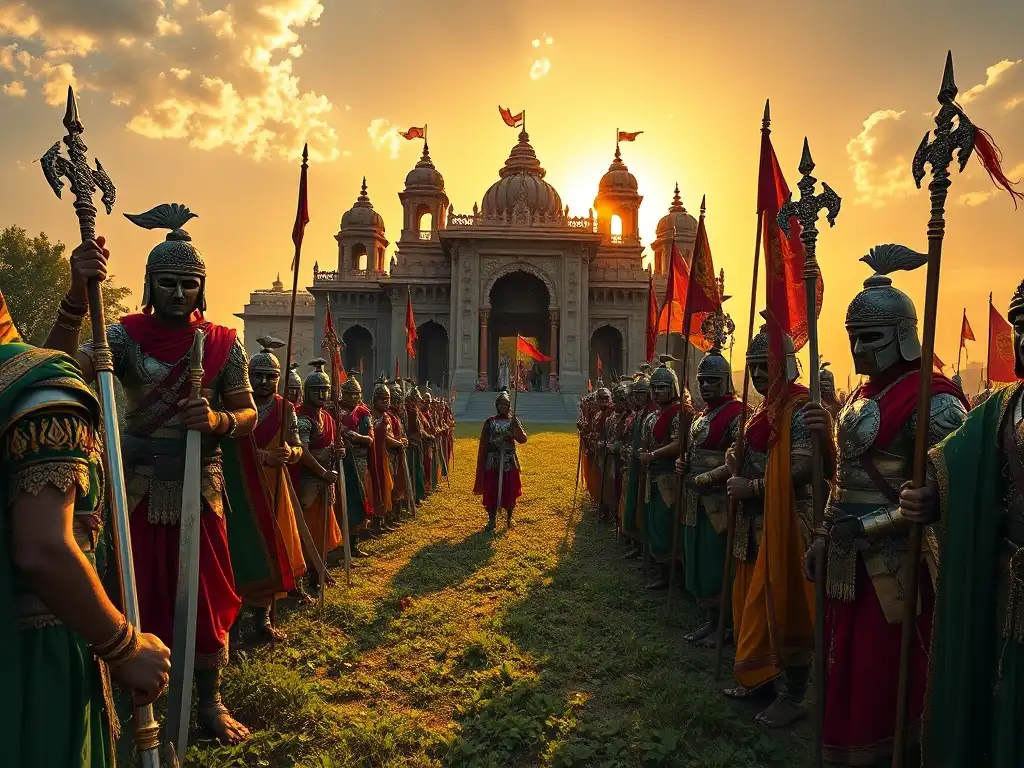
Welcome to Ancient India History, where we embark on a fascinating journey through the intricate tapestry of ancient Indian civilization. As we delve into the religious undertones of ancient Indian warfare, you’ll uncover how spirituality and belief systems shaped the strategies and ethics of battle in a time when the divine was intricately woven into the fabric of daily life.
Prepare to explore the profound connections between faith and conflict, and discover how these historical narratives continue to influence contemporary perspectives on warfare. Join us as we unravel the layers of this captivating topic and invite you to delve deeper into the rich legacy of ancient Indian military history.
Introduction to Ancient Indian Warfare and Religion
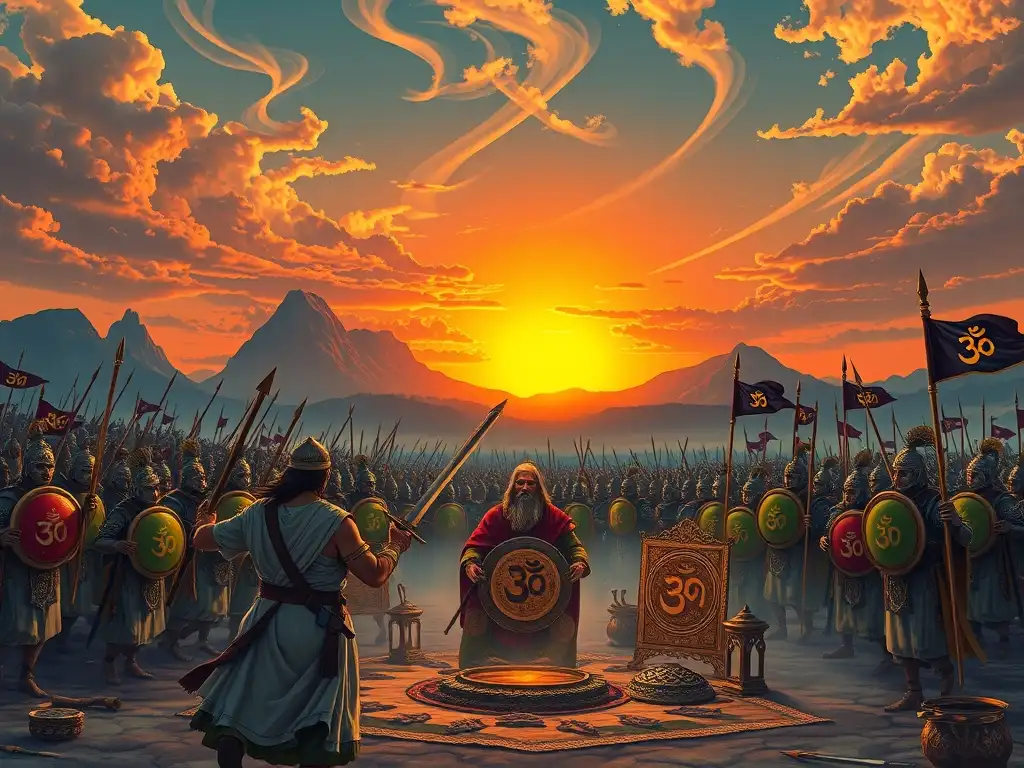
The interplay between warfare and religion in ancient India is a profound topic that offers insights into the cultural, social, and spiritual fabric of its civilizations. From the early days of the Indus Valley Civilization to the intellectual zenith of the Gupta Empire, ancient Indian warfare was not merely a political or military endeavor; it was deeply intertwined with religious beliefs and practices.
The concept of dharma (duty) played a pivotal role, influencing not only the justification for war but also the conduct of warriors on the battlefield. Understanding these religious undertones is crucial for comprehending the broader context of ancient Indian military history and the values that shaped its notable battles and campaigns.
Overview of Ancient Indian Warfare
Ancient Indian warfare was characterized by a variety of tactics, strategies, and technologies that evolved over millennia. It was marked by the use of chariots, elephants, and infantry, alongside a rich tradition of military literature, such as the Arthashastra by Kautilya, which outlined strategies for statecraft and warfare. Battles were often fought between powerful kingdoms vying for dominance, such as the Kuru and Panchala states during the Mahabharata era. The complexity of ancient Indian warfare extended beyond mere conquest, often reflecting the intricate relationships between rival states, alliances, and the influence of religious ideologies on military actions.
The Role of Religion in Ancient Indian Society
Religion in ancient India was not a separate domain but was intricately woven into the daily lives of its people, influencing politics, culture, and warfare. The Vedic period laid the foundation for many religious practices and beliefs that permeated society, including the warrior code of ethics and the notion of divine favor in battles. Kings often sought the blessings of deities before embarking on military campaigns, believing that a righteous cause would ensure victory. Rituals and sacrifices were performed to appease gods and goddesses, with the outcomes of battles seen as manifestations of divine will.
Historical Context of Warfare in Ancient India
Major Periods of Ancient Indian Warfare
Understanding the historical context of warfare in ancient India involves recognizing its major periods, each with distinct military practices and religious influences. The Vedic period (c. 1500 – 500 BCE) set a foundation for military ideology, while the subsequent Maurya (c. 322 – 185 BCE) and Gupta (c. 320 – 550 CE) empires saw the rise of large-scale armies and sophisticated warfare techniques. Each period was marked by significant battles that were not only military confrontations but also religiously charged events, where the outcomes were interpreted through the lens of dharma and divine justice.
Key Civilizations and Their Military Practices
Several key civilizations shaped the military landscape of ancient India, each contributing unique practices and religious beliefs to the concept of warfare. The Maurya Empire, under leaders like Chandragupta Maurya and Ashoka, exemplified the integration of military conquest with Buddhist principles, particularly post-war pacifism. In contrast, the Rajput kingdoms emphasized honor and valor, with a strong code of conduct rooted in Hindu traditions. Understanding these civilizations' military practices offers a nuanced perspective on how religion and warfare were interlinked, ultimately influencing the course of history in ancient India.
The Influence of Religion on Military Strategies
Religion played a pivotal role in shaping military strategies in ancient Indian warfare. The intertwining of religious beliefs and martial practices influenced not only the motivations behind wars but also the conduct of battles themselves. Rulers and warriors often viewed their military campaigns through a religious lens, interpreting victories and defeats as reflections of divine favor or displeasure.
This religious influence can be observed in several key aspects:
- Justification of Wars: Many ancient Indian kings justified their military actions through religious doctrines. Conquests were often framed as necessary for the protection or expansion of dharma (moral order).
- Rituals and Sacrifices: Before embarking on campaigns, leaders would engage in religious rituals, including sacrifices to gain blessings from deities. Such practices were believed to secure victory and ensure the morale of the troops.
- Symbolism in Warfare: Military insignias, banners, and the overall strategies employed often had religious significance. For instance, the use of symbols like the conch shell and the lotus flower represented auspiciousness and divine support.
The fusion of religion and military tactics created a unique framework within which battles were fought, often leading to heightened fervor and commitment among warriors.
Religious Texts and Their Impact on Warfare
Ancient Indian religious texts, such as the Vedas, Upanishads, and epics like the Mahabharata and Ramayana, profoundly influenced military thought and practices. These texts provided ethical and moral guidelines that shaped the conduct of warfare.
- Dharma and Kshatriya Duty: The concept of dharma, especially for the Kshatriya (warrior) class, emphasized the duty to protect the realm and uphold righteousness. This moral imperative motivated warriors to engage in battles, viewing it as a sacred duty.
- Strategic Insights: Texts such as the Arthashastra, attributed to Kautilya (Chanakya), offered strategic advice that blended military tactics with philosophical insights. These teachings highlighted the importance of intelligence, diplomacy, and the ethical dimensions of warfare.
- Mythology and Inspiration: Stories from mythology served to inspire warriors. For example, tales of divine intervention in battles encouraged warriors to act fearlessly, believing that they were supported by celestial powers.
These religious texts not only provided the ideological foundation for warfare but also served as practical guides for rulers and generals in their military campaigns.
Role of Priests and Religious Leaders in Military Decisions
Priests and religious leaders held significant influence in the military decisions of ancient Indian states. Their role went beyond mere spiritual guidance; they were intricately involved in the planning and execution of military campaigns.
- Counsel and Advisory: Kings often sought the counsel of priests before launching campaigns. Their interpretations of omens and prophecies were considered crucial in determining the right time and circumstances for battle.
- Rituals for Success: Priests conducted rituals to invoke the blessings of gods before a battle, which were believed to enhance the chances of success. These rituals included elaborate ceremonies and offerings that were integral to the preparation for warfare.
- Moral Oversight: Religious leaders ensured that the conduct of warfare adhered to the principles of dharma. They played a role in moderating actions taken during war, advocating for ethical treatment of prisoners and innocent civilians.
The collaboration between military leaders and religious authorities exemplifies how deeply intertwined religion was with the fabric of ancient Indian warfare.
Notable Battles Reflecting Religious Themes
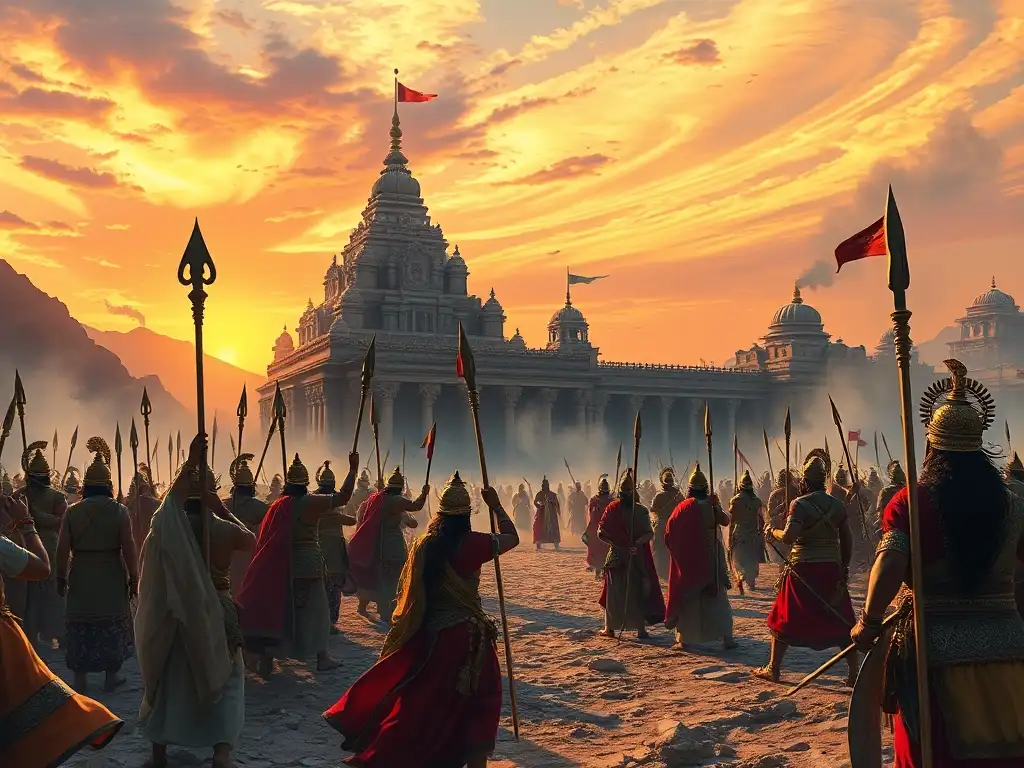
Ancient Indian history is replete with battles that reflect significant religious themes, illustrating the profound impact of faith on the motivations and conduct of warfare. These notable conflicts often had long-lasting implications for both the political landscape and religious practices.
The Battle of Kurukshetra: A Case Study
The Battle of Kurukshetra, as depicted in the Mahabharata, stands as one of the most significant examples of religion's role in warfare. This epic conflict between the Pandavas and Kauravas is steeped in religious and philosophical themes that resonate through centuries.
- Divine Justification: The battle was seen as a righteous war (Dharma Yudhha), fought to restore dharma against adharma (chaos). The characters were often depicted as avatars or incarnations of deities, further sanctifying the conflict.
- Bhagavad Gita's Teachings: The teachings of Lord Krishna to Arjuna on the battlefield encapsulate the moral and spiritual dilemmas faced by warriors. This discourse emphasizes duty, righteousness, and the philosophical underpinnings of life and death, showcasing the religious depth of the conflict.
- Aftermath and Legacy: The battle's resolution led to significant shifts in the moral and ethical landscape of society, influencing future generations' understanding of war, duty, and divine justice.
The Battle of Kurukshetra serves as a profound case study, illustrating how religious themes were woven into the very fabric of ancient Indian warfare.
Other Significant Battles with Religious Undertones
Beyond Kurukshetra, several other battles in ancient Indian history reflect the influence of religion on warfare, each with its unique context and implications.
- The Battle of Magadha: This battle between the Nandas and their rivals showcased the use of religious symbolism to rally troops. The Nanda rulers often employed the power of religious legitimacy to justify their reign and conquests.
- The Conquest of Kalinga: Emperor Ashoka’s military campaign against Kalinga was pivotal in transforming his approach to governance and warfare. The aftermath of the battle led him to embrace Buddhism, highlighting the consequences of war on religious and ethical beliefs.
- The Wars of the Gupta Empire: During the Gupta period, military campaigns often involved invoking the blessings of deities such as Vishnu and Shiva. This religious underpinning was instrumental in rallying troops and legitimizing conquests.
These battles illustrate the complex interplay of religion and warfare in ancient India, demonstrating that conflicts were not merely military endeavors but also deeply spiritual and ideological struggles.
Symbolism and Rituals in Ancient Indian Warfare
In ancient India, warfare was not merely a physical confrontation but a complex interplay of beliefs, rituals, and symbolism deeply embedded in the cultural ethos of the time. The significance of warfare extended beyond the battlefield, influencing social structures, governance, and philosophy. Warriors often saw themselves as instruments of divine will, tasked with upholding righteousness (dharma) and protecting their realm. The rituals and symbols associated with warfare served to sanctify battles, invoking divine favor and ensuring moral justification for their actions.
Religious Symbols Used in Warfare
Religious symbols played a crucial role in ancient Indian warfare, serving as markers of divine presence and protection. Common symbols included:
- Om: This sacred syllable represented the essence of the ultimate reality and was often chanted before battles to invoke peace and spiritual strength.
- Trident (Trishula): Associated with Lord Shiva, the trident symbolized power over the three realms: physical, mental, and spiritual. Warriors would carry tridents as a sign of their connection to divine authority.
- Swastika: An ancient symbol of auspiciousness and prosperity, it was often inscribed on weapons and armor to bless the warriors and their endeavors with victory.
- Banners and Flags: Each kingdom had its unique insignia that represented its deity or clan, believed to inspire troops and intimidate adversaries.
These symbols were not merely decorative but were integral to the psychological and spiritual preparation of the warriors.
Pre-Battle Rituals and Their Importance
Pre-battle rituals held immense significance in ancient Indian warfare, often determining the morale and readiness of the troops. These rituals typically included:
- Prayers and Offerings: Soldiers and commanders would pray to their deities for strength, courage, and victory. Offerings of flowers, food, and sacred items were made at local shrines or temples.
- Sacred Oaths: Warriors would often take oaths on sacred texts or under the watch of priests, committing themselves to fight justly and uphold dharma.
- Purification Rites: To ensure spiritual and physical readiness, soldiers underwent purification rituals involving water, fire, and chanting of mantras to cleanse themselves of impurities and doubts.
The importance of these rituals lay in their ability to unify the troops, instill confidence, and reinforce their commitment to the cause, thus shaping the outcome of battles.
The Intersection of Dharma and Warfare
The relationship between dharma and warfare in ancient India was intricate and multi-faceted. Dharma, often translated as duty or righteousness, served as a guiding principle for warriors. It defined the moral framework within which battles were fought, emphasizing the importance of justice and ethical conduct even amidst conflict.
The Concept of Dharma in Ancient Indian Warfare
Dharma in the context of warfare referred to the moral obligations and duties of a warrior. It encompassed various principles, such as:
- Kshatriya Duty: For the Kshatriya (warrior) class, engaging in battle was not only a right but a sacred duty. They were expected to protect their kingdom and uphold justice.
- Just War Theory: Ancient texts like the Mahabharata outline the conditions under which a war could be considered just, emphasizing the need for rightful cause, proportionality, and protection of non-combatants.
- Spiritual Warfare: Warriors believed that their actions in battle were not only physical confrontations but also spiritual tests of their adherence to dharma, affecting their karma and future rebirths.
Thus, the concept of dharma acted as a moral compass, guiding warriors in their conduct during warfare.
Ethical Considerations and Religious Justifications in Battles
Ancient Indian warfare was characterized by a nuanced understanding of ethical considerations, with religious justifications often invoked to legitimize battles. Key aspects included:
- Divine Mandates: Many kings claimed divine sanction for their wars, portraying their campaigns as efforts to restore cosmic order (rita) or eliminate adharma (unrighteousness).
- Religious Texts: Scriptures like the Bhagavad Gita provided philosophical and ethical guidance, addressing the dilemmas faced by warriors. Arjuna's hesitations and Krishna’s exhortations in the text highlight the moral complexities of duty in warfare.
- Rules of Engagement: Ancient texts outlined rules such as not attacking unarmed foes or those who had surrendered, emphasizing the need for ethical conduct even in the heat of battle.
These ethical considerations not only defined the conduct of warriors but also sought to maintain a sense of righteousness in the chaotic realm of warfare, ensuring that battles were fought with honor and respect for the principles of dharma.
Conclusion: The Legacy of Religion in Ancient Indian Warfare
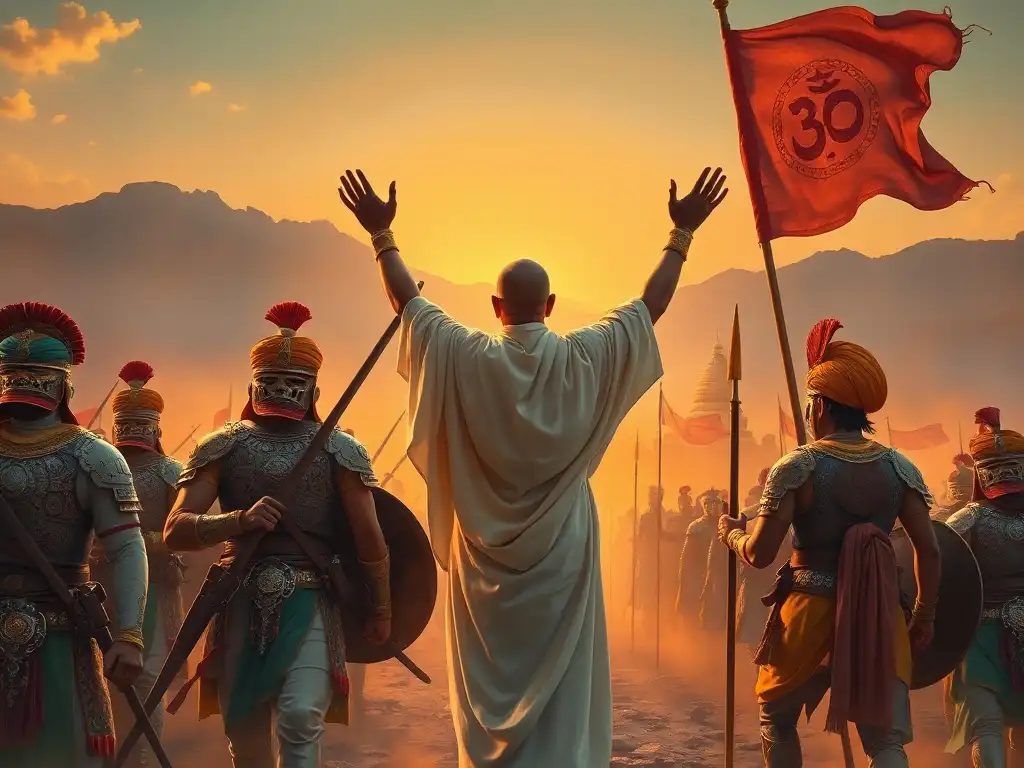
The intersection of religion and warfare in ancient India presents a profound legacy that has shaped not only military strategies but also the very fabric of Indian society. Ancient Indian warfare was often underscored by religious motives, which infused battles with a sense of divine purpose and moral imperative. This confluence of spiritual beliefs and martial endeavors can be seen in various historical texts and epics such as the Mahabharata and Ramayana, where the righteousness of a cause was depicted as essential to the success of military campaigns.
Religious rituals, invocations, and offerings to deities before battles were commonplace, reflecting the belief that divine favor was crucial for victory. The concept of dharma (righteous duty) played a pivotal role, where warriors were expected to align their actions with moral and ethical standards dictated by their faith. This intertwining of religion with warfare not only influenced military tactics and the outcomes of battles but also left an indelible mark on the cultural heritage of India.
Reflection on the Impact of Religion on Military History
The impact of religion on military history in ancient India is significant and multifaceted. Religious ideology served as a powerful motivator for many rulers and warriors, propelling them to engage in battles that were framed as holy wars or righteous causes. Historical accounts reveal that kings often positioned their battles within a religious context, appealing to their subjects' spiritual sentiments to galvanize support and justify their campaigns.
Moreover, the ethical dimensions of warfare, as articulated in religious texts, laid the groundwork for what is considered just warfare. The principles derived from texts like the Bhagavad Gita emphasize the importance of fighting for righteousness while adhering to moral principles, influencing not only ancient military practices but also subsequent philosophical discourses on warfare ethics.
In essence, the religious undertones of ancient Indian warfare fostered a unique military culture that was deeply rooted in spiritual beliefs, thereby shaping the course of Indian history. This legacy continues to resonate in contemporary discussions around the role of religion in military conflicts and the moral implications of warfare.
The Continued Influence of Ancient Indian Warfare Religion in Modern Contexts
The legacy of ancient Indian warfare religion extends into modern contexts, where the themes of honor, duty, and divine sanction continue to influence military and societal values. In contemporary India, the reverence for historical figures and deities associated with warfare is still evident, often manifesting in cultural celebrations, memorials, and national narratives that glorify past warriors and their divine missions.
Furthermore, the philosophical teachings derived from ancient religious texts are increasingly referenced in discussions about ethics in modern warfare. The principles of dharma and righteousness continue to resonate, prompting military leaders and policymakers to consider the moral dimensions of their actions in conflict situations.
In addition, the way ancient Indian warfare was framed through religion has found a place in popular culture, influencing literature, cinema, and art, which often depict epic battles with spiritual undertones. This ongoing engagement with the religious aspects of ancient warfare not only honors the past but also serves as a lens through which modern societies can examine their own values and beliefs regarding conflict and morality.
Ultimately, the religious undertones of ancient Indian warfare have left an enduring legacy that continues to shape both cultural identities and ethical considerations in contemporary military practices, ensuring that the lessons of the past remain relevant in today's world.
- Introduction to Ancient Indian Warfare and Religion
- Historical Context of Warfare in Ancient India
- The Influence of Religion on Military Strategies
- Notable Battles Reflecting Religious Themes
- Symbolism and Rituals in Ancient Indian Warfare
- The Intersection of Dharma and Warfare
- Conclusion: The Legacy of Religion in Ancient Indian Warfare
- Reflection on the Impact of Religion on Military History
- The Continued Influence of Ancient Indian Warfare Religion in Modern Contexts
- What were the main religions influencing ancient Indian warfare?
- How did religion affect the conduct of war in ancient India?
- Were there any specific rituals associated with ancient Indian warfare?
- How did the caste system influence ancient Indian warfare?
- What is the significance of epic texts in understanding ancient Indian warfare?
Frequently Asked Questions
What were the main religions influencing ancient Indian warfare?
Ancient Indian warfare was significantly influenced by Hinduism, Buddhism, and Jainism. These religions shaped the ethical and moral principles of warfare, impacting how battles were conducted.
How did religion affect the conduct of war in ancient India?
Religious beliefs dictated the justifications for war, emphasizing ideals like dharma (righteousness). Warriors often sought divine favor before engaging in battles, believing it would ensure their victory.
Were there any specific rituals associated with ancient Indian warfare?
Yes, ancient Indian warriors often performed rituals and prayers to seek blessings from their deities. These practices aimed to ensure success on the battlefield and to receive protection against enemies.
How did the caste system influence ancient Indian warfare?
The caste system created a hierarchical structure, where Kshatriyas (warriors) were specifically trained for combat. This division reinforced the religious and social roles within warfare, dictating who could participate.
What is the significance of epic texts in understanding ancient Indian warfare?
Epic texts like the Mahabharata and Ramayana provide insights into the strategies, morality, and religious contexts of warfare. They illustrate how mythology and religion intertwined with the military practices of ancient India.
Final Reflection: The Sacred Interplay of Faith and Conflict in Ancient Indian Warfare
The exploration of ancient Indian warfare reveals a profound connection between religion and conflict that resonates with contemporary society. In a world where the echoes of historical battles still influence cultural narratives and national identities, understanding this intricate relationship is crucial. The intertwining of spirituality and martial valor in ancient texts not only shaped the warriors of the past but continues to inform our perspectives on honor, duty, and the moral complexities of warfare today.
The religious undertones of ancient Indian warfare have left an indelible mark on the cultural and social landscape of the subcontinent. From the epic tales of the Mahabharata to the philosophical teachings of the Bhagavad Gita, these narratives have fostered a sense of identity and purpose that transcends time. The lessons learned from these ancient conflicts encourage us to reflect on our own values and the ethical dimensions of our actions. War is not merely a physical contest; it is a spiritual journey that tests the very essence of our humanity.
As we contemplate the lessons of ancient Indian warfare, let us embrace the opportunity to reflect on our own lives and the choices we make in the face of conflict. Consider how the principles of honor, duty, and moral integrity can guide you in navigating the complexities of modern challenges. By acknowledging the sacred interplay of faith and conflict, we can strive to foster understanding and compassion in our interactions, ultimately transforming the legacy of ancient battles into a path toward peace and unity in our own lives.
Unveil the Spiritual Strategies of Ancient Warfare!
Thank you for taking the time to dive into the fascinating intersection of religion and warfare in ancient India. You've uncovered insights that not only illuminate historical battles but also reflect the profound beliefs that shaped them. Now, it’s your turn to explore further and engage with this captivating topic!
Here are some actionable steps you can take right now:
- Join our community discussion: Share your thoughts about how spirituality influenced military tactics in ancient times. Participate in our forums at ancientindiahistory.com/community and connect with fellow enthusiasts!
- Explore more: Check out our curated reading list on ancient Indian texts that discuss warfare and ethics. These resources can deepen your understanding and inspire new ideas.
- Share your insights: Write a brief article or create a video reflecting on how you perceive the balance of faith and courage in today’s world. Use the hashtag #AncientIndiaWar to join the conversation on social media!
What are your thoughts? How do you see the echoes of ancient beliefs influencing modern conflicts or resolutions?