
The Crossroads of Science and Philosophy in Ancient Indian Curriculum

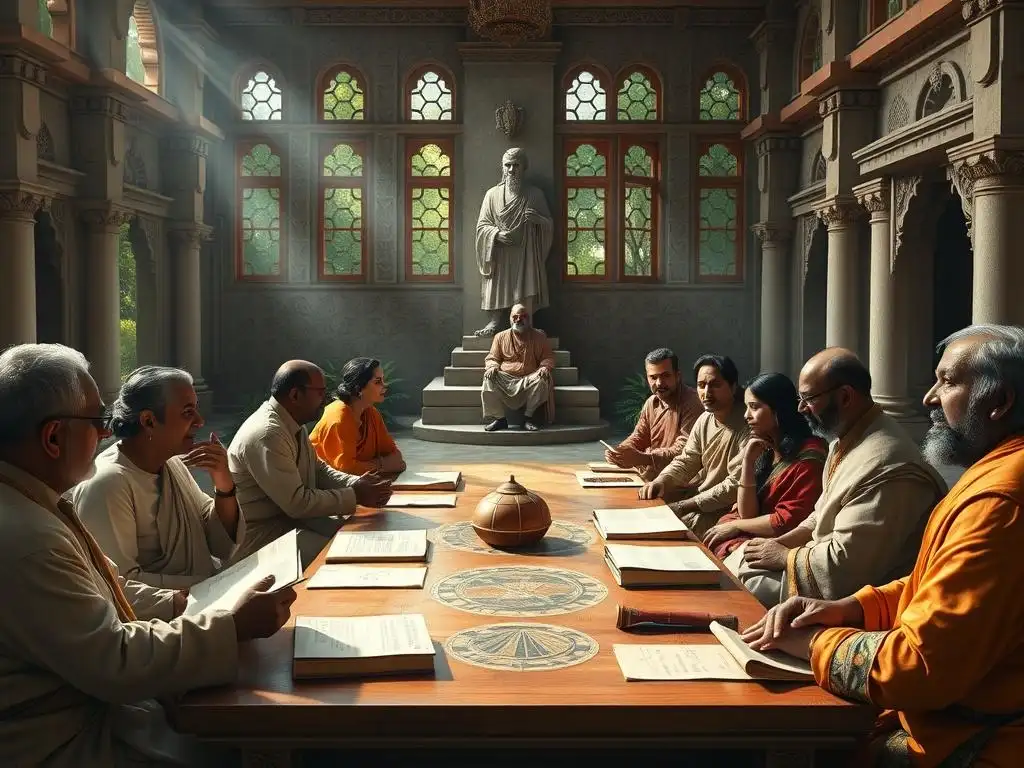
Welcome to Ancient India History, where we embark on a fascinating journey through time to uncover the rich tapestry of ancient Indian civilizations. In our featured article, "The Crossroads of Science and Philosophy in Ancient Indian Curriculum," we delve into the profound contributions of ancient Indian science and philosophy that have shaped educational systems through the ages.
Prepare to be intrigued as we explore how these foundational ideas not only influenced the intellectual landscape of their time but also continue to resonate in our modern world. Join us as we unlock the secrets of a civilization that was a beacon of knowledge and wisdom!
- Introduction to Ancient Indian Science and Philosophy
- Historical Context of Ancient Indian Science and Philosophy
- Core Components of the Ancient Indian Curriculum
- The Interrelationship between Science and Philosophy
- Methodologies of Teaching Science and Philosophy
- Legacy of Ancient Indian Science and Philosophy
- Conclusion: The Enduring Significance of Ancient Indian Science and Philosophy
-
Frequently Asked Questions
- What were the key contributions of ancient Indian science?
- How did philosophy shape ancient Indian education?
- What role did the Indus Valley Civilization play in early science?
- How did the Gupta Empire contribute to science and philosophy?
- What is the significance of ancient Indian philosophy in today's world?
- Final Reflection: Bridging Ancient Wisdom with Modern Understanding
- Unveil the Wisdom of Ancient India!
Introduction to Ancient Indian Science and Philosophy
The rich tapestry of ancient Indian civilization is woven with profound contributions to various fields, particularly science and philosophy. The ancient Indian education systems not only nurtured intellectual growth but also fostered holistic development through the integration of these disciplines. This article delves into the crossroads of science and philosophy within the ancient Indian curriculum, highlighting their significance in shaping the educational practices of the time. By exploring the educational frameworks that encompassed diverse subjects, we can gain insight into how ancient India laid the groundwork for future generations in understanding the natural world and our place within it.
Overview of Ancient Indian Education Systems
Ancient India boasted a unique education system characterized by its emphasis on both practical knowledge and philosophical inquiry. The Gurukula system, where students lived with their teachers, provided an immersive learning environment. Key features of these education systems included:
- Personalized Learning: Students received individualized attention, allowing them to explore subjects at their own pace.
- Curriculum Diversity: Subjects ranged from mathematics and astronomy to metaphysics and ethics, reflecting a well-rounded approach to education.
- Cultural Transmission: Education was often linked to cultural and spiritual teachings, ensuring that students understood their heritage alongside academic subjects.
This holistic approach cultivated a generation of thinkers and innovators, contributing to advancements in various fields, including mathematics, medicine, and astronomy.
Importance of Science and Philosophy in Ancient Indian Curriculum
The integration of science and philosophy in the ancient Indian curriculum was pivotal in developing critical thinking and analytical skills. Here are some reasons highlighting their importance:
- Interdisciplinary Learning: The curriculum encouraged students to draw connections between scientific inquiry and philosophical reasoning. Such interdisciplinary learning fostered a comprehensive understanding of the universe.
- Practical Applications: Ancient Indian texts like the Aryabhatiya by Aryabhata not only provided mathematical theories but also practical applications in astronomy and navigation, showcasing the real-world utility of scientific knowledge.
- Ethical Frameworks: Philosophy provided a moral compass for scientific endeavors, ensuring that discoveries were aligned with ethical considerations. This balance is evident in texts like the Yoga Sutras, which advocate for the responsible use of knowledge.
By emphasizing the symbiotic relationship between science and philosophy, ancient Indian education systems set a precedent for future educational practices, allowing for a rich exploration of both the natural and metaphysical realms.
Historical Context of Ancient Indian Science and Philosophy
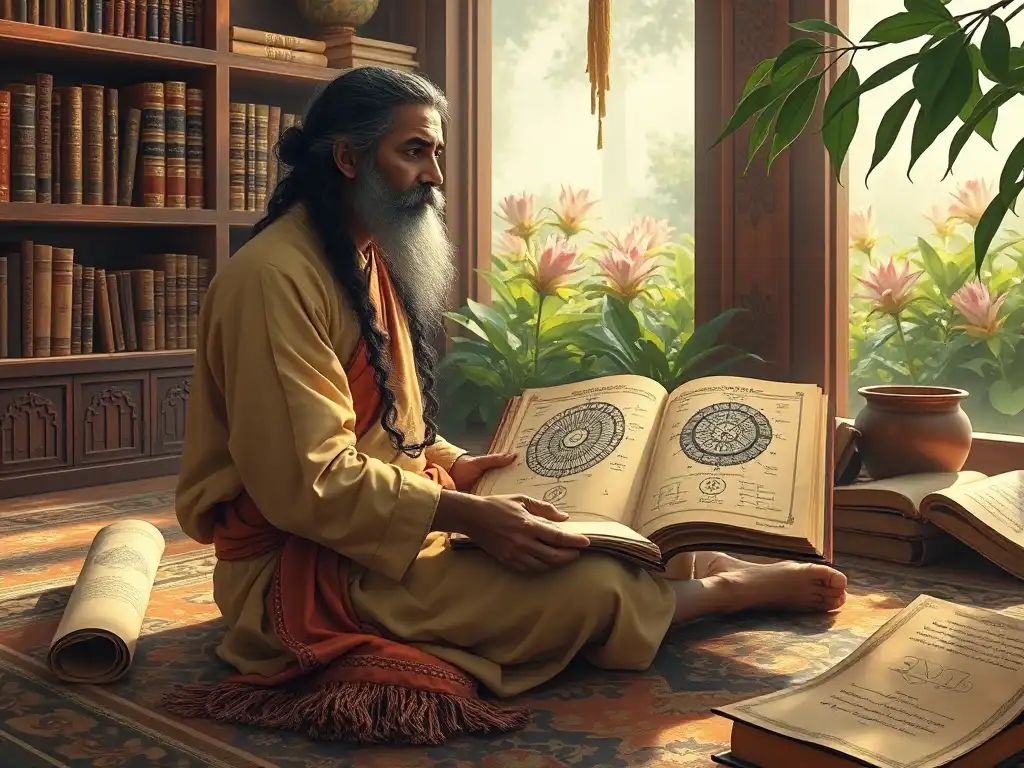
The Development of Scientific Thought in Ancient India
Ancient India was a cradle for groundbreaking scientific thought, with its roots deeply embedded in the context of a rich cultural and intellectual tradition. The ancient Indians made significant contributions across various fields, including mathematics, astronomy, medicine, and metallurgy. This development can be traced back to the Indus Valley Civilization, where early urban planning and advanced drainage systems showcased a practical application of scientific knowledge.
- Mathematics:
- The concept of zero, attributed to ancient Indian mathematicians, revolutionized mathematics globally. Aryabhata's work in the 5th century CE introduced sophisticated methods for calculations, including the approximation of π (pi).
- The Sulbasutras, a collection of texts dating back to 800 BCE, provided geometrical rules for altar constructions, demonstrating the importance of mathematics in religious practices.
- Astronomy:
- Indian astronomers like Aryabhata and Brahmagupta made significant contributions to the understanding of celestial bodies. Aryabhata proposed that the Earth rotates on its axis, which was a revolutionary idea for his time.
- The Aryabhatiya, Aryabhata's seminal work, includes comprehensive theories on planetary motions and eclipses, reflecting a blend of observational and theoretical approaches to science.
- Medicine:
- The Ayurveda system, one of the oldest medical systems in the world, emerged during ancient times, emphasizing holistic health through herbal treatments, surgical techniques, and lifestyle recommendations.
- Works like Sushruta Samhita and Charaka Samhita laid the foundations for surgical practices and ethics in medicine, illustrating the application of scientific methodologies in health care.
The interplay between practical applications and theoretical understanding fostered a culture of inquiry and exploration, which was paramount in the evolution of ancient Indian science.
Philosophical Foundations Influencing Education
The philosophical landscape of ancient India provided a robust framework for educational practices, intertwining the realms of science and philosophy. This intricate relationship was characterized by various schools of thought, each contributing unique perspectives on knowledge and learning.
- Vedanta: Rooted in the Vedas, this school emphasized the pursuit of ultimate knowledge (Brahman) and the importance of self-realization. Education was seen as a means to understand the nature of reality, guiding individuals toward enlightenment.
- Nyaya: This school of logic focused on the principles of reasoning and epistemology. The Nyaya philosophers posited that knowledge could be acquired through perception, inference, and testimony, thus laying a foundation for critical thinking in educational methodologies.
- Buddhism: The educational practices of ancient India were greatly influenced by Buddhist philosophy, which stressed the importance of experiential learning and ethical conduct. The Nalanda University, a prominent center of learning, embodied these principles by fostering a curriculum that integrated philosophical discourse with scientific inquiry.
The integration of these philosophical perspectives into the curriculum allowed for a holistic educational approach that nurtured both intellectual and moral development.
Key Texts and Scholars in Ancient Indian Science and Philosophy
The contributions of ancient Indian scholars and their seminal texts played a pivotal role in shaping the landscape of science and philosophy. These works not only served as educational materials but also as foundational texts that influenced subsequent generations.
| Scholar | Contributions | Key Texts |
|---|---|---|
| Aryabhata | Pioneered concepts in mathematics and astronomy. | Aryabhatiya |
| Brahmagupta | Advanced algebra and introduced rules for calculations. | Brahmasphutasiddhanta |
| Charaka | Developed systematic approaches to medicine and health. | Charaka Samhita |
| Sushruta | Established principles of surgery and medical ethics. | Sushruta Samhita |
| Panini | Formulated grammatical rules that influenced linguistics. | Ashtadhyayi |
These texts are not merely historical records; they encapsulate the intersection of ancient Indian science and philosophy, reflecting the intellectual rigor and depth of inquiry characteristic of the time. The emphasis on logical reasoning, empirical observation, and ethical considerations in these works illustrates how education in ancient India was a dynamic interplay between scientific exploration and philosophical reflection.
The rich tapestry of ancient Indian science and philosophy, woven through historical developments, philosophical foundations, and key scholarly contributions, highlights the profound impact of these disciplines on education. The legacy of this intellectual tradition continues to inspire modern educational practices, emphasizing the importance of a multidisciplinary approach to learning.
Core Components of the Ancient Indian Curriculum
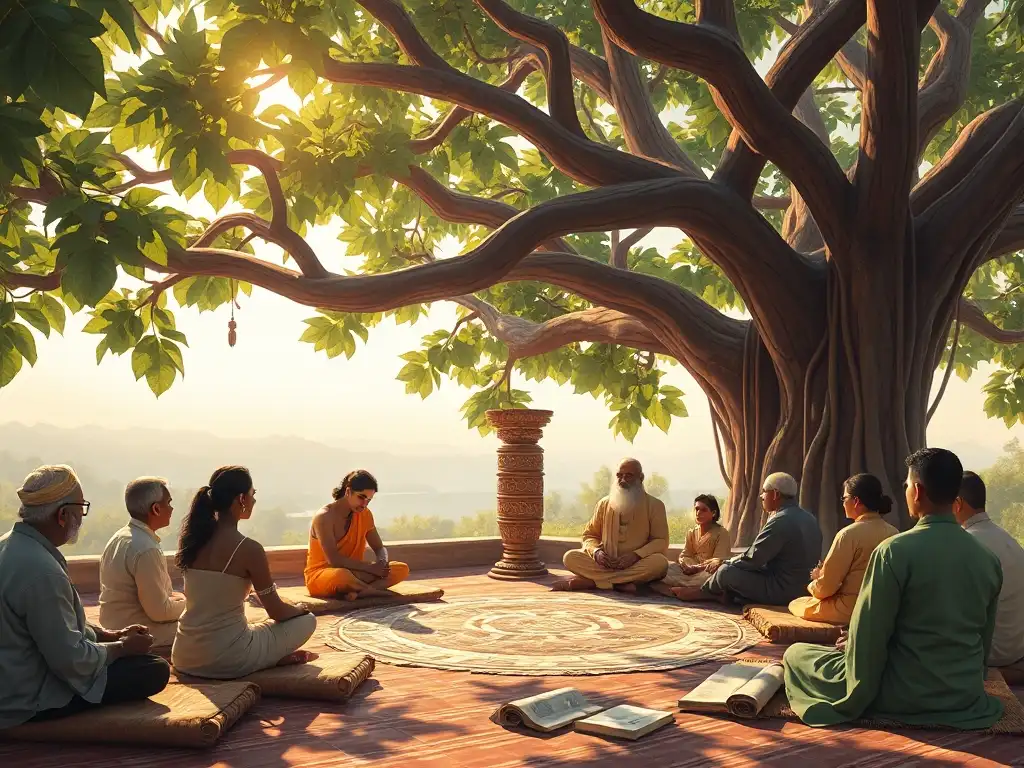
Integration of Science and Philosophy in Education
The ancient Indian curriculum was characterized by a profound integration of science and philosophy, reflecting the holistic approach of Indian scholars towards knowledge. This interdisciplinary framework facilitated a comprehensive understanding of the universe and human existence. Ancient Indian education was not merely about rote memorization; it emphasized critical thinking, inquiry, and the synthesis of diverse fields of study.
Philosophy in ancient India laid the foundation for scientific inquiry. Schools of thought, such as Nyaya (logic) and Vaisheshika (atomism), fostered a spirit of debate and analysis. For instance, thinkers like Gautama and Kanada explored the nature of reality and the material world, respectively, proposing theories that would later influence scientific discourse. The examination of ethical and metaphysical questions in the context of everyday life also encouraged students to apply philosophical principles to scientific exploration.
Moreover, texts such as the Vedas and Upanishads served as crucial resources that combined metaphysical concepts with empirical observations. The emphasis on darshan (philosophical views) and shastra (scriptural knowledge) fostered an environment where philosophical inquiry informed scientific exploration, resulting in advancements in fields such as mathematics, astronomy, and medicine.
Subjects Taught: Mathematics, Astronomy, Medicine, and Metaphysics
The curriculum of ancient Indian education encompassed a diverse range of subjects, reflecting the civilization's rich intellectual heritage. Key subjects included:
- Mathematics: Ancient Indian mathematicians made significant contributions, particularly in the fields of arithmetic, algebra, and geometry. Notable works, such as Aryabhatiya by Aryabhata, introduced concepts like the place value system and the concept of zero, which were revolutionary for their time.
- Astronomy: Astronomy was a vital subject, with scholars like Varahamihira and Brahmagupta making substantial advancements. They developed sophisticated astronomical models, calculated planetary motions, and produced almanacs, blending empirical observation with theoretical frameworks.
- Medicine: The Ayurvedic system of medicine was a cornerstone of ancient Indian scholarship. Texts like the Charaka Samhita and Sushruta Samhita detailed various medical practices, surgical techniques, and herbal remedies, emphasizing a holistic approach to health.
- Metaphysics: The exploration of metaphysical concepts was fundamental to ancient education. Philosophers delved into the nature of existence, consciousness, and the universe, often intertwining these discussions with scientific principles to form a cohesive worldview.
This integration of subjects allowed for a comprehensive educational experience, encouraging students to view science and philosophy as interconnected rather than distinct disciplines.
Role of Gurukuls and Educational Institutions in Curriculum Delivery
Gurukuls and other educational institutions played a pivotal role in the delivery of the ancient Indian curriculum. Gurukuls were traditional centers of learning, often situated in serene rural settings, where students lived with their teachers (gurus) and engaged in a rigorous course of study.
Key Features of Gurukuls:
- Residential Learning: Students resided in the gurukul, allowing for immersive learning experiences that fostered close teacher-student relationships. This facilitated personalized instruction and mentorship.
- Practical Education: The curriculum was not solely theoretical; it included practical applications of knowledge. Students engaged in hands-on activities related to their studies, such as astronomy observation or medicinal plant identification.
- Oral Transmission: Knowledge was primarily transmitted orally, with an emphasis on memorization and recitation. This method ensured a deep understanding of texts and concepts, fostering a strong oral tradition.
- Diverse Subjects: Gurukuls offered a wide array of subjects, including but not limited to the sciences, philosophy, arts, and ethics, creating well-rounded individuals.
In addition to gurukuls, other institutions such as Taksashila and Nalanda emerged as prominent centers of higher learning, attracting scholars from across the region. These institutions further advanced the curriculum by promoting debates, discussions, and collaborative learning experiences.
The ancient Indian curriculum was a rich tapestry woven from the threads of science and philosophy, delivered through innovative educational practices. This approach not only enriched individual scholars but also laid the groundwork for future generations, establishing ancient India as a beacon of knowledge and inquiry in the world.
The Interrelationship between Science and Philosophy
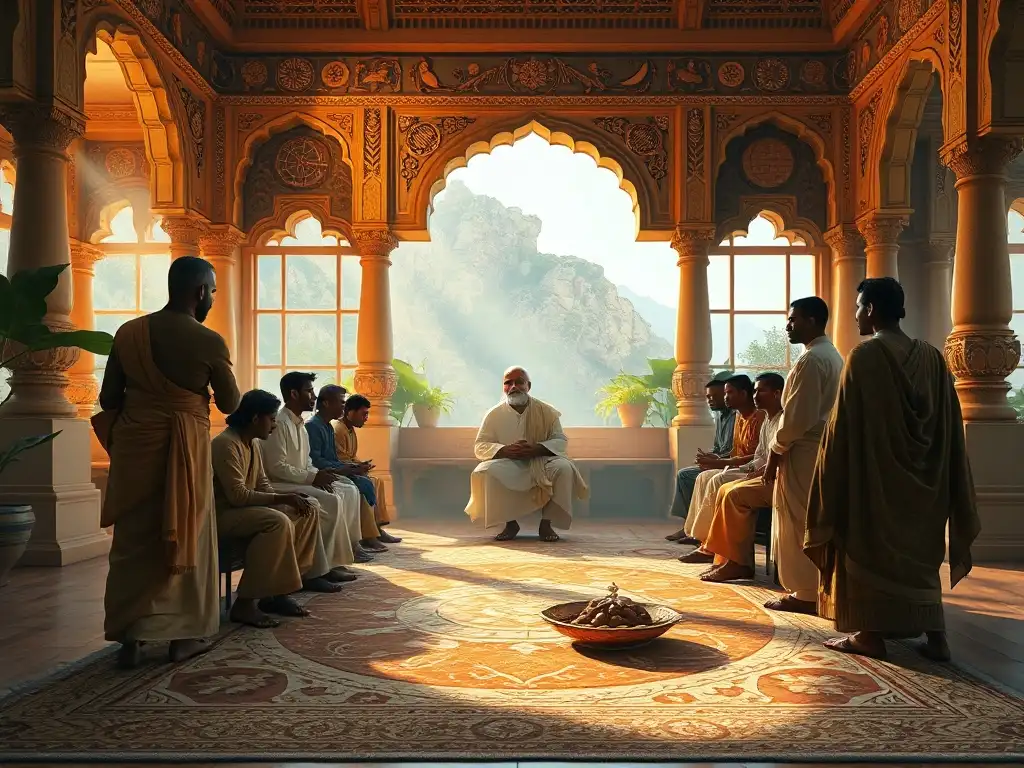
The interrelationship between science and philosophy in ancient India is a remarkable facet of its educational practices. Ancient Indian civilizations viewed science and philosophy not as separate entities but as interconnected domains that jointly contributed to a comprehensive understanding of the universe. This symbiosis was evident in the way philosophical inquiry often guided scientific exploration, encouraging thinkers to search for deeper meanings and ethical implications behind empirical observations.
Philosophers like Gautama, known for his work in logic, and Kapila, the proponent of Samkhya philosophy, laid the groundwork for analytical thinking that permeated scientific disciplines. The metaphysical inquiries of these philosophers spurred advancements in various scientific fields, leading to a holistic educational curriculum that emphasized critical thinking, observation, and ethical considerations in scientific practices.
How Ancient Indian Philosophy Informed Scientific Inquiry
Ancient Indian philosophy significantly influenced scientific inquiry through its emphasis on pratyakṣa (perception), anumana (inference), and śabda (testimony). These epistemological principles provided a framework for scholars to explore the natural world systematically.
- Pratyakṣa (Perception): Observational skills were highly valued, as they laid the foundation for empirical research. Scholars were encouraged to develop their senses to gather data about the physical world, fostering a scientific attitude based on direct experience.
- Anumana (Inference): This principle allowed scientists to draw conclusions based on observations. By employing logical reasoning, ancient Indian thinkers could predict outcomes and formulate hypotheses, thus enhancing the scientific method.
- Śabda (Testimony): The importance of credible sources and expert testimony was acknowledged. Philosophical texts guided scientific inquiry by providing established knowledge, which scholars could either build upon or challenge.
This philosophical framework cultivated a culture of inquiry that not only advanced various scientific fields but also ensured that ethical and metaphysical considerations were integral to the scientific process.
Case Studies: Notable Figures and Their Contributions
Aryabhata: Merging Mathematics and Astronomy
Aryabhata (476-550 CE) stands as a monumental figure in the history of ancient Indian science and philosophy. His contributions to mathematics and astronomy exemplify the seamless integration of philosophical thought and empirical research.
- Mathematical Innovations: Aryabhata introduced the concept of zero and positional notation, revolutionizing mathematics. His work, Aryabhatiya, included methods for calculating the area of a triangle, the volume of a sphere, and the extraction of square and cube roots.
- Astronomical Theories: Aryabhata proposed that the Earth rotates on its axis, which was a groundbreaking idea for his time. His calculations of the solar and lunar eclipses displayed a profound understanding of celestial phenomena, informed by his philosophical insights into the nature of time and space.
Aryabhata's ability to merge mathematical precision with astronomical observations illustrates how ancient Indian science and philosophy were intricately connected, fostering a richer understanding of the cosmos.
Charaka: The Philosophy of Medicine
Charaka, a key figure in ancient Indian medicine, flourished around 300 BCE and authored the Charaka Samhita, a foundational text in Ayurveda. His approach to medicine was deeply philosophical, emphasizing a holistic understanding of health and disease.
- Holistic Health: Charaka believed that health is a balance of body, mind, and spirit, influenced by ethical living and environmental factors. This philosophical stance underscored the importance of lifestyle choices in maintaining health, a concept still relevant in contemporary wellness practices.
- Diagnostic Methods: Charaka emphasized observation and patient history as critical components of diagnosis. His methodical approach to understanding patient symptoms reflects the philosophical underpinnings of inquiry and analysis, akin to scientific investigation.
Charaka's work not only advanced medical knowledge but also illustrated how ancient Indian philosophy contributed to a comprehensive framework for understanding human health, intertwining ethical considerations with medical practice.
The intricate relationship between ancient Indian science and philosophy created a robust educational curriculum that fostered critical thinking, innovation, and ethical inquiry. The contributions of figures like Aryabhata and Charaka exemplify how these domains were not only complementary but essential for holistic understanding and advancement in various fields.
Methodologies of Teaching Science and Philosophy
Pedagogical Approaches in Ancient Indian Education
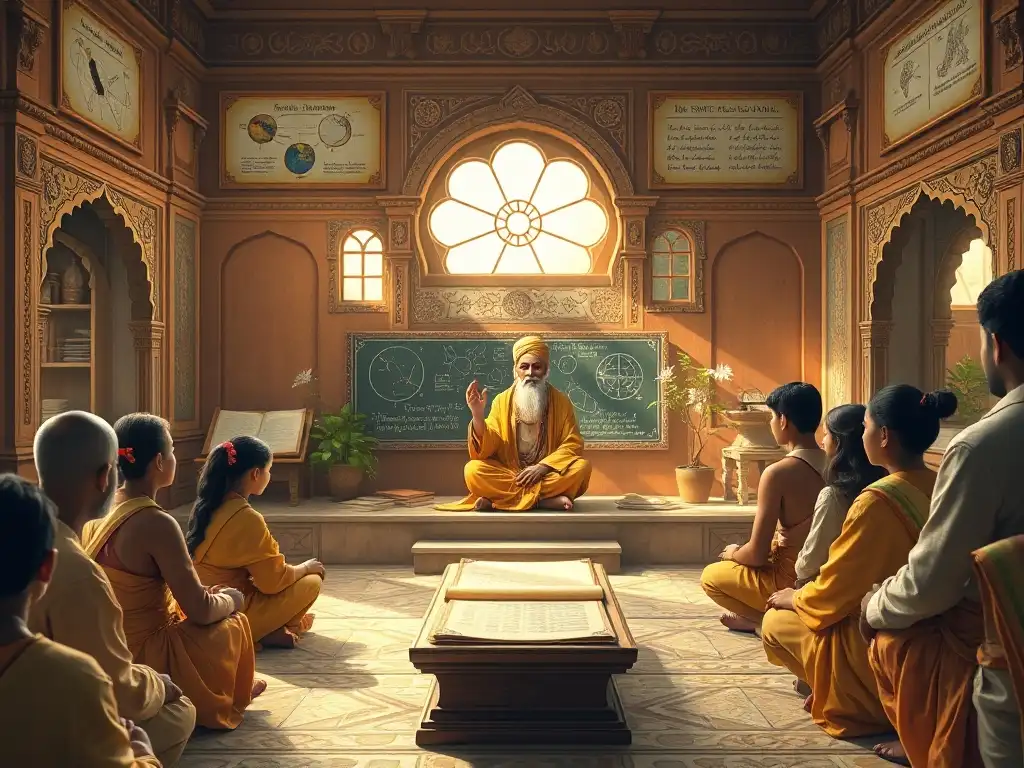
Ancient Indian education was characterized by a rich tapestry of pedagogical approaches that eschewed rote learning in favor of a more holistic and integrative method. The Gurukula system, where students lived in close quarters with their teachers, fostered an environment of personalized learning and mentorship. This immersive approach allowed for the cultivation of critical thinking and creativity, essential components in the study of ancient Indian science and philosophy.
- Interactive Learning: The ancient curriculum emphasized interaction between teacher and student, which encouraged questioning and dialogue. This method helped students develop their reasoning skills and fostered a deeper understanding of philosophical concepts.
- Integration of Subjects: Science and philosophy were not taught in isolation; rather, they were interwoven with subjects such as mathematics, astronomy, and linguistics. This integrative approach ensured that students could see the connections between different fields of knowledge, leading to a more profound comprehension of the world around them.
- Use of Real-Life Examples: Teachers often used practical examples and anecdotes to illustrate complex concepts. This method not only made learning more relatable but also showed students how to apply philosophical tenets to everyday life.
The Role of Debate and Discussion in Learning
Debate and discussion were cornerstones of the learning process in ancient India, particularly in the context of ancient Indian science and philosophy. This practice was not merely for the sake of argument; it was a structured method to deepen understanding and refine ideas.
- Socratic Method: Although originating in Greece, similar techniques were prevalent in ancient Indian education. Students engaged in rigorous debates, often exploring philosophical dilemmas and scientific inquiries, which encouraged them to articulate their thoughts clearly and critically assess opposing viewpoints.
- Collaborative Learning: The communal aspect of learning, where groups of students would engage in discussions, fostered a sense of camaraderie and collective inquiry. This collaborative environment was crucial for the exchange of ideas, allowing for a diversity of perspectives that enriched the learning experience.
- Formal Competitions: Institutions like Nalanda and Takshashila often organized formal debates and discourses, which were not only educational but also served as a rite of passage for students. These competitions helped to hone their skills in rhetoric, reasoning, and persuasion, vital tools for any philosopher or scientist.
Practical Applications of Scientific Knowledge
The application of scientific knowledge in ancient India extended far beyond theoretical understanding, with practical applications deeply embedded in everyday life. This pragmatic aspect of ancient Indian science and philosophy significantly influenced various sectors, including agriculture, medicine, and architecture.
- Agricultural Innovations: Ancient texts, such as the "Arthashastra," provide insights into advanced agricultural practices, including crop rotation and irrigation techniques. These methodologies were critical for sustaining large populations and demonstrated a sophisticated understanding of ecology.
- Ayurveda: The ancient Indian system of medicine, Ayurveda, is a prime example of the application of scientific principles. It integrates philosophy with empirical observation, focusing on balance within the body, and offers practical treatments that are still relevant today.
- Architectural Mastery: Ancient Indian architecture showcases the application of scientific principles in design and construction. The precision in measurements, materials used, and the alignment of structures with celestial bodies reflect a deep understanding of both engineering and cosmology.
The methodologies for teaching ancient Indian science and philosophy were multifaceted, integrating various pedagogical approaches, emphasizing debate, and applying knowledge in practical ways. This rich educational tradition laid the groundwork for future generations, influencing not only the academic landscape of India but also contributing significantly to global knowledge.
Legacy of Ancient Indian Science and Philosophy
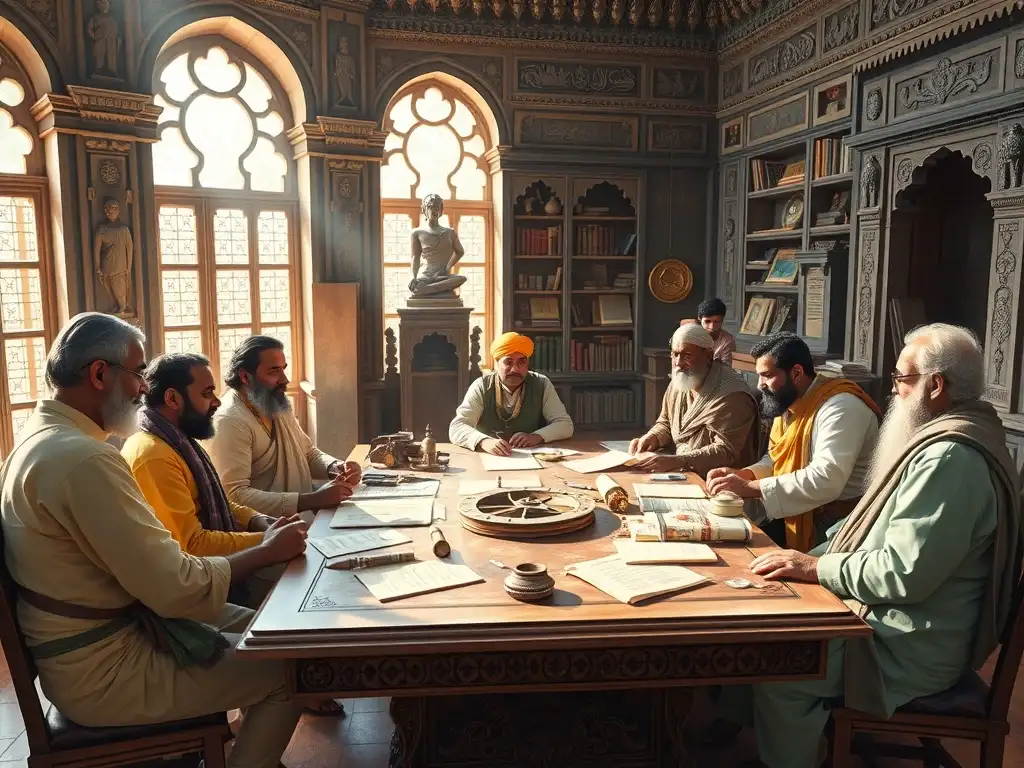
The legacy of ancient Indian science and philosophy is vast and intricately woven into the fabric of educational practices that emerged across the subcontinent. Ancient Indian scholars made significant contributions to fields such as mathematics, astronomy, medicine, and metaphysics, which laid the groundwork for various educational systems that followed.
Influence on Later Educational Systems in India
The teachings and methodologies developed during ancient times shaped subsequent educational paradigms in India. For instance, the Gurukul system, where students lived with their teachers, was heavily influenced by the philosophical underpinnings of ancient Indian thought. This system emphasized experiential learning, critical thinking, and a holistic approach to education, which included both practical skills and philosophical inquiry.
- Key Features of the Gurukul System:
- Teacher-Student Relationship: The bond was built on mutual respect and personal mentorship.
- Curriculum Focus: Included subjects like Vedic studies, logic, mathematics, and science.
- Methodology: Emphasized oral transmission of knowledge, debates, and discussions.
Furthermore, the Nalanda University, established in the 5th century CE, became a beacon of learning that attracted students and scholars from around the world. It exemplified the integration of ancient Indian science and philosophy into a structured curriculum, fostering critical inquiry and advanced studies.
Global Impact of Ancient Indian Thought on Science and Philosophy
Ancient Indian thought has had a profound influence on global science and philosophy, transcending cultural and geographical boundaries. Indian philosophers such as Chanakya, Buddha, and Adi Shankaracharya contributed ideas that resonated with scholars worldwide. Their discussions on ethics, metaphysics, and epistemology have parallels in Western philosophical traditions, indicating a shared quest for knowledge.
- Key Contributions:
- Mathematics: The concept of zero and the decimal system, attributed to Indian mathematicians like Brahmagupta, revolutionized mathematics globally.
- Astronomy: The work of Aryabhata in astronomy laid foundations for future astronomical studies, influencing both Indian and Islamic scientists.
- Medicine: Ayurveda has gained recognition worldwide for its holistic approach to health, integrating physical, mental, and spiritual well-being.
This rich tapestry of ideas has not only enriched local traditions but has also fostered a dialogue between different cultures, leading to a more nuanced understanding of science and philosophy across the globe.
Preservation and Revival of Ancient Curricula in Modern Education
In recent years, there has been a resurgence of interest in ancient Indian science and philosophy within modern educational frameworks. Educational institutions are increasingly recognizing the value of incorporating these ancient teachings into contemporary curricula, promoting a diverse and inclusive approach to education.
- Strategies for Revival:
- Integration of Traditional Texts: Modern curricula are beginning to include translations and interpretations of ancient texts, such as The Vedas and The Upanishads, providing students with insights into ancient thought.
- Interdisciplinary Approaches: Courses that blend philosophy with science, such as the philosophical implications of scientific principles, are becoming more common.
- Cultural Programs: Initiatives that celebrate ancient Indian knowledge systems through workshops, seminars, and exhibitions help revive interest and ensure that these teachings are not lost.
This movement toward the preservation and revival of ancient curricula reaffirms the relevance of ancient Indian science and philosophy in addressing contemporary challenges, fostering critical thinking, and nurturing a sense of identity among students. As educational practices evolve, the rich legacy of ancient Indian thought continues to inspire new generations.
Conclusion: The Enduring Significance of Ancient Indian Science and Philosophy
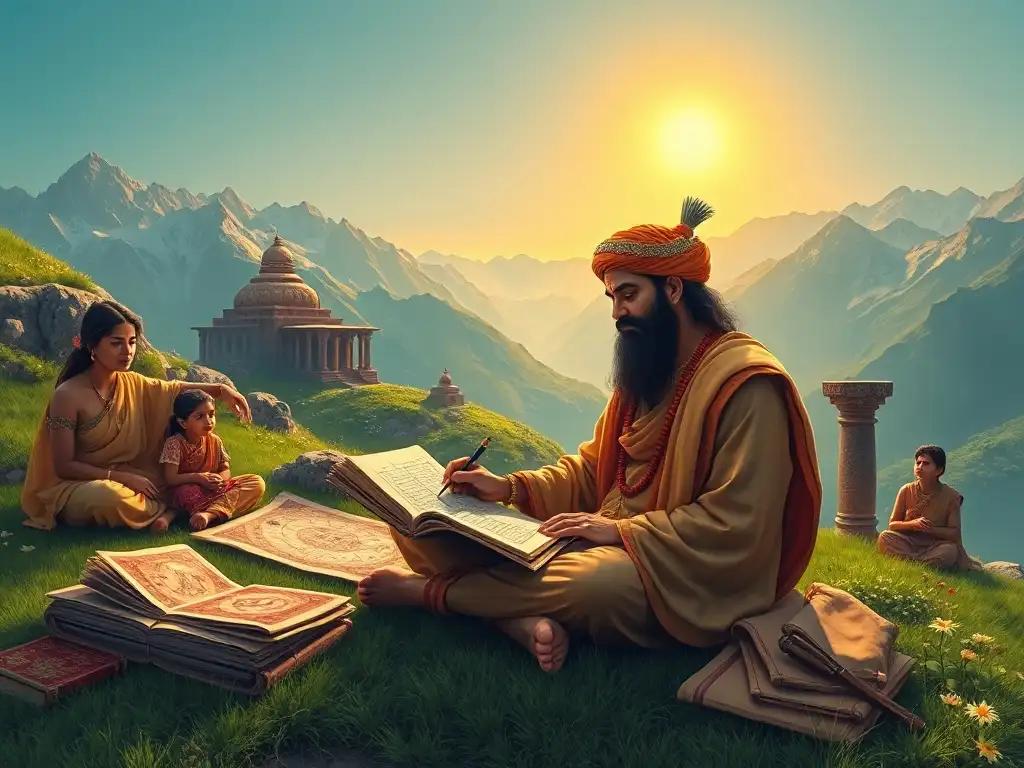
The legacy of ancient Indian science and philosophy is a testament to the intellectual rigor and innovative spirit of its time. This rich tapestry of knowledge not only laid the foundations for various fields such as mathematics, astronomy, and medicine but also intertwined deeply with philosophical inquiries about existence, ethics, and the nature of knowledge itself. Understanding this intersection provides valuable insights into how ancient Indian civilizations approached education, fostering an environment where inquiry and exploration were encouraged.
Ancient Indian thinkers, such as Aryabhata and Charaka, made groundbreaking contributions that influenced both regional and global scientific discourse. Their methodologies were often holistic, integrating empirical observation with philosophical reasoning. This dual approach highlights the importance of interdisciplinary learning, a principle that remains relevant in today’s educational frameworks.
Reflection on the Contributions to Modern Educational Practices
Ancient Indian science and philosophy continue to resonate in modern educational practices, particularly in their emphasis on critical thinking, ethics, and holistic learning.
- Interdisciplinary Learning: The ancient curriculum emphasized the interconnectedness of various fields. For instance, mathematics was not merely a subject but was often integrated with astronomy and philosophy, teaching students to approach problems from multiple perspectives. Modern education increasingly recognizes the importance of such interdisciplinary approaches.
- Ethical Considerations: The teachings of ancient philosophers, such as those found in the texts of the Upanishads, stressed the importance of ethics and moral reasoning. Today’s educational systems are increasingly focusing on character education and ethics as essential components of the curriculum, echoing ancient practices.
- Experiential Learning: Ancient Indian education was rooted in practical knowledge and experiential learning, where students engaged in discussions, debates, and real-world problem-solving. This hands-on approach is gaining traction in contemporary classrooms, with educators recognizing the need for students to apply knowledge rather than merely memorize it.
Incorporating these ancient pedagogical principles into modern curricula not only enriches educational practices but also nurtures a generation of learners who are well-equipped to tackle complex global challenges.
Future Directions for Research in Ancient Indian Education Systems
The exploration of ancient Indian science and philosophy as part of educational practices opens numerous avenues for future research:
- Comparative Studies: Investigating the similarities and differences between ancient Indian educational systems and contemporary educational practices globally can yield insights into alternative pedagogical methods. This research could focus on how ancient philosophies can inform modern educational reforms.
- Integration of Technology: Analyzing how ancient knowledge can be integrated with modern technology and methodologies presents an exciting area of study. For instance, how can ancient texts and practices be digitized and utilized in today’s learning environments?
- Impact on Global Knowledge Systems: Research could examine how ancient Indian contributions to science and philosophy influenced other cultures and societies. Understanding these dialogues can enrich our perspective on global knowledge systems and intercultural exchanges.
- Curriculum Development: There is a need for developing curricula that incorporate ancient Indian scientific and philosophical frameworks, potentially leading to a more inclusive and diverse educational experience that honors the contributions of ancient civilizations.
By pursuing these research directions, scholars can further illuminate the profound legacy of ancient Indian education and its relevance in today’s world, ensuring that the wisdom of the past continues to inspire and inform future generations.
Frequently Asked Questions
What were the key contributions of ancient Indian science?
Ancient Indian science laid the foundation for many modern disciplines, including mathematics, astronomy, and medicine, significantly influencing global knowledge systems.
How did philosophy shape ancient Indian education?
Philosophy in ancient India emphasized critical thinking and ethical inquiry, forming a core part of the curriculum that encouraged students to explore existential questions and moral values.
What role did the Indus Valley Civilization play in early science?
The Indus Valley Civilization is known for its advanced urban planning and engineering, showcasing early examples of scientific thinking and practical application in daily life.
How did the Gupta Empire contribute to science and philosophy?
The Gupta Empire is often regarded as a golden age for ancient Indian science and philosophy, producing influential thinkers like Aryabhata and Charaka, who made groundbreaking advancements in mathematics and medicine.
What is the significance of ancient Indian philosophy in today's world?
Ancient Indian philosophy continues to be relevant, providing insights into ethical living, mindfulness, and the quest for knowledge, influencing both contemporary thought and modern scientific discourse.
Final Reflection: Bridging Ancient Wisdom with Modern Understanding
The exploration of ancient Indian science and philosophy reveals a profound connection that resonates deeply in today's world. As we navigate the complexities of contemporary life, the insights gleaned from these ancient teachings offer invaluable guidance. The synthesis of empirical inquiry and metaphysical contemplation found in ancient Indian thought is not merely historical; it is a living legacy that informs our understanding of knowledge, ethics, and the universe itself.
Crossroads of science and philosophy have always shaped the cultural and social landscape, fostering a holistic approach to education and inquiry. This ancient curriculum encourages us to view knowledge as an interconnected web rather than isolated disciplines. As we reflect on this, we are reminded of the words of the philosopher Jiddu Krishnamurti: The ability to observe without evaluating is the highest form of intelligence.
This perspective invites us to embrace a more integrated view of learning, where science and philosophy coexist and enrich one another, shaping our worldview and ethical framework.
As we look to the future, let us take a moment to reflect on how we can incorporate the lessons of ancient Indian science and philosophy into our lives. Consider how you can cultivate a mindset that values both empirical evidence and philosophical inquiry. Embrace the idea that knowledge is not just a collection of facts but a journey of understanding that transcends time and culture. By doing so, you contribute to a richer, more nuanced dialogue about the world around us, honoring the wisdom of the past while paving the way for a more enlightened future.
Unveil the Wisdom of Ancient India!
Thank you for exploring the fascinating intersection of science and philosophy in the ancient Indian curriculum! You've uncovered valuable insights into how these disciplines shaped knowledge and education. Now, let's take these ideas further and incorporate them into our daily lives!
- Dive deeper into ancient texts by selecting a philosophical work to read and reflect on this week.
- Connect with others by sharing your favorite takeaway from this exploration on social media or in a discussion group.
- Explore local resources or online courses that focus on the integration of philosophy and science in contemporary education.
What insights from the curriculum of ancient India can you apply to enhance your own learning journey?