
Ashoka the Great: A Study in Leadership and Ethical Governance

Welcome to Ancient India History, where we embark on a fascinating journey through the rich tapestry of India's past. Dive into the extraordinary life and legacy of Ashoka the Great, a ruler whose leadership ethics transformed the very fabric of governance during his time. Discover how his principles of compassion and justice continue to resonate today, shaping our understanding of ethical leadership.
Prepare to be captivated as we unfold the remarkable story of Ashoka and explore the profound impact he had on ancient Indian civilization. Join us in uncovering the lessons of history that remain relevant in our modern world!
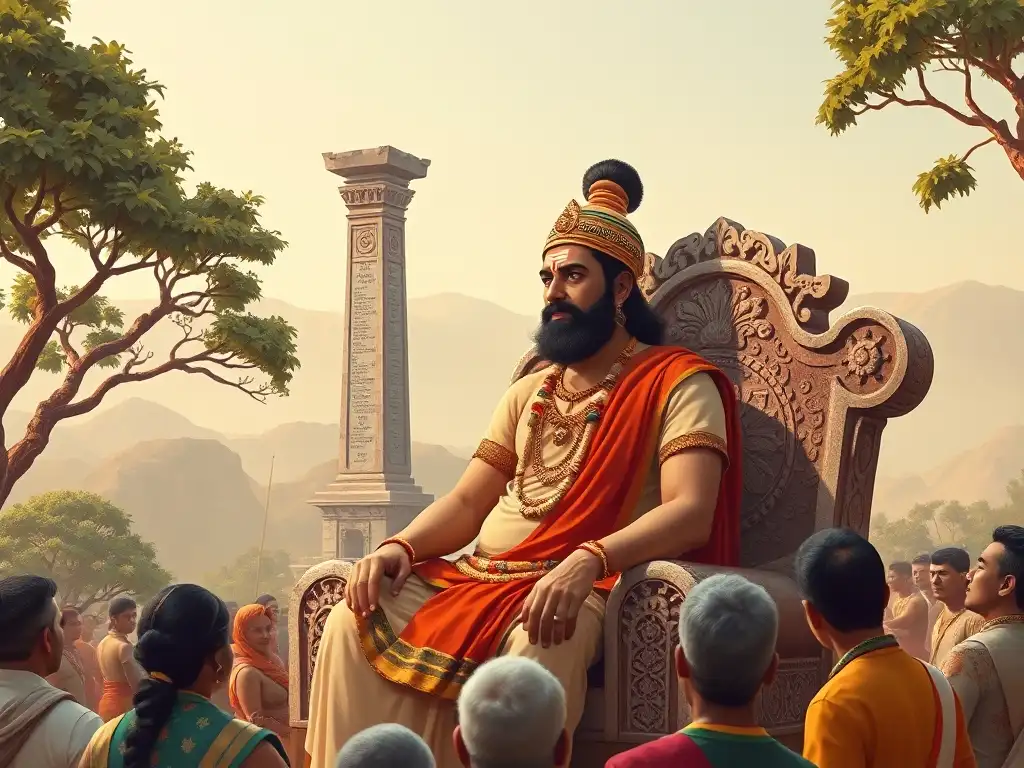
Introduction to Ashoka the Great
Ashoka the Great, a formidable emperor of the Maurya Dynasty, is often celebrated as one of the most influential figures in ancient Indian history. His reign, which lasted from approximately 268 to 232 BCE, is marked by significant transformations not only in the political landscape of India but also in the ethical and moral frameworks that governed society. Ashoka's leadership was characterized by a profound commitment to ethical governance, which has earned him a lasting legacy as a pioneer of leadership ethics.
Through his conversion to Buddhism following the gruesome Kalinga War, Ashoka embraced principles of non-violence, tolerance, and compassion, reshaping the very essence of kingship in ancient India. This article delves into the life, reign, and leadership principles of Ashoka the Great, exploring how his ethical governance continues to resonate in contemporary discussions on leadership.
Overview of Ashoka's Life and Reign
Ashoka was born into the Mauryan royal family, the grandson of Chandragupta Maurya, the founder of the Maurya Empire. He ascended to the throne after a series of power struggles and, initially, his reign was marked by military conquests. However, the pivotal moment in his life came after the Kalinga War, which resulted in massive loss of life and suffering. This tragic event acted as a catalyst for Ashoka's transformation, leading him to adopt Buddhism and advocate for peace and moral governance.
Under Ashoka's rule, the Maurya Empire reached its zenith, expanding across vast territories of the Indian subcontinent. He implemented a series of policies known as the "Dhamma," which emphasized ethical conduct, social welfare, and the propagation of Buddhist principles. Ashoka's reign is notable for extensive infrastructure development, including the construction of roads, hospitals, and rest houses, aimed at improving the welfare of his subjects. His edicts, inscribed on rocks and pillars across the empire, serve as a testament to his commitment to ethical governance and the promotion of moral values.
Significance of Ashoka in Ancient India
Ashoka's significance in ancient India goes beyond his military conquests and administrative achievements. He is often regarded as a transformative leader whose ethical framework laid the groundwork for future governance in the region. His emphasis on non-violence and respect for all living beings not only influenced contemporary society but also resonated with future generations, making him a symbol of peace and ethical leadership.
The impact of his reign is evident in the spread of Buddhism, which flourished under his patronage and spread beyond India to other parts of Asia. Ashoka's efforts to promote moral values and social welfare have inspired countless leaders and thinkers throughout history, establishing him as a model of ethical leadership. His legacy invites ongoing reflection on the principles of governance and the responsibilities of leaders towards their people.
The Concept of Leadership in Ashoka's Era
Definition of Leadership in Ancient India
In ancient India, leadership was often viewed through the lens of dharma, which encompasses duty, righteousness, and moral law. A leader was expected to embody these principles, ensuring the prosperity and well-being of their subjects. Leadership was not solely about wielding power; it involved a deep sense of responsibility towards the community, requiring rulers to act in accordance with ethical and moral standards.
Ashoka's approach to leadership exemplified this definition, as he sought to govern not just through authority, but through compassion and moral integrity. His policies reflected a nuanced understanding of the needs of his people, showcasing the transformative potential of ethical leadership in fostering social harmony.
Ashoka’s Role as a Monarch
As a monarch, Ashoka redefined the role of kingship in ancient India. He transcended the conventional notions of power by prioritizing the welfare of his subjects over territorial expansion. His governance model focused on ethical principles, emphasizing the importance of moral conduct in leadership. By adopting the tenets of Buddhism, Ashoka sought to align his rule with the ideals of compassion and non-violence, establishing a governance framework that was both progressive and humane.
His edicts, which communicated his vision for an ethical society, served as a guiding force for both his administration and his subjects. Ashoka’s leadership style fostered a culture of mutual respect and understanding, which resonated deeply within the diverse fabric of ancient Indian society. In doing so, he not only solidified his authority but also created a legacy that has continued to inspire discussions on leadership ethics to this day.
Ashoka the Great Leadership Ethics
Ashoka the Great is often celebrated not only for his vast empire but also for his distinctive leadership ethics that emphasized moral and ethical governance. After experiencing the horrors of war during the Kalinga conflict, Ashoka underwent a profound transformation, embracing the principles of Dharma (moral law) and non-violence. His leadership was characterized by a commitment to welfare, compassion, and the pursuit of justice, which became foundational elements of his rule. Ashoka's approach to leadership ethics is a pivotal study for understanding how ancient leaders could balance power with morality, and his legacy continues to influence modern governance.
Principles of Ethical Governance
Ashoka's principles of ethical governance were rooted in several key tenets:
- Dharma: Ashoka promoted Dharma as a guiding principle, advocating for ethical conduct in both personal and political realms. This included respect for all living beings and the promotion of social harmony.
- Non-Violence: Following his conversion to Buddhism, Ashoka adopted non-violence (Ahimsa) as a core value, which profoundly influenced his policies and interactions with other kingdoms.
- Welfare of the People: Ashoka prioritized the well-being of his subjects, implementing policies that aimed to improve healthcare, education, and infrastructure. His commitment to public welfare was evident in the construction of hospitals, rest houses, and roads.
- Inclusiveness: He recognized the importance of diverse beliefs and practices within his empire. Ashoka promoted religious tolerance and sought to ensure that all communities could coexist peacefully.
These principles not only guided Ashoka’s decisions but also served as a model for future leaders, emphasizing that ethical governance can lead to a more just and stable society.
Impact of Ashoka's Edicts on Society
Ashoka's edicts, inscribed on pillars and rocks throughout his empire, were a significant tool for communicating his ethical vision to the populace. These edicts had several key impacts:
- Cultural Integration: By disseminating his messages in multiple languages and scripts, Ashoka fostered cultural integration across the diverse regions of his empire. This helped unify the people under a common ethical framework.
- Promotion of Non-Violence: The edicts explicitly advocated for non-violence and compassion towards all living beings, reinforcing Ashoka’s commitment to Ahimsa. This had a lasting impact on Indian society and Buddhist teachings.
- Legal Reforms: Ashoka’s edicts called for reforms in legal practices, emphasizing justice, fairness, and the humane treatment of prisoners. This laid the groundwork for a more ethical legal system.
- Public Morality: The edicts served as a moral compass for the citizens, encouraging them to practice virtues such as truthfulness, charity, and respect for elders. This contributed to a more ethically conscious society.
Overall, Ashoka's edicts not only reflected his leadership ethics but also played a crucial role in shaping the moral landscape of ancient India.
The Mauryan Empire Under Ashoka's Rule
Ashoka’s reign marked a golden era for the Mauryan Empire, characterized by unprecedented territorial expansion and administrative sophistication. His leadership transformed the empire into a model of governance focused on ethical principles rather than sheer conquest.
Expansion and Administration of the Mauryan Empire
Under Ashoka, the Mauryan Empire saw significant territorial expansion, reaching its zenith:
- Territorial Conquests: Ashoka expanded the empire beyond the traditional boundaries, incorporating regions such as present-day Afghanistan, Bangladesh, and parts of Iran. This expansion was initially driven by military campaigns but later shifted towards diplomatic relations.
- Administrative Reforms: Ashoka implemented a centralized administrative system, appointing officials known as Rajukas to oversee local governance. These officials were responsible for maintaining law and order, collecting taxes, and ensuring adherence to ethical standards.
- Infrastructure Development: The expansion of the empire was accompanied by significant infrastructure projects, including roads, irrigation systems, and trade routes, which facilitated economic growth and mobility.
- Cultural Exchange: Ashoka promoted cultural exchanges across his vast empire, supporting the spread of Buddhism and the integration of diverse cultural practices. This helped foster a sense of unity among the various ethnic groups within the empire.
Through these measures, Ashoka not only solidified his power but also laid the foundations for a prosperous and morally guided society.
Ashoka's Military Campaigns and Their Ethical Implications
While Ashoka is renowned for his commitment to peace, his military campaigns—most notably the conquest of Kalinga—present a complex picture of ethical leadership:
- The Kalinga War: The brutal Kalinga War resulted in massive loss of life and suffering. The aftermath of this conflict profoundly impacted Ashoka, leading to his renunciation of violence and commitment to non-violence.
- Moral Reflection: Ashoka's ethical transformation post-Kalinga highlights the potential for leaders to learn from the consequences of their actions. His decision to adopt Dharma as a guiding principle was a direct response to the horrors of war.
- Just War Theory: Ashoka's later military actions were characterized by a commitment to ethical warfare, avoiding unnecessary bloodshed and prioritizing diplomacy. This shift is an early example of what would later be termed "just war theory."
- Legacy of Peace: Ashoka’s rejection of war as a means of governance laid the groundwork for a legacy of peace and ethical leadership, influencing not only contemporary society but also future generations of leaders.
Ashoka the Great's leadership ethics represent a profound synthesis of power and morality, offering valuable lessons on the importance of ethical governance in shaping societies. His ability to transform personal experiences of war into a commitment to peace and welfare remains a powerful testament to his legacy.
Transformation After Kalinga War
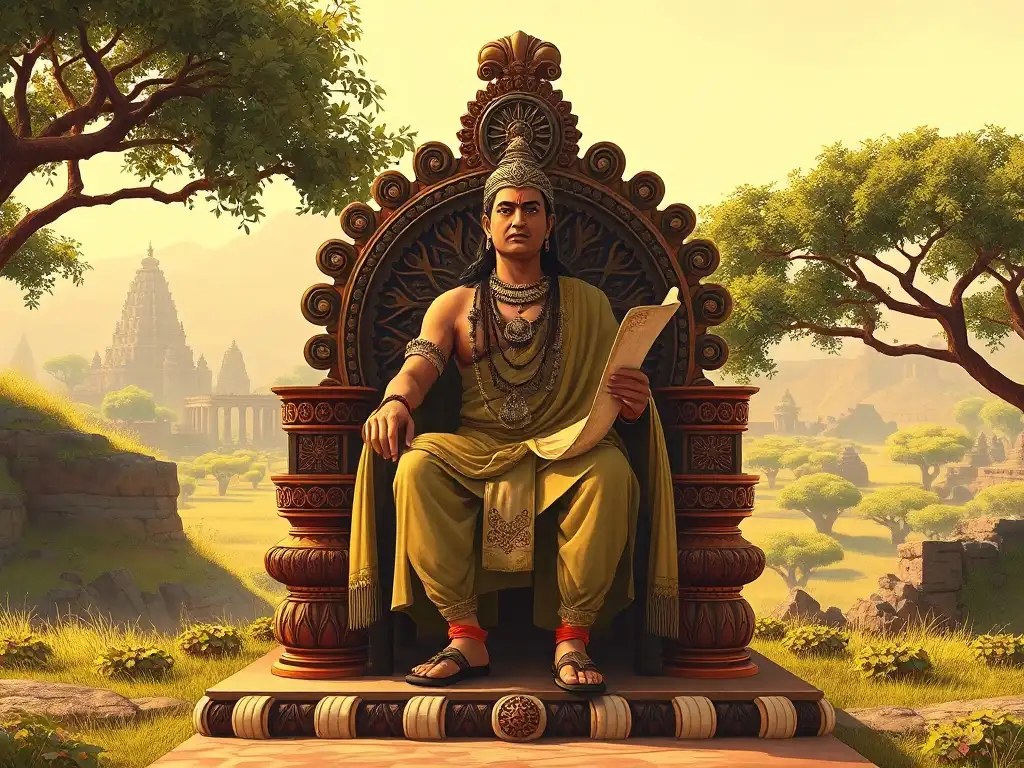
The Kalinga War marked a significant turning point in Ashoka the Great's reign, reshaping not only his approach to governance but also his personal philosophy. The war, which took place around 261 BCE, was one of the bloodiest conflicts of the time, resulting in massive loss of life and suffering on both sides. Ashoka's experience of witnessing the devastation and the cries of the wounded profoundly affected him, leading to a deep introspection about the nature of power and the impact of violence.
Following the war, Ashoka embarked on a journey of transformation, moving away from the aggressive expansionist policies that characterized his early leadership. Instead, he adopted a more humane approach, striving for peace and stability within his empire. This transition was not merely a political maneuver; it was a fundamental change in his values and ethics, which he articulated through the Edicts of Ashoka. These inscriptions, carved on pillars and rocks throughout his empire, communicated his commitment to non-violence, moral governance, and the welfare of his subjects.
Ashoka's transformation after the Kalinga War is crucial in understanding his legacy. His reign is often viewed as a paradigm of ethical governance, focusing on the well-being of the people rather than the accumulation of power through warfare. This shift laid the groundwork for the promotion of social justice and public welfare initiatives, which became hallmarks of his administration.
The Kalinga War: A Turning Point in Ashoka's Leadership
The Kalinga War was not just a military conflict; it was a profound catalyst for Ashoka's transformation into a leader who prioritized ethical governance. The war's aftermath left a lasting impression on him, as he was struck by the consequences of his actions on the civilian population. Historical accounts suggest that around 100,000 soldiers and countless civilians lost their lives, further emphasizing the war's brutality.
Feeling remorseful, Ashoka reflected on the futility of war and its destructiveness, prompting him to reconsider his leadership strategy. He recognized that true strength lay not in conquest but in the ability to inspire loyalty and compassion among his subjects. This realization led him to renounce warfare as a means of expansion, marking a pivotal transition in his leadership style that focused on moral and ethical principles.
Shift from Conquest to Compassionate Governance
Ashoka's shift from conquest to compassionate governance was evident in several key policies he enacted after the Kalinga War. He prioritized the welfare of his people, implementing measures to improve healthcare, education, and infrastructure. His famous edicts emphasized non-violence (ahimsa), truthfulness, and respect for all living beings, illustrating his commitment to ethical governance.
Moreover, Ashoka's administration sought to alleviate suffering through the establishment of hospitals, the planting of trees along roads for shade, and the construction of wells for water supply. These initiatives reflect his understanding that effective leadership involves caring for the physical and emotional well-being of the populace. This compassionate approach not only enhanced his reputation as a benevolent ruler but also established a model for future governance that prioritized ethical considerations over mere political power.
Ashoka's Approach to Religious Tolerance
Ashoka's reign is characterized by his remarkable commitment to religious tolerance, setting an example for subsequent leaders in the region. His approach was grounded in the belief that different religions could coexist peacefully, and this principle became a cornerstone of his governance. Ashoka's respect for diverse religious practices stemmed from his own conversion to Buddhism, yet he remained open to other faiths, fostering an environment of mutual respect.
Promotion of Buddhism and Its Ethical Teachings
As a proponent of Buddhism, Ashoka sought to spread its ethical teachings throughout his empire. He believed that the moral values espoused in Buddhism—such as compassion, non-attachment, and mindfulness—could contribute to the overall harmony of society. Ashoka commissioned the construction of stupas and monasteries, facilitating the dissemination of Buddhist philosophy.
He also sent missionaries across different regions, including Sri Lanka, to promote the teachings of Buddhism. This not only enhanced the spread of Buddhism but also encouraged dialogue and engagement with other religious traditions. Ashoka's commitment to promoting ethical teachings illustrates how he integrated personal beliefs into his leadership, influencing the moral landscape of ancient India.
Interfaith Relations and Policies of Tolerance
Ashoka's policies of tolerance extended beyond the promotion of Buddhism. He recognized the importance of interfaith dialogue and actively engaged with leaders of various religions, seeking to understand their perspectives and foster peaceful relations. His edicts called for respect towards all faiths, emphasizing that no one should be disparaged or harmed because of their beliefs.
To institutionalize this approach, Ashoka established councils that included representatives from different religions, allowing for discussions on ethical governance and community welfare. His efforts to cultivate interfaith relations not only highlighted his dedication to harmony but also set a precedent for future leaders to follow. Ashoka's legacy as a ruler committed to religious tolerance continues to resonate, showcasing the importance of ethical leadership in fostering a cohesive society.
Legacy of Ashoka the Great in Leadership Ethics
Ashoka the Great, the third Mauryan emperor, is renowned not only for his military conquests but also for his profound transformation from a warlord to a benevolent ruler. His legacy is deeply rooted in his commitment to ethical governance and leadership principles that have influenced both contemporary and subsequent leaders.
Ashoka's edicts, inscribed on rocks and pillars across his empire, serve as a testament to his dedication to promoting dharma, or moral law, as the guiding principle of governance. By prioritizing the welfare of his subjects and advocating non-violence, tolerance, and compassion, Ashoka established a model of leadership ethics that transcended his time, emphasizing the moral responsibilities of rulers.
Ashoka's administration was characterized by a unique blend of political acumen and ethical foresight. His implementation of welfare policies, such as the establishment of hospitals and the promotion of environmental conservation, exemplified a leader who understood the importance of holistic governance. The emphasis on ethical conduct not only strengthened his rule but also fostered a sense of loyalty and unity among his diverse subjects, showcasing that effective leadership is rooted in moral integrity and the well-being of the populace.
Influence on Subsequent Indian Rulers
The ethical governance model established by Ashoka significantly influenced subsequent Indian rulers and dynasties. His principles of compassion, non-violence, and public welfare became foundational tenets for many future leaders, including those from the Gupta Empire and beyond. For instance, the Gupta rulers adopted Ashoka's emphasis on dharma, integrating it into their administrative practices to ensure stability and prosperity in their realms.
Moreover, Ashoka’s legacy of tolerance and respect for diverse religions set a precedent for rulers like Chandragupta II of the Gupta dynasty, who embraced cultural pluralism. The emphasis on moral governance encouraged rulers to view leadership as a sacred duty to their people rather than merely a means to acquire power, thereby promoting a more humane approach to administration.
Global Impact of Ashoka’s Leadership Principles
Ashoka's leadership ethics extended beyond the borders of ancient India, influencing global concepts of governance and morality. His promotion of non-violence (ahimsa) and compassion resonated with various philosophical traditions around the world, including the teachings of Buddhism, which he ardently supported. His efforts to spread Buddhism across Asia led to the establishment of a network of cultural exchanges that enriched societies, fostering values of peace and ethical leadership.
Furthermore, Ashoka’s edicts have been cited by modern leaders advocating for peace and social justice. Figures like Mahatma Gandhi drew inspiration from Ashoka's commitment to non-violence in their approaches to political and social reform. The global impact of Ashoka’s leadership principles is evident in contemporary discussions on ethical governance, human rights, and the responsibilities of leaders to promote the welfare of their citizens.
Conclusion
Summary of Ashoka’s Leadership and Governance
Ashoka the Great's leadership was marked by a profound ethical framework that prioritized the welfare of his subjects and the principles of dharma. His transition from a conqueror to a compassionate ruler exemplifies a transformative approach to governance that resonates with the ideals of benevolence and moral responsibility. By implementing welfare policies and advocating for tolerance, Ashoka not only solidified his rule but also laid the groundwork for ethical leadership that would inspire generations to come.
Relevance of Ashoka the Great Leadership Ethics Today
The relevance of Ashoka's leadership ethics is profound in today’s world, where ethical governance is increasingly crucial amidst political turmoil and societal challenges. His principles of non-violence, compassion, and accountability continue to serve as guiding lights for modern leaders. In an era marked by conflict and division, Ashoka's emphasis on moral leadership provides a framework for fostering inclusive societies and promoting peace. By reflecting on Ashoka the Great's legacy, contemporary leaders can draw valuable lessons on the importance of ethics in leadership, ultimately contributing to a more just and harmonious world.
- Introduction to Ashoka the Great
- The Concept of Leadership in Ashoka's Era
- Ashoka the Great Leadership Ethics
- The Mauryan Empire Under Ashoka's Rule
- Transformation After Kalinga War
- Ashoka's Approach to Religious Tolerance
- Legacy of Ashoka the Great in Leadership Ethics
- Conclusion
- What are the key principles of Ashoka the Great's leadership ethics?
- How did Ashoka's reign impact ancient Indian society?
- What were some of the major contributions of Ashoka the Great?
- How did Ashoka the Great's leadership differ from his predecessors?
- What legacy did Ashoka the Great leave behind?
Frequently Asked Questions
What are the key principles of Ashoka the Great's leadership ethics?
Ashoka the Great emphasized non-violence, compassion, and moral governance. His policies were rooted in the Buddhist values of harmony and respect for all living beings.
How did Ashoka's reign impact ancient Indian society?
Under Ashoka's rule, society experienced a significant shift towards ethical governance and social welfare, which promoted inclusivity and justice among diverse communities.
What were some of the major contributions of Ashoka the Great?
Ashoka is known for his edicts promoting moral conduct, the spread of Buddhism, and the establishment of infrastructure such as roads and hospitals, enhancing both trade and healthcare.
How did Ashoka the Great's leadership differ from his predecessors?
Unlike previous rulers, Ashoka focused on ethical leadership rather than mere conquest. He prioritized diplomacy and cultural exchange over military expansion, reflecting a more humanistic approach.
What legacy did Ashoka the Great leave behind?
Ashoka's legacy includes the spread of Buddhism beyond India and the establishment of ethical principles in governance. His edicts continue to influence leadership ethics and moral philosophy to this day.
Final Reflection: The Enduring Legacy of Ashoka the Great's Leadership Ethics
Ashoka the Great's leadership ethics resonate profoundly in today's world, where the need for compassionate governance is more critical than ever. His transformative approach to leadership, rooted in the principles of non-violence and moral responsibility, serves as a guiding light for contemporary leaders grappling with complex ethical dilemmas. In an era marked by political strife and social unrest, Ashoka's commitment to the welfare of his people and his emphasis on ethical governance remind us that true leadership transcends power; it is about uplifting humanity.
Clearly, the influence of Ashoka's leadership ethics extends far beyond his reign, shaping cultural and social landscapes across generations. His legacy is not merely historical; it continues to inspire movements for peace and justice worldwide. As we navigate the challenges of modern governance, we can draw from Ashoka's example to foster a more ethical and humane approach to leadership. The greatest victory is that which requires no battle.
This quote encapsulates the essence of Ashoka's philosophy, highlighting the power of ethical leadership in achieving lasting change without resorting to conflict.
As we reflect on Ashoka's teachings, let us challenge ourselves to embody his principles in our daily lives. Consider how you can apply the lessons of ethical governance and compassionate leadership in your own sphere of influence. Whether in your community, workplace, or personal relationships, strive to lead with integrity and empathy. By embracing Ashoka's vision, we can contribute to a more just and peaceful world, ensuring that his legacy of ethical leadership continues to thrive for generations to come.
Transform Your Understanding of Leadership Today!
Thank you for diving into the remarkable story of Ashoka the Great! We hope you found valuable insights into his leadership and commitment to ethical governance. Now, it’s time to take that inspiration and put it into action.
Here are a few steps you can take to further your journey with these principles:
- Reflect on your own leadership style: Consider what ethical values you can incorporate into your decision-making.
- Discuss Ashoka’s impact with friends or colleagues: Share your thoughts on how his reign can inspire modern leadership.
- Explore related historical figures: Discover how leaders from various cultures have influenced principles of ethical governance.
What leadership lessons from Ashoka resonate with you the most, and how will you apply them in your life?