
The Military Strategies of Ashoka Before His Conversion to Buddhism

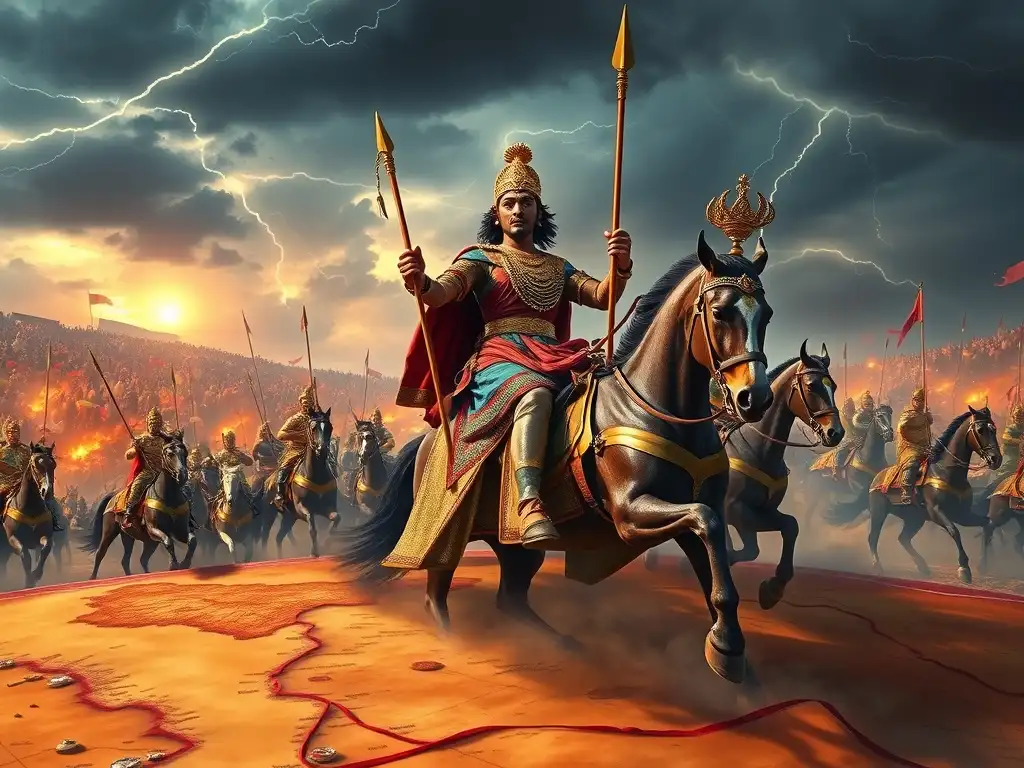
Welcome to Ancient India History, where we delve into the rich tapestry of India's past and uncover the remarkable stories of its civilizations. In this enlightening journey, we invite you to explore the military strategies of Ashoka, a key historical figure whose tactical brilliance shaped the course of Indian history long before his transformative conversion to Buddhism. What drove Ashoka to become one of the most formidable rulers of his time?
Join us as we unravel the complexities of his military prowess and its lasting impact on the subcontinent. Your adventure into the depths of ancient Indian history begins now!
- Introduction to Ashoka's Military Strategies
- Historical Context of Ashoka's Reign
- Ashoka's Early Military Strategies
- Analysis of Ashoka's Military Strategies
- The Influence of Ashoka's Military Strategies on Ancient India
- Transition from Military Leader to Buddhist Emperor
- Conclusion: Legacy of Ashoka's Military Strategies
- Further Reading on Ashoka and Ancient Indian Warfare
-
Frequently Asked Questions
- What were Ashoka's key military strategies before his conversion to Buddhism?
- How did Ashoka's military campaigns impact his empire?
- What role did the Kalinga War play in Ashoka's life?
- How did Ashoka's military strategies change after adopting Buddhism?
- What are some lasting contributions of Ashoka's reign?
- Final Reflection: The Enduring Legacy of Ashoka's Military Strategies
- Unveil Ashoka's Impact: Take Action Today!
Introduction to Ashoka's Military Strategies
Ashoka the Great, one of the most prominent figures in ancient Indian history, not only left a profound impact through his conversion to Buddhism but also through his military strategies prior to this transformation. Spanning from the Indus Valley civilization to the Gupta Empire, ancient India witnessed the rise of formidable military tactics that shaped its political landscape.
Understanding Ashoka's military strategies provides invaluable insight into the complexities of his reign and the historical context of the time. This article delves into the nuances of Ashoka's military approaches, their effectiveness, and the eventual shift in ideology that led him towards a path of peace and non-violence.
Overview of Ashoka the Great
Ashoka, who reigned from approximately 268 to 232 BCE, was the third Mauryan emperor and is often regarded as one of the greatest rulers in Indian history. His empire, which at its zenith encompassed a vast territory across the Indian subcontinent, was marked by significant advancements in governance, culture, and military prowess.
Initially, Ashoka was noted for his aggressive military campaigns, particularly the Kalinga War, which was a pivotal event in his life. The war not only showcased his military strategies but also marked a turning point that led to his embrace of Buddhism and the principles of dharma (righteousness).
Ashoka's early years were characterized by:
- Expansionist ambitions: Aiming to consolidate power and expand his empire.
- Innovative military tactics: Employing strategies that integrated both conventional and psychological warfare.
- Diplomatic maneuvers: Forming alliances and managing relations with neighboring kingdoms.
Importance of Military Strategies in Ancient India
In ancient India, military strategies played a critical role in the rise and fall of empires. The effectiveness of a ruler's military approach could determine the stability, territorial extent, and longevity of their reign. Ashoka's military strategies are particularly significant for several reasons:
- Territorial Expansion:
- Conquest of key regions allowed for the spread of Mauryan influence.
- Examples include battles against the Nandas and the Kalinga, which expanded the empire's boundaries.
- Military Organization:
- Development of a structured army that included infantry, cavalry, and war elephants.
- Utilization of spies and intelligence to gain an upper hand in conflicts.
- Psychological Warfare:
- Use of propaganda and morale-boosting strategies to maintain troop cohesion and public support.
- Ashoka’s approach included not just brute force but also the cultivation of loyalty among his soldiers.
- Cultural Influence:
- The military campaigns often had cultural ramifications, leading to the spread of art, religion, and trade.
- Post-conversion, Ashoka used his military influence for the propagation of Buddhism, impacting the cultural landscape significantly.
Understanding these military strategies not only highlights Ashoka's prowess as a military leader but also sets the stage for his later transformation into a proponent of peace and non-violence, illustrating the duality of his legacy.
Historical Context of Ashoka's Reign
The Mauryan Empire: A Background
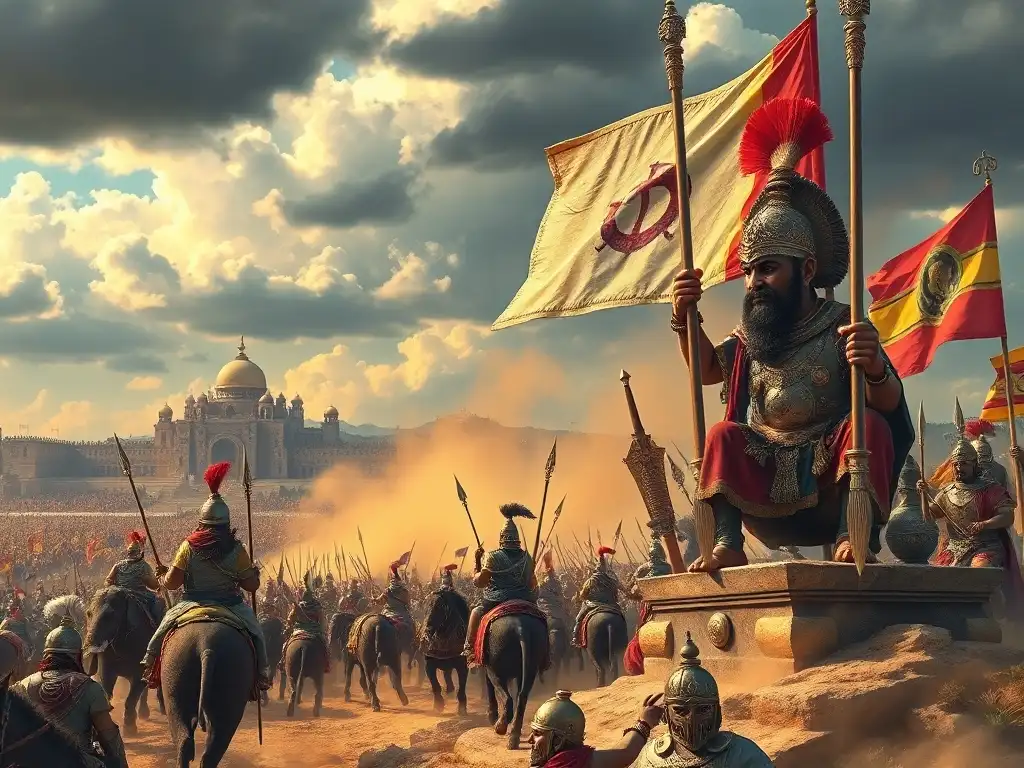
The Mauryan Empire, established in 322 BCE by Chandragupta Maurya, was a colossal political and military entity that spanned much of the Indian subcontinent. By the time Ashoka ascended the throne around 268 BCE, the empire had already reached an impressive level of administration and military organization.
The Mauryan Empire is often characterized by its:
- Centralized Administration: The empire was divided into provinces, each governed by a viceroy. This administrative structure allowed for efficient governance and resource distribution.
- Strong Military: The Mauryan army was one of the most formidable in ancient India, equipped with advanced weaponry and a large number of infantry, cavalry, and war elephants. This strength was pivotal in extending and securing the empire's borders.
- Trade Networks: The Mauryan Empire facilitated trade across Asia, connecting India to regions as far as Persia and the Mediterranean. This not only enhanced wealth but also cultural exchanges.
Ashoka inherited this vast empire, which was at the pinnacle of its power, setting the stage for his military strategies that would later define his reign and influence.
Key Historical Events Leading Up to Ashoka’s Ascendancy
Several significant events shaped Ashoka's rise to power and influenced his military strategies. These events are crucial in understanding the context of his leadership:
- The Kalinga War (circa 261 BCE):
- The Kalinga War stands out as a pivotal moment in Ashoka's military history. The conflict was marked by intense battles against the kingdom of Kalinga, known for its strategic coastal location and wealth.
- Estimates suggest that over 100,000 soldiers and civilians died in this war. The staggering loss of life profoundly impacted Ashoka, leading to his eventual conversion to Buddhism.
- Consolidation of Territories:
- Ashoka's predecessors, particularly Chandragupta and his son Bindusara, had already laid the foundation for a vast empire. Ashoka focused on consolidating these territories, employing strategic alliances and military campaigns.
- His military strategies often included the use of diplomacy alongside brute force, a practice that would evolve as he embraced Buddhist principles.
- Expansion Beyond the Subcontinent:
- Ashoka's military ambitions were not limited to India; he sought to expand the Mauryan influence into regions like modern-day Afghanistan and parts of Central Asia. This was accomplished through a combination of military might and strategic marriages to secure alliances.
- The Role of Advisors and Generals:
- Ashoka's rise was also supported by key military figures and advisors who influenced his strategies. Notably, generals skilled in warfare played crucial roles in executing campaigns and maintaining order within the empire.
These historical events not only highlight Ashoka's military prowess but also illustrate the broader context of his reign within the Mauryan Empire. Understanding these dynamics is essential to grasp the evolution of Ashoka's military strategies, ultimately leading to his transformation into a proponent of peace and non-violence.
Ashoka's Early Military Strategies
Techniques and Tactics Used by Ashoka
Before his conversion to Buddhism, Ashoka the Great was renowned for his military prowess and strategic acumen. His approach to warfare was characterized by a mix of traditional and innovative tactics that demonstrated his understanding of both land and naval combat. Some of the key techniques utilized by Ashoka included:
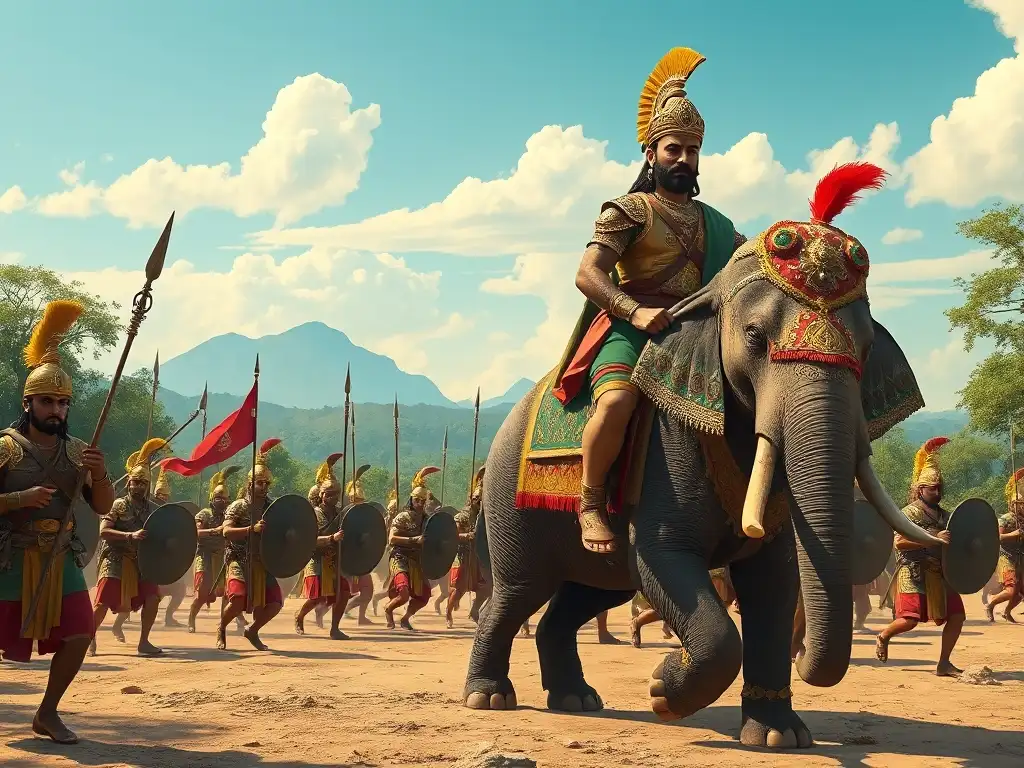
- Use of War Elephants: Ashoka effectively employed war elephants, which served as both a psychological weapon and a significant force on the battlefield. The sheer size and strength of these animals could intimidate enemy troops and disrupt formations.
- Siege Warfare: Ashoka's campaigns often involved prolonged sieges, where he would cut off supplies to enemy fortifications, forcing them into submission. This was evident in his tactics during the Kalinga War, where he laid siege to key strongholds.
- Guerrilla Tactics: In addition to traditional frontal assaults, Ashoka deployed guerrilla warfare techniques, utilizing the terrain to his advantage. This allowed smaller units to execute hit-and-run tactics against larger forces, effectively undermining enemy morale.
- Intelligence Gathering: Ashoka placed a strong emphasis on reconnaissance and intelligence. By gathering information about enemy movements and strengths, he could plan his strategies more effectively, often catching opponents off guard.
These techniques not only reflected his military ingenuity but also set the foundation for his later governance and policies, which emphasized peace and stability.
Key Battles and Campaigns Before His Conversion
Throughout Ashoka's early reign, he engaged in numerous battles and campaigns that showcased his military strategies. The most significant of these included the Kalinga War and other notable military engagements that contributed to his reputation as a formidable ruler.
The Kalinga War: A Turning Point
The Kalinga War (circa 261 BCE) stands out as the most pivotal conflict in Ashoka's military career. This war was fought against the state of Kalinga, located on the eastern coast of India.
- Reasons for the War: The primary motivation for Ashoka's invasion of Kalinga was its rich resources and strategic location. The Kalingans were also known for their fierce resistance, making them a worthy adversary.
- Scale and Impact: The conflict was marked by brutal violence, leading to significant casualties. Historical accounts suggest that over 100,000 soldiers and civilians lost their lives. This staggering loss deeply affected Ashoka, leading to a profound transformation in his worldview.
- Post-War Reflections: Following the war, Ashoka was struck by the suffering caused by his military ambitions. This ultimately led to his conversion to Buddhism and his commitment to the principles of non-violence and compassion.
The Kalinga War not only reshaped Ashoka’s personal beliefs but also influenced his policies as a ruler, steering him toward a path of peace and governance based on dharma.
Other Notable Military Engagements
In addition to the Kalinga War, Ashoka participated in several other significant military campaigns that established his dominion over vast territories. Some notable engagements include:
- Conquest of the Naga Kingdoms: Ashoka successfully campaigned against various Naga tribes, incorporating their territories into his empire. This expansion was crucial for securing trade routes and resources.
- Campaigns in the Deccan: Ashoka’s military expeditions in the Deccan region demonstrated his ambition to extend the Mauryan Empire's reach. These campaigns often faced fierce resistance but ultimately contributed to the consolidation of Mauryan power.
- Engagements in the West: His strategies also involved dealing with the western provinces, where he faced local rulers and tribes. Through both military might and diplomacy, Ashoka managed to secure allegiance from several chieftains, expanding his influence.
These engagements not only highlight Ashoka's military strategies but also set the stage for his transformation into a ruler committed to peace and social welfare. His military prowess was integral to establishing one of the largest empires in ancient India, but it was his subsequent conversion to Buddhism that would redefine his legacy.
Analysis of Ashoka's Military Strategies
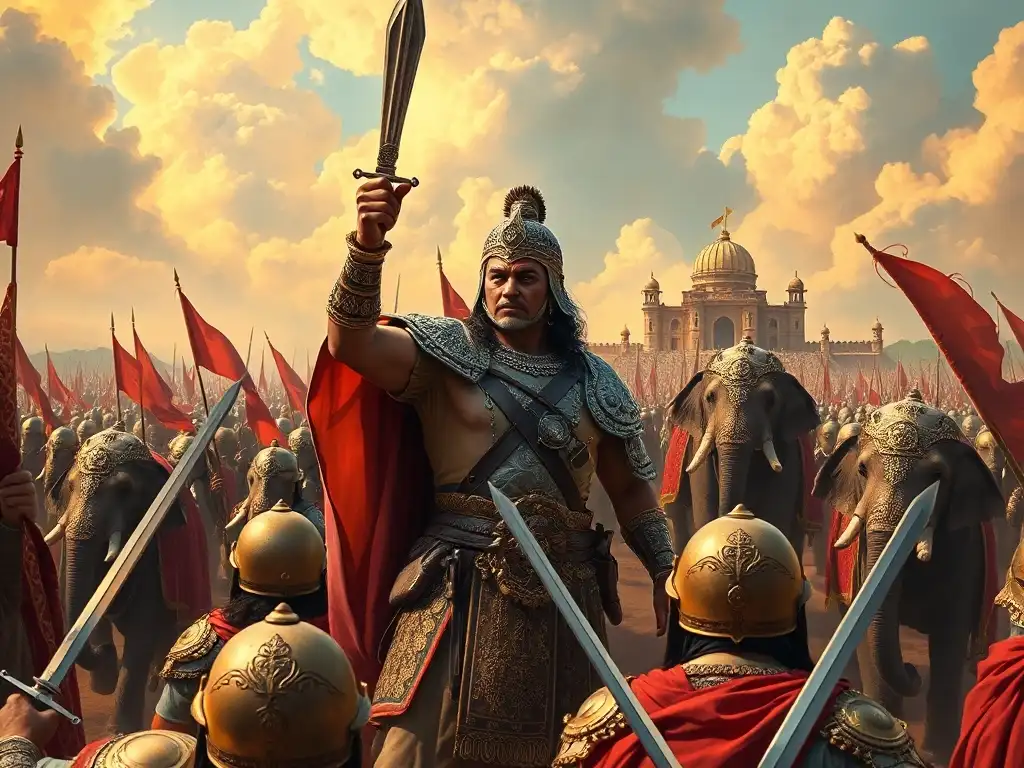
Ashoka's military strategies were underpinned by a well-organized structure for both land and naval forces. The Mauryan Empire, under Ashoka, maintained a formidable army that was essential for both expansion and control over vast territories.
- Land Forces: The backbone of Ashoka's military was its infantry, which was organized into various divisions. Each division consisted of soldiers trained in different combat techniques, including archery, spear throwing, and hand-to-hand combat.
- Infantry Composition: The army was composed of foot soldiers, supplemented by specialized troops such as archers and slingers. This diversity allowed for tactical flexibility in engagements.
- Naval Forces: Given the empire’s extensive trade routes and coastal territories, Ashoka also recognized the importance of a strong naval force.
- Structure of Naval Units: The naval fleet was primarily composed of warships equipped with archers and soldiers, playing a crucial role in safeguarding maritime trade and exerting control over coastal regions.
This dual structure of land and naval forces not only enhanced Ashoka's military capabilities but also ensured effective governance across the diverse regions of the Mauryan Empire.
Use of Elephants and Cavalry in Warfare
One of the most distinctive features of Ashoka's military strategies was the innovative use of war elephants and cavalry.
- War Elephants: Elephants played a significant role in ancient Indian warfare, and Ashoka adeptly incorporated them into his military tactics.
- Tactical Advantages: War elephants provided both psychological and physical advantages on the battlefield. Their sheer size and strength could break enemy lines, while their intimidating presence could demoralize opposing forces.
- Training and Control: Ashoka ensured that his elephants were well-trained for combat, capable of charging at enemy troops and creating chaos in their ranks.
- Cavalry: The cavalry was another essential component of Ashoka's military strategy.
- Mobility and Speed: Cavalry units were utilized for rapid flanking maneuvers and hit-and-run tactics. This mobility allowed Ashoka to engage in swift assaults on enemy camps and supply lines.
- Integration with Infantry: The cavalry units worked in tandem with infantry forces, providing support during large-scale confrontations and enabling effective encirclement of enemy troops.
The strategic integration of elephants and cavalry in Ashoka's military operations exemplified his innovative approach to warfare, enhancing his capability to dominate in various combat scenarios.
Psychological Warfare and Propaganda Tactics
In addition to conventional military tactics, Ashoka employed psychological warfare and propaganda as key elements of his military strategies.
- Psychological Warfare: Ashoka understood that instilling fear in his enemies could be just as effective as physical conquest.
- Demonstrations of Power: Strategic showcases of military might, such as parades and public displays of the might of his army, served to intimidate potential adversaries.
- Use of Fear and Awe: The deployment of war elephants and the ferocity of his troops were often used to create an aura of invincibility around the Mauryan Empire, discouraging opposition.
- Propaganda Tactics: Ashoka also utilized propaganda to shape public perception and maintain control over his vast empire.
- Edicts and Inscriptions: He inscribed his edicts on pillars and rocks throughout his empire, disseminating messages of strength, unity, and the benevolence of his rule.
- Promotion of Dhamma: Even before his conversion to Buddhism, Ashoka promoted the principles of Dhamma (moral law) as a means to unify his subjects and legitimize his authority, presenting himself as a ruler concerned with the welfare of his people.
Through these psychological and propagandistic strategies, Ashoka was able to solidify his power and maintain a stable regime, showcasing the multifaceted nature of his military strategies.
The Influence of Ashoka's Military Strategies on Ancient India
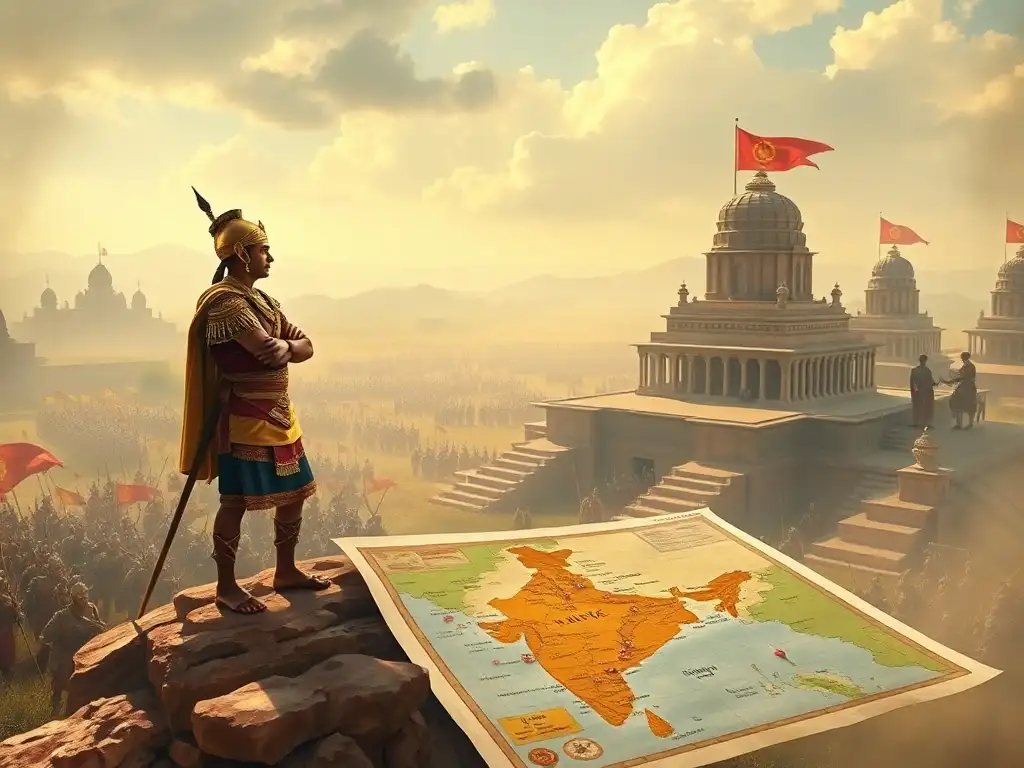
Ashoka, the third ruler of the Mauryan Empire, is often remembered for his transformative shift toward Buddhism and non-violence. However, before this conversion, his military strategies played a crucial role in shaping the political landscape of ancient India. Understanding these strategies provides insight into how Ashoka solidified the Mauryan Empire's power and influence during his reign.
Impact on the Mauryan Empire’s Expansion
Ashoka's military strategies were instrumental in the expansion of the Mauryan Empire, allowing it to become one of the largest empires in ancient India. His approach can be summarized through various key tactics:
- Conquest and Diplomacy: Ashoka initially employed aggressive military campaigns to conquer neighboring territories. The most notable of these was the Kalinga War (circa 261 BCE). This campaign not only demonstrated Ashoka's military prowess but also expanded the empire significantly. After the war, Ashoka's realization of the horrors of battle led to a shift toward more diplomatic means of expanding influence.
- Infrastructure Development: Following the Kalinga War, Ashoka invested in infrastructure to consolidate his empire. He established roads, irrigation systems, and trade routes that connected various regions, enhancing the mobility of troops and facilitating trade. This infrastructure also served to maintain control over the vast territories gained through military conquests.
- Integration of Diverse Cultures: Ashoka’s military strategies also involved the integration of diverse cultures within the empire. By promoting policies of tolerance and cultural exchange, he allowed the assimilation of conquered peoples. This approach not only reduced resistance but also fostered loyalty among the newly acquired subjects.
The combination of direct military conquest and subsequent integration policies ensured that the Mauryan Empire could maintain stability and prosperity across its vast expanse.
Relationship with Neighboring Kingdoms
Ashoka's military strategies had a profound impact on his relationships with neighboring kingdoms, both before and after his conversion to Buddhism. These relationships were shaped by a blend of warfare and diplomacy:
- Aggression Transformed into Alliance: Initially, Ashoka’s military campaigns led to the annexation of several kingdoms. However, after the Kalinga War, his perspective shifted dramatically. He sought to forge alliances with former adversaries rather than continue the cycle of violence. This shift was evident in his diplomatic missions to neighboring regions, promoting peace and cooperation.
- Edicts of Ashoka: One of the most significant aspects of Ashoka's relationship with neighboring kingdoms was the issuance of the Edicts of Ashoka. These edicts, inscribed on pillars and rocks throughout the empire, communicated his commitment to non-violence and respect for all living beings. They served as a declaration to neighboring states that Ashoka favored peaceful coexistence over military aggression.
- Cultural Exchange and Trade: Ashoka's efforts to maintain peaceful relations with neighboring kingdoms fostered cultural exchange and trade. The stability created by his diplomatic strategies allowed for the flourishing of commerce, which benefited not only the Mauryan Empire but also neighboring states. This mutual benefit helped to solidify Ashoka's reputation as a ruler who valued peace.
Through these strategies, Ashoka not only expanded the Mauryan Empire but also transformed its relationships with neighboring kingdoms, setting a precedent for future rulers who would look to balance military might with diplomatic engagement.
Ashoka's military strategies were pivotal in both the expansion of the Mauryan Empire and the management of its relationships with surrounding states. His initial reliance on military power evolved into a more sophisticated approach that emphasized diplomacy, infrastructure, and cultural integration, leaving a lasting impact on ancient Indian history.
Transition from Military Leader to Buddhist Emperor
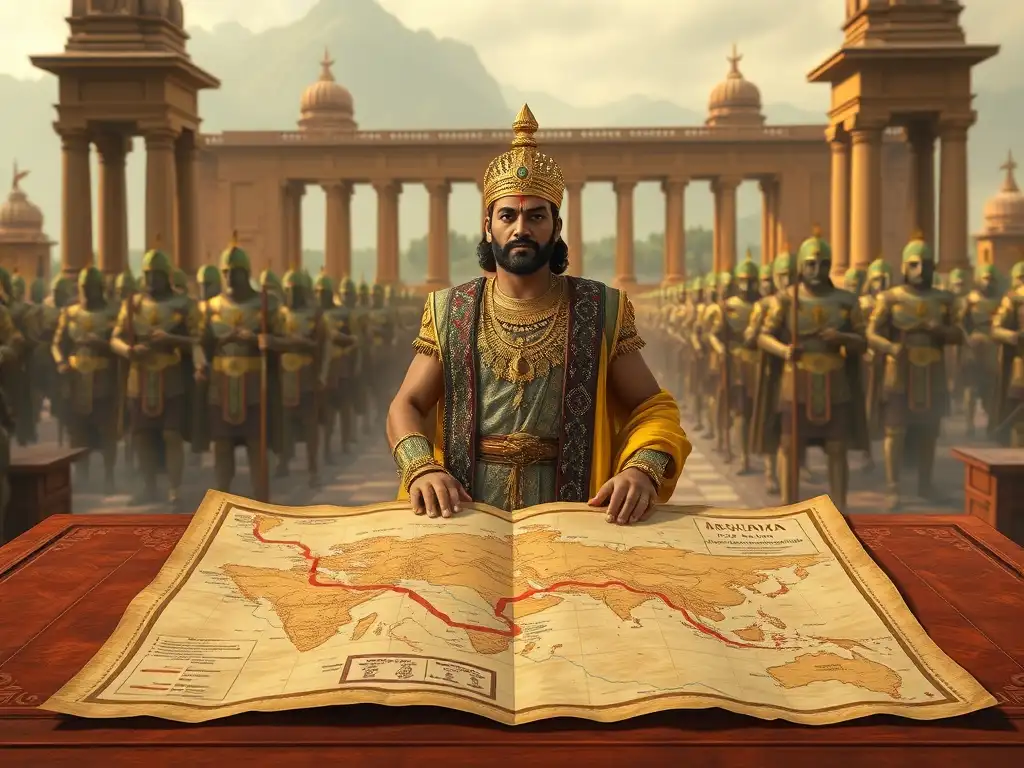
Ashoka the Great, one of the most significant emperors in Indian history, is often celebrated for his remarkable transition from a fierce military leader to a proponent of Buddhism. This transformation not only reshaped his reign but also had a profound impact on the Indian subcontinent's cultural and spiritual landscape. His military strategies, characterized by strength and ambition, initially defined his rule, but the pivotal events that followed the Kalinga War catalyzed a dramatic change in his ideology and governance.
Key Factors Leading to Ashoka’s Conversion
Ashoka's conversion to Buddhism was influenced by several interrelated factors:
- The Aftermath of the Kalinga War:
- The Kalinga War (circa 261 BCE) was a significant turning point in Ashoka's life. It is estimated that around 100,000 soldiers and civilians lost their lives during this brutal conflict. The sheer scale of destruction and suffering deeply affected Ashoka, prompting him to reconsider the value of warfare and conquest.
- As Ashoka reflected on the consequences of his military campaigns, he began to question the morality of violence and its long-term effects on his empire.
- Exposure to Buddhist Philosophy:
- After the Kalinga War, Ashoka encountered Buddhist teachings that emphasized non-violence (ahimsa) and compassion. The principles of Buddhism resonated with his newfound desire for peace and harmony within his empire.
- The teachings of prominent Buddhist figures, such as the monk Upagupta, played a crucial role in guiding Ashoka towards embracing Buddhism and its ethical framework.
- Desire for a Lasting Legacy:
- Ashoka's ambition extended beyond mere territorial expansion; he sought to create a legacy that would endure through time. Embracing Buddhism allowed him to promote values of tolerance, compassion, and ethical governance, setting a precedent for future rulers.
- His commitment to Buddhist principles led to the establishment of numerous stupas and pillars inscribed with edicts promoting moral conduct and social welfare, which further solidified his legacy.
- Political Stability and Unity:
- Following the Kalinga War, Ashoka recognized the need for political stability and unity within his diverse empire. The adoption of Buddhism, which advocated for peace and coexistence, served as a unifying force among the various cultures and communities under his rule.
- By promoting Buddhist values, Ashoka aimed to foster loyalty and reduce the likelihood of rebellion, ensuring a more harmonious and stable empire.
The Role of the Kalinga War in His Transformation
The Kalinga War stands as a pivotal event in Ashoka's life, marking a profound shift in his military strategies and overall governance.
- Military Might and Conquest:
- Prior to the Kalinga War, Ashoka’s military strategies were rooted in traditional approaches to warfare, focusing on expansion through strength and conquest. His campaigns were often marked by significant bloodshed and loss.
- Catalyst for Change:
- The aftermath of the Kalinga War served as a stark reminder of the human cost of such strategies. Ashoka's realization of the futility of violence acted as a catalyst for his transformation. The devastation left in the war's wake compelled him to reconsider his approach to leadership.
- Promotion of Non-Violence:
- In response to the horrors of war, Ashoka adopted a policy of non-violence and compassion, aligning his governance with the principles of Buddhism. This marked a significant departure from his earlier military strategies, as he sought to promote peace and welfare instead of conflict and conquest.
- Legacy of Peace:
- Post-Kalinga, Ashoka's military strategies evolved from offensive campaigns to the promotion of cultural and spiritual unity. He focused on building infrastructure, such as roads and hospitals, and spreading Buddhist teachings, which created a lasting legacy of peace and prosperity.
The transition of Ashoka from a military leader to a Buddhist emperor was a multifaceted journey influenced by the devastating consequences of the Kalinga War, exposure to Buddhist teachings, and a sincere desire for a lasting and peaceful legacy. This transformation not only redefined his own rule but also left an indelible mark on the history of ancient India, exemplifying the profound impact of personal conviction on leadership and governance.
Conclusion: Legacy of Ashoka's Military Strategies
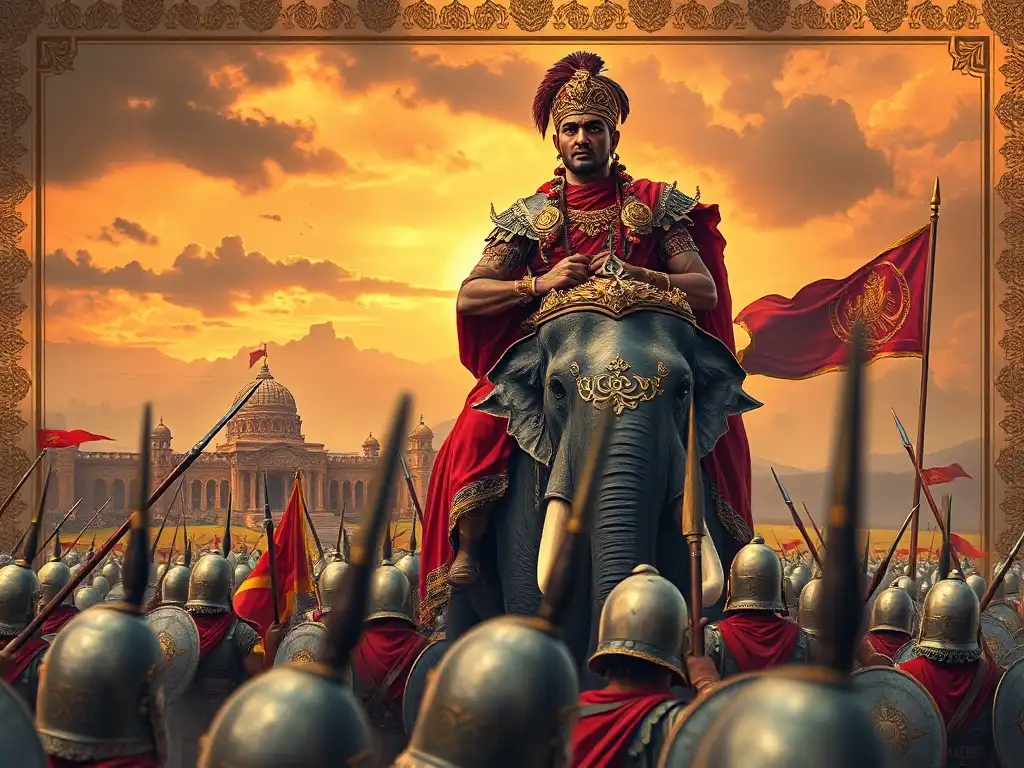
Ashoka's military strategies prior to his conversion to Buddhism played a pivotal role in shaping the history of ancient India. His approaches were not merely about conquest; they were reflective of a calculated methodology designed to expand the Mauryan Empire and ensure its dominance in the region. Ashoka's military campaigns, particularly the Kalinga War, exemplified his strategic acumen and the complexities of his leadership style. The aftermath of this conflict led to a profound transformation in his philosophy and governance, ultimately steering him towards a path of non-violence and Dharma.
Ashoka's Military Strategies and Their Historical Significance
Ashoka’s military strategies were characterized by a blend of tactical brilliance and psychological warfare. These strategies can be categorized as follows:
- Conventional Warfare: Ashoka employed traditional military tactics including:
- Siege Warfare: Utilized during the conquest of fortified cities.
- Flanking Maneuvers: To outmaneuver opposing forces.
- Diplomatic Alliances: Ashoka understood the importance of alliances, often securing peace through marriages and treaties, which allowed him to expand his influence without direct confrontation.
- Psychological Tactics: He used propaganda to demoralize his enemies, emphasizing the might and divine sanction of his rule. This included:
- Edicts: Issued to convey his strength and benevolence, subtly warning adversaries of the consequences of defiance.
The significance of these strategies in the historical context lies in their effectiveness in consolidating the Mauryan Empire's power, as well as their influence on subsequent military leaders in India. Ashoka's ability to integrate culture with military might set a precedent for future rulers, demonstrating that successful governance could stem from both fear and respect.
The Lasting Impact on Indian Warfare and Culture
The impact of Ashoka's military strategies reverberated throughout Indian history, influencing not only military tactics but also the cultural landscape. Key aspects of this impact include:
- Transition to Non-Violence: Post-Kalinga, Ashoka's shift toward a non-violent ethos reshaped military philosophy in India. His embrace of Buddhism led to:
- A reduction in warfare as a means of expansion.
- The promotion of diplomatic solutions over military ones.
- Cultural Synthesis: Ashoka's reign marked a fusion of military and cultural policies, which included:
- The establishment of Dharma as a guiding principle, fostering a sense of unity and moral responsibility among subjects.
- The dissemination of Buddhist teachings, which emphasized peace and compassion, thus altering the fabric of Indian society.
- Long-term Military Reforms: The strategies employed by Ashoka influenced subsequent dynasties in their military conduct, leading to:
- The integration of ethical considerations into warfare.
- The development of a more organized military structure, focusing on both offensive and defensive strategies.
Overall, Ashoka's military strategies not only defined his reign but also left an indelible mark on Indian warfare and culture that is still studied and revered today. His legacy serves as a reminder of the balance between power and principles, demonstrating that effective leadership transcends mere conquest.
Further Reading on Ashoka and Ancient Indian Warfare
Recommended Books and Resources on Ashoka's Military History
To delve deeper into the military strategies of Ashoka and the broader context of ancient Indian warfare, consider exploring the following books and resources:
- "Ashoka: The Search for India's Lost Emperor" by Charles Allen
- This comprehensive biography offers insights into Ashoka's early military campaigns and how they shaped his later leadership.
- "The Edicts of Ashoka" translated by N. A. Nikam and R. S. Sharma
- A critical text that provides firsthand accounts of Ashoka's policies, including those related to military endeavors prior to his conversion to Buddhism.
- "War and Society in Ancient India" by K. M. Panikkar
- This book examines the larger military context in which Ashoka operated, detailing the social and political implications of warfare in ancient India.
- "The Mauryan Empire" by Romila Thapar
- Thapar's work explores the political and military strategies of the Mauryan Empire, offering a detailed analysis of Ashoka's military tactics.
- Online Documentaries and Lectures
- Websites like YouTube feature various documentaries and lectures by historians who specialize in ancient Indian history, providing visual context to Ashoka’s military strategies.
For further exploration of ancient Indian military strategies that may provide context to Ashoka's approach, consider these related articles:
- "The Art of War in Ancient India"
- This article discusses various military strategies employed by ancient Indian kingdoms, highlighting tactical innovations and battlefield formations.
- "The Role of Elephants in Ancient Indian Warfare"
- An insightful piece on how war elephants were utilized in battles, including those led by Ashoka, and their impact on military outcomes.
- "Chandragupta Maurya: The Architect of the Mauryan Empire"
- Focusing on Ashoka’s grandfather, this article examines the military tactics that laid the groundwork for Ashoka’s own strategies.
- "Ancient Indian Fortifications: A Study of Defensive Architecture"
- This article provides an overview of the fortifications used in ancient India, shedding light on the defensive strategies that complemented offensive tactics.
- "The Influence of Buddhism on Warfare in Ancient India"
- An exploration of how Ashoka's conversion to Buddhism affected military strategies and the ethical implications of warfare in the context of his reign.
These resources and articles will enrich your understanding of Ashoka's military strategies and the broader landscape of ancient Indian warfare.
Frequently Asked Questions
What were Ashoka's key military strategies before his conversion to Buddhism?
Ashoka employed aggressive expansion tactics, utilizing warfare to conquer neighboring kingdoms, thereby expanding the Mauryan Empire significantly.
How did Ashoka's military campaigns impact his empire?
His military campaigns, particularly the Kalinga War, resulted in vast territorial gains but led to extensive loss of life, prompting a shift in his governance approach.
What role did the Kalinga War play in Ashoka's life?
The Kalinga War was pivotal; the devastation it caused deeply affected Ashoka, leading to his eventual conversion to Buddhism and a commitment to non-violence.
How did Ashoka's military strategies change after adopting Buddhism?
Post-conversion, Ashoka shifted from military aggression to promoting diplomacy and non-violence, focusing on spreading Buddhism rather than territorial conquests.
What are some lasting contributions of Ashoka's reign?
Ashoka's reign is noted for the spread of Buddhism, the establishment of edicts promoting moral governance, and the enhancement of trade and infrastructure across his empire.
Final Reflection: The Enduring Legacy of Ashoka's Military Strategies
The exploration of Ashoka's military strategies before his conversion to Buddhism reveals not only the tactical brilliance of a ruler but also the profound transformation that followed his embrace of non-violence. In today's world, where conflicts still arise from the remnants of historical military tactics, understanding Ashoka's journey offers critical insights into the potential for change and the power of peace. The contrast between his early conquests and later philosophies serves as a poignant reminder that even the most formidable warriors can become champions of compassion.
Clearly, Ashoka's military strategies shaped not only the political landscape of his time but also laid the groundwork for a cultural shift that resonates through history. His transition from a conqueror to a proponent of Dharma illustrates the profound impact one individual can have on society.
As historian Romila Thapar noted, > “Ashoka’s reign marked a significant turning point in the history of India, where the principles of governance shifted from mere conquest to moral authority.” This transformation is a testament to the enduring influence of Ashoka's decisions, reminding us that the legacies we leave behind can transcend the battlefield.
As we reflect on Ashoka's life and the lessons embedded in his military strategies, let us consider how we can apply these insights to our own lives. What battles do we fight daily, and how can we choose the path of understanding over conflict? I invite you to ponder the power of transformation in your own journey.
Embrace the possibility of change, and strive to be a force for peace in a world that often leans toward division. The story of Ashoka is not just a historical account; it is a call to action for each of us to seek harmony in our lives and communities.
Unveil Ashoka's Impact: Take Action Today!
Thank you for diving into the fascinating world of Ashoka and his military strategies. By exploring his approach before embracing Buddhism, you've gained valuable insights into how leadership and moral evolution can shape a ruler’s legacy. Now, let’s take steps towards further discovery and engagement!
- Join the Conversation: Share your thoughts and insights on Ashoka's military strategies in our comments section. What aspects of his methods resonated with you the most?
- Explore Further: Delve deeper into Ashoka’s life by reading related articles and resources available on our site. Discover how his strategies evolved into a commitment to peace and effective governance.
- Spread the Knowledge: Share this article with friends or on social media to ignite discussions about the enduring influence of ancient military strategies on modern leadership.
Which elements of Ashoka’s transformation from a military leader to a symbol of peace resonate most with you? Let's discuss!