
The Ramayana’s Influence on Art and Literature Across Centuries

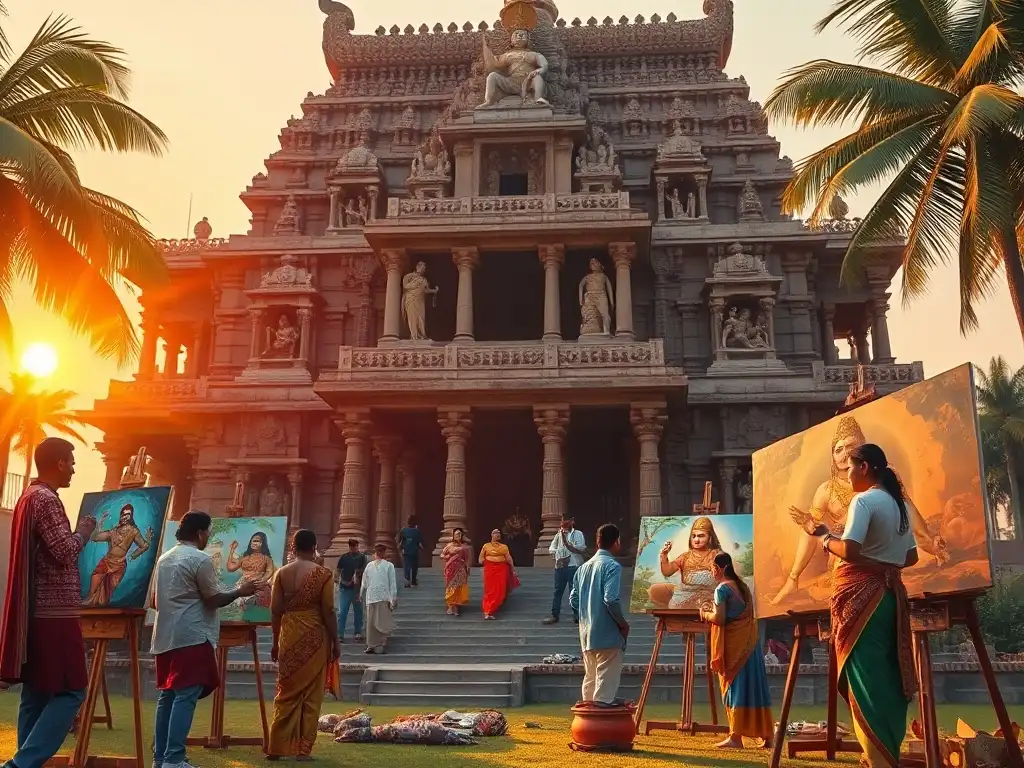
Welcome to Ancient India History, where we embark on a captivating journey through the rich tapestry of India’s past. Today, we delve into the profound influence of the Ramayana on art and literature across centuries. This epic not only shaped the cultural landscape of ancient civilizations but continues to inspire creativity and expression in modern times.
What secrets lie within the verses of this timeless tale? Join us as we explore the artistic legacies born from the Ramayana, and discover how this monumental work has echoed through history, influencing countless generations of artists and writers. Your adventure into the depths of ancient Indian heritage starts here!
Introduction to the Ramayana's Cultural Impact
The Ramayana, penned by the sage Valmiki, is not merely an epic narrative but a profound cultural cornerstone that has shaped the ethos of Indian civilization for centuries. Its themes of duty, righteousness, and devotion resonate deeply within the Indian psyche, transcending geographical and temporal boundaries.
The influence of the Ramayana extends far beyond literature; it has permeated art, dance, theater, and visual media, inspiring generations to explore its rich tapestry of characters and moral dilemmas. As we delve into the Ramayana's influence on art, it becomes evident how this epic has forged a legacy that continues to inspire artists and thinkers across the globe.
Throughout history, the Ramayana has served as a source of inspiration for various art forms, from traditional paintings to contemporary interpretations in theater and cinema. Its characters, particularly Rama and Sita, embody ideals that resonate with universal values, allowing the epic to maintain relevance in diverse cultural contexts. This article aims to uncover the multifaceted influence of the Ramayana on art and literature, shedding light on its enduring legacy and the ways it continues to shape artistic expression.
Overview of the Ramayana: Significance in Ancient Indian Literature
The Ramayana stands as one of the two major Sanskrit epics of ancient Indian literature, alongside the Mahabharata. Composed in the 5th to 4th century BCE, it narrates the life of Lord Rama, his wife Sita, and his loyal companion Hanuman, detailing their adventures and struggles against the demon king Ravana. The narrative is not only a story of heroism and adventure but also a profound exploration of dharma (duty) and the complexities of human relationships.
Key Themes and Characters
- Rama: The ideal man and hero, symbolizing virtue and righteousness.
- Sita: The epitome of chastity and devotion, representing the ideal woman.
- Hanuman: The embodiment of loyalty and devotion, serving as a bridge between the divine and the mortal.
The Ramayana's significance extends beyond its narrative; it serves as a moral compass for society, illustrating the ideals of dharma and ethical conduct. Its teachings have inspired countless adaptations and interpretations in various forms of art, including:
- Classical Dance: Traditional Indian dance forms such as Bharatanatyam and Kathakali often depict scenes from the Ramayana, showcasing its influence on performance arts.
- Visual Arts: The epic has inspired numerous paintings and sculptures, reflecting its themes and characters through vibrant imagery.
- Literary Adaptations: Over the centuries, the Ramayana has been retold in various languages and formats, each interpretation adding layers to its rich narrative.
As we explore the intricate connections between the Ramayana and artistic expressions, we unveil a tapestry of cultural evolution that has significantly impacted both historical and contemporary art forms.
- Introduction to the Ramayana's Cultural Impact
- Overview of the Ramayana: Significance in Ancient Indian Literature
Historical Context of the Ramayana
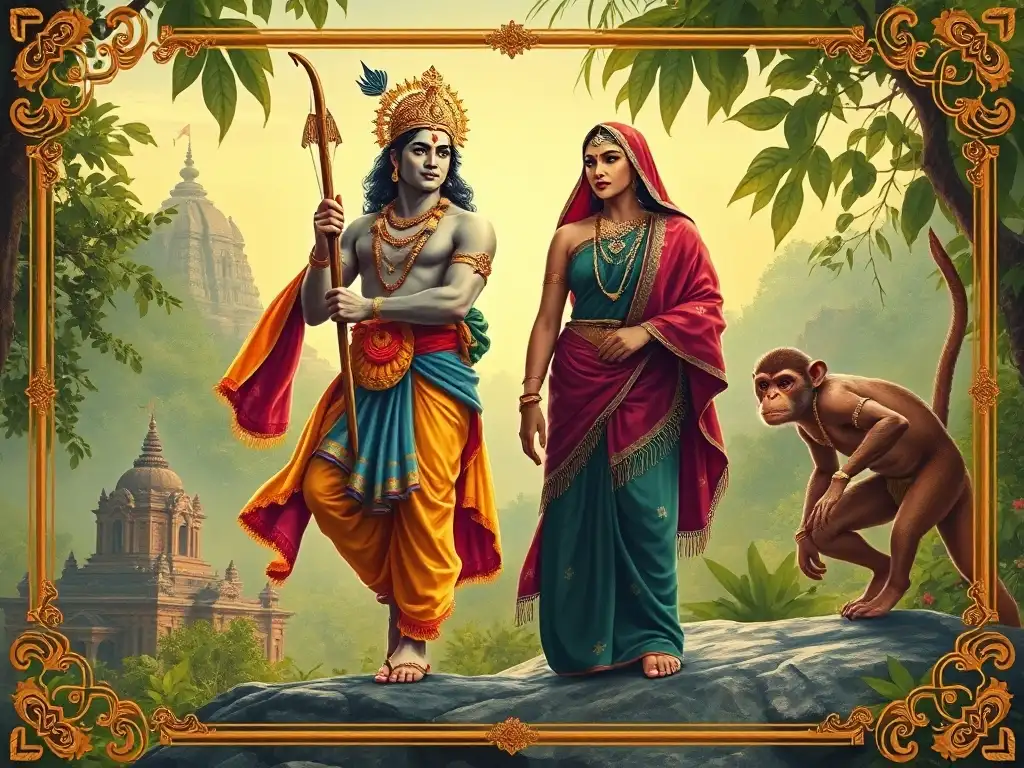
The Ramayana, attributed to the sage Valmiki, is one of the two major Sanskrit epics of ancient Indian literature, the other being the Mahabharata. Composed around the 5th century BCE to the 1st century CE, the Ramayana narrates the life of Prince Rama, his wife Sita, and his loyal companion Hanuman, emphasizing themes of dharma (duty/righteousness), devotion, and the triumph of good over evil.
Key Aspects of Authorship:
- Valmiki: Often referred to as the "Adi Kavi" or the first poet, Valmiki's unique narrative style blends prose with poetic elements, enhancing the epic's emotional depth.
- Oral Tradition: Before being committed to writing, the Ramayana existed as part of an oral tradition, passed down through generations. This fluidity allowed for variations in storytelling, enriching its cultural significance.
- Regional Versions: Over time, numerous retellings emerged across different regions of India and Southeast Asia, each adding local flavors and interpretations. These adaptations further demonstrate the Ramayana's adaptability and enduring relevance.
The Ramayana in the Context of Ancient Indian Civilization
The Ramayana played a crucial role in shaping the cultural and moral landscape of ancient Indian civilization. Its narratives and characters became archetypes that influenced art, literature, and social values throughout the centuries.
Cultural Significance:
- Moral Framework: The story of Rama embodies the ideals of virtue, honor, and duty, serving as a moral compass for individuals and society. The struggles faced by Rama and Sita resonate with themes of loyalty, righteousness, and sacrifice.
- Artistic Inspiration: The Ramayana's vivid imagery and dramatic narratives inspired countless artistic expressions, including:
- Sculpture: Temples and monuments, such as those in Khajuraho and Hampi, feature intricate carvings depicting scenes from the Ramayana.
- Painting: Various art forms, including the Pahari and Mughal schools, illustrate episodes from the epic, showcasing the characters' emotions and ethical dilemmas.
- Literary Influence: The Ramayana's themes and characters have profoundly influenced subsequent literary works, inspiring poets and writers across genres. Notable adaptations include Tulsidas's "Ramcharitmanas" and Kambar's "Kamba Ramayanam," which reflect local cultural nuances while retaining the epic's core values.
The Ramayana's influence on art and literature is a testament to its profound impact on ancient Indian civilization, transcending time and geography while continuing to inspire generations.
Ramayana Influence on Art: A Comprehensive Analysis
The impact of the Ramayana on art is profound and multifaceted, stretching across various forms and styles throughout centuries. This ancient Indian epic has not only shaped the cultural landscape of India but has also inspired artists, sculptors, and performers to express the tales and teachings of Lord Rama and his companions through their respective mediums. This analysis delves into the significant ways the Ramayana has influenced visual and performing arts.
Visual Arts: Paintings and Sculptures Inspired by the Ramayana
Traditional Indian Paintings Depicting Ramayana Scenes
The Ramayana has been a rich source of inspiration for traditional Indian painters, who have depicted its narratives through various regional styles. For instance:
- Madhubani Paintings: Originating from Bihar, these vibrant artworks often portray scenes from the Ramayana. The use of bright colors and intricate patterns brings the stories to life, highlighting characters like Rama, Sita, and Ravana in their iconic poses.
- Pahari Paintings: In the Himalayan regions, Pahari artists have also contributed significantly to the visual representation of the Ramayana. The delicate brushwork and the use of natural pigments create ethereal scenes that capture the emotional depth of the epic.
- Tanjore Paintings: Known for their rich colors and gold foil work, Tanjore paintings from Tamil Nadu frequently feature divine figures from the Ramayana, showcasing the grandeur of the epic's narratives.
These traditional paintings not only celebrate the Ramayana but also serve as a means of cultural storytelling, preserving the values and lessons embedded in the text.
Sculptural Representations in Temples and Monuments
The influence of the Ramayana extends into the realm of sculpture, particularly in temple architecture:
- Temple Carvings: Numerous temples across India are adorned with intricate carvings depicting scenes from the Ramayana. For example, the Brihadeeswarar Temple in Thanjavur features detailed sculptures of Rama and his adventures, showcasing both artistic skill and religious devotion.
- Monumental Statues: Large statues of Rama, Sita, and Hanuman can be found in many public spaces and temples. These sculptures not only serve as focal points for worship but also act as cultural icons that embody the virtues of dharma (righteousness) and devotion.
The sculptural art inspired by the Ramayana reflects the epic's themes, allowing devotees and art enthusiasts to engage with the stories in a tangible form.
Performing Arts: Dance and Theatre Influenced by Ramayana
Classical Dance Forms: Bharatanatyam, Kathak, and Others
The Ramayana has also had a profound influence on classical Indian dance forms, which often interpret its narratives through movement, expression, and music:
- Bharatanatyam: This ancient dance form from Tamil Nadu frequently incorporates Ramayana themes, allowing dancers to express the emotions of characters through intricate footwork and graceful hand gestures (mudras). Performances often depict significant episodes, such as the abduction of Sita or the battles fought by Rama.
- Kathak: Originating from northern India, Kathak dancers narrate Ramayana stories through expressive storytelling, combining fast spins and rhythmic footwork with emotive facial expressions. The dance serves as a dynamic medium to convey the epic's moral lessons.
These classical dance forms not only celebrate the Ramayana but also keep alive the traditions and interpretations of the epic across generations.
Theatrical Adaptations: Ram Leela and Other Performances
The influence of the Ramayana is perhaps most vividly seen in theatrical adaptations that bring the story to life for audiences:
- Ram Leela: This traditional folk performance dramatizes the life of Lord Rama and is typically staged during the festival of Dussehra. Actors reenact key events from the Ramayana, allowing the audience to engage with the narrative in a communal setting.
- Nautanki and Other Folk Theatre: Various regional theatrical forms have also adapted Ramayana stories, using humor and drama to entertain while imparting moral lessons derived from the epic. These performances are characterized by lively music, colorful costumes, and improvisation.
Theatrical adaptations of the Ramayana serve as a means of cultural expression, enabling communities to connect with their heritage while celebrating the timeless themes of love, duty, and righteousness.
The Ramayana's influence on art is a testament to its enduring legacy, shaping not only the artistic expressions of ancient India but also continuing to inspire contemporary artists and performers. Through visual and performing arts, the epic not only narrates the adventures of its characters but also instills a sense of cultural identity and moral values that resonate across generations.
Ramayana Influence on Literature: Echoes Across Centuries
The Ramayana's Impact on Poetic Works
The Ramayana, a timeless epic attributed to the sage Valmiki, has significantly shaped the landscape of poetry throughout centuries. Its themes of duty, righteousness, love, and the eternal battle between good and evil resonate deeply within the realm of poetic expression. This epic has inspired countless poets across various cultures and eras, leading to a rich tapestry of poetic works that reflect its profound influence.
Epic Poets Inspired by the Ramayana
Many epic poets have drawn inspiration from the Ramayana, creating works that echo its narratives and moral dilemmas. Notably, Kambar, a Tamil poet of the 12th century, composed the Kambaramayanam, a retelling that highlights the cultural nuances of Tamil society while preserving the essence of Valmiki's original text. Similarly, in the 16th century, Tulsidas penned the Ramcharitmanas, which not only reinterpreted the Ramayana in the vernacular but also infused it with devotional fervor, making it accessible to a broader audience.
These adaptations illustrate how the Ramayana has transcended geographical boundaries and linguistic barriers, influencing poetic traditions across India and beyond. The themes of sacrifice and devotion in these works have inspired generations of poets, who continue to explore and reinterpret the Ramayana's narratives in their own unique voices.
Modern Poetic Interpretations of Ramayana Themes
In contemporary literature, poets are increasingly revisiting the Ramayana to address modern societal issues. For instance, A.K. Ramanujan and Gulzar have explored the epic's themes of identity, gender, and morality through modern lenses. Their works often juxtapose ancient ideals with contemporary dilemmas, prompting readers to reflect on the relevance of the Ramayana in today's world.
The adaptability of the Ramayana in modern poetry showcases its enduring legacy. Poets use the epic not only as a source of inspiration but also as a framework to critique and analyze contemporary life, thereby ensuring that its influence remains vibrant in the literary landscape.
Prose and Narrative Literature Influenced by the Ramayana
The impact of the Ramayana extends beyond poetry into prose and narrative literature, where its stories and characters continue to captivate audiences. The epic's moral complexities and rich characterizations serve as fertile ground for writers seeking to explore themes of heroism, love, and the human condition.
Retellings and Adaptations in Regional Languages
The Ramayana has been retold and adapted into numerous regional languages, enriching the literary heritage of India. Each adaptation reflects the cultural context of its time, offering unique interpretations of the epic's core themes. For example, the Ramayana in Bengali literature showcases the influence of local customs and beliefs, while adaptations in Marathi and Hindi often emphasize different moral lessons drawn from the narrative.
These retellings not only preserve the essence of the Ramayana but also allow for a diverse range of voices and perspectives. This regional literary tradition highlights how the epic has been embraced and recontextualized across the Indian subcontinent, fostering a sense of shared cultural identity.
The Ramayana's Influence on Modern Fiction and Novels
In modern fiction, the Ramayana continues to inspire novelists who weave its themes into contemporary narratives. Works such as "The Palace of Illusions" by Chitra Banerjee Divakaruni and "Asura: Tale of the Vanquished" by Anand Neelakantan reimagine the Ramayana through the eyes of its characters, offering new perspectives on familiar stories. These novels delve into the motivations and inner lives of figures like Sita and Ravana, challenging traditional interpretations and exploring the complexities of their choices.
Moreover, the Ramayana's narrative structure and archetypal characters have influenced global literature, prompting authors worldwide to draw parallels to their own cultural epics. This cross-cultural engagement underscores the Ramayana's universal themes, which resonate far beyond its Indian origins, marking its place as a cornerstone of world literature.
Cross-Cultural Influence of the Ramayana
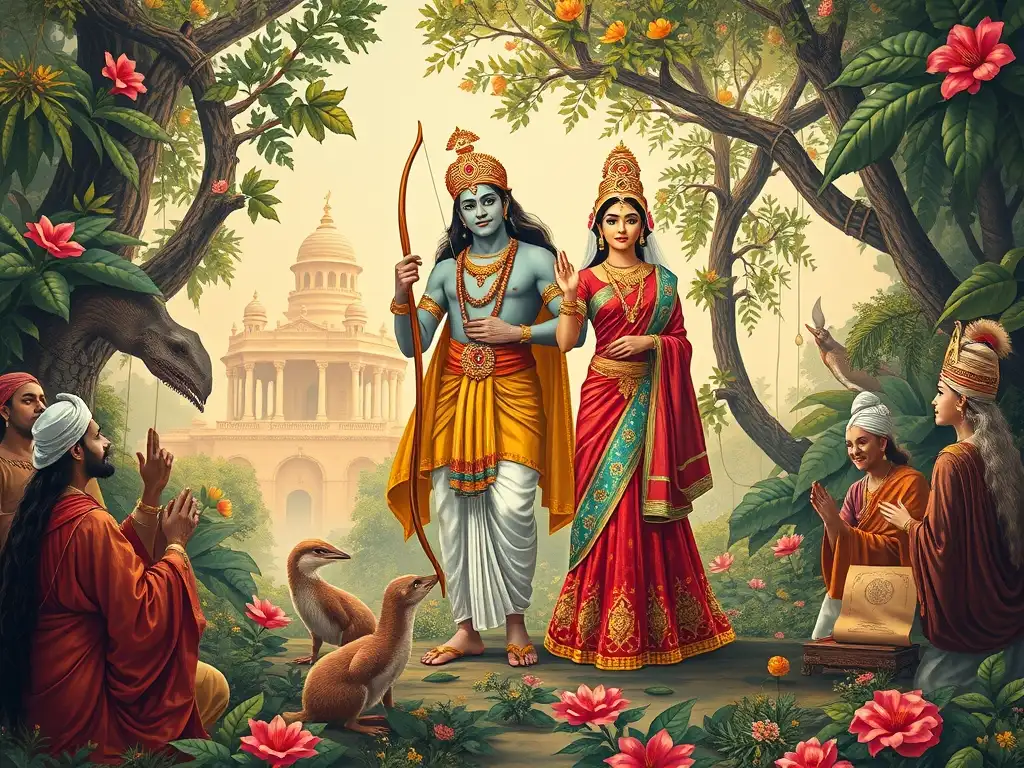
The Ramayana, one of the two great epics of ancient Indian literature, has transcended geographical boundaries and has significantly influenced various cultures, particularly in Southeast Asia. Its themes of duty, honor, and morality resonate universally, making it a rich source of inspiration for artists and writers across different civilizations. The narrative has been adapted in multiple forms, showcasing its ability to integrate with local cultures while retaining its core essence.
The Ramayana in Southeast Asian Art and Literature
The influence of the Ramayana on Southeast Asian art and literature is particularly profound. Countries such as Indonesia, Thailand, and Malaysia have developed their unique adaptations of the epic, reflecting local traditions and artistic styles.
Adaptations in Indonesia, Thailand, and Other Countries
- Indonesia: The Wayang Kulit (shadow puppet) performances in Indonesia are perhaps the most famous adaptation of the Ramayana. In this art form, intricate leather puppets represent characters from the epic, and the performances are accompanied by traditional gamelan music. The Ramayana is often performed during cultural festivals, illustrating moral lessons inherent in the story.
- Thailand: In Thailand, the Ramayana is known as the Ramakien. This adaptation not only retains the narrative of the original epic but also incorporates elements of Thai culture, including local mythology and artistic styles. The Ramakien is depicted in various forms of art, including traditional dance, mural paintings in temples, and theatrical performances, making it an integral part of Thai cultural heritage.
- Cambodia: Similarly, in Cambodia, the Ramayana has been adapted into the Reamker, which reflects the Khmer artistic style in various forms, including classical dance and temple reliefs. The Reamker emphasizes the moral and ethical dimensions of the story, aligning with Cambodian values and beliefs.
The Ramayana's ability to adapt to local contexts while retaining its fundamental themes is a testament to its universal appeal.
Global Influence: The Ramayana Beyond India
The reach of the Ramayana extends well beyond Southeast Asia, influencing various art forms and literary works across the globe. Its themes have inspired countless adaptations, interpretations, and artistic expressions that reflect the values and aesthetic preferences of different cultures.
Ramayana's Impact on Western Literature and Art
- Literary Influence: The Ramayana's narrative structure and moral dilemmas have influenced numerous Western writers. For instance, the themes of good versus evil, as seen in the character of Rama and the demon king Ravana, resonate with Western literature, echoing in the works of authors like John Milton and William Blake. The epic's exploration of heroism, duty, and sacrifice can be seen reflected in various Western literary traditions.
- Artistic Representations: In the realm of visual arts, the Ramayana has inspired artists such as Theodore Chasseriau and Edwin Lord Weeks, who have depicted scenes from the epic in their paintings. These works often interpret the story through a Western lens, showcasing the universal nature of the epic's themes.
- Modern Adaptations: The Ramayana continues to inspire modern adaptations in literature, theater, and film. For example, the graphic novel format has introduced the epic to a new generation of readers, blending contemporary storytelling techniques with traditional narratives.
The Ramayana’s influence on art demonstrates its enduring relevance, bridging cultures and epochs while continuing to inspire new interpretations and adaptations. Through these diverse expressions, the epic remains a vital part of the global cultural landscape, illustrating the interconnectedness of human experience across time and space.
Contemporary Reinterpretations of the Ramayana
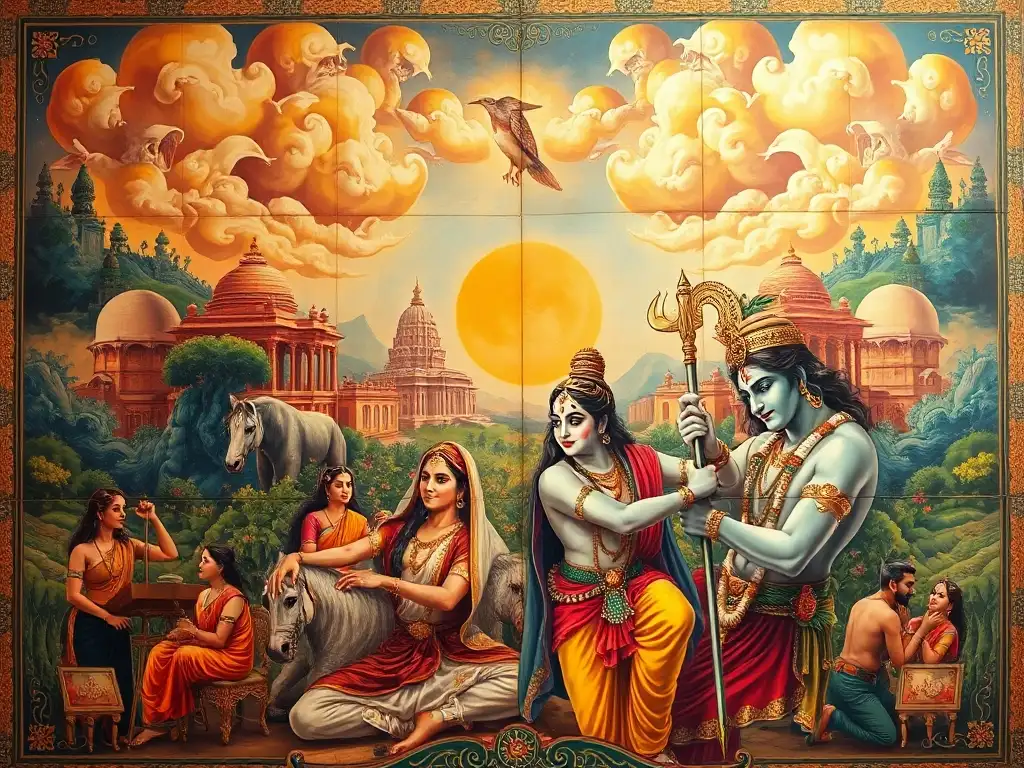
Modern Artistic Expressions: Films, Music, and Digital Media
The Ramayana has transcended its origins, finding new life in various forms of modern artistic expression. From cinematic adaptations to musical compositions and digital media, the influence of this ancient epic is palpable in contemporary culture.
1. Cinematic Adaptations
Films inspired by the Ramayana often reimagine the epic’s characters and themes, presenting them in ways that resonate with today's audiences. Notable examples include:
- "Ramayan: The Epic" (2010): This animated feature film brought the story to a younger audience, using modern animation techniques to visualize the ancient tales.
- "Raavan" (2010): A reinterpretation of the Ramayana, this film explored the story from the perspective of Ravana, challenging traditional views and inviting viewers to empathize with a typically vilified character.
These adaptations highlight the flexibility of the Ramayana, allowing filmmakers to explore complex themes such as morality, justice, and the nature of good and evil.
2. Musical Interpretations
The Ramayana has also inspired a plethora of musical compositions, ranging from classical music to contemporary genres. Artists have created:
- Theatrical performances: Such as Ramleela, where traditional narratives are blended with modern staging and music.
- Popular songs: Many contemporary artists have drawn inspiration from the Ramayana, infusing their music with references to its characters and stories, thereby reaching diverse audiences.
3. Digital Media
In the digital age, the Ramayana has found a new platform through social media and interactive storytelling apps. Engaging formats include:
- Animated series: Platforms like YouTube host a variety of animated retellings that are accessible to global audiences.
- Video games: Developers have created games based on the Ramayana narrative, allowing players to engage with the epic in an interactive manner, thus encouraging younger generations to explore its themes.
These modern artistic expressions not only reflect the enduring relevance of the Ramayana but also showcase how its influence continues to evolve.
Literature in the 21st Century: New Voices and Perspectives on Ramayana
The Ramayana has inspired a significant body of contemporary literature, where authors reinterpret its themes through modern lenses. This resurgence has led to a diverse array of narratives, each offering distinct perspectives on the epic's timeless themes.
1. Retellings and Reimaginings
Contemporary authors have sought to revisit the Ramayana, creating retellings that challenge traditional narratives. For instance:
- "The Ramayana: A New Translation" by Ramesh Menon: This version presents the epic in a modern prose format, making it accessible to a broader audience while remaining faithful to the original story.
- "Asura: Tale of the Vanquished" by Anand Neelakantan: This novel narrates the story from Ravana’s perspective, inviting readers to empathize with the antagonist and explore the complexity of his character.
These retellings emphasize the multifaceted nature of the characters, encouraging readers to consider alternative viewpoints and challenge established beliefs.
2. Thematic Explorations
Modern authors are also exploring contemporary themes through the lens of the Ramayana. Issues such as:
- Gender roles: Many works examine the portrayal of female characters, such as Sita, critiquing traditional representations and exploring their agency.
- Moral dilemmas: Authors engage with the epic's ethical questions in the context of modern society, prompting readers to reflect on issues like justice and duty.
3. Diverse Voices
The Ramayana continues to inspire a diverse array of authors from various backgrounds, including those from marginalized communities. Writers are using their unique perspectives to reinterpret the epic, enriching its narrative tapestry. This diversity is crucial in:
- Broadening the discourse: Highlighting voices that have historically been excluded from mainstream retellings.
- Encouraging cultural dialogue: These new interpretations foster discussions about identity, tradition, and the relevance of ancient narratives in contemporary society.
Through these new voices and perspectives, the Ramayana remains a dynamic source of inspiration, continuing to influence literature in profound ways.
Conclusion: The Enduring Legacy of the Ramayana's Influence on Art and Literature
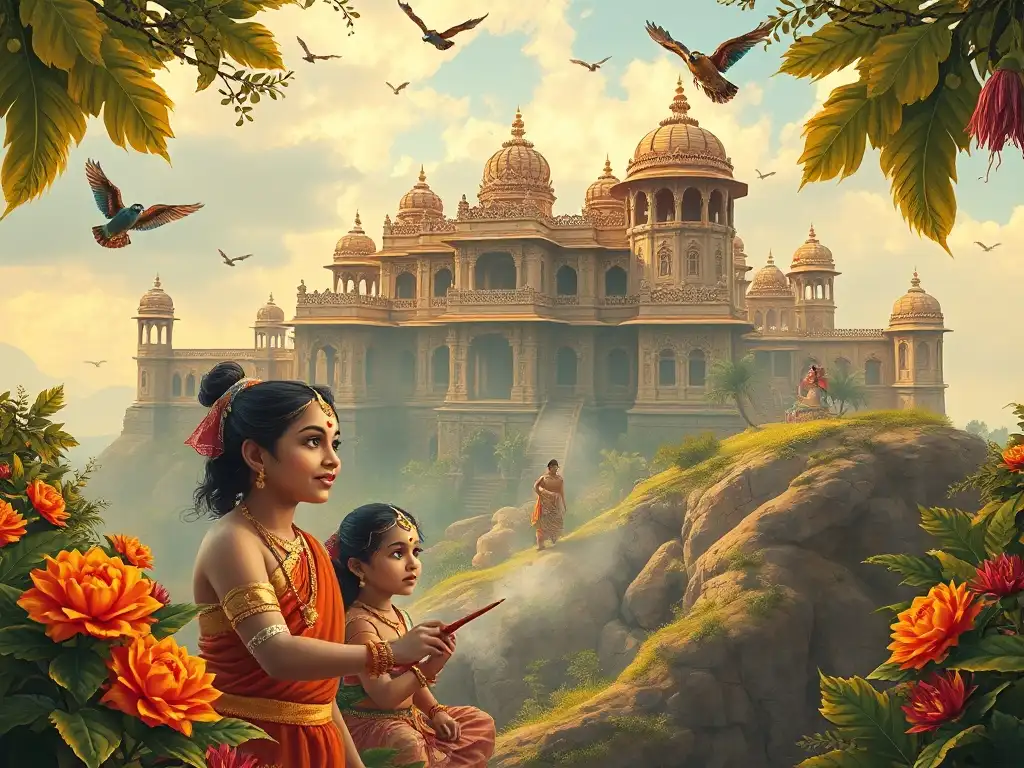
The Ramayana, one of the two great epics of ancient Indian literature, has left an indelible mark on the artistic and literary landscapes across centuries. Its narratives, characters, and moral lessons have transcended time, influencing art forms and literary styles not just in India but across Southeast Asia and beyond. From intricate temple carvings to contemporary storytelling, the Ramayana's themes of duty, righteousness, and devotion continue to resonate with audiences, serving as a timeless source of inspiration.
Reflection on the Ramayana's Role in Shaping Cultural Narratives
The Ramayana's influence on art is profound, as it has provided a framework for cultural narratives that inform and reflect societal values.
- Visual Arts: In the realm of visual arts, the Ramayana has inspired countless paintings, sculptures, and murals. For instance:
- Miniature Paintings: Artists from the Mughal era created exquisite miniature paintings depicting scenes from the Ramayana, showcasing vibrant colors and intricate details.
- Temple Architecture: Many temples across India feature elaborate carvings illustrating scenes from the epic, which serve both decorative and didactic purposes.
- Performing Arts: The narratives of the Ramayana have also permeated performing arts such as dance and theatre:
- Kathakali: This classical dance form of Kerala often portrays characters and stories from the Ramayana, using elaborate costumes and facial expressions to convey deep emotions.
- Ram Leela: The theatrical reenactments of the Ramayana during festivals engage communities and keep the epic's teachings alive through performance.
- Literary Influence: The Ramayana has influenced numerous literary works, inspiring poets and writers:
- Translations and Adaptations: Various regional adaptations and translations, such as the Kamba Ramayanam in Tamil, showcase the epic's adaptability and enduring relevance.
- Modern Literature: Contemporary authors continue to draw inspiration from the Ramayana, reinterpreting its themes in new contexts, thereby ensuring its legacy persists in modern storytelling.
Future Trends: The Ramayana in Contemporary Art and Literature
As society evolves, so too does the interpretation of the Ramayana, leading to innovative expressions in art and literature.
- Digital Art: The rise of digital technology has facilitated new forms of artistic expression:
- Graphic Novels: Artists are creating graphic novels that retell the Ramayana, making it accessible to younger audiences while preserving its core messages.
- Animation: Animated adaptations have gained popularity, bringing the epic's characters and stories to life in engaging formats suitable for all ages.
- Global Influence: The Ramayana's influence is not limited to Indian culture; it is increasingly recognized in global art and literature:
- Cross-Cultural Collaborations: Artists and writers from diverse backgrounds are exploring themes from the Ramayana, integrating them into their own cultural narratives.
- Interdisciplinary Approaches: Scholars are examining the Ramayana through various lenses, including gender studies, post-colonial theory, and environmental studies, broadening its relevance in contemporary discourse.
References and Further Reading on Ramayana Influence on Art and Literature
To delve deeper into the Ramayana's profound impact on art and literature, consider exploring the following resources:
- Books:
- The Ramayana: A New Translation by Robert Alter
- Ramayana: The Game of Life series by Shubha Vilas
- Articles:
- "The Ramayana and Its Influence on Indian Art" - A scholarly article exploring various art forms influenced by the epic.
- "Reimaginings of the Ramayana in Contemporary Literature" - An examination of modern adaptations and interpretations.
- Online Resources:
- Digital archives and libraries that focus on ancient texts and their artistic representations.
- Websites dedicated to Indian classical arts, offering insights into performances and exhibitions inspired by the Ramayana.
By studying these resources, one can gain a richer understanding of how the Ramayana continues to inspire and shape artistic and literary expressions, ensuring its legacy remains vibrant for generations to come.
Frequently Asked Questions
What is the Ramayana?
The Ramayana is an ancient Indian epic that narrates the life of Prince Rama, his wife Sita, and his loyal companion Hanuman. It holds a significant place in Indian literature and culture.
How has the Ramayana influenced art?
The Ramayana's influence on art is profound, inspiring countless paintings, sculptures, and performing arts. Artists and artisans have drawn from its themes, characters, and narratives for centuries.
Can you name some art forms influenced by the Ramayana?
Several art forms such as classical dance, theater, miniature paintings, and folk arts have been significantly influenced by the Ramayana, showcasing its cultural impact.
What role does the Ramayana play in literature?
The Ramayana has inspired various literary works, adaptations, and retellings across different languages and cultures, enriching literary traditions and contributing to the global narrative landscape.
Why is the Ramayana considered important for understanding ancient Indian civilizations?
The Ramayana reflects the values, beliefs, and social structures of ancient Indian civilizations, making it a vital text for understanding the cultural history and philosophies of the time.
Final Reflection: The Enduring Legacy of the Ramayana in Art and Literature
The Ramayana's influence on art and literature is not merely a historical footnote; it is a vibrant thread woven into the fabric of contemporary culture. As we explore the myriad ways this epic has shaped artistic expression and storytelling across centuries, we recognize its profound relevance today. The Ramayana continues to inspire artists, writers, and creators, reminding us that the power of narrative transcends time and geography. Its themes of duty, love, and righteousness resonate deeply in our modern world, urging us to reflect on our own values and choices.
Cultural landscapes are continually enriched by the echoes of the Ramayana, which serve as a bridge connecting generations and communities. The stories and characters from this epic have not only influenced traditional art forms but have also sparked innovative interpretations in contemporary media. As the renowned poet T.S. Eliot once said, "> The only way to express the inexpressible is to create." This sentiment encapsulates the essence of the Ramayana's impact—its ability to inspire creation and reinterpretation, allowing each generation to find new meaning and relevance in its timeless narratives.
As we conclude our exploration of the Ramayana's influence, I invite you to reflect on how these ancient stories can inform your own life and creative endeavors. Consider the values and lessons embedded within the epic and how they can inspire you to express your own truths through art and literature. Let the Ramayana be a source of inspiration, encouraging you to create, share, and connect with others in a world that often craves deeper understanding and connection. Embrace the legacy of the Ramayana and allow it to guide your journey in the realms of creativity and self-discovery.
🌟 Unveil the Timeless Influence of the Ramayana!
Thank you for diving into the rich tapestry of the Ramayana’s influence on art and literature with us! You've explored how this epic has shaped cultures and inspired creativity across generations. Now, it's time to take that inspiration and put it into action.
Here are some exciting steps you can take:
- Participate in a local storytelling circle or book club that focuses on timeless epics, and share your thoughts on the Ramayana with others.
- Visit an art gallery or museum showcasing artwork inspired by the Ramayana, or explore online exhibits that highlight its impact on various art forms.
- Create your own piece of art or write a short story inspired by themes from the Ramayana, and share it on social media to inspire others!
As you reflect on the Ramayana, consider this: How has this epic narrative influenced your perspectives on art and storytelling in your own life? We’d love to hear your thoughts!