
The Mahabharata: Analyzing the Role of Fate and Destiny

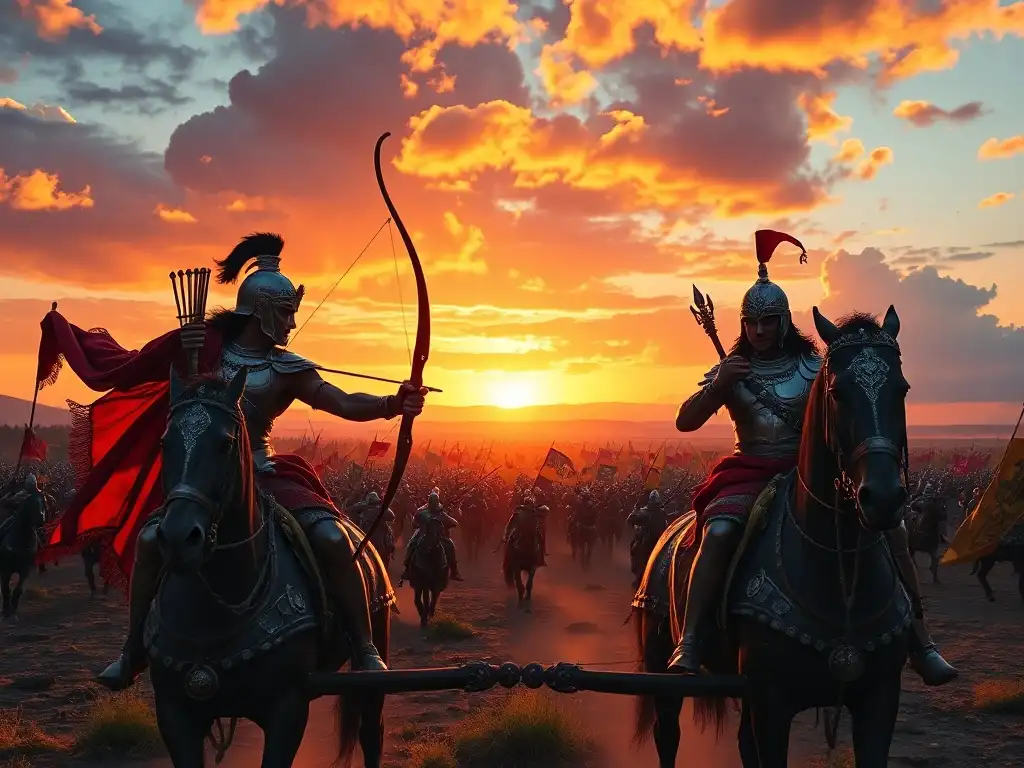
Welcome to Ancient India History, where we embark on a journey through the rich tapestry of India's past. Here, we dive deep into the intricate layers of epic literature, shining a spotlight on the Mahabharata, one of the greatest narratives ever crafted. In our featured article, "The Mahabharata: Analyzing the Role of Fate and Destiny," we unravel the complex interplay between fate and destiny that shapes the characters and events of this monumental epic. What forces guide the heroes of the Mahabharata?
Are their fates sealed, or can they alter their destinies? Join us as we explore these profound questions and discover the timeless wisdom embedded in ancient texts. Prepare to be captivated!
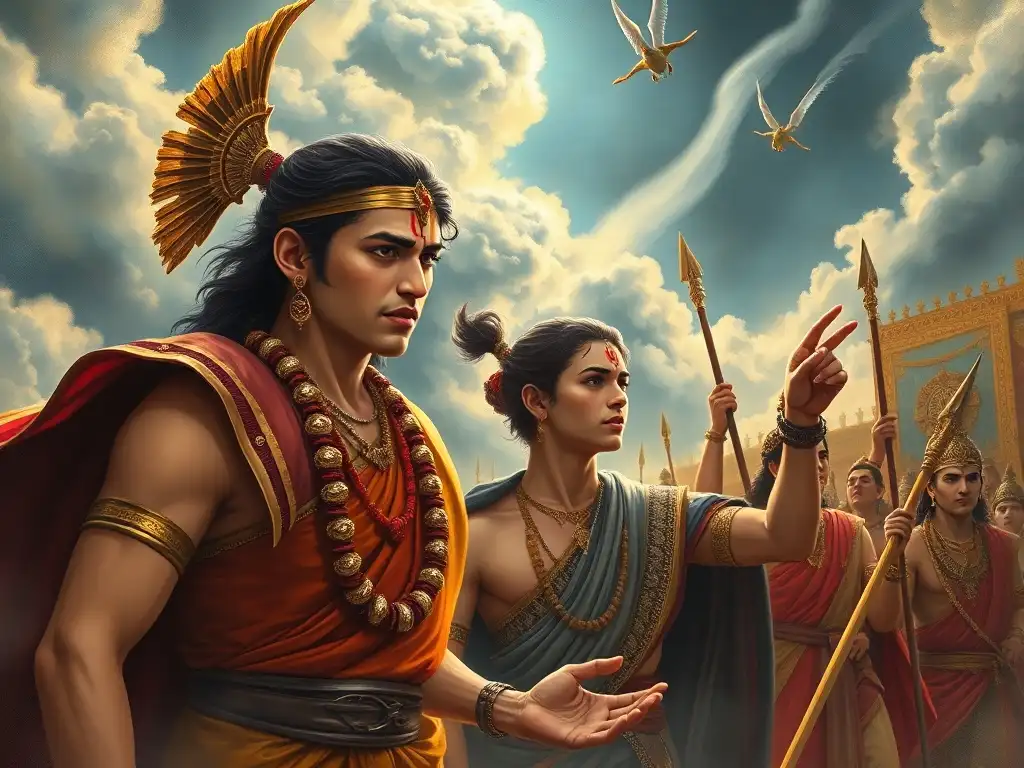
The Mahabharata, one of the longest epic poems in world literature, is not just a narrative of the great Kurukshetra War and the fateful events surrounding it; it is a profound exploration of complex themes such as fate and destiny. This epic, which seamlessly intertwines philosophy, morality, and mythology, serves as a mirror reflecting the intricacies of human life and the forces that govern it. By delving into the Mahabharata fate and destiny analysis, we can uncover how these elements shape the lives of its characters and the overarching narrative.
In this article, we will explore the concept of fate as it is portrayed in the Mahabharata, examining key characters, significant events, and the philosophical implications that arise from this timeless tale. Understanding the role of fate and destiny in this epic not only enriches our comprehension of the story but also invites us to reflect on the broader questions of free will, moral responsibility, and the nature of existence.
Introduction to the Mahabharata
Overview of the Mahabharata Epic
The Mahabharata is more than just a story of war; it encompasses a vast array of narratives, teachings, and philosophical discourses. Authored by the sage Vyasa, the epic consists of over 100,000 slokas (verses) and is divided into 18 parvas (books). At its core lies the conflict between two families, the Pandavas and the Kauravas, but it also includes intricate subplots involving various characters, divine interventions, and moral dilemmas.
The central narrative is interwoven with teachings such as the Bhagavad Gita, a philosophical dialogue between Prince Arjuna and Lord Krishna, which addresses the ethics of duty and righteousness. Through its multifaceted exploration of human emotions, aspirations, and conflicts, the Mahabharata remains a timeless reflection on life and the forces that shape it.
Importance of Fate and Destiny in Indian Epics
Fate and destiny hold significant places in Indian thought, especially within epic literature. These concepts often serve as guiding principles that influence the characters' actions and decisions. In the context of the Mahabharata, fate is not merely a predetermined path; it is intertwined with the characters' choices, moral responsibilities, and the cosmic order.
The dialectic between fate and free will is a recurrent theme in Indian epics, where characters frequently grapple with their destinies. This exploration serves to illustrate the broader philosophical inquiries into the nature of human existence, the divine, and the moral universe. As we analyze the Mahabharata, we will uncover how fate acts as a driving force, often leading to unexpected outcomes that challenge the characters' understanding of their roles in the grand scheme of life.
The Concept of Fate in the Mahabharata
Definition and Significance of Fate
Fate, as portrayed in the Mahabharata, can be defined as the predetermined course of events that influences the lives of the characters. It embodies the notion of karma, where past actions dictate present circumstances. This interplay between fate and individual actions emphasizes that while destiny may be set, the choices made along the way are equally crucial.
The significance of fate in the epic is profound. It serves as a reminder of the limitations of human agency, while also highlighting the importance of moral choices. The characters’ struggles against their fates often lead to poignant moments of realization and transformation, reflecting the philosophical depth of the narrative.
Key Characters Representing Fate
Several characters in the Mahabharata embody the concept of fate, each illustrating different aspects of this theme:
- Krishna: Often viewed as the divine orchestrator, Krishna guides the characters, helping them navigate their fates while emphasizing the importance of moral duty.
- Kunti: The mother of the Pandavas, Kunti's decisions significantly shape the destinies of her sons, demonstrating how individual choices can interact with fate.
- Duryodhana: The leader of the Kauravas, Duryodhana's unwavering ambition and refusal to accept his fate lead to tragic consequences, illustrating the dangers of ignoring moral boundaries.
These characters, among others, showcase the complex relationship between human effort and the overarching forces of fate, providing a rich tapestry for analysis.
Instances of Fate in Major Plot Events
The Mahabharata is replete with instances where fate plays a pivotal role in shaping the narrative:
- The Game of Dice: The fateful game between the Pandavas and Kauravas serves as a turning point, where the stakes lead to the exile of the Pandavas, setting in motion the events of the war.
- Bhishma’s Vow: Bhishma's commitment to celibacy and his subsequent role in the conflict highlight how personal vows can intertwine with fate, affecting the destinies of multiple characters.
- Arjuna’s Dilemma: At the battlefield, Arjuna's internal conflict about fighting his relatives showcases the struggle between personal desires and the duties dictated by fate.
Through these examples, we see how fate is intricately woven into the fabric of the Mahabharata, prompting readers to contemplate the effects of destiny on human life and the moral complexities inherent in our choices.
The Role of Destiny in the Mahabharata
The Mahabharata is a profound exploration of destiny and its implications on the lives of its characters. Destiny, as portrayed in this epic, is not just a predetermined path but an intricate web of choices, actions, and consequences that shape the course of events.
The narrative delves into the idea that while destiny may set the stage for certain outcomes, the characters' responses to their circumstances play a crucial role in realizing their fates. This complex interplay raises questions about the nature of fate and the extent of human agency, inviting readers to ponder the philosophical implications of their own lives.
Understanding Destiny in the Context of the Epic
In the Mahabharata, destiny is often depicted as a divine force, intricately woven into the fabric of life. It is not merely a passive experience but an active process that engages characters in a moral and ethical struggle. This epic suggests that understanding one's destiny requires wisdom and self-awareness.
The characters, particularly the Pandavas and Kauravas, grapple with their destinies, showcasing how individual choices can align or clash with the broader tapestry of fate. The concept of Dharma, or righteous duty, further complicates the understanding of destiny, as characters must navigate their roles within the constraints of societal expectations and personal morals.
Characters and Their Destinies
Each character in the Mahabharata embodies distinct destinies, often influenced by their lineage, choices, and the overarching divine plan. For instance, Arjuna, the valiant prince, faces the burden of his destiny when called upon to fight against his relatives in the Kurukshetra war. His reluctance and subsequent enlightenment underscore the struggle between personal desires and the responsibilities dictated by destiny. Conversely, Duryodhana, driven by ambition and jealousy, embraces a path that ultimately leads to his downfall. The epic illustrates that while destiny shapes a character's journey, their interpretations and decisions significantly affect the outcome of their lives.
The Interplay Between Destiny and Free Will
The Mahabharata offers a nuanced perspective on the relationship between destiny and free will, suggesting that while destiny provides a framework, individual choices can alter the course of events. Characters often find themselves at crossroads where they must choose between adhering to their predetermined roles or exercising free will. For example, Karna, born to a lowly charioteer yet destined for greatness as a warrior, continually grapples with his identity and the societal limitations imposed upon him.
His choices, driven by loyalty and honor, ultimately lead him to fulfill his tragic destiny. This interplay emphasizes that destiny and free will are not mutually exclusive but rather interconnected forces that shape the human experience.
Fate vs. Destiny: A Comparative Analysis
The concepts of fate and destiny, while often used interchangeably, possess distinct meanings within the context of the Mahabharata. Understanding these differences enhances the analysis of character motivations and the epic's overarching themes.
Differences Between Fate and Destiny
Fate is often perceived as an unchangeable force, a predetermined end that individuals cannot escape. In contrast, destiny encompasses the paths one may take to reach that end, influenced by personal choices and moral decisions. In the Mahabharata, fate may dictate the outcome of the war, but destiny allows characters to navigate their journeys with agency, highlighting the tension between the two concepts. This distinction is crucial in understanding the moral dilemmas faced by characters, suggesting that while fate may be inevitable, destiny is shaped by individual actions.
How Fate and Destiny Influence Character Actions
The influence of fate and destiny on character actions is a central theme in the Mahabharata. Characters often find themselves confronting their fates, which compel them to act in ways that either align with or challenge their destinies. For instance, Yudhishthira, the eldest Pandava, is bound by his sense of duty and truth, which ultimately guides his actions throughout the epic, even when faced with dire consequences.
In contrast, Shakuni, who embodies deceit and manipulation, represents a rejection of honorable destiny, leading to his tragic fate. Thus, the actions of characters are significantly informed by their understanding and acceptance of their fates and destinies, illustrating the dynamic interplay at work within the narrative.
Examples of Fate and Destiny Intersecting in the Mahabharata
Numerous instances in the Mahabharata highlight the intersection of fate and destiny, illustrating how they shape the narrative's progression. One prominent example is the fateful encounter between Karna and Arjuna during the Kurukshetra war. Their destinies are intertwined through their shared lineage and the events leading to the battle. Despite Karna's extraordinary skills, his fate as a tragic hero is sealed by the choices he makes throughout his life, including his loyalty to Duryodhana.
Another significant instance is the role of Lord Krishna, who embodies divine intervention in guiding the characters toward their destinies. His counsel to Arjuna during the Bhagavad Gita serves as a pivotal moment, where fate and destiny converge, providing Arjuna the clarity needed to fulfill his role in the epic. These examples underscore the complexity of the themes of fate and destiny, as characters navigate their paths within the larger cosmic order of the Mahabharata.
Philosophical Perspectives on Fate and Destiny
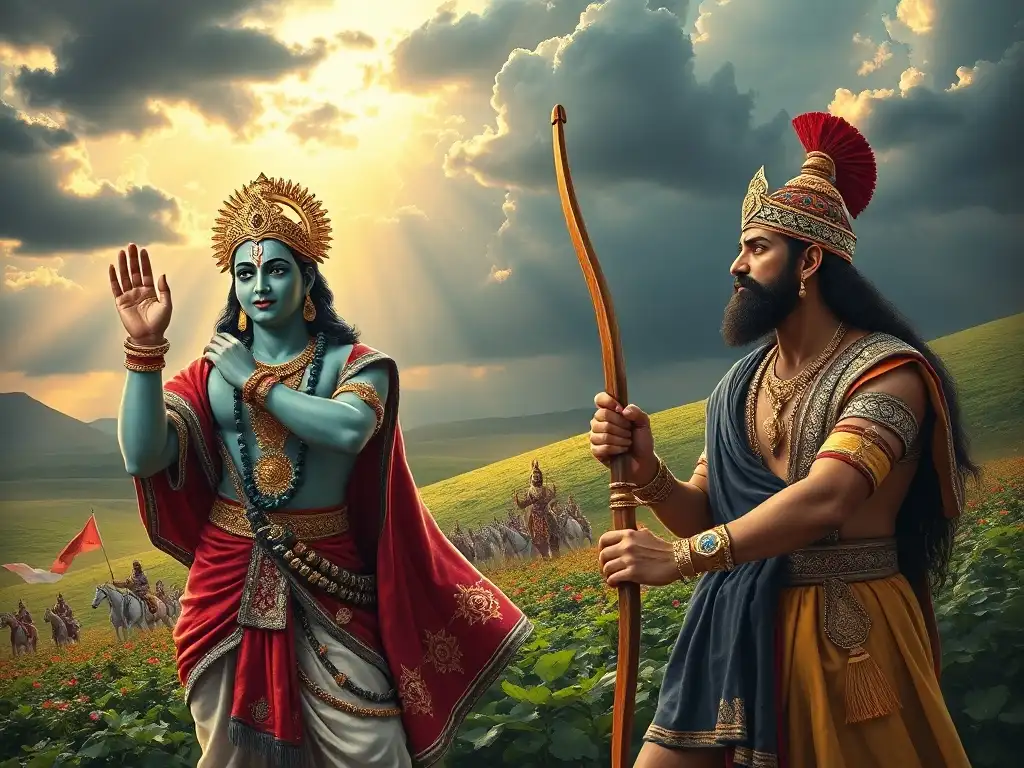
The Mahabharata, one of the most celebrated epics in Indian literature, intricately weaves the concepts of fate and destiny throughout its narrative. These themes are not just central to the plot but also offer profound philosophical insights into the human condition. The epic's characters frequently grapple with their predetermined fates while navigating the moral complexities of their choices. This philosophical exploration invites readers to reflect on the delicate balance between free will and destiny, urging them to consider how these forces shape individual lives and larger historical narratives.
Ancient Indian Philosophical Views on Fate
In ancient Indian philosophy, the concept of fate is closely linked to the notions of karma and dharma. Karma refers to the law of cause and effect, suggesting that individuals' actions in past lives influence their current circumstances. This idea is foundational to understanding one's fate in the Mahabharata. The epic presents characters who face the consequences of their past deeds, illustrating the inevitability of fate as shaped by karma.
Moreover, various philosophical schools, such as Samkhya and Advaita Vedanta, offer differing perspectives on fate. Samkhya posits a dualistic view of reality, where purusha (consciousness) and prakriti (matter) interact, suggesting that individuals have agency in shaping their destinies. In contrast, Advaita Vedanta emphasizes the illusion of individuality, proposing that ultimate reality transcends personal fate. These philosophical frameworks enrich the narrative of the Mahabharata, highlighting the tension between predestination and individual agency.
The Role of Dharma in Shaping Destiny
Dharma, or righteous duty, plays a pivotal role in the Mahabharata's exploration of fate and destiny. The epic illustrates how adhering to one's dharma can influence the course of events, suggesting that while fate may be predetermined, the choices individuals make within their dharma can alter their destinies. Characters such as Yudhishthira and Arjuna exemplify this struggle, as they navigate moral dilemmas that test their commitment to dharma amidst the unfolding events of war and conflict.
The Mahabharata also emphasizes that dharma is not a rigid concept; it is dynamic and context-dependent. The decisions made by characters often reflect the complexities of fulfilling one's duties in a morally ambiguous world. This fluidity reinforces the idea that while fate may dictate certain outcomes, the active pursuit of dharma allows for a degree of agency, thereby shaping individual destinies.
Modern Interpretations of Fate and Destiny in the Mahabharata
Contemporary interpretations of the Mahabharata have further expanded the discourse on fate and destiny. Scholars and literary critics analyze the epic through various lenses, including feminist, post-colonial, and psychoanalytic perspectives, each offering unique insights into how these themes resonate within modern contexts. For example, feminist interpretations may focus on the female characters' struggles against societal norms and their navigation of destiny, thereby highlighting the intersection of gender and fate.
Additionally, modern adaptations in literature, cinema, and theater continue to explore these themes, often reimagining the characters' relationships with fate and destiny in light of contemporary societal issues. The enduring relevance of the Mahabharata in today's world serves as a testament to its rich philosophical underpinnings and the universal questions it raises about human existence.
Conclusion: The Impact of Fate and Destiny on the Mahabharata's Themes
The themes of fate and destiny are woven intricately into the fabric of the Mahabharata, shaping its narrative and characters' journeys. The epic challenges readers to reflect on the nature of fate, the weight of past actions, and the moral complexities of choices made in pursuit of dharma. Through its exploration of these themes, the Mahabharata remains a profound philosophical text that continues to inspire contemplation on the human experience.
Summary of Key Insights on Fate and Destiny
The Mahabharata presents a multifaceted analysis of fate and destiny, underscoring the interplay between karma, dharma, and individual choices. Characters are often confronted by their fates, yet their adherence to dharma reveals the potential for agency within a predetermined framework. This intricate balance invites readers to ponder the broader implications of fate in their own lives.
The Legacy of Fate and Destiny in Indian Literature
The legacy of fate and destiny as depicted in the Mahabharata has significantly influenced Indian literature and philosophy. Subsequent literary works have drawn inspiration from these themes, exploring the moral implications of fate and the human struggle against it. The enduring nature of these concepts continues to resonate within Indian culture, reflecting the collective consciousness of a civilization that deeply values the philosophical inquiries posed by its ancient texts. As a result, the Mahabharata not only serves as a historical narrative but also as a timeless exploration of the complexities of fate and destiny in shaping human lives.
Further Reading on Mahabharata and Indian Epic Literature
The Mahabharata is not just a monumental epic; it is a rich tapestry of philosophical, religious, and cultural insights. For those eager to delve deeper into its intricate themes, especially the concepts of fate and destiny, a variety of resources are available. These texts span across critical analyses, retellings, and scholarly works that explore the multifaceted dimensions of the Mahabharata and its place within the broader spectrum of Indian epic literature.
Recommended Books and Articles on the Mahabharata
-
The Mahabharata: A Modern Rendering by Ramesh Menon
This retelling of the Mahabharata captures the essence of the original text while making it accessible to contemporary readers. Menon’s narrative retains the epic’s complexity, emphasizing themes of fate and destiny through its characters' journeys.
-
The Mahabharata translated by John D. Smith
Smith’s translation offers a comprehensive view of the original Sanskrit text, accompanied by detailed notes and commentary. His work is particularly useful for understanding the philosophical undercurrents that inform the epic’s perspective on fate.
-
Fate and Free Will in the Mahabharata by R. A. P. Varma
This critical analysis examines the dichotomy of fate and free will within the narrative, exploring how characters navigate their destinies amidst divine intervention and personal choices.
-
The Mahabharata: An Inquiry in the Human Condition by M. N. Srinivas
This scholarly article discusses the moral and ethical dilemmas faced by the characters in the Mahabharata, focusing on how these struggles reflect larger questions of fate and destiny in human life.
-
Epic India: The Mahabharata in Context by N. S. Ghosh
Ghosh’s work situates the Mahabharata within the context of Indian epic literature, analyzing its influence on culture, philosophy, and the arts through the lens of fate and destiny.
Related Topics in Indian Epic Literature
-
The Ramayana
Another cornerstone of Indian epic literature, the Ramayana shares thematic similarities with the Mahabharata, particularly in exploring fate and moral duty. Discussions around the characters' destinies offer rich insights into the human condition.
-
Dharma and Morality in Indian Epics
A critical examination of how the concepts of dharma (duty/righteousness) intersect with fate and destiny in the Mahabharata and the Ramayana, showcasing the ethical frameworks that guide the characters' decisions.
-
Mythological Interpretations of Fate
Analyzing how fate is portrayed in various Indian myths and epics, including the Mahabharata and other texts, provides a broader understanding of the cultural narratives surrounding destiny.
-
Comparative Studies of Epic Literature
Exploring the Mahabharata alongside other global epics, such as the Iliad and Odyssey, can reveal unique perspectives on fate and destiny, highlighting both universal themes and culturally specific interpretations.
These resources and topics will enhance your understanding of the Mahabharata and its intricate exploration of fate and destiny, allowing for a deeper appreciation of its literary and philosophical significance in ancient Indian history.
- Introduction to the Mahabharata
- The Concept of Fate in the Mahabharata
- The Role of Destiny in the Mahabharata
- Fate vs. Destiny: A Comparative Analysis
- Philosophical Perspectives on Fate and Destiny
- Conclusion: The Impact of Fate and Destiny on the Mahabharata's Themes
- Further Reading on Mahabharata and Indian Epic Literature
- What is the significance of the Mahabharata in ancient Indian history?
- How does the Mahabharata address the concept of fate?
- In what ways does the Mahabharata explore destiny?
- What are some key characters whose fates are pivotal in the Mahabharata?
- How can we apply the lessons of fate and destiny from the Mahabharata to modern life?
Frequently Asked Questions
What is the significance of the Mahabharata in ancient Indian history?
The Mahabharata is a key text in ancient Indian literature, offering insights into the cultural, philosophical, and moral foundations of Indian society. Its stories explore complex themes of fate and destiny.
How does the Mahabharata address the concept of fate?
The Mahabharata illustrates that fate often intertwines with human choices, depicting characters who struggle against their destinies while also being influenced by divine forces and cosmic laws.
In what ways does the Mahabharata explore destiny?
The epic presents destiny as a powerful force that shapes the lives of its characters, emphasizing that even the most heroic efforts can be thwarted by predetermined outcomes and divine intervention.
What are some key characters whose fates are pivotal in the Mahabharata?
Characters like Arjuna, Karna, and Draupadi face significant challenges tied to their fates, showcasing how their choices lead to tragic outcomes, thus enriching the narrative's exploration of destiny.
How can we apply the lessons of fate and destiny from the Mahabharata to modern life?
The Mahabharata encourages reflection on the balance between personal agency and external forces, reminding us that while we can strive for our goals, fate may ultimately shape our journeys.
Final Reflection: Embracing the Dance of Fate and Destiny in the Mahabharata
In exploring the intricate tapestry of fate and destiny within the Mahabharata, we uncover timeless truths that resonate profoundly in our contemporary lives. The epic's portrayal of characters grappling with their predetermined paths serves as a powerful reminder that while we may not control the circumstances we face, our responses to them define our journey. The Mahabharata teaches us that understanding fate is not about resignation but about embracing the complexities of life with courage and wisdom.
The influence of the Mahabharata extends far beyond its narrative; it shapes our cultural and social landscape by prompting us to reflect on our own destinies. As we navigate our lives, the lessons of the epic encourage us to recognize the interplay between free will and fate. The characters' struggles with their choices and the consequences that follow echo in our own experiences, reminding us that we are both authors and actors in our life's story. The greatest warrior is not he who wins the battle, but he who knows how to navigate the tides of fate.
As we conclude this exploration, I invite you to reflect on your own journey through the lens of fate and destiny. Consider how the lessons from the Mahabharata can inspire you to embrace your challenges and choices with resilience and grace. Let this ancient wisdom guide you in recognizing that while fate may set the stage, it is your actions and decisions that ultimately shape the narrative of your life. Embrace the dance of fate and destiny, and let it lead you to a future filled with purpose and meaning.
Embrace Your Destiny and Explore the Mahabharata!
Thank you for diving into the intricate themes of fate and destiny within the Mahabharata! You've uncovered valuable insights into how these concepts shape the narrative and character motivations. Now, it's time to take your exploration further!
- Delve Deeper: Select a character from the Mahabharata and reflect on how fate influenced their decisions and actions.
- Join the Conversation: Engage with our community forum to discuss how destiny is portrayed in ancient literature.
- Spread the Knowledge: Share this article with friends or on social media—let's ignite a discussion about the timeless themes of the Mahabharata!
As you consider these actions, reflect on this question: How do the themes of fate and destiny in the Mahabharata resonate with the challenges we encounter in our own lives today? Let's keep this conversation going!