
Ramayana vs. Mahabharata: Understanding the Differences in Epic Narratives

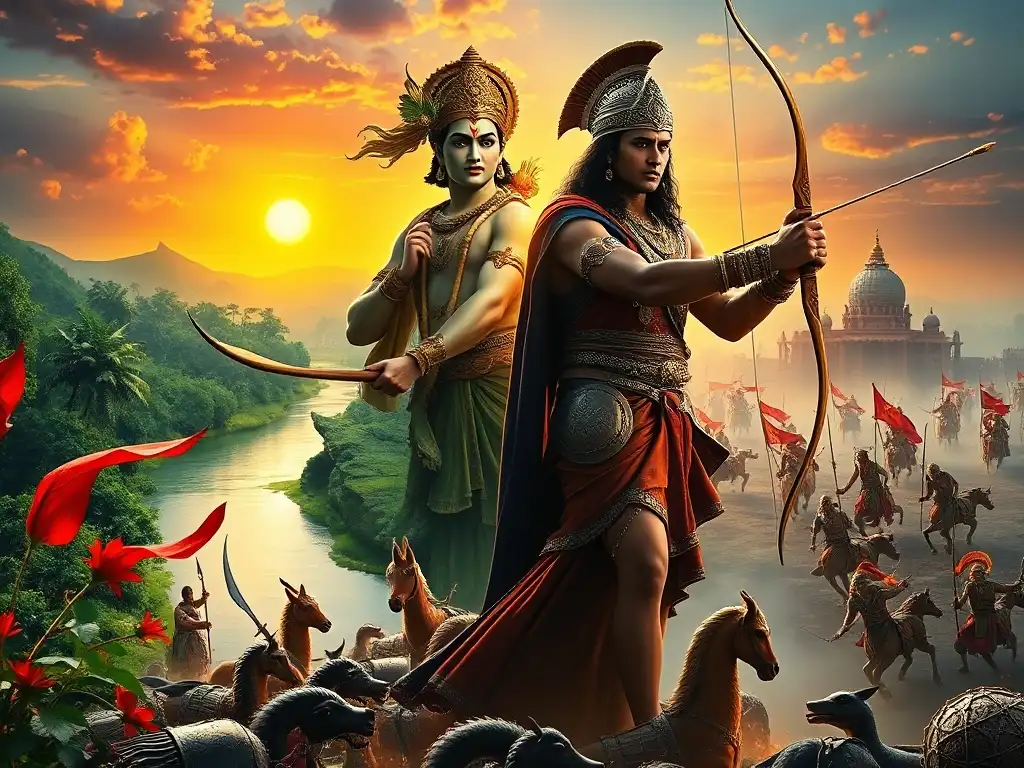
Welcome to Ancient India History, where we delve into the mesmerizing tapestry of India's past! Here, you will embark on a journey through millennia, exploring the rich and diverse history, culture, and contributions of ancient Indian civilizations. In our featured article, “Ramayana vs. Mahabharata: Understanding the Differences in Epic Narratives,” we invite you to uncover the profound intricacies that set these two monumental epics apart. What makes each narrative unique? How do their themes and characters reflect the ethos of their times? Join us as we unravel the mysteries and celebrate the epic literature that has shaped a culture!
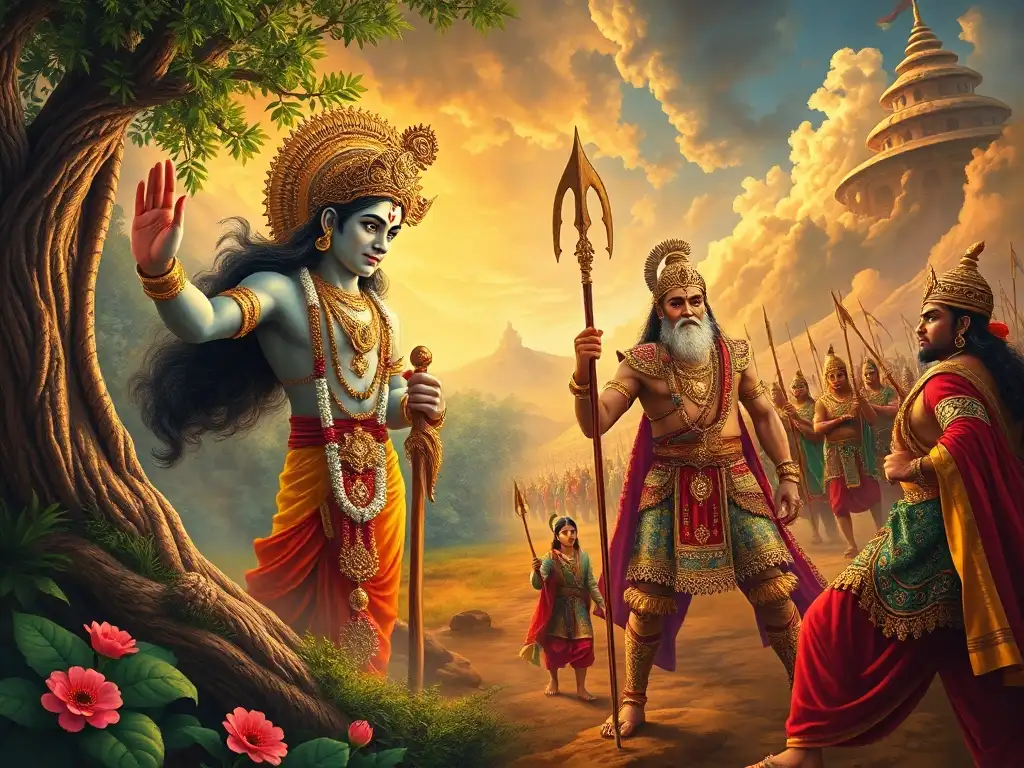
Introduction to Epic Narratives in Ancient India
Epic narratives form a cornerstone of ancient Indian literature, encapsulating the values, beliefs, and cultural heritage of the time. Among the most significant of these narratives are the Ramayana and the Mahabharata, two monumental epics that have not only shaped the literary landscape of India but also influenced its religious and philosophical thought.
While these epics share a common cultural heritage and explore profound themes of duty, righteousness, and morality, they present distinct narratives that reflect different aspects of human experience. This article aims to dissect the differences between Ramayana and Mahabharata, providing insights into their unique characteristics, themes, and cultural significance.
Overview of Ramayana and Mahabharata
The Ramayana, attributed to the sage Valmiki, narrates the life and adventures of Lord Rama, his wife Sita, and his loyal companion Hanuman. This epic focuses on the ideals of dharma (righteousness) through the lens of Rama's quest to rescue Sita from the demon king Ravana.
In contrast, the Mahabharata, traditionally attributed to the sage Vyasa, is the longest epic poem in the world. It chronicles the dynastic struggle between the Pandavas and Kauravas, culminating in the great battle of Kurukshetra. The Mahabharata is rich with philosophical dialogues, including the revered Bhagavad Gita, which addresses profound moral dilemmas and the nature of existence.
Importance of Epics in Indian Culture and History
Both epics serve not only as literary masterpieces but also as moral guides, providing lessons on ethics, governance, and interpersonal relationships. They are integral to the cultural and spiritual fabric of India, influencing art, drama, and popular beliefs. The narratives have been adapted into various forms, including dance, theater, and film, making them accessible to diverse audiences across generations.
Key Differences Between Ramayana and Mahabharata
Understanding the differences between these two epics offers a deeper insight into their unique contributions to Indian literature and philosophy.
Narrative Structure
- Ramayana:
- Primarily a linear narrative focused on Rama's life journey.
- Consists of seven Kandas (books) that detail key events, including Rama's exile, the abduction of Sita, and the eventual battle with Ravana.
- Mahabharata:
- A complex, multi-layered narrative with numerous subplots and characters.
- Encompasses over 100,000 shlokas (verses) and includes stories from various perspectives, making it a vast tapestry of human experience.
Themes and Philosophical Underpinnings
- Ramayana:
- Emphasizes the ideals of dharma and virtue.
- Explores themes of loyalty, honor, and the responsibilities of familial and societal roles.
- Mahabharata:
- Engages with more complex moral dilemmas and the gray areas of dharma.
- Addresses themes such as justice, the consequences of war, and the struggle for power.
Characterization and Protagonists
- Ramayana:
- Features a clear dichotomy between good and evil, with Rama as the epitome of virtue.
- Characters like Sita and Hanuman embody ideal traits, reinforcing the moral framework of the epic.
- Mahabharata:
- Presents a broader spectrum of characters, each with their own flaws and virtues.
- Protagonists like Arjuna and Yudhishthira grapple with ethical dilemmas, showcasing the complexity of human nature.
By exploring these differences, we can appreciate the unique narratives that the Ramayana and Mahabharata offer, enriching our understanding of ancient Indian culture and literature.
Cultural and Historical Context
The Ramayana and Mahabharata are two of the most significant epic narratives in ancient Indian literature, each representing distinct cultural and historical contexts. These epics not only encapsulate the values and beliefs of their time but also reflect the socio-political landscape of ancient India. The Ramayana, attributed to the sage Valmiki, is generally believed to have been composed around the 5th century BCE, while the Mahabharata, traditionally ascribed to Vyasa, likely took shape between the 4th century BCE and 4th century CE.
The narratives highlight the prevailing concepts of dharma (duty/righteousness), governance, and moral complexities. The Ramayana focuses on the ideal of dharma through the life of Lord Rama, illustrating virtues such as loyalty, honor, and devotion. In contrast, the Mahabharata presents the intricacies of human nature and the conflicts that arise when dharma is ambiguous, as exemplified in the Kurukshetra War.
The Historical Significance of Ramayana
The Ramayana serves as a foundational text that shapes the ethos of Indian culture. It chronicles the life of Rama, an avatar of Vishnu, and his quest to rescue his wife Sita from the demon king Ravana. This epic is not merely a tale of good versus evil; it encompasses themes of devotion, sacrifice, and the ideal family structure. Its historical significance lies in its role in reinforcing moral values and social norms, making it a touchstone for both personal and communal conduct.
Additionally, the Ramayana has had a profound impact on various aspects of Indian society, influencing art, dance, drama, and religious practices. Festivals like Diwali, which celebrates Rama's return to Ayodhya, underscore the epic's enduring legacy. The diverse retellings across regions, such as the Ramcharitmanas by Tulsidas, further illustrate its adaptability and relevance throughout history.
The Historical Significance of Mahabharata
The Mahabharata is regarded as one of the longest epic poems in the world, encompassing a vast array of themes such as duty, justice, and the moral dilemmas faced by individuals. Its central narrative revolves around the conflict between the Pandavas and Kauravas, which culminates in the legendary battle of Kurukshetra. The epic's historical significance is multifaceted, as it reflects the complexities of governance, kinship, and societal structures during its time.
Moreover, the Mahabharata introduces the Bhagavad Gita, a philosophical discourse that has influenced Hindu thought and spirituality profoundly. The epic's exploration of ethical dilemmas and the nature of reality continues to resonate with readers, making it an essential text in understanding ancient Indian philosophy and culture. Its narrative has also inspired countless adaptations in literature, theater, and film, showcasing its integral role in shaping Indian cultural identity.
Influence on Indian Society and Culture
Both the Ramayana and Mahabharata have left indelible marks on Indian society and culture. They serve as moral compasses, guiding personal and social conduct through the lens of dharma. The characters and their dilemmas have become archetypal figures in Indian consciousness, influencing concepts of heroism, loyalty, and justice.
The epics have also played a crucial role in various art forms, including classical dance, music, and visual arts, where stories are depicted through vibrant performances and intricate paintings. Festivals and rituals often draw inspiration from these narratives, reinforcing community bonds and cultural heritage. Additionally, the teachings and philosophies derived from these texts continue to inform contemporary discussions on ethics, governance, and social responsibilities.
Literary Style and Language
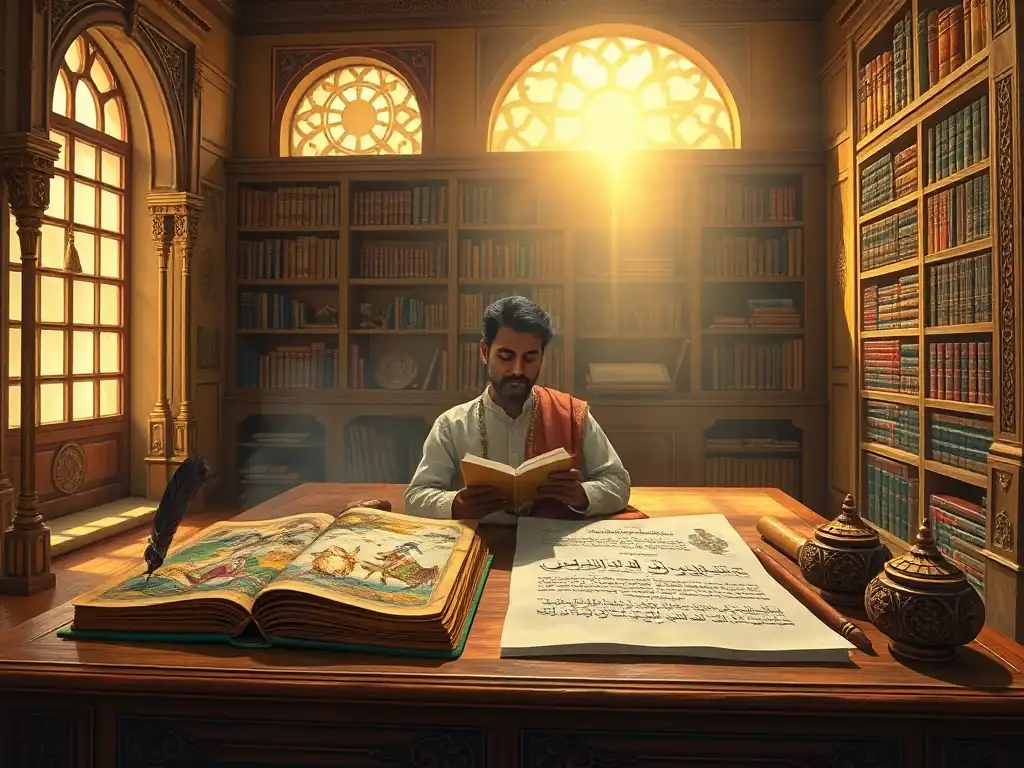
The literary styles of the Ramayana and Mahabharata showcase the richness of ancient Indian narrative form. While both texts share thematic elements, their stylistic approaches differ significantly, reflecting their unique artistic expressions and audience engagement strategies.
Poetic Structure of Ramayana
The Ramayana is predominantly composed in a poetic form, employing a rhythmic and lyrical style that enhances its narrative appeal. Valmiki's use of shlokas, or metrical verses, creates a musical quality that underscores the emotional depth and moral lessons of the story. This poetic structure allows for a more vivid portrayal of characters and events, inviting readers to immerse themselves in the epic's themes of love, duty, and sacrifice.
Moreover, the Ramayana's structure often reflects traditional storytelling techniques, where dialogues and descriptions are interwoven, creating a seamless narrative flow. This poetic approach not only aids memorization and recitation but also elevates the text to a form of devotional literature, encouraging readers to engage with its moral teachings.
Prose and Verse in Mahabharata
In contrast, the Mahabharata is characterized by a blend of prose and verse, which adds layers of complexity to its narrative. The epic employs a vast array of literary devices, including dialogues, philosophical discourses, and vivid descriptions, to convey its intricate storylines. The use of prose allows for deeper exploration of characters' thoughts and motivations, making the moral dilemmas more pronounced and relatable.
The Mahabharata's narrative style also incorporates various sub-stories and episodes, enriching the main plot with diverse perspectives and themes. This multifaceted approach encourages readers to reflect on the broader implications of dharma and ethics, making it not only a story of conflict but also a profound philosophical treatise on human existence.
Language Evolution in Both Texts
The Ramayana and Mahabharata reflect the evolution of language during their respective periods. The Ramayana is primarily composed in classical Sanskrit, which was the lingua franca of educated society in ancient India. Its language is often characterized by its poetic elegance and rhythmic patterns, making it accessible to a wide audience while maintaining a high literary standard.
On the other hand, the Mahabharata showcases a more dynamic evolution of language, incorporating various dialects and regional influences. This linguistic diversity mirrors the vast cultural tapestry of ancient India, making the text resonate with different communities. Additionally, the Mahabharata's use of colloquial expressions and idiomatic phrases adds to its richness, creating a relatable and engaging narrative for its readers.
The differences between the Ramayana and Mahabharata extend beyond their narratives to encompass their cultural significance, literary styles, and language evolution, reflecting the profound impact these epics have had on Indian civilization.
Conclusion: The Lasting Impact of Ramayana and Mahabharata
The Ramayana and Mahabharata are not just literary works; they are pillars of Indian culture and philosophy that continue to shape societal values and personal conduct. Their narratives, rich with moral lessons, have transcended time and region, influencing countless generations.
While the Ramayana emphasizes the ideals of dharma (duty) through the life of Lord Rama and his unwavering commitment to righteousness, the Mahabharata presents a more complex exploration of human relationships, conflict, and ethics through the epic saga of the Kurukshetra War. The contrasting themes of duty vs. righteousness in the face of moral ambiguity in these epics invite readers to reflect on their own lives and choices, making them timeless texts that resonate deeply even in contemporary discussions.
Summary of Key Differences
The differences between Ramayana and Mahabharata are profound and multifaceted. Here are some key distinctions:
- Narrative Structure:
- Ramayana: A single narrative focused on the life and adventures of Lord Rama.
- Mahabharata: An extensive narrative encompassing various subplots and a multitude of characters, primarily centered on the conflict between the Pandavas and Kauravas.
- Themes:
- Ramayana: Stresses idealism, the importance of dharma, and the virtues of loyalty, devotion, and righteousness.
- Mahabharata: Explores complex themes of morality, ethics, and the consequences of actions, often blurring the lines between right and wrong.
- Character Arcs:
- Ramayana: Features clear-cut heroes and villains, with characters like Rama representing virtue and Ravana symbolizing evil.
- Mahabharata: Presents morally ambiguous characters, such as Karna and Duryodhana, who evoke both sympathy and criticism.
- Cultural Impact:
- Ramayana: Influences religious practices and festivals, particularly in the worship of Rama and Sita.
- Mahabharata: Affects philosophical and ethical discourses, particularly through the teachings of the Bhagavad Gita.
These differences illustrate the unique contributions of each epic to Indian literature and society.
The Enduring Legacy of Both Epics in Modern India
The legacies of the Ramayana and Mahabharata continue to thrive in modern India. They are frequently adapted into various forms of art, including dance, theater, and television, thereby reaching new audiences. These epics serve as cultural touchstones that guide moral education and ethical behavior, with festivals like Diwali celebrating the triumph of good over evil as depicted in the Ramayana.
In academia, both texts are studied extensively, highlighting their philosophical teachings and historical contexts. The teachings of the Bhagavad Gita, a part of the Mahabharata, remain a vital source of inspiration for spiritual and ethical guidance. The enduring relevance of these texts is a testament to their profound impact on Indian culture and identity.
Further Reading and Resources
For readers interested in delving deeper into the rich narratives of the Ramayana and Mahabharata, a wealth of resources is available. Engaging with these texts through various formats can enhance understanding and appreciation of their complexities and themes.
Recommended Books and Articles on Ramayana and Mahabharata
- "The Ramayana" by R.K. Narayan: A retelling that simplifies the epic while retaining its essence.
- "Mahabharata" translated by Ramesh Menon: A contemporary retelling that captures the drama and depth of the original.
- "The Complete Mahabharata" by Peter Brooks: Offers insights into the narrative structure and character dynamics.
- "The Ramayana: A Modern Retelling of the Great Indian Epic" by Ashok Banker: A popular adaptation that appeals to younger readers.
These works provide accessible interpretations and analyses that enrich the reader's understanding of these epics.
Online Resources for Exploring Epic Narratives in Depth
- Digital Libraries: Platforms like Project Gutenberg and Internet Archive offer free access to various translations and adaptations of the Ramayana and Mahabharata.
- Educational Websites: Websites such as Ancient India History provide comprehensive articles and resources that explore the historical context and cultural significance of these epics.
- Online Courses: Platforms like Coursera and edX offer courses on Indian epics, examining their themes, characters, and impact on society.
Engaging with these resources can provide a deeper appreciation for the narratives and their relevance in the modern world.
- Introduction to Epic Narratives in Ancient India
- Key Differences Between Ramayana and Mahabharata
- Cultural and Historical Context
- Literary Style and Language
- Conclusion: The Lasting Impact of Ramayana and Mahabharata
- Further Reading and Resources
Frequently Asked Questions
What are the main differences between the Ramayana and Mahabharata?
The Ramayana focuses on the life of Lord Rama and his quest to rescue Sita, while the Mahabharata is centered around the Kurukshetra War and the conflict between the Pandavas and Kauravas.
Who are the central characters in the Ramayana?
The primary characters in the Ramayana include Rama, Sita, Hanuman, and Ravana, showcasing themes of dharma and devotion.
What is the significance of dharma in both epics?
In both the Ramayana and the Mahabharata, dharma plays a crucial role, representing moral duty and the ethical paths that characters must navigate, influencing their decisions and fates.
How do the themes differ between the two epics?
The Ramayana emphasizes love, devotion, and the ideals of righteousness, while the Mahabharata delves into more complex themes of power, betrayal, and the gray areas of morality.
In what ways have the Ramayana and Mahabharata influenced Indian culture?
Both epics have deeply influenced Indian culture through literature, art, and performing arts, shaping values, traditions, and the understanding of heroism and justice in society.
Final Reflection: Embracing the Richness of Epic Narratives
The exploration of the differences between Ramayana and Mahabharata reveals not just contrasting stories, but a profound understanding of human nature and morality that remains relevant today. These epics serve as mirrors reflecting the complexities of life, illustrating the eternal struggles between good and evil, duty and desire. In a world increasingly divided by differing beliefs and values, the lessons embedded in these narratives remind us of our shared humanity and the timeless quest for righteousness.
The cultural and social landscapes shaped by these epics continue to resonate deeply within our societies. The Ramayana teaches us about devotion and the ideal of dharma, while the Mahabharata delves into the intricacies of conflict and the moral dilemmas faced in the pursuit of justice. As we navigate our modern lives, these stories provide a framework for understanding our own challenges. As Mahatma Gandhi once said, “The Mahabharata is a great epic, but it is also a great teacher.” > This sentiment underscores the ongoing relevance of these narratives, guiding us through our personal and collective journeys.
As we reflect on the insights gained from these timeless tales, I invite you to consider how the lessons of the Ramayana and Mahabharata can be applied in your own life. What virtues do you aspire to embody, and how can you navigate the complexities of your own moral dilemmas? Let these epic narratives inspire you to cultivate compassion, integrity, and resilience in your daily interactions. Embrace the richness of these stories, and allow them to guide you toward a deeper understanding of yourself and the world around you.
Unlock the Wisdom of the Epics!
Thank you for diving into the fascinating world of the Ramayana and Mahabharata with us! You've gained valuable insights into these two monumental narratives that have shaped Indian culture. Now, let’s take that knowledge further!
Here are some straightforward actions you can take to deepen your understanding and share your newfound insights:
- Explore a retelling of your favorite stories from these epics and share them with friends or on social media to spark engaging discussions.
- Join a local or online book club centered around ancient literature to gain diverse perspectives on these timeless tales.
- Reflect on the moral lessons within the epics and share your thoughts in our community forum!
Which aspects of these epic narratives resonate most with you, and how do you see them influencing your life today?