
From Ancient Texts to Your Table: Recipes Inspired by the Gupta Empire

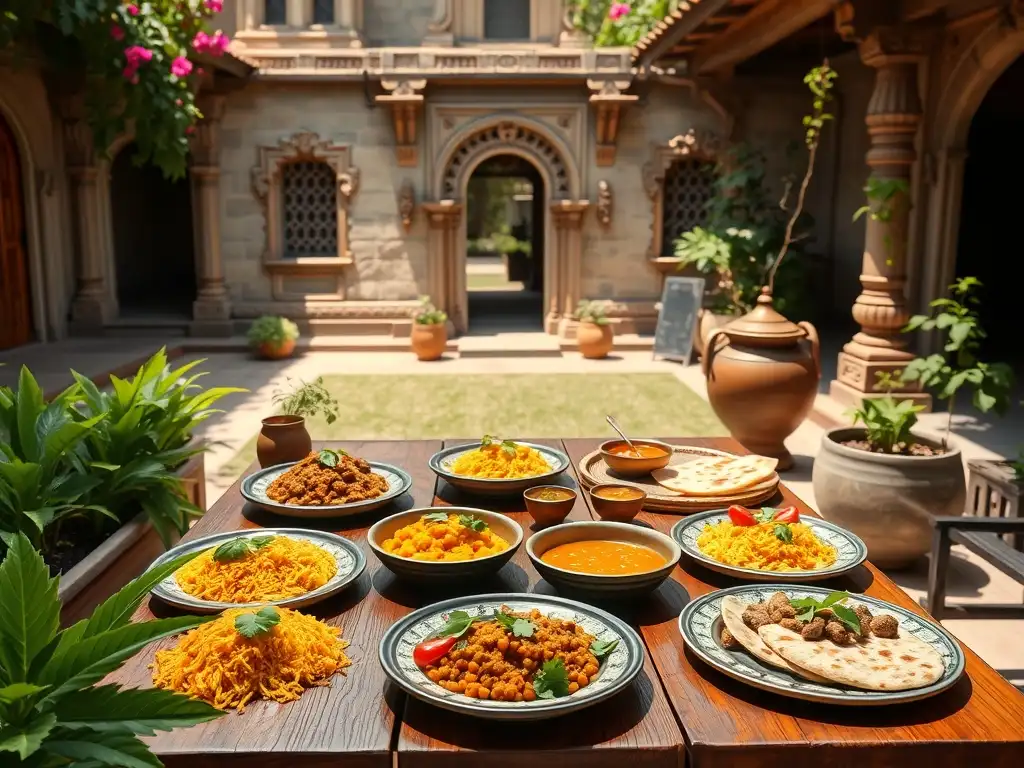
Welcome to Ancient India History, where we embark on a captivating journey through the rich tapestry of India's past. In this exploration, we delve into the Gupta Empire, a period renowned not only for its remarkable achievements in art and science but also for its vibrant culinary traditions. Get ready to uncover delicious recipes and cultural insights that have stood the test of time.
Our main article, “From Ancient Texts to Your Table: Recipes Inspired by the Gupta Empire,” promises to transport you to an era where every dish tells a story. Stay with us as we set the table for a feast of knowledge and flavor—your adventure into ancient Indian cuisine begins here!
-
From Ancient Texts to Your Table: Gupta Empire Recipes and Culture
- Introduction to the Gupta Empire's Culinary Heritage
- Key Ingredients in Gupta Empire Recipes
- Traditional Gupta Empire Recipes
- The Influence of Gupta Empire Culture on Modern Indian Cuisine
- Exploring the Cultural Significance of Gupta Empire Recipes
- Food as a Reflection of Gupta Society and Trade
- Festivals and Feasts: Celebrating Gupta Empire Flavors
- Conclusion: Bringing Gupta Empire Recipes to Your Table
- Resources for Further Exploration
-
Frequently Asked Questions
- What is the Gupta Empire known for in terms of culture?
- Are there specific recipes from the Gupta Empire mentioned in the article?
- How did the Gupta Empire influence modern Indian cuisine?
- What role did ancient texts play in the culinary practices of the Gupta Empire?
- Can you find modern adaptations of Gupta Empire recipes?
- Final Reflection: The Timeless Legacy of Gupta Empire Recipes and Culture
- Savor the Flavors of History!
From Ancient Texts to Your Table: Gupta Empire Recipes and Culture
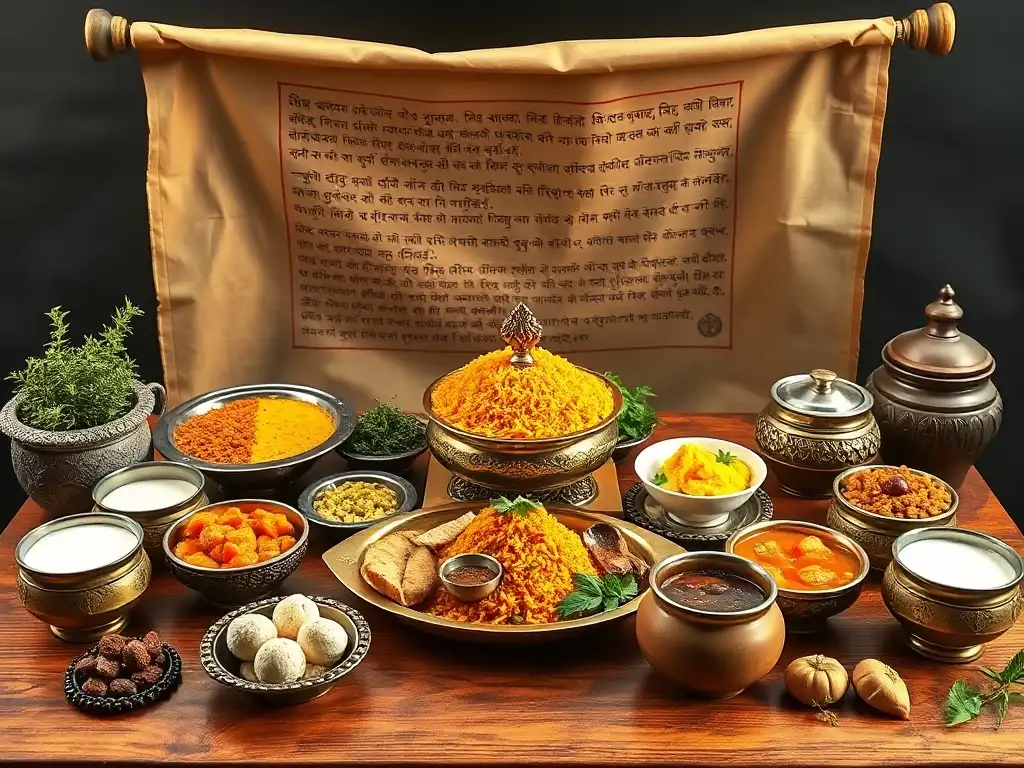
The Gupta Empire, often referred to as the Golden Age of India, thrived from approximately 320 to 550 CE. This period was marked by remarkable advancements in art, science, and culture, leaving a lasting impact on the Indian subcontinent. One of the less explored yet equally fascinating aspects of this era is its culinary heritage.
As we delve into the recipes inspired by the Gupta Empire, we uncover not only the flavors and ingredients that defined their cuisine but also the cultural significance behind each dish. This exploration not only pays homage to ancient traditions but also invites contemporary food enthusiasts to bring a taste of history to their tables. Join us as we embark on a culinary journey that bridges the past and present through the delectable dishes that have stood the test of time.
Introduction to the Gupta Empire's Culinary Heritage
The Gupta Empire's culinary landscape was characterized by a blend of regional flavors and influences, reflecting its vast geography and diverse population. Food during this period was not merely a means of sustenance but a vital component of social and cultural life. Banquets and feasts played a significant role in religious and royal ceremonies, showcasing the richness of ingredients and the art of cooking. Traditional recipes from this era often incorporated fresh produce, grains, and a variety of spices, which were integral to the flavor profiles of the time.
Key Ingredients in Gupta Empire Recipes
Understanding the key ingredients used in Gupta Empire recipes provides insight into the culinary practices of the time.
Spices and Flavor Profiles from Ancient India
Spices were the backbone of Gupta cuisine, not only enhancing flavor but also offering medicinal benefits. Some prominent spices included:
- Turmeric: Valued for its vibrant color and health benefits.
- Cumin: Commonly used for its warm, earthy flavor.
- Black Pepper: Known as "king of spices," it added heat and depth to dishes.
- Ginger: Used both fresh and dried, it provided a zesty kick to various preparations.
These spices created complex flavor profiles, reflecting the sophisticated palate of the Gupta people. The blending of spices was an art form, with specific combinations tailored for different dishes and occasions.
Staple Foods of the Gupta Empire
The staple foods of the Gupta Empire were diverse, rooted in local agriculture and seasonal availability. Key staples included:
- Rice: A primary carbohydrate source, often served with lentils and vegetables.
- Wheat: Used to make various types of bread, such as chapati and paratha.
- Legumes: Rich in protein, lentils and beans were essential components of the diet.
- Vegetables: Seasonal vegetables were commonly used, with a preference for locally available produce.
These ingredients formed the foundation of daily meals, showcasing the connection between food, culture, and the agricultural practices of ancient India.
Traditional Gupta Empire Recipes
The Gupta Empire, often hailed as the Golden Age of India, was not just a period of remarkable advancements in art, science, and philosophy, but it also saw a flourishing of culinary traditions that have influenced Indian cuisine to this day. The recipes from this era reflect a rich tapestry of flavors and ingredients, showcasing the agricultural bounty and diverse cultural influences of the time. Here are three traditional recipes inspired by the Gupta Empire that you can easily recreate in your kitchen.
Recipe 1: Ancient Indian Khichdi
Khichdi is a comforting dish that embodies the essence of simplicity and nutrition, making it a staple in many Indian households. The Gupta period saw the blending of various grains and lentils, which contributed to the development of this dish.
Ingredients:
- 1 cup rice (preferably basmati)
- 1/2 cup split yellow moong dal (lentils)
- 1 medium onion, finely chopped
- 1 teaspoon cumin seeds
- 1 teaspoon turmeric powder
- 1 tablespoon ghee (clarified butter)
- Salt to taste
- Water as needed
- Fresh coriander leaves for garnish
Instructions:
- Rinse the rice and lentils together until the water runs clear.
- In a large pot, heat the ghee and add cumin seeds. Once they splutter, add the chopped onion and sauté until golden brown.
- Stir in the turmeric powder, followed by the rinsed rice and lentils. Add salt to taste.
- Pour in about 4 cups of water and bring to a boil. Reduce the heat and simmer until the rice and lentils are soft and the mixture has a porridge-like consistency.
- Garnish with fresh coriander leaves and serve hot with a dollop of ghee on top.
Recipe 2: Spiced Vegetable Curry
Vegetable curry during the Gupta Empire utilized seasonal vegetables and aromatic spices, reflecting the agricultural diversity of the region. This recipe is a modern take on those ancient flavors.
Ingredients:
- 2 cups mixed seasonal vegetables (carrots, peas, beans, potatoes)
- 1 onion, finely chopped
- 2 tomatoes, pureed
- 1 tablespoon ginger-garlic paste
- 1 teaspoon cumin seeds
- 1 teaspoon coriander powder
- 1/2 teaspoon garam masala
- 1/2 teaspoon red chili powder
- 2 tablespoons oil
- Salt to taste
- Fresh coriander leaves for garnish
Instructions:
- Heat oil in a pan and add cumin seeds. Once they sizzle, add the chopped onion and sauté until translucent.
- Stir in ginger-garlic paste and cook until the raw smell disappears.
- Add the pureed tomatoes and cook until the oil separates from the mixture.
- Mix in the spices: coriander powder, garam masala, red chili powder, and salt.
- Add the mixed vegetables and enough water to cover them. Cook until the vegetables are tender.
- Garnish with coriander leaves and serve with rice or flatbreads.
Recipe 3: Gupta-Style Flatbreads (Roti/Chapati)
Flatbreads were an essential part of the Gupta diet, often served alongside curries and lentils. Making roti or chapati at home can be a rewarding experience that connects you with ancient culinary traditions.
Ingredients:
- 2 cups whole wheat flour
- Water (as needed)
- A pinch of salt
- Ghee or butter (optional, for serving)
Instructions:
- In a mixing bowl, combine the whole wheat flour and salt. Gradually add water while kneading to form a soft dough.
- Cover the dough with a damp cloth and let it rest for about 30 minutes.
- Divide the dough into equal portions and roll each into a ball. Flatten each ball and dust with flour.
- Roll out each ball into a thin circle, about 6-8 inches in diameter.
- Heat a tava (griddle) over medium heat. Cook each roti for about 1-2 minutes on each side until brown spots appear.
- Optionally, brush with ghee or butter before serving.
The Influence of Gupta Empire Culture on Modern Indian Cuisine
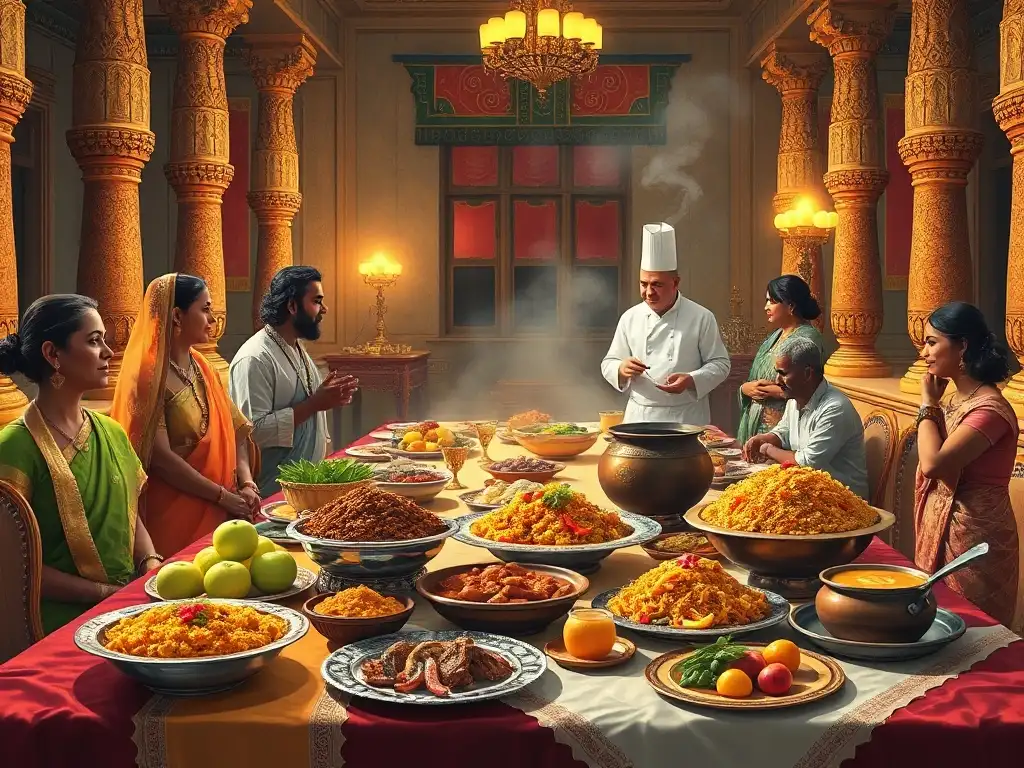
The cultural richness of the Gupta Empire significantly shaped the culinary landscape of India. The integration of diverse ingredients, cooking techniques, and food customs from various regions has given rise to a cuisine that is both vibrant and varied.
Culinary Techniques Passed Down Through Generations
The Gupta Empire was a time of innovation in culinary practices, many of which are still prevalent in modern Indian cooking. Techniques such as slow cooking, the use of spices for flavor enhancement, and the preparation of fermented foods have been handed down through generations. These methods not only preserve the nutritional value of ingredients but also enhance the taste, making dishes more complex and satisfying.
Adapting Ancient Recipes for Contemporary Tastes
Modern chefs often draw inspiration from ancient recipes, adapting them to suit contemporary palates. The flavors and techniques of the Gupta Empire can be seen in current trends of fusion cuisine, where traditional dishes are reimagined with new ingredients or cooking styles. For example, using quinoa instead of rice in khichdi honors the ancient recipe while catering to modern health trends. This adaptability ensures that the rich culinary heritage of the Gupta period continues to thrive in today's culinary scene.
Exploring the Cultural Significance of Gupta Empire Recipes
The Gupta Empire, often referred to as the Golden Age of India, was a period marked by remarkable advancements in various domains, including art, science, and culture. The culinary practices of this era reflected the society's values, economic conditions, and interactions with neighboring regions. The recipes from the Gupta Empire not only provide insight into the ingredients and cooking techniques used but also serve as a window into the everyday lives and cultural practices of the people during this time.
Food in the Gupta Empire was not merely sustenance; it was a vital aspect of social and cultural identity. The variety of dishes enjoyed by the elite contrasted with simpler fare consumed by commoners, highlighting the social stratification of the time. Moreover, the use of spices and herbs in cooking was not just for flavor, but also for medicinal purposes, showcasing the advanced understanding of health and wellness among ancient Indian civilizations.
Food as a Reflection of Gupta Society and Trade
The recipes from the Gupta Empire illustrate the impact of trade and commerce on culinary practices. The empire was strategically located along trade routes, enabling the exchange of spices, grains, and cooking techniques with regions such as Southeast Asia and the Middle East. This resulted in a rich tapestry of flavors and ingredients that were incorporated into traditional Indian dishes.
Some key ingredients that were popular during this era include:
- Rice: A staple food that was often paired with a variety of lentils and vegetables.
- Spices: Turmeric, cumin, and coriander were commonly used, not only for flavor but also for their preservative qualities.
- Ghee: Clarified butter that was essential for cooking and religious ceremonies.
- Fruits and Nuts: Mangoes, pomegranates, and cashews were favored for their sweetness and nutritional value.
The blending of local and foreign ingredients led to the development of unique recipes that would influence Indian cuisine for centuries to come. The significance of food during this period extended beyond mere consumption; it was an expression of cultural pride and a means of fostering community bonds.
Festivals and Feasts: Celebrating Gupta Empire Flavors
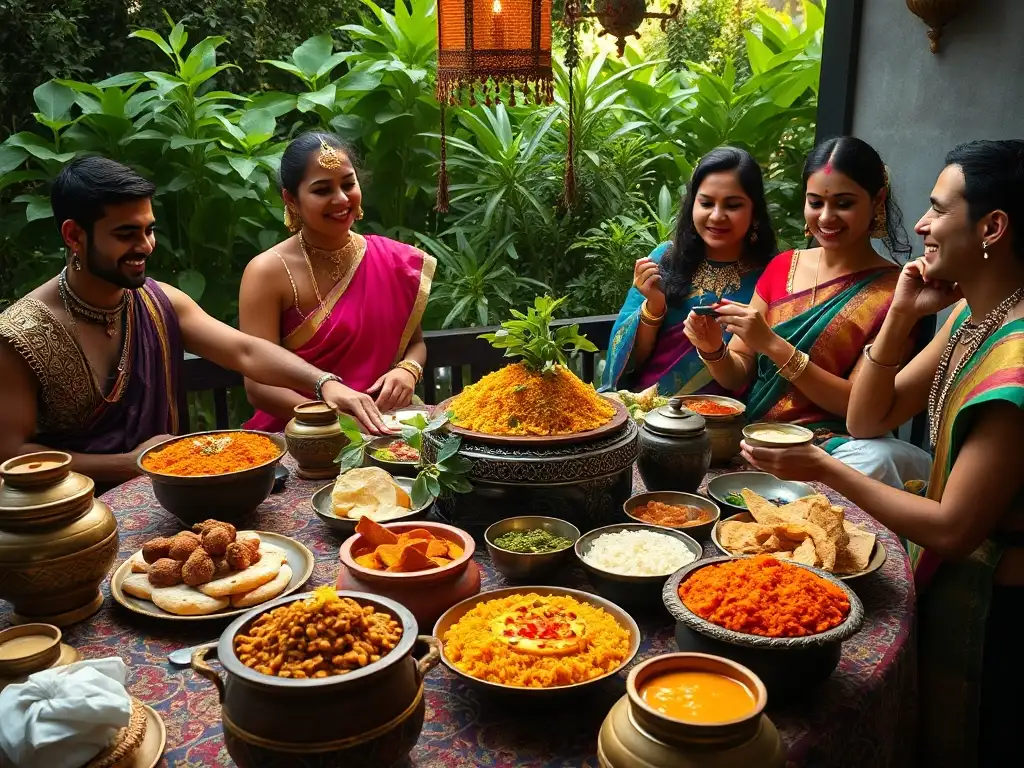
Festivals and feasts played a critical role in Gupta society, serving as occasions for communal gatherings and celebrations. These events were characterized by lavish banquets that showcased the culinary prowess of the time. Traditional recipes were often prepared in large quantities, reflecting the abundance and prosperity of the Gupta Empire.
Key festivals included:
- Makar Sankranti: Celebrated with dishes like til ke laddoo (sesame seed sweets) and khichdi, symbolizing the harvest season.
- Holi: Marked by the preparation of sweet and savory snacks, as well as colorful drinks, showcasing the vibrancy of the festival.
- Diwali: The festival of lights featured an array of sweets, including gulab jamun and barfi, which were shared among families and friends.
These feasts were not only about the food but also about the rituals that accompanied them. The preparation and sharing of meals during festivals reinforced social ties and cultural traditions, ensuring that the flavors of the Gupta Empire were passed down through generations.
Conclusion: Bringing Gupta Empire Recipes to Your Table
Integrating recipes from the Gupta Empire into modern cooking offers a unique opportunity to connect with a significant chapter of Indian history. By exploring the culinary traditions of this era, home cooks can appreciate the depth and richness of ancient Indian cuisine.
To recreate these recipes, consider sourcing authentic ingredients that mirror those used in the Gupta period. Embrace the use of spices, grains, and traditional cooking methods to experience the flavors that once graced the tables of emperors and commoners alike. As you cook, remember that each dish tells a story of cultural significance and historical context, allowing you to savor not just a meal, but a piece of history.
Resources for Further Exploration
To delve deeper into the culinary traditions and cultural practices of the Gupta Empire, numerous resources are available, ranging from books and scholarly articles to cooking tools that can help recreate authentic recipes. Below is a curated list that can serve as a guide for anyone interested in exploring Gupta Empire recipes and the rich culture surrounding them.
Books and Texts on Gupta Empire Cuisine
-
"The Food of India: A Journey for Food Lovers" by Priya Wickramasinghe and Raghavan Iyer
This book provides a comprehensive look at Indian cuisine, including historical contexts that touch upon various empires, including the Gupta Empire. It offers insights into ingredients and cooking methods that were prevalent during that era.
-
"A Historical Dictionary of Indian Food" by Vikram Doctor
This text serves as an informative guide to the evolution of Indian food, with specific references to the Gupta period. It discusses various dishes, ingredients, and the cultural significance of food in ancient India.
-
"The Art of Indian Cooking" by Madhur Jaffrey
While primarily a contemporary cookbook, Jaffrey includes traditional recipes that can be traced back to ancient Indian culinary practices. The book also discusses the influence of historical periods on modern cooking.
-
"Ancient Indian Cuisine: A Historical and Cultural Perspective" by Ritu Verma
This scholarly work delves into the nuances of ancient Indian cuisine, focusing on the Gupta Empire. It explores various recipes, cultural practices, and their significance in today's culinary landscape.
-
"Culinary Traditions of India" by K.T. Achaya
This book outlines the historical evolution of Indian food, with sections dedicated to the Gupta Empire and its culinary practices. It emphasizes the ingredients and cooking methods that defined the period.
Cooking Tools for Authentic Gupta Empire Preparation
To authentically recreate recipes inspired by the Gupta Empire, specific cooking tools can be advantageous. Here are some essential tools that reflect the era's culinary techniques:
- Clay Pots: Traditionally used in ancient Indian kitchens, clay pots retain heat and moisture, enhancing the flavors of dishes. They are ideal for slow-cooking stews and curries reminiscent of Gupta-era recipes.
- Mortar and Pestle: Essential for grinding spices and herbs, this tool has been used since ancient times. For an authentic touch, look for a traditional stone mortar and pestle, which will allow you to prepare spice blends that mirror those used in the Gupta Empire.
- Tandoor: A clay oven used for baking bread and cooking meats, the tandoor is central to many traditional Indian recipes. While modern versions exist, using a traditional tandoor will give you the most authentic results.
- Spice Box (Masala Dabba): A staple in Indian kitchens, a spice box holds a variety of spices essential for Gupta recipes. Having a well-stocked masala dabba allows you to experiment with and recreate the complex flavors of ancient dishes.
- Handmade Utensils: Wooden spoons and ladles made from local woods are not only eco-friendly but also provide an authentic cooking experience. They are perfect for stirring and serving traditional dishes.
By utilizing these resources and tools, you can bring the flavors and culinary traditions of the Gupta Empire right to your table, enriching your cooking experience with the history and culture of ancient India.
Frequently Asked Questions
What is the Gupta Empire known for in terms of culture?
The Gupta Empire is renowned for its golden age of arts and culture, including advancements in science, literature, and philosophy. It also saw significant developments in classical Indian music and dance.
Are there specific recipes from the Gupta Empire mentioned in the article?
Yes, the article features several recipes inspired by the Gupta Empire, highlighting traditional ingredients and cooking methods that reflect the culinary diversity of ancient India.
How did the Gupta Empire influence modern Indian cuisine?
The Gupta Empire's contributions to culinary practices, including the use of spices and cooking techniques, have left a lasting impact on modern Indian cuisine, enriching it with flavors and traditions that persist today.
What role did ancient texts play in the culinary practices of the Gupta Empire?
Ancient texts provided insights into cooking techniques, ingredients, and social customs related to food, helping to preserve the rich culinary traditions of the Gupta era for future generations.
Can you find modern adaptations of Gupta Empire recipes?
Yes, many modern chefs and home cooks are inspired by ancient recipes, adapting them to contemporary tastes while maintaining the essence of Gupta cuisine.
Final Reflection: The Timeless Legacy of Gupta Empire Recipes and Culture
The exploration of Gupta Empire recipes and culture reveals not only the richness of ancient culinary traditions but also their enduring relevance in our modern lives. As we navigate a world increasingly disconnected from its roots, these recipes serve as a bridge to our past, reminding us of the profound connections between food, culture, and identity. The flavors and techniques that emerged during the Gupta Empire are not just relics of history; they are vibrant threads woven into the fabric of our contemporary dining experiences.
Cooking is an art that transcends time, and the influence of the Gupta Empire on our culinary landscape is a testament to this truth. The recipes inspired by this remarkable period invite us to appreciate the cultural exchanges and innovations that have shaped our palates today. As we savor these dishes, we honor the legacy of a civilization that valued knowledge, creativity, and community. Food is the ingredient that binds us together.
This quote encapsulates the essence of how ancient recipes can foster connections among people, transcending geographical and temporal boundaries.
As you reflect on the significance of these ancient recipes, consider how you can incorporate the flavors of the Gupta Empire into your own kitchen. Embrace the opportunity to explore new ingredients, share meals with loved ones, and celebrate the cultural heritage that enriches our lives. Let these recipes inspire you to create not just food, but memories and connections that resonate through generations. In doing so, you become a part of the ongoing story of culinary evolution, honoring the past while shaping the future.
Savor the Flavors of History!
Thank you for exploring the delicious journey of ancient culinary traditions with us! We hope you’ve uncovered the rich tapestry of flavors inspired by the Gupta Empire. Now, it’s time to take these historical inspirations and bring them to your own kitchen!
Here are some engaging actions to dive deeper:
- Recreate a Gupta-inspired dish tonight! Choose one of the intriguing recipes and make it uniquely yours.
- Share your culinary creation on social media using the hashtag #AncientIndiaFlavors, and invite your friends to join you in this tasty exploration!
- Join our community: Subscribe to our newsletter for more recipes and fascinating stories from ancient cultures delivered directly to your inbox.
Which dish from the Gupta Empire are you most excited to try, and what draws you to it? Share your thoughts in the comments below!