
Exploring the Rich Tapestry of Southern Indian Folklore and Myths

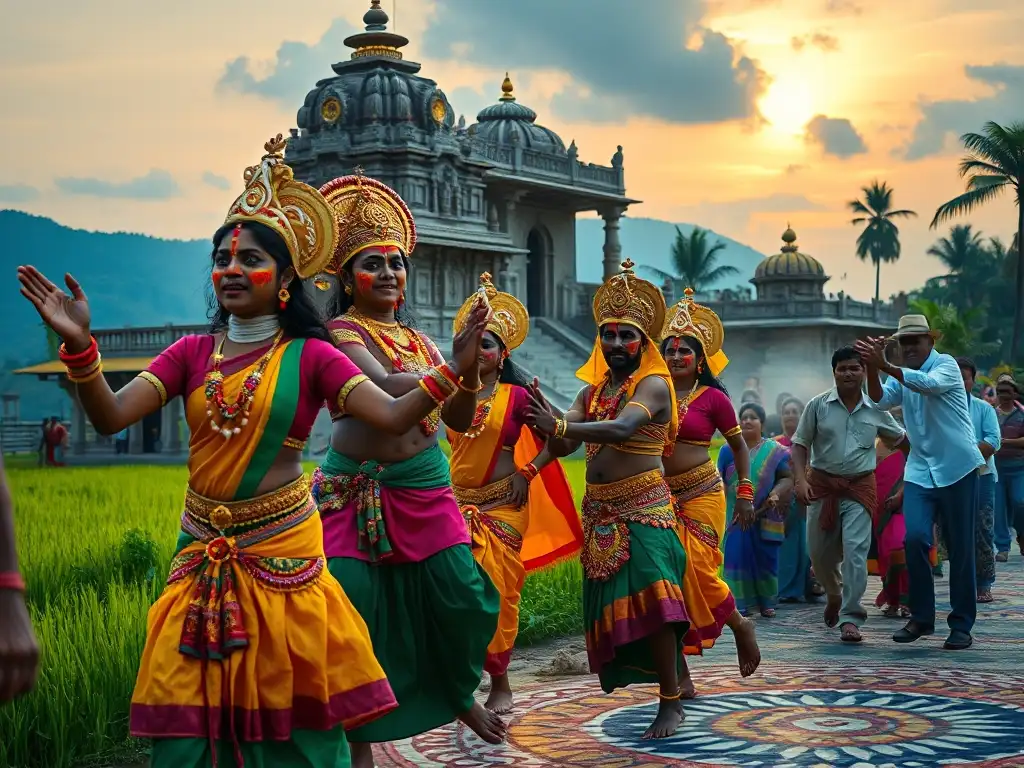
Welcome to Ancient India History, where we invite you to embark on a fascinating journey through the rich tapestry of Southern Indian folklore and myths. This vibrant exploration unveils the intricate stories and cultural narratives that have shaped the region's identity from the ancient Indus Valley to the illustrious Gupta Empire.
As you delve into our main article, "Exploring the Rich Tapestry of Southern Indian Folklore and Myths," prepare to uncover the enchanting traditions and legendary tales that continue to resonate in the hearts of millions. Join us as we peel back the layers of time and discover the enduring legacies of these remarkable civilizations—your adventure begins now!
Southern India, renowned for its vibrant culture and historical richness, offers a unique window into the folklore and myths that have shaped its societies over millennia. The region's diverse heritage is a blend of various traditions, languages, and beliefs, each contributing to a rich tapestry of narratives that resonate through its art, literature, and daily life. From the ancient tales of the Dravidian tribes to the intricate narratives surrounding deities in Hindu mythology, Southern Indian folklore is replete with stories that reflect the values, ethics, and aspirations of its people.
The significance of these myths and stories extends beyond mere entertainment; they serve as cultural touchstones that connect contemporary society with its historical roots. In understanding these tales, we gain insights into the moral frameworks and societal norms that have guided Southern Indian communities. Moreover, the oral tradition of storytelling has allowed these narratives to evolve while maintaining their core messages, ensuring that they remain relevant to new generations.
As we explore the intricate world of Southern Indian folklore and myths, we will delve into the various aspects that define this rich cultural heritage, examining the key themes, characters, and the historical context in which these stories have emerged. From the enchanting tales of deities and heroes to the cautionary folklore that warns against moral transgressions, the narratives of Southern India offer a profound understanding of the human experience through a unique cultural lens.
- Introduction to Southern Indian Folklore and Myths
- Historical Context of Southern Indian Folklore
- Themes in Southern Indian Myths
- Regional Variations in Southern Indian Folklore
- Notable Folkloric Characters and Their Stories
- The Role of Oral Tradition in Preserving Myths
- Contemporary Interpretations of Southern Indian Folklore
- Conclusion: The Enduring Legacy of Southern Indian Folklore and Myths
-
Frequently Asked Questions
- What are the main themes in Southern Indian folklore and myths?
- How do Southern Indian myths influence modern culture?
- What role do deities play in Southern Indian mythology?
- Are there specific stories or characters that are prominent in Southern Indian folklore?
- How can one explore Southern Indian folklore and myths further?
- Final Reflection: The Enduring Legacy of Southern Indian Folklore and Myths
- Unveil the Magic: Dive Deeper into Southern Indian Folklore!
Introduction to Southern Indian Folklore and Myths
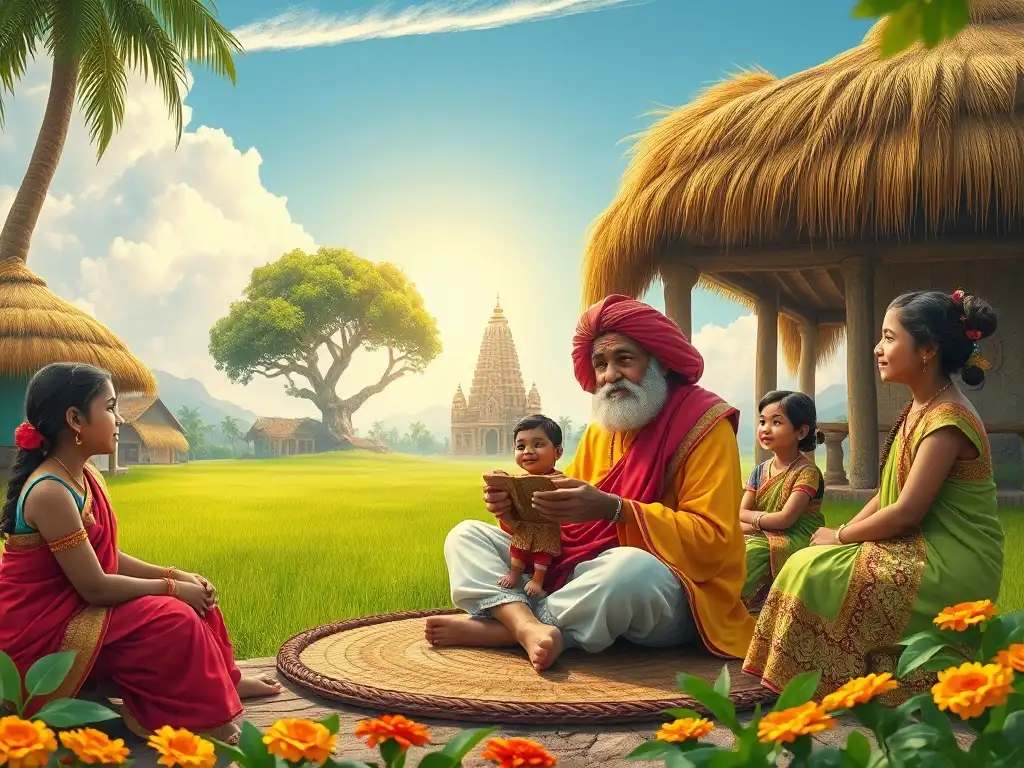
Southern Indian folklore and myths are an essential component of the cultural fabric and historical narrative of the region. Spanning various states such as Tamil Nadu, Karnataka, Andhra Pradesh, and Kerala, this folklore is characterized by its rich tapestry of stories, traditions, and beliefs that have been passed down through generations. These narratives often encapsulate the values, struggles, and aspirations of the communities, serving as a reflection of their socio-cultural identity.
The tales often draw inspiration from local deities, historical events, and nature, blending the spiritual and the mundane. Southern Indian folklore is not merely a collection of stories; it is a living tradition that continues to evolve, influencing contemporary art, literature, and social practices. The myths serve both as entertainment and as moral lessons, providing insight into the ethical frameworks that guide these communities.
Definition of Folklore in Southern India
Folklore in Southern India encompasses a wide range of oral traditions, including:
- Folk Tales: Stories that often feature local heroes, mythical creatures, and moral lessons.
- Songs and Chants: Musical narratives that convey historical events or celebrate festivals.
- Rituals and Practices: Ceremonial traditions that incorporate these stories into religious or cultural observances.
- Art Forms: Visual representations of folklore in paintings, sculptures, and dance.
The term "folklore" itself can be understood as the collective cultural expressions of a community, including beliefs, customs, and narratives. In Southern India, these expressions are not static; they adapt and transform, reflecting the dynamic nature of society. For instance, the Puranas, ancient texts that narrate the histories and myths of Hindu deities, are often interwoven with local folklore, creating a unique tapestry that showcases the region's diverse cultural influences.
Importance of Myths in Cultural Identity
Myths play a crucial role in shaping the cultural identity of Southern Indian communities. They are not just fanciful tales; they serve several important functions:
- Moral Framework: Myths often convey moral lessons that guide behavior and societal norms. For example, characters in folklore frequently face dilemmas that challenge their values, illustrating the consequences of ethical choices.
- Community Bonding: Shared myths foster a sense of belonging among community members. They create a common understanding of history and values, reinforcing social cohesion.
- Cultural Continuity: Through storytelling, myths preserve historical events and cultural practices that might otherwise be forgotten. This continuity is vital for maintaining the identity of various communities.
- Expression of Worldview: Myths encapsulate the spiritual beliefs and cosmology of Southern Indian societies. They offer insights into how communities understand nature, life, and the divine.
- Artistic Inspiration: The themes and characters from myths often inspire various forms of art, including dance, theatre, and literature, further embedding these narratives into the cultural landscape.
The significance of Southern Indian folklore and myths extends beyond mere storytelling; they are integral to understanding the region's history, cultural identity, and social structures. As these narratives continue to be told and retold, they ensure that the rich traditions of Southern India remain alive and relevant.
Historical Context of Southern Indian Folklore
Ancient Civilizations and Their Influence on Folklore
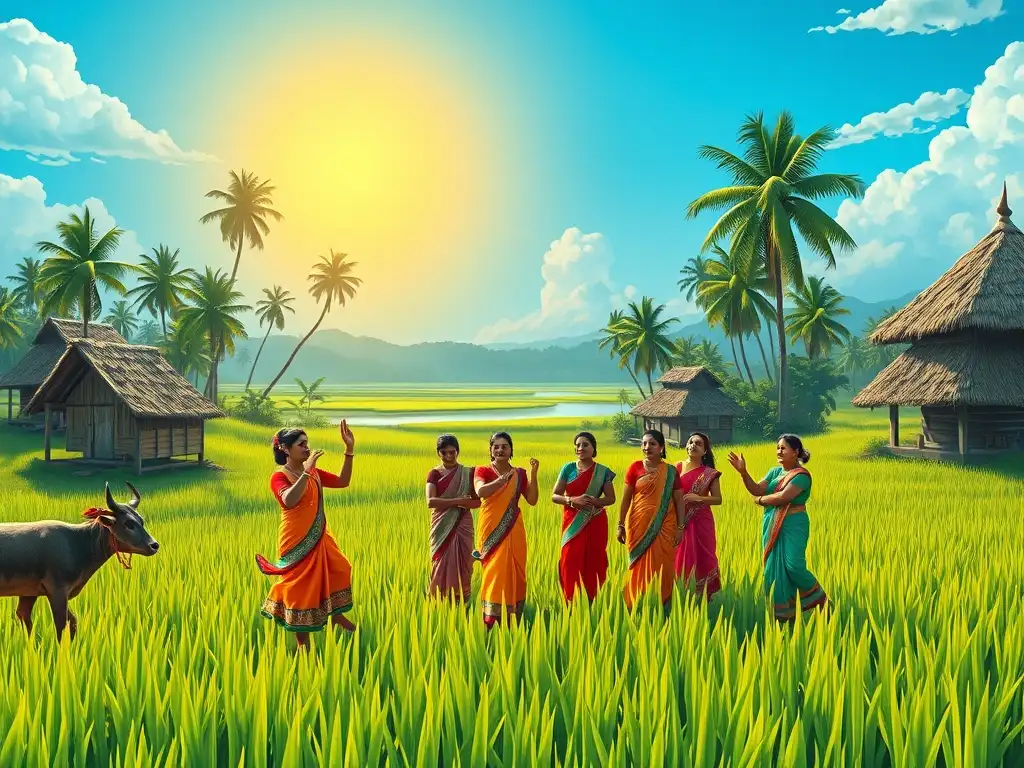
Southern India boasts a rich tapestry of ancient civilizations that have significantly influenced its folklore and myths. The earliest of these civilizations, notably the Indus Valley Civilization, though primarily located in the north, laid foundational cultural elements that permeated southward. Its trade networks and cultural exchanges introduced various practices that contributed to the diverse storytelling traditions seen in southern folklore today.
The Chola, Pandya, and Cheras dynasties, which rose to prominence in the early medieval period, further enriched this folklore. These dynasties not only patronized the arts but also integrated local beliefs and traditions into their political and social structures. For example, the Chola dynasty, known for its naval prowess, incorporated maritime deities and sea tales into its folklore, reflecting the importance of the ocean in the lives of the coastal communities.
Moreover, the Bhakti movement, which swept through Southern India during the medieval period, played a crucial role in shaping folklore. This movement emphasized personal devotion to gods such as Shiva and Vishnu and often utilized storytelling as a means of spiritual expression. The compositions of saints like Thiruvalluvar and Alvars not only enriched the literary landscape but also embedded moral and philosophical lessons within folklore, enhancing its depth and cultural significance.
Key Historical Periods Contributing to Folkloric Traditions
Several key historical periods have shaped the vibrant landscape of Southern Indian folklore and myths:
- Prehistoric Era:
- The earliest narratives stem from prehistoric times, where cave paintings and engravings depict mythological themes and deities. These ancient expressions reveal early human attempts to understand and narrate their environment.
- Classical Period (3rd century BCE - 6th century CE):
- This era saw the emergence of Tamil literature, particularly the Sangam literature, which encapsulates the rich oral traditions of the time. These texts often include heroic legends, local deities, and the intertwining of human experiences with nature.
- Medieval Period (7th century - 16th century):
- The rise of powerful kingdoms, such as the Vijayanagara Empire, led to a flourishing of arts and culture, further developing folklore. Temples became centers of storytelling through sculptures and dance, allowing myths to be preserved and propagated.
- Colonial Period (17th century - 20th century):
- British colonial rule introduced new narrative forms and interpretations, which influenced traditional storytelling. The blending of Western literary forms with indigenous narratives resulted in a unique evolution of folklore that included both resistance and adaptation.
- Post-Independence Era (1947 - Present):
- In contemporary times, there is a renaissance of interest in Southern Indian folklore, with scholars and artists seeking to revive and reinterpret traditional myths. This period witnesses the use of modern media to spread these age-old tales, ensuring their relevance in today's cultural dialogue.
Through these historical periods, Southern Indian folklore and myths have been shaped by a confluence of influences, resulting in a diverse and dynamic narrative tradition that continues to resonate with people today. The interweaving of historical events, cultural exchanges, and societal changes has created a rich legacy that reflects the identity and spirit of Southern India.
Themes in Southern Indian Myths
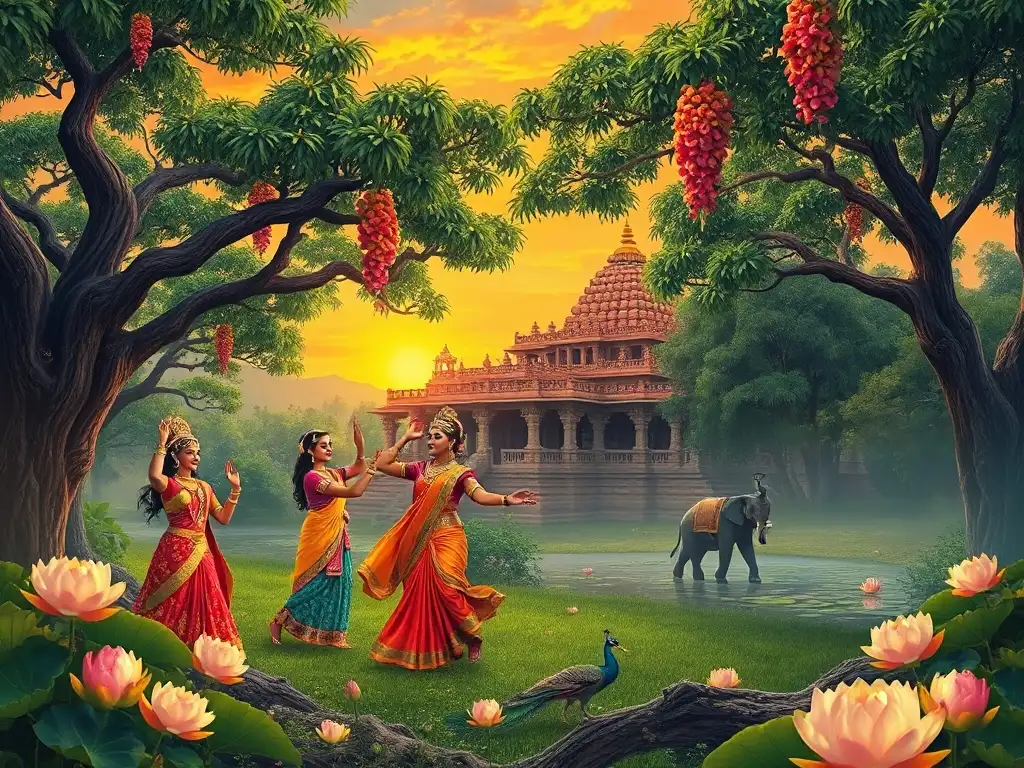
Southern Indian folklore and myths are a profound reflection of the region's rich cultural heritage, diverse landscapes, and spiritual beliefs. These themes not only provide insight into the traditional values and practices of the people but also serve as a bridge connecting the past with contemporary society. The myths often encompass a variety of motifs, including nature, deities, moral lessons, and social values, each contributing uniquely to the collective narrative of Southern India.
Nature and Environment in Southern Indian Myths
Nature plays a pivotal role in Southern Indian folklore, often personified as deities or revered as sacred elements. The lush landscapes, rivers, mountains, and forests are frequently depicted in myths, symbolizing the life force of the region.
- Sacred Rivers: Rivers such as the Kaveri and Godavari are not just physical entities but are revered as goddesses. They are celebrated in numerous tales that highlight their importance in agriculture, sustenance, and spirituality.
- Forests and Wildlife: The dense forests of Southern India, teeming with flora and fauna, are often portrayed as mystical realms. Stories of animals like the tiger, elephant, and peacock embody various virtues and are central to many folk tales. These narratives often emphasize harmony between humans and nature, encouraging respect for the environment.
- Seasonal Changes: The cyclical changes in seasons are also reflected in the folklore, with many myths explaining agricultural practices and rituals tied to the monsoon, harvest, and other seasonal transitions. This connection underscores the agrarian lifestyle prevalent in the region.
Deities and Divine Figures in Southern Indian Folklore
Deities in Southern Indian myths are often multifaceted figures who embody various aspects of life and nature. These divine entities are central to the cultural identity of the region, influencing rituals, festivals, and daily practices.
- Local Deities: Southern Indian folklore is rich with local deities such as Muneeswarar and Ayyanar, who are believed to protect villages and ensure prosperity. Myths surrounding these figures often illustrate their roles as guardians and benefactors, with stories highlighting their interactions with devotees.
- Hindu Pantheon: Figures from the larger Hindu pantheon, such as Shiva, Parvati, and Murugan, are also integral to Southern Indian myths. The retelling of their legends often includes unique regional interpretations, showcasing the local culture and practices. For example, the legend of Murugan's victory over the demon Surapadman is celebrated in various festivals across the region, symbolizing the triumph of good over evil.
- Mythical Creatures: Various mythical creatures, like the snake (Naga) and the lion (Simha), feature prominently in Southern Indian folklore. These beings often represent dualities such as danger and protection, chaos and order, and are deeply embedded in the region's spiritual narratives.
Southern Indian folklore is not just a repository of stories; it serves as a medium for imparting moral lessons and social values. These narratives often reflect the ethical and cultural standards of the society, offering guidance and wisdom.
- Courage and Valor: Many myths celebrate the themes of bravery and valor, personified through heroes who confront formidable challenges. These stories encourage individuals to embody courage in the face of adversity, fostering a sense of resilience within communities.
- Community and Family Values: The importance of community and familial bonds is a recurring theme in Southern Indian myths. Tales often depict the strength that comes from unity and cooperation, reinforcing social cohesion and collective responsibility.
- Justice and Dharma: The principle of dharma (righteousness) is central to many Southern Indian myths, where characters are often faced with moral dilemmas. The resolution of these dilemmas serves to promote justice, integrity, and ethical conduct among individuals, guiding their actions in society.
The themes embedded in Southern Indian folklore and myths are a testament to the region's rich cultural tapestry, reflecting its people's beliefs, values, and relationship with the natural world. By exploring these narratives, one gains a deeper understanding of Southern India’s heritage and the enduring legacy of its myths.
Regional Variations in Southern Indian Folklore
Folklore of Tamil Nadu: Myths and Legends
Tamil Nadu, one of the most culturally rich states in Southern India, boasts a plethora of folklore that reflects its ancient traditions and values. The myths and legends of Tamil Nadu are deeply intertwined with its history, religion, and daily life, often encompassing themes of heroism, devotion, and moral lessons.
- Epic Narratives:
- The Silappatikaram and Manimekalai are two of the most famous Tamil epics that narrate the lives of their protagonists, Kannagi and Manimekalai. These epics explore themes of love, justice, and retribution, emphasizing the social values of the time.
- The story of Kannagi, who avenges her husband’s wrongful death by burning down the city of Madurai, highlights the virtues of loyalty and righteousness.
- Deities and Divine Tales:
- Tamil folklore is replete with stories of deities such as Murugan, the god of war and victory, and Amman, the goddess worshipped for protection and health.
- The legend of Murugan defeating the demon Soorapadman is particularly popular, symbolizing the triumph of good over evil.
- Folk Art and Performance:
- Traditional forms of storytelling, such as Therukoothu (street play) and Naatupura Pattu (village songs), serve as mediums to convey these myths, often involving elaborate costumes and music that engage audiences.
Karnataka's Rich Folkloric Traditions
Karnataka's folklore is a vibrant tapestry of stories that reflect its diverse cultural heritage. The state is known for its folk arts, music, and literature that narrate the lives of its heroes and the values of its people.
- Heroic Ballads:
- The tradition of Veeragase (dance of heroes) showcases the valor of legendary figures like Kumaravyasa, who penned the Karnataka Bharata Katha, a retelling of the Mahabharata in the Kannada language.
- The Karnataka folk tales often feature narratives that celebrate local heroes, such as Raja Harihara and Raja Bukka, who founded the Vijayanagara Empire.
- Myths of Nature and Spirits:
- Folktales often incorporate elements of nature, with stories about the Goddess Durga vanquishing demons that symbolize natural calamities, showcasing the reverence for the environment.
- Yakshagana, a traditional theater form, often draws on mythological themes, presenting stories from the Puranas with a dramatic flair.
- Ritualistic Practices:
- Folkloric rituals like Huli Vesha (tiger dance) are performed during festivals to honor deities and ensure a good harvest, reflecting the agrarian roots of Karnataka's culture.
Andhra Pradesh and Telangana: Unique Mythical Narratives
The folklore of Andhra Pradesh and Telangana is characterized by unique narratives that reflect the region's historical and cultural diversity. Myths from this area often blend Hindu, Buddhist, and local traditions.
- Folk Deities and Legends:
- The stories of Ankalamma and Pochamma, local goddesses, are central to the region's folklore. They are worshiped for their protective powers and are often invoked during rituals for health and prosperity.
- The legend of Khandoba, a folk deity believed to protect against evil, is celebrated in many festivals and local traditions.
- Buddhist Influence:
- The ancient Buddhist narratives from Amaravati include tales of Buddha’s life, emphasizing moral values and teachings. These stories have significantly influenced the cultural landscape of the region.
- The famous Amaravati Stupa stands as a testament to this rich historical narrative, attracting scholars and devotees alike.
- Cultural Expressions:
- The Dappu dance and Lambadi songs are integral to the region's folklore, often recounting tales of bravery, love, and the struggles of daily life.
- Festivals like Bonalu and Sankranti incorporate folk narratives, celebrating the harvest and honoring local deities through vibrant rituals and performances.
Southern Indian folklore and myths showcase a rich and diverse cultural heritage across Tamil Nadu, Karnataka, and Andhra Pradesh and Telangana. Each region contributes unique narratives that reflect their historical context, social values, and artistic expressions, forming a captivating tapestry of stories that continue to resonate with the people today.
Kerala's Folklore: Stories of Gods and Demons
Kerala, known as "God's Own Country," possesses a vibrant tapestry of folklore that reflects the region's rich cultural heritage and spiritual traditions. The folklore of Kerala is deeply intertwined with the worship of various deities and the belief in supernatural entities, including gods, demons, and spirits. These stories, passed down through generations, serve not only as entertainment but also as a means of imparting moral values, explaining natural phenomena, and preserving the history of the land.
One of the most prominent features of Kerala’s folklore is the belief in Asuras (demons) and their battles with Devas (gods). These narratives often depict the eternal struggle between good and evil, with the gods frequently portrayed as protectors of dharma (righteousness) while the demons embody chaos and moral corruption. A popular myth is the story of Mahabali, a benevolent demon king who ruled over Kerala and was known for his generosity. His tale is celebrated during the festival of Onam, symbolizing the return of Mahabali to visit his people, emphasizing themes of humility and selflessness.
The Muthappan Theyyam is another significant aspect of Kerala's folklore, where the worship of Muthappan, a deity who represents the fusion of divine and demonic traits, is performed through vibrant rituals and dance. This form of worship incorporates storytelling through performance, where the performer embodies the tales of Muthappan's exploits, often involving encounters with other deities and spirits. The Theyyam rituals are a blend of folklore, spirituality, and community participation, reflecting the local beliefs and customs.
Additionally, the landscape of Kerala plays a crucial role in shaping its folklore. The lush greenery, backwaters, and mountains often serve as the setting for tales of mythical creatures like Naga (serpents) and Bhoota (spirits). These beings are believed to inhabit natural features, with stories explaining their significance and role in maintaining the ecological balance. For instance, the Naga Kanyaka (serpent maiden) is often featured in tales that highlight themes of love, sacrifice, and the connection between humans and nature.
Moreover, Kerala's folklore is enriched by the influence of various communities, including the Christian, Muslim, and Hindu populations, each contributing unique narratives that reflect their beliefs and traditions. The syncretic nature of these stories fosters a sense of unity and shared heritage among the diverse groups residing in the region.
Kerala's folklore is a fascinating blend of myth, spirituality, and cultural identity. The stories of gods and demons not only entertain but also educate and preserve the values intrinsic to the community. Through vibrant performances, rituals, and oral traditions, these tales continue to thrive, ensuring that the rich legacy of Southern Indian folklore remains alive for future generations.
Notable Folkloric Characters and Their Stories
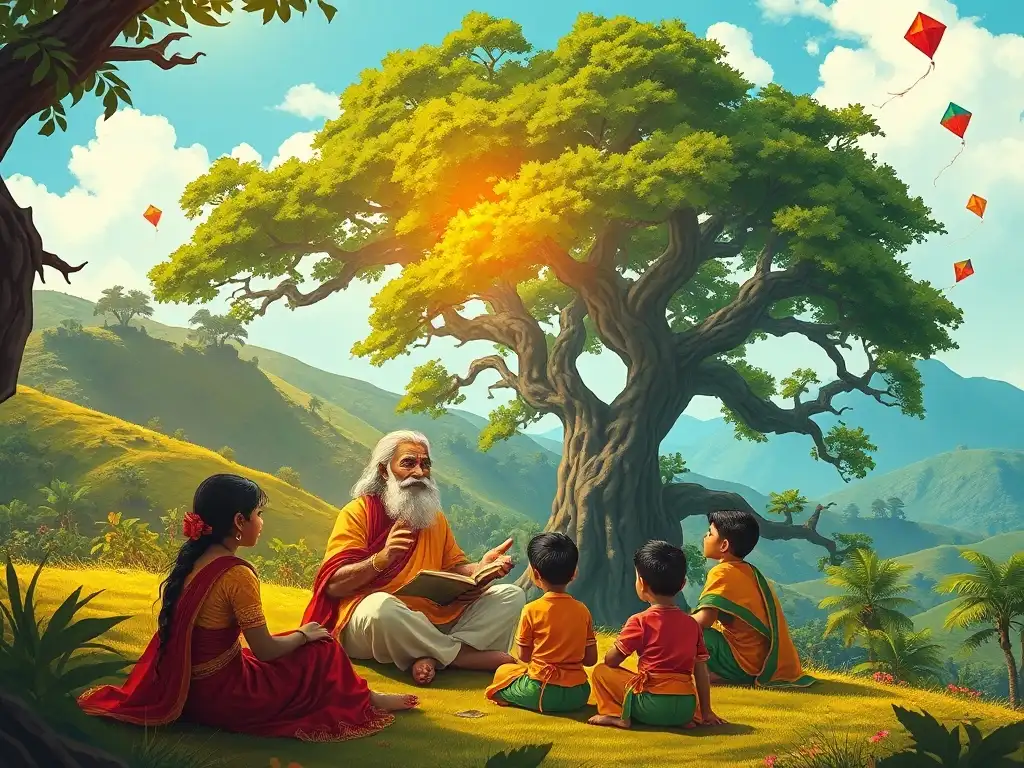
The Legend of Kannagi and Its Cultural Significance
The story of Kannagi, a pivotal figure in Southern Indian folklore, originates from the Tamil epic Silappatikaram. This tale encapsulates themes of love, fidelity, and justice, portraying Kannagi as a devoted wife who seeks retribution for her husband's wrongful execution. Her character embodies the virtues of loyalty and courage, serving as a cultural touchstone in Tamil literature and society.
Kannagi's narrative begins in the ancient city of Madurai, where she is married to Kovalan, a merchant. Their life takes a tragic turn when Kovalan’s wealth leads him astray, and he falls in love with a courtesan named Madhavi. After realizing his mistake and returning to Kannagi, Kovalan seeks to reclaim his lost honor. However, he is falsely accused of theft and executed by the king, leaving Kannagi heartbroken yet resolute.
In her quest for justice, Kannagi stands before the king, revealing the truth through a miraculous act—she breaks a sacred anklet, proving her husband's innocence. The king, overwhelmed by guilt, acknowledges her virtue but it is too late; Kannagi’s grief leads her to curse the city of Madurai, which subsequently faces destruction.
The legend of Kannagi has profound cultural significance, resonating through various art forms, including dance, music, and drama. Festivals celebrating her life and virtues, such as the Kannagi Kottai festival, highlight her enduring legacy in Southern Indian culture. Kannagi represents the strength and resilience of women in folklore, inspiring generations to uphold justice and integrity.
The Tales of Lord Ayyappa: Faith and Folklore
Lord Ayyappa, a prominent deity in Southern Indian mythology, symbolizes the synthesis of different religious traditions, primarily Hinduism and Islam. His stories, particularly the famous Ayyappa Puranam, narrate his divine birth and adventures that resonate deeply with devotees.
According to legend, Ayyappa was born to the union of Lord Shiva and Mohini, the female incarnation of Vishnu. His life is marked by his quest to defeat the demoness Mahishi, who threatened the stability of the world. Ayyappa’s bravery and righteousness are celebrated through various rituals and pilgrimages, particularly the famous Sabarimala pilgrimage in Kerala, which attracts millions of devotees each year.
The tales surrounding Ayyappa emphasize themes of devotion, sacrifice, and communal harmony. His followers, regardless of caste or creed, come together during the pilgrimage, highlighting the unifying aspect of faith. The Mandala season, a 41-day period leading up to the festival, involves strict austerities and penance, reflecting the deep spiritual commitment of Ayyappa’s devotees.
Ayyappa’s stories are not merely religious narratives but also serve as a medium for promoting social values and ethics. The rituals and customs associated with Ayyappa worship reinforce a sense of community and shared identity among his followers, making him a quintessential figure in Southern Indian folklore and myths.
Folk Heroes and Their Impact on Society
Southern Indian folklore is rich with tales of folk heroes who have significantly shaped cultural narratives and societal norms. These characters, often portrayed as champions of justice and protectors of the oppressed, serve as moral exemplars within their communities.
One notable folk hero is Veerappa, celebrated for his bravery and commitment to social justice. His stories often involve fighting against tyranny and corruption, making him a symbol of resistance for marginalized groups. Such narratives empower individuals, inspiring them to stand against injustice and advocate for the rights of the oppressed.
Another prominent figure is the legendary bandit hero, Bhagat Singh, who, despite his outlaw status, is revered for his fight against feudal oppression. His tales highlight the complexities of morality and justice, encouraging a deeper understanding of social issues within the historical context of Southern India.
The impact of these folk heroes extends beyond mere storytelling; they influence local customs, festivals, and community gatherings. For instance, folk dramas and dance forms often depict the exploits of these heroes, fostering a sense of identity and continuity within the culture.
Moreover, folk heroes play a crucial role in preserving local languages and dialects, as their tales are often narrated in regional vernaculars, enriching the linguistic heritage of Southern India. Through their narratives, these characters instill values of bravery, justice, and communal harmony, shaping the moral fabric of society and ensuring that the lessons of the past resonate with future generations.
The Role of Oral Tradition in Preserving Myths
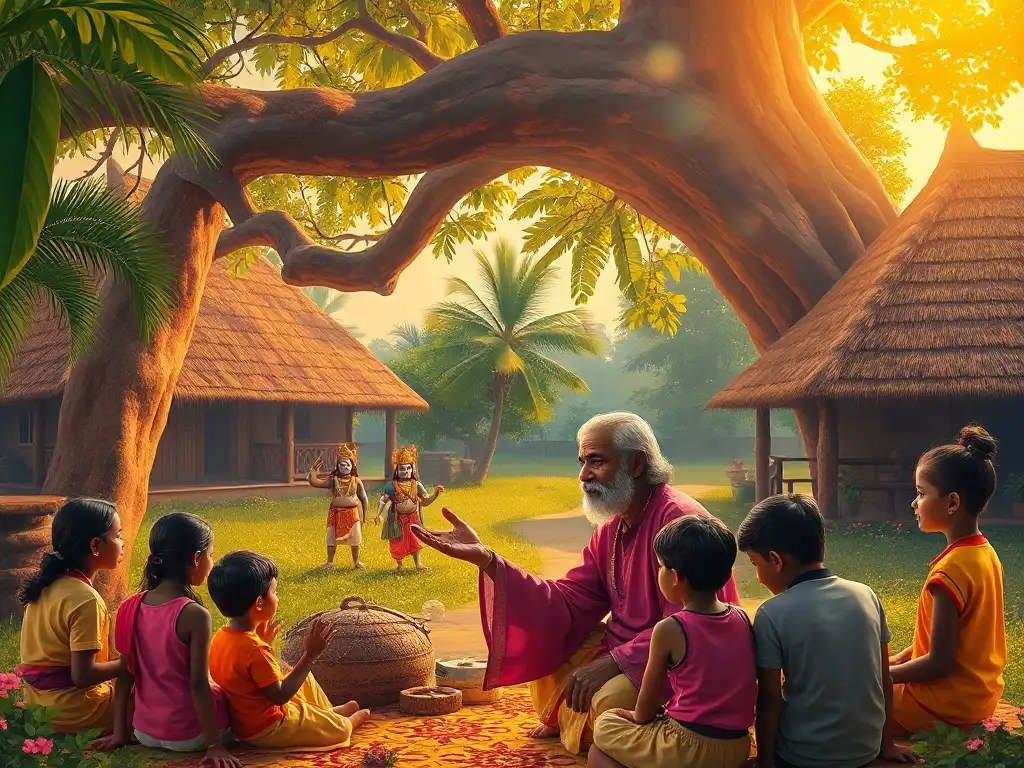
Oral tradition plays a pivotal role in the preservation and propagation of Southern Indian folklore and myths. This method of storytelling has been the primary means of transmitting cultural values, historical narratives, and spiritual beliefs across generations. The rich tapestry of myths from Southern India is intricately woven through oral narratives, songs, and performances, ensuring that these stories remain alive and relevant in contemporary society.
The Importance of Storytelling in Southern Indian Culture
Storytelling is not merely a form of entertainment in Southern India; it serves as a vital cultural practice that fosters community bonding and shared identity. The oral tradition encompasses various forms, including folk tales, moral stories, and songs that often convey deeper meanings and life lessons. Key aspects include:
- Cultural Continuity: Storytelling helps pass down traditions, rituals, and values from one generation to the next, enabling younger members of the community to connect with their heritage.
- Community Engagement: Festivals and gatherings often include storytelling sessions, where local narrators, known as kathakars, perform tales that resonate with the audience, reinforcing communal ties.
- Diversity of Voices: The oral tradition allows for a multitude of perspectives, incorporating regional dialects and local nuances that reflect the diverse cultural landscape of Southern India.
For example, the stories of Muthappan, a popular folk deity in Kerala, illustrate the blend of mythology with social commentary, emphasizing the importance of harmony between humans and nature. These narratives not only entertain but also instill a sense of responsibility towards the environment.
Oral vs. Written Traditions: Preservation of Folklore
The distinction between oral and written traditions is significant in understanding how Southern Indian folklore and myths have been preserved. While written texts provide a permanent record, oral traditions offer a dynamic and adaptable means of storytelling. Key differences include:
| Aspect | Oral Tradition | Written Tradition |
|---|---|---|
| Flexibility | Evolving narratives that adapt to the audience | Fixed narratives that remain unchanged |
| Accessibility | Accessible to all, regardless of literacy | Often limited to those who can read |
| Performance | Engaged through live storytelling and performance | Consumed individually through reading |
| Cultural Context | Rich in local dialects and cultural nuances | Often standardized and may lack local flavor |
The oral tradition’s adaptability allows it to thrive in changing cultural landscapes. For instance, as new generations emerge, stories evolve, reflecting contemporary values while retaining core themes. This fluidity enables the preservation of Southern Indian folklore and myths in a way that resonates with modern audiences.
The interplay between oral and written traditions has created a vibrant landscape for preserving the rich and diverse folklore of Southern India. By valuing storytelling as an art form and a means of cultural transmission, communities ensure that their myths and tales endure, continuing to inspire and educate future generations.
Contemporary Interpretations of Southern Indian Folklore
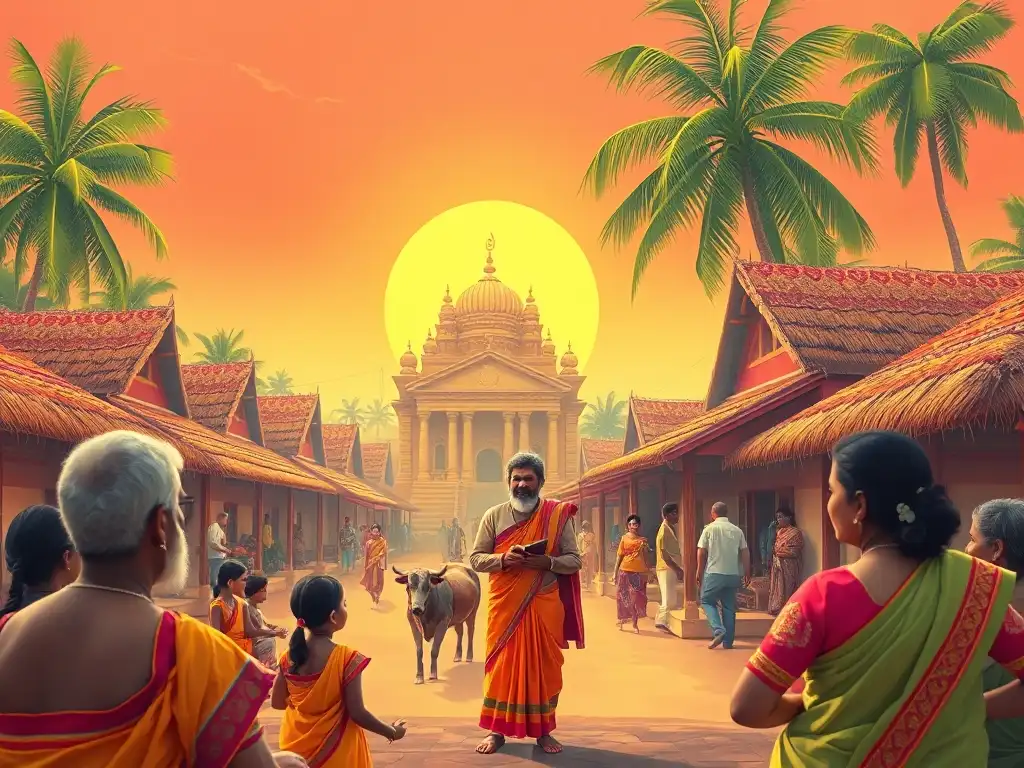
Southern Indian folklore and myths have undergone significant reinterpretation in contemporary times, reflecting the evolving cultural landscape of the region. These narratives, rich in symbolism and meaning, are often revisited by modern artists, writers, and filmmakers, who infuse them with fresh perspectives while honoring their traditional roots. The reinterpretation of these stories not only serves to preserve cultural heritage but also to address contemporary social issues and personal experiences, making them relevant to today's audiences.
One of the key aspects of this contemporary interpretation is the blending of traditional storytelling methods with modern forms of expression. This includes the use of digital media, graphic novels, and performance arts, which allow for a dynamic retelling of age-old tales. For instance, the use of social media platforms to share stories has democratized access to these folklore narratives, enabling them to reach a global audience.
Modern Adaptations in Literature and Art
Modern adaptations of Southern Indian folklore can be seen across various literary and artistic mediums. Authors such as Chitra Banerjee Divakaruni and Kamala Das have drawn inspiration from traditional myths, weaving them into contemporary narratives that explore themes of identity, gender, and cultural displacement. Their works often feature strong female protagonists who navigate the complexities of tradition and modernity, thereby resonating with contemporary readers.
- Graphic Novels: The rise of graphic novels has also played a crucial role in popularizing Southern Indian folklore. Titles like The Ramayana: A New Interpretation by Shweta Taneja illustrate how traditional epics can be reimagined visually, engaging younger audiences and sparking interest in cultural heritage.
- Visual Arts: In visual arts, contemporary artists are using traditional motifs and stories as a source of inspiration. For example, artists like N. S. Harsha incorporate elements of folklore into their paintings, creating a dialogue between the past and present.
Overall, modern adaptations in literature and art serve to not only celebrate Southern Indian folklore but also to critically engage with its themes, providing a platform for dialogue on pressing issues in society today.
The Influence of Southern Indian Folklore on Cinema
The impact of Southern Indian folklore and myths is profoundly evident in the cinematic landscape of the region. Filmmakers have long drawn upon these rich narratives to craft stories that resonate with audiences, often using folklore to explore complex social issues and cultural identities.
- Traditional Storytelling in Film: Many Southern Indian films incorporate elements of folklore and mythology, utilizing characters and plots derived from ancient texts. Movies such as Baahubali, inspired by the epic tales of heroism and valor, showcase how folklore can be transformed into grand narratives on screen.
- Cultural Commentary: Contemporary filmmakers often use folklore as a vehicle for social commentary. For instance, films like Eega (Makkhi) not only entertain but also convey messages about justice and revenge, tapping into universal themes found within traditional stories.
- Visual Spectacle: The visual representation of folklore in cinema has also evolved, with filmmakers employing advanced technology to bring mythical elements to life. The use of special effects in depicting gods, demons, and supernatural occurrences allows audiences to experience the wonder of these ancient tales in an innovative way.
- Promoting Regional Identity: Films rooted in Southern Indian folklore contribute to a sense of regional identity and pride. They highlight the unique cultural heritage of the South, fostering appreciation among both local and international audiences.
The influence of Southern Indian folklore on cinema not only enriches the film industry but also ensures the continued relevance of these narratives in contemporary society. As filmmakers continue to explore and reinterpret these traditional tales, they pave the way for new generations to connect with the rich tapestry of Southern Indian culture.
Conclusion: The Enduring Legacy of Southern Indian Folklore and Myths
The rich tapestry of Southern Indian folklore and myths embodies the region's diverse cultural heritage and social values. These narratives, deeply rooted in history, offer insights into the lives, beliefs, and traditions of the communities that have inhabited this vibrant part of India. The stories, often passed down through generations, serve not only as a form of entertainment but also as a vehicle for moral lessons, cultural identity, and social cohesion.
The enduring legacy of Southern Indian folklore is evident in the various art forms, including classical dance, music, and theater, which draw inspiration from these age-old tales. Festivals and rituals often reflect these myths, reinforcing the collective memory and cultural significance of the folklore. As Southern Indian folklore continues to evolve, it maintains a crucial role in preserving the region's identity amidst the influences of modernity.
Reflection on the Cultural Significance
Southern Indian folklore and myths are significant for several reasons:
- Cultural Identity: These stories are integral to the identity of various communities, providing a sense of belonging and continuity. They reflect the unique customs, traditions, and worldviews of different groups, from the Tamil and Telugu speakers to the Kannada and Malayalam cultures.
- Moral Education: Many myths serve as moral fables, imparting ethical values and life lessons. Characters in these stories often embody virtues such as bravery, wisdom, and compassion, offering role models for the younger generation.
- Historical Insight: Folklore often intertwines with historical events, preserving narratives that provide insight into the social and political climates of the past. This historical context enriches our understanding of how ancient civilizations in Southern India interacted with one another and the broader world.
- Artistic Expression: Folktales inspire various art forms, including traditional paintings, crafts, and performing arts. For instance, the classical dance forms of Bharatanatyam and Kathakali often depict stories from folklore, showcasing the artistic creativity that arises from these narratives.
Future of Southern Indian Folklore in a Globalized World
As we move further into a globalized world, the future of Southern Indian folklore and myths faces both challenges and opportunities:
- Preservation Efforts: There is a growing awareness of the need to preserve traditional folklore amid rapid urbanization and cultural homogenization. Initiatives by local communities, NGOs, and educational institutions are vital in documenting and revitalizing these narratives.
- Digital Adaptation: The rise of digital media presents a unique opportunity for folklore to reach broader audiences. Storytelling platforms, social media, and digital art can help keep these traditions alive and relevant, encouraging younger generations to engage with their cultural heritage.
- Global Influence: Southern Indian folklore has the potential to influence and enrich global narratives. As intercultural exchanges increase, elements of these myths can blend with other traditions, creating new forms of artistic expression and storytelling.
The rich heritage of Southern Indian folklore and myths continues to shape the cultural landscape of the region. As we reflect on their significance and look towards the future, it is crucial to foster appreciation and understanding of these narratives, ensuring that they remain a vital part of both local and global culture.
Frequently Asked Questions
What are the main themes in Southern Indian folklore and myths?
Southern Indian folklore often explores moral lessons, spiritual beliefs, and cultural practices. These stories reflect the rich historical and social context of the region.
How do Southern Indian myths influence modern culture?
Many contemporary art forms, such as dance, theater, and literature, draw inspiration from these ancient tales. They help preserve the region's heritage and encourage a deeper connection to its traditions.
What role do deities play in Southern Indian mythology?
Deities in Southern Indian mythology often represent various aspects of life, including prosperity, wisdom, and protection. They are central figures in many rituals and festivals, symbolizing the connection between the divine and the earthly.
Are there specific stories or characters that are prominent in Southern Indian folklore?
Yes, characters such as Lord Rama, Krishna, and local folk heroes often appear in numerous tales. These narratives highlight heroism, sacrifice, and the struggle between good and evil.
How can one explore Southern Indian folklore and myths further?
One can delve into literature, local festivals, and art forms that celebrate these stories. Visiting museums or attending performances can also enhance understanding and appreciation of this vibrant cultural heritage.
Final Reflection: The Enduring Legacy of Southern Indian Folklore and Myths
Southern Indian folklore and myths are not just relics of the past; they are vibrant narratives that continue to shape our cultural identity today. In a world increasingly dominated by globalization and homogenization, these stories serve as a crucial reminder of our diverse heritage. They offer a lens through which we can understand the values, beliefs, and traditions that have been passed down through generations, enriching our contemporary lives with their wisdom and creativity.
The influence of Southern Indian folklore and myths is palpable in various aspects of our cultural landscape, from art and literature to festivals and daily practices. These narratives not only entertain but also educate, instilling moral lessons and cultural pride in those who engage with them.
As the renowned author R.K. Narayan once said, "> Mythology is not a thing of the past; it is a living, breathing entity that continues to inspire and inform our lives." This ongoing relevance underscores the importance of preserving and celebrating these stories, as they foster a sense of belonging and continuity in an ever-changing world.
As we reflect on the rich tapestry of Southern Indian folklore and myths, I invite you to explore these narratives in your own life. Consider how the themes and lessons embedded in these stories resonate with your personal experiences and values. Whether through reading, storytelling, or participating in cultural events, let these myths inspire you to connect with your roots and share their wisdom with others. Embrace the opportunity to keep this vibrant tradition alive, ensuring that the tales of our ancestors continue to echo through time.
Unveil the Magic: Dive Deeper into Southern Indian Folklore!
Thank you for exploring the captivating world of Southern Indian folklore with us! We hope you've gained fresh insights into the rich tapestry of myths and tales that define this vibrant culture. Now, let's transform that newfound knowledge into action!
Here are some exciting ways to engage further:
- Immerse Yourself: Read a local folktale or myth that intrigues you, and share your thoughts on how it reflects the cultural values and traditions of Southern India.
- Connect with Others: Join online forums or social media groups dedicated to Southern Indian culture and folklore, where you can exchange stories and insights with fellow enthusiasts and deepen your understanding.
- Get Creative: Create your own interpretation of a Southern Indian myth—perhaps through art, writing, or even a short play—and consider sharing it with your community to inspire others!
What myths or folktales have sparked your imagination the most, and how do you relate to their teachings in your life today?