
The Legacy of the Maurya Empire's Political System in Contemporary India

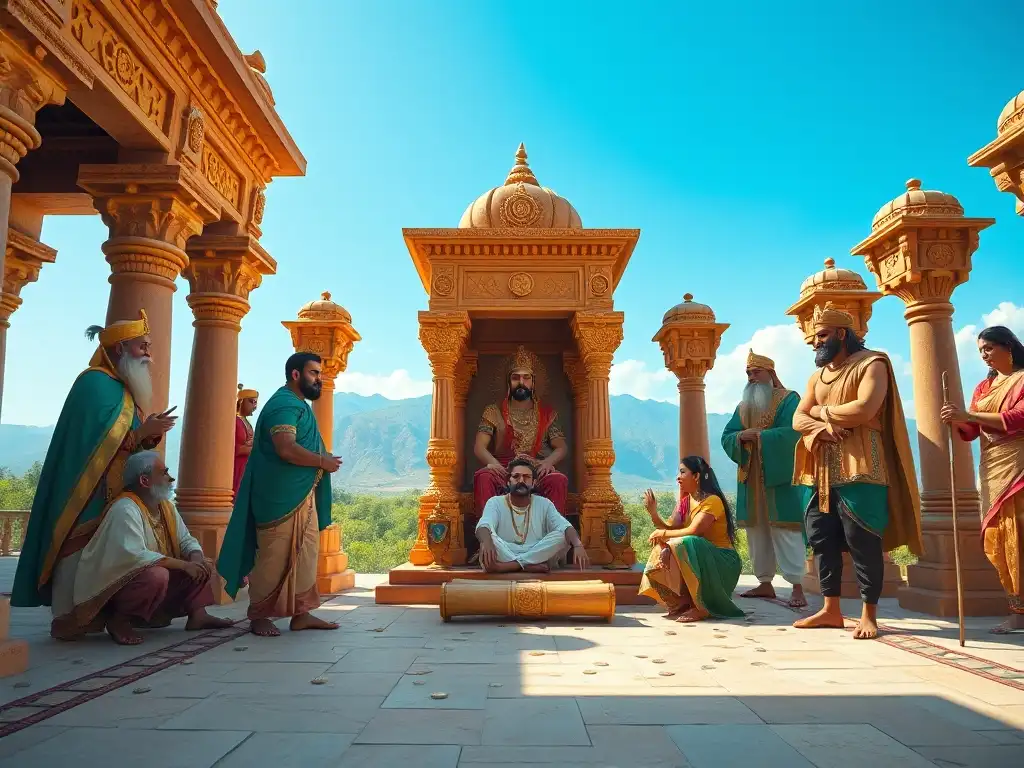
Welcome to Ancient India History, where we delve deep into the rich tapestry of India's past! In this exploration, we invite you to uncover the remarkable political legacy of the Maurya Empire—a foundation that continues to influence contemporary Indian governance and society. Prepare to embark on a journey through time, as we unravel the intricate systems, philosophies, and innovations that shaped one of the most powerful empires in ancient history. What lessons can we learn from the Maurya Empire today? Join us as we explore this captivating narrative and more!
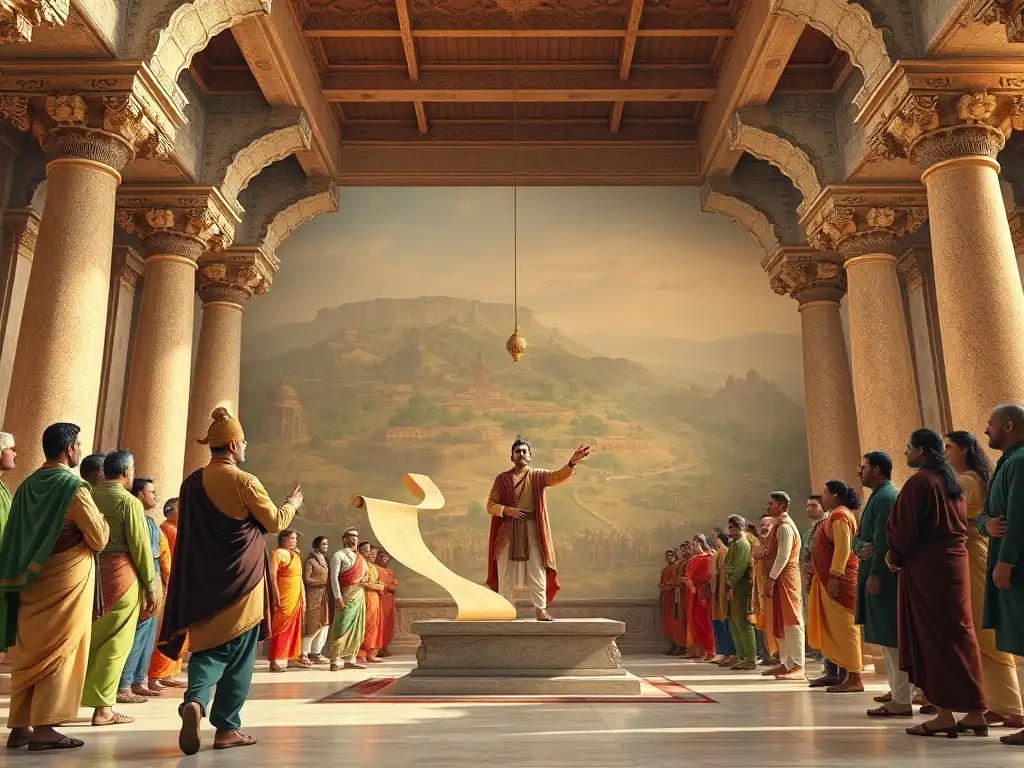
Introduction to the Maurya Empire Political Legacy
The Maurya Empire, one of the most prominent and influential ancient Indian civilizations, has left an indelible mark on the political landscape of contemporary India. Spanning from approximately 322 BCE to 185 BCE, the Maurya Empire was characterized by its remarkable advancements in governance, administration, and law.
The political legacy of the Maurya Empire is not merely a relic of the past; it continues to shape modern political thought and administrative practices in India today. By examining the core elements of the Maurya Empire's political system, we can understand how its principles have endured through centuries and influenced the governance structures of contemporary India.
Overview of the Maurya Empire
The Maurya Empire emerged following the decline of the Nanda Dynasty and was founded by Chandragupta Maurya. This vast empire, at its zenith, covered a substantial part of the Indian subcontinent, extending from the modern-day boundaries of Afghanistan in the west to Bengal in the east. Notably, it was during the reign of Emperor Ashoka, Chandragupta's grandson, that the empire reached its peak, both politically and culturally. Ashoka is particularly renowned for his conversion to Buddhism and for promoting peace, non-violence, and welfare, which further solidified the Mauryan legacy.
Key aspects of the Maurya Empire include:
- Centralized Administration: The Mauryan political system was highly organized, with a strong central authority that managed diverse regions.
- Bureaucratic Excellence: A sophisticated bureaucracy supported the emperor, ensuring effective governance over vast territories.
- Cultural Flourishing: The empire was not only a political powerhouse but also a center for cultural and intellectual advancements.
Importance of Political Systems in Ancient India
Political systems in ancient India played a critical role in shaping societal structures and governance models. The Maurya Empire, in particular, exemplified a transition from fragmented regional rule to a unified state under a central government. This shift was significant in establishing a framework for later political entities in India.
The political innovations introduced during the Maurya period provided a foundation for various aspects of governance, including:
- Legal Reforms: The codification of laws under Ashoka's rule set a precedent for justice and administrative processes.
- Diplomatic Relations: The Mauryas engaged in foreign diplomacy, influencing trade and cultural exchanges with other civilizations.
- Public Welfare Initiatives: The emphasis on the welfare of the populace laid the groundwork for future governance philosophies in India.
Key Features of the Maurya Empire Political System
The political system of the Maurya Empire was characterized by several distinctive features that contributed to its success and longevity. Understanding these key elements helps to appreciate the empire's enduring influence on contemporary governance in India.
Centralized Governance in the Maurya Empire
Centralized governance was a hallmark of the Maurya Empire, allowing for effective control over a vast and diverse territory. The emperor wielded supreme authority, supported by a network of officials and local governors who managed various provinces. This system facilitated uniformity in administration and policy implementation, ensuring that the empire remained cohesive despite the vast geographical and cultural diversity it encompassed.
Elements of centralized governance included:
- Provincial Administration: Provinces, or Mahajanapadas, were governed by appointed officials who reported directly to the emperor.
- Standardized Taxation: A uniform tax system was established, which not only enhanced revenue collection but also promoted economic stability.
Role of the Emperor and Bureaucracy
At the heart of the Mauryan political system was the emperor, whose authority was seen as divinely ordained. The emperor’s role extended beyond mere governance; he was also viewed as a moral guide for his subjects. The bureaucracy, composed of skilled administrators, played a vital role in assisting the emperor in the day-to-day management of the empire.
Key aspects of the emperor's role include:
- Decision-making Power: The emperor made critical decisions on matters of state, including war, diplomacy, and law.
- Bureaucratic Structure: A well-defined hierarchy of officials ensured efficient communication and execution of policies across the empire.
Legal Framework and Administrative Policies
The Maurya Empire established a comprehensive legal framework that governed civil and criminal matters. Ashoka, in particular, was instrumental in promoting legal codes that emphasized ethical governance and justice. His edicts, inscribed on pillars throughout the empire, conveyed principles of law and morality that resonated with the populace.
Important features of the legal framework included:
- Codification of Laws: Laws were documented and made accessible, promoting transparency and accountability.
- Administrative Policies: Policies focused on public welfare, infrastructure development, and the promotion of trade contributed to the empire's prosperity.
The political legacy of the Maurya Empire, exemplified by its centralized governance, the pivotal role of the emperor, and its robust legal framework, continues to influence modern India. Understanding these foundational aspects provides valuable insights into how ancient political systems have shaped contemporary governance and societal structures.
Influence of the Maurya Empire on Modern Indian Politics
The Maurya Empire, which flourished from 322 to 185 BCE, laid the groundwork for various political systems that continue to influence governance in contemporary India. Its sophisticated administrative structure, emphasis on law and order, and concepts of statecraft resonate through modern political practices. Understanding this legacy can provide insights into the roots of India's present-day political environment.
Continuity of Administrative Practices
One of the most significant legacies of the Maurya Empire is its administrative framework. The Mauryan rulers implemented a centralized bureaucracy that facilitated efficient governance across vast territories. This model emphasized the division of labor, with various officials responsible for specific domains such as revenue collection, law enforcement, and public works.
Modern India exhibits a continuation of these administrative practices, characterized by a structured bureaucracy and a clear hierarchy within governmental institutions. The IAS (Indian Administrative Service) and other civil services can trace their roots back to the organized administrative systems of the Mauryan period. Furthermore, the emphasis on local governance, as seen in the Panchayati Raj system, reflects the Mauryan practice of decentralization, which allowed for better local representation and accountability.
Impact on Contemporary Governance Structures
The Maurya Empire's political legacy has also shaped contemporary governance structures. The concept of dharma, or duty, which governed the Mauryan rulers' approach to governance, is mirrored in modern principles of justice and ethics within public administration. The Mauryan emphasis on welfare, seen in the Edicts of Ashoka, has inspired modern policies aimed at social justice and development.
Additionally, the Mauryan Empire's legal frameworks have influenced contemporary Indian laws. The idea of a codified legal system, which was present during the Mauryan reign, has evolved into modern legal codes that govern various aspects of Indian life today. The emphasis on legal rights and responsibilities, along with the promotion of public welfare, showcases the enduring influence of Mauryan governance.
Influence on Political Thought and Philosophy
The political thought of the Maurya Empire, particularly as articulated in texts like Kautilya's Arthashastra, has had a profound impact on contemporary Indian politics. Kautilya's strategies for statecraft, realpolitik, and the importance of pragmatism in governance resonate with modern political strategies. His insights into diplomacy, military tactics, and economic management still find relevance in contemporary political discourse.
Moreover, the Mauryan era's fusion of governance with moral philosophy has cultivated a political culture that values ethical leadership. The teachings of Ashoka, particularly his endorsement of non-violence and moral governance, can be seen reflected in various modern political movements advocating for peace and social justice, shaping the ideological landscape of contemporary India.
Comparative Analysis: Maurya Empire vs. Modern Political Systems
A comparative analysis reveals both similarities and differences between the political systems of the Maurya Empire and modern governance in India. This examination allows for a deeper understanding of how historical precedents continue to shape current political frameworks.
Similarities in Governance Models
Both the Maurya Empire and contemporary India share key similarities in governance models. Notably, both systems emphasize a strong central authority to maintain order and ensure the effective implementation of policies. The Mauryan model of a well-organized bureaucracy is mirrored in the modern administrative structure, which relies on various governmental departments to manage different aspects of governance.
Additionally, the importance of public welfare and societal well-being is a shared value. The Mauryan rulers were known for their efforts in infrastructure development, health care, and education, similar to modern Indian policies aimed at promoting social equity and development.
Differences in Political Ideologies
While there are notable similarities, significant differences also exist between the political ideologies of the Maurya Empire and modern political systems. The Maurya Empire operated under a monarchical framework where ultimate authority resided with the emperor, while contemporary India is a democratic republic that emphasizes citizen participation and electoral governance.
Furthermore, the Mauryan emphasis on state control over economic resources contrasts with the modern emphasis on liberalization and market-driven policies. The ideological shift towards individual rights and freedoms in contemporary India marks a significant departure from the more collectivist governance of the Maurya period.
Lessons Learned from the Maurya Political Legacy
The legacy of the Maurya Empire offers valuable lessons for contemporary political practice. The importance of a well-structured administration, ethical governance, and the prioritization of public welfare are principles that remain relevant today.
Moreover, the Mauryan focus on adaptability in governance—recognizing the need for policies to evolve with changing societal needs—serves as a reminder for modern leaders. Emphasizing a balance between central authority and local autonomy, as practiced by the Mauryans, could enhance the effectiveness of governance in today's diverse and complex political landscape.
The political legacy of the Maurya Empire continues to inform and shape the practices, structures, and philosophies of contemporary Indian politics, providing a rich tapestry of historical precedents from which modern governance can draw valuable insights.
Challenges Faced by the Maurya Empire’s Political System
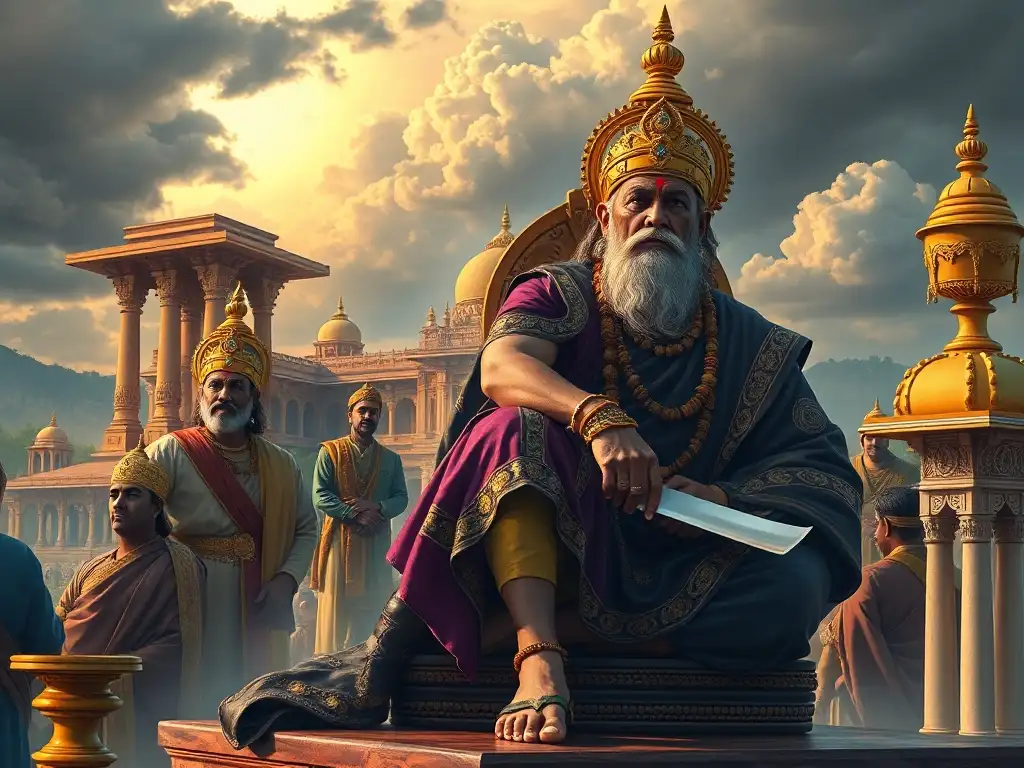
The Maurya Empire, renowned for its extensive territory and sophisticated governance, encountered several challenges that tested the resilience of its political system. Understanding these challenges provides valuable insights into the complexities of governance, both in ancient times and in contemporary India.
Internal Conflicts and Succession Issues
One of the significant internal challenges faced by the Maurya Empire was the issue of succession. The death of a strong leader, such as Ashoka, often led to power struggles among his successors. The centralization of power in a single ruler created a vacuum when that ruler passed away, resulting in factions vying for control. This led to instability and infighting, as seen in the later years of the empire, where disputes over the throne weakened the central authority.
- Key Factors Contributing to Internal Conflicts:
- Ambition of Regional Governors: Governors of various provinces sometimes sought greater autonomy or even independence, challenging the central authority.
- Political Intrigue: Court politics often involved alliances and betrayals, exacerbating divisions within the ruling elite.
- Cultural Diversity: The vast and diverse populations within the empire sometimes led to ethnic and cultural tensions, making governance more complex.
These internal conflicts highlight the importance of stable succession planning and the need for inclusive governance that can accommodate diverse interests within a state.
External Threats and Diplomacy Challenges
The Maurya Empire also faced significant external threats, particularly from neighboring kingdoms and nomadic tribes. The expansive borders of the empire made it susceptible to invasions and territorial ambitions from external forces.
- Examples of External Threats:
- Invasions by the Greeks: Following the conquests of Alexander the Great, the Mauryas had to contend with the ambitions of Hellenistic rulers.
- Border Conflicts with the Seleucid Empire: The empire's western frontier required continuous diplomatic engagement to manage relations and prevent conflicts.
Diplomacy played a crucial role in maintaining peace and facilitating trade, but it was often a delicate balancing act. The ability to engage in effective diplomacy was vital for the sustainability of the empire, especially as it expanded.
Relevance of These Challenges in Contemporary Governance
The challenges faced by the Maurya Empire's political system resonate with contemporary governance issues in India and beyond.
- Internal Conflicts: Like the Maurya Empire, modern states often grapple with succession crises and the challenges of maintaining unity in diverse societies. Political factions, regional aspirations, and the quest for power can disrupt governance.
- External Diplomacy: The need for effective diplomacy in managing international relations and safeguarding national security remains as relevant today as in ancient times. The ability to navigate complex geopolitical landscapes is crucial for contemporary leaders.
By learning from the Maurya Empire’s experiences, modern policymakers can better address internal and external challenges to governance.
Conclusion: Reflecting on the Maurya Empire’s Political Legacy
The political legacy of the Maurya Empire continues to influence contemporary governance in India. Its successes and challenges provide a rich tapestry of lessons that remain relevant today.
Summary of Key Insights
- The Maurya Empire's centralized political system showcased both the strengths and weaknesses of concentrated power.
- Internal conflicts and succession issues highlighted the necessity for stable governance structures.
- The empire's engagement with external threats underscored the importance of diplomatic relations in securing peace and stability.
These insights serve as a reminder of the intricate balance required for effective governance.
The Future of Political Legacy in India
As India navigates modern political landscapes, the lessons from the Maurya Empire's political legacy can inform current practices. Emphasizing inclusive governance, strategic diplomacy, and a focus on stability can help ensure the nation’s future navigates the complexities of its diverse society effectively. The Maurya Empire's political legacy, rich with both achievements and lessons learned, continues to be a vital reference point for contemporary governance in India.
References
The study of the Maurya Empire's political legacy is enriched by a variety of historical texts, scholarly articles, and contemporary analyses. These references provide insights into the governance, administration, and political philosophies that emerged during this influential period in ancient India. By understanding these sources, one can appreciate how the political systems established during the Maurya Empire continue to resonate in modern governance.
Suggested Readings on Maurya Empire Political Legacy
-
"The Maurya Empire: A Political and Cultural History" by R. C. Majumdar
This comprehensive book delves into the political structure of the Maurya Empire and its cultural implications. It discusses the administration under Chandragupta Maurya and his grandson Ashoka, examining how their policies shaped contemporary governance.
-
"Ashoka: The Search for Truth" by Charles Allen
Allen's work focuses on Emperor Ashoka's reign, highlighting his efforts in promoting Dharma and ethical governance. The book explores how Ashoka's principles can still be applied in today's political landscape.
-
"Ancient Indian Political Thought" by Rajendra Prasad
This text analyzes the evolution of political thought in ancient India, with a significant emphasis on the Maurya Empire. It provides context for understanding the philosophical foundations of its governance.
-
"The History of India: From the Earliest Times to the Present" by Romila Thapar
Thapar's extensive historical narrative includes a detailed examination of the Maurya Empire, discussing its political mechanisms and their impact on subsequent Indian states.
-
"The Arthashastra" by Kautilya (Chanakya)
This ancient treatise on statecraft and military strategy is essential for understanding the political strategies employed during the Maurya Empire. Kautilya's insights on governance remain relevant in contemporary political discourse.
Important Historical Texts and Sources
- Arthashastra: Authored by Kautilya, this work is a crucial text for anyone studying the political strategies and administration of the Maurya Empire. Its discussions on governance, economics, and military tactics continue to influence political thought.
- Indica: Written by Megasthenes, this account of Maurya India offers a foreign perspective on the political structure and social systems within the empire. It serves as a valuable source for understanding how the Maurya Empire was perceived by outsiders.
- Ashoka's Edicts: These inscriptions provide direct evidence of Ashoka's policies and philosophies, particularly in promoting moral governance and social welfare. They are pivotal for understanding the political legacy that informs contemporary Indian democracy.
- Puranas: Various Puranic texts, such as the Vishnu Purana and the Bhagavata Purana, contain references to the Maurya Empire's political structure and its influence on subsequent Indian dynasties. These texts are essential for studying the continuity of political ideas.
- The Mahabharata: While primarily an epic, it includes significant discussions on dharma (duty/righteousness) and governance that reflect the political ethos of the time, including the era of the Maurya Empire. Its teachings continue to be referenced in modern political and ethical discussions.
- Introduction to the Maurya Empire Political Legacy
- Key Features of the Maurya Empire Political System
- Influence of the Maurya Empire on Modern Indian Politics
- Comparative Analysis: Maurya Empire vs. Modern Political Systems
- Challenges Faced by the Maurya Empire’s Political System
- Conclusion: Reflecting on the Maurya Empire’s Political Legacy
- References
Frequently Asked Questions
What was the political system of the Maurya Empire?
The political system of the Maurya Empire was characterized by a centralized administration and a strong bureaucracy, which allowed for effective governance across vast territories.
How did the Maurya Empire influence contemporary India?
The Maurya Empire's political legacy influenced contemporary India by establishing principles of statecraft, law, and administration that are still relevant in modern governance.
What are the key features of the Maurya Empire's governance?
Key features include a hierarchical administrative structure, the use of spies for intelligence, and a focus on justice and welfare, which contributed to social stability and order.
What contributions did the Maurya Empire make to Indian culture?
The Maurya Empire contributed significantly to Indian culture through the promotion of art, architecture, and the spread of Buddhism, impacting philosophy and religion across the region.
How is the political legacy of the Maurya Empire viewed today?
Today, the political legacy of the Maurya Empire is viewed as a foundation for democratic principles and governance models, inspiring contemporary leaders and policymakers in India.
Final Reflection: The Enduring Echoes of the Maurya Empire's Political Legacy
The political legacy of the Maurya Empire continues to resonate deeply in contemporary India, shaping governance and societal structures in ways that are both profound and subtle. As we navigate the complexities of modern democracy, it is essential to recognize how the principles of centralized administration, inclusive governance, and ethical leadership established during the Maurya period still inform our political discourse today. The lessons from this ancient empire remind us that the foundations of effective governance are timeless, urging us to reflect on their significance in our current political landscape.
The Maurya Empire's political system has not only influenced the mechanics of governance but has also left an indelible mark on India's cultural identity and social fabric. The emphasis on welfare, justice, and the moral responsibilities of rulers established by figures like Ashoka resonates in contemporary discussions about leadership and civic responsibility. As Mahatma Gandhi once said, "> The best way to find yourself is to lose yourself in the service of others." This sentiment echoes the Mauryan ethos, reminding us that political power should serve the greater good, a principle that remains crucial in today's society.
As we contemplate the lessons from the Maurya Empire's political legacy, I invite you to reflect on how these ancient ideals can inspire our actions today. Consider how you can embody the values of ethical leadership and social responsibility in your own life. Whether through community service, active participation in democratic processes, or simply advocating for justice and equality, each of us has the power to contribute to a legacy of positive change. Let us honor the past by applying its wisdom to forge a brighter future for ourselves and our society.
Unveil the Influence of the Maurya Empire on Today's Politics!
Thank you for exploring the fascinating legacy of the Maurya Empire's political system. Your interest in how ancient structures continue to shape contemporary India is a vital step toward understanding our history and its lasting impact. As you reflect on the insights gained, consider taking the next steps to further engage with this powerful legacy.
- Engage with discussions: Join forums or social media groups focused on ancient Indian history to exchange ideas and perspectives about the Maurya Empire’s influence today.
- Explore relevant literature: Discover books and articles that delve deeper into the political philosophies of the Maurya period and how they resonate in modern governance.
- Share your insights: Challenge friends and family with an intriguing fact or discussion point from this article—sparking conversation can deepen understanding and appreciation for our rich history.
Which aspects of the Maurya Empire’s political system do you believe are most relevant to addressing today's political challenges in India?