
The Story Behind the Art: Why Indian Artifacts Hold Intrinsic Value for Collectors

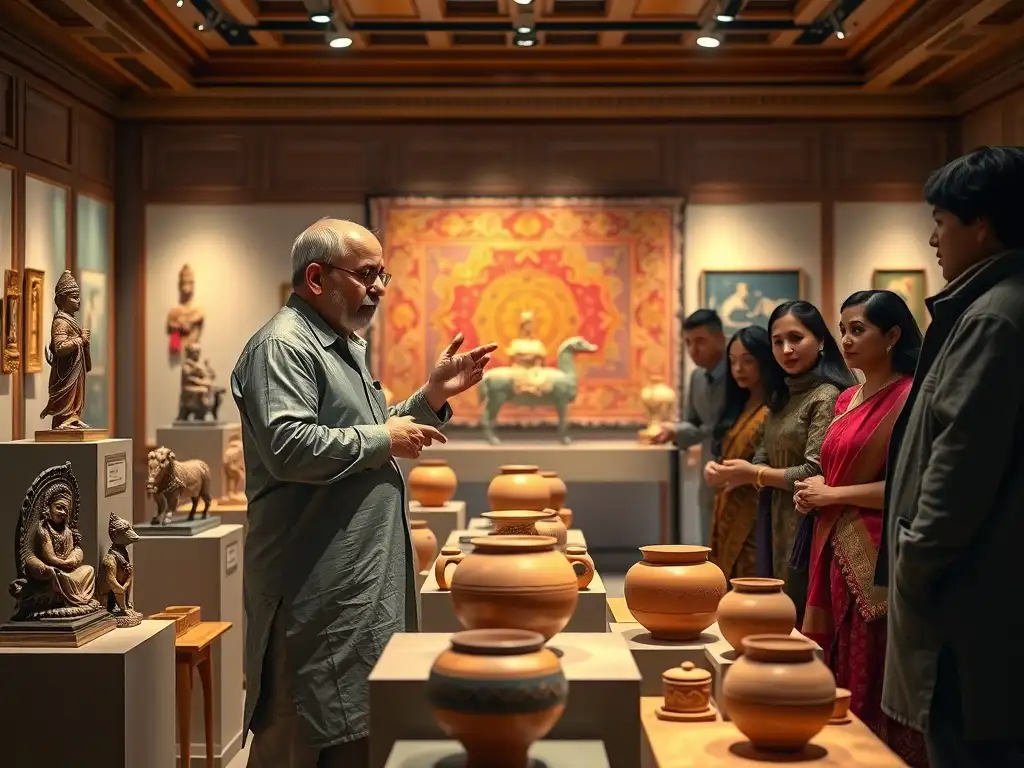
Welcome to Ancient India History, where we embark on a fascinating journey through the rich tapestry of ancient Indian civilizations. From the enigmatic Indus Valley to the enlightened Gupta Empire, the stories of our past are woven with artistry, culture, and profound contributions. In our featured article, "The Story Behind the Art: Why Indian Artifacts Hold Intrinsic Value for Collectors," we delve into the value of Indian art artifacts, uncovering the layers of significance that make these treasures sought after by collectors and enthusiasts alike.
Join us as we explore how these artifacts not only reflect the ingenuity of their creators but also serve as timeless links to a vibrant heritage. Are you ready to discover the hidden stories behind these remarkable pieces?
- The Value of Indian Art Artifacts: An Intrinsic Perspective
- Factors Contributing to the Value of Indian Art Artifacts
- Collecting Indian Art Artifacts: What Every Collector Should Know
- Notable Indian Art Artifacts and Their Market Value
-
Frequently Asked Questions
- What makes Indian art artifacts so valuable?
- How do collectors determine the value of Indian art artifacts?
- What types of Indian art artifacts are most sought after by collectors?
- How do Indian art artifacts contribute to our understanding of ancient civilizations?
- Are there any legal considerations when collecting Indian art artifacts?
- Final Reflection: The Enduring Value of Indian Artifacts
- Embrace the Legacy: Act on Your Passion for Indian Artifacts!
The Value of Indian Art Artifacts: An Intrinsic Perspective
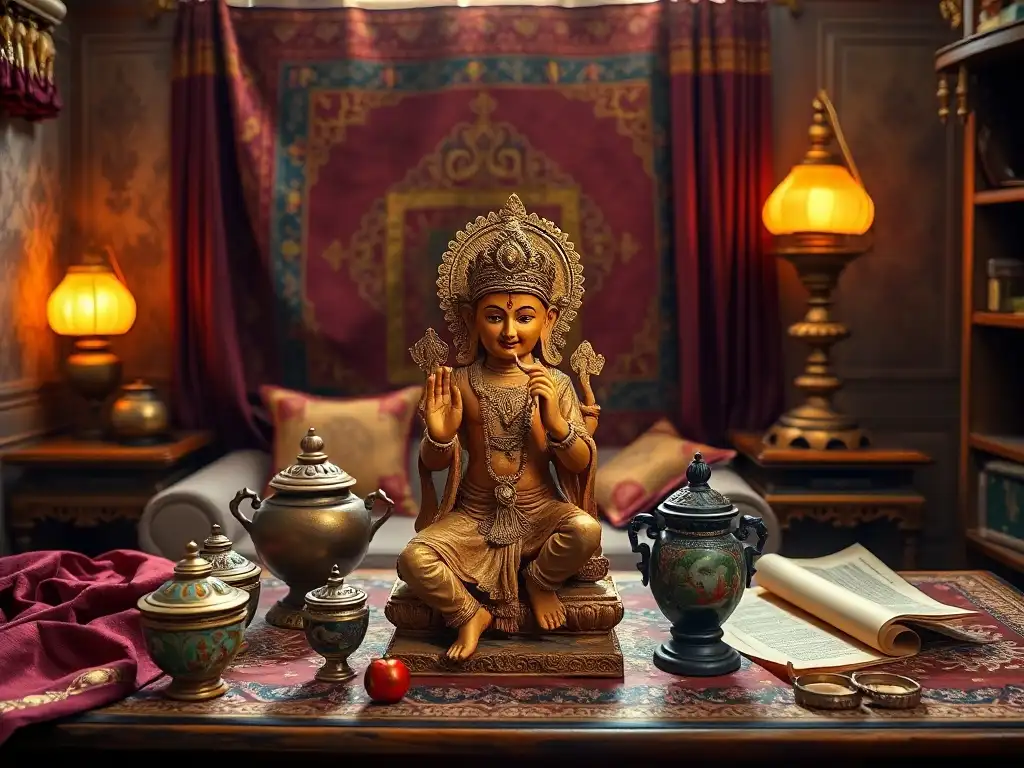
The rich tapestry of Indian history is woven with the threads of art, culture, and craftsmanship that span millennia. From the sophisticated urban planning of the Indus Valley Civilization to the intricate sculptures of the Gupta Empire, Indian artifacts serve as tangible links to a vibrant past. The value of Indian art artifacts extends beyond their aesthetic appeal; they embody the narratives, traditions, and philosophies of ancient societies.
For collectors and investors alike, understanding this intrinsic value can illuminate the profound significance of these objects, revealing not only their historical importance but also their potential in the global market. This article delves into the multifaceted reasons why Indian art artifacts hold intrinsic value, offering insights into their allure for collectors worldwide.
Understanding the Intrinsic Value of Indian Artifacts
Indian art artifacts hold a profound intrinsic value that transcends mere monetary worth. This value can be attributed to several factors:
- Cultural Significance: Each artifact tells a story, reflecting the beliefs, customs, and daily lives of the people who created them. For instance, terracotta figures from the Indus Valley Civilization provide insights into their societal structure and religious practices.
- Artistic Craftsmanship: The skill and artistry involved in creating these artifacts are unparalleled. From the delicate carvings of ancient temples to the vibrant colors of traditional paintings, the craftsmanship showcases the technical prowess and creative expression of artisans.
- Historical Context: Artifacts serve as primary sources for historians and archaeologists. They help reconstruct historical narratives, offering clues about trade routes, social hierarchies, and cultural exchanges that shaped ancient civilizations.
- Rarity and Authenticity: The scarcity of certain artifacts enhances their value. Collectors seek authentic pieces that are verifiable and traceable, as they represent not just art, but a unique slice of history.
- Emotional Connection: For many collectors, owning a piece of history fosters a personal connection to the past. This emotional resonance can significantly elevate an artifact's perceived value.
Understanding these dimensions of intrinsic value is crucial for anyone interested in the collection or investment in Indian art artifacts. It not only enriches appreciation for these items but also guides informed decision-making in the marketplace.
The Global Market for Indian Art Artifacts
The global market for Indian art artifacts has witnessed a remarkable evolution in recent years, driven by a growing appreciation for cultural heritage and investment opportunities. Some key aspects of this market include:
- Rising Demand: With increasing globalization, there is a heightened interest in Indian art across various regions. Collectors from Europe, the Americas, and Asia are eager to acquire authentic Indian artifacts, contributing to a robust demand.
- Auction Houses and Exhibitions: Major auction houses frequently feature Indian art artifacts, drawing attention from serious collectors and investors. Notable exhibitions also play a role in promoting awareness and appreciation for Indian art on the global stage.
- Investment Potential: As the market for antique and art collectibles grows, Indian artifacts are increasingly considered viable investment options. Their historical significance and artistic merit can lead to substantial appreciation in value over time.
- Challenges and Considerations: While the market offers opportunities, collectors must navigate challenges such as provenance verification, legal regulations regarding artifact ownership, and the risk of counterfeit pieces. Understanding these nuances is essential for successful investment.
- Cultural Diplomacy: The global interest in Indian artifacts also reflects broader cultural exchanges. Countries are increasingly recognizing the importance of preserving and promoting their heritage, further solidifying the position of Indian artifacts within the international art market.
The intersection of cultural significance, historical context, and market dynamics highlights the multifaceted value of Indian art artifacts. As collectors and investors seek to engage with these treasures, understanding their intrinsic worth becomes paramount in appreciating and preserving these invaluable pieces of history.
Factors Contributing to the Value of Indian Art Artifacts
Rarity and Authenticity: The Cornerstones of Value
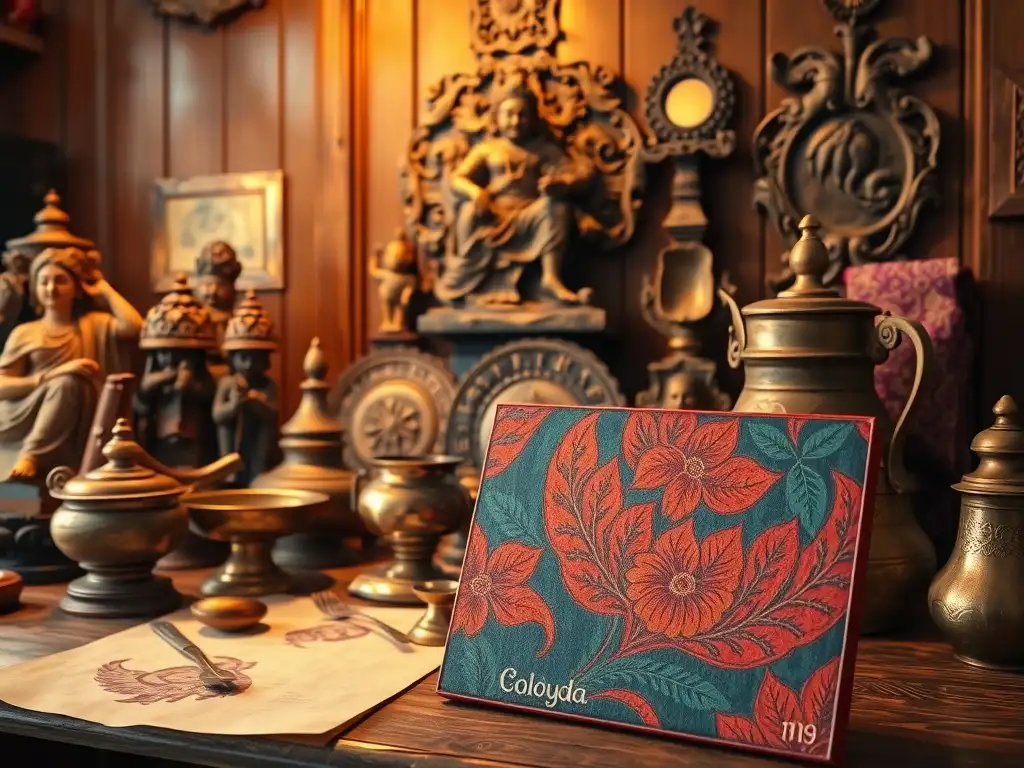
The value of Indian art artifacts heavily hinges on their rarity and authenticity. Collectors and investors alike are drawn to pieces that are unique or produced in limited quantities. The scarcity of an artifact can significantly enhance its desirability and market price.
- Rarity:
- Limited Production: Artifacts that were created during specific historical periods or by renowned artisans tend to be rarer. For example, artifacts from the Indus Valley Civilization are not only scarce but also hold significant archaeological importance.
- Survivability: The survival of artifacts over millennia is often influenced by environmental conditions and human activity. Items that have withstood the test of time, such as ancient pottery or sculptures, are considered particularly valuable.
- Authenticity:
- Provenance: A well-documented history of ownership can validate the authenticity of an artifact, making it more appealing to collectors. Provenance includes details such as its origin, past ownership, and historical significance.
- Certification: Many collectors seek artifacts that come with certification from recognized authorities or experts in Indian art. This assurance of authenticity can drastically elevate the perceived value of the piece.
The allure of rarity and authenticity creates a competitive market for collectors, as they seek pieces that tell a story and carry historical significance.
Artistic Skill and Craftsmanship
The artistic skill and craftsmanship displayed in Indian art artifacts play a pivotal role in determining their value. The intricate techniques and materials used by artisans reflect the rich artistic heritage of India, vividly showcasing the talent that has been passed down through generations.
- Techniques and Materials:
- Traditional Craftsmanship: Many Indian artifacts are created using traditional methods that have been honed over centuries. Techniques such as Madhubani painting or Kanchipuram silk weaving not only demonstrate skill but also cultural significance.
- Quality of Materials: The use of high-quality materials, such as rare woods, precious metals, or natural dyes, contributes to the value of an artifact. For instance, artifacts made from sandstone or marble are often more sought after due to their durability and aesthetic appeal.
- Aesthetic Appeal:
- Design and Detail: The level of detail in the design can dramatically affect an artifact's market value. Highly detailed carvings or paintings that exhibit exceptional craftsmanship are often prized by collectors.
- Innovation: Artifacts that showcase innovative artistic expression or blend traditional techniques with contemporary styles can command higher prices in the market.
Cultural Context and Historical Relevance
The cultural context and historical relevance of Indian art artifacts also contribute significantly to their value. Understanding the broader narrative behind an artifact can elevate its status among collectors, as it connects them to the rich tapestry of Indian history.
- Cultural Significance:
- Symbolism: Many artifacts carry deep cultural or religious meanings. Items such as bronze sculptures of deities not only represent artistic achievement but also embody spiritual significance, making them highly valuable.
- Representation of Heritage: Artifacts that reflect the diverse cultures of India, from the Mughal Empire to tribal art, offer insights into the country’s multifaceted history and appeal to collectors interested in cultural preservation.
- Historical Impact:
- Events and Movements: Artifacts associated with significant historical events or movements can gain intrinsic value. For instance, pieces that date back to the Independence Movement or represent key figures in Indian history often attract heightened interest.
- Educational Value: Collectors often seek artifacts that serve as educational tools, providing insights into ancient Indian civilization, art, and culture. The ability of an artifact to educate and inform can enhance its desirability and market value.
The value of Indian art artifacts transcends mere monetary considerations, encompassing aspects of rarity, authenticity, craftsmanship, and cultural significance that make them cherished items for collectors worldwide.
Collecting Indian Art Artifacts: What Every Collector Should Know
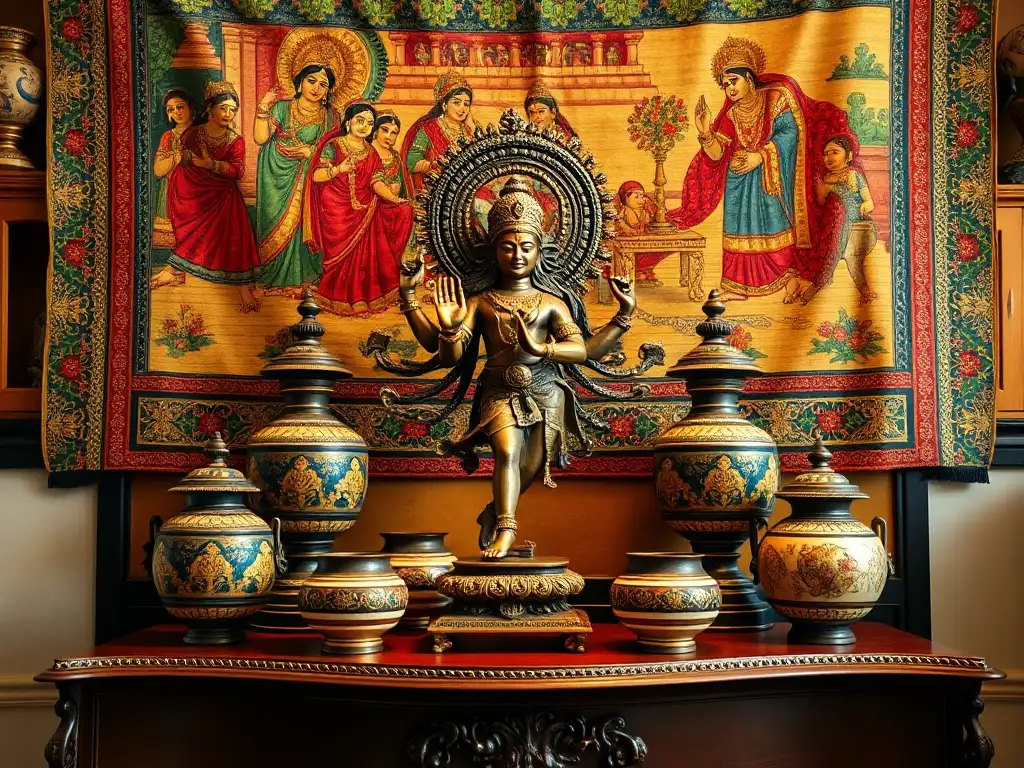
Collecting Indian art artifacts is a rewarding endeavor that offers a glimpse into the rich tapestry of India's historical and cultural narrative. As collectors delve into this fascinating field, understanding the intrinsic value of these artifacts becomes paramount. These items are not merely decorative pieces; they embody the artistry, beliefs, and daily lives of ancient civilizations.
Best Practices for Collecting Indian Artifacts
To ensure a meaningful and valuable collection, collectors should adhere to several best practices:
- Research and Education:
- Understanding the historical context of artifacts is crucial. Collectors should familiarize themselves with different periods such as the Indus Valley Civilization, Mauryan Empire, and Gupta Empire.
- Recommended resources include academic journals, museums, and reputable books focusing on Indian art history.
- Authenticity Verification:
- Collectors must be vigilant about verifying the authenticity of artifacts. Engaging with certified appraisers or archaeologists can help establish the provenance of items.
- Look for documentation, such as certificates of authenticity, which provide details about the artifact's origin.
- Condition and Preservation:
- Assessing the condition of artifacts is essential. Factors such as wear, restoration, and environmental impact can significantly affect value.
- Proper preservation techniques should be employed, including controlled temperature and humidity, to avoid deterioration.
- Legal Considerations:
- Be aware of legalities surrounding the acquisition of artifacts. Many countries have strict laws regarding the export and import of cultural property.
- Ensure compliance with national and international regulations, particularly the UNESCO Convention on the Means of Prohibiting and Preventing the Illicit Import, Export, and Transfer of Ownership of Cultural Property.
- Networking with Experts:
- Connecting with fellow collectors, historians, and curators can provide valuable insights and opportunities for acquiring artifacts.
- Attend art fairs, auctions, and exhibitions to gain exposure to a broader range of pieces and meet industry experts.
Investing in Indian Art Artifacts: Is It Worth It?
Investing in Indian art artifacts can be a lucrative venture, but it requires careful consideration of several key factors:
- Market Trends:
- The market for Indian art artifacts has seen significant fluctuations, influenced by global economic conditions and changing collector interests.
- Recent trends indicate a growing appreciation for indigenous art, particularly among younger collectors, which may drive future value.
- Potential for Appreciation:
- Certain artifacts, especially those with historical significance or unique craftsmanship, can appreciate significantly over time.
- For instance, terracotta figures from the Indus Valley or exquisite bronze sculptures from the Chola dynasty often fetch high prices at auctions.
- Diversity of Investment:
- The diversity within Indian art artifacts—from textiles and pottery to sculptures and manuscripts—allows collectors to tailor their investments according to personal interests and market dynamics.
- This diversity can mitigate risk, as trends may vary across different types of artifacts.
- Emotional and Cultural Value:
- Beyond monetary investment, collectors often find intrinsic value in the stories and cultural heritage represented by the artifacts.
- This emotional connection can enhance the overall experience of collecting and investing in Indian art.
- Expert Consultation:
- Engaging with art advisors or consultants can provide tailored guidance on potential investments, helping collectors navigate the complexities of the market.
- Expert insights can also assist in identifying emerging trends or undervalued artifacts that may offer substantial returns.
The value of Indian art artifacts extends beyond mere financial considerations. For collectors, understanding the historical significance, adhering to best practices, and making informed investment decisions are crucial components of building a valuable and meaningful collection.
Notable Indian Art Artifacts and Their Market Value
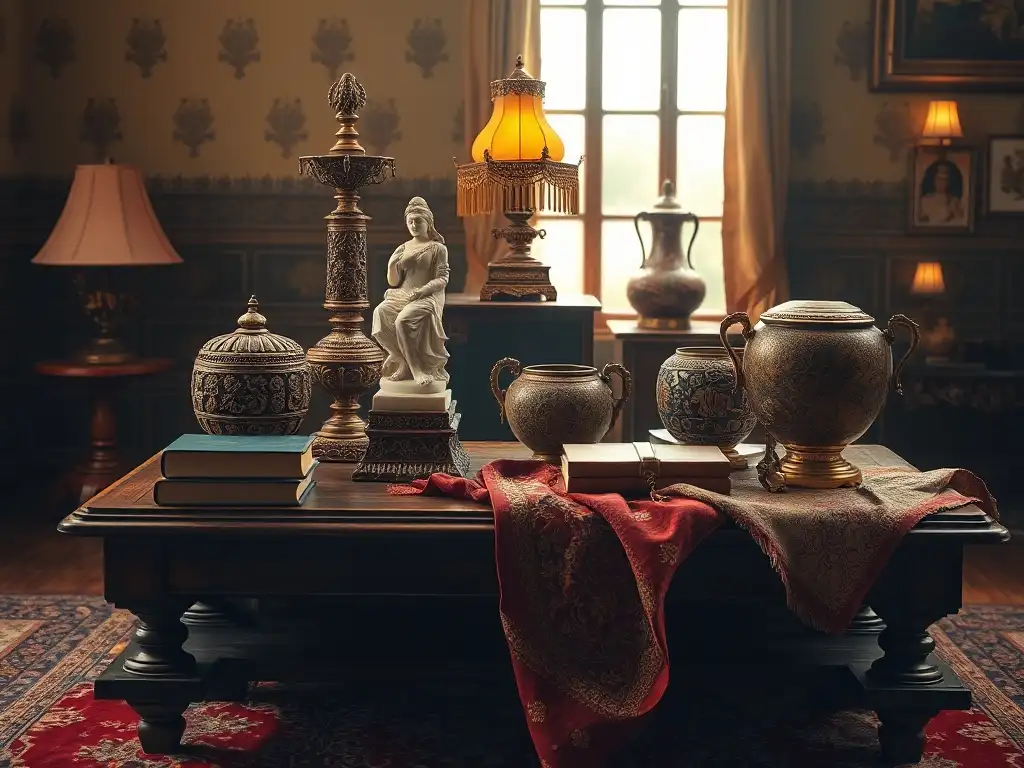
The value of Indian art artifacts is shaped not only by their intrinsic qualities but also by historical significance, craftsmanship, and cultural heritage. As collectors seek to acquire pieces that resonate with their appreciation for the rich tapestry of ancient Indian history, several notable artifacts have emerged as particularly valuable in the global market.
Indian art artifacts can range widely in type, including sculptures, textiles, pottery, and metalwork, each offering a glimpse into the sophisticated craftsmanship and cultural narratives of their time. The market value for these artifacts is influenced by several factors:
- Historical Context: Artifacts that can be traced back to significant historical periods or events often fetch higher prices. For example, pieces from the Maurya or Gupta periods are highly sought after.
- Craftsmanship: The skill involved in creating an artifact plays a key role in its valuation. Intricate carvings, rare materials, and techniques that are unique to certain regions can enhance value.
- Condition and Provenance: The state of preservation and documented history of ownership (provenance) are critical for collectors. Items with a clear lineage and excellent condition command higher prices.
- Cultural Significance: Artifacts that hold religious or cultural importance, such as sculptures of deities or items used in rituals, may also see increased demand and pricing.
Top Indian Art Artifacts to Consider for Collectors
When exploring the market for Indian art artifacts, collectors should consider the following prominent categories and examples that exemplify both artistic excellence and investment potential:
- Sculptures
- Gandhara Buddhas: Known for their Greco-Buddhist style, these sculptures are highly valued for their intricate detail and historical significance, often fetching prices in the range of tens of thousands to millions of dollars.
- Chola Bronzes: Renowned for their casting technique and aesthetic elegance, Chola bronzes, especially those depicting deities like Nataraja, can command upwards of $1 million in auctions.
- Textiles
- Mughal-era Tapestries: Richly embroidered textiles from the Mughal period are prized for their craftsmanship and are often sold for several thousand dollars, with rare examples exceeding $100,000.
- Kanchipuram Sarees: Exquisite silk sarees from Tamil Nadu are not only culturally significant but also hold considerable market value, especially those made with gold threads.
- Pottery and Ceramics
- Indus Valley Pottery: Artifacts from this ancient civilization are rare and can be highly collectible, with prices ranging from hundreds to thousands of dollars, depending on the piece's condition and rarity.
- Blue and White Kutch Pottery: This pottery, known for its distinctive designs, is popular among collectors and can range from $200 to several thousand dollars based on its age and craftsmanship.
- Metalwork
- Bidriware: Originating from Bidar, this intricate metalwork is known for its inlay designs and can be valued from $100 to several thousand dollars.
- Brass Ritual Objects: Often used in temples, these artifacts hold significant cultural value and can range from $50 to several thousand dollars, depending on their age and intricacy.
Success Stories: Collectors Who Made a Fortune
The world of Indian art artifacts is not only a realm of cultural appreciation but also a space where strategic collectors have turned their investments into substantial profits. Here are notable success stories:
- The Gupta Sculpture Collector: One collector specializing in Gupta-era sculptures acquired a unique stone statue depicting a celestial nymph for $15,000. After a decade, this piece was auctioned for over $300,000 due to its rarity and pristine condition, highlighting the strong appreciation of Gupta art.
- Mughal Tapestry Investment: A savvy investor purchased a Mughal tapestry at a regional auction for $5,000. Recognizing its historical significance, they held onto it for several years until it was featured in a major exhibition. Eventually, it sold for $250,000, demonstrating the potential for high returns in the art market.
- Kanchipuram Sarees Enthusiast: A collector of traditional Kanchipuram sarees began acquiring rare pieces for personal use. Over time, as interest in Indian textiles grew, they sold part of their collection at a significant fashion auction, netting over $100,000 in total, proving the growing market for textiles.
These examples illustrate the dynamic nature of the market for Indian art artifacts and the potential for collectors to not only preserve cultural heritage but also to achieve substantial financial gains through their investments.
Frequently Asked Questions
What makes Indian art artifacts so valuable?
Indian art artifacts are considered valuable due to their historical significance, cultural heritage, and craftsmanship. They reflect the rich traditions and artistry of ancient civilizations.
How do collectors determine the value of Indian art artifacts?
Collectors often assess the value of Indian art artifacts based on rarity, condition, provenance, and cultural importance. These factors help in establishing their worth in the market.
What types of Indian art artifacts are most sought after by collectors?
Sculptures, paintings, and textiles are among the most sought-after Indian art artifacts. Each type showcases the diverse artistic expressions and techniques of various historical periods.
How do Indian art artifacts contribute to our understanding of ancient civilizations?
Indian art artifacts provide insight into the lifestyles, beliefs, and social structures of ancient civilizations. They serve as critical resources for historians and anthropologists studying the past.
Are there any legal considerations when collecting Indian art artifacts?
Yes, collectors should be aware of the legal and ethical issues surrounding the acquisition of Indian art artifacts, including provenance checks and compliance with cultural heritage laws to avoid illicit trade.
Final Reflection: The Enduring Value of Indian Artifacts
The intrinsic value of Indian art artifacts transcends mere aesthetics; it embodies a rich tapestry of culture, history, and identity that resonates deeply with collectors today. In an era where globalization often overshadows local traditions, the appreciation for these artifacts serves as a powerful reminder of our shared heritage and the stories that shape our world. The significance of these pieces is not just in their craftsmanship but in the narratives they carry, making them invaluable treasures in the eyes of collectors and enthusiasts alike.
Cultural appreciation is a journey that connects us to our roots and to each other. The ongoing fascination with Indian art artifacts reflects a broader movement towards valuing authenticity and heritage in a rapidly changing world. As collectors seek to preserve these pieces, they also become custodians of history, ensuring that the stories of the past are not forgotten. Art is the most beautiful of all lies.
This quote encapsulates the idea that while artifacts may be seen as mere objects, they are, in fact, vessels of truth that reveal the complexities of human experience and creativity.
As you reflect on the value of Indian art artifacts, consider how these treasures can inspire your own journey of discovery and appreciation. Embrace the opportunity to connect with the stories behind the art, and let them enrich your understanding of culture and history. Whether you are a seasoned collector or a curious newcomer, take a moment to explore the significance of these artifacts in your life and community. Your engagement with these pieces can foster a deeper connection to the world around you, encouraging a legacy of appreciation that honors the past while inspiring future generations.
Embrace the Legacy: Act on Your Passion for Indian Artifacts!
Thank you for diving into the rich tapestry of Indian art and its profound significance. Your interest in understanding the intrinsic value of these artifacts empowers you to join a community of passionate collectors and enthusiasts. Now, let’s turn that knowledge into action!
Here are a few steps you can take to deepen your engagement with Indian artifacts:
- Join a local or online collector group to share insights and showcase your discoveries.
- Visit museums or exhibitions dedicated to Indian art to experience its history firsthand.
- Explore opportunities to volunteer with cultural preservation organizations to help safeguard these treasures for future generations.
What captivating stories about Indian artifacts have you come across that fueled your passion for collecting?