
Culinary Connections: Meet the Chefs Behind India’s Best Culinary Tours

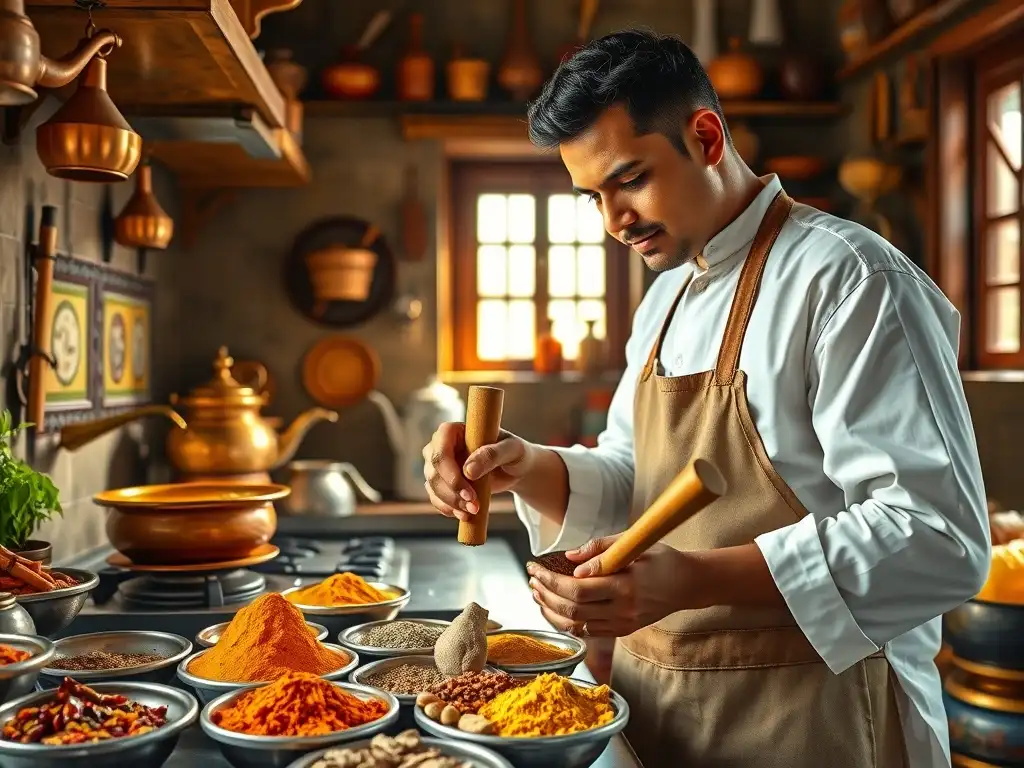
Welcome to Ancient India History, where we embark on an enchanting journey through the vibrant tapestry of ancient Indian civilizations. From the sophisticated urban planning of the Indus Valley to the intellectual advancements of the Gupta Empire, the rich history we explore is not only about kings and empires but also the culinary traditions that have shaped this diverse culture.
In our featured article, "Culinary Connections: Meet the Chefs Behind India’s Best Culinary Tours," we delve into the ancient Indian culinary traditions that have influenced modern gastronomy and the passionate chefs who bring these age-old flavors to life. Join us as we uncover the delectable secrets of India's past, sparking your curiosity and inspiring your taste for exploration!
- Introduction to Ancient Indian Culinary Traditions
- Meet the Chefs: Guardians of Ancient Indian Culinary Traditions
- The Best Culinary Tours in India: A Journey Through Time
- Key Elements of Ancient Indian Culinary Traditions
- The Experience of Culinary Tours: What to Expect
- The Benefits of Culinary Tourism in Promoting Ancient Indian Culinary Traditions
- Practical Tips for Choosing the Right Culinary Tour in India
- Conclusion: Embracing Ancient Indian Culinary Traditions Through Tours
- Frequently Asked Questions
- Final Reflection: Embracing Ancient Indian Culinary Traditions
- Savor the Journey: Connect with Culinary Excellence!
Introduction to Ancient Indian Culinary Traditions
The culinary landscape of India is as diverse and intricate as its history, reflecting the myriad cultures, traditions, and influences that have shaped the subcontinent over millennia. Ancient Indian culinary traditions serve as a testament to the rich heritage of this vibrant land, showcasing unique flavors, cooking techniques, and ingredients that have been passed down through generations.
From the sophisticated kitchens of the Indus Valley Civilization to the royal banquets of the Gupta Empire, each era has contributed to a tapestry of culinary practices that continue to evolve today. In this article, we will explore the chefs behind some of India’s best culinary tours, who are dedicated to preserving and celebrating these ancient traditions.
Exploring the Rich History of Indian Cuisine
Indian cuisine is not just about food; it is a celebration of culture and history. The origins of Indian culinary practices can be traced back over 5,000 years, with significant contributions from various dynasties and regions. Here are some key highlights:
- Indus Valley Civilization (c. 3300–1300 BCE): Evidence of sophisticated cooking methods and food storage techniques, including the use of clay ovens and a variety of grains.
- Vedic Period (c. 1500–500 BCE): The introduction of religious texts that emphasized the importance of food in spiritual practices, leading to the development of vegetarianism among certain communities.
- Maurya and Gupta Empires (c. 322–550 CE): The flourishing of trade routes brought new spices and ingredients into the Indian kitchen, enhancing flavors and diversity.
- Medieval Period: The arrival of Persian and Mughal influences introduced rich gravies, biryanis, and sweets, which became integral to Indian cuisine.
- Colonial Era: The British Raj brought about fusion dishes that blended Indian spices with Western cooking methods, paving the way for modern Indian cuisine.
Each of these historical phases contributed to the complex flavor profiles and regional variations that characterize Indian food today, making it a subject of immense interest for culinary enthusiasts and tourists alike.
The Role of Culinary Tours in Preserving Heritage
Culinary tours play a pivotal role in connecting people with the ancient roots of Indian cuisine. They offer immersive experiences that allow participants to:
- Learn from Local Chefs: Engage with chefs who have inherited traditional recipes and cooking techniques, providing insight into the historical significance of various dishes.
- Participate in Cooking Workshops: Get hands-on experience in preparing authentic Indian meals, from spice grinding to traditional cooking methods.
- Explore Regional Specialties: Discover the unique culinary traditions of different regions, such as the aromatic dishes of South India or the rich flavors of North Indian cuisine.
- Visit Historic Sites: Combine culinary experiences with visits to ancient temples, forts, and markets that have shaped the local food culture.
By participating in these tours, travelers not only enjoy exquisite meals but also deepen their understanding of the cultural contexts that gave rise to these ancient culinary traditions. This connection to heritage ensures that the knowledge and practices surrounding Indian cuisine are preserved for future generations, fostering a greater appreciation for the artistry of cooking in India.
Meet the Chefs: Guardians of Ancient Indian Culinary Traditions
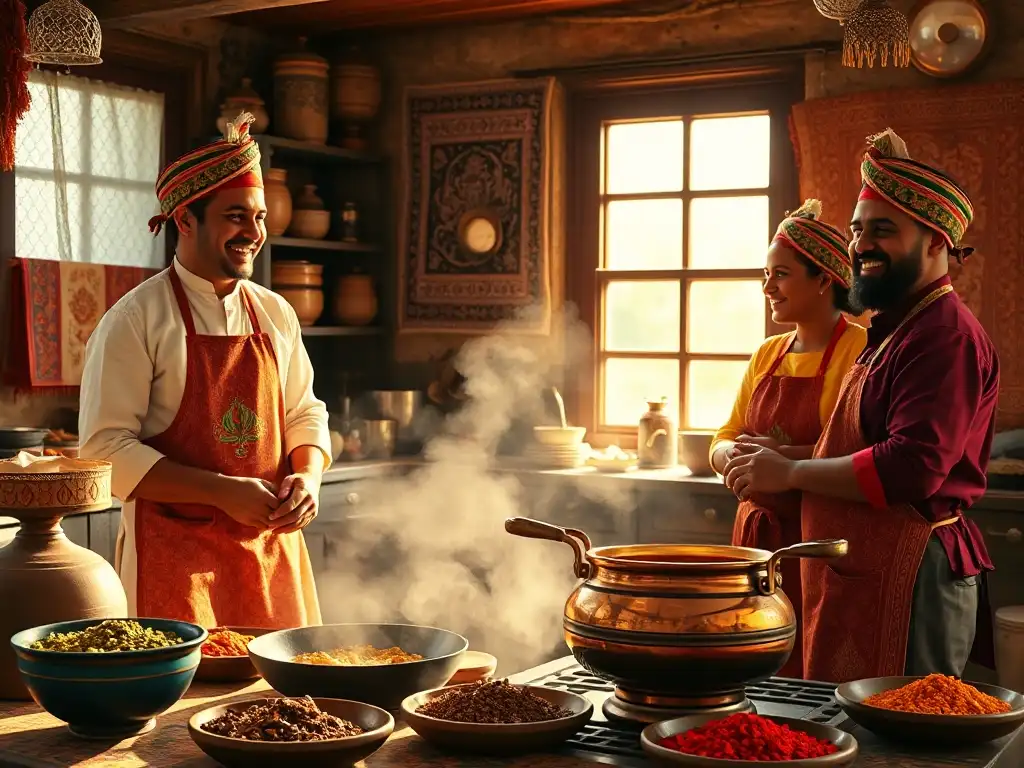
The culinary landscape of India is a rich tapestry interwoven with history, culture, and tradition. Many chefs today stand as guardians of these ancient culinary traditions, showcasing a legacy that dates back thousands of years. Through their culinary tours, they not only present the diverse flavors of India but also educate travelers about the roots of these traditions. This section highlights some of the most prominent chefs who are leading the charge in preserving and innovating ancient Indian culinary practices.
Chef Vikram Sunderam and the Flavors of the Indus Valley
Chef Vikram Sunderam draws inspiration from the ancient Indus Valley Civilization, one of the earliest urban cultures known for its advanced agricultural practices and sophisticated culinary techniques. His cooking showcases the use of local ingredients, many of which have been cultivated in the region for millennia.
- Key Ingredients:
- Millets: A staple in the Indus Valley diet, millets are known for their nutritional benefits and versatility.
- Legumes: Dals and beans were commonly consumed, providing essential proteins.
- Spices: The use of spices like coriander and cumin can be traced back to this era, enhancing flavors and preserving food.
Chef Vikram often organizes culinary tours that feature traditional cooking methods, such as using clay pots and open flames, reminiscent of ancient practices. His signature dishes include:
| Dish Name | Description |
|---|---|
| Indus Millet Pilaf | A fragrant pilaf made with ancient grains and spices. |
| Spiced Lentil Stew | A hearty stew featuring a variety of legumes. |
Through these culinary experiences, Chef Vikram educates participants about the historical significance of these ingredients and their role in the diet of ancient civilizations.
Chef Hemant Oberoi and the Culinary Innovations of the Gupta Empire
Chef Hemant Oberoi represents the innovation and sophistication of the Gupta Empire, a period often referred to as the Golden Age of India. This era witnessed significant advancements in arts, science, and, notably, cuisine. Chef Hemant’s philosophy revolves around elevating traditional dishes while maintaining their authentic flavors.
- Innovative Techniques:
- Fusion Flavors: Incorporating ancient cooking techniques with modern culinary practices.
- Presentation: Emphasizing aesthetics, which was valued during the Gupta period.
Key dishes that reflect this innovative spirit include:
| Dish Name | Description |
|---|---|
| Royal Kheer | A creamy rice pudding flavored with saffron and nuts. |
| Spiced Tandoori Chicken | Chicken marinated in ancient spice blends and grilled to perfection. |
Chef Hemant's culinary tours often include workshops where participants learn about the historical context of these dishes, fostering a deeper appreciation for the culinary arts that flourished during the Gupta Empire.
Chef Nithya Rajan and Regional Specialties of South India
Chef Nithya Rajan specializes in the diverse culinary traditions of South India, which have deep-rooted connections to ancient practices. Her culinary tours focus on regional specialties that highlight the variety of ingredients and techniques specific to this part of India.
- Culinary Highlights:
- Rice Varieties: The foundation of South Indian cuisine, with many ancient varieties still cultivated today.
- Fermentation: Techniques such as dosa and idli preparation showcase traditional fermentation methods.
Some of her standout dishes include:
| Dish Name | Description |
|---|---|
| Masala Dosa | A crispy crepe filled with spiced potato filling, served with chutneys. |
| Puliyodarai | Tamarind rice, a tangy and flavorful dish with a rich history. |
Chef Nithya’s tours provide participants with hands-on experiences in traditional kitchens, allowing them to immerse themselves in the ancient culinary traditions that continue to thrive in South India.
Through these chefs, the ancient Indian culinary traditions are not only preserved but also redefined, allowing modern enthusiasts to appreciate the depth and richness of India's culinary heritage. Each culinary tour serves as a bridge connecting the past to the present, ensuring that these flavors and techniques continue to inspire future generations.
The Best Culinary Tours in India: A Journey Through Time
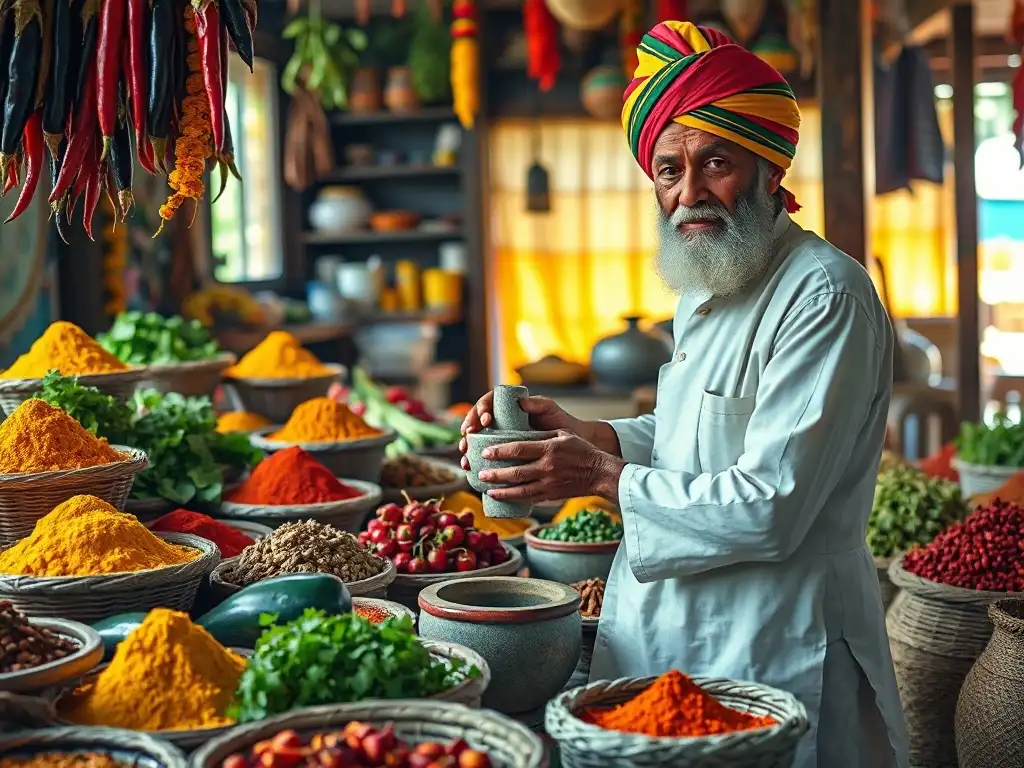
Overview of Top Culinary Tours Highlighting Ancient Traditions
India's culinary landscape is a vibrant tapestry woven from centuries of history, culture, and the rich traditions of its ancient civilizations. The Ancient Indian culinary traditions reflect diverse influences, from the agricultural practices of the Indus Valley Civilization to the sophisticated kitchens of the Mughal Empire. As culinary tourism gains popularity, various tours are designed to illuminate these age-old practices, offering participants an immersive experience that goes beyond mere tasting.
These tours are not only about exploring ingredients and cooking techniques; they are a deep dive into the stories, rituals, and philosophies that have shaped Indian cuisine over the millennia. Here are three exceptional culinary tours that encapsulate the essence of ancient Indian culinary traditions.
Tour 1: Spice Route Adventure - A Journey Through the Spice Routes
The Spice Route Adventure takes participants on an exhilarating journey through the historical trade routes that once connected India to the world. Spices like cardamom, cinnamon, and black pepper were integral to ancient Indian culinary traditions and played a key role in trade and cultural exchange.
- Itinerary Highlights:
- Kerala Backwaters: Explore the origins of spices in lush plantations.
- Cochin Spice Market: Engage with local traders and learn about the significance of spices in ancient cooking.
- Cooking Class: Participate in a hands-on session featuring ancient recipes that utilize these spices.
This tour emphasizes the significance of spices not just as flavor enhancers but as vital components of health and wellness, echoing ancient Indian philosophies.
Tour 2: Mughal Culinary Heritage - Flavors of the Mughal Era
The Mughal Culinary Heritage tour offers a glimpse into the opulent kitchens of the Mughal emperors, who transformed Indian cuisine with Persian influences and elaborate cooking techniques. This tour reflects the intricate layers of flavors and the artistry of Mughal dishes, which remains influential in modern Indian cuisine.
- Itinerary Highlights:
- Delhi’s Historical Kitchens: Visit royal kitchens once used by Mughal emperors.
- Cooking Demonstrations: Learn to prepare iconic dishes like Biryani and Kebabs using traditional methods.
- Historical Context: Engage with historians who explain the socio-political context of Mughal culinary practices.
This tour highlights the ancient culinary traditions that emphasize grand feasts, the use of saffron, and the importance of hospitality, drawing connections to the contemporary culinary scene.
Tour 3: Ancient Flavors Revisited - Ancient Recipes Reimagined
The Ancient Flavors Revisited tour focuses on rediscovering and reimagining ancient recipes that have shaped regional cuisines. It provides an opportunity to taste dishes that have been preserved through generations, often with modifications based on regional ingredients and preferences.
- Itinerary Highlights:
- Heritage Kitchens: Visit homes where traditional cooking practices are still alive.
- Farm-to-Table Experience: Understand the role of ancient grains and local produce in contemporary cooking.
- Culinary Workshops: Engage in workshops that teach participants how to recreate ancient recipes with a modern twist.
This tour celebrates the timeless quality of Ancient Indian culinary traditions, showcasing how ancient practices have evolved while retaining their essence, thus appealing to both history buffs and food enthusiasts alike.
By participating in these culinary tours, travelers gain insight into the profound connections between India’s ancient past and its culinary present, making for a truly enriching experience.
Key Elements of Ancient Indian Culinary Traditions
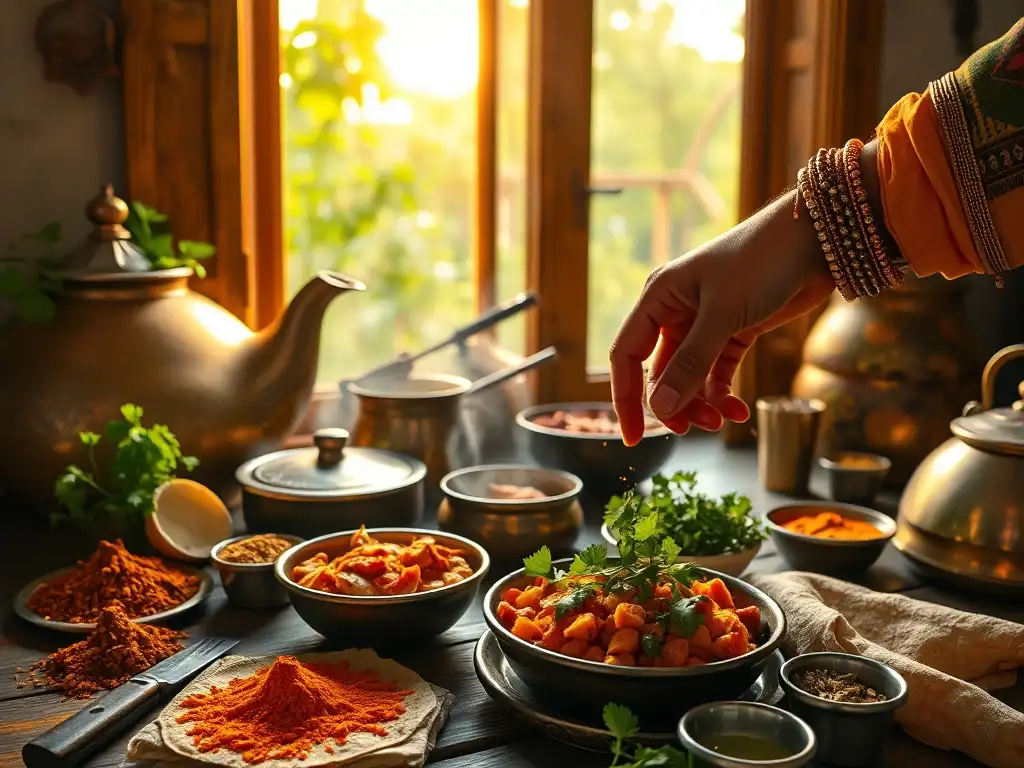
Ancient Indian culinary traditions are a fascinating tapestry woven from the threads of various cultures, regional influences, and historical events. This section explores the foundational elements that have shaped Indian cuisine, emphasizing traditional ingredients, cooking techniques, and the cultural significance of food. The culinary heritage of India is not only diverse but also rich in history, reflecting the evolution of its society over millennia.
Traditional Ingredients Influencing Modern Dishes
The essence of ancient Indian culinary traditions lies in the ingredients that have been used for centuries. These ingredients not only provide flavor but also play a crucial role in the nutrition and health of the community.
Spices and Herbs: The Heart of Indian Cuisine
Spices are often considered the soul of Indian cooking, and their significance dates back to ancient times. Here are some key spices that have shaped Indian cuisine:
- Turmeric: Used for its vibrant color and anti-inflammatory properties, turmeric has been a staple in Indian kitchens for thousands of years.
- Cumin: Known for its warm, earthy flavor, cumin seeds are integral to many traditional dishes, being used in both whole and ground form.
- Coriander: Both the seeds and fresh leaves (cilantro) are essential in adding zest to various recipes.
- Cardamom: Often referred to as the "queen of spices," cardamom is prized for its aromatic qualities and is used in both savory and sweet dishes.
These spices not only enhance the flavor but also offer health benefits, showcasing how ancient culinary practices were intertwined with medicinal knowledge.
Cooking Techniques Passed Down Through Generations
The cooking techniques of ancient India have also played a pivotal role in defining its culinary landscape. Many of these methods have been preserved and passed down through generations, ensuring continuity in culinary practices. Key techniques include:
- Tandoor Cooking: This ancient method of cooking in a clay oven imparts a unique flavor to meats and breads, such as naan and tandoori chicken.
- Dum Cooking: A slow-cooking method that allows flavors to meld beautifully, often used in biryanis and curries.
- Tempering (Tadka): This technique involves frying spices in oil to release their essential oils and flavors, forming the base for many dishes.
These time-honored techniques reflect the sophistication of ancient Indian culinary practices and their enduring influence on modern cooking.
Cultural Significance of Food in Ancient Indian Society
Food in ancient India was not merely sustenance; it played a crucial role in social, religious, and cultural contexts. The relationship between food and culture can be observed in various aspects:
- Religious Rituals: Many traditional Indian dishes are prepared for religious ceremonies and festivals, highlighting the sacred nature of food. Offerings to deities often include specific ingredients that hold symbolic meanings.
- Social Gatherings: Food has always been central to community and family gatherings. Sharing meals fosters bonds and signifies hospitality, an essential part of Indian culture.
- Culinary Diversity: The regional variations in cuisine reflect the diverse cultures and communities across India. Each region boasts unique dishes that tell the story of its history, geography, and people.
In ancient times, food was also a marker of social status, with elaborate meals prepared for the elite, while simpler fare was consumed by the common people. This cultural significance of food continues to resonate in today's culinary tourism, where travelers seek to experience the authentic flavors of ancient Indian traditions.
The exploration of ancient Indian culinary traditions reveals a profound connection between food, culture, and history, making it an essential aspect of India's rich heritage. Understanding these elements enhances our appreciation for the contemporary culinary landscape and the chefs who carry these traditions forward.
The Experience of Culinary Tours: What to Expect
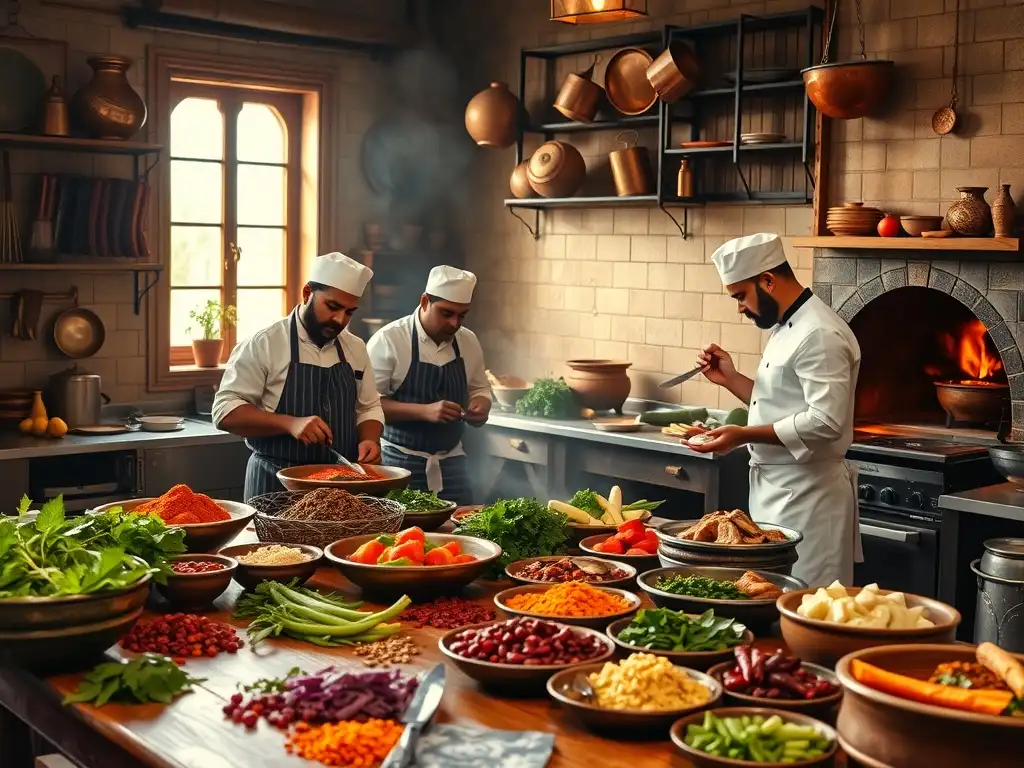
Culinary tours in India offer an immersive experience that combines the rich tapestry of ancient Indian culinary traditions with contemporary cooking practices. These tours are not merely about tasting food; they are journeys through time, culture, and the very essence of Indian hospitality. Participants can expect a blend of hands-on activities, cultural insights, and the opportunity to engage directly with culinary experts who are passionate about their craft.
From bustling kitchens to serene outdoor settings, each culinary tour provides a unique perspective on India's diverse food heritage. Travelers will encounter a variety of cooking styles, regional cuisines, and ancient techniques that have been handed down through generations. The experience is designed not just to educate, but to inspire a deeper appreciation for the flavors and stories behind each dish.
Hands-On Cooking Classes with Renowned Chefs
One of the highlights of culinary tours in India is the opportunity to participate in hands-on cooking classes led by renowned chefs. These classes are designed to immerse participants in ancient Indian culinary traditions while also introducing modern twists.
Key Features of the Cooking Classes:
- Interactive Learning: Participants engage directly with chefs, learning to prepare traditional dishes using age-old techniques.
- Culinary Techniques: Classes often focus on methods such as tandoor cooking, spice blending, and fermentation—skills that have been refined over centuries.
- Regional Focus: Different regions of India offer unique classes focused on local specialties, such as:
- North Indian Curries: Mastering dishes like Paneer Butter Masala and Dal Makhani.
- South Indian Delicacies: Learning to create authentic Dosas and Sambar.
- Coastal Cuisine: Exploring seafood preparations from regions like Kerala and Goa.
By participating in these classes, travelers not only learn to recreate dishes but also gain insights into the cultural significance of the ingredients and recipes passed down through generations.
Exploring Local Markets: Sourcing Ingredients with Chefs
A culinary tour is incomplete without a visit to the vibrant local markets that form the backbone of ancient Indian culinary traditions. These excursions allow participants to experience the hustle and bustle of markets while discovering the variety of fresh ingredients that define Indian cuisine.
Highlights of Market Visits:
- Ingredient Sourcing: Chefs guide participants through the process of selecting fresh produce, spices, and herbs, emphasizing the importance of quality ingredients in traditional cooking.
- Understanding Local Flavors: Tour participants learn about the regional variations in ingredients, such as:
- Spices: The use of specific spices that are emblematic of different regions, like saffron in Kashmir or black pepper in Kerala.
- Vegetables and Fruits: Seasonal produce that plays a critical role in ancient recipes, such as taro root and mangoes during their peak seasons.
- Cultural Insights: Engage with local vendors and farmers, gaining a deeper understanding of the community’s relationship with food and agriculture.
This part of the tour not only enhances culinary skills but also fosters a connection with the local culture, giving participants a holistic view of the culinary landscape.
Tasting Sessions: Understanding Flavors of Ancient India
Tasting sessions are an essential component of any culinary tour, providing an opportunity to savor the diverse flavors that characterize ancient Indian culinary traditions. These sessions are carefully curated to highlight the complexity and variety found within Indian cuisine.
Elements of Tasting Sessions:
- Flavor Profiles: Participants learn to identify the intricate layers of flavor in traditional dishes, understanding the balance of sweet, sour, spicy, and umami.
- Historical Context: Chefs often share the historical significance of each dish, explaining how ancient trade routes influenced regional flavors and ingredient availability.
- Comparative Tastings: These sessions may include tastings of the same dish prepared in different regional styles, allowing participants to appreciate the nuances, such as:
- Biryani Variations: Sampling Hyderabadi Biryani versus Lucknowi Biryani.
- Chutneys and Accompaniments: Exploring a range of chutneys that accompany meals, highlighting how they enhance the overall dining experience.
Through these tastings, participants not only indulge their palates but also gain a profound appreciation for the depth and richness of ancient Indian culinary traditions.
The Benefits of Culinary Tourism in Promoting Ancient Indian Culinary Traditions
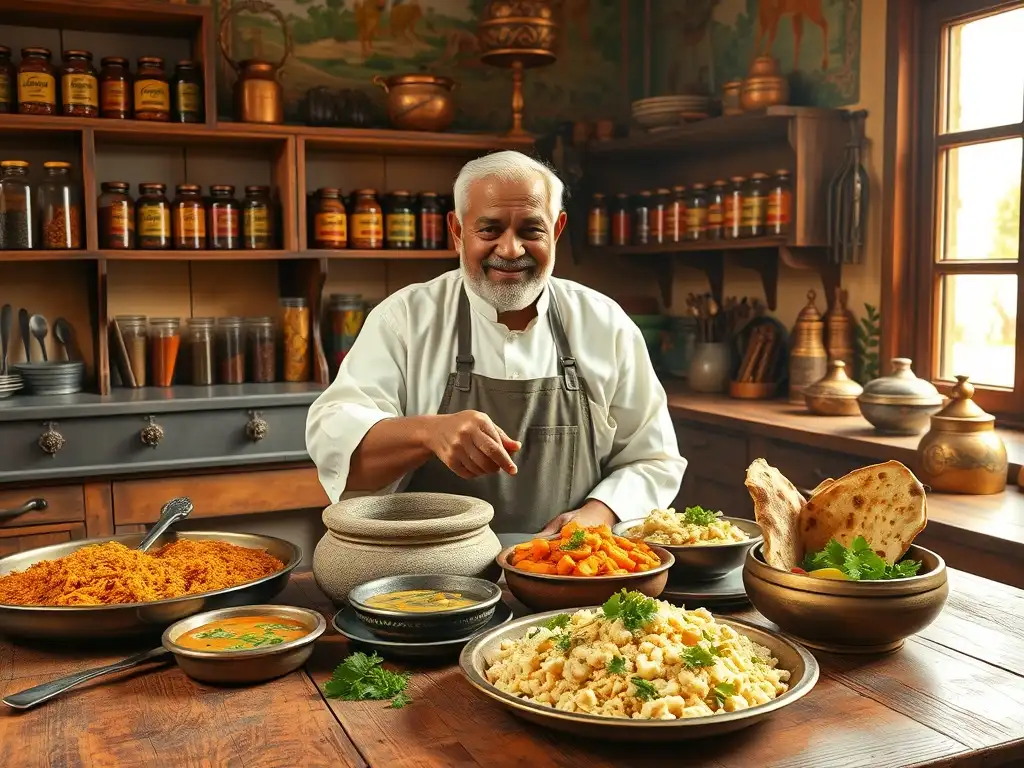
Culinary tourism serves as a bridge connecting visitors with the rich tapestry of ancient Indian culinary traditions. This form of tourism not only provides a unique gastronomic experience but also plays a significant role in preserving and promoting the heritage of Indian cuisine. Here, we delve into the specific benefits that culinary tourism brings to the preservation and appreciation of ancient culinary practices.
Supporting Local Economies and Artisans
Culinary tourism directly impacts local economies by creating opportunities for artisans, farmers, and small businesses. As tourists explore local cuisines, they contribute to:
- Increased Demand for Local Produce: Culinary tours often emphasize the use of indigenous ingredients, encouraging local farmers to cultivate and sell traditional crops. This not only boosts their income but also supports sustainable agricultural practices.
- Employment Opportunities: Restaurants, food stalls, and tour operators often hire local chefs and artisans, creating jobs in communities. For instance, a culinary tour highlighting the cuisine of the Indus Valley might hire local cooks skilled in ancient cooking methods, thereby preserving these skills.
- Promotion of Handicrafts: Culinary experiences often include local handicrafts related to food, such as pottery or textiles used for serving dishes. Supporting these artisans helps preserve traditional crafts that may otherwise fade away.
Thus, culinary tourism can be a powerful tool for economic empowerment, particularly in rural regions where ancient culinary traditions have deep roots.
Reviving Forgotten Recipes and Techniques
Many ancient Indian culinary traditions have been overshadowed by modern cooking practices. Culinary tourism plays a crucial role in reviving these forgotten recipes and techniques through:
- Workshops and Demonstrations: Culinary tours frequently include hands-on cooking sessions where tourists learn to prepare traditional dishes. This not only educates participants about ancient techniques but also inspires them to recreate these recipes at home.
- Documentation of Oral Histories: Chefs and local cooks often share stories behind traditional recipes, preserving the cultural narratives associated with them. This oral history is crucial for understanding the context and significance of ancient dishes.
- Collaborations with Culinary Schools: Many culinary tours partner with culinary institutions to develop programs focusing on ancient recipes. This collaboration can lead to the formal recognition and preservation of ancient culinary arts within educational curricula.
By focusing on these aspects, culinary tourism helps ensure that the culinary heritage of ancient India is not lost to time.
Fostering Cultural Exchange Through Food
Culinary tourism is not just about food; it's about the stories, traditions, and cultures that surround it. It fosters cultural exchange in several meaningful ways:
- Experiential Learning: Tourists engage directly with local chefs and families, learning about the cultural significance of food in various ancient traditions. This immersive experience promotes a deeper appreciation for the complexities of Indian cuisine.
- Global Awareness of Ancient Practices: As tourists share their experiences on social media and travel blogs, they contribute to a global awareness of ancient Indian culinary traditions. This can inspire other regions to explore and celebrate their own culinary heritage.
- Building Community and Relationships: Culinary tourism encourages relationships between visitors and local communities, fostering mutual respect and understanding. This cultural exchange can lead to long-term partnerships that benefit both tourists and locals.
Culinary tourism not only enhances the visibility of ancient Indian culinary traditions but also fosters an appreciation for the cultural significance behind the food. By supporting local economies, reviving forgotten recipes, and promoting cultural exchange, culinary tourism serves as a vital force in preserving India's rich culinary heritage.
Practical Tips for Choosing the Right Culinary Tour in India
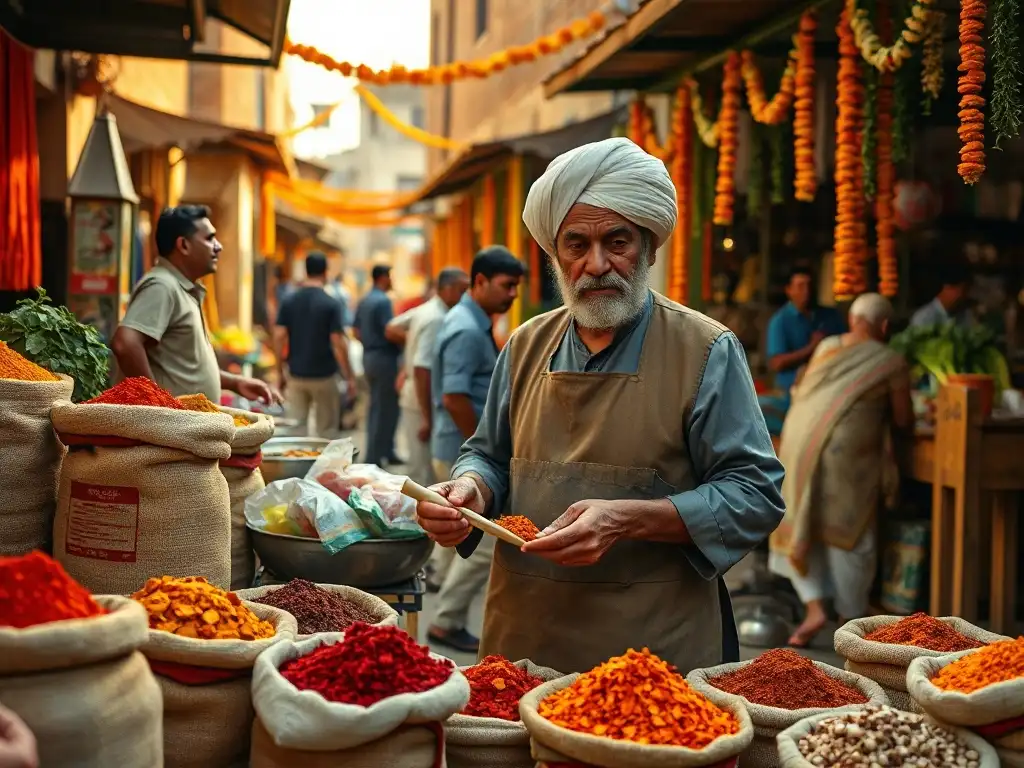
When selecting a culinary tour in India, it’s essential to consider various factors that will enhance your experience. Given the diverse and rich tapestry of Ancient Indian culinary traditions, understanding these elements will help you choose a tour that aligns with your interests and provides authentic insights into the country’s gastronomic heritage.
Factors to Consider: Authenticity, Expertise, and Experience
- Authenticity of Experience
- Look for tours that prioritize local cuisine and traditional cooking methods. A good indicator of authenticity is the involvement of local chefs who understand the regional nuances of Indian cooking.
- Ensure the tour includes visits to local markets, where you can witness the vibrant colors and aromas of spices that have been integral to Ancient Indian culinary traditions for centuries.
- Expertise of the Chef
- Research the background of the chefs leading the tour. Chefs with formal training in Indian cuisine or those who come from culinary families often provide deeper insights into historical cooking techniques.
- Consider chefs who have experience in various regions of India, as this will enrich your understanding of the diverse culinary landscape.
- Experience Level
- Check if the tour is suitable for your cooking skill level. Some tours may cater to beginners, while others are designed for more experienced cooks.
- Look for tours that offer hands-on cooking sessions, which can enhance your appreciation for Ancient Indian culinary traditions.
- Group Size and Personal Attention
- Smaller group sizes often lead to more personalized experiences, allowing you to interact more with the chef and ask questions.
- Tours that offer one-on-one sessions or smaller group classes can provide a more intimate look at the culinary techniques of ancient India.
- Cultural Integration
- Opt for tours that include cultural elements, such as traditional dining settings or local festivals. This integration will provide a broader context for the dishes you learn to prepare.
Recommended Platforms for Booking Culinary Tours
When you're ready to book your culinary adventure, several platforms specialize in offering immersive experiences. Below are some recommended platforms that cater to various preferences and budgets.
Viator - Reviews and Recommendations
Viator is a popular platform for booking culinary tours across India. It features a wide range of options, from street food tours in Delhi to cooking classes in Kerala.
- User Reviews: One of the standout features of Viator is its extensive user reviews. Reading about others’ experiences can help you gauge the authenticity and quality of the tour.
- Recommendations: Look for tours that have high ratings and detailed descriptions, which often highlight the tour guide's expertise and the inclusion of traditional culinary practices.
- Flexibility: Many tours on Viator offer flexible cancellation policies, allowing you to plan your culinary journey with peace of mind.
Airbnb Experiences - Special Offers for Culinary Tours
Airbnb Experiences has become a go-to platform for unique culinary adventures, connecting travelers with local hosts who are passionate about food.
- Diverse Offerings: From cooking classes in local homes to food tasting tours in vibrant markets, Airbnb Experiences offers a plethora of choices that reflect Ancient Indian culinary traditions.
- Special Offers: Keep an eye out for seasonal promotions or special offers that can enhance your culinary experience at a discounted price.
- Cultural Exchange: Many hosts provide not only cooking lessons but also insights into their personal culinary stories, which can deepen your understanding of Indian cuisine.
By considering these factors and utilizing the recommended platforms, you can ensure that your culinary tour in India is an enriching experience that connects you to the deep roots of Ancient Indian culinary traditions.
Conclusion: Embracing Ancient Indian Culinary Traditions Through Tours
The culinary traditions of ancient India are deeply intertwined with the country's rich history and cultural heritage. As travelers embark on culinary tours, they not only indulge their taste buds but also play a crucial role in preserving these invaluable traditions. By appreciating and engaging with the age-old recipes and cooking techniques passed down through generations, tourists contribute to the sustenance of culinary heritage that reflects the diverse influences of various regions, communities, and historical epochs.
The Impact of Culinary Tourism on Heritage Preservation
Culinary tourism serves as a vital tool for the preservation of ancient Indian culinary traditions. As tourists seek authentic experiences, local chefs and communities are encouraged to uphold and share their unique culinary practices. This resurgence of interest leads to:
- Revival of Traditional Recipes: Many chefs are rediscovering and revitalizing ancient recipes that had fallen into obscurity. For example, the use of indigenous spices and heirloom grains, which are critical to regional dishes, is being emphasized.
- Cultural Exchange: Culinary tours foster cultural exchange, allowing travelers to learn about the historical significance of certain dishes. Engaging with chefs who narrate the stories behind their recipes helps visitors appreciate the cultural context of the cuisine.
- Sustainable Practices: Many culinary tours promote sustainable practices by encouraging the use of locally sourced ingredients. This not only supports local farmers but also ensures that traditional cooking methods, which often emphasize seasonal and regional produce, are maintained.
- Educational Opportunities: Culinary tourism creates platforms for workshops and cooking classes, where participants can learn about ancient cooking techniques, such as the art of using clay pots or the significance of certain spices in traditional medicine.
In essence, culinary tourism not only enhances the visitor experience but also plays a vital role in safeguarding ancient culinary traditions for future generations.
Encouragement to Explore and Experience India’s Culinary Legacy
To truly appreciate the depth of ancient Indian culinary traditions, travelers are encouraged to immerse themselves in the diverse culinary tours available across the country. Here are some compelling reasons to embark on such a journey:
- Diverse Regional Flavors: From the spicy curries of South India to the sweet delicacies of the North, each region offers a unique culinary experience that reflects its history and culture.
- Hands-On Experiences: Engaging in cooking classes with local chefs allows travelers to gain firsthand knowledge of ancient techniques and ingredients, making for an enriching experience.
- Connection to History: By tasting dishes that have been prepared for centuries, visitors can forge a connection to India’s past, understanding how ancient trade routes and cultural exchanges shaped the country's culinary landscape.
- Culinary Festivals: Participating in local food festivals provides a vibrant setting to experience the communal aspect of Indian dining and the importance of food in social and religious gatherings.
Exploring India's culinary heritage through dedicated tours offers an exceptional opportunity to not only savor delicious dishes but also to engage with the stories and traditions that have shaped ancient Indian cuisine. Embrace this journey and contribute to the preservation of a rich cultural legacy that continues to evolve while retaining its roots.
Frequently Asked Questions
What are Ancient Indian culinary traditions?
Ancient Indian culinary traditions refer to the diverse cooking methods, ingredients, and food practices developed throughout India's history, influenced by regional ingredients, cultural exchanges, and trade.
How did the Indus Valley Civilization influence Indian cuisine?
The Indus Valley Civilization is known for its advanced agricultural practices, which included the cultivation of wheat, barley, and various legumes, laying the foundation for many staple foods in later Indian cuisine.
What role did spices play in ancient Indian cooking?
Spices were integral to ancient Indian cooking, not only for flavor but also for their preservative properties and medicinal benefits, making them highly sought after in trade and culinary practices.
How did the Gupta Empire contribute to culinary traditions?
The Gupta Empire marked a period of prosperity and cultural development, leading to the refinement of cooking techniques and the introduction of new ingredients, which enriched Indian cuisine significantly.
Are there modern culinary tours that explore ancient Indian cooking?
Yes, many modern culinary tours focus on ancient Indian cooking, offering experiences that highlight traditional recipes, cooking methods, and the cultural significance of food in ancient Indian civilizations.
Final Reflection: Embracing Ancient Indian Culinary Traditions
The rich tapestry of ancient Indian culinary traditions continues to resonate in today's gastronomic landscape, reminding us that food is not merely sustenance but a profound connection to our heritage. As we explore the chefs who bring these age-old recipes to life through culinary tours, we uncover not just flavors, but stories that transcend generations. The revival and celebration of these traditions are more relevant than ever, as they foster a deeper understanding of cultural identity and community.
The influence of ancient culinary practices is palpable in the way modern chefs innovate while honoring their roots. These culinary artisans are not just cooks; they are custodians of history, weaving narratives of their ancestors into every dish they create. Their work serves as a bridge between the past and the present, ensuring that the essence of Indian cuisine remains vibrant and accessible. As the renowned chef Sanjeev Kapoor once said, Food is the ultimate connector of people, and through it, we can share our stories and cultures.
This sentiment underscores the importance of preserving and celebrating our culinary heritage in a rapidly globalizing world.
As we reflect on the significance of ancient Indian culinary traditions, I invite you to explore your own culinary journey. Consider how you can engage with these traditions, whether through cooking, sharing meals with loved ones, or participating in local culinary experiences. By embracing the flavors and stories of our past, we not only enrich our own lives but also contribute to the preservation of a cultural legacy that deserves to be celebrated for generations to come. Let us honor these culinary connections and carry forward the wisdom of our ancestors, one dish at a time.
Savor the Journey: Connect with Culinary Excellence!
Thank you for exploring the vibrant world of India's culinary tours with us! You've gained insights into the incredible chefs who craft these unforgettable experiences. Now, it's time to take your love for Indian cuisine to the next level.
Here’s how you can dive deeper into this flavorful journey:
- Book a Culinary Tour: Select one of our recommended culinary experiences and immerse yourself in the magic of Indian cooking with expert chefs.
- Join Our Community Forum: Engage with fellow food enthusiasts by joining our community at Ancient India History. Share your culinary adventures or seek recommendations, and let your passion for food inspire others!
- Recipe Exploration: Recreate your favorite Indian dishes at home using traditional recipes, and showcase your culinary creations within our community.
What flavors or dishes are you most excited to explore on your culinary adventure?