
An Exploration of the Chariot Festivals: Wheels of Tradition

Welcome to Ancient India History, where we delve into the fascinating tapestry of India’s rich and diverse past. In this journey, we invite you to uncover the vibrant world of chariot festivals in ancient India—an enchanting celebration that embodies the spirit of tradition and community.
As you explore our featured article, “ An Exploration of the Chariot Festivals: Wheels of Tradition,” prepare to be captivated by the stories, rituals, and cultural significance that these magnificent events held in the lives of ancient civilizations. Join us as we roll through time and discover the wheels of history that shaped a nation!
Introduction to Chariot Festivals in Ancient India
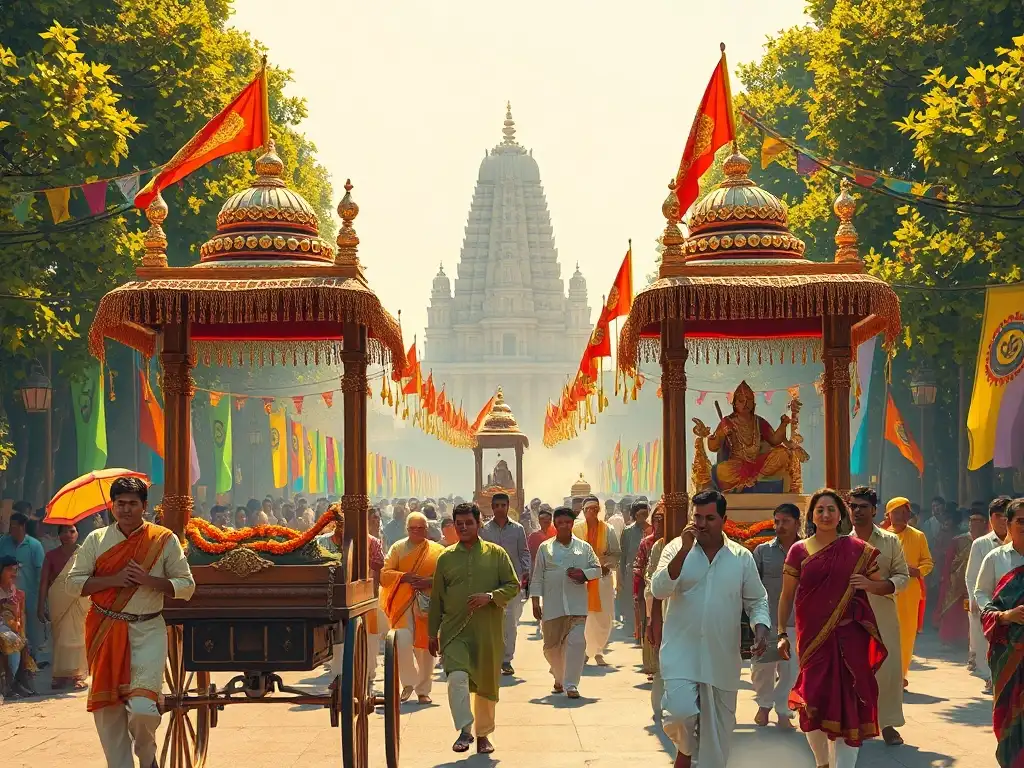
Chariot festivals in ancient India represent a vibrant tapestry of cultural and religious practices that have endured through the ages. These festivals, characterized by the grand procession of chariots pulled by devotees, symbolize the unity of community, devotion, and the divine. They serve as a focal point for various rituals and celebrations, capturing the essence of ancient Indian beliefs and societal structures.
The significance of these festivals extends beyond mere spectacle; they are imbued with deep historical roots and cultural meanings that reflect the dynamic evolution of ancient Indian civilization. This exploration delves into the rich traditions surrounding chariot festivals, examining their origins, historical significance, and the myriad influences that have shaped their practice over centuries.
Definition of Chariot Festivals
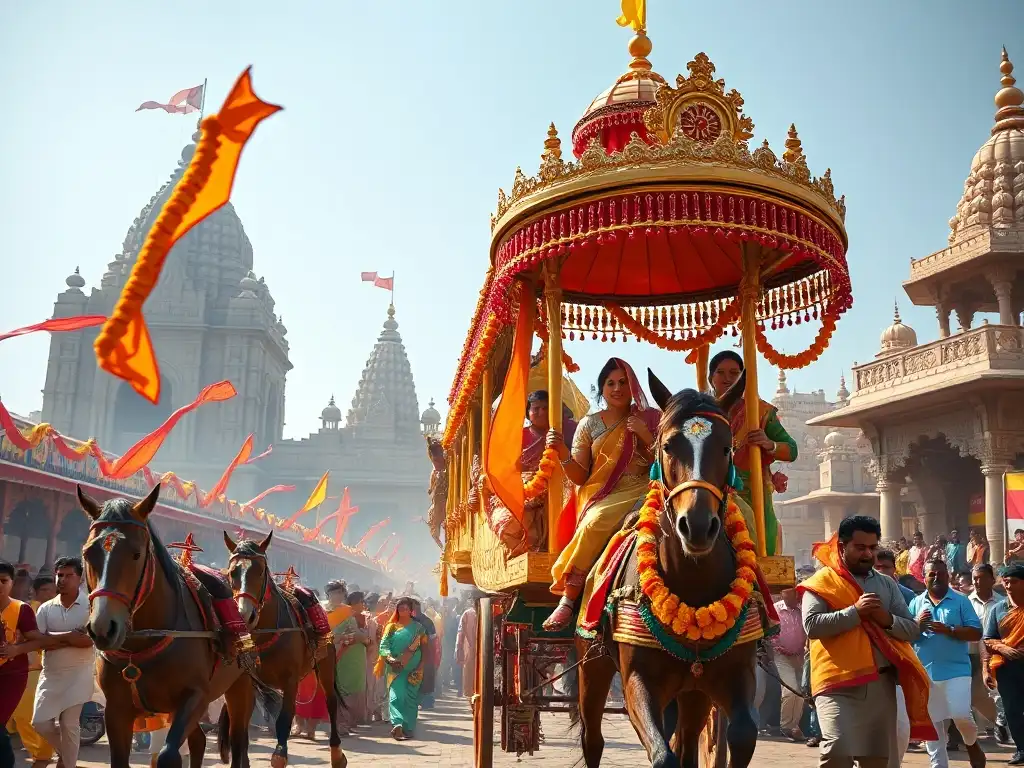
Chariot festivals, known as Rath Yatra, are ceremonial events where large, elaborately decorated chariots carry deities through the streets. These processions are often accompanied by music, dance, and fervent chants from the assembled crowds, creating an atmosphere of joy and spirituality.
The festivals often commemorate significant events in Hindu mythology, notably the annual Rath Yatra of Lord Jagannath in Puri, Odisha, which attracts millions of devotees and tourists alike. The term "chariot festival" encapsulates a variety of regional practices, each with its unique characteristics, yet they all share a common underlying theme: the celebration of divine presence and community participation.
Historical Significance of Chariot Festivals
The historical significance of chariot festivals in ancient India is profound. They not only served as a means of worship but also played a crucial role in reinforcing social order and community bonds. Historical texts and archeological findings suggest that these festivals have been celebrated for over two millennia, with references found in ancient scriptures like the Mahabharata and Puranas.
The festivals often marked agricultural cycles, seasonal changes, and religious observances, thereby intertwining spirituality with the rhythms of daily life. Moreover, chariot festivals facilitated trade and cultural exchange, as they attracted visitors from various regions, thereby contributing to the socio-economic fabric of ancient Indian society.
The Origins of Chariot Festivals in Ancient India
Early References in Ancient Texts
The origins of chariot festivals can be traced back to early references found in ancient Indian literature. Iconic texts like the Rigveda and Mahabharata mention chariots not only as vehicles of gods and warriors but also as symbols of victory and divine intervention. The Mahabharata, in particular, describes the grand chariot of Arjuna, emphasizing the importance of chariots in the context of war and divine guidance. Such references illustrate the deep-rooted cultural significance of chariots in ancient Indian thought, establishing a foundation for the later emergence of elaborate chariot festivals.
Cultural Influences and Developments
The development of chariot festivals in ancient India was significantly influenced by various cultural and religious movements. As different dynasties rose and fell, they brought with them distinct traditions and practices that enriched the chariot festival celebrations. The integration of local customs, regional deities, and varying artistic expressions led to a diverse array of chariot festivals across the Indian subcontinent.
For instance, the influence of Buddhism and Jainism introduced new layers of symbolism and ritualistic practices, highlighting the adaptability of chariot festivals to encompass broader spiritual themes. Thus, chariot festivals evolved as a confluence of various cultural elements, reflecting the pluralistic nature of ancient Indian society.
Through this exploration, we will gain deeper insights into the multifaceted world of chariot festivals, understanding their enduring legacy and the wheels of tradition that continue to turn in modern celebrations.
Major Chariot Festivals Across Ancient Indian Civilizations
Chariot festivals in ancient India were significant social and religious events that celebrated deities and showcased the rich cultural heritage of various regions. Across different civilizations, these festivals were marked by elaborate processions, intricate rituals, and community participation, reflecting both spiritual devotion and cultural identity. The festivals served as a means to unite communities, allowing individuals to partake in a shared cultural experience while honoring the divine. Among the most prominent chariot festivals were the Jagannath Rath Yatra, celebrated in the coastal city of Puri, and various regional adaptations that highlighted local customs and deities.
Jagannath Rath Yatra: The Grand Tradition
The Jagannath Rath Yatra is perhaps the most well-known chariot festival in India, deeply rooted in the traditions of the Odisha region. This grand event, held annually in the month of Ashadha (June-July), involves the procession of the deities Jagannath, Balabhadra, and Subhadra in massive wooden chariots through the streets of Puri.
The spectacle attracts millions of devotees and tourists who witness the sight of the colossal chariots being pulled by enthusiastic crowds. The chariots are intricately decorated and symbolize the journey of the deities from their temple to the countryside, emphasizing the belief that the divine presence should be accessible to all. The festival is steeped in various rituals, including the ceremonial cleaning of the chariots and the offering of food and flowers to the deities, which fosters a deep sense of community and spirituality among participants.
Chariot Festivals in the Gupta Empire
During the Gupta Empire (c. 320-550 CE), chariot festivals flourished as a reflection of the empire's cultural and religious diversity. These festivals often honored various deities and were marked by grand processions, music, dance, and theatrical performances.
The emperors and local rulers played a crucial role in promoting these festivals, using them as a means to consolidate power and display their devotion to the divine. Historical texts and inscriptions from this period reference numerous chariot festivals, indicating their importance in both religious and social contexts. The celebrations often included rituals that emphasized agricultural fertility and the prosperity of the kingdom, aligning the divine blessings with the welfare of the community.
Regional Variations of Chariot Festivals
While the Jagannath Rath Yatra is the most famous, various regional adaptations of chariot festivals exist throughout India. In the southern states, festivals like the Kumbh Mela include chariot processions as part of their celebrations, while in Tamil Nadu, the Thanjavur Big Temple hosts a chariot festival honoring Lord Shiva.
In the western regions, Gujarat celebrates the Rathyatra of Lord Krishna, where chariots adorned with flowers and fabrics are pulled through the streets, accompanied by traditional music and dance. Each of these festivals incorporates local customs, rituals, and deities, showcasing the diverse tapestry of beliefs and practices that characterize ancient Indian civilization.
Symbolism and Meaning Behind Chariot Festivals
Chariot festivals in ancient India carried profound symbolism that transcended mere celebration. They were deeply intertwined with the spiritual beliefs and cultural practices of the time, serving as a means to connect the earthly realm with the divine.
Spiritual Significance in Ancient Indian Culture
The spiritual significance of chariot festivals is rooted in the belief that the chariots serve as vehicles for the gods, allowing them to traverse the earthly realm and bless their devotees. This act of pulling the chariot is viewed as an offering of devotion, reinforcing the bond between the divine and the community.
Moreover, the festivals were occasions for purification, renewal, and collective worship, allowing individuals to seek blessings for health, prosperity, and harmony. The communal aspect of the festivals encouraged participation from all segments of society, fostering a sense of unity and shared purpose among devotees.
Chariots as Symbols of Divine Presence
In ancient Indian cosmology, chariots symbolize the divine presence manifesting in the physical world. The act of moving the chariot through the streets is akin to bringing the gods closer to their devotees, allowing for a tangible connection to the divine.
The design of the chariots often reflects intricate cosmological motifs and religious iconography, reinforcing their significance as sacred vehicles. The elaborate decorations and the fervent participation of devotees serve to elevate the chariot from a mere object to a powerful symbol of divine grace and protection, embodying the belief that the gods are ever-present within the community.
The Role of Chariot Festivals in Community and Society
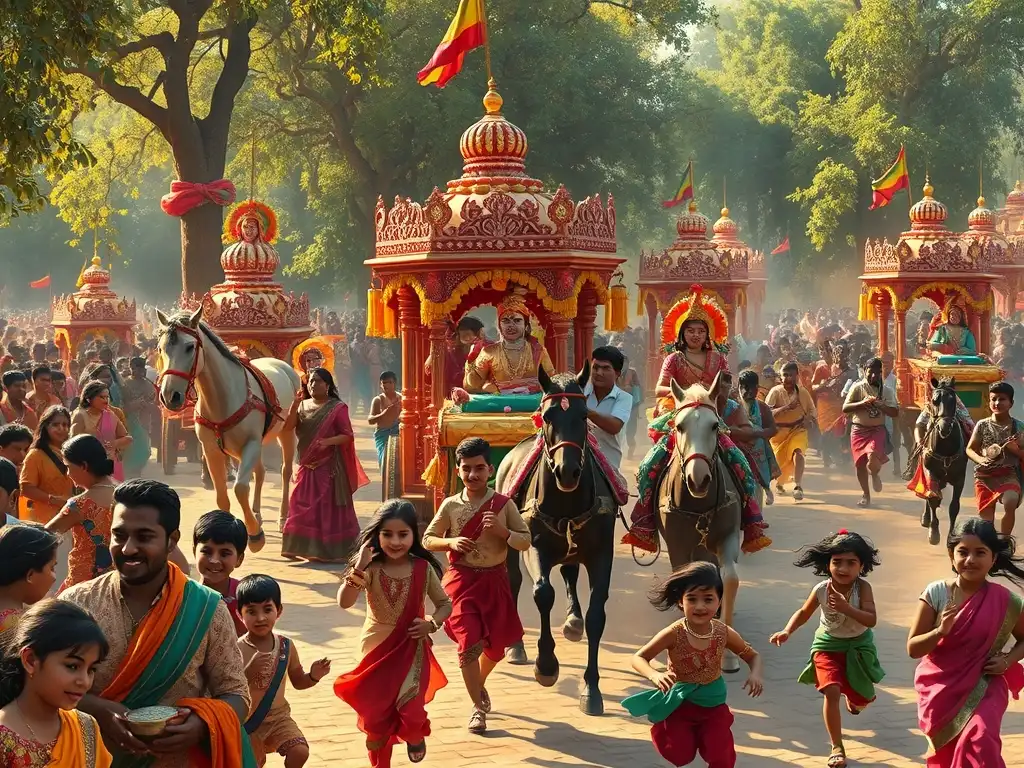
Chariot festivals, known as Ratha Yatra, have been a significant aspect of community and societal life in ancient India. These festivals served not only as religious observances but also as vital social events that fostered community bonds. They provided a platform for people from various backgrounds to come together, celebrate, and participate in shared cultural and spiritual experiences. The grandeur of the chariots, often elaborately decorated and pulled through streets by enthusiastic crowds, symbolized the community's collective devotion and joy.
The festivals were deeply intertwined with local traditions and narratives, often highlighting regional deities and legends, thus reinforcing cultural identity. This communal aspect was crucial in enhancing social cohesion, as individuals participated in rituals and festivities that transcended personal differences, uniting the community in collective worship and celebration. The vibrant atmosphere, filled with music, dance, and feasting, not only uplifted spirits but also strengthened relationships among community members, making chariot festivals an integral feature of social life.
Chariot Festivals as Social Gatherings
Chariot festivals acted as grand social gatherings, drawing diverse populations together. Individuals from different castes, classes, and ages participated, highlighting the festivals' inclusive nature. The procession of the chariot through the streets was often accompanied by music, dance, and performances, creating a lively atmosphere that encouraged interaction among attendees.
These gatherings also served as opportunities for community members to showcase their talents and crafts. Local artisans, musicians, and performers found a platform to display their skills, contributing to the festival's vibrancy. The festivals were marked by a sense of camaraderie, with families and friends coming together to witness the colorful spectacle, share meals, and engage in festive activities. This sense of unity fostered a communal identity, making chariot festivals an essential part of social fabric in ancient Indian society.
Economic Impact of Chariot Festivals on Local Communities
The economic impact of chariot festivals on local communities was profound. These events attracted large crowds, including pilgrims and tourists, stimulating local economies. Vendors selling food, crafts, and religious paraphernalia benefited significantly, as demand surged during the festival period. This influx of visitors created short-term economic opportunities for local businesses, enhancing their viability.
Moreover, the preparation for these festivals required considerable resources, leading to job creation in various sectors, including construction, decoration, and hospitality. The festivals also encouraged local agriculture as produce was often used in feasts and offerings. As a result, chariot festivals contributed to a cyclical economic boost, reinforcing the importance of these events not just in cultural terms but also as economic catalysts in ancient communities.
Preservation of Chariot Festival Traditions in Modern India
The rich traditions of chariot festivals have been preserved and adapted in modern India, reflecting the enduring significance of these age-old practices. While the essence of the festivals remains intact, contemporary celebrations often incorporate modern elements, ensuring that they resonate with today's audiences.
Communities continue to honor the ancient rituals associated with chariot festivals, maintaining their cultural heritage. This preservation is evident in the meticulous organization of processions, adherence to traditional music and dance forms, and the continued use of traditional chariots, albeit sometimes with modern modifications. These adaptations ensure that the festivals remain relevant while honoring their historical roots.
Continuation of Ancient Practices
The continuation of ancient practices during chariot festivals showcases the resilience of cultural traditions. Many communities observe rituals that have been passed down through generations, such as the recitation of sacred texts, the performance of traditional dances, and the preparation of specific dishes that are integral to the festivities.
Local temples often play a pivotal role in these celebrations, serving as the focal point for worship and gathering. Devotees participate in rituals that honor deities associated with the chariot, ensuring that spiritual significance is preserved. This continuity of ancient practices not only preserves cultural identity but also fosters a sense of belonging among community members, reinforcing the spiritual and social fabric that these festivals embody.
Influence of Chariot Festivals on Contemporary Indian Festivals
Chariot festivals have significantly influenced contemporary Indian festivals, inspiring various elements of celebration across the country. The themes of devotion, community participation, and cultural expression evident in chariot festivals can be seen in numerous modern Indian festivities.
For instance, many contemporary festivals have adopted similar procession formats, where local deities are paraded through streets, echoing the grandeur of ancient chariot processions. The vibrant atmosphere of music, dance, and communal feasting continues to be a hallmark of modern celebrations, reflecting the festive spirit rooted in chariot traditions.
Moreover, the values of unity and inclusivity fostered by chariot festivals resonate in modern celebrations, encouraging participation across diverse social strata. This influence underscores the enduring legacy of chariot festivals in shaping the cultural landscape of contemporary India, ensuring that the wheels of tradition continue to turn in celebration of shared heritage and community spirit.
Conclusion: The Enduring Legacy of Chariot Festivals in Ancient India
The chariot festivals in ancient India represent a vibrant tapestry of cultural, religious, and social traditions that have withstood the test of time. These festivals, characterized by grand processions and intricate rituals, were not only a celebration of deities but also a manifestation of community spirit and identity. The symbolism of the chariot, often viewed as a vehicle of the gods, reflects a deeper understanding of the connection between the divine and human realms.
As we delve into the historical accounts and archaeological findings, it becomes evident that these festivities played a crucial role in the socio-political fabric of ancient Indian societies. They served as a platform for the expression of devotion, artistic expression, and communal unity. The narratives surrounding these festivals have been woven into the cultural consciousness of the regions where they originated, leaving an indelible mark on the collective memory of the people.
Reflection on Cultural Heritage
Chariot festivals are not merely historical artifacts; they are living traditions that continue to be celebrated with fervor across various regions of India. The rituals associated with these festivals often include elaborate preparations, vibrant decorations, and communal feasting, underscoring their significance in fostering social bonds and preserving cultural identity. For instance, the famous Rath Yatra in Puri, Odisha, dedicated to Lord Jagannath, draws millions of devotees each year, highlighting the ongoing relevance of chariot festivals in contemporary society.
Moreover, the festivals serve as a reminder of the rich cultural heritage that ancient India has bestowed upon its descendants. They encapsulate centuries of traditions, stories, and practices that are passed down through generations, ensuring that the essence of these celebrations remains intact. The intricate artistry of chariot construction, the music, dance, and theatrical performances during these festivals also showcase the artistic prowess that flourished in ancient India.
The Future of Chariot Festivals and Their Importance in Modern Society
As we look towards the future, the chariot festivals face both challenges and opportunities. In an age marked by rapid urbanization and globalization, there is a risk that these time-honored traditions may wane. However, there is also a growing awareness of the importance of cultural preservation. Educational initiatives, community involvement, and cultural tourism can play vital roles in reviving interest and participation in these festivals.
The importance of chariot festivals in modern society extends beyond mere celebration. They offer a unique lens through which to understand the historical context, values, and communal ties that shape contemporary Indian identity. By engaging younger generations in these traditions, we can foster a sense of pride and continuity, ensuring that the legacy of chariot festivals remains vibrant for years to come.
The chariot festivals in ancient India are a testament to the enduring power of cultural practices. They not only celebrate the divine but also reinforce community bonds and cultural heritage. As we navigate the complexities of modern life, these festivals remind us of our roots and the rich history that continues to influence our present and future.
- Introduction to Chariot Festivals in Ancient India
- The Origins of Chariot Festivals in Ancient India
- Major Chariot Festivals Across Ancient Indian Civilizations
- Symbolism and Meaning Behind Chariot Festivals
- The Role of Chariot Festivals in Community and Society
- Preservation of Chariot Festival Traditions in Modern India
- Conclusion: The Enduring Legacy of Chariot Festivals in Ancient India
Frequently Asked Questions
What are chariot festivals in ancient India?
Chariot festivals are celebratory events where deities are paraded in ornate chariots through cities and villages. They are an integral part of religious and cultural traditions in ancient Indian civilizations.
Which ancient Indian civilizations celebrated chariot festivals?
Chariot festivals were celebrated in various ancient Indian civilizations, including those from the Indus Valley to the Gupta Empire. Each region had its unique customs associated with these festivals.
What is the significance of chariot festivals?
Chariot festivals symbolize the connection between the divine and the earth. They serve to strengthen community bonds and provide an opportunity for ritualistic worship and cultural expression.
How did chariot festivals evolve over time?
Over the centuries, chariot festivals have seen modifications in rituals and practices, influenced by regional cultures and religious beliefs. Despite changes, they retain their core significance in promoting unity and devotion.
What role do chariot festivals play in modern India?
Today, chariot festivals continue to be an important aspect of cultural heritage in India, attracting tourists and devotees alike. They are celebrated with great enthusiasm, showcasing the rich traditions of ancient India.
Final Reflection: The Enduring Legacy of Chariot Festivals
The vibrant tapestry of chariot festivals in ancient India continues to resonate in today's cultural landscape, reminding us of the profound connection between tradition and community. As we explore the significance of these festivals, we uncover not only their historical roots but also their relevance in fostering unity and celebration in contemporary society. The chariot, a symbol of divine presence and communal spirit, serves as a powerful reminder of our shared heritage and the importance of preserving these age-old traditions.
The influence of chariot festivals extends far beyond mere celebration; they are a living testament to the rich cultural narratives that shape our identities. These festivals have woven themselves into the fabric of our social lives, inspiring generations to come together in reverence and joy. As we witness the resurgence of interest in these ancient practices, we are reminded of the words of Mahatma Gandhi: A nation's greatness is measured by how it treats its weakest members.
This sentiment echoes through the chariot festivals, where inclusivity and community participation are paramount, reinforcing the idea that our cultural traditions can uplift and unite us all.
As you reflect on the themes of this article, I invite you to consider how the spirit of chariot festivals can inspire your own life. Embrace the opportunity to celebrate your traditions, connect with your community, and honor the past while looking toward the future. Let the wheels of tradition guide you in fostering a sense of belonging and purpose, reminding you that, like the chariots of old, we are all on a journey that is enriched by the bonds we create and the stories we share.
Unveil the Spirit of Chariot Festivals!
Thank you for taking the time to explore the vibrant world of Chariot Festivals with us! We hope you gained valuable insights into the age-old traditions and the rich culture they celebrate. Now, it’s time to put that newfound knowledge into action!
Here are some **exciting ways** you can continue your journey:
- Participate in a Local Festival: Seek out opportunities to experience a Chariot Festival in your area! Immerse yourself in the culture and connect with others who share your enthusiasm.
- Share Your Thoughts: Engage with us on social media! Share your favorite memories or photos from Chariot Festivals and inspire others to join in these cherished traditions.
- Explore Related Traditions: Dive deeper into other traditional festivals. Research and learn about the unique customs and practices from various regions of India.
What role do you think celebrations like the Chariot Festival play in preserving cultural identity in today's world?