
The Role of Art in Ancient Indian Education: Learning Through Creativity

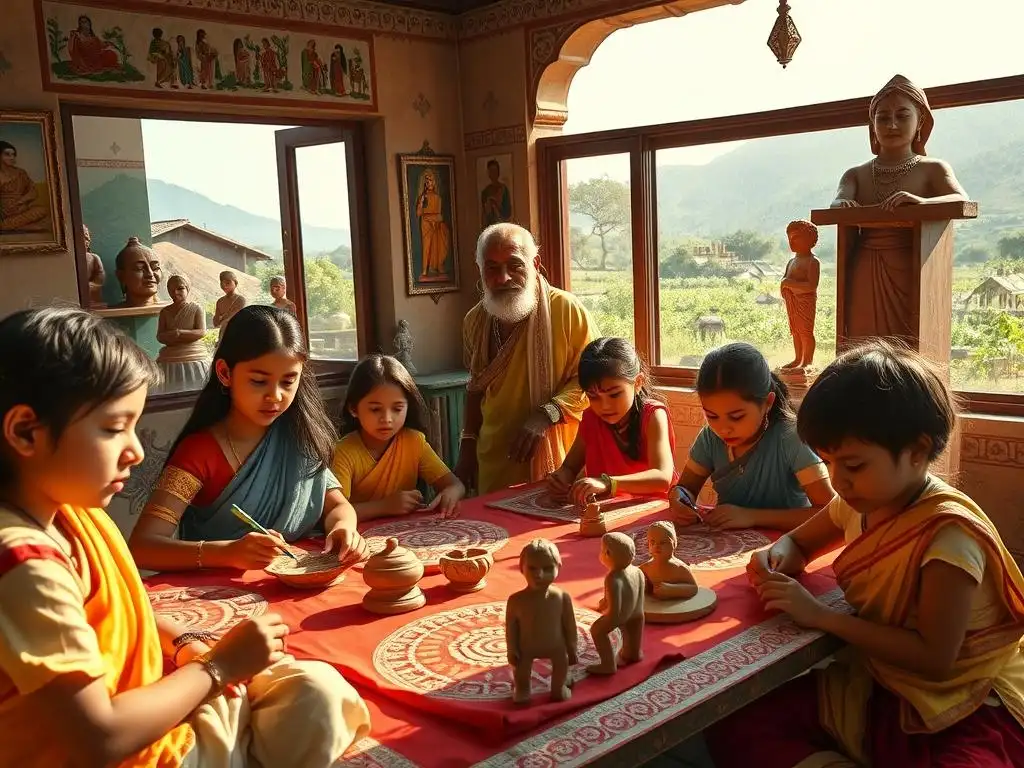
Welcome to Ancient India History, where we embark on a fascinating journey through the rich tapestry of India's past. Here, you will uncover the profound interconnections between art and education in ancient Indian civilizations, particularly through our feature article on "The Role of Art in Ancient Indian Education: Learning Through Creativity." Prepare to be intrigued as we explore how creativity shaped knowledge and wisdom in a time when every brushstroke and sculpture told a story.
Join us as we delve deeper into this captivating intersection of art, culture, and philosophy, and discover the legacy that continues to inspire generations. Your adventure into the heart of ancient Indian history awaits!
Introduction to Ancient Indian Education
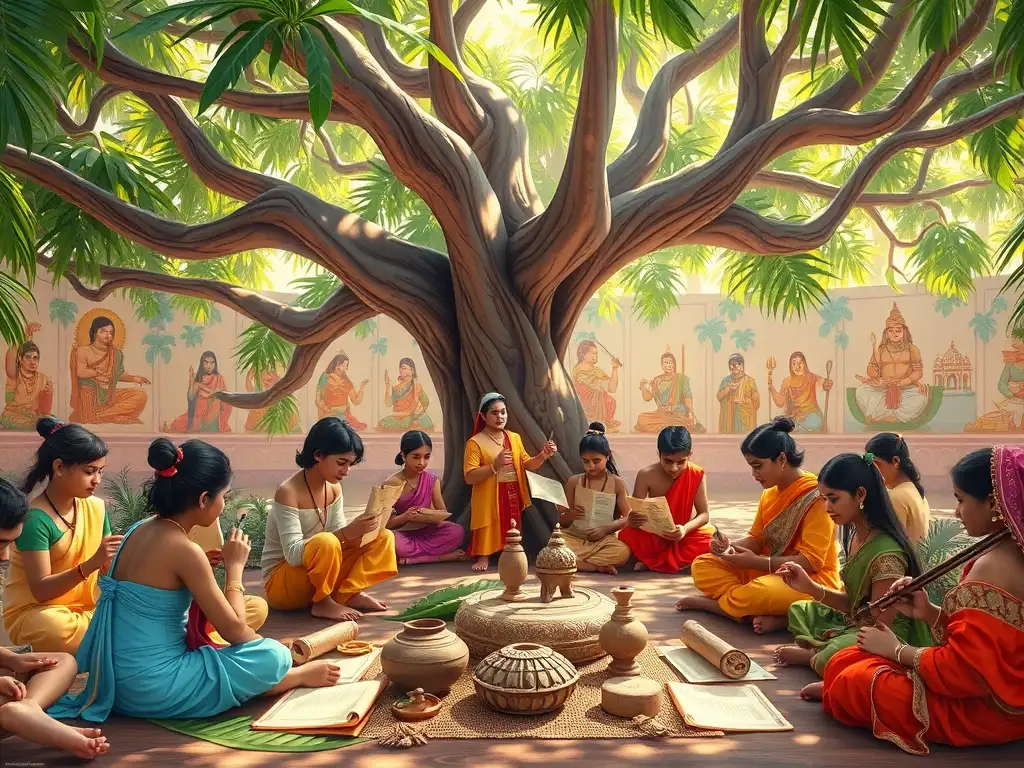
Ancient Indian education was a multifaceted amalgamation of knowledge, culture, and creativity, where art played a pivotal role in shaping the learning experience. From the early days of the Indus Valley Civilization to the flourishing Gupta Empire, education in ancient India was not merely about the acquisition of knowledge but also about fostering creativity through artistic expressions.
The emphasis on art as a tool for learning is a testament to the holistic approach of ancient Indian scholars, who believed that creativity could enhance cognitive development, moral values, and social skills. This article delves into the integration of art within the ancient Indian education system, exploring its historical context, significance, and lasting impact on subsequent educational frameworks.
Overview of Ancient Indian Education Systems
The ancient Indian education system was characterized by various forms and methodologies that evolved over centuries. Education was primarily imparted through institutions known as Gurukuls, where students lived with their teachers and learned various subjects, including philosophy, mathematics, astronomy, and the arts.
- Key Features of Ancient Indian Education:
- Guru-Shishya Tradition: A mentoring system where the guru (teacher) provided personalized guidance to the shishya (student).
- Subjects of Study: Included the Vedas, arts, sciences, and practical skills, emphasizing a well-rounded education.
- Use of Oral Tradition: Knowledge was often passed down orally, with students memorizing texts and engaging in discussions.
Art forms such as painting, sculpture, dance, and music were integral to the curriculum. They were not only taught as standalone subjects but also intertwined with other disciplines, reinforcing understanding and retention.
Significance of Art in Educational Practices
Art in ancient Indian education was more than an aesthetic pursuit; it served as a vital educational tool that facilitated learning and personal development.
- Benefits of Incorporating Art in Education:
- Enhancement of Critical Thinking: Engaging in artistic endeavors encouraged students to think critically and creatively.
- Emotional and Social Development: Art fostered emotional intelligence and social skills through collaborative projects and performances.
- Cultural Heritage Transmission: Artistic practices helped preserve and transmit cultural values and traditions across generations.
The integration of art into learning not only enriched the educational experience but also nurtured a sense of identity and belonging among students.
Historical Context of Art in Ancient Indian Education
To understand the role of art in ancient Indian education, it is essential to explore the historical context in which these educational practices developed.
Evolution of Educational Institutions in Ancient India
The evolution of educational institutions in ancient India can be traced through different periods, each contributing to the development of educational paradigms.
- Key Periods:
- Indus Valley Civilization (c. 3300–1300 BCE): Early forms of education likely included practical skills related to craftsmanship and trade.
- Vedic Period (c. 1500–500 BCE): The emergence of Gurukuls and the establishment of a structured education system centered around the Vedas.
- Mauryan and Gupta Periods (c. 322 BCE–550 CE): Flourishing of universities like Nalanda and Takshashila, where art and culture thrived alongside academic pursuits.
These institutions became hubs for artistic expression, where students learned through hands-on experiences, creating a rich tapestry of educational practices.
Influence of Religion and Philosophy on Learning
Religion and philosophy played a significant role in shaping the educational landscape in ancient India, particularly in relation to art.
- Philosophical Underpinnings:
- Hinduism and Buddhism: Both religions emphasized the importance of art as a means of spiritual expression and enlightenment.
- Integration with Learning: Philosophical teachings often incorporated artistic elements, making learning a holistic experience.
Art was seen as a reflection of the divine, and engaging with it was considered a path to understanding deeper truths and fostering spiritual growth. This intertwining of art, religion, and education laid the foundation for a culturally rich and intellectually vibrant society in ancient India.
Different Art Forms in Ancient Indian Education
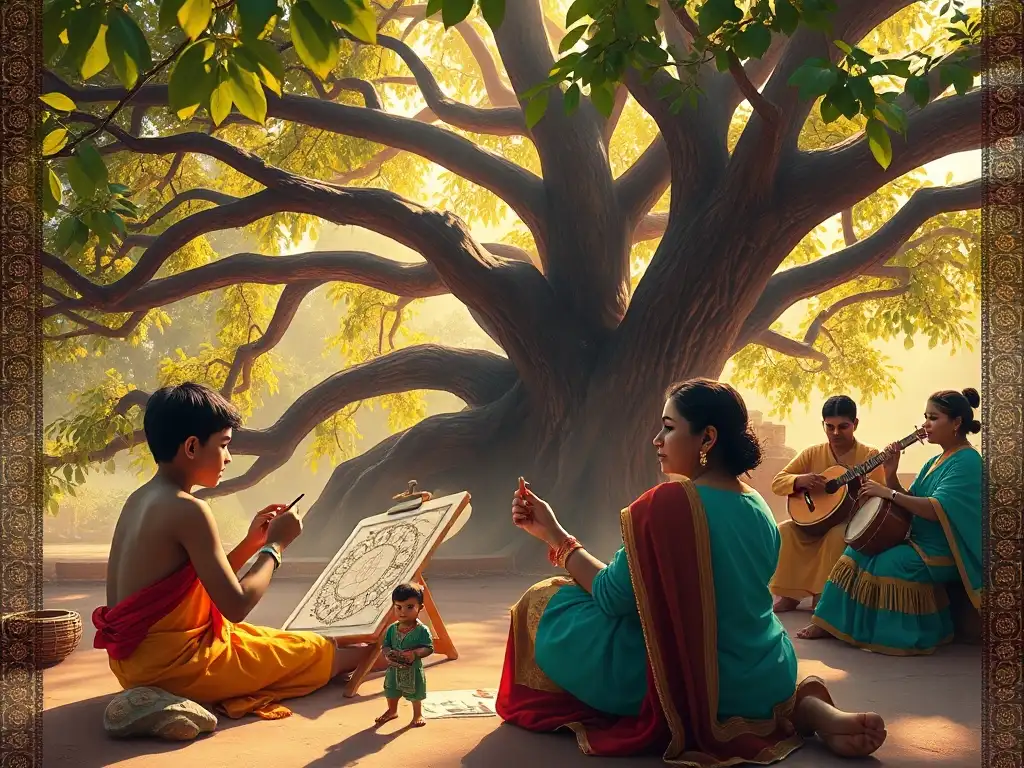
Ancient Indian education was deeply intertwined with various art forms that played a pivotal role in shaping the intellectual and cultural fabric of society. These art forms encompassed visual arts, performing arts, and literary arts, each contributing significantly to the educational landscape. They were not merely supplementary to education but were integral to the learning process, facilitating a holistic approach to knowledge acquisition and personal development. The emphasis on creativity in education helped cultivate imagination and critical thinking, preparing students to engage thoughtfully with their world.
Visual Arts: Painting and Sculpture
Visual arts, including painting and sculpture, were fundamental components of ancient Indian education, serving both aesthetic and educational purposes. Techniques such as fresco painting and the intricate carvings found in temples provided students with a rich visual language that complemented their learning experiences.
- Fresco Paintings: These vibrant wall paintings often depicted mythological scenes, historical events, and daily life, making them valuable teaching tools. They not only adorned educational spaces but also served as visual aids that conveyed moral lessons and cultural values. For instance, the frescoes at Ajanta and Ellora caves illustrate stories from Buddhist texts, enabling students to grasp complex narratives through vivid imagery.
- Sculpture: Sculpting was another area where students learned through creativity. The detailed sculptures found in temples and public spaces often represented deities, animals, and human figures, providing a tactile and three-dimensional approach to storytelling. This form of art encouraged learners to explore themes of spirituality, ethics, and aesthetics, fostering a deeper understanding of their cultural heritage.
Performing Arts: Dance and Music
The performing arts, which included dance and music, were essential in ancient Indian education, emphasizing the embodiment of knowledge through movement and sound. These art forms not only entertained but also educated, offering students a dynamic means of expressing their thoughts and emotions.
- Dance: Classical dance forms like Bharatanatyam, Kathak, and Odissi were not merely performance arts; they were educational tools that conveyed stories and philosophical concepts. Each dance form trained students in rhythm, expression, and discipline, allowing them to communicate complex ideas about life, love, and spirituality through their bodies. Festivals and religious ceremonies often featured these dances, reinforcing the connection between art, culture, and education.
- Music: Music played a complementary role in ancient Indian education, with various genres ranging from classical to folk enriching the learning experience. Students engaged in music not only learned to appreciate rhythm and melody but also explored the emotional and cultural significance of different musical traditions. The practice of ragas was particularly educational, as it involved understanding the emotional context of music and its connection to time, season, and mood.
Literary Arts: Poetry and Storytelling
The literary arts, encompassing poetry and storytelling, were vital in imparting knowledge and moral lessons in ancient India. These art forms fostered creativity, critical thinking, and language skills among learners, while also preserving cultural narratives.
- Poetry: Ancient texts like the Vedas, Upanishads, and epics such as the Mahabharata and Ramayana were often composed in poetic forms, making them accessible and memorable. Students were encouraged to memorize and recite these works, which not only enhanced their linguistic abilities but also instilled a sense of cultural pride and identity.
- Storytelling: The art of storytelling, or "Kathaka," was an essential educational method used to communicate moral values and historical lessons. Through oral traditions, educators passed down knowledge from generation to generation, using tales to illustrate complex concepts. This method engaged students' imaginations and allowed them to reflect on their own lives in relation to the stories they heard.
The Pedagogical Approach of Art in Learning
Art in ancient Indian education was not merely a subject but a pedagogical approach that emphasized creativity as a vital component of the learning experience. This holistic approach helped cultivate well-rounded individuals who could navigate the complexities of their society with insight and empathy.
Creative Expression as a Learning Tool
Creative expression was recognized as a powerful learning tool in ancient Indian education, allowing students to internalize concepts and express their understanding in unique ways. Through various art forms, students developed critical thinking and problem-solving skills, as they were encouraged to explore ideas beyond conventional boundaries.
- Hands-On Learning: Engaging in artistic activities allowed students to learn by doing, fostering a deeper connection to the material. For example, when students participated in creating sculptures or paintings, they explored themes of beauty, ethics, and aesthetics, enhancing their analytical skills.
- Emotional Engagement: Art also provided a channel for emotional expression. Students who engaged with music, dance, or visual art could express feelings that might be difficult to articulate in words. This emotional engagement facilitated a more profound learning experience, as students connected personally with the content.
Art as a Means of Cultural Transmission
Art served as a crucial means of cultural transmission in ancient India, preserving and conveying the values, beliefs, and histories of society. This aspect of education was particularly important in a diverse and multi-faceted culture, where various traditions coexisted and influenced one another.
- Cultural Narratives: Through artistic expressions, cultural narratives were encoded and transmitted, allowing future generations to understand their heritage. Art forms such as painting and storytelling often contained references to historical events, moral teachings, and societal norms, ensuring that crucial aspects of culture were preserved.
- Community Engagement: Artistic practices often involved community participation, creating a shared experience that reinforced social bonds. Festivals, performances, and communal art projects provided opportunities for collective learning and cultural expression, strengthening the community's identity and continuity.
The role of art in ancient Indian education was multifaceted, offering diverse avenues for learning and creativity. By integrating visual arts, performing arts, and literary arts into the educational framework, ancient Indian societies fostered an environment where creativity thrived, and knowledge flourished.
Case Studies of Art in Ancient Indian Educational Settings
In exploring the role of art in ancient Indian education, several case studies illustrate how artistic expression was intricately woven into educational frameworks. These examples highlight the importance of creativity in learning and the profound impact it had on students.
One of the most notable aspects of ancient Indian education was the Gurukula system, where students lived with their teachers (gurus) in a communal setting. This environment fostered a holistic learning experience that emphasized not only academic knowledge but also the cultivation of artistic skills.
Additionally, temples served as centers of education and artistic expression, where students could engage in various art forms, including sculpture, painting, and music. These institutions played a critical role in preserving and transmitting cultural heritage through education.
Gurukula System: Integration of Art in Learning
The Gurukula system was an innovative educational model prevalent in ancient India, characterized by an informal setting where students learned directly under the guidance of their gurus. This system was deeply rooted in the philosophy that education should go beyond mere rote memorization and should include the development of character, creativity, and practical skills.
Art was a vital part of the curriculum in Gurukulas. Students were taught various forms of art, including music, dance, and visual arts, which were seen as essential for fostering creativity. For instance, the study of classical music not only introduced students to the intricacies of rhythm and melody but also enhanced their cognitive abilities, enabling them to grasp complex concepts more effectively.
Moreover, the integration of art into the learning process was aimed at developing a well-rounded individual. Students participated in artistic activities that encouraged critical thinking and self-expression. This approach not only nurtured their artistic talents but also complemented their academic pursuits, creating a rich tapestry of knowledge and skills.
Temples as Centers of Education and Artistic Expression
Temples in ancient India were not just places of worship; they served as significant educational institutions that contributed to the cultural and intellectual life of the community. Many temples housed schools where students were taught various subjects, including philosophy, mathematics, and the arts.
Artistic expression was paramount in these temple settings, where the creation of intricate sculptures, frescoes, and carvings was a form of devotion and education. Students learned the techniques of these art forms directly from skilled artisans and temple priests, gaining hands-on experience that bridged theory and practice.
The temple architecture itself served as a living classroom, with its elaborate designs and symbolic motifs teaching students about mythology, spirituality, and cultural narratives. Through their engagement with art in these sacred spaces, students developed a deeper understanding of their cultural identity and heritage, further enriching their educational experience.
The Impact of Art on Knowledge and Skill Acquisition
Art in ancient Indian education significantly impacted knowledge acquisition and the development of various skills among students. The incorporation of artistic activities in learning environments facilitated a more engaging and effective educational process.
Enhancing Cognitive Development through Artistic Activities
Research has shown that engaging in artistic activities enhances cognitive development significantly. In ancient India, students who participated in music, dance, and various visual arts experienced improved memory, problem-solving skills, and critical thinking abilities.
For instance, learning musical rhythms and patterns required students to engage their auditory processing and memory, which translated into better performance in academic subjects such as mathematics. Additionally, the practice of drawing and painting fostered spatial awareness and creativity, enabling students to visualize concepts more effectively.
By integrating these artistic forms into their education, ancient Indian scholars cultivated an environment where creativity was not only encouraged but was a fundamental aspect of their intellectual growth.
Fostering Emotional and Social Skills via Art
Art also played a crucial role in fostering emotional and social skills among students in ancient India. Through group activities such as dance and theater, students developed teamwork, communication, and empathy, essential skills for personal and community life.
Participating in artistic expression allowed students to explore their emotions and experiences, leading to greater self-awareness and emotional intelligence. For example, drama and storytelling not only entertained but also provided a platform for students to reflect on moral dilemmas and societal values, enhancing their understanding of human relationships.
In essence, the integration of art in ancient Indian education was pivotal in nurturing well-rounded individuals who could think critically, express themselves creatively, and engage meaningfully with their communities. This approach laid the foundation for a rich cultural heritage that continues to influence educational philosophies today.
The Legacy of Ancient Indian Education Art
The legacy of ancient Indian education art is profound and multifaceted, reflecting the intricate relationship between artistic expression and learning. Art was not merely an aesthetic endeavor; it served as a vital educational tool that imparted knowledge, moral values, and cultural heritage to students. From the intricate frescoes and sculptures of the Indus Valley Civilization to the dynamic storytelling of the classical epics, art played a pivotal role in shaping the educational landscape of ancient India.
Art forms such as painting, sculpture, music, and dance were integrated into the curriculum of ancient educational institutions like the Gurukuls and Nalanda University. These institutions believed in a holistic approach to education, where creativity and intellectual development went hand in hand. The teachings often encompassed not just the technical aspects of art but also philosophical and spiritual dimensions, ensuring that students grasped the deeper meanings behind artistic expressions.
Moreover, the unique styles and techniques developed in various regions of India, such as the Madhubani paintings of Bihar or the Tanjore paintings of Tamil Nadu, reflect the diversity of thought and culture in ancient Indian society. This legacy continues to influence not only the arts but also the broader educational paradigms, emphasizing the importance of creativity in learning processes.
Influence on Contemporary Educational Practices
The influence of ancient Indian education art on contemporary educational practices is evident in several ways. Many modern educational systems recognize the importance of integrating arts into the curriculum, echoing the holistic educational philosophies of ancient India. This integration fosters creativity, critical thinking, and emotional intelligence among students, which are essential skills in today's fast-paced world.
Art-based learning methodologies, such as project-based learning and experiential learning, draw inspiration from the ancient practices where students engaged in hands-on artistic activities to grasp complex concepts. For instance, storytelling through art, akin to the ancient Katha tradition, is increasingly being used in classrooms to enhance language skills and cultural understanding.
Additionally, contemporary educators are also incorporating traditional Indian art forms into their teaching strategies, ensuring that students not only learn academic content but also appreciate and understand their cultural heritage. This approach not only nurtures creativity but also reinforces the importance of preserving and celebrating the rich artistic traditions of India.
Preservation of Art and Culture in Modern India
In modern India, efforts to preserve art and culture continue to play a significant role in education. Various initiatives by the government and non-governmental organizations aim to safeguard traditional art forms that were integral to ancient Indian education. Programs focused on Gurukul systems, workshops, and art festivals celebrate the legacy of ancient art, ensuring that new generations are exposed to these rich traditions.
Educational institutions have also begun to offer specialized courses in traditional arts, providing students with the skills needed to practice and innovate within these art forms. Such measures not only help in preserving ancient techniques and styles but also encourage students to explore their creativity, leading to a new wave of artistic expression rooted in tradition.
Furthermore, the rise of digital platforms has opened new avenues for the promotion and education of ancient art forms. Online courses and virtual exhibitions allow a broader audience to engage with and appreciate India’s artistic heritage, fostering a sense of pride and responsibility in preserving these cultural treasures.
Conclusion
Summary of the Role of Art in Ancient Indian Education
The role of art in ancient Indian education was multifaceted and crucial for the holistic development of students. It served as a medium for transmitting knowledge, values, and cultural identity. The integration of various art forms into educational settings not only enriched the learning experience but also instilled a sense of creativity and innovation among learners. This unique approach laid the groundwork for a vibrant cultural legacy that continues to shape educational practices today.
Reflection on the Importance of Creativity in Learning
Reflecting on the importance of creativity in learning, it becomes clear that fostering creative skills is essential for personal and intellectual growth. Ancient Indian education exemplified this by recognizing that creativity goes beyond artistic expression; it is integral to problem-solving, critical thinking, and emotional development. In a world that increasingly values innovation, incorporating creativity into education, as seen in ancient practices, can empower students to navigate challenges and contribute meaningfully to society. Embracing this legacy of creativity not only honors our cultural heritage but also prepares future generations for a dynamic and rapidly changing world.
- Introduction to Ancient Indian Education
- Overview of Ancient Indian Education Systems
- Significance of Art in Educational Practices
- Historical Context of Art in Ancient Indian Education
- Different Art Forms in Ancient Indian Education
- The Pedagogical Approach of Art in Learning
- Case Studies of Art in Ancient Indian Educational Settings
- Gurukula System: Integration of Art in Learning
- Temples as Centers of Education and Artistic Expression
- The Impact of Art on Knowledge and Skill Acquisition
- The Legacy of Ancient Indian Education Art
- Conclusion
- What was the significance of art in ancient Indian education?
- How did ancient Indian civilizations incorporate art into their educational systems?
- What types of art were commonly associated with education in ancient India?
- How did the Gupta Empire influence art and education?
- What are some examples of art used in teaching ancient Indian philosophies?
Frequently Asked Questions
What was the significance of art in ancient Indian education?
Art played a crucial role in ancient Indian education by fostering creativity and enhancing learning. It was used as a medium to convey philosophical ideas and cultural values.
How did ancient Indian civilizations incorporate art into their educational systems?
Ancient Indian civilizations integrated artistic practices such as painting, sculpture, and music into their educational frameworks, promoting a holistic approach to learning that balanced intellect and creativity.
What types of art were commonly associated with education in ancient India?
Common forms of art associated with education in ancient India included visual arts like painting and sculpture, as well as performing arts such as dance and music, all of which were essential for cultural transmission.
How did the Gupta Empire influence art and education?
The Gupta Empire is known for its patronage of the arts, leading to an era of cultural flourishing. This period saw the development of educational institutions that emphasized artistic expression alongside traditional subjects.
What are some examples of art used in teaching ancient Indian philosophies?
Murals, sculptures, and dramas were often employed to teach ancient Indian philosophies. They served as visual aids that made complex ideas more accessible and engaging for students.
Final Reflection: The Enduring Legacy of Ancient Indian Education Through Art
The exploration of ancient Indian education art reveals a profound connection between creativity and learning that remains relevant today. In a world increasingly dominated by standardized testing and rigid curricula, the holistic approach of integrating art into education serves as a powerful reminder of the importance of nurturing creativity in our learning environments. This ancient wisdom teaches us that education is not merely about the accumulation of knowledge but about fostering a deeper understanding of the world through creative expression.
The influence of art in ancient Indian education continues to resonate in contemporary society, shaping our cultural and social landscapes. By recognizing the value of creativity, we open doors to innovative thinking and emotional intelligence, essential skills in today's fast-paced world.
As Mahatma Gandhi once said, "> The true measure of a civilization is not how much wealth it accumulates, but how it utilizes its wealth to promote the welfare of its people." This perspective encourages us to reflect on how we can incorporate artistic practices into our educational systems, ensuring that future generations benefit from a well-rounded approach to learning.
As we conclude this exploration, I invite you to reflect on the role of creativity in your own life and education. Consider how you can embrace the lessons of ancient Indian education art by integrating creative practices into your daily routine or advocating for their inclusion in educational settings. By doing so, you can contribute to a richer, more vibrant learning experience that honors the legacy of those who understood the transformative power of art in education. Let us carry forward this wisdom, ensuring that creativity remains at the heart of learning for generations to come.
Ignite Your Creativity Through Ancient Wisdom
Thank you for exploring the fascinating connection between art and education in ancient India! We hope this glimpse into the world of creativity has inspired you to consider how artistic expression can enhance your learning. Now, it’s time to take those insights and turn them into action.
Here are some **inspiring steps** you can take today:
- Start your own creative project by incorporating an art form you enjoy into your learning process. Whether it’s **painting**, **music**, or **dance**, embrace your creativity!
- Join an online art community to connect with others who share your passion for art and education. Share your experiences and learn together!
- Delve deeper into ancient Indian art forms—visit a local museum or explore resources online to enrich your understanding of this vibrant heritage.
What art form will you choose to enhance your learning experience today? We invite you to share your thoughts and experiences in the comments below!