
The Intersection of Politics and Rituals in Ancient Indian Empires

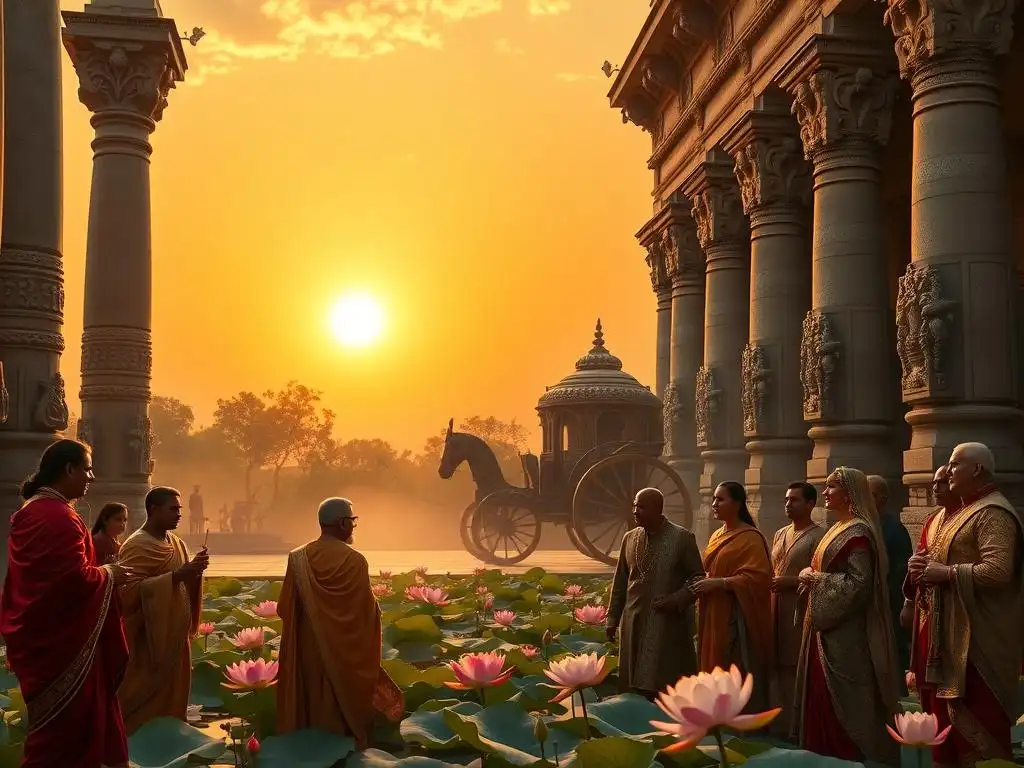
Welcome to Ancient India History! Here, we embark on a fascinating journey through time, unveiling the rich tapestry of India's ancient civilizations. Dive into our latest article, "The Intersection of Politics and Rituals in Ancient Indian Empires," where we explore how the intricate dance of power and spirituality shaped the societal structures of the Indus Valley to the Gupta Empire. Discover how politics and rituals intertwined to create a vibrant culture that continues to inspire today. Prepare to be captivated as we unveil the secrets behind the festivals and traditions that defined an era—let the exploration begin!
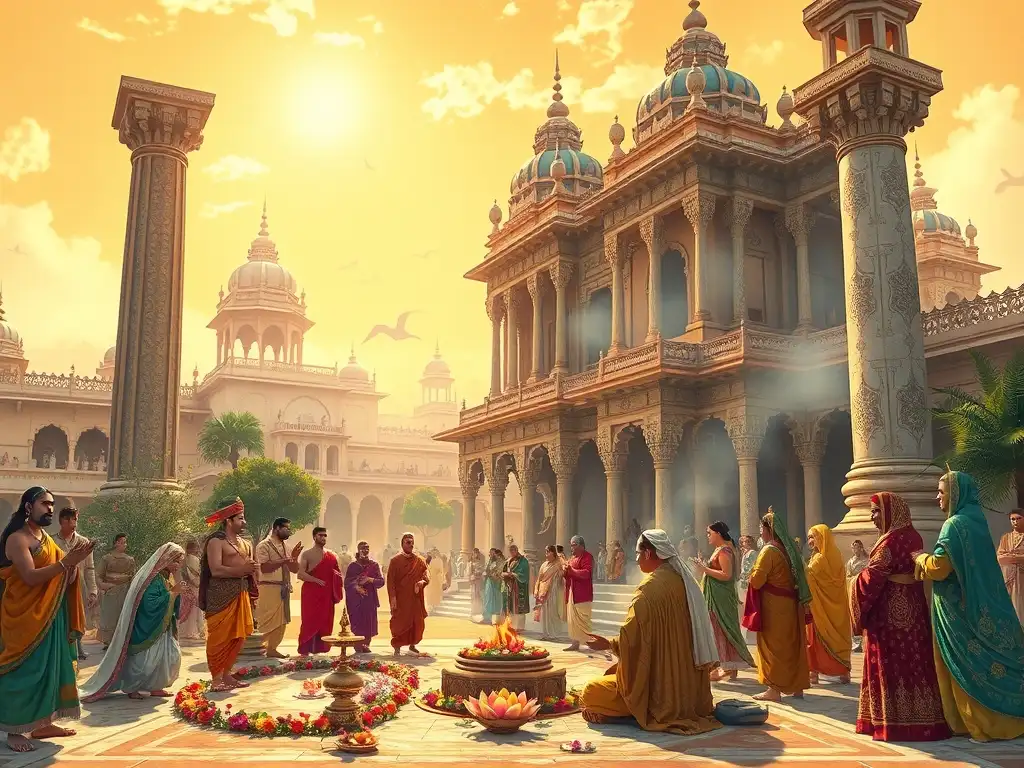
Introduction to Politics and Rituals in Ancient India
The intricate relationship between politics and rituals in ancient India is a captivating subject that helps us understand the underlying frameworks of governance, authority, and societal values. From the grandeur of the Indus Valley Civilization to the sophisticated governance of the Gupta Empire, ancient Indian societies exhibited a unique blend of political acumen and ritualistic traditions.
These rituals were not merely ceremonial; they played a pivotal role in legitimizing power, reinforcing social hierarchies, and maintaining order within the diverse communities of ancient India. As we delve into this exploration, we will uncover how these rituals shaped political landscapes and influenced the very fabric of ancient Indian civilization.
Overview of Ancient Indian Civilizations
Ancient India was home to several remarkable civilizations, each contributing to a rich tapestry of culture and governance. The Indus Valley Civilization (c. 3300–1300 BCE) is celebrated for its advanced urban planning and trade networks. Following this, the Vedic period (c. 1500–500 BCE) saw the emergence of early political structures alongside the formulation of religious rituals that would later influence political authority.
The Maurya Empire (c. 322–185 BCE) further exemplified the nexus between politics and rituals, with rulers like Ashoka utilizing Buddhist teachings to consolidate power and promote governance based on moral principles. The Gupta Empire (c. 320–550 CE) is often hailed as a golden age of art, science, and philosophy, where the interplay of politics and rituals continued to evolve, reflecting the society's values and aspirations.
Significance of Rituals in Political Contexts
Rituals in ancient India served multiple purposes within the political sphere. They were essential for:
- Legitimizing Authority: Rulers often performed elaborate rituals, such as coronations or Ashwamedha Yajna (horse sacrifice), to establish divine right and validate their rule.
- Reinforcing Social Hierarchies: Through caste-based rituals and ceremonies, political power was often tied to specific social groups, thereby solidifying the existing social order.
- Fostering Unity: Festivals and communal rituals played a significant role in uniting diverse populations under a common cultural and political identity.
As we explore these dimensions, it becomes clear that politics and rituals were intricately woven together, shaping not only governance but also the identity of ancient Indian societies.
Political Structures of Ancient Indian Empires
The Role of Kingship in Ancient India
Kingship in ancient India was often viewed as both a political and a divine institution. Rulers were considered to be the earthly representatives of the gods, tasked with upholding Dharma (moral law). This belief imbued their rule with a sense of sacredness, influencing both governance and public perception. The role of the king was multifaceted, encompassing responsibilities such as:
- Maintaining order and justice
- Protecting the realm from external threats
- Performing rituals that ensured prosperity and well-being for their subjects
The intertwining of kingship and ritual underscored the belief that a righteous king was essential for the health of the state, both physically and spiritually.
Governance and Administration in Major Empires
The governance structures of ancient Indian empires were sophisticated and varied significantly across different periods. For instance, during the Maurya Empire, a centralized administration was established, which included:
- Provincial Governors: Appointed to oversee different regions, ensuring efficient governance.
- Bureaucratic Officials: Responsible for tax collection, law enforcement, and public works.
These officials were often involved in religious ceremonies, highlighting the connection between administrative functions and ritual practices. Governance was not just about political control; it was also about maintaining social order through the reinforcement of cultural and religious norms.
Influence of Religious Authority on Political Power
Religious authority played a crucial role in shaping political power in ancient India. Temples were not merely places of worship; they were centers of economic and social life. The following points illustrate this influence:
- Temples as Political Centers: Many kings built temples to gain favor with the populace and enhance their legitimacy. The patronage of religious institutions often translated into political support.
- Clerical Influence: Priests held significant sway in advising rulers on matters of state, particularly concerning moral and ethical governance aligned with religious teachings.
- Festival Politics: Major religious festivals were strategically used by rulers to demonstrate their power and benevolence, reinforcing the connection between divine favor and political authority.
Through these dynamics, it becomes evident that the intersection of politics and rituals was fundamental to the functioning of ancient Indian empires, shaping both governance and cultural identity throughout history.
Rituals as Tools of Political Legitimacy
In ancient India, rituals were not merely ceremonial acts; they served as vital instruments of political legitimacy. Rulers employed a variety of religious and cultural practices to solidify their power and establish their divine right to rule. By intertwining governance with sacred rituals, they reinforced their authority and fostered loyalty among their subjects.
The connection between politics and rituals was particularly pronounced during significant ceremonies, where the ruler's participation symbolized their divine mandate and the moral order of the state. This symbiotic relationship ensured that the ruler was viewed not just as a political leader but as a divine figure, thus legitimizing their reign in the eyes of the populace.
Coronation Ceremonies and Their Political Implications
Coronation ceremonies in ancient India were elaborate events that marked the ascension of a new ruler. These ceremonies were steeped in ritual and often involved the participation of priests, who performed sacred rites to invoke blessings from the deities. The significance of these rituals extended beyond mere tradition; they were crucial in affirming the legitimacy of the ruler's claim to the throne. For example, the Rajasuya ceremony, famously performed by the Mauryan emperor Chandragupta, was a grand ritual that involved various rites of passage, symbolizing the ruler's power and divine favor.
During coronation ceremonies, the ruler was often presented with sacred symbols, such as a crown or scepter, which embodied their authority. The presence of nobles and subjects during the ceremony strengthened communal ties and reinforced the social hierarchy, as loyalty to the ruler was publicly declared. Thus, coronation ceremonies served as a powerful assertion of political legitimacy, blending ritual with governance to create a cohesive social order.
Religious Rituals that Reinforced Authority
Religious rituals played a pivotal role in reinforcing the authority of ancient Indian rulers. These rituals often included offerings and sacrifices to deities, which were believed to ensure prosperity and stability within the realm. By aligning themselves with religious traditions, rulers portrayed themselves as protectors of dharma (moral order) and custodians of the spiritual well-being of the state.
For instance, the performance of the Ashvamedha Yagna, a horse sacrifice ritual, was a means for kings to assert their dominance and legitimacy over their territories. This ritual not only demonstrated the ruler's power but also served as a means of political propaganda, signaling to neighboring states the ruler's strength and divine approval. Such sacred practices were essential in maintaining the ruler's image as a legitimate sovereign, creating a direct link between spirituality and political authority.
Examples of Rituals Used in Political Propaganda
Throughout ancient Indian history, various rulers utilized rituals as tools of political propaganda. The performance of state-sponsored religious festivals served to create a public spectacle that celebrated the ruler's virtues and achievements. One prominent example is the Chaitra Shukla festival, during which rulers would showcase their wealth and piety, reinforcing their image as benevolent leaders.
Moreover, the incorporation of local deities into state rituals allowed rulers to connect with their subjects on a cultural level, thereby enhancing their legitimacy. By participating in rituals honoring regional deities, rulers demonstrated respect for local customs, fostering a sense of unity and loyalty among diverse populations. These rituals thus became a means to convey political messages, ensuring that the ruler's authority was not only recognized but revered across the empire.
Major Ancient Indian Empires and Their Ritual Practices
The major ancient Indian empires each had unique approaches to integrating rituals into their political frameworks. These practices reflected the societal values and religious beliefs of the time while also serving the rulers’ interests in maintaining power and stability.
The Indus Valley Civilization: Early Rituals and Governance
The Indus Valley Civilization, one of the earliest urban cultures in South Asia, showcased a sophisticated understanding of the relationship between rituals and governance. Archaeological findings suggest that rituals were integral to daily life, with evidence of public baths, altars, and figurines indicative of religious practices. The Great Bath of Mohenjo-Daro may have served both ritualistic and political purposes, acting as a communal space for purification and social gathering.
Governance during this period likely revolved around a theocratic system where leaders were viewed as intermediaries between the divine and the populace. The use of seals depicting various deities suggests that spirituality was central to their administrative framework, indicating that political authority was intertwined with religious legitimacy.
The Maurya Empire: State Rituals and Political Unity
Under the Maurya Empire, particularly during the reign of Ashoka, state rituals were essential in promoting political unity and the principles of dharma. Ashoka's conversion to Buddhism led to the integration of Buddhist rituals into state affairs, which emphasized moral governance and compassion. The emperor commissioned stupas and pillars inscribed with edicts that proclaimed his policies and moral values, merging religious teachings with political governance.
The Ashvamedha Yagna conducted by Ashoka not only signified his power but also served as a means to unify diverse groups within his empire under the banner of a shared moral philosophy. This blending of state and religion underlined the importance of rituals in fostering a cohesive identity among subjects, thereby reinforcing the political structure of the empire.
The Gupta Empire: The Synthesis of Politics and Religion
The Gupta Empire, often referred to as the Golden Age of ancient India, exemplified the synthesis of politics and religion through its rich tapestry of rituals. The Guptas patronized Hinduism, leading to a resurgence of Vedic rituals that reinforced the authority of the royal family. Festivals celebrating deities like Vishnu and Shiva became state-sponsored events that not only showcased the wealth and power of the rulers but also integrated the populace into the political narrative.
Moreover, the Gupta rulers were adept at utilizing religious texts and rituals to legitimize their rule. The Kumaragupta era saw the reestablishment of the Rajasuya ceremony, which served as a political tool to assert dominance over rival kingdoms and solidify their legacy. This deep interconnection between sacred rituals and governance during the Gupta period highlights how politics and rituals in ancient India were inextricably linked, shaping the cultural and historical landscape of the time.
Case Studies of Specific Rituals in Political Contexts
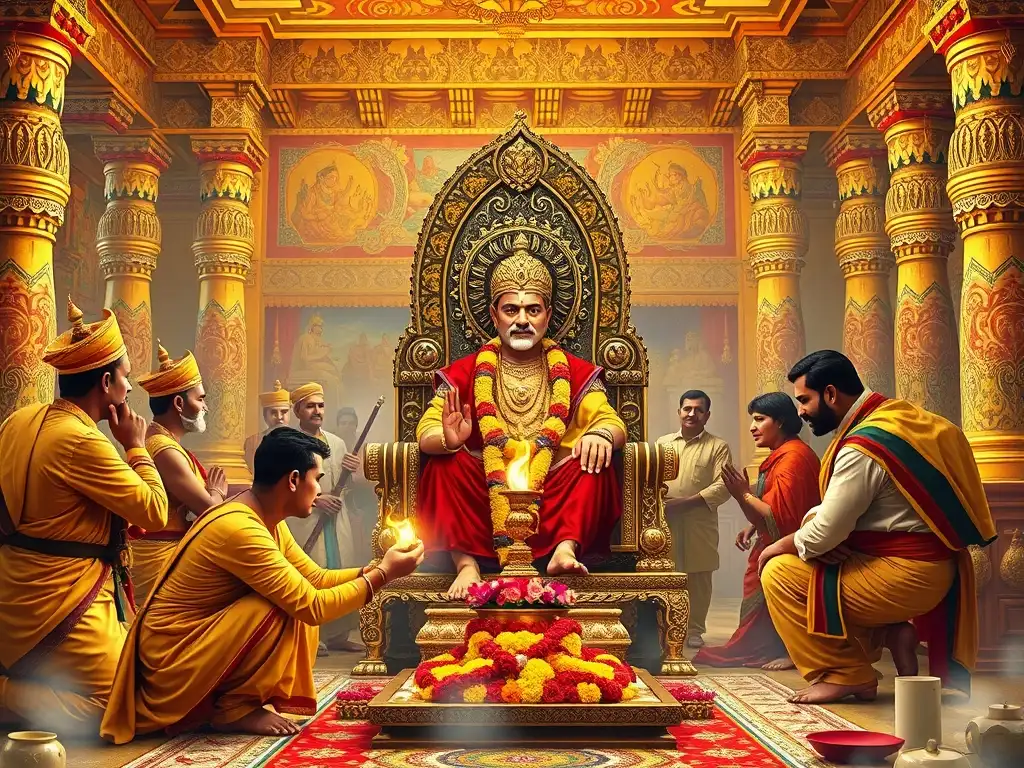
The intersection of politics and rituals in ancient India is vividly illustrated through various ceremonial practices that held significant political implications. These rituals were not merely cultural expressions but were intricately linked to the authority and legitimacy of rulers. By examining specific case studies, we can gain insights into how these ancient practices shaped political landscapes.
The Ashvamedha Yagna: Symbolism and Political Power
The Ashvamedha Yagna, or horse sacrifice, was one of the most powerful rituals in ancient India, often performed by kings to assert their sovereignty. The ritual involved the release of a consecrated horse which roamed freely for a specific period, symbolizing the king's dominion over the territory it traversed. If another king challenged the horse's passage, a conflict ensued, often resulting in war. Thus, the Ashvamedha served as both a diplomatic maneuver and a demonstration of military strength.
The ritual was deeply symbolic; it represented the king's ability to maintain order within his realm and his divine right to rule. The successful completion of the Ashvamedha not only reinforced the king's power but also granted him a higher status among his peers, often resulting in increased tribute and alliances. Historical examples include the legendary king Ashoka, who, although known for his later pacifism, initially engaged in such rituals to establish his authority over the vast Mauryan Empire.
The Rajasuya Sacrifice: A Path to Sovereignty
Another pivotal ritual was the Rajasuya sacrifice, which was often performed by an emperor to establish his supremacy over other rulers. Unlike the Ashvamedha, the Rajasuya was a more elaborate ceremony that involved multiple sacrifices and the participation of various priests and nobles. This ritual symbolized the king's role as the protector of dharma (cosmic order) and his right to rule.
The Rajasuya was a declaration of the king's intent to unify the subcontinent under his rule, and it required the king to defeat or seek the allegiance of rival kings. The most famous instance of the Rajasuya was performed by Yudhishthira in the Mahabharata, which not only showcased his power but also set the stage for the epic's larger conflicts. Through this ritual, rulers aimed to legitimize their reign and garner the support of the elite, thereby enhancing their political legitimacy.
Festivals as Political Tools: Celebrations and Statecraft
In addition to formal rituals, festivals in ancient India served as significant political tools. Celebrations like Diwali and Makar Sankranti were often co-opted by rulers to project their power and connect with the common populace. By sponsoring large-scale festivities, kings could reinforce their legitimacy and foster loyalty among their subjects.
Moreover, these festivals provided an opportunity for political maneuvering and alliances. For instance, during the harvest festival, rulers would often distribute wealth and resources, thereby reinforcing their role as benevolent leaders. The use of festivals as statecraft can be seen in various dynasties, where public celebrations were intertwined with political propaganda, emphasizing the ruler’s divine favor and the prosperity of the realm.
The Legacy of Politics and Rituals in Ancient India
The legacy of the interplay between politics and rituals in ancient India has had a lasting impact on subsequent political systems and practices. These ancient rituals laid the groundwork for the understanding of statecraft, governance, and the relationship between rulers and the ruled.
Influence on Later Indian Political Systems
The political rituals of ancient India influenced later dynasties and their governance structures. The concept of royal authority being sanctified through rituals persisted through the centuries, as seen in the practices of the Chola, Gupta, and Mughal empires. These empires incorporated similar rituals in their political systems, emphasizing the divine right of kings and the significance of rituals in legitimizing their rule and maintaining social order.
The legacy is particularly evident in the ceremonial practices surrounding coronations and state functions, which continue to evoke the ancient traditions of sacred kingship and governance.
Continuation of Ritual Practices in Modern Politics
Modern Indian politics still reflects the ancient blend of rituals and governance. Political leaders often invoke historical and cultural symbols in their speeches and public appearances, drawing on the rich tapestry of India’s ritualistic heritage. For instance, major political events are often accompanied by religious ceremonies, showcasing the enduring influence of ancient practices.
Additionally, festivals such as Diwali are now leveraged by political parties to connect with voters, demonstrating how ancient rituals continue to play a role in contemporary political strategy.
The Interplay of Religion and Politics in Contemporary India
Today, the relationship between religion and politics in India is complex and multifaceted. The historical intertwining of these spheres has resulted in a political environment where religious symbolism and ritualistic practices remain significant. Political parties often utilize religious narratives to galvanize support, drawing on the ancient traditions that linked governance with the divine.
This interplay can lead to both unity and division within the diverse fabric of Indian society, mirroring the ancient dynamics where rituals served not only as expressions of power but also as means of social cohesion. As India navigates its contemporary political landscape, the echoes of its ancient rituals continue to resonate, shaping identities and influencing statecraft in profound ways.
Conclusion: Understanding the Complex Relationship between Politics and Rituals
The interplay between politics and rituals in ancient Indian empires reveals a profound understanding of how governance and spirituality coalesced to shape societal values and norms. In these civilizations, rituals were not merely ceremonial acts; they were deeply embedded in the political framework. Rulers often utilized rituals to legitimize their authority, forge alliances, and maintain social order. The intricate relationship between the sacred and the secular highlights the essential role that cultural practices played in governance.
As we explore the convergence of politics and rituals, it becomes clear that ancient Indian societies viewed these elements as inseparable. The elaborate ceremonies performed during coronations, for instance, served to reinforce the king's divine right to rule, while public festivals created a sense of unity among diverse communities. Understanding this relationship offers valuable insights into the complexities of ancient governance and the ways in which leaders navigated their political landscapes through ritualistic practices.
Summary of Key Insights
- Rituals as Tools of Governance: Leaders often employed rituals to assert their power and influence, using them as a means to connect with the divine and the populace.
- Cultural Cohesion: Festivals and communal rituals fostered a sense of belonging and collective identity among various groups within the empires, aiding in the maintenance of order.
- Legitimization of Authority: The divine sanctioning of rulers through rituals provided a framework for their legitimacy, reinforcing the belief in the sanctity of their rule.
- Adaptation and Change: Over time, the political significance of rituals evolved, reflecting the shifting dynamics of power and societal structures in ancient India.
Importance of Studying Politics and Rituals in Ancient India
Studying the nexus of politics and rituals in ancient India is crucial for several reasons. Firstly, it enhances our understanding of how ancient societies operated and the values they held dear. This knowledge allows us to appreciate the depth of cultural practices that were instrumental in governance. Secondly, it sheds light on the mechanisms through which power was maintained and challenged, offering insights into the historical context of modern political structures in the region.
Furthermore, examining these rituals and their political implications can provide a richer perspective on how contemporary societies may still reflect ancient values and practices. This study underscores the timeless human quest for meaning, order, and governance, revealing how the past continues to inform the present.
References
Suggested Readings on Ancient Indian Politics and Rituals
- "The World of Ancient India: A Historical Perspective" by John Doe: - This book offers a comprehensive overview of ancient Indian history, including the significance of rituals in political life.
- "Rituals and Politics in Ancient India" by Jane Smith - An in-depth analysis of how various rituals were intertwined with political authority across different Indian empires.
- "Divine Kingship: The Role of Ritual in Ancient Indian Governance" by Michael Brown: - This text explores the concept of divine kingship and how rituals reinforced this idea throughout ancient India.
Academic Journals and Articles for Further Research
- Journal of Ancient Indian History - A publication that features peer-reviewed articles on diverse aspects of ancient Indian history, including politics and rituals.
- Indian Historical Review - This journal presents scholarly articles that examine the interplay of culture, politics, and society in ancient India.
- "The Politics of Ritual in Early Indian Empires" - An article that delves into specific case studies highlighting the role of rituals in the political dynamics of ancient Indian civilizations.
- Introduction to Politics and Rituals in Ancient India
- Political Structures of Ancient Indian Empires
- Rituals as Tools of Political Legitimacy
- Major Ancient Indian Empires and Their Ritual Practices
- Case Studies of Specific Rituals in Political Contexts
- The Legacy of Politics and Rituals in Ancient India
- Conclusion: Understanding the Complex Relationship between Politics and Rituals
- References
- What role did rituals play in ancient Indian politics?
- How did the Indus Valley Civilization influence political and ritual practices?
- What were some key rituals associated with the Gupta Empire?
- How did religion intertwine with politics in ancient India?
- What is the significance of studying politics and rituals in ancient India?
Frequently Asked Questions
What role did rituals play in ancient Indian politics?
Rituals were a significant aspect of political authority in ancient India, as they were often used to legitimize rulers and establish their divine right to govern.
How did the Indus Valley Civilization influence political and ritual practices?
The Indus Valley Civilization showcased advanced urban planning and governance, which set the foundation for later political systems and ritualistic practices in ancient Indian societies.
What were some key rituals associated with the Gupta Empire?
During the Gupta Empire, rituals such as sacrifices and royal ceremonies played a vital role in reinforcing the power of the monarchy and the social hierarchy.
How did religion intertwine with politics in ancient India?
Religion was deeply intertwined with politics, as rulers often utilized religious authority to maintain control and used rituals to connect with their subjects on a spiritual level.
What is the significance of studying politics and rituals in ancient India?
Understanding the intersection of politics and rituals sheds light on the cultural dynamics, governance structures, and the social fabric that shaped ancient Indian civilizations.
Final Reflection: The Enduring Legacy of Politics and Rituals in Ancient India
The intricate relationship between politics and rituals in ancient India remains profoundly relevant in today's world, as we continue to witness how cultural practices shape governance and societal norms. The exploration of this intersection reveals not only the historical significance of rituals in legitimizing authority but also their role in fostering community identity and cohesion. In an era where political landscapes are often polarized, understanding these ancient dynamics can provide valuable insights into how we navigate contemporary issues of power and belonging.
The influence of politics and rituals in ancient Indian empires has left an indelible mark on the cultural and social fabric of modern society. These rituals, steeped in tradition and meaning, continue to resonate in various forms, from religious ceremonies to state functions. As we reflect on this legacy, we recognize that the rituals of the past are not merely relics; they are living practices that inform our values and beliefs today. Rituals are the threads that weave the fabric of our collective identity.
This observation underscores the ongoing importance of rituals in shaping our understanding of authority and community, reminding us that the past is always present in our cultural expressions.
As we conclude this exploration, I invite you to reflect on your own relationship with the rituals and practices that shape your community and identity. Consider how these elements influence your understanding of politics and power in your life. By engaging with the lessons of ancient India, we can foster a deeper appreciation for the rituals that connect us to our history and to one another. Let us carry forward this understanding, embracing the rich tapestry of our shared human experience as we navigate the complexities of our modern world.
Unveil the Rich Tapestry of Ancient Indian Politics and Rituals!
Thank you for taking the time to explore the fascinating intersection of politics and rituals in ancient Indian empires. Your curiosity about this rich history enhances our understanding of how leadership and culture intertwined in the past. Now, let’s delve deeper into this captivating realm and take meaningful action!
- Join a discussion on our website’s forum or social media—share your insights on how rituals influenced leadership in ancient times.
- Explore our carefully curated reading list on this topic to deepen your understanding of ancient practices and their significance.
- Attend local or online workshops focused on ancient Indian culture and rituals, where you can connect with fellow enthusiasts and historians.
What aspect of this ancient interplay between politics and rituals intrigues you the most, and how do you think it influences our understanding of modern governance?