
The Timelessness of Ancient Rituals in Today’s Festival Celebrations

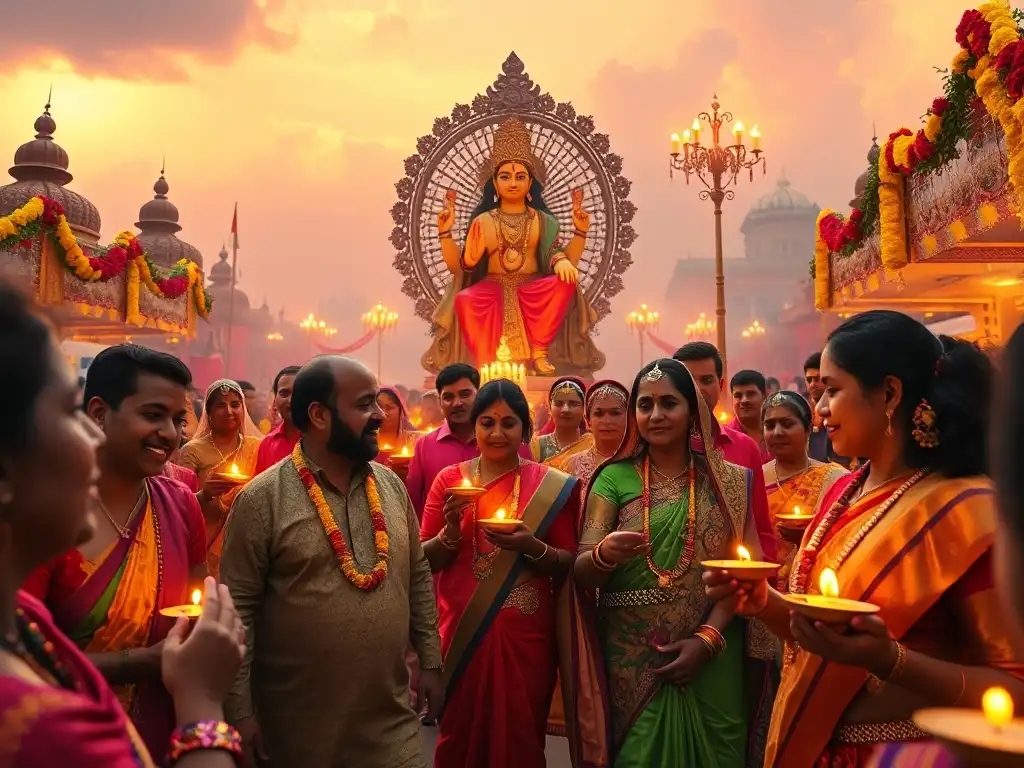
Welcome to Ancient India History, where we embark on an enthralling journey through the rich tapestry of ancient Indian civilizations. In this vibrant exploration, we delve into the significance of ancient Indian festival rituals, revealing how these time-honored practices have shaped contemporary celebrations. Join us as we uncover the timelessness of these rituals, and discover how they continue to resonate in today's festive spirit.
Are you ready to unlock the secrets of the past and see how they illuminate our present? Dive deeper into our main article, "The Timelessness of Ancient Rituals in Today’s Festival Celebrations," and let the festivities unfold!
Introduction to Ancient Indian Festival Rituals
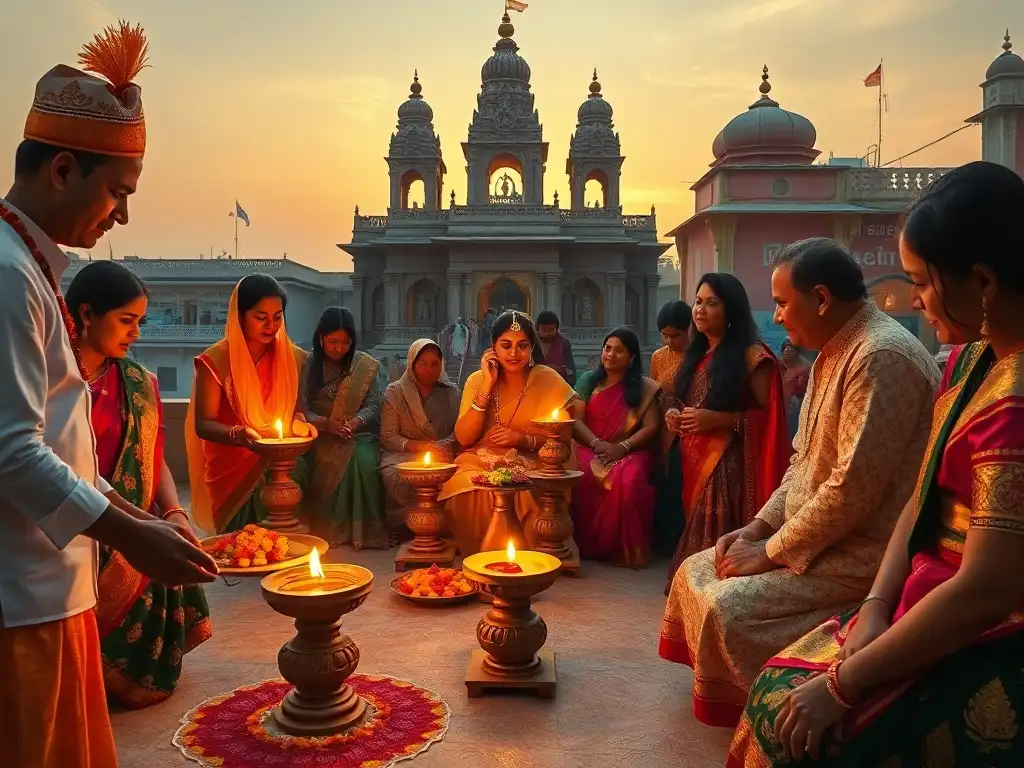
The rich tapestry of ancient Indian festival rituals reflects the profound cultural heritage of India, weaving together spirituality, community, and tradition. These rituals, originating from centuries-old practices, continue to resonate in contemporary celebrations, creating a bridge between the past and present. Understanding these rituals not only illuminates the significance of festivals but also highlights their role in shaping social identity and communal bonds. As we delve into the essence of these ancient celebrations, we uncover how they have transcended time, adapting to modern sensibilities while preserving their core values.
Overview of Ancient Indian Festivals
Ancient Indian festivals are diverse, reflecting the country's myriad of cultures, religions, and regional practices. Each festival is marked by unique rituals and customs, often linked to seasonal changes, agricultural cycles, or mythological events. Some of the most notable festivals include:
- Diwali: The festival of lights, symbolizing the victory of light over darkness.
- Holi: The vibrant celebration of colors, marking the arrival of spring.
- Navaratri: A nine-night festival dedicated to the worship of the goddess Durga.
These festivals not only serve as a time for celebration but also reinforce community ties and cultural identity, echoing the ancient traditions that continue to thrive today.
Importance of Rituals in Ancient Indian Culture
Rituals in ancient Indian culture are not merely ceremonial practices; they are imbued with deep spiritual significance and social functions. They serve various purposes, including:
- Spiritual Connection: Rituals foster a connection between the divine and the devotees, facilitating prayers and offerings.
- Cultural Transmission: Through rituals, traditions and values are passed down generations, ensuring the continuity of cultural practices.
- Community Building: Festivals and their associated rituals bring people together, strengthening social bonds and fostering a sense of belonging.
The importance of these rituals highlights their role in maintaining the fabric of society, making them an integral part of ancient Indian life.
Historical Context of Ancient Indian Festival Rituals
Understanding the historical context of ancient Indian festival rituals provides insights into their evolution and enduring relevance.
Origins of Festival Celebrations in Ancient India
The origins of festival celebrations in ancient India can be traced back to the Indus Valley Civilization, where archaeological evidence suggests that religious practices and communal gatherings were integral to societal life. As time progressed, these celebrations evolved, influenced by various dynasties, religious movements, and cultural exchanges. Each era contributed distinctive elements, resulting in a rich mosaic of festivals that reflected the socio-political landscape of the time.
Key Features of Ancient Indian Rituals
Ancient Indian rituals are characterized by several key features that define their uniqueness:
- Symbolism: Many rituals are steeped in symbolism, representing cosmic elements, deities, or seasonal changes.
- Rites of Passage: Festivals often coincide with significant life events, such as birth, marriage, and death, marking transitions in the human experience.
- Community Participation: Most rituals are communal in nature, involving collective participation that fosters social cohesion.
These features not only enhance the experience of the festivals but also reinforce their significance in the cultural psyche.
Influence of Ancient Texts on Festival Practices
Ancient texts such as the Vedas, Upanishads, and Puranas play a crucial role in shaping festival practices. They provide guidelines on rituals, hymns, and the appropriate conduct for celebrations. For instance:
- Vedic Rituals: These emphasize the importance of fire rituals (yajnas) and offerings to deities, which continue to be central to many festivals.
- Puranic Narratives: Stories from the Puranas often dictate the themes and practices of various festivals, ensuring that they remain connected to their mythological roots.
The influence of these texts ensures that ancient Indian festival rituals remain anchored in a rich tradition, blending spiritual significance with cultural heritage.
The Evolution of Ancient Indian Festival Rituals
The evolution of ancient Indian festival rituals is a fascinating journey that reflects the changing social, religious, and cultural dynamics of the subcontinent. Rooted in the Vedic period, these rituals originally involved elaborate ceremonies and offerings to deities, aimed at ensuring prosperity, fertility, and harmony within the community. Over time, as different empires and cultures influenced India, these rituals began to incorporate various elements, adapting to the prevailing philosophical and theological beliefs.
Rituals such as yajnas (sacrificial fire ceremonies) and pujas (worship) established a framework that would sustain through millennia. For instance, the early agrarian festivals, celebrating harvests and seasonal changes, evolved into more structured celebrations with the emergence of major religions like Hinduism, Buddhism, and Jainism. Each of these religions contributed its unique rituals, which were often interwoven into local customs, thereby enriching the tapestry of festival celebrations.
The transformation continued into the medieval period, where the impact of Islamic rule introduced new elements to the existing rituals. Festivals began to reflect a blend of Hindu and Islamic traditions, resulting in the creation of unique celebrations such as Eid and Diwali, which now share common cultural elements. This ongoing evolution illustrates how ancient Indian festival rituals have maintained their relevance, continuously adapting to the sociopolitical landscape while retaining their core essence.
Transformation of Rituals Through the Ages
The transformation of rituals throughout the ages can be traced through several key phases, each marked by significant cultural exchanges and historical events. In ancient times, rituals were primarily centered around the agrarian calendar, with festivities aligned to sowing and harvest seasons. As urbanization progressed, rituals began to reflect the complexities of city life, incorporating theatrical performances, music, and dance.
During the Vedic period, rituals were intricate and often required the involvement of priests and scholars. However, as the influence of Bhakti and Sufi movements grew, there was a shift toward more accessible forms of worship. This democratization allowed common people to participate in rituals, leading to the rise of community-centric celebrations that emphasized collective participation over hierarchical structures.
In modern times, the introduction of technology has further transformed the way rituals are performed. Virtual celebrations, social media campaigns, and online gatherings have made it possible for individuals to engage in festivals from distant locations, thus preserving the spirit of participation while adapting to contemporary lifestyles.
Preservation of Traditions in Modern Celebrations
Despite the myriad changes that have occurred over centuries, the preservation of ancient Indian festival rituals remains a hallmark of cultural identity. Many communities actively strive to retain traditional practices, ensuring that younger generations understand the significance of their heritage. This preservation is often achieved through educational programs, community workshops, and cultural festivals that celebrate traditional art forms, music, and dance.
Local temples and community organizations play a crucial role in this preservation effort, often hosting events that bring people together to perform ancient rituals. For example, during Diwali, traditional practices such as making rangoli (colorful designs on the ground) and lighting diyas (oil lamps) are emphasized, reinforcing a sense of belonging and cultural pride.
Moreover, the revival of ancient crafts and culinary practices associated with these festivals has gained momentum, as people seek authenticity in their celebrations. This commitment to preserving traditions ensures that ancient Indian festival rituals not only survive but thrive in the modern era, fostering a deep connection to ancestral roots.
Cultural Syncretism: Blending Ancient and Contemporary Practices
Cultural syncretism is a defining characteristic of Indian festivals, where ancient practices blend seamlessly with contemporary elements. This phenomenon is evident in how traditional rituals have incorporated modern influences, creating unique celebrations that resonate with today's society. For instance, contemporary music and dance forms are often infused into traditional rituals, transforming them into vibrant spectacles that attract younger audiences.
Additionally, the globalization of culture has led to the fusion of various traditions, with festivals now showcasing a diverse range of practices. During festivals like Holi, traditional colors are complemented by modern music and dance, appealing to a broader demographic while maintaining the essence of the celebration. This blending of practices not only enhances participation but also promotes a deeper understanding of cultural diversity.
Moreover, the rise of environmental consciousness has prompted many communities to adapt ancient rituals to align with contemporary values. For example, during Ganesh Chaturthi, the use of eco-friendly materials for idols has become increasingly popular, reflecting a commitment to sustainability while honoring age-old traditions. Thus, cultural syncretism serves as a bridge between the past and the present, allowing ancient Indian festival rituals to evolve without losing their foundational significance.
Significance of Ancient Rituals in Modern Festival Celebrations
The significance of ancient rituals in modern festival celebrations extends beyond mere tradition; these rituals play a crucial role in shaping community identity, fostering social bonds, and providing psychological benefits to participants. They serve as a reminder of shared heritage and collective memory, connecting individuals to their ancestors and cultural history.
The Role of Rituals in Community Bonding
Ancient rituals have a profound impact on community bonding during festival celebrations. They create a sense of belonging and unity among participants, regardless of their background. Festivals often involve collective practices, such as group prayers, communal meals, and processions, which foster interpersonal connections and strengthen social ties.
For instance, during Navratri, communities come together to participate in Garba—a traditional dance that celebrates the goddess Durga. This collective participation not only reinforces cultural identity but also promotes a spirit of cooperation and camaraderie among diverse groups. Rituals provide a platform for people to share experiences, memories, and values, creating a cohesive community fabric.
Furthermore, the rituals associated with festivals often involve the participation of families and friends, enhancing interpersonal bonds and creating lasting memories. This interconnectedness is crucial in maintaining social cohesion, especially in a rapidly changing world.
Spiritual and Psychological Benefits of Ritual Participation
Participating in ancient rituals during festivals offers numerous spiritual and psychological benefits. On a spiritual level, these rituals provide a sense of purpose and connection to the divine. Engaging in time-honored practices allows individuals to express their faith and devotion while reinforcing their spiritual beliefs.
Psychologically, the act of participating in rituals can promote emotional well-being. Research suggests that rituals can alleviate stress, enhance mood, and foster a sense of security and stability. For many, the familiarity and predictability of ritual participation during festivals provide comfort in an increasingly chaotic world.
Moreover, rituals often serve as a form of mindfulness practice, encouraging participants to be present and engaged in the moment. This mindfulness can lead to greater self-awareness and a deeper appreciation for one's cultural heritage, enhancing overall life satisfaction.
Case Studies of Specific Festivals: Diwali, Holi, and Navratri
Examining specific festivals like Diwali, Holi, and Navratri reveals how ancient rituals continue to play a vital role in modern celebrations.
- Diwali: Known as the Festival of Lights, Diwali is celebrated with ancient rituals such as lighting diyas, performing pujas for Lakshmi, and exchanging sweets. These rituals symbolize the triumph of light over darkness and good over evil, resonating deeply with participants and instilling a sense of hope and renewal.
- Holi: The Festival of Colors, Holi, is marked by playful throwing of colored powders, singing, and dancing. The ancient ritual of Holika Dahan, where bonfires are lit to symbolize the burning of evil, remains integral to the celebration, reinforcing themes of victory and community.
- Navratri: This festival, dedicated to the goddess Durga, involves nine nights of worship, dance, and fasting. The ancient rituals associated with Navratri, including the performance of Garba and Dandiya, foster community bonding and cultural pride, showcasing the rich heritage of ancient Indian civilization.
Through these case studies, it becomes evident that ancient Indian festival rituals not only endure but thrive in modern celebrations, offering a meaningful connection to the past while enriching the present.
Case Studies of Festivals Reflecting Ancient Rituals
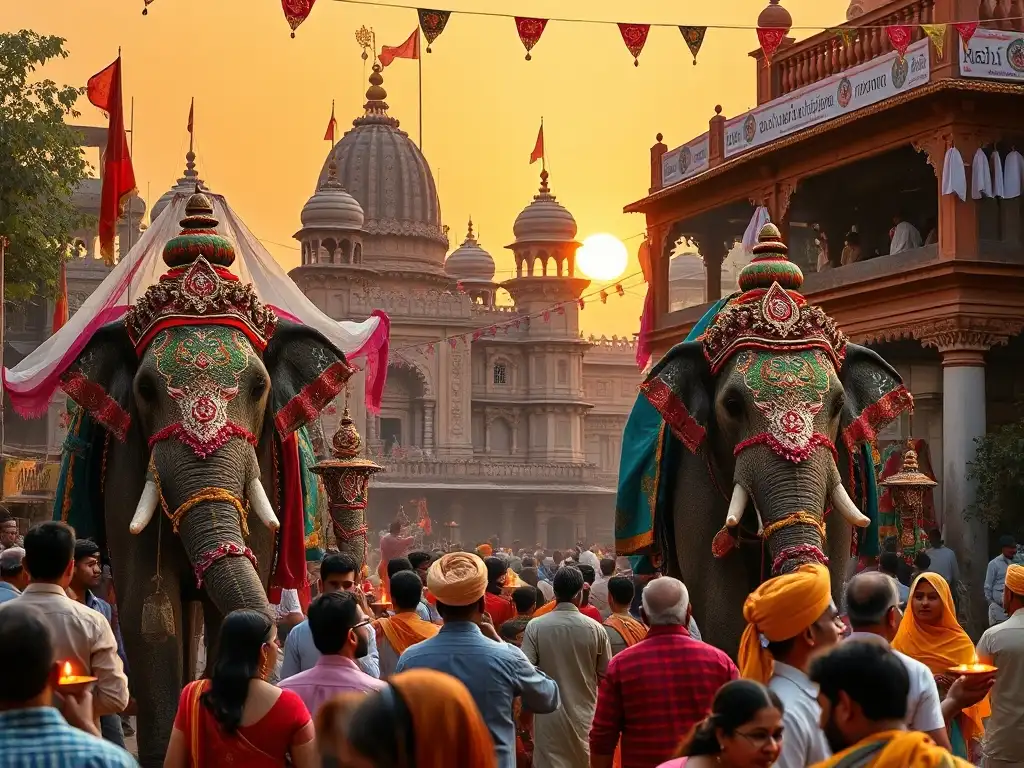
Exploring the ancient Indian festival rituals reveals a tapestry of beliefs and practices that have been woven into the fabric of contemporary celebrations. Various festivals in India not only commemorate historical events but also retain the essence of ancient rituals, showcasing the enduring influence of the past on present-day society. Through case studies of specific festivals, we can observe how these ancient traditions continue to shape cultural practices today.
Diwali: The Festival of Lights and Its Ancient Roots
Diwali, known as the Festival of Lights, is one of the most celebrated festivals in India, signifying the victory of light over darkness and good over evil. Its roots can be traced back to ancient texts like the Ramayana, celebrating Lord Rama's return to Ayodhya after defeating the demon king Ravana. The rituals associated with Diwali include lighting oil lamps (diyas), performing pujas (worship) to Lakshmi, the goddess of wealth, and bursting firecrackers.
The ancient significance of Diwali extends beyond mere celebration; it reflects the agrarian society's dependence on the harvest cycle. The festival marks the end of the harvest season and the beginning of the new year in several regions. Today, the essence of these ancient rituals persists as families come together to celebrate, ensuring that the cultural heritage remains vibrant and relevant.
Holi: Celebrating Color and Its Historical Significance
Holi, the Festival of Colors, is another prominent festival that showcases ancient Indian festival rituals. It has origins in various mythological stories, including the legend of Prahlad and Holika, which symbolizes the triumph of devotion and virtue over evil. The festival involves the playful throwing of colored powders, singing, dancing, and indulging in festive foods.
Historically, Holi was celebrated as a spring festival marking the end of winter and the arrival of new life. The ancient rituals associated with Holi emphasize community bonding and the breaking down of social barriers. In contemporary society, Holi retains its ancient spirit, fostering unity among diverse groups, and promoting joy and togetherness, while the vibrancy of colors continues to symbolize hope and renewal.
Navratri: The Nine Nights of Worship and Their Rituals
Navratri, meaning "nine nights," is a significant festival dedicated to the worship of the goddess Durga. The festival celebrates the victory of Durga over the buffalo demon Mahishasura, symbolizing the triumph of good over evil. Each night of Navratri is associated with different forms of the goddess, and elaborate rituals are performed, including fasting, dancing (Garba and Dandiya), and community gatherings.
The ancient rituals of Navratri emphasize devotion, self-discipline, and the importance of feminine energy in creation and sustenance. In modern times, these rituals have evolved to include performances and public celebrations, drawing large crowds and fostering a sense of community. The festival serves as an avenue to preserve ancient worship practices while adapting them to contemporary cultural dynamics.
The Impact of Ancient Indian Festival Rituals on Contemporary Society
The impact of ancient Indian festival rituals on contemporary society is profound, influencing not only cultural practices but also social dynamics and community relationships. These festivals serve as a bridge between the past and present, allowing individuals to connect with their heritage while fostering unity and celebration.
Revival of Ancient Practices in Modern Festivals
In recent years, there has been a notable revival of ancient practices in modern festivals. Many communities are re-embracing traditional rituals, such as handmade decorations, indigenous music, and folk dances, which were at risk of being overshadowed by globalization and commercialization. This revival not only enriches the festival experience but also instills a sense of pride in cultural identity among the younger generations.
Moreover, eco-friendly practices, inspired by ancient sustainability methods, are gaining traction during festivals. For instance, the use of natural colors during Holi and clay idols during Ganesh Chaturthi reflects a growing awareness of environmental concerns rooted in ancient wisdom.
The Role of Festivals in Preserving Cultural Heritage
Festivals play a crucial role in preserving cultural heritage by acting as platforms for transmitting traditional knowledge and practices. They provide opportunities for storytelling, music, dance, and cuisine that are integral to a community's identity. Through participation in these rituals, individuals not only celebrate their heritage but also ensure its continuity for future generations.
Moreover, festivals often attract tourists, creating a fusion of ancient customs with contemporary cultural expressions. This interaction enhances the visibility of ancient rituals, fostering appreciation and respect for India's diverse cultural landscape.
Challenges in Maintaining Authenticity of Rituals
Despite the positive impact of ancient Indian festival rituals, challenges persist in maintaining their authenticity. The influence of modernization and commercialization can dilute the original significance of these rituals, leading to superficial celebrations that prioritize spectacle over substance. The commodification of festivals can also result in the loss of traditional practices and values.
Additionally, as urbanization increases, the intimate community settings that foster genuine participation in rituals are becoming less common. Preserving the essence of these ancient practices requires conscious efforts from individuals and communities alike to engage authentically with their cultural heritage, ensuring that the timelessness of these rituals continues to resonate within contemporary celebrations.
Conclusion: The Enduring Legacy of Ancient Indian Festival Rituals
The ancient Indian festival rituals have left an indelible mark on the cultural landscape of India, shaping not only the way festivals are celebrated but also reinforcing community bonds and cultural identity. These rituals, rooted in centuries of tradition, encapsulate the philosophies, values, and beliefs of ancient civilizations. As modern celebrations continue to evolve, the essence of these rituals persists, reminding us of their significance in fostering a sense of belonging and continuity.
From the intricate ceremonies of Diwali to the vibrant festivities of Holi, the rich tapestry of ancient rituals provides a framework that enhances contemporary celebrations. The enduring legacy of these practices lies in their ability to adapt while retaining core elements that resonate with individuals across generations. By embracing these rituals, communities not only honor their heritage but also ensure that the wisdom of the past enriches the present and future.
Reflection on the Importance of Rituals in Cultural Identity
Rituals serve as a vital link to cultural identity, acting as a conduit through which traditions are transmitted from one generation to the next. In the context of ancient Indian festivals, rituals are more than mere customs; they embody the collective memory and values of a community. Each ritual, whether it involves the lighting of lamps during Diwali or the chanting of mantras during Navratri, reinforces shared beliefs and fosters a connection among participants.
Moreover, these rituals often symbolize important aspects of life—birth, marriage, and death—allowing individuals to navigate the complexities of existence with a sense of purpose. As people engage in these time-honored practices, they reaffirm their cultural heritage, creating a shared identity that transcends individual experiences. In this way, ancient rituals not only enrich personal lives but also cultivate a robust communal spirit, vital for the survival of cultural diversity in a rapidly globalizing world.
Future Perspectives: Reviving and Sustaining Ancient Practices
As society continues to modernize, the challenge lies in reviving and sustaining ancient practices that may be at risk of fading into obscurity. Efforts to reintegrate these rituals into contemporary celebrations can take various forms, including community workshops, festivals, and educational programs that highlight their historical significance. By actively engaging younger generations in these practices, there is potential for a renewed appreciation and understanding of their importance.
Moreover, leveraging technology and social media can play a pivotal role in documenting and sharing these rituals, making them accessible to a broader audience. Virtual platforms can facilitate discussions and showcase performances that reflect ancient traditions, thereby reaching individuals who may not have direct ties to them. Ultimately, sustaining ancient Indian festival rituals requires a concerted effort to balance respect for tradition with the realities of modern life, ensuring that these invaluable cultural practices remain vibrant and relevant.
References and Further Reading on Ancient Indian Festival Rituals
Suggested Books and Articles
- "The Festivals of India" by R. K. Sharma – This book delves into the significance of various festivals across India, exploring their historical roots and contemporary practices.
- "Rituals of India: Celebrating Festivals" by Anjali Desai: – A comprehensive guide that examines the rituals associated with major Indian festivals, highlighting their cultural importance.
- "Understanding Indian Festivals: A Historical Perspective" by A. K. Gupta: – This article provides a scholarly analysis of the evolution of festival rituals in India from ancient times to the present.
Online Resources for Exploring Ancient Indian Culture
- Digital India Initiative – This government initiative offers a wealth of resources on Indian culture, including articles and videos on traditional festivals and rituals.
- Cultural India – An online portal dedicated to Indian culture, it features sections on festivals, rituals, and cultural practices, providing insights into their significance.
- The India History Project – A collaborative platform that aims to document and share the diverse history of India, including the role of ancient rituals in festival celebrations.
By exploring these resources, individuals can deepen their understanding of ancient Indian festival rituals and appreciate their relevance in contemporary society.
- Introduction to Ancient Indian Festival Rituals
- Historical Context of Ancient Indian Festival Rituals
- The Evolution of Ancient Indian Festival Rituals
- Significance of Ancient Rituals in Modern Festival Celebrations
- Case Studies of Festivals Reflecting Ancient Rituals
- The Impact of Ancient Indian Festival Rituals on Contemporary Society
- Conclusion: The Enduring Legacy of Ancient Indian Festival Rituals
- References and Further Reading on Ancient Indian Festival Rituals
- What are some ancient Indian festival rituals still practiced today?
- How did the Indus Valley Civilization contribute to festival rituals?
- What role do mythology and folklore play in ancient Indian festivals?
- How have modern adaptations of ancient rituals changed festival celebrations?
- Why are rituals important in the context of ancient Indian festivals?
Frequently Asked Questions
What are some ancient Indian festival rituals still practiced today?
Many ancient Indian festival rituals like Diwali puja and Makar Sankranti have persisted through time, showcasing the rich cultural heritage that influences modern celebrations.
How did the Indus Valley Civilization contribute to festival rituals?
The Indus Valley Civilization is known for its advanced urban planning and potential agricultural practices, which laid the groundwork for many festival rituals centered around harvest and fertility.
What role do mythology and folklore play in ancient Indian festivals?
Mythology and folklore serve as the backbone for many ancient Indian festival rituals, providing stories and significance that enhance the spiritual experience of celebrations.
How have modern adaptations of ancient rituals changed festival celebrations?
Modern adaptations have infused traditional rituals with contemporary elements, making them more inclusive and accessible while still honoring their historical roots.
Why are rituals important in the context of ancient Indian festivals?
Rituals provide a sense of community, continuity, and connection to cultural identity, making them essential for preserving the legacy of ancient Indian festivals.
Final Reflection: Embracing the Timelessness of Ancient Indian Festival Rituals
The significance of ancient Indian festival rituals resonates deeply in today's world, reminding us that traditions are not merely relics of the past but living practices that enrich our present. As we navigate an increasingly fast-paced and technology-driven society, the essence of these rituals offers a grounding connection to our cultural heritage, fostering community and continuity. The vibrancy of festivals like Diwali and Holi showcases how these ancient practices continue to inspire joy, unity, and reflection in our modern lives.
The influence of ancient Indian festival rituals extends beyond mere celebration; they are a vital thread in the fabric of our social and cultural identity. These rituals serve as a bridge between generations, allowing us to honor our ancestors while creating shared experiences with those around us. As the renowned philosopher Mahatma Gandhi once said, "> A nation's greatness is measured by how it treats its weakest members." This sentiment underscores the importance of inclusivity and community spirit that these festivals embody, reminding us that our cultural practices can foster compassion and understanding in an ever-divided world.
As we reflect on the enduring power of these ancient rituals, I invite you to consider how you can incorporate their wisdom into your own life. Take a moment to engage with your cultural heritage, whether through participating in local festivals, sharing stories with family, or simply embracing the values these rituals represent. By doing so, you not only honor the past but also contribute to a more connected and harmonious future, where the timelessness of ancient traditions continues to illuminate our paths.
Embrace the Spirit of Ancient Rituals Today!
Thank you for diving into the rich world of ancient rituals and their enduring legacy in today’s festival celebrations. You’ve uncovered the vibrant connections that tie our modern festivities to historical traditions. Now, it’s time to bring that inspiration to life!
Take these steps to celebrate your connection to the past:
- Experience a local festival in your community—check local calendars for events that honor traditional customs.
- Share your newfound knowledge with friends and family: host a themed gathering where you explore the meanings of various celebrations.
- Discover additional resources to learn more! Read books or watch documentaries about ancient traditions to deepen your understanding and appreciation.
What ancient ritual resonates most with you, and how will you integrate it into your next celebration?