
The Architectural Wonders of the Mughal Empire: A Fusion of Cultures


Welcome to Ancient India History, where we embark on an exciting journey through the vibrant tapestry of ancient Indian civilizations. Here, we delve into the rich cultural heritage and groundbreaking contributions that have shaped the subcontinent’s past. Today, we invite you to explore the Mughal Empire's architectural innovations, a stunning fusion of artistic expression and cultural exchange that transformed the landscape of India.
What secrets do these magnificent structures hold? Join us as we uncover the incredible stories behind the architectural wonders of the Mughal Empire and discover how they reflect a unique blend of artistry and philosophy that continues to inspire. Your adventure through time begins now!

Introduction to the Mughal Empire Architectural Innovations
The Mughal Empire, which thrived from the early 16th to the late 17th century, is renowned for its remarkable architectural innovations that reflect a rich tapestry of cultural influences and artistic expressions. This era marked a significant confluence of Persian, Indian, and Islamic architectural styles, resulting in some of the most celebrated monuments in history.
The architectural wonders of the Mughal Empire not only served as royal palaces and mosques but also as symbols of power and cultural identity. This article delves into the architectural innovations of the Mughal Empire, highlighting their significance and the distinctive features that make them stand out in the annals of history.
Overview of Mughal Empire's Historical Context
The Mughal Empire emerged in the Indian subcontinent following the decline of the Delhi Sultanate, with Babur as its founder in 1526. Under the reigns of emperors like Akbar, Jahangir, and Shah Jahan, the empire expanded its territory and influence, fostering an environment conducive to artistic and architectural flourishing. The period is characterized by a blend of various cultural influences, as Mughal rulers were known for their patronage of the arts and architecture. This era witnessed the construction of grand edifices that not only showcased the empire's wealth but also represented a synthesis of diverse cultural elements.
Significance of Architectural Innovations in Mughal Culture
The architectural innovations of the Mughal Empire are significant for several reasons. Firstly, they reflect the empire's political power and stability, as monumental structures were often built to commemorate victories, honor leaders, and serve religious purposes. Secondly, these innovations played a crucial role in the cultural exchange between various communities, as artisans and craftsmen from different regions collaborated on projects.
The resulting architecture facilitated a unique dialogue between cultures, as seen in the intricate designs and motifs that adorned buildings. Additionally, Mughal architecture has had a lasting influence on subsequent architectural styles in India and beyond, making it a vital part of the historical narrative.
Key Features of Mughal Architecture
Blend of Persian, Indian, and Islamic Styles
One of the most striking features of Mughal architecture is its harmonious blend of Persian, Indian, and Islamic styles. This fusion is evident in the use of large domes, intricate tile work, and spacious courtyards. For instance, the Taj Mahal, often considered the pinnacle of Mughal architecture, exhibits Persian garden design principles, combined with Indian chhatris (elevated domed pavilions) and intricate inlay work that reflects Islamic art. This synthesis of styles not only enhanced the aesthetic appeal of structures but also symbolized the empire's cosmopolitan nature.
Use of Symmetry and Geometry in Design
Symmetry and geometry are fundamental design principles in Mughal architecture, contributing to the grandeur and visual balance of structures. Many Mughal buildings are meticulously planned with symmetrical layouts, featuring central axes that guide the viewer's eye. For example, the gardens of the Taj Mahal are laid out in a charbagh (fourfold) pattern, representing paradise and illustrating the importance of balance in Mughal design philosophy. The precise geometric patterns used in decorative elements further emphasize this focus on symmetry, creating a sense of harmony and order.
Innovative Use of Materials and Techniques
Mughal architects were pioneers in the use of materials and construction techniques that enhanced the durability and beauty of their structures. They employed red sandstone, marble, and precious stones to create visually stunning buildings. The extensive use of white marble in the Taj Mahal, adorned with semi-precious stones in intricate designs, exemplifies this innovation. Additionally, the introduction of new construction techniques, such as the use of arches and domes, allowed for the creation of larger and more complex structures, pushing the boundaries of architectural design during this period.
As we explore the architectural marvels of the Mughal Empire, we will uncover the rich history, innovative techniques, and cultural significance that define this extraordinary era in Indian architecture.
Iconic Structures of the Mughal Empire
The Mughal Empire is renowned for its stunning architectural innovations, which reflect a unique blend of Persian, Indian, and Islamic styles. The grandeur of these structures not only served functional purposes but also symbolized the power and cultural ethos of the Mughal rulers. Among the most celebrated architectural achievements are the Taj Mahal, the Red Fort, Humayun's Tomb, and Fatehpur Sikri, each of which showcases the rich artistic and cultural fusion characteristic of this era.
The Taj Mahal: A Testament to Love and Architectural Brilliance
The Taj Mahal, located in Agra, is perhaps the most iconic symbol of Mughal architecture. Commissioned by Emperor Shah Jahan in memory of his beloved wife, Mumtaz Mahal, this magnificent mausoleum is a UNESCO World Heritage Site and is often regarded as a pinnacle of architectural excellence. Built primarily from white marble, the Taj Mahal features intricate inlay work with semi-precious stones, creating a mesmerizing play of light and color.
The structure's design embodies the principles of symmetry and balance, with a grand central dome flanked by four minarets. The meticulous attention to detail, from the floral motifs to the calligraphic inscriptions, illustrates the skilled craftsmanship of the artisans of that era. The Taj Mahal not only serves as a tomb but also stands as a symbol of eternal love and dedication, drawing millions of visitors each year.
Red Fort: Symbol of Power and Architectural Grandeur
Constructed in the mid-17th century, the Red Fort in Delhi was the main residence of the Mughal emperors for around 200 years. It is a stunning example of Indo-Islamic architecture, combining Persian influences with Indian elements. The fort's massive red sandstone walls enclose a complex of impressive structures, including palaces, gardens, and audience halls.
The fort's most notable features include the Diwan-i-Aam (Hall of Public Audience) and the Diwan-i-Khas (Hall of Private Audience), which showcase exquisite craftsmanship and elaborate decoration. The Red Fort served not only as a royal dwelling but also as a ceremonial and administrative center, symbolizing the might and authority of the Mughal Empire. Today, it stands as a UNESCO World Heritage Site and a poignant reminder of India's rich historical legacy.
Humayun's Tomb: The Precursor to the Taj Mahal
Humayun's Tomb in Delhi is another significant architectural marvel of the Mughal Empire, built in the mid-16th century as a tribute to Emperor Humayun, the second Mughal ruler. This mausoleum is notable for its striking red and white marble façade and its beautifully landscaped gardens, which set a precedent for later Mughal gardens.
The tomb is often considered a precursor to the Taj Mahal due to its similar architectural elements, including the central dome and the use of symmetry. The design reflects the Persian influence on Mughal architecture, showcasing a harmonious blend of form and function. As a UNESCO World Heritage Site, Humayun's Tomb continues to inspire awe with its intricate details and historical significance.
Fatehpur Sikri: The Capital of Diversity and Architectural Fusion
Fatehpur Sikri, located near Agra, was built by Emperor Akbar in the late 16th century as a new capital for the Mughal Empire. This city is celebrated for its exceptional architecture that reflects a harmonious blend of various cultural influences, including Hindu, Persian, and Islamic styles.
The highlight of Fatehpur Sikri is the Buland Darwaza, an impressive gateway that stands as a symbol of Akbar's conquests. The city also features notable structures like the Panch Mahal, a five-story palace that showcases intricate latticework and stunning views. Fatehpur Sikri represents the Mughal commitment to cultural diversity, with its architecture embodying the syncretic spirit of Akbar's reign. Today, it is recognized as a UNESCO World Heritage Site and remains a testament to the architectural brilliance of the Mughal era.
The Role of Gardens in Mughal Architecture
Gardens played a crucial role in Mughal architecture, serving not only as aesthetic elements but also as symbols of paradise and harmony. The Mughal emperors placed immense importance on gardens, reflecting their love for nature and desire to create serene spaces within their grand architectural projects.
Charbagh: The Fourfold Garden Layout
The Charbagh, or fourfold garden layout, is a quintessential feature of Mughal gardens, representing the Islamic concept of paradise. This design divides the garden into four quadrants, typically separated by water channels, which symbolize the four rivers of paradise mentioned in the Quran.
The Charbagh layout can be seen in famous Mughal gardens such as those surrounding the Taj Mahal and Humayun’s Tomb. This structured approach not only enhances the visual appeal of the gardens but also creates a sense of tranquility and balance, inviting visitors to reflect and find solace in nature’s beauty.
Symbolism of Water Features in Mughal Gardens
Water features hold significant symbolic value in Mughal gardens, representing purity, life, and the essence of paradise. These gardens often incorporate pools, fountains, and streams, which serve both aesthetic and practical purposes. The sound of running water creates a soothing atmosphere, enhancing the overall sensory experience of these lush landscapes.
The meticulous placement of water channels within the Charbagh layout reflects the Mughal emphasis on symmetry and harmony. Additionally, these water features are not only visually striking but also play a vital role in cooling the surrounding environment, making the gardens more pleasant during the hot Indian summers.
Famous Mughal Gardens and Their Architectural Significance
Several Mughal gardens stand out for their architectural significance and historical importance. Some of the most renowned include:
- Shalimar Bagh: Located in Srinagar, this garden is an excellent example of Mughal horticultural design, featuring terraced lawns, vibrant flower beds, and flowing water channels.
- Nishat Bagh: Also in Srinagar, it offers breathtaking views of Dal Lake and is known for its stunning floral layouts and cascading fountains.
- Lodhi Gardens: Situated in Delhi, this garden combines natural beauty with historical monuments, showcasing the Mughal affinity for integrating architecture with landscapes.
These gardens exemplify the Mughal Empire's architectural innovations, reflecting their deep appreciation for nature and their ability to create harmonious spaces that celebrate both beauty and functionality.
Cultural Influences on Mughal Architectural Innovations
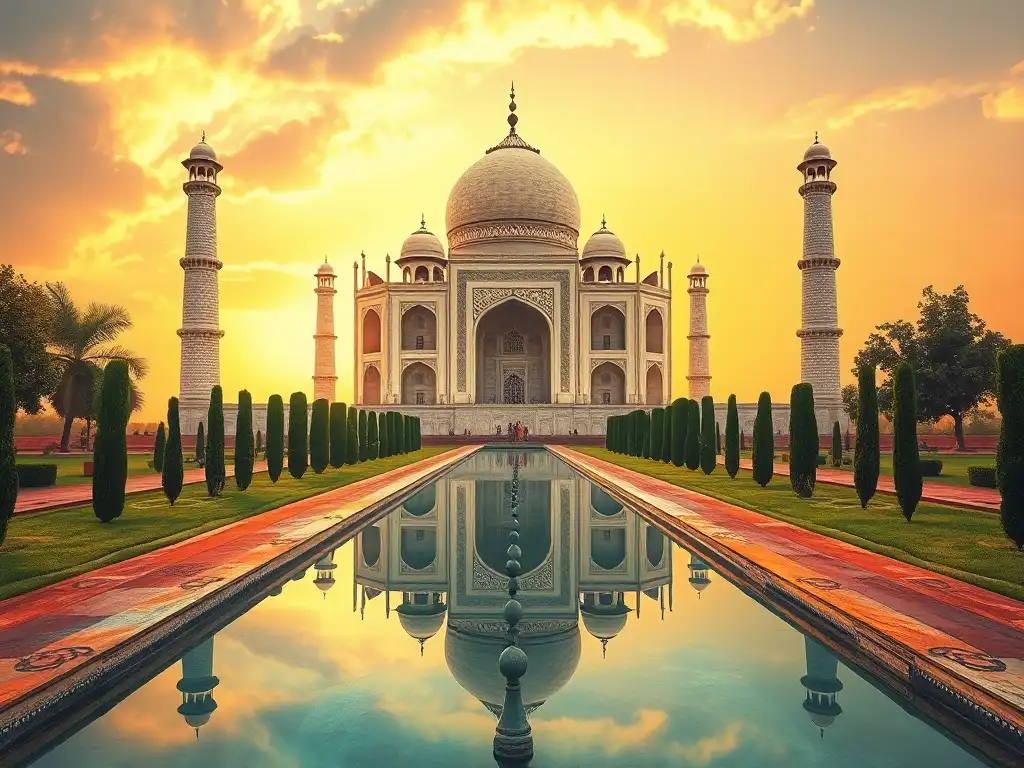
The architectural innovations of the Mughal Empire are a remarkable testament to the fusion of diverse cultural influences, which shaped their distinctive style. This unique blend is characterized by the harmonious amalgamation of Persian, Indian, and Islamic architectural elements, resulting in structures that not only served aesthetic purposes but also reflected the socio-political dynamics of the time. The Mughal emperors were not just rulers; they were patrons of the arts, and their commitment to architecture led to the construction of some of the most iconic buildings in history.
The Mughals utilized local materials and craftsmanship while drawing inspiration from various architectural traditions, creating a unique style that embodied the grandeur of their empire. This section explores the significant cultural influences that guided Mughal architectural innovations, highlighting key aspects such as Persian culture, Indian traditions, and Islamic designs.
The Impact of Persian Culture on Mughal Architecture
Persian culture played a pivotal role in shaping Mughal architecture, particularly during the initial phases of the empire. The Mughal emperors, especially Babur and Akbar, were deeply influenced by Persian aesthetics, which they encountered during their conquests in Central Asia. This influence is evident in several architectural features:
- Gardens and Chahar Bagh: The Persian concept of the "Chahar Bagh," a quadrilateral garden layout, was adopted and adapted by the Mughals. Gardens such as those in the Taj Mahal and the Shalimar Bagh exemplify this influence, symbolizing paradise on Earth.
- Arches and Domes: Mughal architecture features grand arches and intricate domes reminiscent of Persian styles. The use of large, bulbous domes, as seen in the Humayun's Tomb, reflects this influence.
- Calligraphy and Ornamentation: Persian calligraphy and decorative motifs were extensively used in Mughal architecture. The intricate tile work and inscriptions in buildings like the Taj Mahal showcase the elegance of Persian artistic traditions.
The marriage of Persian architectural elements with local styles enabled the Mughal Empire to create a distinctive architectural language that celebrated both heritage and innovation.
Integration of Indian Traditions and Local Techniques
While Persian influence was significant, the Mughal architects also seamlessly integrated Indian traditions and local techniques into their designs. This integration resulted in a unique architectural style that resonated with the local populace and utilized indigenous craftsmanship:
- Local Materials: The Mughals often used locally sourced materials, such as red sandstone and marble, which not only reduced costs but also enhanced the aesthetic appeal of their structures. The red sandstone of Fatehpur Sikri is a prime example of this practice.
- Indigenous Craftsmanship: The use of local artisans and craftsmen allowed for the incorporation of traditional Indian motifs and designs. Intricate carvings, jali work (lattice screens), and floral patterns became hallmarks of Mughal architecture, reflecting the rich artistic heritage of India.
- Temple Architecture: The influence of Hindu temple architecture is notable in certain Mughal edifices. Elements such as the multi-tiered roofs and elaborate carvings can be traced back to indigenous temple styles, showcasing the Mughals' respect for local traditions.
This integration of Indian architectural elements not only enriched Mughal designs but also fostered a sense of unity between different cultural influences.
Influence of Islamic Architecture on Mughal Designs
Islamic architecture significantly influenced Mughal designs, introducing a range of features that became synonymous with the empire's architectural identity:
- Symmetry and Proportions: A core principle of Islamic architecture is symmetry, which the Mughals embraced in their layouts. The symmetrical gardens and balanced façade of the Taj Mahal exemplify this characteristic.
- Minarets and Domes: Islamic structures commonly feature minarets and domes, elements that were prominently included in Mughal architecture. The minarets of the Jama Masjid in Delhi highlight the grandeur and verticality associated with Islamic designs.
- Use of Calligraphy: The intricate use of Arabic calligraphy, often quoting verses from the Quran, became a distinctive feature of Mughal architecture. This not only added to the artistic appeal but also conveyed spiritual significance.
The synthesis of these Islamic architectural principles with Persian and Indian influences culminated in a unique style that defined the Mughal Empire's architectural legacy.
Conclusion: The Legacy of Mughal Empire Architectural Innovations
The architectural innovations of the Mughal Empire have left an indelible mark on the landscape of Indian architecture. They represent a confluence of various cultural influences that have come together to create some of the most celebrated structures in history. The legacy of Mughal architecture continues to be relevant today, inspiring architects and artists alike.
Lasting Impact on Indian Architecture
The Mughal Empire's architectural innovations have significantly influenced subsequent architectural developments in India. The blend of styles and techniques established during this period laid the groundwork for various regional styles that followed. Many later architectural movements, including Indo-Saracenic architecture, drew inspiration from Mughal elements, particularly in the use of domes, arches, and intricate ornamentation.
Furthermore, the principles of symmetry, proportion, and harmonious design that characterized Mughal architecture continue to inform modern architectural practices in India. Buildings such as the Victoria Memorial in Kolkata reflect the Mughal influence, showcasing how these innovations have persisted through time.
Contemporary Relevance of Mughal Architectural Principles
In contemporary architecture, the principles derived from Mughal designs are increasingly relevant. As architects seek to create spaces that resonate with cultural heritage, the Mughal emphasis on integrating natural elements, such as gardens and water features, finds renewed interest. The sustainable practices of using local materials, as exemplified by the Mughals, are also being revisited in modern construction.
Moreover, the aesthetic appeal of Mughal architecture continues to inspire public buildings, monuments, and even private residences. The enduring beauty and functionality of Mughal structures serve as a benchmark for contemporary architects aiming to balance tradition with modernity.
The Fusion of Cultures: A Continuing Narrative in Architecture
The narrative of cultural fusion that characterized Mughal architecture is a continuing theme in today's globalized world. As societies intertwine and share ideas, the lessons learned from the Mughal Empire’s architectural innovations serve as a reminder of the beauty that can emerge from cultural collaboration.
Architectural projects around the globe increasingly reflect a blend of styles, much like the Mughals did, emphasizing the importance of dialogue between different cultural backgrounds. This ongoing narrative of fusion not only enriches architectural practice but also underscores the shared human experience that transcends borders, celebrating diversity while fostering unity.
Further Reading on Mughal Empire Architectural Innovations
Exploring the architectural innovations of the Mughal Empire opens a window into a rich tapestry of cultural synthesis and artistic brilliance. To delve deeper into this fascinating subject, a variety of resources are available that provide comprehensive insights and analyses. Below are some recommended readings and multimedia resources that will enhance your understanding of Mughal architecture.
Recommended Books and Articles
-
"The Mughal Empire" by John F. Richards
This book offers an in-depth look at the political, social, and cultural aspects of the Mughal Empire, with a dedicated focus on its architectural achievements. Richards meticulously details how Mughal architecture reflects the empire's cultural diversity and artistic innovation.
-
"The Great Mughal: A History of the Mughal Empire" by H. C. Raychaudhuri
Raychaudhuri's work provides a thorough examination of the Mughal period, including its architectural landmarks. The book discusses the influences that shaped Mughal architecture, such as Persian and Indian styles, making it a valuable resource for understanding the era's architectural innovations.
-
"Mughal Architecture: An Outline of Its History and Development" by Catherine Asher
This article outlines the evolution of Mughal architecture, highlighting key developments and innovations. Asher’s analysis of various structures offers insights into the unique characteristics that define Mughal architecture.
-
"The Architecture of the Mughal Empire" by Ebba Koch
In this comprehensive overview, Koch explores the architectural styles and techniques employed during the Mughal period. The book includes rich illustrations and discussions about the cultural significance of various monuments.
-
"The Mughal Garden: A History of Its Development" by Michael Brand
This resource focuses specifically on the significance of gardens in Mughal architecture, providing insight into how these spaces were designed and their symbolic meanings within the context of Mughal culture.
Documentaries and Online Resources for Exploration
-
"The Mughal Empire: A Forgotten History" (Documentary)
This documentary delves into the rise and fall of the Mughal Empire while showcasing its architectural marvels. It features expert interviews and stunning visuals of key sites, making it an engaging way to learn about Mughal innovations.
-
“The Splendour of the Mughal Empire” (Documentary Series)
This series presents a detailed account of the Mughal Empire, including segments dedicated to its architectural contributions. Each episode provides insight into different aspects of Mughal life, culture, and architecture.
-
The British Library’s Online Archive
The British Library hosts a range of digitized texts and images related to Mughal architecture. Their collection includes manuscripts, historical documents, and illustrations that provide context and detail about architectural innovations.
-
Khan Academy - "Mughal Architecture" Course
This online educational platform offers a dedicated course on Mughal architecture, featuring video lectures and interactive content. It covers major architectural sites, their features, and their historical significance.
-
YouTube Channels: "History Time" and "The History Guy"
Both channels regularly produce content related to the Mughal Empire, including architectural innovations. They provide an accessible and engaging way to learn about the subject through visual storytelling and expert commentary.
These resources collectively enhance the understanding of Mughal Empire architectural innovations, showcasing the unique blend of artistic influences and cultural narratives that define this era.
- Introduction to the Mughal Empire Architectural Innovations
- Key Features of Mughal Architecture
- Iconic Structures of the Mughal Empire
- The Role of Gardens in Mughal Architecture
- Cultural Influences on Mughal Architectural Innovations
- Conclusion: The Legacy of Mughal Empire Architectural Innovations
- Further Reading on Mughal Empire Architectural Innovations
Frequently Asked Questions
What are some key architectural innovations of the Mughal Empire?
The Mughal Empire is renowned for its architectural innovations such as the use of domes, intricate carvings, and symmetrical layouts. These features can be seen in iconic structures like the Taj Mahal and Red Fort.
How did Mughal architecture influence later styles?
Mughal architecture has greatly influenced subsequent architectural styles in India, combining Persian, Islamic, and Indian elements. This fusion created a unique aesthetic that is still evident in modern Indian architecture.
What role did culture play in Mughal architectural designs?
The cultural diversity of the Mughal Empire led to a rich blend of artistic styles. Religious and cultural influences from Hindu, Persian, and Central Asian traditions shaped the designs and motifs used in their architecture.
What materials were commonly used in Mughal architecture?
Mughal architects primarily used red sandstone and white marble, which allowed for detailed carvings and inlaid work. These materials not only enhanced the beauty of structures but also contributed to their durability.
How did the Mughal Empire contribute to urban planning?
The Mughal Empire was notable for its innovative urban planning, featuring well-organized gardens, water systems, and wide avenues. This approach not only improved aesthetics but also promoted hygiene and functionality in cities.
Final Reflection: The Enduring Legacy of Mughal Architectural Innovations
The architectural innovations of the Mughal Empire are not merely relics of the past; they are timeless testaments to a rich cultural fusion that continues to resonate in our modern world. As we navigate an increasingly globalized society, the intricate designs and harmonious blends of various influences seen in Mughal architecture remind us of the beauty that arises from collaboration and diversity. The grandeur of structures like the Taj Mahal and the Red Fort serves as a striking reminder of how art and architecture can transcend time and space, inspiring generations to come.
The impact of Mughal architecture extends far beyond its historical context; it has shaped the cultural and social landscape of South Asia and beyond. The intricate craftsmanship and innovative techniques employed by Mughal architects have influenced countless artists and builders, fostering a legacy that is still evident in contemporary designs. Architecture is the art of how to waste space.
This quote by Philip Johnson encapsulates the Mughal Empire's mastery in utilizing space to create awe-inspiring environments that invite reflection and admiration. The blending of Persian, Indian, and Islamic styles not only created stunning visuals but also fostered a sense of unity among diverse communities, a lesson that remains relevant today.
As we reflect on the architectural wonders of the Mughal Empire, let us embrace the call to appreciate and celebrate cultural diversity in our own lives. Consider how you can incorporate the lessons of collaboration, creativity, and respect for different traditions into your daily interactions and endeavors.
Whether through art, architecture, or community engagement, each of us has the power to contribute to a world that honors the beauty of fusion and innovation. Take a moment to reflect on how you can be a part of this ongoing legacy, ensuring that the spirit of the Mughal Empire continues to inspire future generations.
Unveil the Rich Tapestry of Mughal Architecture!
Thank you for diving into the awe-inspiring world of Mughal architecture with us! We hope you’ve discovered the beauty that lies within this cultural fusion. Now, it’s time to take these insights beyond the page.
Here are a few thoughtful steps you can take right now:
- Explore Local Heritage: Visit nearby historical sites or museums that showcase architectural styles reminiscent of Mughal designs to broaden your understanding.
- Join the Conversation: Share your thoughts or favorite Mughal structures in the comments below, and connect with fellow history enthusiasts!
- Plan a Cultural Trip: Consider embarking on a journey to experience India’s majestic Mughal monuments firsthand or take a virtual tour online!
What aspect of Mughal architecture resonates with you the most—its intricate designs, cultural significance, or historical impact? Let’s discuss!