
The Influence of Ancient Indian Surgery on Modern Medical Practices

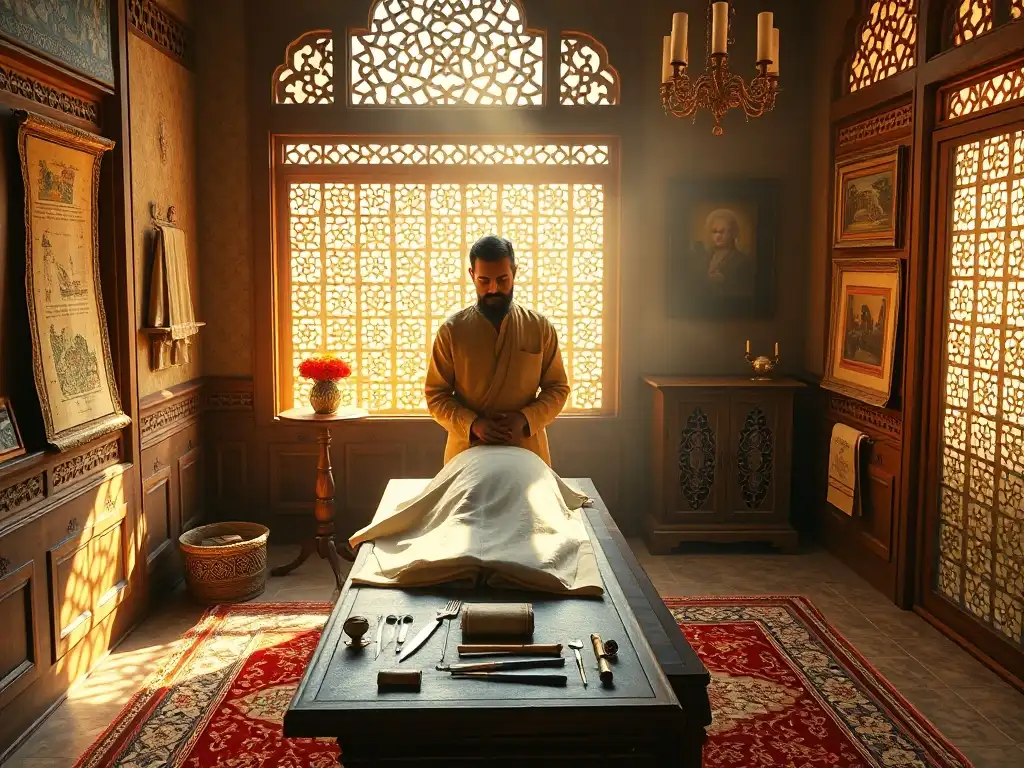
Welcome to Ancient India History, where we embark on a fascinating journey through the rich tapestry of ancient Indian civilizations. Here, we delve into the remarkable surgery techniques developed millennia ago, which not only laid the groundwork for medical practices in their time but continue to influence modern medicine today. Discover the innovative methods and profound knowledge that emerged from the Indus Valley to the Gupta Empire, and prepare to be intrigued by how these ancient practices resonate in contemporary healthcare. Join us as we unveil the secrets of ancient Indian surgery and its lasting impact on our world!
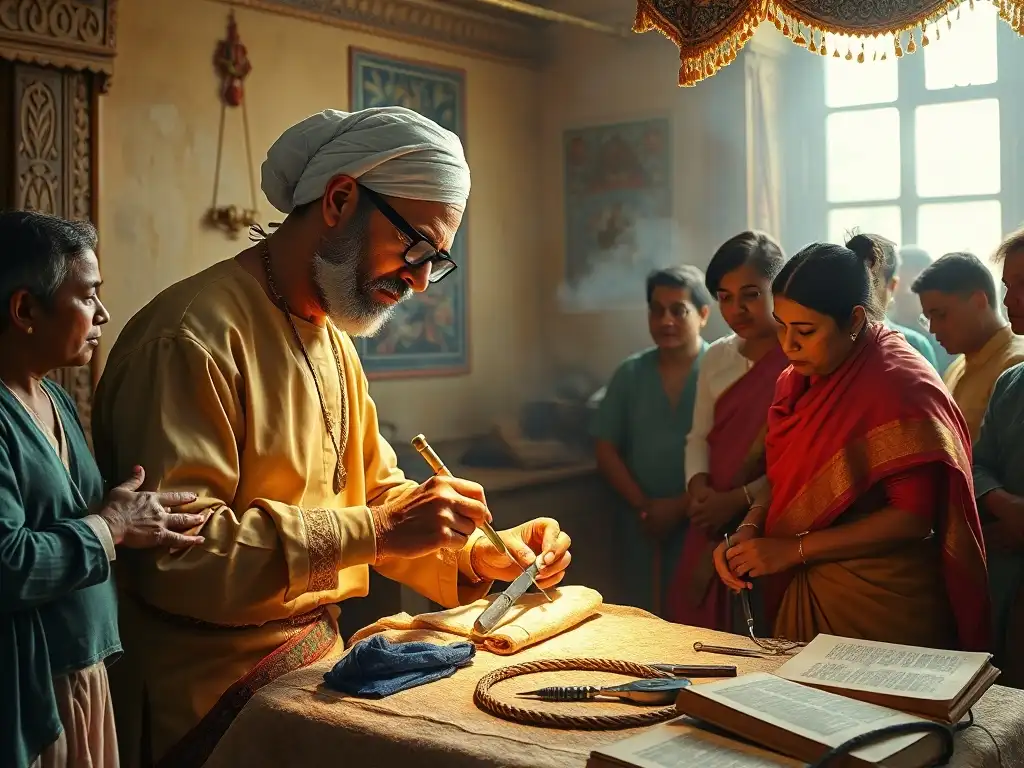
Introduction to Ancient Indian Surgery Techniques
The realm of ancient Indian surgery is a fascinating and intricate tapestry woven into the larger narrative of medicine and healthcare that has evolved over millennia. Ancient Indian surgery techniques, often overshadowed by contemporary practices, laid a remarkable foundation for modern medicine. The pioneering contributions of ancient scholars and practitioners not only advanced the understanding of the human body but also established surgical methodologies that resonate even in today's medical practices. This article explores the profound impact of ancient Indian surgical techniques, shedding light on their historical significance and relevance to current medical practices.
Overview of Ancient Indian Medicine
Ancient Indian medicine, primarily encapsulated in the Ayurvedic system, integrated surgical knowledge with holistic health practices. The Ayurveda system emphasized the balance of bodily energies and the importance of both preventive and therapeutic measures. Ancient texts, such as the Sushruta Samhita and the Charaka Samhita, serve as critical sources detailing surgical techniques and medical practices.
- Key Features of Ancient Indian Medicine:
- Emphasis on holistic healing
- Use of natural remedies and surgical interventions
- Integration of philosophy and science in medical practice
The surgical techniques developed during this time illustrate a sophisticated understanding of anatomy and physiology, demonstrating a level of expertise that was advanced for its time.
Historical Context of Surgical Practices in Ancient India
The historical context of surgical practices in ancient India can be traced back to the Indus Valley Civilization (c. 3300–1300 BCE), where evidence of medical practices has been discovered. However, it reached its zenith during the Vedic period and later through the works of legendary surgeons such as Sushruta, often referred to as the "Father of Surgery." His texts provided systematic classifications of surgical procedures, showcasing methods that were not only innovative but also humane.
- Significant Milestones:
- Development of surgical techniques around 600 BCE
- Establishment of surgical schools and training for practitioners
- Recognition of the ethical practices in surgery
The synthesis of surgical knowledge with philosophical teachings helped to enhance the status of surgeons in society, reflecting the cultural reverence for medical practitioners during ancient times.
Key Ancient Indian Surgery Techniques
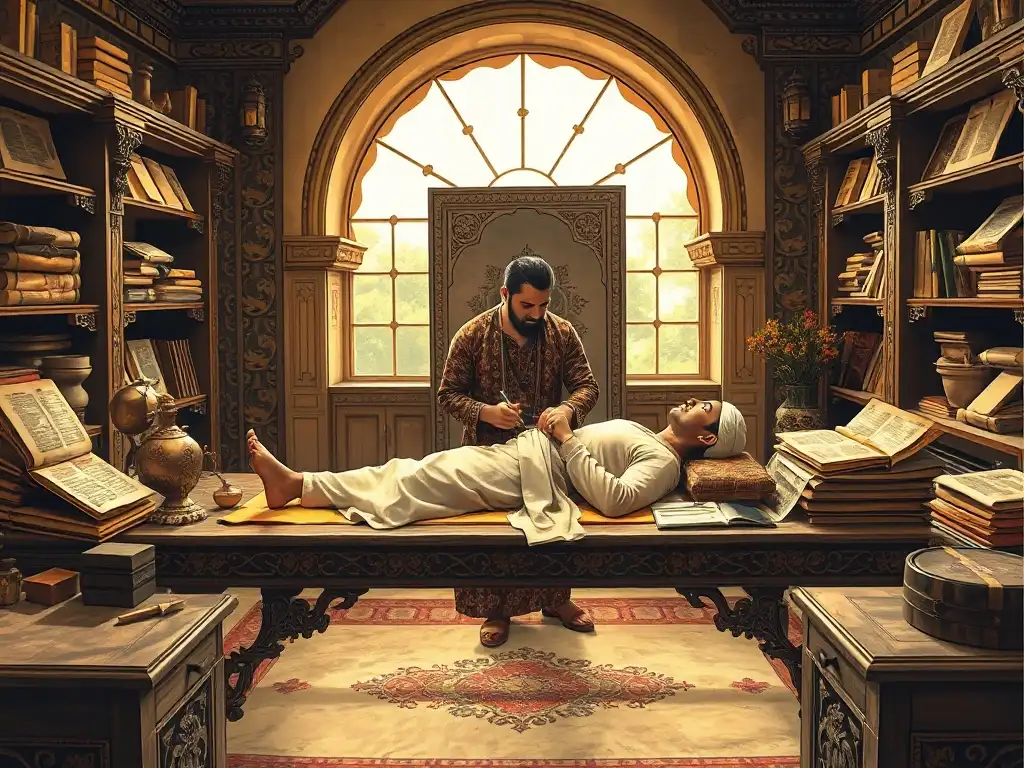
The surgical techniques employed in ancient India were diverse and highly specialized, demonstrating a profound understanding of both theoretical and practical aspects of surgery. This section delves into the essential components of these techniques.
Sushruta's Contributions to Surgical Methods
Sushruta's contributions are monumental in the history of surgery. He meticulously detailed various surgical procedures, including those for cataract surgery, plastic surgery, and cesarean sections. His methodology emphasized the importance of aseptic techniques and patient care.
- Notable Contributions:
- Introduction of surgical instruments and procedures
- Comprehensive understanding of human anatomy
- Ethical considerations in surgical practice
Sushruta's techniques not only highlight the advancements in surgical methods but also the ethical framework that guided practitioners of that era.
Instruments Used in Ancient Indian Surgery
The surgical instruments developed in ancient India were remarkably sophisticated, crafted from materials such as metals and bamboo. These instruments were designed with precision to facilitate various surgical procedures effectively.
- Common Surgical Instruments:
- Scalpels: For incisions
- Forceps: For grasping tissues
- Cannulas: For drainage
- Needles: For suturing wounds
The design and use of these instruments underscore the ingenuity of ancient Indian surgeons, who were adept at creating tools tailored to specific surgical needs.
Types of Surgical Procedures Practiced
Ancient Indian surgeons practiced a wide array of surgical procedures, many of which were pioneering for their time. These included:
- Reconstructive Surgery: Techniques for repairing damaged tissues
- Ophthalmic Surgery: Procedures for treating eye ailments
- Orthopedic Surgery: Methods for resetting fractures and treating dislocations
The diversity of surgical procedures practiced in ancient India reflects a comprehensive understanding of medical science and the human body, setting a powerful precedent for future generations of medical practitioners.
The legacy of ancient Indian surgery techniques continues to influence modern medical practices, showcasing a remarkable journey through the annals of history that is both rich and enlightening.
Comparison of Ancient Indian Surgery and Modern Practices
The comparison between ancient Indian surgery and modern medical practices reveals a fascinating interplay of techniques, philosophies, and advancements. Ancient Indian surgeons, notably those who practiced during the time of Sushruta, laid the groundwork for surgical methods that resonate with some modern practices, while also showcasing significant differences in approach, philosophy, and technology.
Similarities Between Ancient and Contemporary Surgical Techniques
Both ancient Indian surgeons and modern practitioners share a commitment to patient care and a systematic approach to surgery. Techniques such as suturing, excision, and the management of wounds have their roots in ancient practices. For instance, the use of sutures made from natural materials like silk and cotton in ancient India mirrors the modern use of synthetic sutures, emphasizing the fundamental goal of effectively closing wounds.
Additionally, the ancient text Sushruta Samhita describes numerous surgical procedures that bear striking similarities to contemporary techniques. Procedures like rhinoplasty (reconstruction of the nose) and cataract surgery show a clear lineage. The principles of aseptic techniques and meticulous surgical planning can be traced back to these ancient practices, highlighting a continuum of surgical knowledge that has evolved yet retained core methodologies.
Differences in Surgical Approaches and Philosophy
While there are notable similarities, the differences between ancient and modern surgical practices are pronounced. Ancient Indian surgery was often holistic, integrating philosophy, spirituality, and natural remedies into medical practice. Surgeons like Sushruta emphasized the importance of a surgeon's skill, the patient's constitution, and environmental factors in healing, which contrasts with the more compartmentalized approach of modern medicine.
Moreover, ancient surgery was limited by the technological constraints of the time. For example, the instruments used were made from bronze or other metals, which lacked the precision and sterilization capabilities of today’s surgical tools. The understanding of anatomy, although advanced for its time, was based on observation and inference rather than the detailed dissection and imaging technologies available in contemporary medicine.
Evolving Understanding of Anesthesia and Pain Management
The evolution of anesthesia in ancient Indian surgery plays a crucial role in understanding the transformation of medical practices. Ancient texts indicate that herbal mixtures and certain techniques were employed to induce unconsciousness and manage pain during surgical procedures. For example, the use of soma, a plant-based preparation, was believed to have anesthetic properties.
In contrast, modern anesthesia has advanced significantly, utilizing a variety of pharmacological agents that allow for precise control over consciousness and pain management. The shift from natural remedies to synthesized anesthetics reflects a broader evolution in medical technology and pharmacology, demonstrating a deepening understanding of human physiology and biochemistry. This progression underscores the importance of historical practices as foundational stepping stones towards the sophisticated anesthesia techniques used today.
The Impact of Ancient Indian Surgery on Modern Medicine
The legacy of ancient Indian surgery continues to influence modern medical practices across the globe. Its impact is evident not only in surgical techniques but also in the broader context of medical education and philosophy.
Influence on Global Surgical Practices
The techniques developed by ancient Indian surgeons have transcended geographical boundaries, influencing surgical practices worldwide. The introduction of advanced surgical methods and instruments by Indian practitioners during ancient times contributed to the evolution of surgery in other cultures, particularly in the Middle East and Europe. For example, the translation of Sushruta Samhita into Arabic and later Latin played a significant role in disseminating knowledge of surgical techniques, shaping the practices of later medical professionals.
This cross-cultural exchange highlights the role of ancient Indian surgery as a critical link in the development of global medical practices. Today, many surgical techniques, particularly those involving reconstructive surgery and trauma care, still reflect the principles established by ancient Indian surgeons.
Contributions to Medical Texts and Education
The ancient Indian texts, particularly Sushruta Samhita and Charaka Samhita, serve as foundational documents in the field of medicine. These texts not only detail surgical techniques but also encompass a broad range of medical knowledge, including anatomy, pharmacology, and ethics. Their comprehensive nature has influenced the curriculum of medical education in various cultures and remains relevant in contemporary discussions of medical ethics and practice.
In modern medical education, the integration of historical texts into the curriculum allows students to appreciate the evolution of medical knowledge and the importance of holistic approaches to patient care. This historical perspective enriches the understanding of contemporary practices, fostering a sense of continuity in the medical profession.
Case Studies of Ancient Techniques in Modern Surgery
Several case studies illustrate the enduring relevance of ancient Indian surgical techniques in modern practice. For instance, the principles of flap surgery, as described by Sushruta, are still employed in reconstructive procedures today. The technique of utilizing adjacent tissue to repair a defect has been successfully adapted for use in various surgical fields, including plastic and orthopedic surgery.
Another example is the methods of cataract surgery, which have roots in the procedures outlined in historical texts. Modern surgeons often reference these ancient techniques when performing phacoemulsification and other advanced cataract surgeries, demonstrating the lasting impact of ancient knowledge on contemporary surgical practices.
These case studies not only validate the ingenuity of ancient Indian surgeons but also remind us of the importance of preserving and learning from historical medical practices. By understanding and respecting the past, modern medicine can continue to evolve and innovate, building on the foundations laid by ancient civilizations.
Challenges in Integrating Ancient Practices with Modern Medicine
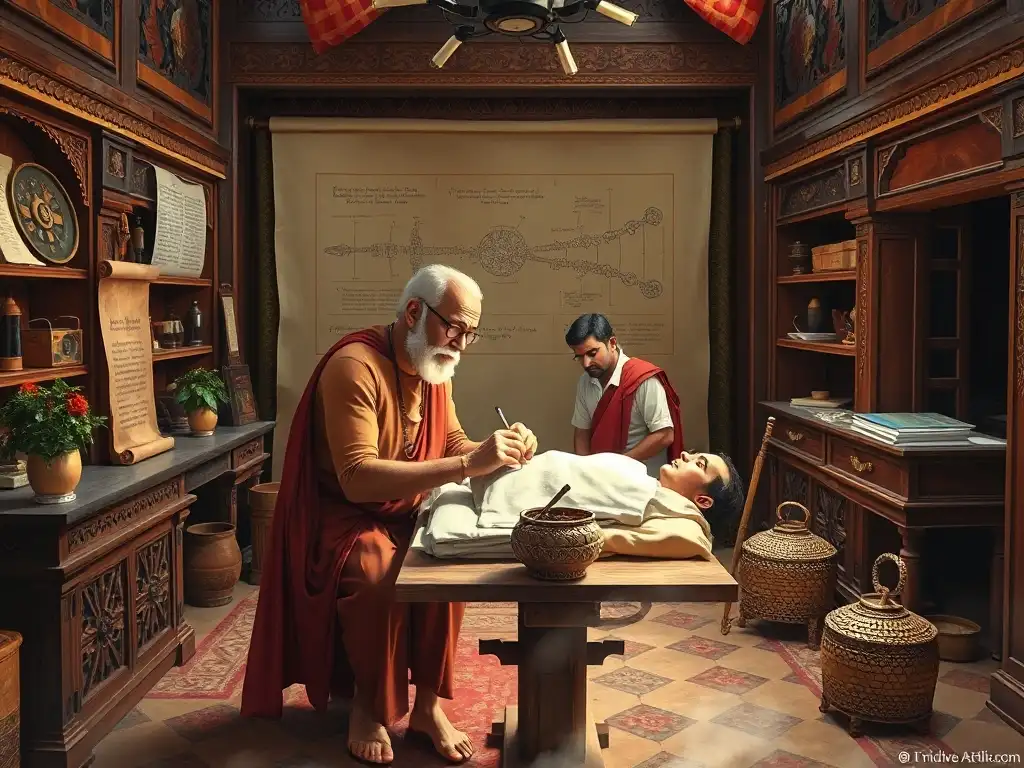
The integration of ancient Indian surgery techniques into modern medical practices presents several challenges. One prominent issue is the perception of antiquity. Many contemporary practitioners and patients may view ancient methods as outdated or less effective compared to modern surgical practices. This skepticism can hinder the acceptance and incorporation of these techniques into current medical curricula and practices.
Additionally, there is often a lack of comprehensive documentation regarding ancient surgical methods. While texts like the Sushruta Samhita provide invaluable insights, the interpretation and application of these ancient texts require careful scholarly attention. Without robust documentation, it becomes difficult to validate and standardize these techniques in a modern context.
Training and education also pose challenges. Modern medical education primarily focuses on the latest technologies and practices, often sidelining traditional methods. This creates a gap in knowledge for new practitioners who may not be exposed to ancient techniques, thereby limiting the potential for integration into everyday practice.
Misconceptions About Ancient Indian Surgical Techniques
Misconceptions surrounding ancient Indian surgical techniques can greatly affect their acceptance in contemporary medicine. One common myth is that these practices were primitive or rudimentary compared to today's standards. In reality, ancient Indian surgeons, especially those like Sushruta, employed sophisticated techniques and tools that are remarkably advanced for their time.
Another misconception is that ancient practices lack scientific basis. However, many techniques used in ancient Indian surgery were based on empirical observations and extensive clinical experience. For example, procedures such as rhinoplasty and cataract surgeries demonstrate a clear understanding of anatomy and surgical principles, which challenges the narrative of these methods being unscientific.
Moreover, there is often a belief that traditional methods are inherently unsafe or less effective. This viewpoint overlooks the fact that many ancient techniques have been validated through historical success rates and can provide complementary options in modern surgical practices.
Cultural and Ethical Considerations
Integrating ancient Indian surgical techniques into modern medicine necessitates a careful examination of cultural and ethical considerations. Ancient practices are deeply rooted in the cultural and philosophical context of their time, which may differ significantly from contemporary medical ethics. For instance, the holistic approach prevalent in ancient Indian medicine emphasizes the balance of body, mind, and spirit, which is not always addressed in modern practices.
Furthermore, the ethical implications of using ancient techniques must be considered, particularly concerning informed consent. Patients today expect a certain level of transparency regarding treatment options, including their risks and benefits. Ancient practices, which may not always align with modern ethical standards, could provoke ethical dilemmas if not communicated effectively to patients.
Lastly, there is the need to respect and preserve the cultural heritage associated with these techniques. Integrating ancient practices should not lead to their commodification or misrepresentation, but rather should honor their historical significance and the wisdom of those who practiced them.
The Need for Scientific Validation of Ancient Methods
For ancient Indian surgery techniques to gain acceptance in modern medicine, there is a critical need for scientific validation. This involves rigorous research and clinical trials to evaluate the safety and efficacy of these methods. Scientific validation not only helps in establishing the credibility of ancient techniques but also provides a framework for their integration into evidence-based medical practices.
Moreover, validation can facilitate the development of hybrid approaches that combine the best aspects of ancient and modern techniques. By documenting the outcomes of ancient methods through empirical research, practitioners can better understand where these methods excel and how they can be effectively implemented alongside contemporary practices.
Additionally, the collaboration between scholars of ancient medicine and modern medical researchers is essential. This interdisciplinary approach can lead to innovative solutions and improvements in surgical techniques, ultimately benefiting patient care.
Future Directions: Reviving Ancient Indian Surgery Techniques
Reviving ancient Indian surgery techniques offers promising avenues for enhancing current medical practices. A concerted effort to incorporate these historical methods can enrich the surgical landscape, providing alternative strategies that are often overlooked in modern education and training.
Potential for Integrating Ancient Techniques in Modern Training
There is a significant potential for integrating ancient techniques into modern medical training programs. By including modules on ancient Indian surgery in medical school curricula, future practitioners can gain a broader understanding of surgical options. This inclusion can be particularly beneficial in fields such as plastic and reconstructive surgery, where ancient methods like rhinoplasty have proven successful.
Moreover, hands-on workshops and training sessions led by experts in ancient surgical techniques can provide practical experience for students. Such initiatives can foster appreciation for historical practices and encourage a more holistic approach to patient care.
Research Opportunities in Ancient Medical Practices
The realm of ancient Indian surgery is rich with research opportunities. Scholars and medical professionals can explore various aspects of ancient techniques, from their historical context to the biological principles underlying their effectiveness. This research can lead to publications that highlight the relevance of these practices in modern medicine.
Additionally, studies can focus on the development of new surgical instruments inspired by ancient designs. By analyzing the materials and tools used in ancient surgeries, modern engineers can innovate and create safer, more efficient instruments tailored for contemporary use.
The Role of Traditional Knowledge in Contemporary Medicine
Traditional knowledge plays a crucial role in shaping contemporary medicine. Ancient Indian surgery, as part of this body of knowledge, offers insights into alternative healing practices and holistic patient care. Recognizing the significance of traditional methods can lead to a more integrated approach to health.
Moreover, the revival of ancient surgical techniques can contribute to global health discussions, emphasizing the importance of diverse medical traditions. By valuing and incorporating traditional practices, the medical community can enhance its understanding of human health, leading to improved patient outcomes and a more comprehensive view of wellness.
Conclusion
The exploration of ancient Indian surgery techniques reveals a remarkable legacy that has significantly influenced modern medical practices. The innovative approaches and surgical methodologies developed by ancient Indian practitioners showcase not only the advanced understanding of anatomy and physiology but also the holistic view of health and wellness that characterized ancient Indian medicine.
Summary of Ancient Indian Surgery's Legacy
Ancient Indian surgeons, notably those documented in texts such as the Sushruta Samhita, laid the groundwork for various surgical practices still relevant today. Techniques such as rhinoplasty, cataract surgery, and various forms of wound management demonstrate a high level of skill and knowledge that was ahead of its time. The emphasis on aseptic practices and the use of herbal medicines for pain management reflect a comprehensive approach to surgery that integrates both physical and holistic elements of care.
Moreover, the surgical instruments developed during this era, many of which were meticulously designed and crafted, have analogs in contemporary surgical tools. The principles of patient care, surgical ethics, and the importance of a well-trained surgeon established by ancient texts continue to resonate in today's medical education and practice.
Final Thoughts on Its Relevance Today
The relevance of ancient Indian surgery techniques in modern medicine cannot be overstated. As contemporary medical practitioners and researchers delve into the history of surgical practices, they often find inspiration and valuable lessons from ancient methodologies. The focus on patient-centered care, the integration of natural remedies, and the commitment to continuous learning and adaptation remain vital components of medical practice today.
In an era where the medical field is increasingly looking back at traditional practices for insights into holistic health, the principles established by ancient Indian surgeons offer a timeless perspective. Their contributions not only enrich our understanding of surgical history but also serve as a foundation for further innovations in medical science. As we continue to advance in technology and techniques, the wisdom of the past reminds us of the importance of a well-rounded approach to health and healing.
- Introduction to Ancient Indian Surgery Techniques
- Overview of Ancient Indian Medicine
- Historical Context of Surgical Practices in Ancient India
- Key Ancient Indian Surgery Techniques
- Comparison of Ancient Indian Surgery and Modern Practices
- The Impact of Ancient Indian Surgery on Modern Medicine
- Challenges in Integrating Ancient Practices with Modern Medicine
- Future Directions: Reviving Ancient Indian Surgery Techniques
- Conclusion
Frequently Asked Questions
What are some ancient Indian surgery techniques?
Ancient Indian surgery techniques included procedures like plastic surgery and surgical treatments for cataracts. These methods were documented in texts like the Sushruta Samhita, showcasing advanced medical knowledge.
How did ancient Indian surgery influence modern medicine?
The precise techniques and methodologies of ancient Indian surgery laid the groundwork for many modern surgical practices. Innovations in anesthesia and surgical instruments can be traced back to these ancient practices.
Who was Sushruta and why is he important?
Sushruta is often referred to as the "father of surgery" in ancient India. His contributions, particularly in the Sushruta Samhita, detail various surgical techniques and are regarded as significant to the development of surgical science.
What role did Ayurveda play in ancient Indian surgery?
Ayurveda provided a holistic approach, integrating surgical techniques with medicinal practices. This combination emphasized treating patients with a focus on overall health rather than just surgical intervention.
How are ancient Indian surgical practices viewed today?
Today, ancient Indian surgical practices are recognized for their innovative techniques and ethical considerations in medicine. They are studied and respected for their contributions to the evolution of surgical practices worldwide.
Final Reflection: The Enduring Legacy of Ancient Indian Surgery Techniques
The profound impact of ancient Indian surgery techniques on modern medical practices is a testament to the timeless nature of knowledge and innovation. As we navigate the complexities of contemporary healthcare, it becomes increasingly clear that the foundations laid by ancient practitioners continue to resonate in our surgical methodologies and ethical considerations. The intricate understanding of anatomy and the pioneering surgical procedures developed centuries ago remind us that the quest for healing is both a science and an art, deeply rooted in history.
The influence of these ancient techniques extends far beyond the operating room; it shapes our cultural and social perceptions of medicine. Today, we find ourselves at a crossroads where traditional wisdom meets cutting-edge technology, fostering a holistic approach to health that values both ancient insights and modern advancements. As the renowned surgeon Sushruta once stated, “Wherever there is a surgeon, there is a healing touch.” This sentiment underscores the importance of integrating historical knowledge into our current practices, enriching the narrative of medicine as a continuum rather than a series of isolated advancements.
As you reflect on the lessons gleaned from ancient Indian surgery, consider how these principles can inspire your own journey in health and wellness. Embrace the idea that healing transcends time and culture, and let the wisdom of the past guide your actions today. Whether you are a medical professional, a student, or simply someone interested in the evolution of healthcare, take a moment to appreciate the rich tapestry of knowledge that has shaped our understanding of medicine. Let this reflection inspire you to explore, learn, and contribute to the ongoing dialogue between ancient wisdom and modern practice.
Embrace the Wisdom of Ancient Healing!
Thank you for diving into the fascinating world of ancient Indian surgery! We hope you’ve discovered invaluable insights into how these early practices continue to shape our modern medical landscape. Now, let’s turn that knowledge into action and explore how you can further engage with this incredible history.
- Explore more: Visit our collection of articles that delve deeper into the various medical practices of ancient India and their influence on contemporary health care.
- Share your thoughts: Join our community on social media and share what surprised you the most about ancient surgical techniques! Your insights could inspire others.
- Practice mindfulness: Consider adopting one of the ancient wellness practices discussed in the articles, such as herbal remedies or yoga, to enhance your health journey today.
What is one ancient practice you’d like to incorporate into your modern life, and why? Let’s spark a discussion!