
How Ancient Indian Surgery Addressed Epidemics and Diseases

Welcome to Ancient India History, where we embark on a fascinating journey through the vibrant tapestry of ancient Indian civilizations. Here, we delve into the remarkable contributions of our ancestors, illuminating their wisdom and innovations. Today, we invite you to explore the intriguing world of ancient Indian surgery practices, a testament to the advanced medical knowledge that flourished long before modern science. Discover how these time-honored techniques not only addressed epidemics and diseases but also laid the groundwork for contemporary medicine. Are you ready to uncover the secrets of ancient healing? Let’s dive in!
- Introduction to Ancient Indian Surgery Practices
- Historical Context of Ancient Indian Surgery
- Ancient Indian Surgical Techniques
- Case Studies of Epidemics Addressed by Ancient Indian Surgery
- The Influence of Ancient Indian Surgery on Modern Medicine
- Conclusion: The Significance of Ancient Indian Surgery Practices
-
Frequently Asked Questions
- What were the main surgical practices in ancient India?
- How did ancient Indian surgeons address epidemics?
- What role did the Sushruta Samhita play in ancient Indian surgery?
- Were there any significant contributions from ancient Indian surgery to modern medicine?
- How did ancient Indian culture influence surgical practices?
- Final Reflection: The Enduring Legacy of Ancient Indian Surgery Practices
- Embrace the Wisdom of Ancient Surgery Today!
Introduction to Ancient Indian Surgery Practices
Ancient Indian surgery practices represent a remarkable blend of art, science, and spirituality, showcasing the profound understanding of medicine that flourished in the subcontinent long before modern advancements. From the meticulous techniques of surgical intervention to the holistic approaches to health, ancient Indian civilizations made significant contributions to the field of medicine, particularly through their surgical practices.
This article delves into how these practices not only addressed various diseases and epidemics but also laid the groundwork for future medical innovations. By exploring the intricacies of ancient surgical techniques, we can appreciate the sophisticated medical systems that existed in India, emphasizing their relevance in today’s understanding of health and disease management.
Overview of Ancient Indian Medicine
Ancient Indian medicine, primarily encapsulated in texts such as the Sushruta Samhita and Charaka Samhita, provides a comprehensive insight into the medical knowledge of the time. These texts detail various aspects of healthcare, including diagnostics, treatment methods, and surgical practices.
- Sushruta Samhita: Often considered the foundational text of ancient Indian surgery, it outlines over 300 surgical procedures and more than 120 surgical instruments. The treatise emphasizes the importance of pre-operative care, surgical technique, and post-operative management.
- Charaka Samhita: This text focuses more on internal medicine, detailing various diseases and their treatments, including herbal remedies and dietary recommendations.
The practices described in these texts illustrate a sophisticated understanding of human anatomy and a holistic approach to health, integrating physical, mental, and spiritual well-being.
Importance of Surgical Techniques in Ancient India
Surgical techniques in ancient India were not merely about physical interventions; they played a crucial role in public health and disease management. The ancient surgeons, known as Shalyatantra specialists, were adept in various surgical procedures, addressing conditions ranging from trauma to chronic ailments.
Key aspects of the importance of these techniques include:
- Addressing Epidemics: Ancient Indian surgeons employed surgical methods to treat wounds and infections that were common during epidemics, thereby reducing mortality rates and aiding recovery.
- Innovation and Development: The surgical instruments and techniques developed during this era were pioneering, influencing medical practices not only in India but also in neighboring regions.
- Integration with Ayurveda: The surgical practices were closely linked to Ayurveda, which provided a theoretical framework for understanding diseases and bodily functions, thus enriching surgical outcomes.
Through these practices, ancient Indian medicine showcased a profound understanding of the human body and disease, paving the way for future advancements in surgical science.
Historical Context of Ancient Indian Surgery
Ancient Indian surgery practices emerged in a society that valued health, hygiene, and the treatment of ailments through both surgical and non-surgical means. The evolution of these practices can be traced back to the Indus Valley civilization (circa 2500-1500 BCE), where evidence of advanced urban planning and sanitation systems suggests a sophisticated understanding of health.
As Indian civilization progressed, particularly during the Vedic period, the approach to health and medicine became more structured and philosophical. The ancient texts from this era demonstrate a growing interest in the human body, anatomy, and the treatment of diseases. By the time of the Mauryan Empire (circa 322-185 BCE), surgery had developed into a recognized field, with practitioners known as "Shalyakar" (surgeons) who specialized in various surgical techniques.
Evolution of Surgery in Ancient Indian Civilizations
The evolution of surgery in ancient India can be classified into several key phases:
- Indus Valley Civilization:
- Evidence of surgical instruments made from copper and bronze.
- Archaeological findings suggest knowledge of basic surgical procedures, such as trepanation (drilling holes in the skull).
- Vedic Period:
- Texts like the Atharva Veda mention healing rituals and herbal medicine.
- Emphasis on holistic health approaches, including diet and lifestyle.
- Mauryan and Post-Mauryan Periods:
- Surgeons gained recognition and respect within society.
- Development of specialized surgical techniques for treating wounds and injuries.
- Gupta Period (circa 320-550 CE):
- Surgeons like Sushruta emerged, who wrote extensively about surgical methodologies.
- Increased emphasis on anatomy, physiology, and surgical ethics, laying the groundwork for future medical practices.
Key Texts Documenting Surgical Practices
Ancient Indian surgery practices were meticulously documented in a variety of texts that have survived through the centuries. These texts not only provide insight into surgical techniques but also reflect the philosophical and cultural values of the time.
Sushruta Samhita: The Foundation of Ancient Surgery
The Sushruta Samhita, attributed to the ancient surgeon Sushruta, is perhaps the most influential text in the history of ancient Indian surgery. Composed around the 6th century BCE, this seminal work covers various aspects of surgery, including:
- Surgical Techniques: Detailed descriptions of over 300 surgical procedures, including cataract surgery, rhinoplasty (reconstruction of the nose), and treatment of wounds.
- Instruments: Information on more than 120 surgical instruments, highlighting the advanced understanding of tools necessary for surgical intervention.
- Anatomy and Physiology: Comprehensive insights into human anatomy, with references to various body parts, their functions, and the implications of surgical procedures.
The Sushruta Samhita set a benchmark for surgical practices not only in India but also influenced medical practices globally, as it was translated and studied in various cultures.
Other Notable Works on Ancient Indian Medicine
In addition to the Sushruta Samhita, several other texts document ancient Indian surgery practices:
- Charaka Samhita: Focuses on internal medicine and Ayurveda, complementing surgical practices by emphasizing the importance of holistic health.
- Ashtanga Hridaya: A compilation that blends surgical and medicinal knowledge, outlining treatment protocols and patient care.
- Bhavaprakasha: A later text that synthesizes earlier works, offering insights into herbal remedies and their applications in surgical contexts.
These texts collectively contribute to our understanding of ancient Indian surgery practices, revealing a rich tradition of medical knowledge and innovation that has significantly influenced modern medicine.
Ancient Indian Surgical Techniques
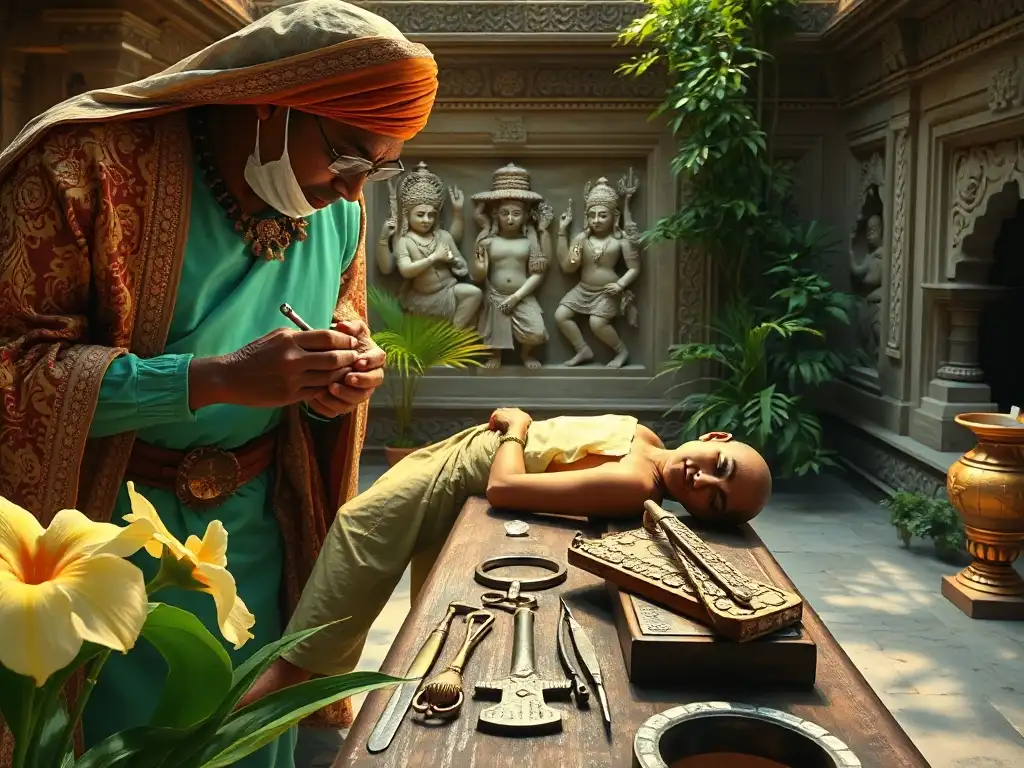
Ancient Indian surgery practices were remarkably advanced, reflecting a deep understanding of human anatomy and the principles of healing. The ancient texts, most notably the Sushruta Samhita, provide comprehensive insights into the surgical techniques and methodologies that were employed in ancient India. This foundational work attributed to Sushruta, often referred to as the "father of surgery," outlines various surgical techniques, procedures, and the ethical framework guiding medical practice in ancient times.
Types of Surgeries Performed in Ancient India
Ancient Indian surgeons performed a variety of surgical procedures, showcasing their expertise across different domains of medicine. The types of surgeries can be broadly categorized into several groups:
- General Surgery:
- Incisions and Extractions: Techniques for cutting into tissues to remove abscesses, tumors, or foreign objects.
- Cauterization: Used for stopping bleeding and treating wounds.
- Plastic Surgery:
- Rhinoplasty: Reconstruction of the nose, often performed on those who suffered injuries or deformities.
- Liposuction: Procedures to remove excess fat deposits.
- Ophthalmic Surgery:
- Cataract Surgery: Techniques for treating cataracts were documented, showcasing the understanding of eye conditions.
- Orthopedic Surgery:
- Fracture Treatment: Methods for realigning broken bones and applying splints.
Surgical Procedures for Epidemics and Diseases
During times of epidemics, ancient Indian surgeons employed specific surgical practices aimed at addressing the immediate health crises. Noteworthy procedures included:
- Drainage of Abscesses: In cases of severe infections, surgeons would meticulously drain pus to prevent further complications.
- Surgical Interventions for Plague: Historical accounts suggest that surgeries were performed to remove infected tissues, thereby reducing the spread of disease.
- Triage and Emergency Surgery: Surgeons were trained to quickly assess and perform lifesaving surgeries in emergency situations, reflecting a systematic approach to public health crises.
Innovations in Surgical Instruments
The ingenuity of ancient Indian surgery can also be seen in the innovative instruments developed for surgical procedures. Notable advancements included:
- Scalpels and Knives: Crafted from high-quality metals, these instruments allowed for precision in incisions.
- Surgical Hooks and Probes: Used to hold back tissues or explore cavities, showcasing an understanding of anatomy.
- Cautery Instruments: Devices for cauterization were vital in controlling bleeding and treating wounds.
The sophistication of these instruments reflects the meticulous training and expertise of ancient Indian surgeons, who often relied on both practical experience and textual knowledge.
The Role of Herbal Medicine in Surgery
Herbal medicine played a crucial role in ancient Indian surgical practices. The integration of herbal remedies with surgical techniques exemplified a holistic approach to treatment. Key aspects include:
- Anesthetic Properties: Certain herbs, such as soma and cannabis, were used to induce anesthesia, alleviating pain during surgical procedures.
- Antiseptic Properties: Herbs like turmeric and neem were recognized for their antiseptic qualities, aiding in wound healing and infection prevention.
- Post-Surgical Care: Herbal concoctions were utilized for post-operative care, promoting recovery and reducing complications.
Ancient Indian surgery practices were marked by a comprehensive understanding of surgical techniques, innovative instruments, and the vital role of herbal medicine, demonstrating a rich tradition that contributed significantly to the field of medicine.
Case Studies of Epidemics Addressed by Ancient Indian Surgery
The Management of Plague in Ancient Times
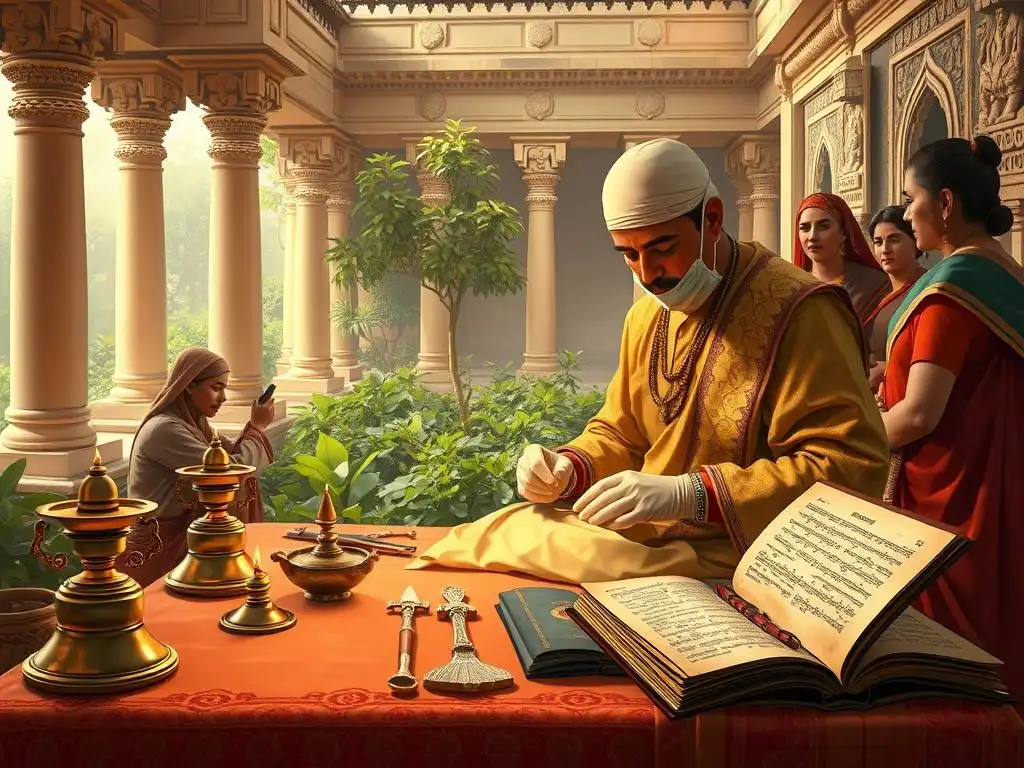
In ancient India, the management of epidemics such as the plague presented significant challenges that required innovative surgical practices. Historical texts, particularly the Sushruta Samhita, provide insights into how ancient Indian surgeons dealt with such crises.
The plague, characterized by rapid transmission and high mortality rates, necessitated rigorous public health measures alongside surgical interventions. Ancient Indian practitioners utilized techniques rooted in a holistic understanding of health. They emphasized the importance of sanitation, the isolation of affected individuals, and the use of herbal remedies to mitigate symptoms.
Key Surgical Techniques Employed:
- Incision and Drainage: For bubonic plague, surgeons often performed incisions to drain pus-filled lymph nodes, which was vital in reducing the systemic spread of the infection.
- Cauterization: This technique was used to prevent secondary infections and promote healing after surgical interventions.
- Application of Herbal Pastes: The use of specific herbal pastes, often applied post-surgery, helped in reducing inflammation and enhancing recovery.
The ability of ancient Indian surgeons to adapt their practices and utilize a combination of surgical methods and traditional healing practices contributed significantly to the management of plague outbreaks.
Surgical Approaches to Leprosy and Other Diseases
Leprosy, a chronic infectious disease that affected countless individuals in ancient India, required a multifaceted approach that combined surgical techniques and social intervention. Ancient Indian texts document various methods that reflected advanced understanding of the disease and patient care.
Surgical Interventions:
- Debridement: This involved the removal of necrotic tissue from affected areas, which was crucial in preventing further infection and promoting healing.
- Excision of Lesions: Surgeons would excise leprous lesions, particularly in more severe cases, to alleviate symptoms and enhance the quality of life for patients.
Additional Considerations:
- Isolation Practices: Those afflicted were often isolated from healthy populations, reflecting a societal approach to disease management. This was crucial in containing outbreaks.
- Community Care: Support systems were established for leprosy patients, including the provision of food and care, which highlighted the compassionate aspects of ancient Indian medical practices.
The comprehensive approach to treating diseases like leprosy demonstrated the sophistication of ancient Indian surgery practices, as they not only focused on surgical solutions but also on the overall well-being of affected individuals within their communities.
Through these case studies, it becomes evident that ancient Indian surgery was not merely about technical prowess but was deeply intertwined with cultural values, societal responsibilities, and a profound understanding of health and disease management.
The Influence of Ancient Indian Surgery on Modern Medicine
Legacy of Ancient Indian Surgical Practices
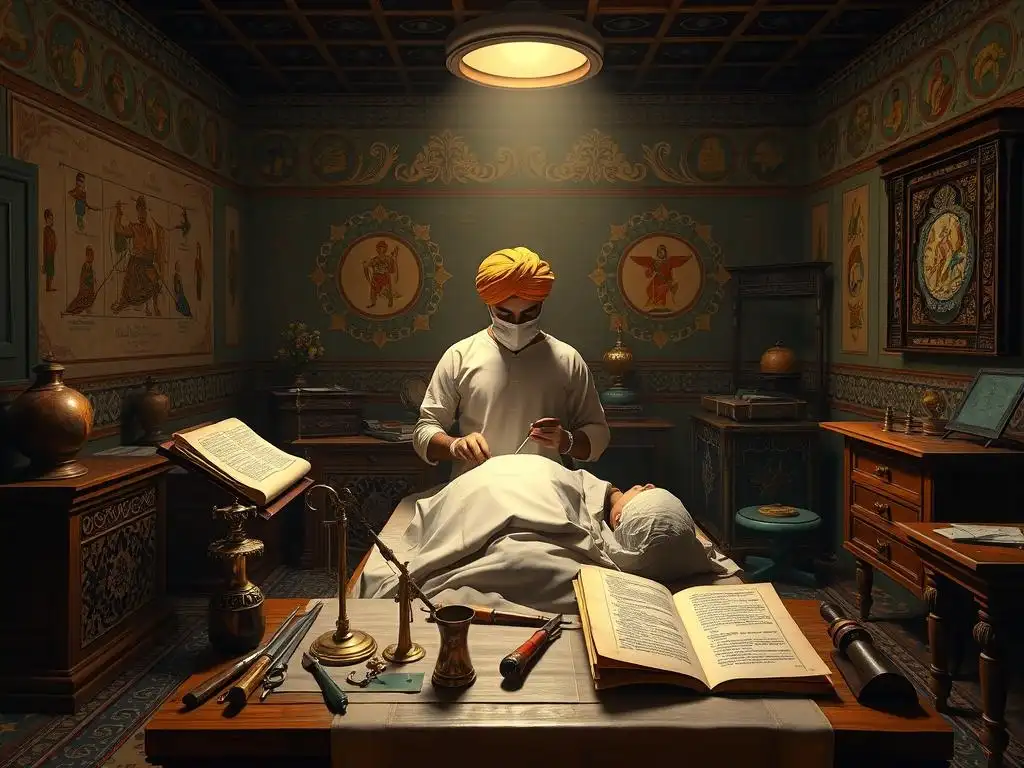
Ancient Indian surgery practices, particularly those documented in texts like the Sushruta Samhita, have had a profound and lasting impact on the field of medicine. Sushruta, often referred to as the "Father of Surgery," compiled a comprehensive treatise that covered various surgical techniques, instruments, and procedures. This text dates back to around 600 BCE and is considered one of the earliest medical texts in history.
Key Aspects of Sushruta's Contributions:
- Surgical Techniques: Sushruta described over 300 surgical procedures and more than 120 surgical instruments. His approach emphasized the importance of aseptic techniques and careful patient preparation.
- Plastic Surgery: One of the most remarkable aspects of ancient Indian surgery was the pioneering work in reconstructive surgery. Techniques such as rhinoplasty (reconstruction of the nose) showcased advanced understanding of human anatomy and surgical precision.
- Anesthesia and Pain Management: Ancient texts indicate that various herbal concoctions and techniques were employed to alleviate pain, showcasing an early understanding of anesthesia long before modern practices emerged.
The methodologies and principles established in these ancient practices laid the groundwork for future surgical advancements, influencing not only Indian medicine but also the global medical landscape. The legacy of ancient Indian surgery is evident in various modern surgical practices, particularly in reconstructive surgery and the use of minimally invasive techniques.
Comparisons with Global Surgical Techniques
When comparing ancient Indian surgical practices to those of other cultures, it becomes evident that there were both unique innovations and shared methodologies.
Similarities and Differences:
- Hippocratic Corpus:
- Similarities: Like the Sushruta Samhita, the Hippocratic writings from ancient Greece also documented surgical practices and emphasized the importance of observation and ethics in medicine.
- Differences: While the Greeks focused more on theoretical aspects of medicine, ancient Indian practices were deeply rooted in hands-on techniques and empirical observations.
- Chinese Medicine:
- Similarities: Traditional Chinese medicine also employed surgical techniques along with herbal remedies. Both cultures recognized the importance of patient care and holistic approaches to treatment.
- Differences: Chinese medicine often integrated acupuncture and other non-surgical interventions, whereas ancient Indian surgery was more focused on invasive techniques.
- Roman Surgery:
- Similarities: Roman surgeons utilized tools and techniques similar to those described by Sushruta, such as scalpels and forceps.
- Differences: Roman surgical practices were heavily influenced by military needs, leading to a more practical approach focused on trauma care rather than the elective surgeries championed in ancient India.
Influence on Modern Practices:
Modern surgical practices continue to draw from the foundational techniques established by ancient Indian surgeons. For instance, the principles of surgical cleanliness and patient-centered care can be traced back to these ancient texts. Furthermore, the techniques for reconstructive surgery that originated in ancient India are mirrored in contemporary practices, illustrating the timeless nature of these contributions to the field of medicine.
Ancient Indian surgery practices not only addressed the medical needs of their time but also set a precedent that has influenced surgical techniques worldwide. The integration of these ancient practices into modern medicine underscores their significance and enduring legacy in the field of health care.
Conclusion: The Significance of Ancient Indian Surgery Practices
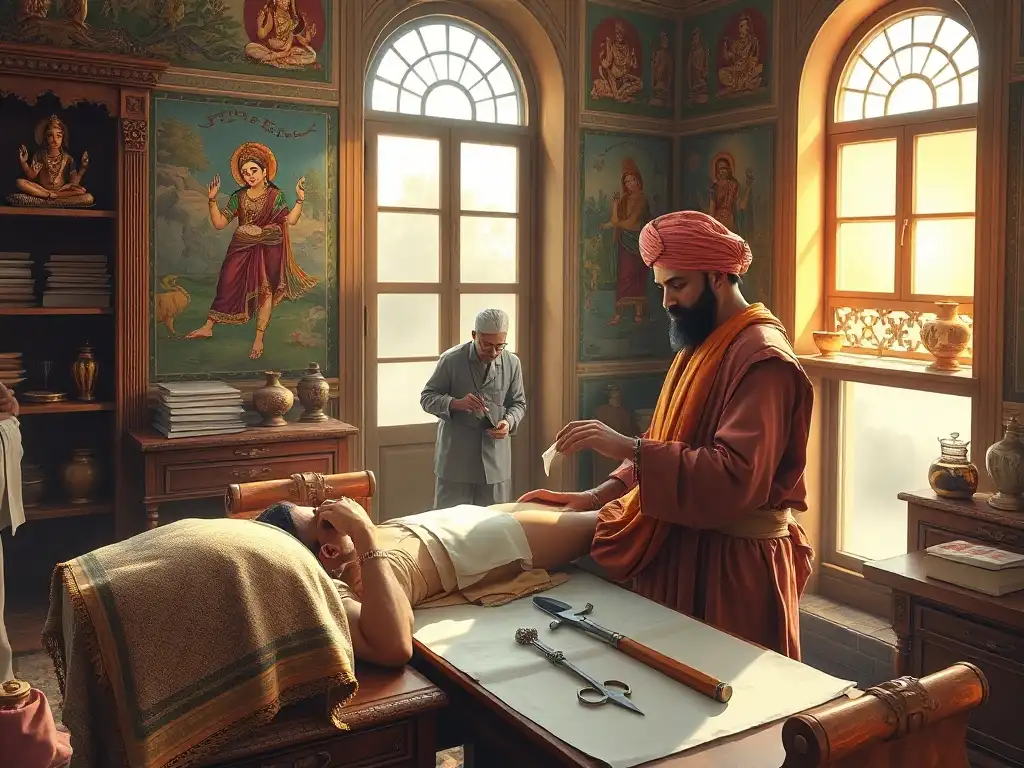
The significance of ancient Indian surgery practices cannot be overstated. These practices not only contributed to the medical field but also laid the groundwork for future advancements in surgery and healthcare. Ancient Indian surgeons, known for their remarkable skills and knowledge, addressed a variety of ailments and injuries with techniques that demonstrated both creativity and precision.
The works of Sushruta, often referred to as the "father of surgery," are pivotal in understanding how ancient Indian surgery practices evolved. His seminal text, the Sushruta Samhita, outlines numerous surgical procedures and instruments, emphasizing the importance of hygiene, patient care, and the ethical dimensions of surgery. These contributions showcase a sophisticated understanding of anatomy and the human body, highlighting a legacy that would influence not only Indian medicine but also the global medical community.
Contributions to Health and Medicine
Ancient Indian surgery practices made significant contributions to health and medicine, particularly in the following areas:
- Innovative Surgical Techniques:
- Plastic Surgery: The reconstruction of noses and ears was a notable achievement. Techniques for rhinoplasty, for example, were advanced for their time and remain foundational in modern plastic surgery.
- Surgical Instruments: A variety of specialized instruments were created, including scalpels, forceps, and needles, which were crafted with precision. These tools demonstrated an understanding of the need for both functionality and hygiene.
- Comprehensive Medical Texts:
- Texts like the Sushruta Samhita and the Charaka Samhita documented surgical techniques, medicinal plants, and treatment methods. This documentation facilitated knowledge transfer across generations and cultures, establishing a rich tradition of medical literature.
- Holistic Approaches:
- Ancient Indian surgery was not limited to mere physical interventions. It incorporated dietary recommendations, herbal remedies, and lifestyle changes, reflecting a holistic approach to healing. This is evident in the integration of Ayurveda with surgical practices, which emphasized balance within the body.
- Public Health Practices:
- In response to epidemics and diseases, ancient Indian surgeons also played a role in public health by promoting sanitation and preventive measures. The awareness of hygiene and its importance in preventing infections was a noteworthy aspect of their practices.
Reflection on the Cultural Impact of Surgical Innovations in Ancient India
The surgical innovations of ancient India left an indelible mark on both Indian culture and the broader context of global medicine. The following reflections illustrate this impact:
- Cultural Reverence for Healers: Surgeons and physicians were often held in high esteem within society. Their skills were celebrated, and they were considered vital to community health, blending medical practice with spiritual and philosophical traditions. This cultural reverence fostered an environment where medical practices could flourish.
- Influence on Global Medicine: The surgical techniques and medical texts originating from ancient India influenced various cultures, including the Islamic Golden Age and the European Renaissance. Translations and adaptations of texts like the Sushruta Samhita facilitated the spread of knowledge, shaping surgical practices around the world.
- Role in Education: Ancient Indian universities, such as those at Nalanda and Takshashila, served as centers of learning where surgery and medicine were taught. This educational system not only advanced surgical practices but also cultivated a rich intellectual tradition, reinforcing the value of knowledge and inquiry.
- Legacy of Innovation: The emphasis on innovation in surgical techniques set a precedent for future generations of surgeons. The commitment to exploration and improvement in medical practices continues to inspire modern surgical advancements.
The ancient Indian surgery practices represent a remarkable integration of art, science, and culture. Their contributions to health and medicine, coupled with their enduring cultural impact, underscore the significance of these practices in the history of medicine. The legacy of ancient Indian surgeons serves as a reminder of the profound interconnectedness of knowledge, culture, and healing that has shaped human civilization.
Frequently Asked Questions
What were the main surgical practices in ancient India?
Ancient Indian surgery encompassed a range of advanced techniques, including sutures, amputations, and plastic surgery. Texts like the Sushruta Samhita detail these methods and demonstrate the sophistication of ancient Indian surgery practices.
How did ancient Indian surgeons address epidemics?
Ancient Indian surgeons utilized herbal remedies and surgical interventions to combat epidemics. They believed in a holistic approach, combining surgery with Ayurvedic treatments to restore health.
What role did the Sushruta Samhita play in ancient Indian surgery?
The Sushruta Samhita is a foundational text that outlines surgical techniques and instruments. It is considered one of the oldest texts on surgery and emphasizes the importance of practical knowledge in medical training.
Were there any significant contributions from ancient Indian surgery to modern medicine?
Yes, many surgical techniques and principles from ancient Indian practices have influenced modern medicine. Concepts such as aseptic methods and anesthesia can trace their origins back to ancient Indian surgeons.
How did ancient Indian culture influence surgical practices?
Ancient Indian culture, particularly through the Ayurveda system, emphasized a holistic approach to health. This cultural backdrop shaped the way surgery was practiced, integrating spirituality and medicine for comprehensive patient care.
Final Reflection: The Enduring Legacy of Ancient Indian Surgery Practices
The remarkable advancements in ancient Indian surgery practices remain profoundly relevant today, as we continue to grapple with epidemics and diseases that challenge our healthcare systems. The innovative techniques and holistic approaches developed centuries ago not only laid the groundwork for modern surgical practices but also highlight the timeless wisdom embedded in traditional medicine. As we navigate the complexities of contemporary health crises, the lessons from these ancient practices resonate with urgency and importance.
The influence of ancient Indian surgery practices extends beyond the operating table; they have shaped cultural attitudes toward health and healing. The integration of surgical knowledge with herbal medicine and spiritual healing reflects a comprehensive understanding of the human body and its connection to the environment. This holistic approach continues to inspire modern practitioners who seek to blend traditional wisdom with contemporary science. The greatest medicine of all is teaching people how not to need it.
– Hippocrates. This quote encapsulates the essence of ancient practices, emphasizing prevention and the importance of a balanced lifestyle.
As we reflect on the insights gained from ancient Indian surgery practices, I invite you to consider how these lessons can be applied in your own life. Embrace a holistic approach to health, recognizing the interconnectedness of body, mind, and spirit. Whether through adopting healthier habits, exploring traditional healing methods, or advocating for integrative healthcare, each of us has the power to contribute to a healthier future. Let the wisdom of the past guide us as we forge ahead, ensuring that the legacy of ancient practices continues to inspire and inform our journey toward wellness.
Embrace the Wisdom of Ancient Surgery Today!
Thank you for taking the time to dive into the fascinating world of ancient Indian surgery and its remarkable impact on health during epidemics and diseases. By exploring how these early healers approached challenges, you've unearthed valuable insights that can inspire modern practices and perspectives. Now, it's your turn to carry this knowledge forward!
Here’s how you can take action:
- Explore traditional practices by researching Ayurvedic medicine or joining a local workshop to experience holistic approaches firsthand.
- Share this newfound knowledge with friends and family—discuss how ancient methods could inspire modern solutions in healthcare.
- Consider volunteering for a community health initiative that focuses on holistic health, bridging ancient wisdom with contemporary needs.
What aspect of ancient Indian surgery fascinates you the most, and how do you think it can reshape our modern medical practices? We invite you to share your thoughts!