
How Textiles and Craftsmanship Were Integrated into Ancient Indian Education

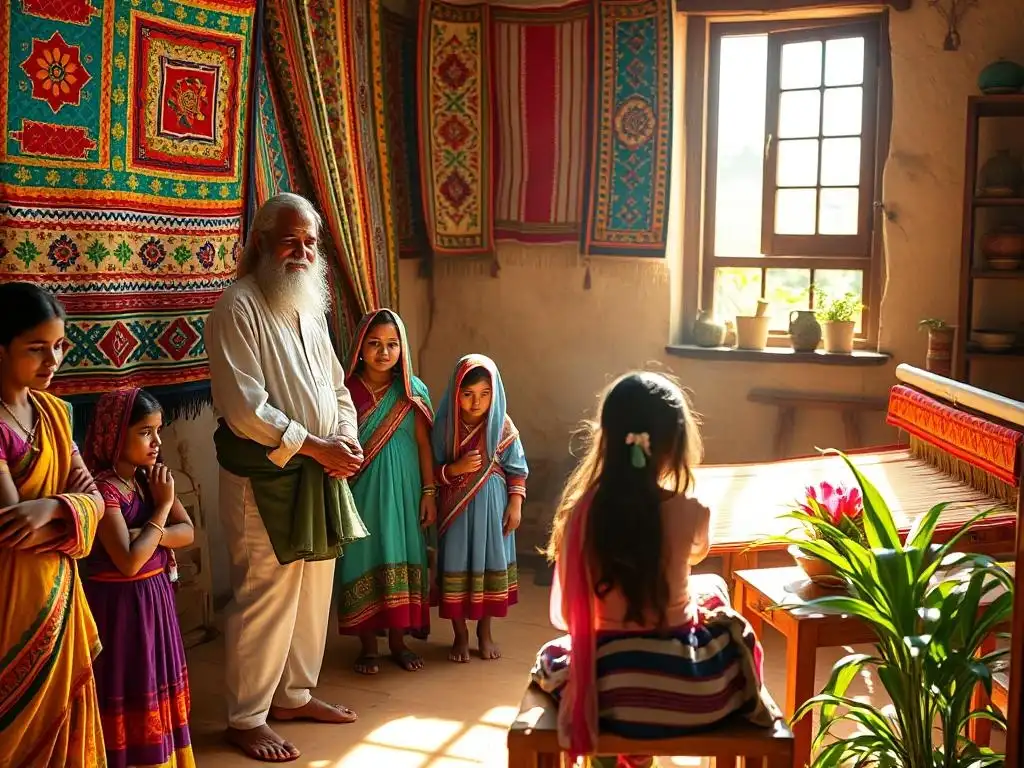
Welcome to Ancient India History, where we embark on a fascinating journey through time to uncover the rich tapestry of ancient Indian civilizations. In our exploration of ancient Indian textiles education, you’ll discover how the artistry of textiles and craftsmanship played a pivotal role in shaping the educational systems of the past. What secrets did these vibrant fabrics hold, and how did they influence learning and culture?
Join us as we delve deeper into this captivating topic, revealing the intricate connections between education and the stunning textiles that adorned the people of ancient India. Your adventure into the past starts here!
- Introduction to Ancient Indian Textiles Education
- Historical Context of Textiles in Education
- Integration of Textiles in Educational Practices
- The Curriculum of Ancient Indian Textiles Education
- The Influence of Religion and Philosophy on Textile Education
- Case Studies: Prominent Ancient Indian Cities and Their Textile Education
- Legacy of Ancient Indian Textiles Education
- Continuation of Textile Craftsmanship in Modern India
- The Impact of Ancient Textiles Education on Contemporary Practices
- Conclusion: The Lasting Influence of Ancient Indian Textiles Education
- References and Further Reading
-
Frequently Asked Questions
- What role did textiles play in ancient Indian education?
- How were craftsmanship skills imparted to students in ancient India?
- Were there specific textiles that were emphasized in ancient Indian curricula?
- Did ancient Indian civilizations have a formal system for teaching textiles?
- How did the Gupta Empire influence textiles education?
- Final Reflection: The Enduring Legacy of Ancient Indian Textiles Education
- Embrace the Heritage of Craftsmanship!
Introduction to Ancient Indian Textiles Education
The interplay between textiles and education in ancient India reveals a profound relationship that shaped both cultural identity and craftsmanship. Ancient Indian textiles education was not merely a practical skill; it was an integral part of the broader educational system that emphasized holistic development, incorporating arts, crafts, and ethical teachings.
From the intricate fabrics of the Indus Valley Civilization to the sophisticated patterns of the Gupta Empire, textiles served as a medium through which students learned not only craftsmanship but also the values and traditions of their society. This article will delve into the educational practices surrounding textiles, exploring how they were woven into the curriculum of ancient Indian education systems and the significance of these practices in promoting cultural continuity and innovation.
Overview of Ancient Indian Education Systems
Ancient Indian education systems were diverse and multifaceted, rooted in a rich cultural heritage that prioritized both secular and spiritual learning. The primary centers of education were the Gurukuls, where students lived with their teachers, known as Gurus, in a communal setting. The curriculum was broad, encompassing subjects like philosophy, mathematics, astronomy, and the arts, including textiles and craftsmanship.
- Key Features of Ancient Education:
- Gurukul System: A residential form of education where students received personalized instruction.
- Subjects Covered: Included Vedas, literature, mathematics, and craftsmanship.
- Focus on Practical Skills: Emphasis on skills such as weaving, dyeing, and embroidery as vital components of education.
In addition to Gurukuls, other forms of education emerged, such as monastic schools and temple education, which also played a significant role in imparting knowledge related to textiles and other crafts. These institutions not only taught technical skills but also instilled a sense of community and cultural pride among students.
Importance of Textiles in Ancient Indian Culture
Textiles held a paramount place in ancient Indian culture, symbolizing not just utilitarian objects but also artistic expression and spiritual significance. The intricate designs and techniques used in textile production were often passed down through generations, making them a vital part of cultural heritage.
- Cultural Significance:
- Symbol of Identity: Different regions produced distinct textiles, contributing to the unique identities of communities.
- Ritual and Ceremony: Textiles were integral to religious ceremonies, festivals, and life events, often carrying symbolic meanings.
- Economic Importance: The textile industry was a major economic driver, facilitating trade both within India and with other civilizations.
The integration of textiles into education allowed for the preservation of these artistic traditions, ensuring that craftsmanship continued to thrive. Students not only learned the techniques of creating textiles but also understood their importance in daily life, commerce, and religious practices, thus fostering a deep appreciation for their cultural heritage.
By exploring these themes, we gain insight into how ancient Indian textiles education was a cornerstone of both individual development and societal continuity, shaping the fabric of ancient Indian civilization.
Historical Context of Textiles in Education
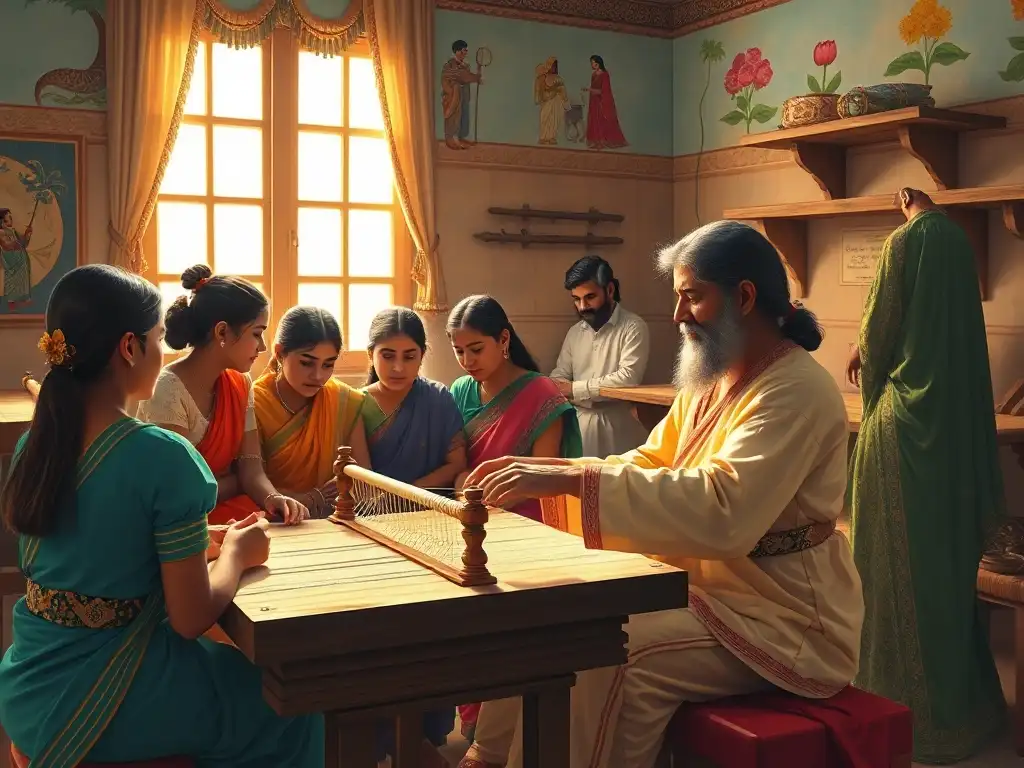
The integration of textiles into education in ancient India can be traced back to the significance of textile production and craftsmanship in society. Textiles were not merely functional; they were also deeply woven into the cultural, religious, and economic fabric of ancient Indian life. From the early days of the Indus Valley Civilization, where evidence of advanced weaving techniques has been found, to the flourishing textile trade during the Gupta Empire, textiles played a crucial role in various aspects of education and societal development.
The Role of Textiles in Ancient Indian Society
In ancient India, textiles were more than just materials for clothing; they represented status, identity, and artistry. The production of textiles was a communal activity that involved various social classes. The Indus Valley Civilization showcased a sophisticated understanding of weaving and dyeing, with archaeological findings revealing a variety of textiles made from cotton, wool, and silk.
Economic Importance
- Trade: Textiles were a major export, with ancient Indian fabrics highly sought after in international markets. This trade facilitated cultural exchange and economic growth, leading to the establishment of educational institutions that focused on textile production.
- Occupational Training: Education in ancient India often included vocational training in fields such as weaving, dyeing, and embroidery. This practical education ensured the transmission of skills necessary for economic sustainability.
Cultural Significance
- Religious Textiles: Many textiles were used in religious ceremonies and rituals, emphasizing their importance in spiritual education. For instance, specific fabrics were dedicated to deities, and the creation of these textiles often involved learning traditional techniques passed down through generations.
- Symbol of Identity: Different regions had distinct textile styles, contributing to the cultural identity of communities. Educational practices included the teaching of local textile arts to preserve these identities.
Craftsmanship as a Component of Learning
Craftsmanship in textiles was a vital component of the educational system in ancient India. It was not only about the end product but also about the skills, knowledge, and creativity involved in the process.
Skills Development
- Hands-on Learning: Students engaged in practical, hands-on learning, which was essential for mastering textile techniques. This approach helped develop fine motor skills and an appreciation for craftsmanship.
- Mentorship: Experienced artisans often took on apprentices, creating a system of mentorship where knowledge and skills were passed down. This relationship fostered a deep understanding of the craft and its importance in society.
Artistic Expression
- Innovative Techniques: Craftsmanship education encouraged innovation in textile production, leading to the development of unique techniques such as block printing and tie-dyeing. These artistic methods were often incorporated into educational curricula, allowing students to explore their creativity.
- Cultural Narratives: Many textiles told stories or represented cultural narratives, making their creation an educational experience that combined artistry with history. Students learned to infuse their textiles with meaning, connecting them to their cultural heritage.
Ancient Indian textiles education was a multifaceted aspect of society that encompassed economic, cultural, and artistic dimensions. By understanding the historical context and the role of craftsmanship in learning, we can appreciate the rich legacy of textiles in ancient Indian civilization.
Integration of Textiles in Educational Practices
The integration of textiles into ancient Indian education reflects the profound relationship between craftsmanship and learning. In ancient India, education was not solely about academic subjects; it also encompassed practical skills that were crucial for the sustenance of communities. Textiles, a significant aspect of Indian culture, played a vital role in this holistic educational framework. From weaving to dyeing, the art of textile production was intertwined with various educational practices, ensuring that students not only gained theoretical knowledge but also practical skills that would benefit their future livelihoods.
Techniques and Skills Taught in Ancient Textiles Education
Ancient Indian textiles education was rich and diverse, focusing on various techniques that were essential for producing high-quality fabrics. The curriculum encompassed a range of skills, from the basic principles of spinning and weaving to advanced dyeing techniques, each contributing to the understanding of materials and craftsmanship.
Weaving Methods and Their Educational Significance
Weaving was one of the foundational skills taught in ancient Indian textiles education. Various weaving techniques, such as plain weave, twill, and satin weave, were explored. Each method held its significance, not just in terms of the final product but also in the development of cognitive and motor skills.
- Plain Weave: The simplest of techniques, plain weaving involved interlacing two sets of threads. This method was taught first as it laid the groundwork for understanding more complex weaves.
- Twill Weave: This technique produced fabrics with a diagonal rib pattern, allowing for greater durability. Students learned about the importance of tension and thread placement, which enhanced their problem-solving skills.
- Satin Weave: Known for its smooth texture and sheen, satin weaving required precision and control. The teaching of this technique emphasized the importance of attention to detail and patience.
The educational significance of these methods extended beyond mere fabric creation; they fostered a sense of discipline and creativity among students. The ability to create intricate designs also encouraged self-expression, allowing students to infuse their cultural narratives into their work.
Dyeing Processes and Craftsmanship Skills
The dyeing of textiles was another critical aspect of ancient Indian textiles education. Students were taught various dyeing processes, which not only beautified fabrics but also imparted valuable knowledge about natural resources and chemical reactions.
- Natural Dyes: Students learned to extract dyes from plants, minerals, and insects, understanding the ecological and cultural significance of their choices. This practice encouraged sustainability and respect for nature.
- Techniques of Dyeing: Methods such as tie-dyeing (bandhani) and resist dyeing (batik) were integral parts of the curriculum. These techniques required creativity and innovation, as students experimented with patterns and colors.
- Chemical Dyes: Although less common, the introduction of chemical dyes began to emerge, and students learned about their application and impact on textile quality. This aspect of education highlighted the evolution of craftsmanship in response to changing technologies.
Through these dyeing processes, students not only gained technical skills but also an appreciation for the cultural symbolism of colors in textiles. The craftsmanship developed through dyeing was a reflection of the artistic heritage of ancient India, reinforcing the idea that education was a means of preserving and innovating cultural practices.
The integration of textiles into ancient Indian education provided a unique blend of practical skills and cultural knowledge. By focusing on weaving methods and dyeing processes, students engaged in a comprehensive educational experience that equipped them with the tools necessary for their personal and professional development in the vibrant textile industry of ancient India.
The Curriculum of Ancient Indian Textiles Education
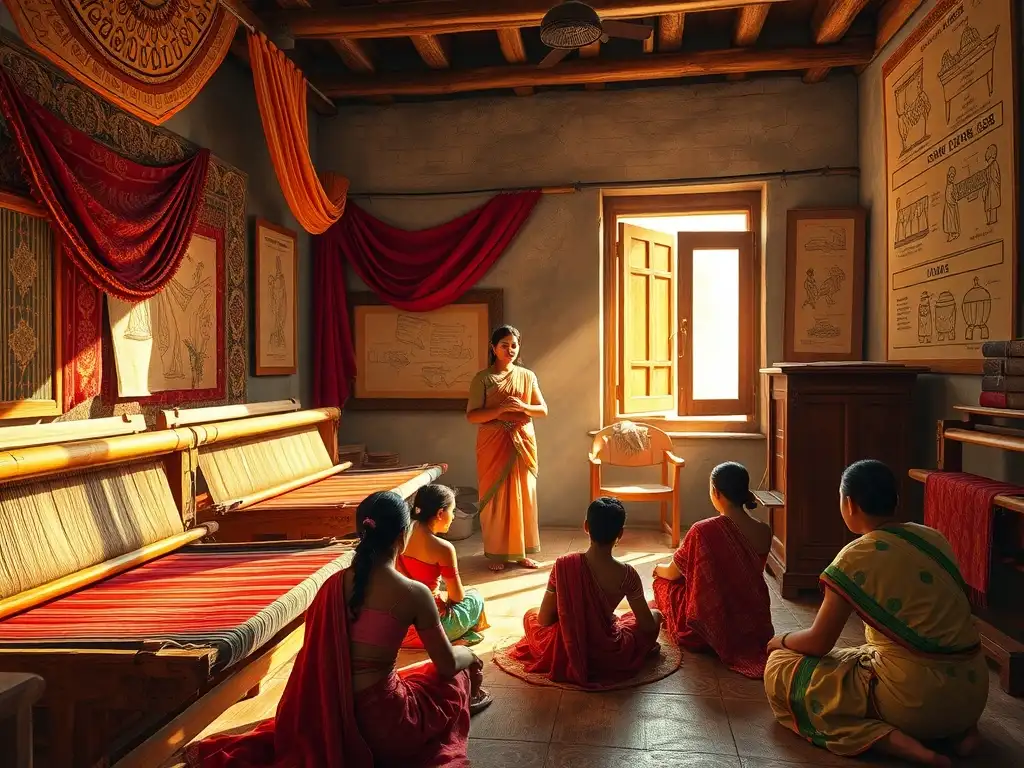
In ancient India, textiles played a vital role not only in daily life but also in the educational framework of the time. The curriculum of ancient Indian textiles education was characterized by a comprehensive approach that encompassed various aspects of textile production, weaving techniques, dyeing methods, and the cultural significance of textiles. This education was often imparted through traditional apprenticeships and specialized schools, where students learned directly from skilled artisans and masters.
The curriculum included practical training alongside theoretical instruction. Students were expected to engage in hands-on practices, allowing them to grasp the intricacies of textile craftsmanship. Knowledge of natural fibers, such as cotton, silk, and wool, was fundamental, along with understanding the properties and uses of different materials. Furthermore, the students explored the dyeing process, utilizing natural dyes sourced from plants, minerals, and other organic materials.
Types of Textiles Studied in Educational Institutions
The study of ancient Indian textiles encompassed a wide variety of fabric types, each with its unique characteristics and cultural significance. Some of the key textiles included:
- Cotton: Known for its breathability and comfort, cotton was widely used in everyday clothing. Students learned about its cultivation, processing, and weaving techniques.
- Silk: Considered a luxury fabric, silk was often associated with nobility and religious ceremonies. Education included techniques of silk production and the art of weaving intricate patterns.
- Wool: Primarily used in colder regions, wool textiles were studied for their insulating properties. The curriculum covered shearing, carding, and dyeing of wool.
- Linen: Although less common, linen derived from flax was also part of the educational spectrum. Students studied its cultivation and processing.
- Specialty Textiles: Textiles such as brocade, ikat, and tie-dye were also significant in the curriculum. Each technique required specific skills and knowledge, which were diligently taught.
Influential Textiles and Their Impact on Craftsmanship
The history of ancient Indian textiles is marked by several influential textile types that shaped craftsmanship and artistic expression. Each influential textile carried its legacy, impacting both local and global markets.
- Brocade: This luxurious fabric, often adorned with intricate gold and silver threads, was a hallmark of royal patronage. The art of brocade weaving not only showcased the skill of artisans but also influenced the aesthetic standards of craftsmanship in textiles.
- Chanderi: Originating from Madhya Pradesh, Chanderi textiles were known for their lightweight and fine texture. The techniques developed in Chanderi schools emphasized precision and detail, which became a benchmark for other textile producers.
- Kanchipuram Silk: Renowned for its vibrant colors and rich designs, Kanchipuram silk played a crucial role in the educational practices of ancient weavers. The mastery of weaving techniques here contributed significantly to the overall quality of Indian silk textiles.
- Ikat: The resist-dyeing technique of ikat not only had aesthetic appeal but also involved complex processes that required deep knowledge of dyeing and weaving. Educational institutions focused on this technique emphasized creativity and innovation in textile design.
- Tant: Known for its lightness and breathability, Tant sarees from Bengal became a symbol of elegance. The craftsmanship involved in creating Tant sarees highlighted the importance of tradition in textile education, passing down skills through generations.
Through this rich curriculum, ancient Indian textiles education not only provided practical skills but also fostered a deep appreciation for the artistry and cultural significance of textiles, which remains influential in contemporary practices.
This integration of textiles into the educational framework exemplifies the holistic approach ancient India took toward education, encompassing practical skills, artistic expression, and cultural heritage.
The Influence of Religion and Philosophy on Textile Education
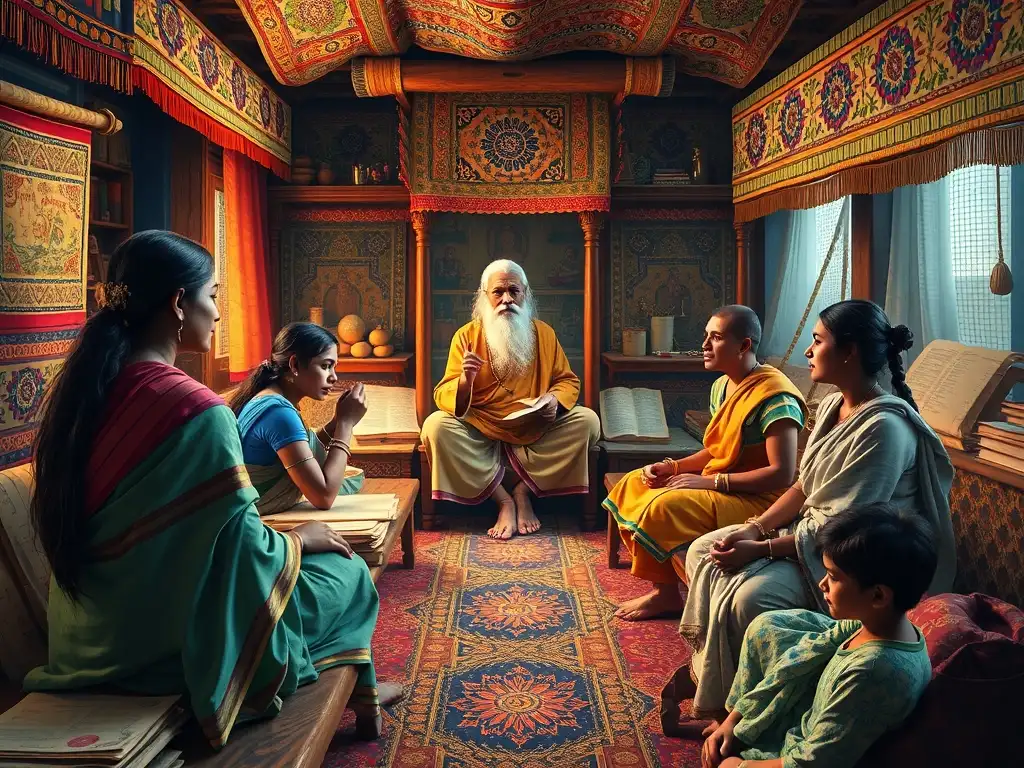
Spiritual Significance of Textiles in Ancient Indian Education
In ancient India, textiles were not merely functional items; they held deep spiritual significance that permeated various aspects of education. The process of weaving and crafting textiles was often seen as a form of meditation, allowing artisans to connect with the divine. This spiritual dimension was integral to the education of craftspersons, who were taught to view their skills as a means of offering devotion to the deities.
- Symbolism in Textiles: Different fabrics and patterns were imbued with meanings and were often associated with religious rituals. For instance, the use of colors such as saffron and white in textiles signified purity and spirituality, and students were instructed on how to choose materials that resonated with these themes.
- Ritualistic Practices: During the educational process, students participated in rituals that honored the gods of weaving and craftsmanship, such as Goddess Saraswati, the deity of knowledge and arts. This connection between education and spirituality heightened their reverence for their craft, fostering a sense of responsibility in their work.
- Integration in Curriculum: Textiles were incorporated into various subjects of study, including philosophy and spirituality. Lessons often included discussions on the significance of textiles in religious texts, such as the Vedas, which contained references to the importance of weaving in society.
Overall, spiritual significance governed the framework of textile education, teaching students that the act of creation was sacred and that craftsmanship was a reflection of divine artistry.
Ancient Indian philosophy significantly influenced the approach to craftsmanship and textile education. The teachings of prominent philosophers like Gandhi and Tagore, who emphasized the value of manual labor and craftsmanship, shaped the curriculum of textile education.
- Gandhian Philosophy: Mahatma Gandhi's philosophy advocated for self-reliance through hand-spinning and weaving. His concept of "Swadeshi" encouraged individuals to produce their own textiles, thereby promoting economic independence. This philosophy was instilled in students, who learned not only the technical skills of weaving but also the ethical implications of their craft, instilling a sense of pride in local materials and traditions.
- The Role of Aesthetics: Philosophers like Tagore emphasized the aesthetic dimension of craftsmanship. He believed that art and craftsmanship should evoke beauty and emotion. In textile education, students were taught to appreciate the aesthetic qualities of their work, understanding that their creations had the potential to inspire and uplift society.
- Karma and Dharma: The concepts of karma (action) and dharma (duty) played a pivotal role in teaching craftsmanship. Students were educated about the significance of their work in society, reinforcing the belief that their skills were a form of service to the community. This understanding fostered a strong work ethic, as students learned that their contributions to the textile industry were linked to their moral and social responsibilities.
The philosophical teachings that underscored textile education in ancient India emphasized not only the technical skills necessary for craftsmanship but also the moral and aesthetic dimensions, creating a holistic educational experience that prepared students for both personal and communal growth.
Case Studies: Prominent Ancient Indian Cities and Their Textile Education
The Indus Valley Civilization and Textile Knowledge
The Indus Valley Civilization, flourishing around 2500 BCE, is renowned for its advanced urban planning and sophisticated craft production, particularly in textiles. Evidence of cotton cultivation in this period suggests that the civilization was among the first to utilize cotton for textile production. Archaeological findings, such as spindle whorls and dyeing facilities, indicate a well-established system of textile education and craftsmanship.
Key Features of Textile Education in the Indus Valley:
- Cotton Cultivation: The domestication of cotton plants allowed the civilization to produce high-quality fabrics, which were not only used locally but also traded with other regions.
- Weaving Techniques: Artisans employed innovative weaving techniques, producing intricately designed textiles, including patterned fabrics and dyed materials. This knowledge was likely passed down through generations, emphasizing hands-on learning and community involvement.
- Trade and Cultural Exchange: The extensive trade networks facilitated the exchange of textiles, ideas, and techniques, enhancing the educational scope of textile craftsmanship. Artisans learned from external influences, integrating diverse styles into their own practices.
The integration of textile knowledge into Indus Valley education demonstrates the civilization's recognition of textiles as both a practical skill and an art form, essential for economic and cultural sustenance.
Textile Education during the Maurya and Gupta Empires
The Maurya (322-185 BCE) and Gupta (c. 320-550 CE) Empires marked significant advancements in textile education and craftsmanship in ancient India. These periods witnessed the flourishing of trade, art, and culture, with textiles playing a pivotal role in the economy and society.
Educational Frameworks in Textile Production:
- Guilds and Apprenticeships: During these empires, guilds became the backbone of textile production. These organizations provided structured training for apprentices, ensuring the transmission of specialized skills in weaving, dyeing, and embroidery.
- Cultural Significance: Textiles were not merely functional but also held cultural importance. The production of textiles was often associated with religious and ceremonial practices, where specific fabrics were designated for rituals. This cultural context provided deeper educational insights into the significance of textiles in society.
- Innovations and Techniques: The Maurya and Gupta periods saw the introduction of advanced techniques, such as the use of natural dyes and complex weaving patterns. Educational practices adapted to incorporate these innovations, allowing artisans to refine their skills and produce high-quality textiles that were sought after in both domestic and international markets.
This emphasis on textile education during the Maurya and Gupta Empires illustrates how craftsmanship was deeply interwoven into the fabric of society, shaping not only economic practices but also cultural identities. The legacy of these educational practices continues to influence modern textile production in India, highlighting the enduring importance of ancient Indian textiles education.
Legacy of Ancient Indian Textiles Education
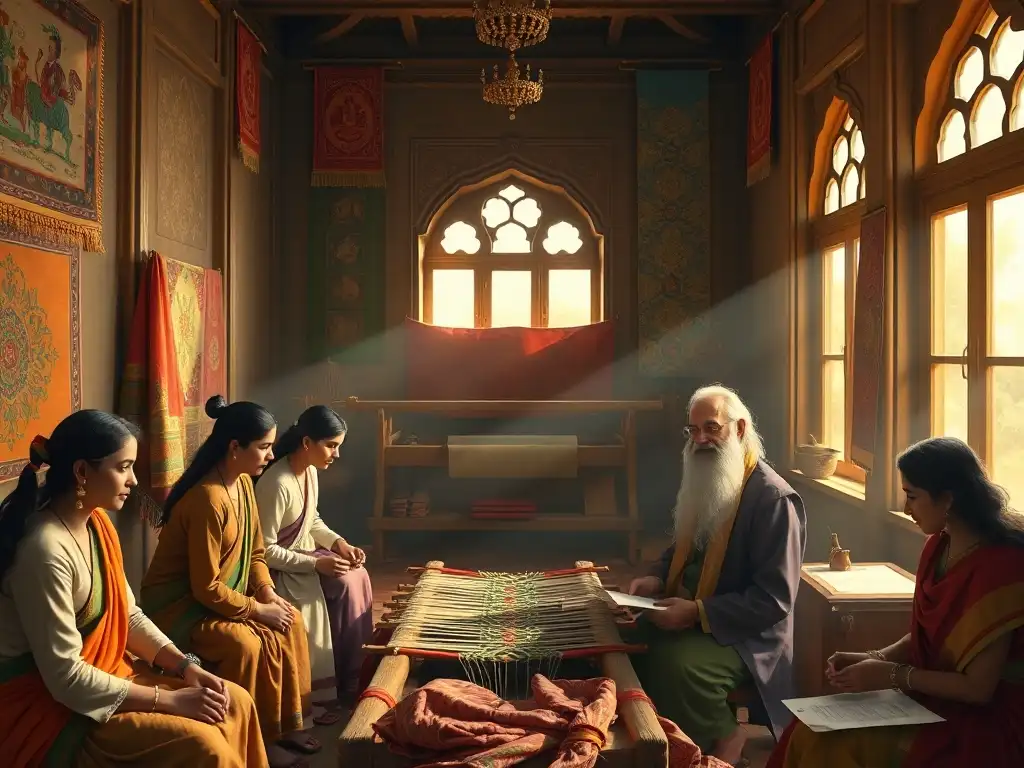
The legacy of ancient Indian textiles education is deeply woven into the cultural fabric of the subcontinent, showcasing a rich tradition that dates back thousands of years. This education was not merely about the production of textiles but encompassed a holistic approach that involved various aspects of craftsmanship, design, and cultural significance.
Holistic Learning Approach
Ancient Indian textiles education emphasized a holistic learning approach, integrating practical skills with artistic expression. Craftsmen were often trained through apprenticeships, where they learned the intricacies of textile production, dyeing techniques, and weaving methods. This educational system was community-based, fostering a sense of belonging and collaboration among artisans.
Key Educational Centers
Several regions in ancient India became renowned for their textile education. For instance:
- Varanasi: Famous for its silk weaving, Varanasi trained numerous artisans in producing intricate saris adorned with gold threads.
- Kanchipuram: Known for its silk sarees, it served as a hub for teaching weaving techniques that combined artistry with utility.
- Sanganer: Recognized for its block-printing skills, artisans here learned the art of dyeing and printing textiles.
These centers not only contributed to local economies but also influenced textile trade routes, enhancing the spread of knowledge and skill.
Cultural Significance
Textiles in ancient India were not just garments; they carried cultural narratives and socio-religious significance. Each region had its unique styles and motifs, often reflecting local traditions, folklore, and spiritual beliefs. The education surrounding textiles also included understanding the symbolism behind various designs, making artisans not only craftsmen but also storytellers.
Continuation of Textile Craftsmanship in Modern India
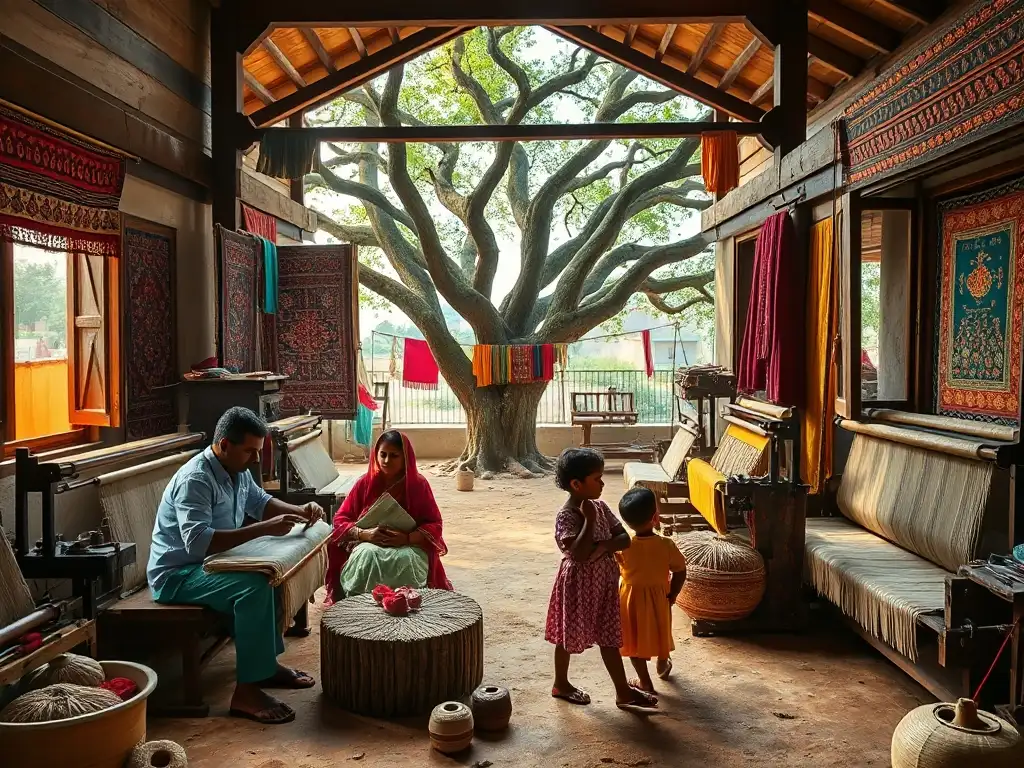
The principles established in ancient Indian textiles education continue to resonate in modern India, where craftsmanship is celebrated and preserved. The contemporary textile industry in India is a vibrant amalgamation of ancient techniques and modern innovations.
Revival of Traditional Techniques
Today, there is a growing movement to revive traditional weaving and dyeing techniques that were once taught in ancient educational settings. Initiatives by government and non-government organizations focus on:
- Skill Development Programs: These programs aim to teach traditional methods to new generations, ensuring that ancient knowledge does not fade.
- Craft Villages: Establishing craft villages where artisans can work and teach their skills fosters a sense of community and preserves traditional practices.
Integration with Modern Education
Modern educational institutions are recognizing the importance of integrating ancient textiles education into their curriculum. Courses are being developed that combine history, craft, and design, allowing students to explore the rich heritage of Indian textiles while learning applicable skills for today's market.
Sustainable Practices
The emphasis on sustainability in modern textile practices can also be traced back to ancient traditions. Techniques such as natural dyeing and hand weaving are being revisited as environmentally friendly alternatives in contemporary textile production. This not only honors the legacy of ancient craftsmanship but also aligns with global trends towards sustainable fashion.
The Impact of Ancient Textiles Education on Contemporary Practices
The influence of ancient textiles education on contemporary practices is profound and multifaceted. As modern artisans and designers draw inspiration from historical techniques, they infuse them with contemporary aesthetics, creating a unique blend of old and new.
Preservation of Heritage
The impact of ancient textiles education is most evident in the preservation of heritage crafts. By studying ancient methods, contemporary practitioners are able to maintain the authenticity of traditional textiles while also innovating in design. This preservation effort is crucial in a globalized world where mass production threatens unique craftsmanship.
Economic Empowerment
The revival of ancient textile practices has led to economic empowerment for many artisans. By promoting local crafts and elevating them to global standards, communities can thrive economically while remaining connected to their cultural roots. Programs that teach these skills often lead to:
- Job Creation: As demand for handcrafted textiles rises, more artisans are needed, creating job opportunities within local communities.
- Fair Trade: Many artisans now engage in fair trade practices, ensuring that they receive fair compensation for their work, which was often lacking in historical contexts.
Cultural Exchange
The integration of ancient textiles education into contemporary practices also encourages cultural exchange. Exhibitions, fashion shows, and global collaborations allow artisans to showcase their work on international platforms, fostering appreciation for ancient techniques and inspiring new generations to explore their cultural heritage.
The legacy of ancient Indian textiles education continues to shape modern practices, providing a foundation for sustainable development, cultural preservation, and economic growth. This ongoing connection to the past not only enriches contemporary textiles but also ensures that the art of craftsmanship remains a vital part of India's identity.
Conclusion: The Lasting Influence of Ancient Indian Textiles Education
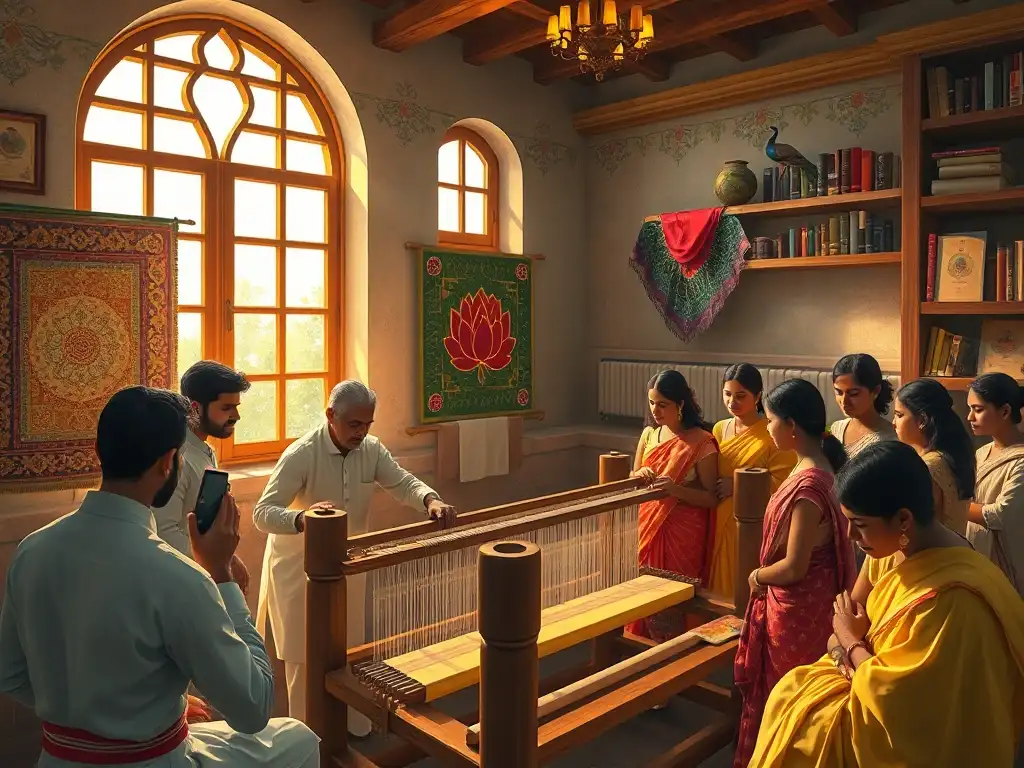
Summarizing the Importance of Textiles in Ancient Educational Systems
The integration of textiles education in ancient Indian educational systems highlights the multifaceted role of textiles within society. Textiles were not merely functional items; they were deeply woven into the socio-economic fabric of ancient India. From the early stages of the Indus Valley Civilization, where evidence of sophisticated weaving techniques was found, to the more complex systems established during the Gupta Empire, textiles played a crucial role in education and skill development.
Ancient Indian textiles education emphasized practical skills alongside theoretical knowledge. Students were trained in various techniques, such as spinning, dyeing, and weaving, which were essential for sustaining the economy. Trade in textiles was a significant aspect of ancient Indian commerce, leading to the establishment of trade routes that connected India to regions as far as Rome and Southeast Asia. This economic importance necessitated a structured educational approach to ensure that these skills were passed down through generations.
Moreover, textiles education was often intertwined with other disciplines, including mathematics and art. For instance, the intricate patterns used in textiles required an understanding of geometry and design principles. This holistic approach not only preserved traditional techniques but also fostered creativity and innovation among students, ultimately enhancing the overall quality of craftsmanship.
The Cultural Significance of Integrating Craftsmanship in Education
The cultural significance of integrating craftsmanship into ancient Indian education cannot be overstated. Craftsmanship, particularly in textiles, was seen as an essential part of cultural identity and expression. The diverse styles and techniques in textiles reflected the regional characteristics and cultural narratives of different communities. For instance, the vibrant sarees of Gujarat, the intricate brocades of Varanasi, and the delicate ikat of Odisha all tell stories of their respective cultures and histories.
By incorporating craftsmanship into education, ancient Indian societies ensured that these art forms were not lost. Students learned not only the technical skills required for textile production but also the cultural meanings embedded in their work. This approach fostered a sense of pride and continuity, as each generation contributed to the evolving narrative of their cultural heritage.
Furthermore, the communal aspect of craftsmanship education encouraged collaboration and sharing of knowledge among artisans. This exchange of ideas led to the innovation of techniques and styles, enriching the textile tradition of India. Through festivals, fairs, and community gatherings, artisans would showcase their work, reinforcing the connection between craftsmanship and cultural identity.
The emphasis on ancient Indian textiles education reflects a broader understanding of the integral role that craftsmanship played in shaping cultural identity, economic stability, and educational practices. The lasting influence of these educational systems continues to be felt today, as the legacy of ancient Indian textiles remains a source of pride and inspiration in contemporary society.
References and Further Reading
Suggested Literature on Ancient Indian Textiles and Education
The study of ancient Indian textiles and their integration into education presents a fascinating field of inquiry. Below is a selection of key literature that explores various aspects of this topic:
-
"The Fabric of Indian Society" by John Hart
This book delves into the social and cultural significance of textiles in ancient India, highlighting how weaving techniques were passed down through generations and incorporated into educational practices.
-
"Threads of Time: A Historical Perspective on Textiles in India" by Raghunath S. Rao
Rao provides an extensive overview of the evolution of textile craftsmanship in India, with a specific focus on its educational implications. The book offers insights into how practical skills were taught alongside theoretical knowledge in ancient times.
-
"Crafting Community: The Role of Artisans in Indian Society" by Meera B. Vasudevan
Vasudevan’s work examines the communal aspects of craftsmanship and education, showcasing how artisans contributed to the educational landscape by training apprentices in textile production and design.
-
"Indus Valley Civilization: The Textile Evidence" by Anjali Sharma
This research paper explores archaeological findings related to textiles from the Indus Valley Civilization, providing a foundational understanding of how early education systems may have incorporated textile knowledge.
-
"Education and Society in Ancient India" by Anita K. Bhattacharya
Bhattacharya discusses the broader educational systems in ancient India, including vocational training in crafts and textiles, illustrating the interconnectedness of education and craftsmanship.
Additional Resources on Craftsmanship in Ancient Civilizations
For those interested in further exploring the role of craftsmanship, particularly textiles, in ancient civilizations, the following resources are invaluable:
-
Online Archives and Databases
-
The Textile Museum's Digital Collection
A comprehensive online resource featuring artifacts, historical garments, and educational materials related to textiles from various ancient cultures.
-
-
Documentaries and Lectures
-
"Weaving Stories: The Art of Indian Textiles"
A documentary that details the rich history of Indian textiles, showcasing traditional techniques and the educational practices that support these crafts.
-
-
Academic Journals
-
Journal of Ancient Civilizations
This journal frequently publishes articles related to craftsmanship and education in ancient societies, providing scholarly insights into how these elements were interwoven.
-
-
Conferences and Workshops
-
Annual Symposium on Ancient Textiles
An event where scholars and practitioners gather to discuss the latest research on textiles in ancient civilizations, including their educational contexts.
-
These resources will deepen your understanding of how ancient Indian textiles education played a pivotal role in shaping both cultural identity and craftsmanship in society.
Frequently Asked Questions
What role did textiles play in ancient Indian education?
Textiles were integral to ancient Indian education, often featuring in artistic and practical training, which emphasized the importance of craftsmanship and local materials.
How were craftsmanship skills imparted to students in ancient India?
Students learned craftsmanship through apprenticeships, where they would work closely with skilled artisans to master techniques in weaving, dyeing, and fabric manipulation.
Were there specific textiles that were emphasized in ancient Indian curricula?
Yes, certain textiles like cotton and silk were highlighted due to their cultural significance and economic value, often linked to local traditions and practices.
Did ancient Indian civilizations have a formal system for teaching textiles?
While there wasn't a formalized system, textiles education was embedded in guilds and community practices, allowing knowledge to be passed down through generations within families and trade groups.
How did the Gupta Empire influence textiles education?
The Gupta Empire saw a flourishing of arts and crafts, leading to advancements in textiles education as patrons of art encouraged the development of skills and techniques that became known across regions.
Final Reflection: The Enduring Legacy of Ancient Indian Textiles Education
The integration of textiles and craftsmanship into ancient Indian education remains profoundly relevant today, as it underscores the importance of hands-on learning and cultural heritage. In a world increasingly dominated by technology and digital learning, the lessons from ancient practices remind us that education is not solely about theoretical knowledge but also about the skills and traditions that shape our identities. The artistry and techniques of ancient Indian textiles serve as a testament to the creativity and ingenuity of a civilization that valued both knowledge and craftsmanship.
The influence of ancient Indian textiles education extends far beyond its historical context; it continues to inspire contemporary artisans and educators alike. The revival of traditional crafts in modern curricula highlights the need to preserve cultural heritage while fostering innovation. As we witness a resurgence of interest in sustainable and ethical fashion, the wisdom embedded in ancient practices becomes increasingly significant. Craftsmanship is not just about creating objects; it is about creating connections to our past and to each other.
This perspective encourages us to appreciate the intricate relationship between education, culture, and craftsmanship.
As we reflect on the lessons of ancient Indian textiles education, let us embrace the call to integrate these values into our own lives. Consider how you can weave the threads of tradition and creativity into your personal or professional journey. Whether through supporting local artisans, exploring traditional crafts, or advocating for educational programs that honor cultural heritage, each action contributes to a richer, more connected world. Together, we can honor the legacy of ancient practices while inspiring future generations to appreciate the beauty of craftsmanship and the stories it tells.
Embrace the Heritage of Craftsmanship!
Thank you for joining us on this journey through the fascinating integration of textiles and craftsmanship in ancient Indian education. Your interest not only highlights the importance of these age-old practices but also empowers you to keep their spirit alive. Now, it's time to translate that enthusiasm into action!
Here are a few ways you can deepen your understanding and appreciation of this rich topic:
- Explore local artisans: Visit community workshops or craft fairs to witness traditional textile techniques firsthand and support the talented individuals who keep these crafts alive.
- Start a craft project: Choose a textile-related craft—such as weaving or block printing—and share your creations with friends and family to spark meaningful conversations about these ancient practices.
- Join a discussion group: Connect with others who share your passion for ancient Indian education or craftsmanship. Engaging with like-minded individuals can enhance your understanding and appreciation of these art forms.
What unique textures or patterns have you discovered in your exploration of textiles and craftsmanship that resonate with you? Let’s share our experiences and inspire one another!