
The Continuity of Vedic Traditions in Contemporary Hinduism

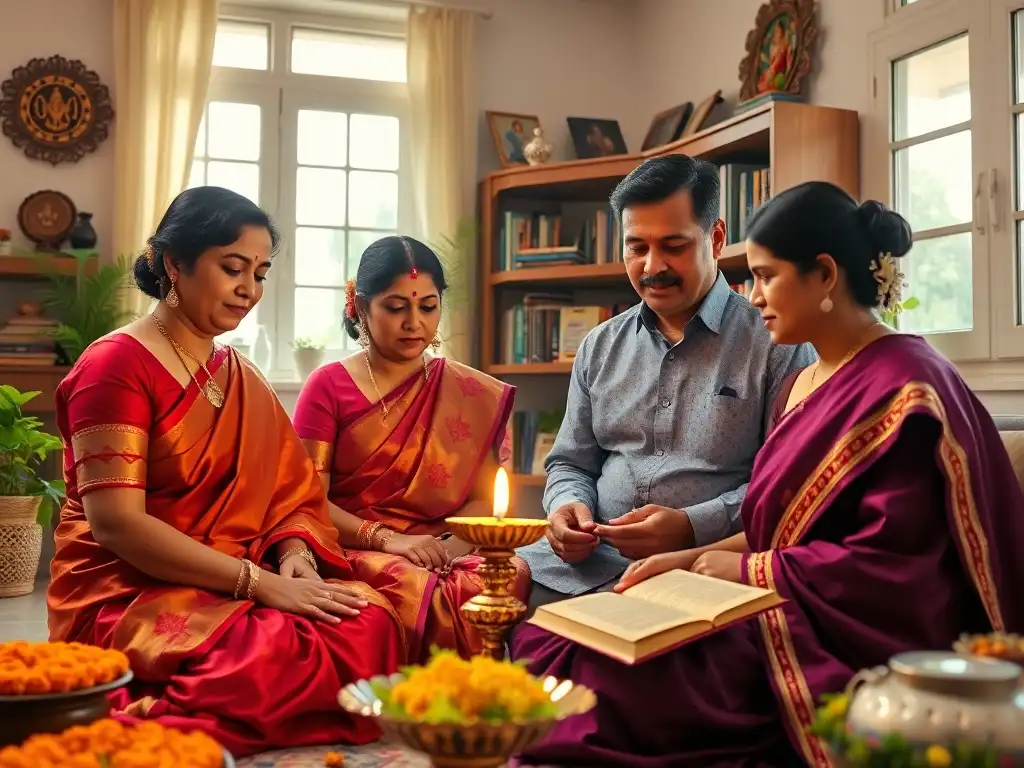
Welcome to Ancient India History, where we embark on an extraordinary journey through the rich tapestry of India's past. Dive into the Vedic traditions in modern Hinduism, a fascinating topic that unveils the enduring legacy of ancient practices and beliefs that continue to shape contemporary spiritual life.
As you explore the profound connections between the Vedic texts and today's rituals, you'll uncover insights that will not only deepen your understanding but also spark your curiosity about the vibrant cultures of ancient Indian civilizations. Join us as we illuminate the pathways from the Indus Valley to the Gupta Empire and discover how the echoes of the past resonate in the present.
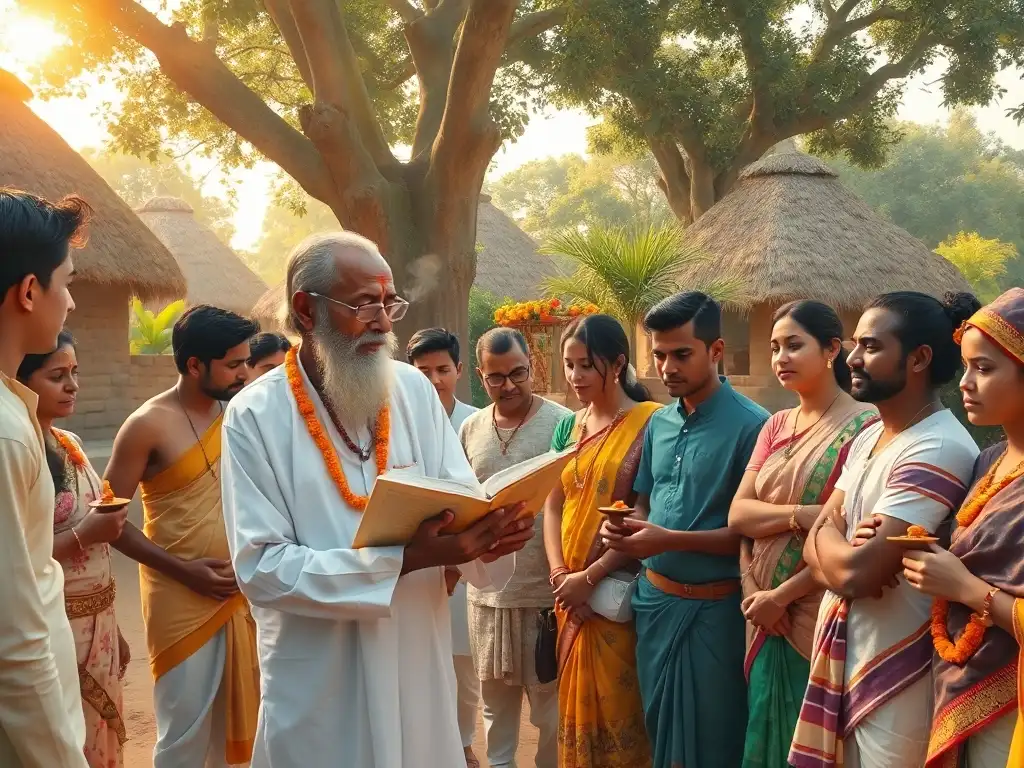
Introduction to Vedic Traditions in Modern Hinduism
The exploration of Vedic traditions in modern Hinduism unveils a rich tapestry interwoven with ancient beliefs, practices, and philosophical inquiries that continue to influence millions today. These traditions, rooted in the sacred texts known as the Vedas, present a foundational aspect of Hindu culture and spirituality. Understanding how these age-old practices have evolved and adapted over time offers invaluable insights into the persistence and transformation of Hindu identity. In this article, we will delve into the definitions and contemporary expressions of Vedic traditions, tracing their historical context and significance in shaping modern Hindu practices.
Definition of Vedic Traditions
Vedic traditions encompass the body of religious, philosophical, and cultural practices that originate from the Vedas, the oldest sacred texts of Hinduism. The Vedas, composed in Sanskrit, consist of four main texts: the Rigveda, Samaveda, Yajurveda, and Atharvaveda. They contain hymns, rituals, and philosophical discourses that form the core of Hindu beliefs. Key elements of Vedic traditions include:
- Rituals and Sacrifices: Elaborate ceremonies performed to invoke divine blessings.
- Philosophy: Exploration of the nature of reality, existence, and the self.
- Spiritual Practices: Meditation, chanting, and yoga rooted in Vedic teachings.
These traditions remain vital to contemporary Hinduism, influencing religious observances, personal spirituality, and cultural expressions.
Overview of Contemporary Hinduism
Contemporary Hinduism is characterized by its remarkable diversity, embracing a wide range of beliefs and practices. Despite this plurality, the influence of Vedic traditions is palpable in various aspects:
- Ritual Practices: Many Hindu rituals today are derived from Vedic rites, adapting to local customs and regional variations.
- Philosophical Schools: Several philosophical movements, such as Vedanta and Samkhya, have their roots in Vedic thought, shaping modern interpretations of spirituality.
- Festivals and Celebrations: Major Hindu festivals often include elements of Vedic rituals, fostering community and spiritual connection.
Understanding contemporary Hinduism necessitates recognizing how these ancient traditions inform current practices, beliefs, and community life.
Historical Context of Vedic Traditions
Origins of the Vedas and Their Significance
The origins of the Vedas date back to around 1500 BCE, emerging during a period of significant cultural and social development in ancient India. These texts are considered divinely revealed, serving as authoritative sources for ritual and ethical guidance. The significance of the Vedas lies in their role as:
- Cultural Foundation: They establish the ideological and cultural framework for subsequent Hindu philosophy and practices.
- Historical Documentation: They provide insights into the societal structure, spirituality, and cosmology of ancient Indian civilizations.
Through their preserved wisdom, the Vedas continue to resonate within the practices and beliefs of contemporary Hinduism.
Evolution of Vedic Traditions Through Time
The evolution of Vedic traditions can be traced through several key phases, reflecting changes in society, philosophy, and religious expression. Some notable developments include:
- Upanishadic Influence: The transition from ritualistic practices to philosophical inquiry marked the period of the Upanishads, which explored the nature of self and ultimate reality.
- Integration with Local Beliefs: The Vedic traditions assimilated various local deities and practices, leading to a syncretic form of worship that characterizes modern Hinduism.
- Scholarly Interpretations: Over centuries, scholars and theologians have interpreted Vedic texts, leading to diverse philosophical schools and sects within Hinduism.
This historical journey illustrates the adaptability and resilience of Vedic traditions, ensuring their relevance in contemporary spiritual life.
Key Vedic Texts and Their Relevance Today
The Vedic texts form the bedrock of Hindu philosophy, spirituality, and culture. These ancient scriptures not only encapsulate the spiritual wisdom of their time but also continue to influence various aspects of modern Hindu practices. The core concepts found in these texts resonate with contemporary values, providing guidance on ethics, social conduct, and spiritual pursuits. Their teachings have been preserved through oral traditions, commentaries, and modern interpretations, ensuring that the essence of Vedic wisdom remains relevant and accessible to followers today.
The Four Vedas: Rigveda, Samaveda, Yajurveda, and Atharvaveda
The Rigveda, the oldest of the four Vedas, consists of hymns that express devotion to various deities and cosmic principles. Its verses are often recited in modern rituals, showcasing its enduring influence. The Samaveda is primarily a collection of melodies and chants that enhance the emotional and spiritual experience during worship. Yajurveda provides guidance on the performance of rituals, emphasizing the significance of actions and intentions in worship. Lastly, the Atharvaveda encompasses a diverse range of topics, including healing, philosophy, and practical wisdom, reflecting the holistic approach of Vedic traditions.
These texts serve as crucial references for understanding the ethical and philosophical underpinnings of contemporary Hinduism. Their teachings on dharma (duty), karma (action), and moksha (liberation) remain central to the spiritual lives of millions.
Upanishads: Philosophical Foundations in Modern Practice
The Upanishads, often considered the concluding part of the Vedic corpus, articulate profound philosophical ideas about the nature of reality, the self (Atman), and the ultimate truth (Brahman). They encourage introspection and meditation, promoting a direct experience of the divine rather than mere ritualistic practice. In modern Hinduism, the Upanishads are revered for their emphasis on personal spiritual growth and understanding, encouraging practitioners to explore their inner selves.
The teachings of the Upanishads are evident in contemporary spiritual movements and practices, such as yoga and meditation, highlighting their relevance in promoting mental wellness and spiritual enlightenment. Concepts such as non-duality (Advaita) continue to inspire seekers, fostering a deeper understanding of the interconnectedness of all beings.
Importance of Brahmanas and Aranyakas
The Brahmanas serve as prose texts that explain the rituals and ceremonies outlined in the Vedas, providing practical guidelines and the philosophical rationale behind each practice. They play a significant role in understanding the context and application of Vedic rituals in contemporary settings, ensuring that traditional practices retain their intended spiritual significance.
The Aranyakas, associated with the forest-dwelling ascetics, focus on meditation and philosophical inquiry. They bridge the gap between ritualistic practices and spiritual contemplation, emphasizing the importance of inner transformation. Both Brahmanas and Aranyakas contribute to the continuity of Vedic traditions by nurturing a balanced approach to spirituality that encompasses both ritual and introspection.
Vedic Rituals and Practices in Contemporary Hinduism
Vedic rituals are more than mere ceremonial acts; they embody a rich tapestry of beliefs, values, and cultural practices passed down through generations. These rituals form an integral part of the lives of many Hindus today, facilitating a connection to their heritage while adapting to modern contexts. They encompass a range of activities, from daily prayers to significant life events, reflecting the dynamic nature of Hindu worship.
Overview of Vedic Rituals
Vedic rituals, known as Yajnas, are performed to invoke the presence of deities, express gratitude, and seek blessings for various aspects of life. They often involve offerings of sacred materials such as ghee, grains, and herbs into a consecrated fire, accompanied by recitations of Vedic verses. These rituals foster a sense of community and continuity, linking modern practitioners to their ancient forebearers.
The significance of these rituals extends beyond their immediate effects; they instill values of discipline, respect, and mindfulness in practitioners. The meticulous preparation and performance of these rituals serve as a reminder of the sacredness of life and the interconnectedness of all existence.
Adaptation of Vedic Rituals in Modern Hindu Worship
In contemporary Hinduism, many Vedic rituals have undergone adaptations to align with modern lifestyles and societal changes. While traditional forms are preserved, there is a growing trend towards simplifying rituals to make them accessible and meaningful for urban and younger populations. This includes shorter ceremonies, the use of alternative offerings, and the incorporation of personal intentions into the rituals.
Additionally, the rise of online platforms has allowed for virtual participation in rituals, making them accessible to a broader audience. Such adaptations demonstrate the resilience of Vedic traditions, showcasing their ability to evolve while maintaining their core spiritual essence.
Role of Rituals in Community and Family Life
Rituals play a fundamental role in fostering community bonds and family ties within Hindu society. They are often central to significant life events such as births, marriages, and funerals, providing a structured framework for expressing emotions and cultural values. These communal gatherings promote social cohesion and reinforce shared beliefs among participants.
In family life, daily rituals, such as puja (worship) and recitation of scriptures, create a sacred space that nurtures spirituality and ethical living. They serve as opportunities for families to come together, reflect on their values, and pass down traditions to younger generations, ensuring the perpetuation of Vedic teachings in modern contexts. Through these practices, the continuity of Vedic traditions in contemporary Hinduism is not only preserved but actively celebrated.
Philosophical Underpinnings of Vedic Traditions
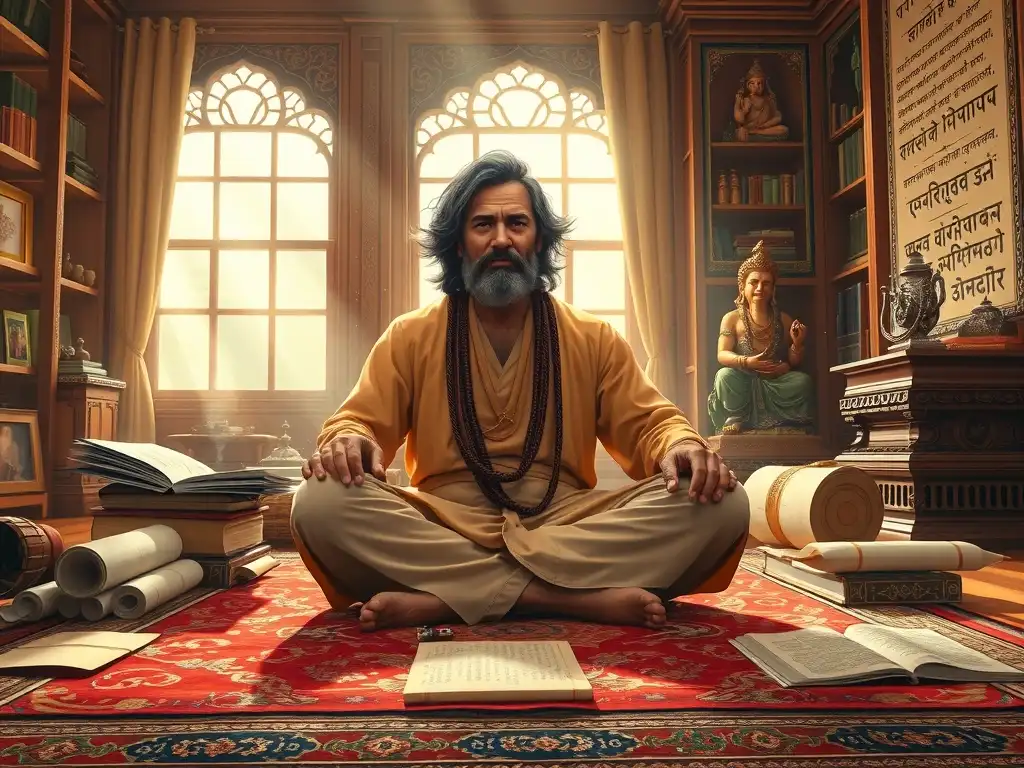
The Vedic traditions are deeply rooted in a rich philosophical framework that has shaped the spiritual landscape of Hinduism. They encompass a multitude of concepts that reflect the quest for understanding the nature of reality, the self, and the universe. Central to these traditions are the ideas of Brahman (the ultimate reality) and Atman (the individual self), which are explored in depth in texts such as the Vedas and Upanishads. The relationship between Brahman and Atman emphasizes the interconnectedness of all existence, suggesting that realizing the unity of these two is essential for spiritual enlightenment.
Additionally, the Vedic traditions introduce the concept of dharma, which refers to ethical and moral duties that guide individuals in their lives. Dharma establishes a framework for social order and personal conduct, influencing how practitioners approach their responsibilities in contemporary society. This philosophical foundation, characterized by a profound understanding of existence and ethical living, continues to resonate within modern Hindu thought, shaping beliefs and practices across generations.
Core Philosophies from the Vedas and Upanishads
The Vedas and Upanishads articulate several core philosophies that remain integral to modern Hinduism. Among these is the concept of karma, which conveys the idea that every action has consequences that affect an individual's future, both in this life and beyond. This principle encourages adherents to act righteously, fostering a strong sense of moral responsibility.
Another significant philosophy is moksha, the liberation from the cycle of birth and rebirth (samsara). The Vedas and Upanishads present various paths to attain moksha, including the paths of knowledge (jnana), devotion (bhakti), and disciplined action (karma yoga). These diverse approaches resonate with contemporary practices, allowing individuals to choose a path that aligns with their personal beliefs and experiences.
Moreover, the teachings on meditation and self-realization, emphasized in the Upanishads, advocate for introspection and the pursuit of inner peace. These practices have found a robust place in modern spiritual movements, illustrating the Vedic traditions' enduring relevance in guiding spiritual seekers.
Influence of Vedic Philosophy on Modern Hindu Thought
The philosophical insights derived from the Vedic traditions have profoundly influenced modern Hindu thought, serving as a foundation for various schools of philosophy that have emerged over time. Prominent thinkers such as Adi Shankaracharya and Ramanuja have interpreted Vedic philosophies, contributing to the evolution of Vedanta, which emphasizes the pursuit of knowledge and the realization of oneness with Brahman.
In contemporary society, these philosophical underpinnings manifest in various ways, from the integration of yoga and meditation into daily life to the adherence to ethical principles derived from dharma. Modern Hinduism often emphasizes personal spirituality, promoting the idea that individuals can forge their paths while remaining anchored in the timeless wisdom of the Vedas.
Additionally, the resurgence of interest in Vedic practices, such as rituals and chants, highlights their significance in modern spiritual life. Today, many Hindus engage in these practices, viewing them as a means to connect with their heritage and attain spiritual fulfillment, thus reinforcing the continuity of Vedic traditions in contemporary Hinduism.
The Role of Gurus and Teachers in Preserving Vedic Traditions
The preservation of Vedic traditions has largely depended on the role of gurus and teachers throughout history. These spiritual leaders have acted as custodians of Vedic knowledge, ensuring that the teachings are transmitted accurately across generations. The guru-disciple relationship, rooted in respect and devotion, has been pivotal in maintaining the integrity of these traditions.
Gurus not only impart knowledge but also embody the principles laid out in the Vedas and Upanishads, serving as living examples of the philosophies they teach. Their guidance is essential for navigating the complexities of spiritual practice, helping disciples to internalize Vedic teachings and apply them in their lives.
Historical Figures in Vedic Tradition Preservation
Historically, several figures have played crucial roles in preserving Vedic traditions. One notable example is Adi Shankaracharya, who lived in the 8th century CE and is credited with consolidating the doctrine of Advaita Vedanta. His commentaries on the Upanishads and the Brahma Sutras revitalized interest in Vedic philosophy, emphasizing the importance of knowledge and non-duality.
Another significant figure is Madhvacharya, who founded the Dvaita school of thought, advocating the concept of dualism and the distinction between the individual soul and the supreme spirit. His teachings expanded the understanding of Vedic traditions and provided a counterbalance to non-dualist interpretations.
These historical figures have laid the groundwork for the ongoing transmission of Vedic knowledge, inspiring future generations of teachers and practitioners to uphold and adapt these teachings within their cultural contexts.
Contemporary Gurus and Their Influence on Modern Practices
In recent times, contemporary gurus have emerged as influential figures in the preservation and dissemination of Vedic traditions. Leaders such as Sri Sri Ravi Shankar and Baba Ramdev have popularized Vedic philosophies and practices, making them accessible to a broader audience. Through workshops, retreats, and public discourses, they have emphasized the relevance of Vedic teachings in addressing modern challenges.
Moreover, contemporary gurus often blend traditional wisdom with modern approaches, creating a dynamic spiritual landscape that resonates with diverse practitioners. Their emphasis on meditation, yoga, and holistic living reflects a growing trend among individuals seeking spiritual growth and well-being in today’s fast-paced world.
These modern figures continue to bridge the gap between ancient traditions and contemporary life, ensuring that the essence of Vedic teachings remains vibrant and influential in shaping the spiritual practices of millions around the globe.
Vedic Influence on Hindu Festivals and Celebrations
The Vedic traditions have significantly influenced various aspects of Hindu culture, particularly in the realm of festivals and celebrations. Rooted in ancient scriptures, these traditions have shaped the ways in which communities come together to observe religious practices, marking the passage of time and the cycles of nature.
Festivals grounded in Vedic rites reflect a deep connection to spiritual values, agricultural seasons, and cosmic principles. As such, these celebrations not only serve as moments of joy and community bonding but also embody the philosophical tenets of Hinduism, emphasizing the continuity of life, the importance of rituals, and the reverence for deities.
Major Festivals Rooted in Vedic Traditions
Several major Hindu festivals find their origins in Vedic traditions. Notable among these are:
- Makar Sankranti: Celebrated to mark the transition of the sun into the zodiac sign of Capricorn, this festival is rooted in Vedic astrology, emphasizing the importance of celestial cycles.
- Navaratri: This nine-night festival honoring the goddess Durga reflects the Vedic focus on the feminine divine and the cyclical nature of life and death.
- Diwali: While now widely recognized as the festival of lights, its roots can be traced back to Vedic rituals that celebrate the victory of light over darkness and knowledge over ignorance.
- Holi: The festival of colors celebrates the arrival of spring and the triumph of good over evil, with its origins in Vedic agricultural practices and seasonal transitions.
These festivals not only embody religious significance but also foster cultural identity and community cohesion, showcasing the enduring legacy of Vedic traditions in modern Hindu practices.
Evolution of Celebrations in Contemporary Context
In contemporary society, the celebration of Vedic-influenced festivals has evolved, reflecting changes in lifestyle, technology, and social dynamics. While traditional rituals are still observed, there has been a noticeable shift in how these celebrations are conducted:
- Urbanization: In urban settings, festivals often adapt to accommodate the fast-paced lifestyle of city dwellers, leading to large-scale public celebrations and events that emphasize community participation.
- Inclusivity: Many festivals have become more inclusive, inviting participation from diverse groups, thereby enriching the cultural tapestry of celebrations.
- Digital Influence: The rise of social media has transformed how festivals are celebrated, with online platforms being used to share experiences and connect with others, creating virtual celebrations alongside physical gatherings.
- Environmental Awareness: Contemporary celebrations increasingly reflect a consciousness toward environmental sustainability, with movements advocating for eco-friendly practices during festivals, such as the use of natural colors during Holi.
These adaptations signify not only the resilience of Vedic traditions but also their relevance in addressing contemporary issues and fostering a sense of community.
The Impact of Vedic Traditions on Modern Indian Society
Vedic traditions continue to exert a profound influence on various facets of modern Indian society, shaping social norms, ethical values, and cultural practices. The teachings encapsulated in the Vedas and subsequent texts have laid the groundwork for a moral framework that guides individual and collective behavior within the community.
Vedic Traditions and Social Structure
The social structure in contemporary India still bears the imprint of Vedic traditions, particularly in the context of the caste system and family dynamics. While modern society challenges and reinterprets these structures, many aspects remain:
- Caste System: Although the rigid caste system has faced significant criticism and reform, its origins can be traced back to Vedic classifications. The Vedas outlined a societal framework that assigned roles and responsibilities, which has transformed over time but still influences many social interactions today.
- Family Values: Vedic traditions emphasize the importance of family and kinship, promoting values such as respect for elders, loyalty, and collective responsibility. These values continue to be central to familial relationships in modern Hindu households, impacting social cohesion and community support networks.
Influence on Ethics and Morality in Contemporary Hinduism
The ethical and moral teachings embedded in Vedic texts have significantly shaped the moral compass of modern Hinduism. Key influences include:
- Dharma: The concept of dharma, or duty, remains pivotal in guiding individual actions and societal responsibilities. It encourages adherents to act in accordance with their roles and to contribute positively to society.
- Ahimsa: The principle of non-violence (ahimsa), emphasized in Vedic literature, continues to inspire various movements, including those advocating for animal rights and environmental protection.
- Spiritual Practices: Modern Hinduism also retains many spiritual practices, such as meditation and yoga, which are rooted in Vedic philosophy, promoting mental well-being and a connection to the divine.
Overall, the impact of Vedic traditions on contemporary Indian society is profound and multifaceted, serving as a bridge between ancient wisdom and modern practices, ensuring the continuity of a rich cultural heritage.
Challenges to Vedic Traditions in Modern Hinduism
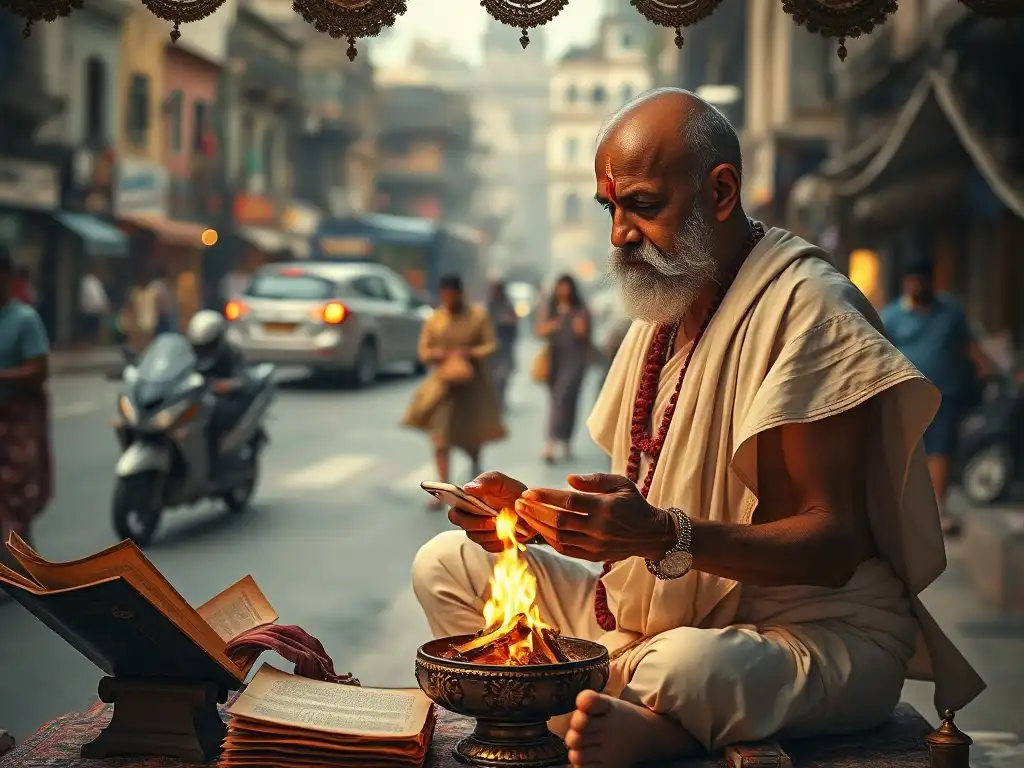
As contemporary Hinduism evolves, it faces a variety of challenges that threaten the continuity of Vedic traditions. These challenges stem from rapid societal changes, shifting cultural norms, and increasing influences from globalization. The very essence of Vedic traditions, which emphasizes rituals, oral transmission of knowledge, and adherence to ancient texts, confronts modernity's demands for pragmatism and adaptability.
Factors such as urbanization, technological advancements, and a rise in secularism have led to a decline in traditional practices. Many young Hindus, influenced by global perspectives, question the relevance of age-old rituals and customs. Additionally, the proliferation of digital media has shifted focus away from traditional learning methods, impacting the transmission of Vedic texts and philosophies. This disruption raises concerns about the preservation of these ancient teachings in a rapidly transforming world.
Modernization and Globalization Effects
The effects of modernization and globalization on Vedic traditions are profound. As societies around the globe become more interconnected, cultural boundaries blur, leading to the hybridization of practices. For instance, Western philosophies and lifestyles have permeated Indian society, often overshadowing traditional Vedic teachings.
In urban centers, the allure of modern conveniences and lifestyles often leads to a decline in participation in traditional rituals and festivals rooted in Vedic customs. Furthermore, the younger generations, immersed in global culture, may prioritize careers and individualism over communal religious practices, which traditionally foster a sense of belonging and identity linked to Vedic traditions.
The rise of the internet and social media has also transformed how knowledge is consumed. While it offers access to diverse interpretations of Vedic texts, it can dilute the authenticity of the teachings. This democratization of knowledge presents both opportunities and challenges, as individuals may encounter conflicting ideologies that challenge traditional understandings of Vedic practices.
Preservation Efforts and Movements
In response to the challenges posed by modernization and globalization, numerous efforts are underway to preserve Vedic traditions. Various organizations and movements have emerged, advocating for the revival of ancient rituals and teachings. These initiatives often focus on education, encouraging the study of Vedic texts and the practice of rituals among younger generations.
For example, institutions dedicated to Vedic studies have been established, offering courses in Sanskrit, the Vedas, and related philosophies. These programs aim to bridge the gap between ancient teachings and contemporary relevance, ensuring that Vedic wisdom is not lost but rather integrated into modern life.
Moreover, grassroots movements and community programs seek to engage youth through cultural festivals, workshops, and retreats that highlight the significance of Vedic traditions. By creating spaces for experiential learning and community involvement, these efforts aim to foster a renewed interest in the traditions that have shaped Hindu identity for centuries.
Conclusion: The Future of Vedic Traditions in Contemporary Hinduism
As Hinduism adapts to modern realities, the future of Vedic traditions remains a critical area of focus. The interplay between preservation and innovation will define how these ancient teachings continue to influence contemporary practices and beliefs.
Summary of Key Points
- Challenges: Modernization, globalization, and secularism pose significant challenges to the continuity of Vedic traditions in contemporary Hinduism.
- Effects of Modernization: Urbanization and the influence of global culture lead to a decline in traditional practices and a shift in priorities among younger generations.
- Preservation Efforts: Various organizations and movements are actively working to revive Vedic traditions through education, community engagement, and cultural initiatives.
The Significance of Vedic Traditions for Future Generations
Vedic traditions hold immense significance for future generations, serving as a repository of ancient wisdom and cultural identity. These teachings offer insights into ethics, philosophy, and the interconnectedness of life, which can guide individuals in navigating the complexities of modern existence.
By preserving and revitalizing Vedic traditions, contemporary Hinduism can provide younger generations with a sense of belonging and continuity. Moreover, the principles embedded in the Vedas can encourage sustainable living and respect for nature, values that are increasingly vital in today’s world. Emphasizing the relevance of these traditions will ensure that they not only survive but thrive, enriching the spiritual landscape of future Hindu practices.
References
The study of Vedic traditions and their impact on modern Hinduism is enriched by a variety of scholarly works and texts. These references not only provide foundational knowledge but also offer insights into the evolution of these traditions over time. Here are some key references that are essential for understanding the continuity of Vedic traditions in contemporary Hindu practices:
- The Rigveda - One of the oldest religious texts in the world, the Rigveda provides a comprehensive foundation of Vedic hymns and philosophies that continue to influence modern Hinduism.
- The Upanishads - These texts explore the philosophical underpinnings of Vedic thought, discussing concepts such as Brahman (the ultimate reality) and Atman (the self), which remain central to contemporary spiritual practices.
- A History of Indian Philosophy by Sarvepalli Radhakrishnan - This extensive work examines the evolution of Indian philosophical thought from the Vedic period to modern times, highlighting the continuity and transformation of ideas.
- Hinduism: A Very Short Introduction: by Kim Knott - This book offers a concise overview of Hindu beliefs and practices, including the relevance of Vedic traditions in today’s context.
- The Essence of the Vedas by Swami Prabhupada - A transformative approach to understanding Vedic texts, emphasizing their application in contemporary life.
Suggested Readings on Vedic Traditions and Hinduism
For those interested in delving deeper into the Vedic traditions and their significance in modern Hinduism, the following readings are recommended:
-
"The Vedas: An Introduction to Hinduism's Sacred Texts" by Michael Witzel
This book serves as an accessible introduction to the Vedas, detailing their historical context and relevance to current Hindu practices.
-
"Vedic Traditions in Modern Hinduism" by Arvind Sharma
Sharma's work explores how ancient Vedic traditions have been interpreted and adapted in modern contexts, providing a critical analysis of their ongoing significance.
-
"The Concept of God in the Vedas" by R. C. Zaehner
This text discusses the evolution of the concept of divinity within the Vedic tradition and its implications for contemporary Hinduism.
-
"Hinduism: A Historical Perspective" by Romila Thapar
Thapar presents a historical overview of Hinduism, tracing its roots back to the Vedic period and showing how these early traditions influence modern beliefs and practices.
-
"The Veda: A New Translation" by Steven Mitchell
This fresh translation of the Vedic texts provides readers with a contemporary understanding of the language and themes, making it easier to relate to modern spiritual practices.
Notable Scholars in the Study of Vedic Traditions
Several scholars have significantly contributed to the understanding of Vedic traditions and their influence on contemporary Hinduism. Their works provide invaluable insights into the complexities and nuances of these ancient texts:
-
Max Müller (1823-1900)
A pioneering Indologist, Müller’s extensive translations and interpretations of the Vedas brought Western attention to these texts and laid the groundwork for further studies.
-
A. L. Basham (1914-1986)
Known for his work "The Wonder That Was India," Basham explored the cultural and spiritual dimensions of ancient India, including the impact of Vedic traditions on Hindu thought.
-
R. N. Dandekar (1912-1989)
Dandekar’s scholarship focused on the philosophical aspects of the Vedas, examining their relevance to contemporary philosophical discussions in Hinduism.
-
K. M. Suresh
A contemporary scholar, Suresh has published numerous articles on the reinterpretation of Vedic texts in modern Hinduism, focusing on their practical applications.
-
David K. H. Wong
Wong’s analyses of Vedic rituals and their current practice in Hinduism highlight the continuity and adaptation of these ancient traditions in modern contexts.
These scholars and their contributions continue to shape the discourse surrounding Vedic traditions and their enduring presence in contemporary Hindu practices.
- Introduction to Vedic Traditions in Modern Hinduism
- Historical Context of Vedic Traditions
- Key Vedic Texts and Their Relevance Today
- Vedic Rituals and Practices in Contemporary Hinduism
- Philosophical Underpinnings of Vedic Traditions
- The Role of Gurus and Teachers in Preserving Vedic Traditions
- Vedic Influence on Hindu Festivals and Celebrations
- The Impact of Vedic Traditions on Modern Indian Society
- Challenges to Vedic Traditions in Modern Hinduism
- Conclusion: The Future of Vedic Traditions in Contemporary Hinduism
- References
Frequently Asked Questions
What are Vedic traditions?
Vedic traditions refer to the sacred texts and practices that originated in ancient India, particularly from the Vedas, which are the oldest scriptures of Hinduism.
How do Vedic traditions influence modern Hinduism?
Vedic traditions have a profound impact on modern Hinduism, shaping its rituals, beliefs, and ethical values. Many contemporary practices, such as puja (worship) and samskaras (rituals), trace their origins back to the Vedic period.
Are there specific Vedic texts that are still relevant today?
Yes, texts like the Rigveda, Yajurveda, and Upanishads continue to be central to Hindu philosophy and rituals, providing a foundation for both spiritual and ritualistic practices in modern Hinduism.
How do Vedic traditions contribute to Hindu identity?
Vedic traditions play a crucial role in shaping the cultural identity of Hindus, fostering a sense of continuity with their ancient heritage and influencing various aspects of life, including art, music, and philosophy.
Can Vedic traditions adapt to contemporary society?
Absolutely! Vedic traditions have shown a remarkable flexibility, allowing them to adapt to changing societal norms while retaining their core spiritual values, making them relevant in today’s context.
Final Reflection: Embracing the Legacy of Vedic Traditions in Modern Hinduism
The enduring presence of Vedic traditions in modern Hinduism underscores a profound connection between the past and the present. As we navigate an increasingly complex world, these ancient practices and philosophies continue to offer guidance, wisdom, and a sense of identity. The relevance of Vedic traditions today is not merely historical; it is a living testament to the resilience and adaptability of Hinduism, reminding us that our roots can inform our modern lives in meaningful ways.
The influence of Vedic traditions permeates various aspects of contemporary culture, shaping rituals, ethics, and community values. As we witness a resurgence of interest in spirituality and holistic living, the teachings of the Vedas resonate deeply with those seeking purpose and connection. The Vedas are not just texts; they are a way of life that transcends time and space.
This ongoing dialogue between ancient wisdom and modern interpretation invites us to reflect on how these teachings can enrich our daily experiences and foster a deeper understanding of ourselves and the world around us.
As we conclude this exploration of Vedic traditions in modern Hinduism, I invite you to take a moment for personal reflection. Consider how these ancient teachings can inspire your own journey. Whether through meditation, ethical living, or community engagement, there are countless ways to integrate the wisdom of the Vedas into your life. Embrace the opportunity to connect with this rich heritage, and let it guide you toward a more fulfilling and harmonious existence.
Embrace the Richness of Vedic Traditions Today!
Thank you for taking the time to explore the enduring impact of Vedic traditions on contemporary Hinduism! You've uncovered the wisdom of the past, and now it's time to put that knowledge into action. Let's keep the spirit of these traditions alive by integrating them into our daily lives.
Here are some steps you can take right now to deepen your connection to these ancient practices:
- Join a local or online Vedic study group to immerse yourself in discussions and learn from others who share your interest in these teachings.
- Incorporate daily rituals or mantras from Vedic philosophy into your routine. Simple practices like morning prayers or mindfulness exercises can make a significant difference.
- Share your insights! Discuss what you've learned with your friends and family or post about it on social media to inspire others to explore these rich traditions.
What new Vedic practice or teaching are you excited to try this week? Let's continue the conversation!