
The Forgotten Kingdoms of Western India: A Journey Through Time

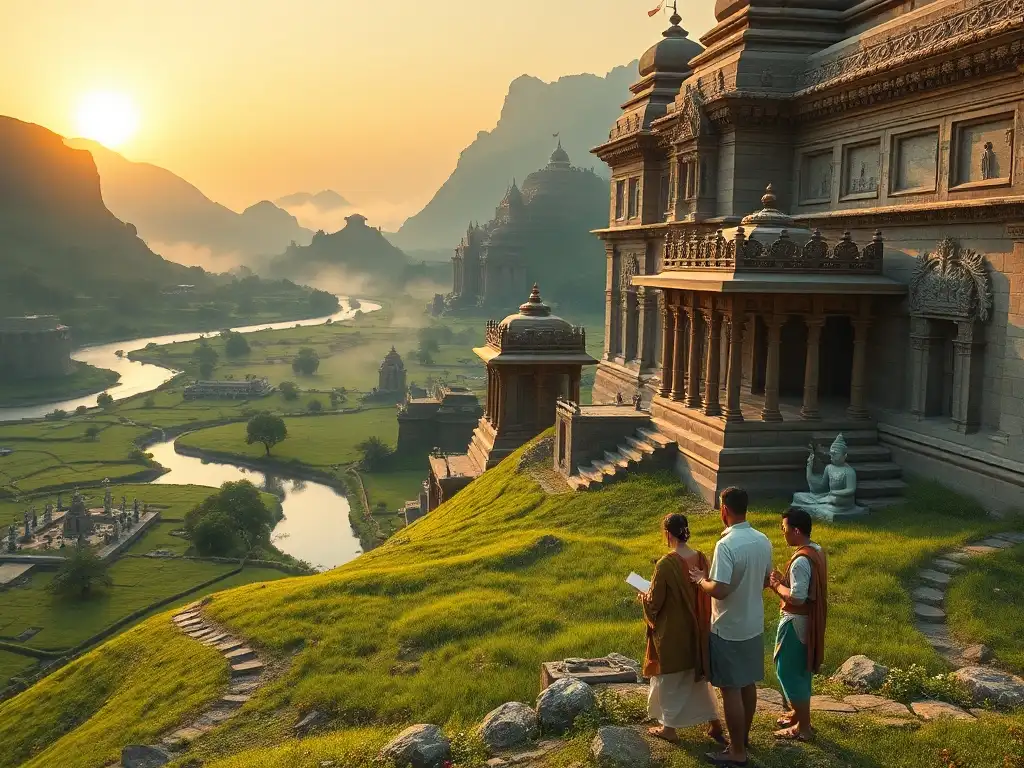
Welcome to Ancient India History, where we embark on a captivating journey through the rich tapestry of ancient civilizations. In this exploration, we're diving deep into the Western India ancient kingdoms history, unveiling the stories of forgotten empires that shaped the cultural landscape of the region. From the majestic forts to the intricate art forms, each kingdom carries a legacy waiting to be rediscovered. Curious to learn more about these remarkable histories? Join us as we unravel the threads of time and explore the monumental contributions of Western India’s ancient realms. Your adventure begins here!
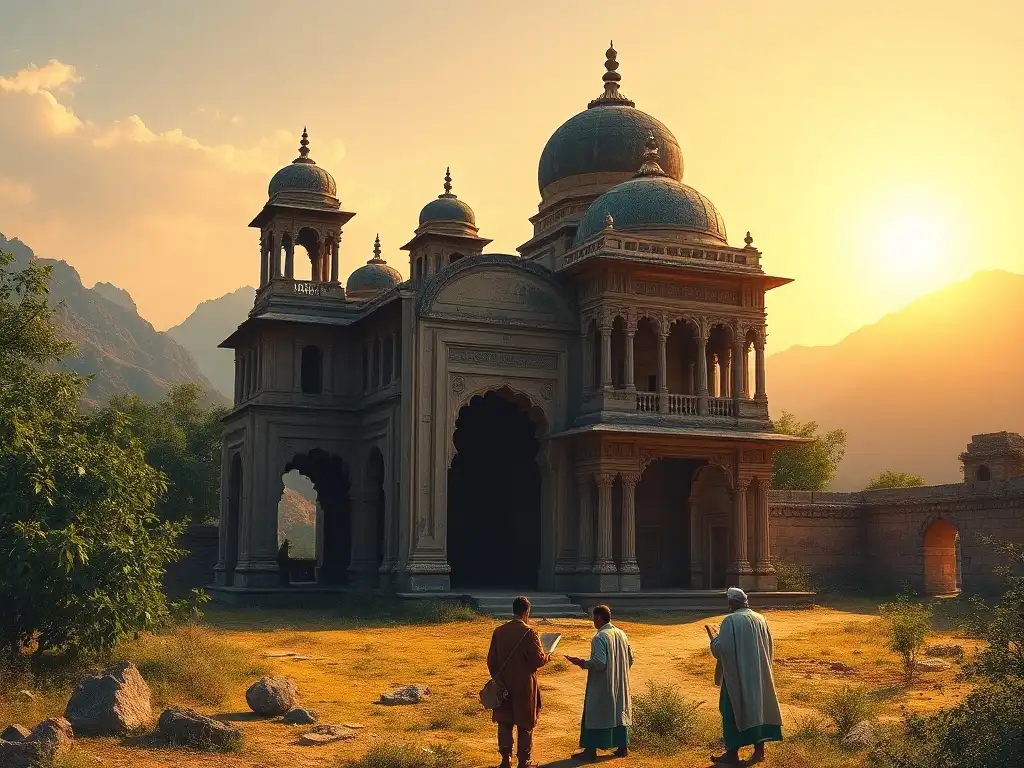
Introduction to Western India Ancient Kingdoms History
Western India, often overshadowed by its more prominent neighbors, harbors a rich tapestry of ancient kingdoms that played a pivotal role in shaping the region's history and culture. From the majestic forts of Maharashtra to the serene landscapes of Gujarat, the legacy of these kingdoms is woven into the very fabric of the land.
This article embarks on a journey through time, uncovering the remarkable stories and contributions of the forgotten kingdoms of Western India. By delving into their histories, we not only appreciate their significance but also gain insights into how they influenced the socio-political landscape of ancient India.
Significance of Western India in Ancient Civilizations
The significance of Western India in ancient civilizations extends beyond its geographical boundaries. This region served as a crucial crossroads for trade, culture, and political power. It was here that various dynasties, such as the Mauryas, Satavahanas, and the later Chalukyas, left an indelible mark through architectural marvels and flourishing trade routes.
- Cultural Melting Pot: Western India was a melting pot of cultures, with influences from various ethnic groups and traders. This cultural amalgamation fostered advancements in art, literature, and religion.
- Strategic Trade Routes: The region's strategic location facilitated trade with foreign lands, enabling the exchange of goods, ideas, and innovations.
- Architectural Heritage: The remnants of ancient forts, temples, and cities stand as testament to the architectural prowess of these kingdoms, showcasing a blend of indigenous and foreign styles.
Overview of the Kingdoms Explored in This Article
In this article, we will explore several lesser-known yet historically significant kingdoms of Western India:
- The Satavahanas: Known for their contributions to trade and Buddhism.
- The Maitrakas of Vallabhi: A notable center of learning and culture in ancient Gujarat.
- The Chalukyas of Badami: Renowned for their architectural innovations and military prowess.
- The Rashtrakutas: Famous for their patronage of art and literature, particularly the rock-cut temples.
The Historical Context of Western India
Understanding the historical context of Western India requires an exploration of its geography and the various periods that defined its evolution.
Geography and Its Influence on Ancient Kingdoms
Western India's diverse geography, characterized by the Western Ghats, coastal regions, and arid plains, greatly influenced the development of its ancient kingdoms. The region's natural resources, coupled with its proximity to ancient trade routes, allowed for agricultural prosperity and economic growth.
- Coastal Access: The Arabian Sea provided access to maritime trade, enhancing interactions with other civilizations.
- Mountainous Terrain: The Western Ghats served as natural fortifications, allowing kingdoms to defend against invasions while fostering unique cultural identities.
- Fertile Plains: Areas like the Konkan and Gujarat facilitated agriculture, which was the backbone of the kingdom's economy.
Major Historical Periods in Western India
Western India's history can be divided into distinct periods, each marked by the rise and fall of various kingdoms:
- Prehistoric Era: Evidence of early settlements, including the Indus Valley Civilization.
- Classical Period: The rise of the Mauryan and Satavahana empires, establishing trade and cultural exchanges.
- Medieval Period: The emergence of regional powers like the Chalukyas and Rashtrakutas, leading to significant architectural advancements.
- Post-Medieval Era: The decline of these kingdoms and the onset of Mughal influence, reshaping the region's cultural landscape.
By exploring these periods and the kingdoms that thrived within them, we gain a deeper understanding of Western India's ancient heritage and its lasting impact on the cultural mosaic of India.
Prominent Ancient Kingdoms of Western India
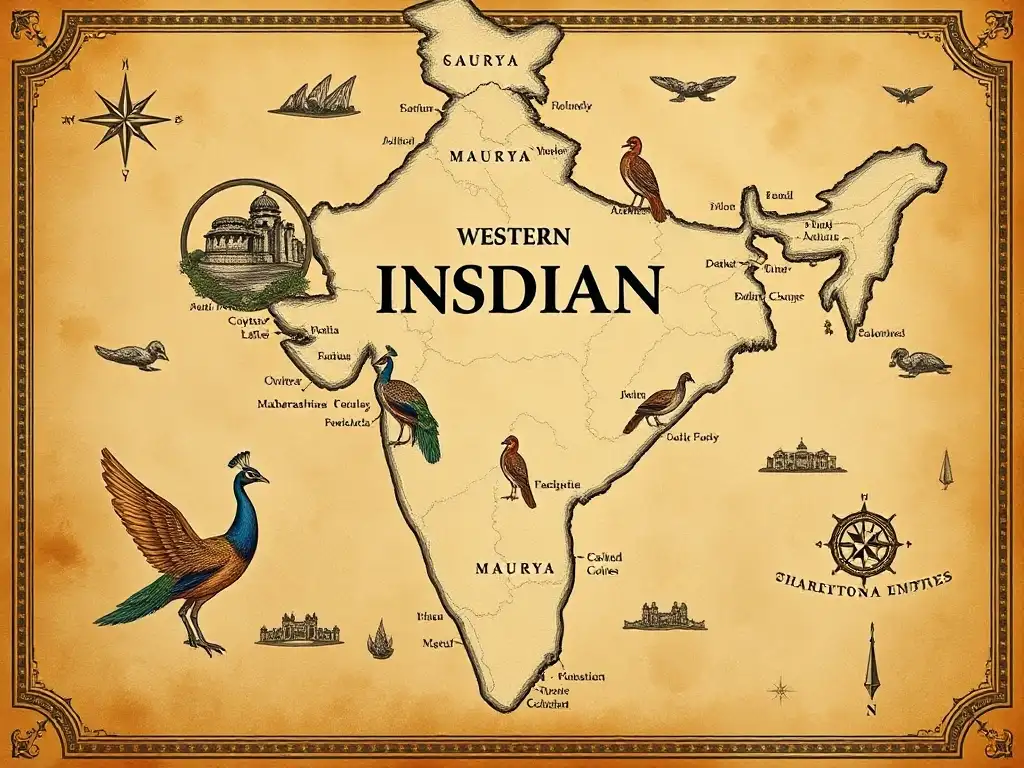
Western India has been a cradle for numerous ancient kingdoms that significantly contributed to the region's history, culture, and economy. These kingdoms laid down the foundations for trade, governance, and cultural integration that shaped the landscape of ancient Indian civilization. Among these prominent entities, the Maurya Empire, Satavahana Dynasty, Rashtrakuta Dynasty, and Chalukya Dynasty stood out for their powerful influence and lasting legacies.
The Maurya Empire: A Foundation of Power
The Maurya Empire (c. 322–185 BCE) is often considered one of the most significant empires in ancient Indian history. Founded by Chandragupta Maurya, this empire marked the beginning of a centralized and bureaucratic governance system. Under the rule of Ashoka the Great, the Maurya Empire expanded to encompass a vast territory that included much of western India.
Ashoka's reign is particularly notable for the promotion of Buddhism and the spread of its teachings throughout the region. He established a series of edicts inscribed on rocks and pillars, which emphasized moral governance and social welfare. The Maurya Empire's emphasis on trade and agriculture also led to economic prosperity, setting a precedent for future kingdoms. The remnants of this empire's influence can still be seen in the architectural and cultural heritage of Western India.
The Satavahana Dynasty: Guardians of Trade
The Satavahana Dynasty (c. 230 BCE–230 CE) played a crucial role in the development of trade routes across Western India. Emerging after the decline of the Mauryan Empire, they established their realm primarily in the Deccan region. The Satavahanas are renowned for their patronage of trade, art, and culture, which facilitated cultural exchanges between the Indian subcontinent and foreign lands.
The dynasty's capital at Pratishthana (modern-day Paithan) became a bustling trade hub. The Satavahanas were instrumental in enhancing maritime trade, which connected Western India to ports in the Arabian Sea and beyond. Their contributions to Buddhist art, particularly in the form of rock-cut caves and stupas, remain significant landmarks of ancient Indian heritage, showcasing their role as cultural custodians.
The Rashtrakuta Dynasty: A Beacon of Art and Culture
The Rashtrakuta Dynasty (c. 753–983 CE) emerged as a powerful force in Western India, known for their patronage of the arts and architecture. Their capital at Malkhed became a center of cultural and political power. The Rashtrakutas are particularly celebrated for the exquisite rock-cut temples at Ellora and the Kailasa temple, which exemplify the architectural brilliance of their era.
Under the Rashtrakutas, literature and poetry flourished, with notable figures like the poet-saint Akkamahadevi contributing to the literary landscape. The dynasty's embrace of diverse religious practices, including Jainism and Hinduism, fostered an environment of tolerance and cultural synthesis. Their legacy is marked by advancements in governance and contributions to the socio-cultural fabric of Western India.
The Chalukya Dynasty: Innovators of Governance
The Chalukya Dynasty (c. 543–753 CE) is recognized for its innovative approach to governance and administration. They ruled large parts of Western India, including present-day Gujarat, Maharashtra, and Karnataka. The Chalukyas are credited with significant advancements in architecture and urban planning, which have left a lasting impact on the region.
One of their most remarkable achievements is the construction of the rock-cut temples at Badami, Aihole, and Pattadakal, which showcase intricate carvings and unique architectural styles. The Chalukyas also established a sophisticated administrative system that promoted trade and agriculture. Their ability to adapt and implement new ideas contributed to the stability and prosperity of Western India during their reign.
Lesser-Known Kingdoms of Western India
While the prominent kingdoms of Western India have captured historical attention, several lesser-known kingdoms also played vital roles in shaping the region's history. These kingdoms, such as the Maitraka Dynasty and the Konkan Kingdoms, contributed to cultural exchanges and maritime prowess, enriching the historical tapestry of Western India.
The Maitraka Dynasty: Catalysts of Cultural Exchange
The Maitraka Dynasty (c. 475–750 CE) ruled over parts of Gujarat and is often recognized for its role as a cultural intermediary. The Maitrakas were instrumental in fostering connections between different cultures, particularly between the Indian subcontinent and the Persian Empire. Their capital, Vallabhi, became a significant center for learning and culture.
Under the Maitrakas, there was a flourishing of Buddhism and Jainism, with many educational institutions established that attracted scholars from various regions. The dynasty's support for art and architecture led to the construction of impressive temples and stupas, which facilitated cultural dialogues and exchanges across Western India.
The Konkan Kingdoms: Maritime Powers
The Konkan Kingdoms, which included the Shilahara and Konkan Maurya dynasties, were essential maritime powers along the western coast of India. Flourishing between the 8th and 12th centuries, these kingdoms utilized their strategic coastal positions to engage in trade with foreign entities, including Arabs, Romans, and Southeast Asian nations.
The Shilahara rulers, in particular, are known for their contributions to maritime trade and cultural exchanges. They established ports that facilitated the export of spices, textiles, and other commodities, making the Konkan region a vital hub for commerce. The rich cultural heritage of these kingdoms is reflected in the coastal architecture and the diverse influences that shaped the region's identity.
The Decline of Western India Ancient Kingdoms
The decline of the ancient kingdoms in Western India marks a significant yet often overlooked chapter in the region's history. This period saw the gradual disintegration of powerful dynasties that once flourished, leading to shifts in political power and cultural dynamics. The decline can be attributed to a multitude of factors, including internal strife, economic challenges, and external pressures, which collectively undermined the stability of these kingdoms.
Factors Leading to the Decline of Major Dynasties
Several key factors contributed to the decline of major dynasties in Western India, each interacting with one another to create a complex web of challenges:
- Political Fragmentation: As kingdoms expanded, the control over distant territories often weakened, leading to internal divisions and conflicts. This fragmentation made it easier for rivals to exploit weaknesses.
- Economic Decline: Trade routes that once flourished began to shift, reducing the economic power of these kingdoms. The decline in trade resulted in a lack of resources to support military and administrative structures.
- Succession Crises: Many dynasties faced challenges related to succession and governance, leading to instability. Disputes over rightful heirs often resulted in civil wars, further weakening the kingdoms.
- Cultural Assimilation: The influx of new cultures and ideas led to changes in local governance and societal structures, which sometimes conflicted with traditional practices.
The Impact of Invasions and External Forces
The ancient kingdoms of Western India were not only affected by internal dynamics but also by external pressures that played a critical role in their decline:
- Invasions: The incursions of various foreign powers, including the Huns and later the Islamic invaders, disrupted the political landscape. These invasions often resulted in significant territorial losses and the dismantling of established political structures.
- Trade Disruptions: The rise of new powers, particularly in the north, altered trade routes and diminished the economic significance of Western Indian kingdoms, leading to a loss of wealth and influence.
- Military Challenges: The inability to adapt military strategies to counter new forms of warfare introduced by invaders contributed to the decline of many kingdoms. Traditional armies struggled against more mobile and strategically adept forces.
Cultural Contributions of Western India Ancient Kingdoms
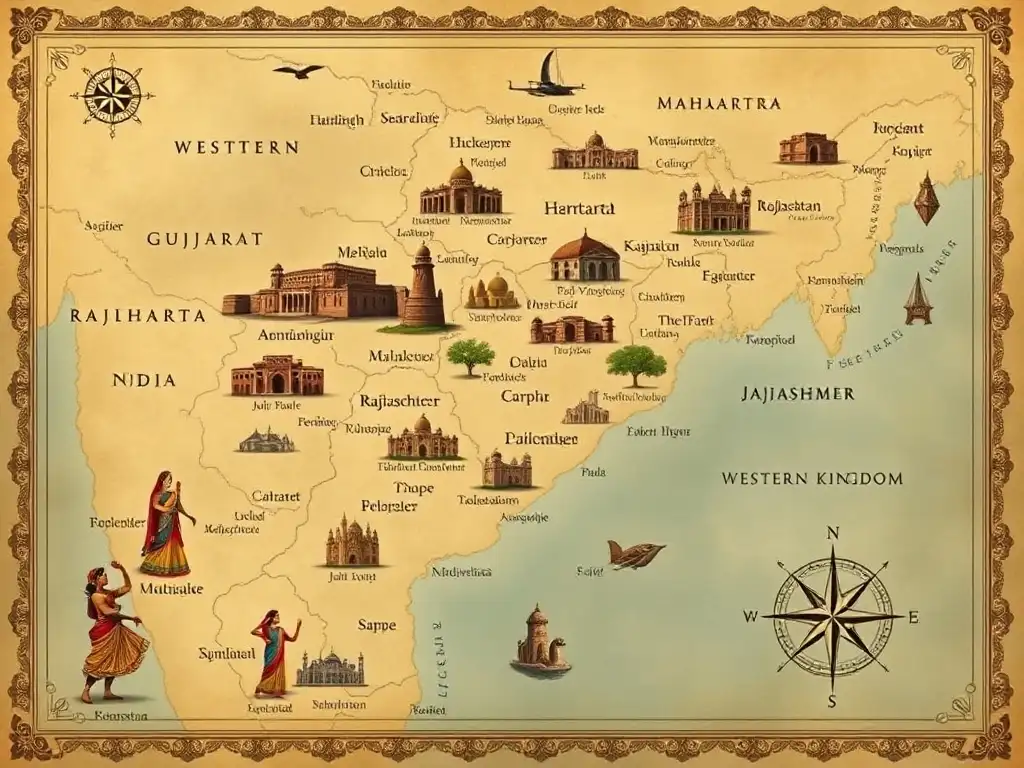
Despite the challenges faced by the ancient kingdoms of Western India, their cultural contributions have left a lasting legacy. These contributions span various domains, including literature, art, architecture, and philosophy, showcasing the richness of their heritage.
Literature and Language: A Rich Tapestry
The literary traditions of Western India are characterized by a rich tapestry of languages and genres, reflecting the region's diverse cultural influences:
- Sanskrit Literature: Western India was home to significant Sanskrit literary works, including epics and philosophical texts. Notable figures such as Kalidasa produced timeless works that remain influential today.
- Regional Languages: The emergence of regional languages, such as Gujarati and Marathi, marked a shift towards localized literature. This evolution allowed for greater expression of regional identities and cultural narratives.
- Oral Traditions: Folklore and oral storytelling played a vital role in preserving history and culture, with stories often passed down through generations, reflecting societal values and traditions.
Art and Architecture: Enduring Legacies
The art and architecture of Western India stand as a testament to the creative prowess of its ancient kingdoms:
- Cave Temples: The rock-cut caves of Ajanta and Ellora are exemplary of the architectural brilliance of the time. These sites feature intricate carvings and murals that depict religious narratives and daily life.
- Temple Architecture: The construction of temples, such as the Sun Temple in Modhera, showcases a unique blend of artistic styles and engineering techniques, reflecting the religious fervor of the era.
- Sculpture: The detailed sculptures found in various temples and caves highlight the skilled craftsmanship and artistic expression of the period, often depicting deities and mythological scenes.
Religion and Philosophy: A Melting Pot of Ideas
The ancient kingdoms of Western India were characterized by a rich confluence of religious and philosophical ideas, fostering an environment of intellectual growth:
- Hinduism and Buddhism: The coexistence of Hinduism and Buddhism created a vibrant spiritual landscape, with numerous monasteries and temples serving as centers of learning and worship.
- Philosophical Schools: The region was home to various philosophical schools, including those promoting Vedanta and Jainism, which contributed to the broader discourse on ethics, metaphysics, and spirituality.
- Cultural Syncretism: As different cultures interacted, a syncretic approach to religion emerged, leading to the incorporation of diverse beliefs and practices that enriched the spiritual landscape of Western India.
The forgotten kingdoms of Western India, while facing decline, left behind a rich cultural and historical legacy that continues to resonate through literature, art, and philosophy, demonstrating the region's significant contributions to ancient Indian civilization.
Conclusion: The Legacy of Western India’s Forgotten Kingdoms
The forgotten kingdoms of Western India have left an indelible mark on the fabric of Indian history, culture, and society. These ancient realms, often overshadowed by more prominent empires, contributed significantly to the region's political dynamics, artistic expressions, and socio-economic developments. The legacies of these kingdoms are not merely relics of the past; they continue to influence contemporary culture, architecture, and community identities in Western India.
As we delve into the historical narratives of these kingdoms, we uncover the intricate tapestry of alliances, conflicts, and cultural exchanges that shaped the region. By examining their achievements and challenges, we gain a deeper understanding of the resilience and adaptability of these civilizations. Their stories serve as a testament to the rich diversity that defines Western India's heritage.
Reflections on Their Historical Significance
The historical significance of Western India's forgotten kingdoms can be seen in several key areas:
- Cultural Contributions: These kingdoms were instrumental in promoting art, literature, and philosophy. They fostered a rich cultural milieu that gave rise to exquisite temple architecture and vibrant artistic traditions, many of which are still celebrated today.
- Political Dynamics: The interplay between various kingdoms led to a complex political landscape that influenced trade routes and regional alliances. Their strategies in governance and diplomacy provide valuable insights into ancient statecraft.
- Religious Syncretism: The coexistence of multiple faiths within these kingdoms facilitated a unique blend of cultural practices and beliefs, enriching the spiritual landscape of Western India.
By reflecting on these aspects, we appreciate the nuanced role these kingdoms played in shaping not only Western India but also the broader Indian subcontinent.
Lessons from the Ancient Kingdoms for Modern Times
The lessons gleaned from the ancient kingdoms of Western India are relevant today, particularly in our pursuit of harmony and progress. Here are some key takeaways:
- Cultural Pluralism: The ability of these kingdoms to embrace diverse cultures and religions offers a model for contemporary society. In an increasingly globalized world, fostering inclusivity and understanding among different communities is essential for peace and collaboration.
- Sustainable Governance: The governance models employed by these kingdoms, which often prioritized local needs and participatory decision-making, can inspire modern leaders. Sustainable and community-driven approaches to governance can lead to more resilient societies.
- Adaptation and Resilience: The challenges faced by these kingdoms, from invasions to internal strife, highlight the importance of adaptability. Modern societies can learn from their resilience in the face of adversity, applying similar principles to navigate contemporary challenges.
By drawing on these lessons, we can cultivate a deeper appreciation for our history while forging a path toward a more inclusive and sustainable future.
Further Reading on Western India Ancient Kingdoms History
For those interested in exploring the rich history of Western India’s ancient kingdoms further, a variety of books, articles, and documentaries provide valuable insights. These resources offer in-depth analyses, historical accounts, and narratives that illuminate the complexities of this fascinating period.
Recommended Books and Resources
-
"The History of Ancient India" by R. C. Majumdar
A comprehensive overview of ancient Indian history, including detailed sections on Western India’s lesser-known kingdoms.
-
"The Forgotten Empires of India" by J. C. Harle
This book delves into the stories of various empires and dynasties that thrived in Western India, highlighting their contributions.
-
"Western India in Ancient Times" by R. S. Sharma
A scholarly exploration of the ancient kingdoms in Western India, focusing on their political and cultural significance.
-
"Lost Kingdoms of India" by Narayani Gupta
An engaging narrative that explores the rise and fall of various kingdoms, shedding light on their historical context and legacy.
Suggested Documentaries and Articles
-
"Ancient India: The Forgotten Kingdoms"
A documentary that brings to life the stories of Western India's ancient kingdoms through expert commentary and stunning visuals.
-
"Echoes of the Past: The Lost Kingdoms of India"
An article that examines the historical significance of the ancient kingdoms and their role in shaping India’s cultural landscape.
-
"The Art and Architecture of Western India"
A feature piece that discusses the architectural marvels constructed during the reign of these ancient kingdoms, showcasing their artistic achievements.
By engaging with these resources, readers can deepen their understanding of the forgotten kingdoms of Western India and appreciate their enduring legacy.
- Introduction to Western India Ancient Kingdoms History
- Significance of Western India in Ancient Civilizations
- Overview of the Kingdoms Explored in This Article
- The Historical Context of Western India
- Prominent Ancient Kingdoms of Western India
- Lesser-Known Kingdoms of Western India
- The Decline of Western India Ancient Kingdoms
- Cultural Contributions of Western India Ancient Kingdoms
- Conclusion: The Legacy of Western India’s Forgotten Kingdoms
- Further Reading on Western India Ancient Kingdoms History
- What are the major ancient kingdoms of Western India?
- How did the geography of Western India influence its ancient kingdoms?
- What were some key contributions of Western Indian kingdoms to culture?
- How did the decline of ancient kingdoms in Western India occur?
- What impact did ancient Western Indian kingdoms have on modern India?
Frequently Asked Questions
What are the major ancient kingdoms of Western India?
The major ancient kingdoms include the Maurya, Satavahana, and Gupta empires, each contributing significantly to the cultural and political landscape of Western India.
How did the geography of Western India influence its ancient kingdoms?
The geography of Western India, characterized by mountains and coastal areas, facilitated trade routes and defense, shaping the political and economic strategies of its kingdoms.
What were some key contributions of Western Indian kingdoms to culture?
Western Indian kingdoms are known for their advancements in art, architecture, and literature, including the development of rock-cut caves and Sanskrit literature that influenced the broader Indian culture.
How did the decline of ancient kingdoms in Western India occur?
The decline of these kingdoms was often due to external invasions, internal strife, and changing trade routes, leading to a fragmentation of power and the rise of new rulers.
What impact did ancient Western Indian kingdoms have on modern India?
The legacy of ancient Western Indian kingdoms is evident in modern culture, architecture, and religious practices, showcasing a rich historical foundation that continues to influence Indian society today.
Final Reflection: Rediscovering the Rich Tapestry of Western India's Ancient Kingdoms
The exploration of Western India's ancient kingdoms is not just a journey through history; it is a vital reminder of the cultural richness and diversity that shaped our present. In an era where globalization often overshadows local narratives, understanding the intricate histories of these forgotten kingdoms allows us to appreciate the depth of our shared heritage. The stories of valor, innovation, and resilience from these ancient realms resonate powerfully today, urging us to honor and preserve the legacies that have influenced our identities.
The impact of these ancient kingdoms extends far beyond the pages of history books; they continue to inspire contemporary culture, art, and social dynamics. As we delve into their stories, we uncover a wealth of knowledge that informs our understanding of community, governance, and cultural expression. History is not a burden on the memory but an illumination of the soul.
This quote encapsulates the essence of our journey through time, reminding us that the lessons learned from these kingdoms can guide us in navigating the complexities of modern life.
As we reflect on the significance of Western India's ancient kingdoms, I invite you to embark on your own journey of discovery. Consider how the rich histories of these realms can influence your understanding of identity and community today. Let the stories of the past inspire you to engage with your own heritage, fostering a deeper connection to the world around you. In doing so, we not only honor those who came before us but also pave the way for a more enriched future.
Unveil the Secrets of Western India's Forgotten Kingdoms!
Thank you for diving into the fascinating world of Western India's forgotten kingdoms with us! Through this journey, you’ve explored rich histories and vibrant cultures that shaped the region. Now, it’s time to turn that inspiration into action!
Here’s how you can continue your adventure:
- Dive Deeper: Visit a local library or historical society to uncover more about these kingdoms through books, documents, or artifacts that may surprise you!
- Connect with Others: Join an online forum or social media group focused on Indian history to share insights and engage with fellow enthusiasts.
- Plan a Visit: Consider organizing a trip to ancient sites that highlight the region's rich heritage; experiencing these places firsthand will deepen your understanding of their significance!
What do you find most intriguing about the stories of these forgotten kingdoms, and how do you think their legacies can inspire today’s society? Let's discuss!