
How Ashoka Promoted NonViolence: Key Figures in the Peace Movement

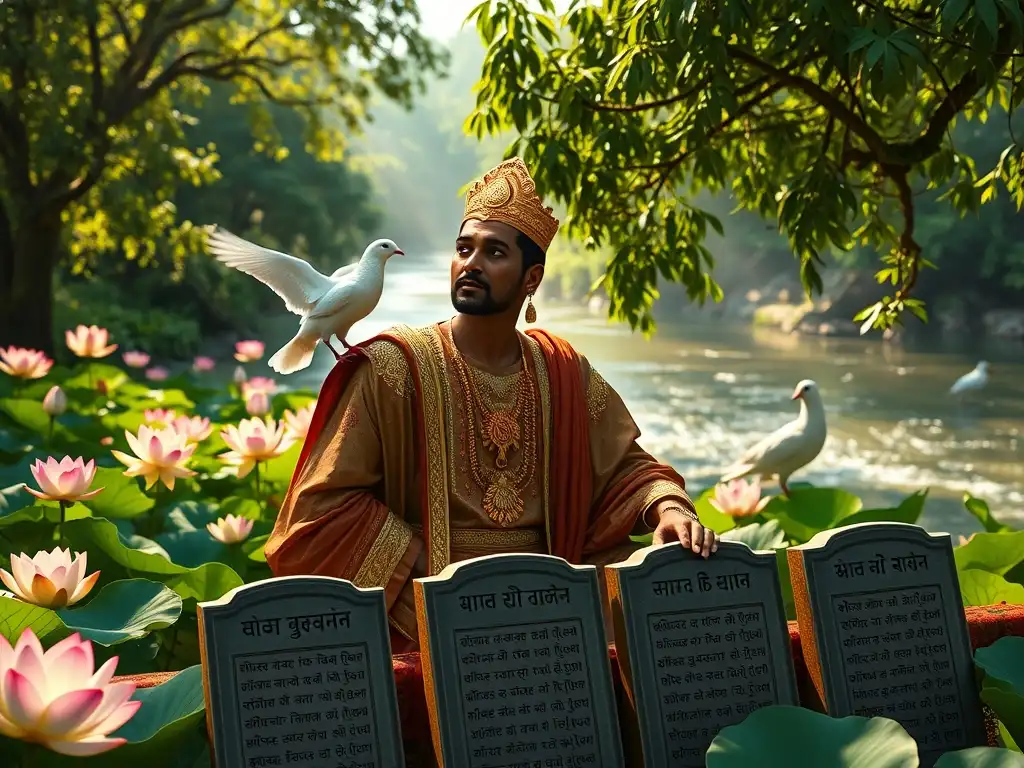
Welcome to Ancient India History, where we embark on a fascinating journey through the rich tapestry of ancient Indian civilizations! Here, you’ll uncover the remarkable stories and profound contributions that have shaped our understanding of culture and society. In this article, we delve into Ashoka's role in nonviolence, a pivotal figure whose commitment to peace transformed the landscape of ancient thought.
Join us as we explore how this legendary emperor championed the ideals of nonviolence, inspiring generations to come. Are you ready to discover the depth of his influence and the broader implications for the peace movement? Let’s dive in!
- Introduction to Ashoka's Role in Nonviolence
- The Historical Context of Ashoka's Reign
- Ashoka's Transformation and Embrace of Nonviolence
- Key Strategies Employed by Ashoka to Promote Nonviolence
- Key Figures in the Peace Movement Associated with Ashoka
- Impact of Ashoka's Nonviolent Philosophy
- Conclusion: Ashoka's Enduring Influence on Nonviolence
- Frequently Asked Questions
- Final Reflection: Ashoka's Enduring Legacy in Nonviolence
- Embrace Nonviolence and Make a Difference Today!
Introduction to Ashoka's Role in Nonviolence
Ashoka the Great, one of the most influential emperors of the Maurya Empire, is renowned not only for his military conquests but also for his profound commitment to nonviolence and moral governance. His transformation from a warrior king to a proponent of peace is a significant chapter in the narrative of ancient Indian history. This article delves into Ashoka's pivotal role in promoting nonviolence, exploring how his policies, philosophies, and actions contributed to a broader peace movement during his reign.
By examining Ashoka's motivations and the impact of his edicts, we gain insight into a ruler who profoundly shaped the moral landscape of ancient India, advocating for compassion and respect towards all living beings. As we navigate through the life and legacy of Ashoka, we will also highlight the importance of nonviolence in ancient Indian civilization, illustrating how his principles resonate even today.
Overview of Ashoka the Great
Ashoka, who ruled from approximately 268 to 232 BCE, was the third emperor of the Maurya Dynasty and is often hailed as one of the greatest rulers in Indian history. His reign marked a significant turning point in the governance of the Indian subcontinent, as he transitioned from the traditional practices of warfare to a focus on ethical leadership and social welfare.
- Early Life and Ascension: Born into a royal family, Ashoka was initially known for his military prowess and ambition. However, his early experiences in war, particularly during the bloody Kalinga War, catalyzed a profound change in his outlook on life.
- The Kalinga War: This conflict resulted in immense loss of life and suffering, prompting Ashoka to reflect deeply on the consequences of violence. It was this pivotal moment that inspired his commitment to nonviolence and the pursuit of dharma (moral law).
- Edicts of Ashoka: After his transformation, Ashoka issued a series of edicts, inscribed on pillars and rocks across his empire, which emphasized principles of nonviolence, compassion, and tolerance. These edicts served not only as guidelines for his administration but also as a moral compass for his subjects.
Importance of Nonviolence in Ancient India
Nonviolence, or "ahimsa," has deep roots in Indian philosophy and is a core tenet of various religions that flourished in the region, including Buddhism and Jainism. The promotion of nonviolence by Ashoka had far-reaching implications, shaping the ethical framework of subsequent Indian civilizations.
- Philosophical Foundations: Nonviolence in ancient India was closely tied to the concepts of karma and the interconnectedness of all living beings. Ashoka's promotion of these ideas encouraged a societal shift towards greater empathy and understanding.
- Cultural Impact: Under Ashoka's influence, nonviolence became a significant aspect of Indian culture, fostering an environment where dialogue and peaceful coexistence were prioritized over conflict.
- Legacy of Peace: The principles espoused by Ashoka not only impacted his contemporaries but also laid the groundwork for future leaders and movements advocating for peace, making his contributions to nonviolence timeless and relevant across centuries.
In exploring Ashoka's role in nonviolence, we uncover a ruler whose legacy extends beyond his empire, influencing global peace movements and ethical governance principles that resonate even in modern times.
The Historical Context of Ashoka's Reign
The Maurya Empire: A Brief Overview
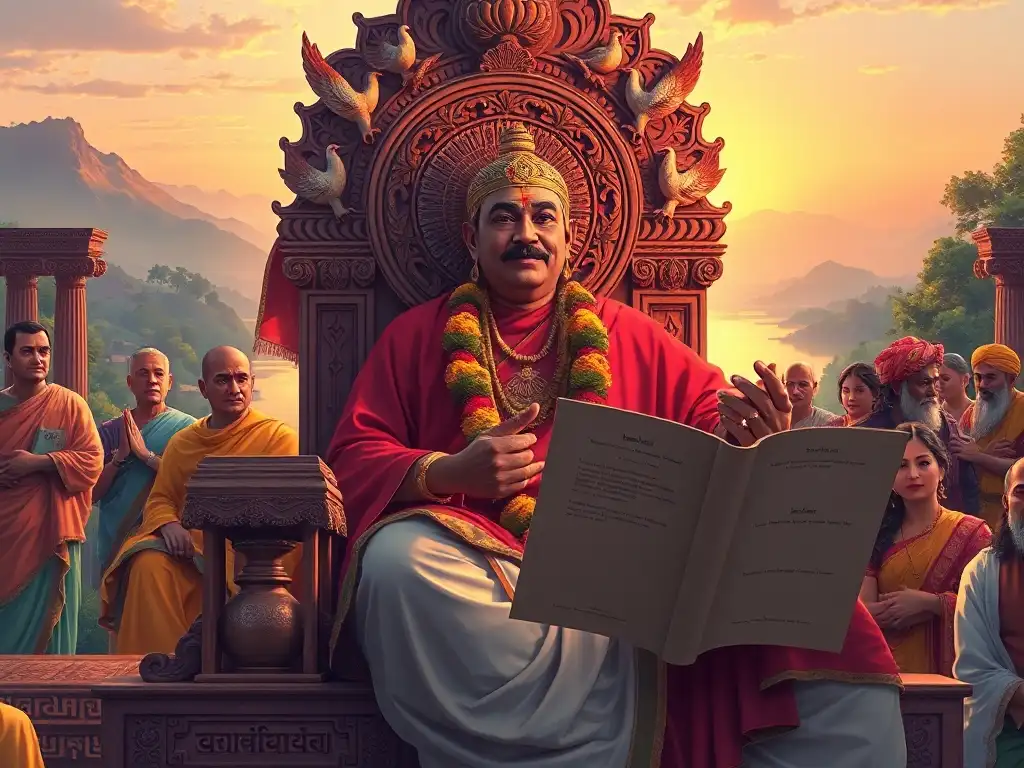
The Maurya Empire, which flourished from 322 to 185 BCE, stands as one of the largest and most powerful empires in ancient India. Founded by Chandragupta Maurya, it reached its zenith under the reign of his grandson, Ashoka. The empire's vast territory stretched across the Indian subcontinent, encompassing regions that are now part of modern-day India, Pakistan, Nepal, and Bangladesh.
Under Ashoka's rule (circa 268 to 232 BCE), the Maurya Empire became a beacon of governance and administration. Ashoka is often celebrated for his innovative policies that focused on welfare, infrastructure development, and the promotion of trade. His reign marked a significant shift from conquest to governance, emphasizing the importance of ethical leadership.
One of the most noteworthy elements of Ashoka's reign was his commitment to the principle of Dhamma, which can be understood as a moral code that encompasses non-violence, compassion, and respect for all living beings. This philosophy laid the foundation for the promotion of non-violence, which became a central pillar of Ashoka's governance and is often cited as a precursor to later peace movements.
Pre-Ashoka Era: Violence and Warfare in India
Prior to Ashoka's ascent to the throne, the Indian subcontinent was marked by a tumultuous history characterized by constant warfare and conquest. The pre-Ashoka era was dominated by various kingdoms and empires, where military strength was often seen as the main source of power and legitimacy.
- Constant Warfare: Numerous dynasties, including the Nandas and the early Mauryas, engaged in battles to expand their territories. This era was defined by brutal conflicts, which not only claimed countless lives but also left a lasting impact on the culture and society of the region.
- Cultural Attitudes Towards Violence: The prevailing ideology of the time often glorified martial prowess and valor. Warfare was embedded in the social fabric, with kings frequently resorting to violence as a means to assert dominance and control over their rivals.
- Consequences of Warfare: The aftermath of conflicts resulted in widespread suffering among the populace, leading to instability and fear. The social order was frequently disrupted, and resources were depleted, causing hardship for ordinary citizens.
In this context of violence and turmoil, Ashoka's emergence as a ruler marked a transformative shift. His commitment to non-violence and the promotion of Dhamma provided a new paradigm for leadership that sought to heal the wounds of the past and foster a more harmonious society. Ashoka's efforts to promote non-violence, both domestically and internationally, were instrumental in redefining the role of a ruler in ancient India, setting a precedent that would resonate throughout history.
Ashoka's Transformation and Embrace of Nonviolence
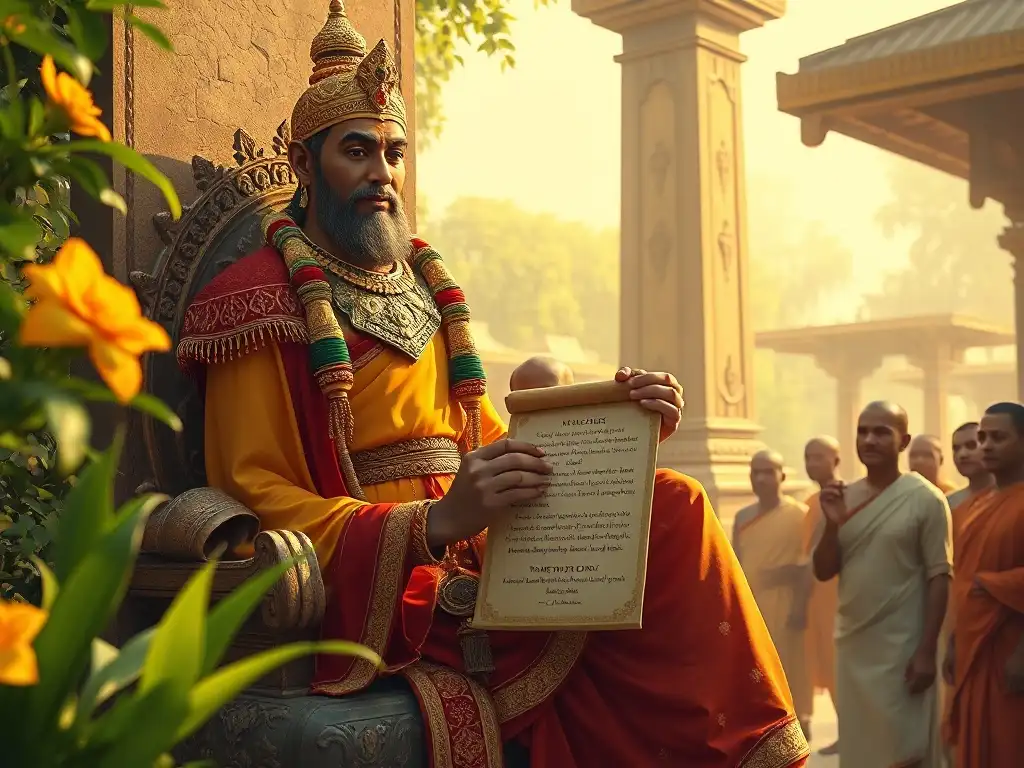
Ashoka, the third emperor of the Maurya Dynasty, is often celebrated for his pivotal role in promoting nonviolence and ethical governance. His transformation from a warrior king to a proponent of peace is a profound narrative that reflects the broader ethos of ancient Indian civilization. This shift is not merely a personal journey but a significant turning point in the history of governance and moral philosophy in India.
The Kalinga War: A Turning Point
The Kalinga War, fought around 261 BCE, serves as a critical juncture in Ashoka's life and reign. The war was marked by immense bloodshed and suffering, with estimates suggesting that over 100,000 soldiers and civilians lost their lives. Ashoka's firsthand experience of the brutality of warfare left an indelible mark on his conscience. The aftermath of the Kalinga War revealed the futility of violence, prompting a profound internal transformation.
In the wake of the conflict, Ashoka adopted a series of policies aimed at promoting peace and welfare. This included the establishment of the Dhamma, a set of moral and ethical guidelines inspired by Buddhist principles. The key tenets of Dhamma encompassed compassion, nonviolence, and respect for all living beings. Ashoka's edicts, inscribed on pillars and rocks throughout his empire, served as a public declaration of his commitment to these values.
Moreover, the Kalinga War highlighted the interconnectedness of governance and morality. Ashoka realized that true power lies not in conquest but in the ability to foster harmony and goodwill among his subjects. This realization solidified his stance against violence, leading him to actively promote nonviolent solutions to conflicts and a more humane administration.
Conversion to Buddhism: Influence on Ashoka's Philosophy
Ashoka's conversion to Buddhism played a crucial role in shaping his philosophy of nonviolence. After the Kalinga War, he sought guidance from Buddhist monks and scholars, whose teachings resonated deeply with his desire for peace. Buddhism's emphasis on ahimsa (non-harming) and compassion became fundamental components of Ashoka's reign.
The principles of Buddhism provided Ashoka with a framework to govern with ethical considerations at the forefront. He initiated various programs aimed at improving the welfare of his people, such as the construction of hospitals, wells, and roads, which showcased his commitment to their well-being. His promotion of Dhamma was not limited to mere edicts; he actively engaged in dialogue with his subjects, encouraging them to embrace nonviolence in their daily lives.
Ashoka’s role in nonviolence extended beyond his empire as he sent missionaries to spread Buddhist teachings throughout Asia. This not only facilitated the spread of Buddhism but also established a legacy of peace that influenced various cultures and civilizations. By prioritizing nonviolence and ethical governance, Ashoka transcended the traditional warrior ethos, redefining leadership in a manner that prioritized compassion over conquest.
Ashoka’s transformation following the Kalinga War and his subsequent embrace of Buddhism were instrumental in shaping his legacy as a champion of nonviolence. His life serves as a powerful testament to the belief that true strength lies in the ability to promote peace and uphold the dignity of all beings.
Key Strategies Employed by Ashoka to Promote Nonviolence
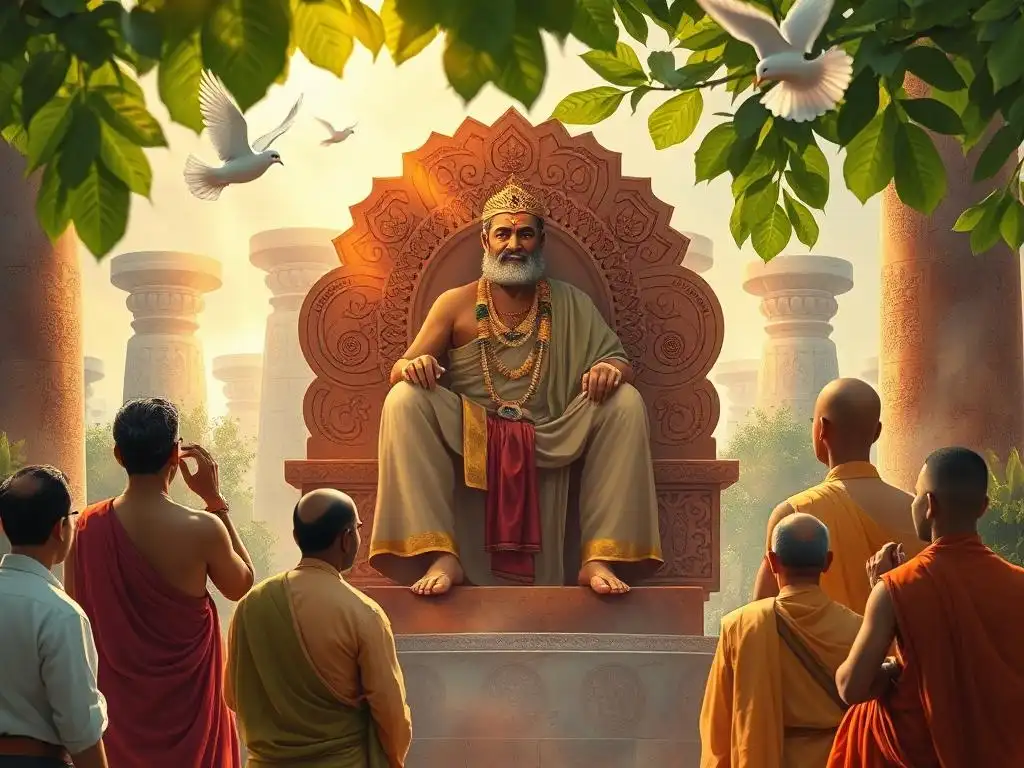
Ashoka the Great, the third emperor of the Maurya Dynasty, is renowned for his significant role in promoting nonviolence and peace following his conversion to Buddhism. His strategies were multifaceted and deeply rooted in the ethical and moral underpinnings of his newfound faith. Here are some key strategies he employed to advocate for nonviolence:
Edicts of Ashoka: Messages of Peace
Ashoka's Edicts, inscribed on rocks and pillars throughout his empire, serve as a testament to his commitment to nonviolence. These inscriptions, written in various languages including Prakrit and Greek, communicated his vision of a just society founded on ethical principles.
- Content of the Edicts: The Edicts emphasized the importance of compassion, respect for life, and the need for moral governance. For instance:
- Ahimsa: Ashoka explicitly promoted the principle of ahimsa, or non-harm, advocating for kindness towards all living beings.
- Social Justice: He called for the welfare of his subjects, emphasizing the need to address the needs of the poor and marginalized.
- Impact on Society: The widespread distribution of the Edicts ensured that Ashoka's messages reached diverse populations across his empire, fostering a collective understanding of nonviolent principles. The Edicts not only served as laws but also as moral guides, encouraging people to adopt peaceful coexistence.
Promotion of Dhamma: Principles of Nonviolence
Ashoka's concept of Dhamma, a key aspect of Buddhist philosophy, played a pivotal role in his promotion of nonviolence.
- Definition and Significance: Dhamma encompasses moral conduct, ethical living, and the pursuit of truth. Ashoka redefined Dhamma to include principles of tolerance and respect for all faiths, aiming to create a harmonious society.
- Implementation of Dhamma:
- Public Welfare Initiatives: Ashoka implemented various welfare measures, such as the establishment of hospitals for both humans and animals, which reflected his commitment to nonviolence.
- Moral Education: He encouraged the dissemination of Dhamma through educational programs that taught the values of nonviolence and compassion.
- Long-term Effects: The emphasis on Dhamma fostered an environment where nonviolent principles became ingrained in the social fabric, influencing future generations and establishing a legacy of peace.
Support for Buddhist Monasteries and Missionaries
Ashoka's support for Buddhism significantly contributed to the spread of nonviolent ideals throughout and beyond his empire.
- Establishment of Monasteries: Ashoka constructed numerous Buddhist monasteries, providing a space for monks to practice and teach the principles of Buddhism, including nonviolence. These monasteries became centers of learning and moral instruction.
- Sending Missionaries: Recognizing the transformative power of Buddhism, Ashoka dispatched missionaries to various regions, including modern-day Sri Lanka and Central Asia, to propagate the teachings of nonviolence.
- Influence on Other Cultures: The missionary efforts led to the establishment of a network of Buddhist communities that embraced nonviolence, shaping the cultural and ethical landscape of the regions they reached.
Ashoka's role in nonviolence was not only reflective of his personal beliefs but also a strategic approach to governance that sought to create a peaceful and compassionate society. His Edicts, promotion of Dhamma, and support for Buddhist institutions were instrumental in embedding the principles of nonviolence into the consciousness of ancient Indian civilization, leaving a lasting impact that resonates through history.
Key Figures in the Peace Movement Associated with Ashoka
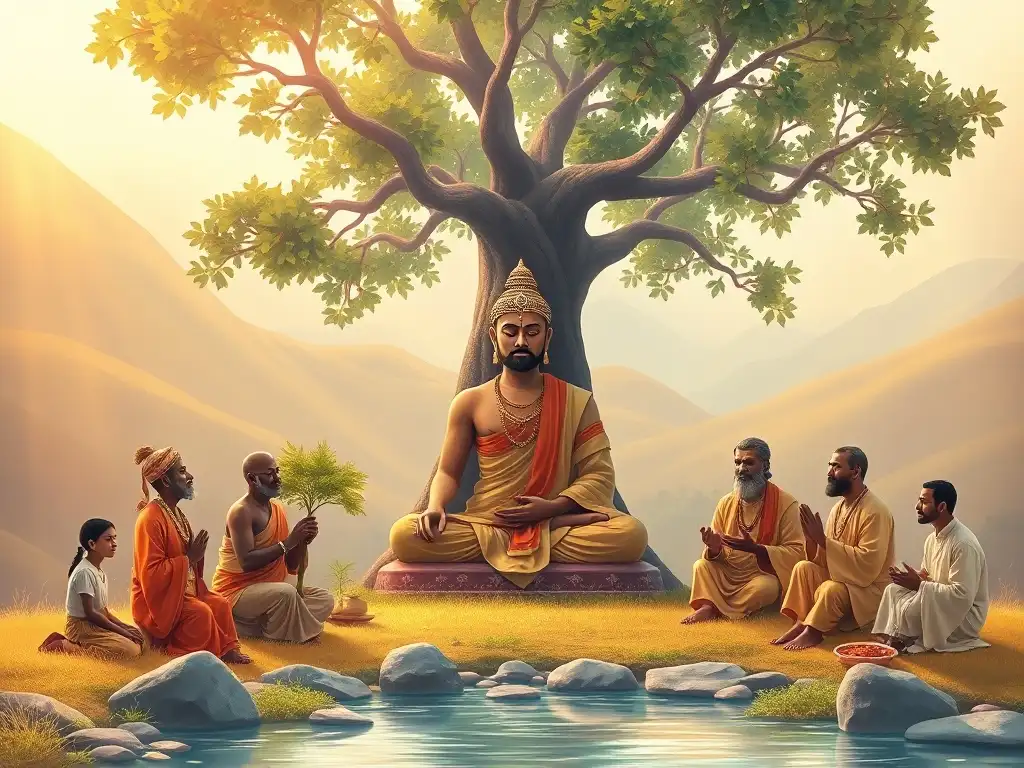
The Maurya Empire, particularly during the reign of Emperor Ashoka, marked a significant turning point in the promotion of nonviolence and peace in ancient India. Ashoka's commitment to Dharma, or righteous living, led to various initiatives aimed at fostering a culture of peace. This commitment was reflected in the roles played by several key figures, including Buddhist monks and Ashoka's advisors, who significantly influenced the peace movement during this period.
Buddhist Monks and Their Influence
Buddhist monks were instrumental in disseminating the principles of nonviolence and compassion across the Maurya Empire. Following Ashoka's conversion to Buddhism after the Kalinga War, he became a patron of the religion, which emphasized ahimsa (nonviolence) as a fundamental tenet.
- Promotion of Buddhist Teachings:
- Ashoka supported the establishment of monasteries (viharas) and stupas, which served as centers for learning and meditation.
- Monks, such as Upagupta, traveled throughout the empire, teaching the virtues of compassion and non-harming.
- The Edicts of Ashoka often echoed these themes, advocating for kindness towards all living beings.
- Social Reform:
- The influence of Buddhist monks extended beyond spiritual teachings. They played a crucial role in social reforms aimed at reducing violence, encouraging vegetarianism, and promoting charitable acts.
- Ashoka's support of the Third Buddhist Council at Pataliputra in 250 BCE helped solidify the teachings of Buddhism, ensuring the spread of nonviolent ideology.
- Cultural Exchange:
- The monks also facilitated cultural exchanges between different regions, promoting understanding and reducing conflict. They acted as mediators in disputes, furthering Ashoka's vision of a harmonious society.
Role of Ashoka's Advisors in Promoting Nonviolence
In addition to Buddhist monks, Ashoka's advisors played a pivotal role in shaping his policies on nonviolence. These advisors, many of whom were well-versed in philosophy and governance, helped to implement Ashoka's vision throughout the empire.
- Strategic Counsel:
- Kautilya’s Influence: While Kautilya, or Chanakya, is often associated with political strategy, his teachings also encompassed the importance of ethical governance. His influence likely contributed to Ashoka’s shift from militaristic policies to a focus on moral and ethical leadership.
- Advisors encouraged Ashoka to prioritize diplomacy over warfare, advocating for peaceful coexistence among the diverse cultures in the empire.
- Implementation of Edicts:
- Ashoka's advisors aided in the dissemination of his Edicts, which outlined his commitment to nonviolence. These inscriptions were placed in public spaces, making them accessible to the general populace.
- Through these edicts, advisors helped to institutionalize nonviolent principles in governance, reinforcing Ashoka's ideals within the administrative framework.
- Promotion of Welfare Programs:
- The advisors also helped Ashoka establish various welfare programs aimed at improving the lives of his subjects. Initiatives such as building hospitals, planting trees, and digging wells were part of a broader strategy to promote a peaceful and prosperous society.
- By addressing the needs of the population, they fostered goodwill and reduced the potential for conflict, aligning with Ashoka's nonviolent approach.
The promotion of nonviolence during Ashoka's reign was a collective effort, involving the significant contributions of Buddhist monks and the strategic guidance of his advisors. Together, they helped establish a legacy that continues to inspire peace movements today, illustrating Ashoka's profound impact on the concept of nonviolence in ancient India.
Impact of Ashoka's Nonviolent Philosophy
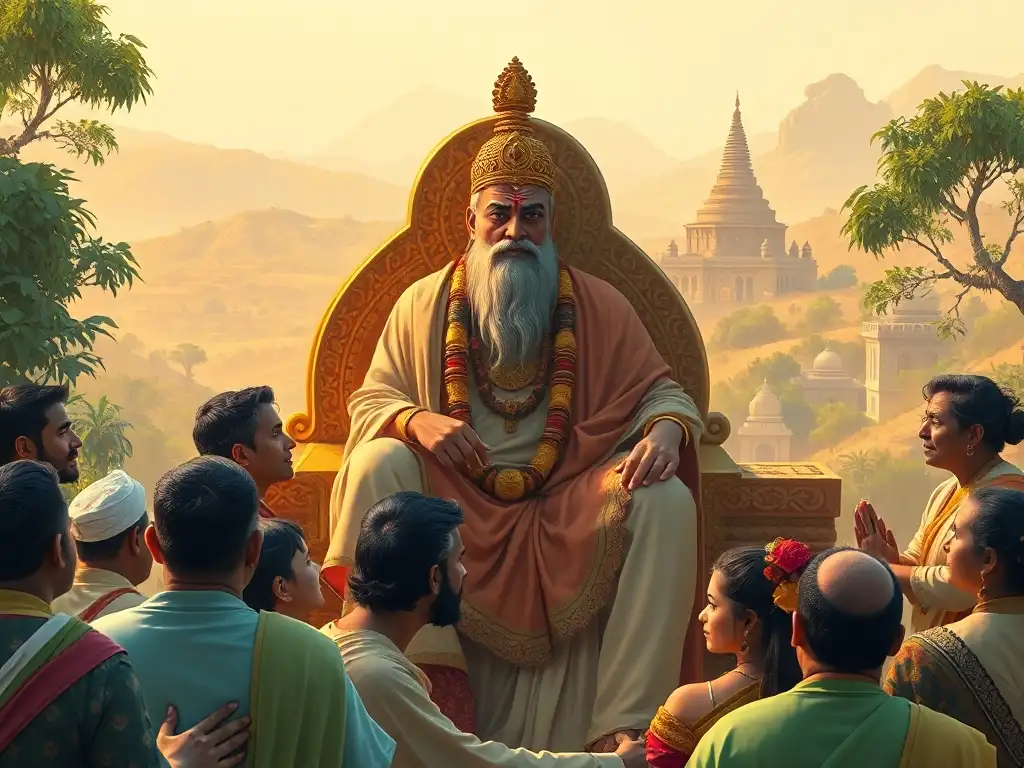
The impact of Ashoka's nonviolent philosophy extends far beyond his rule, shaping not only the Maurya Empire but also influencing subsequent generations of rulers and societies. Ashoka, after his conversion to Buddhism, embraced the principles of ahimsa (nonviolence) and dharma (moral law), which became cornerstones of his administration and public policy. His approach to governance was marked by a profound commitment to compassion, tolerance, and ethical conduct.
Influence on Subsequent Indian Rulers
Ashoka's teachings on nonviolence left an indelible mark on the rulers who succeeded him. Many adopted his principles, either as a means to legitimize their authority or as a reflection of the evolving political and cultural landscape of ancient India.
- Buddhist Influence on Governance:
- Rulers like Kanishka of the Kushan Empire and Harsha embraced Buddhist values, promoting peace and tolerance. Their reigns saw the flourishing of Buddhist institutions and a general emphasis on ethical leadership.
- Promotion of Nonviolent Policies:
- Following Ashoka's example, several rulers implemented policies that emphasized diplomacy over warfare. For instance, the Gupta Empire, known for its cultural advancements, also adhered to nonviolent principles in its foreign relations, focusing on trade and cultural exchange rather than military conquest.
- Cultural Integration:
- Ashoka's vision of a unified and peaceful society influenced the integration of diverse cultures within India. This was particularly evident during the rule of Samudragupta, who, while a warrior king, also promoted art and literature that echoed the themes of peace and coexistence.
- Religious Tolerance:
- Ashoka’s edicts, which advocated for religious tolerance, served as a model for future rulers. The Mughal Empire, particularly under Akbar, would later adopt similar policies, fostering a climate of acceptance and pluralism within a diverse religious landscape.
Ashoka's role in nonviolence established a precedent that many Indian rulers would reference, consciously or unconsciously, influencing the moral fabric of governance in ancient India for centuries to come.
Legacy of Ashoka in Modern Peace Movements
The legacy of Ashoka's nonviolent philosophy resonates strongly in contemporary peace movements, both in India and globally. His commitment to ahimsa not only transformed his empire but also provided a foundational framework for later advocates of peace.
- Inspiration for Leaders:
- Ashoka's philosophy has inspired numerous leaders, including Mahatma Gandhi. Gandhi's principles of Satyagraha (truth force) draw heavily from Ashoka's teachings on nonviolence, emphasizing the power of peaceful resistance against oppression.
- Global Nonviolence Movements:
- The principles articulated by Ashoka have been echoed in various global movements advocating for civil rights and social justice. The Civil Rights Movement in the United States, led by figures like Martin Luther King Jr., directly reflects Ashoka's ideals of nonviolence and moral justice.
- Educational Initiatives:
- Organizations dedicated to peace education often reference Ashoka's teachings. Schools and institutions promote his philosophy as a means to cultivate understanding and respect among diverse communities.
- United Nations Initiatives:
- The United Nations recognizes the significance of nonviolence in achieving sustainable peace. Initiatives inspired by Ashoka's legacy are incorporated into peace-building efforts worldwide, advocating for dialogue and reconciliation instead of conflict.
Ashoka's role in nonviolence remains a significant touchstone in the discourse surrounding peace and conflict resolution, highlighting the enduring power of compassion and ethical governance in shaping societies. His legacy continues to inspire movements and individuals committed to fostering a more peaceful world.
Conclusion: Ashoka's Enduring Influence on Nonviolence
Summary of Ashoka's Role in Nonviolence
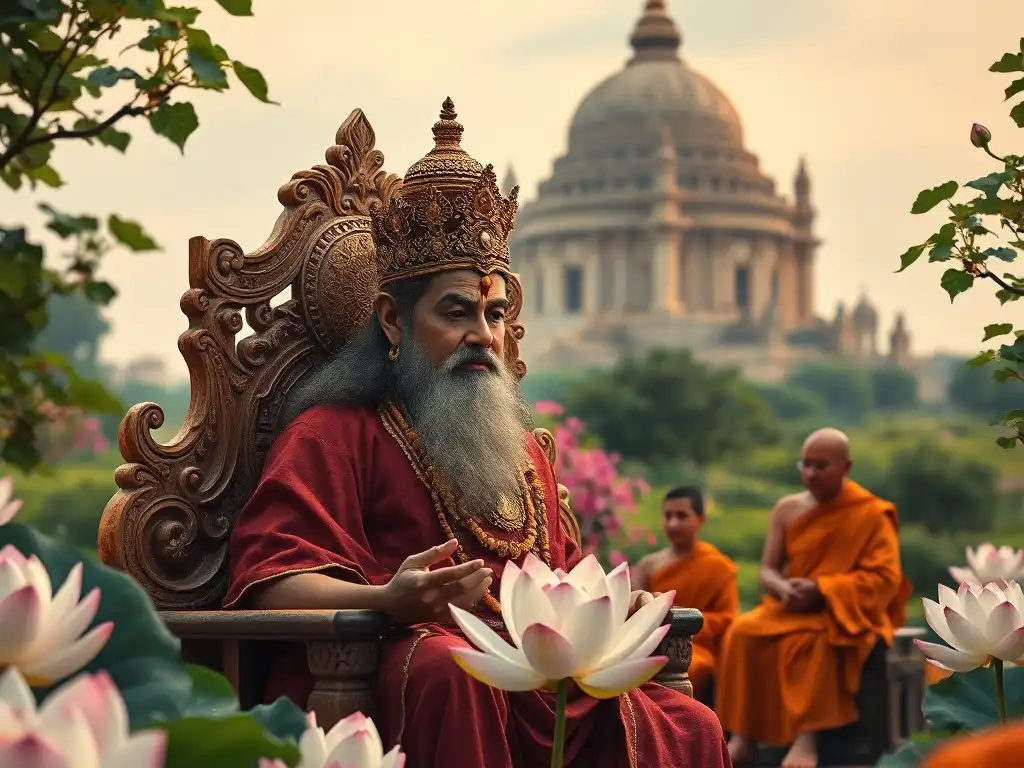
Ashoka, the third Mauryan emperor who reigned from 268 to 232 BCE, is often hailed as a pioneering figure in the promotion of nonviolence. His transformation from a warrior king to a proponent of peace is emblematic of his profound influence on ethical governance and societal values. Following the devastating Kalinga War, which led to significant loss of life and suffering, Ashoka experienced a profound change of heart. This pivotal moment prompted him to embrace the principles of Dhamma, a moral code grounded in compassion, respect for life, and nonviolence.
To institutionalize his commitment to nonviolence, Ashoka implemented several measures:
- Edicts of Ashoka: He inscribed numerous edicts on pillars and rocks throughout his empire, advocating for nonviolence and ethical behavior. These edicts served as public proclamations to educate and guide his subjects in moral conduct.
- Promotion of Buddhism: Ashoka played a crucial role in the spread of Buddhism, which emphasizes ahimsa (nonviolence) and compassion towards all living beings. His patronage allowed Buddhist teachings to flourish, significantly influencing societal norms.
- Social Welfare Programs: He established hospitals, shelters, and irrigation systems, reflecting his concern for the well-being of his people and the environment, further reinforcing his commitment to nonviolence by addressing the root causes of violence and suffering.
Ashoka's role in nonviolence is not merely historical; it represents a foundational ethos that resonates through centuries, influencing leaders and movements advocating for peace and justice.
Reflection on the Relevance of Ashoka's Teachings Today
The teachings of Ashoka on nonviolence remain extraordinarily relevant in today's context, where conflicts and violence still plague societies across the globe. His insights into the importance of moral leadership and ethical governance serve as a guiding light for contemporary leaders and activists.
In a world grappling with issues such as terrorism, war, and social injustice, Ashoka’s principles can be a blueprint for peacebuilding. His approach emphasizes a few key ideas:
- Compassion Over Conquest: Ashoka’s shift from military conquest to compassionate governance illustrates the power of empathy in leadership. Modern leaders can learn from this by prioritizing dialogue and understanding over aggression.
- Community and Social Welfare: By investing in the welfare of his subjects, Ashoka demonstrated that peace is not just the absence of conflict but also the presence of social equity and justice. This principle is vital today as communities strive to address disparities and promote inclusivity.
- Education and Awareness: The dissemination of his edicts underscores the importance of educating societies about nonviolence. Today, incorporating nonviolent principles into educational systems can cultivate a culture of peace among future generations.
- Global Movements for Peace: Ashoka's legacy inspires various global movements advocating for nonviolence, such as those led by figures like Mahatma Gandhi and Martin Luther King Jr. Their philosophies draw heavily on Ashoka’s teachings, emphasizing that nonviolent resistance can bring about significant social change.
In sum, Ashoka's role in nonviolence transcends time and continues to inspire individuals and movements aimed at fostering peace. His legacy serves as a powerful reminder of the impact of compassionate leadership and the enduring necessity of nonviolence in our world.
Frequently Asked Questions
What was Ashoka's key contribution to nonviolence?
Ashoka, the third Mauryan emperor, is renowned for his promotion of nonviolence through his edicts and policies, emphasizing compassion and tolerance after his conversion to Buddhism.
How did Ashoka's reign impact Indian civilization?
Ashoka's reign significantly impacted Indian civilization by establishing a framework for ethical governance and promoting the principles of dharma, which encouraged peaceful coexistence.
What were the edicts of Ashoka?
The edicts of Ashoka were inscriptions on pillars and rocks that conveyed messages of moral values, nonviolence, and responsibilities towards all living beings, guiding his subjects toward a peaceful lifestyle.
How did Ashoka influence later peace movements?
Ashoka's commitment to nonviolence and tolerance inspired future peace movements, both in India and around the world, as his principles resonate with modern ideals of social justice and human rights.
What role did Buddhism play in Ashoka's promotion of nonviolence?
Buddhism profoundly influenced Ashoka's policies, as its tenets of ahimsa (non-harm) aligned perfectly with his vision of a peaceful society, leading to a significant cultural shift in ancient India.
Final Reflection: Ashoka's Enduring Legacy in Nonviolence
Ashoka's role in nonviolence resonates profoundly in today's world, where the echoes of conflict and the cries for peace are more relevant than ever. As we navigate through turbulent times marked by social unrest and violence, the principles championed by Ashoka serve as a guiding light, reminding us that true strength lies not in aggression, but in compassion and understanding. His commitment to nonviolence not only transformed his own empire but also laid the groundwork for future peace movements, demonstrating that a single leader's vision can ripple through history and inspire generations.
Culture and society continue to be shaped by the ideals of nonviolence that Ashoka so fervently advocated. His teachings have influenced countless figures in the peace movement, from Mahatma Gandhi to Martin Luther King Jr., who drew inspiration from Ashoka's edicts to promote justice through peaceful means. Nonviolence is a weapon of the strong,
said Gandhi, echoing Ashoka's belief that the mightiest force is one rooted in love and respect for all life. This ongoing influence underscores the importance of Ashoka's legacy, reminding us that the path to peace is paved with empathy and dialogue.
As we reflect on Ashoka's role in nonviolence, let us take a moment to consider how we can embody these principles in our daily lives. I invite you to explore ways to promote peace within your own communities, whether through acts of kindness, open conversations, or standing up against injustice. The lessons of Ashoka are not just historical; they are a call to action for each of us to cultivate a world where nonviolence prevails, ensuring that his legacy continues to inspire a brighter, more harmonious future for all.
Embrace Nonviolence and Make a Difference Today!
Thank you for diving into the inspiring story of how Ashoka championed nonviolence and shaped the peace movement! You've uncovered valuable lessons that can empower your actions and influence those around you. Now, it’s time to take these insights and turn them into meaningful steps toward promoting peace in our world.
Here’s how you can actively contribute to the legacy of nonviolence:
- Start a conversation: Share what you've learned with friends and family or host a discussion group about the importance of nonviolence in today’s society.
- Volunteer for peace-oriented organizations: Explore local or global initiatives that focus on conflict resolution and community support.
- Reflect on your conflicts: Maintain a journal to identify situations where you can choose nonviolent approaches, and track your progress in fostering harmonious relationships.
As you consider these suggestions, remember that every small step counts. How will you integrate the principles of nonviolence into your everyday life?