
The Role of Western India in Early Trade Routes: A Historical Perspective

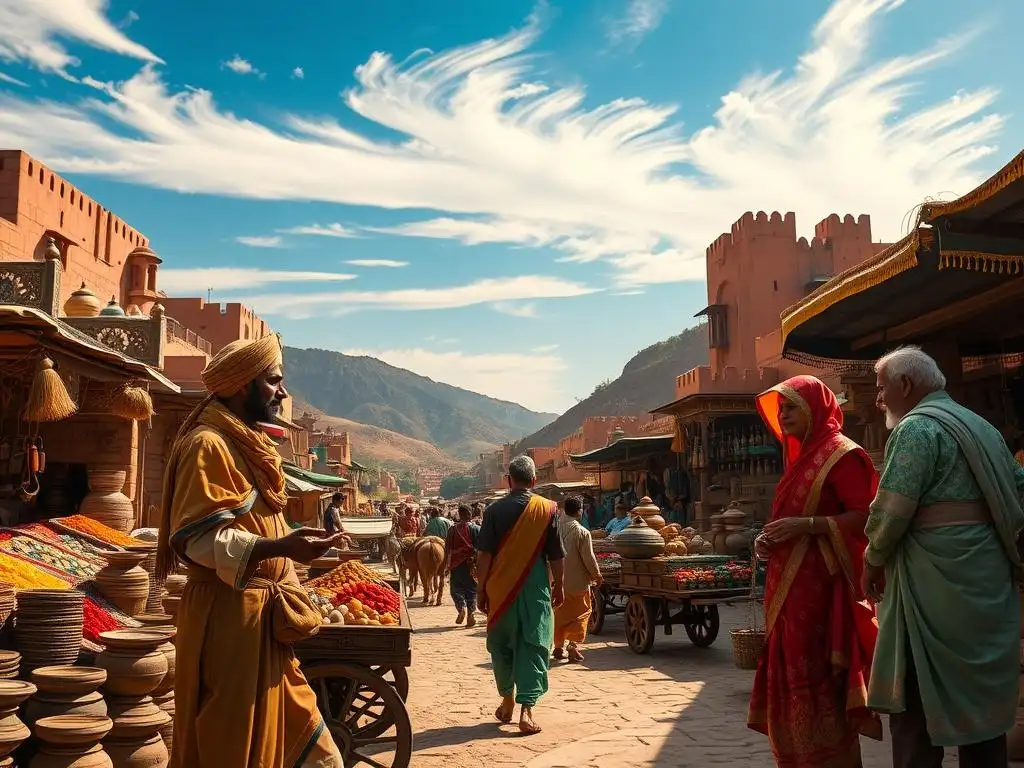
Welcome to Ancient India History, where we embark on a mesmerizing journey through time to uncover the rich and diverse tapestry of ancient Indian civilizations. In this exploration, we delve into the captivating Western India ancient trade routes, revealing their pivotal role in shaping economic and cultural exchanges across the region. What mysteries and vibrant stories lie within these ancient pathways? Join us as we unravel the historical significance of these trade routes and their lasting impact on the world. Your adventure into the depths of history begins now!
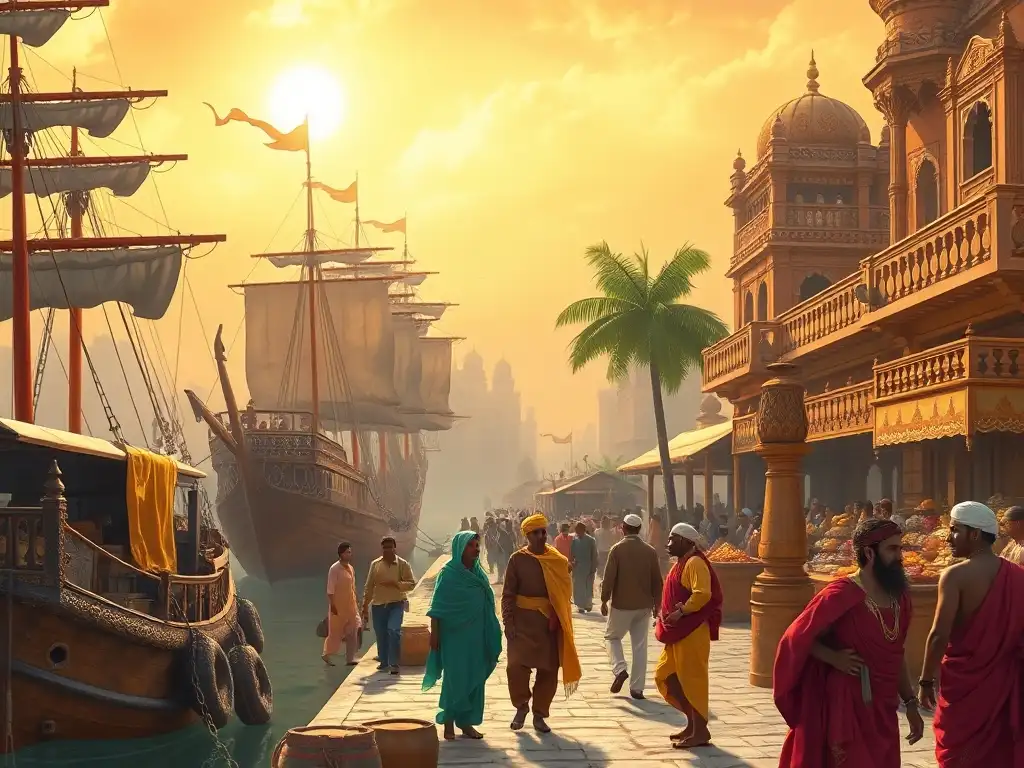
Introduction to Western India Ancient Trade Routes
The historical significance of Western India in the context of ancient trade routes cannot be overstated. This region, characterized by its diverse geography and vibrant culture, served as a crucial nexus for trade and commerce, connecting various civilizations across land and sea.
From the bustling ports of Gujarat to the rich hinterlands of Maharashtra, Western India played a pivotal role in facilitating trade not only within the Indian subcontinent but also with distant lands such as the Roman Empire, Persia, and Southeast Asia. The intricate network of trade routes that emerged during ancient times fostered not only economic exchange but also cultural interactions, making Western India a melting pot of ideas, practices, and goods.
Overview of Trade in Ancient India
Trade in ancient India thrived due to its strategic geographical location and abundant resources. The region was known for its:
- Rich natural resources: Spices, textiles, precious stones, and metalwork were among the primary goods traded.
- Established trade routes: Land routes such as the Silk Road and maritime routes across the Arabian Sea facilitated extensive trade networks.
- Market hubs: Cities like Taxila and Ujjain became important centers of commerce, attracting merchants from various regions.
The trade practices were not merely economic activities but were intertwined with social and cultural exchanges, significantly influencing the development of ancient Indian society.
Significance of Trade Routes in Historical Context
The trade routes of Western India were vital in shaping historical events and interactions. They contributed to:
- Cultural diffusion: The exchange of ideas, religions, and technologies between different civilizations, enriching the cultural tapestry of India.
- Economic growth: The influx of wealth and resources bolstered local economies and contributed to the rise of powerful kingdoms.
- Political alliances: Trade facilitated diplomatic relations and power dynamics, as regional leaders sought to control lucrative routes.
Understanding the historical context of these trade routes provides essential insights into how Western India emerged as a significant player in the ancient world.
Geographic and Cultural Landscape of Western India
Western India is characterized by a unique geographic and cultural landscape that greatly influenced its trade activities. The region includes diverse terrains such as coastal areas, deserts, and fertile plains, each contributing to different trade practices and goods.
Major Regions Involved in Trade
The major regions of Western India that were integral to ancient trade include:
- Gujarat: Known for its thriving ports like Sopara and Bharuch, Gujarat was a key player in maritime trade.
- Maharashtra: The Konkan coast facilitated trade with Southeast Asia, while the Deccan plateau contributed agricultural products.
- Rajasthan: Although primarily desert, its strategic location linked it with northwestern trade routes.
These regions not only acted as commercial hubs but also as cultural bridges, fostering interactions among various communities.
Cultural Influences on Trade Practices
The trade practices in Western India were deeply influenced by the region's rich cultural heritage. Factors that shaped these practices included:
- Religious beliefs: Hinduism, Buddhism, and Jainism played significant roles in trade ethics and community relations.
- Artistic expressions: Trade routes facilitated the exchange of artistic techniques, influencing architecture, textiles, and crafts.
- Social structures: The caste system and guilds shaped trade dynamics, determining who could engage in commerce and how goods were exchanged.
The interplay of geography, culture, and trade in Western India laid the foundation for a vibrant economic landscape that thrived for centuries, making it a significant chapter in the history of ancient trade routes.
Key Trade Routes of Western India
Western India played a pivotal role in the development of early trade routes, serving as a crucial link between various civilizations across the Indian subcontinent and beyond. The region's strategic location facilitated both maritime and overland trade, contributing significantly to the economic prosperity of ancient Indian kingdoms. Major trade routes traversed through Western India, connecting it with the Middle East, Africa, and even parts of Southeast Asia. These routes not only facilitated the exchange of goods but also the dissemination of ideas, cultures, and technologies, making Western India a melting pot of diversity and innovation.
The Silk Route: Connections and Impact
The Silk Route, one of the most famous trade routes in history, extended its reach into Western India, particularly through the region of Gujarat. This route connected China with the Mediterranean, facilitating the exchange of silk, spices, and other luxury goods. Merchants and traders from various cultures traversed this route, leading to a vibrant exchange of not just commodities, but also philosophies and religions.
The impact of the Silk Route on Western India was profound. It enabled local traders to access a broader market, enhancing the wealth and cultural richness of the region. Cities like Ahmedabad and Surat emerged as bustling trade hubs, where caravans loaded with goods from the East converged with those from the West. The interaction along the Silk Route also fostered diplomatic relationships, as Western Indian kingdoms engaged with foreign powers to secure trade agreements, further solidifying their economic influence.
Maritime Trade Routes: Ports and Navigation
Maritime trade routes were equally significant in shaping the economic landscape of Western India. The Arabian Sea served as a vital artery for trade, with prominent ports like Surat, Diu, and Mandvi facilitating maritime commerce. These ports were well-equipped to handle large vessels, enabling the import and export of a variety of goods.
Indian merchants developed advanced navigation techniques, which allowed them to embark on long sea voyages. They traded not only with neighboring regions but also with distant lands such as the Roman Empire and East Africa. The trade of textiles, spices, and other commodities flourished, and the wealth generated from maritime trade contributed to the prosperity of Western Indian kingdoms. The bustling ports became melting pots of cultures, where traders from different backgrounds interacted, exchanged ideas, and enriched the local culture.
Overland Trade Routes: Caravans and Commerce
Overland trade routes were vital for the movement of goods across the interior of Western India. Caravans laden with various commodities traveled along well-established paths connecting Western India to Central Asia and the Middle East. These routes facilitated the transport of not only goods but also people and ideas.
The overland routes were characterized by a network of caravanserais—inns designed to accommodate traders and their animals—ensuring the safety and comfort of travelers. The trade routes through the Thar Desert and the Aravalli Range were particularly significant, as they provided access to valuable resources and markets. Goods such as textiles, spices, and agricultural products were exchanged for precious metals, stones, and other luxury items, contributing to a vibrant commercial ecosystem.
Major Goods Traded through Western India
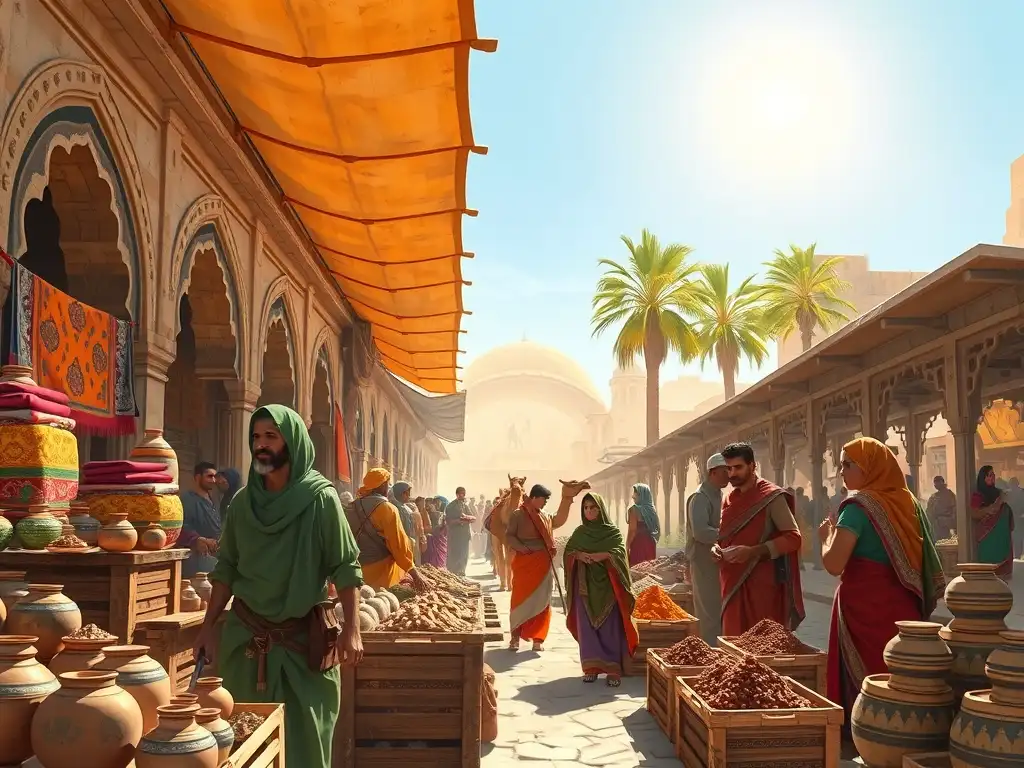
Trade in Western India was marked by a diverse array of goods that not only catered to local needs but also attracted international markets. The region's unique geographical and climatic conditions allowed for the production of various commodities, which became highly sought after in ancient trade.
Spices and Textiles: The Backbone of Trade
Spices and textiles were the backbone of Western India's trade network, with the region being renowned for its rich variety of both. Spices such as black pepper, cardamom, and turmeric were not only used for culinary purposes but also held significant value in traditional medicine and rituals. The demand for these spices extended beyond India, reaching markets as far as Europe and the Middle East.
Textiles, particularly cotton and silk, were another major export. The skilled artisans of Western India produced intricately woven fabrics, which were highly prized by traders. The production of textiles not only provided economic benefits but also fostered a rich cultural heritage, as different weaving techniques and designs reflected the diverse communities within the region. The flourishing textile trade contributed to the wealth of Western Indian kingdoms, enabling them to play a crucial role in international commerce.
Precious Metals and Stones: Wealth Distribution
Precious metals and stones were essential components of Western India's trade, contributing to the region's status as a center for wealth distribution. Gold and silver, often sourced from nearby mines, were in high demand for crafting jewelry and religious artifacts. The region's skilled craftsmen excelled in the art of metalwork, producing intricate pieces that showcased exceptional artistry and craftsmanship.
Additionally, Western India was known for its gemstones, such as diamonds, rubies, and emeralds, which attracted traders from across the world. The trade in precious stones not only boosted the local economy but also established Western India as a critical node in the global gem trade. The wealth generated from these trades played a significant role in funding local dynasties and enhancing the cultural landscape through patronage of the arts and architecture.
Other Commodities: A Diverse Trade Portfolio
Besides spices, textiles, and precious metals, Western India was a hub for a range of other commodities that enriched its trade portfolio. Agricultural products such as rice, wheat, and sugar were significant exports, catering to both local and international markets. The region's fertile plains allowed for diverse agricultural practices, which ensured a steady supply of food.
Additionally, Western India engaged in the trade of traditional medicines, herbs, and crafts, which were sought after for their unique properties. The exchange of these commodities contributed to a vibrant economy and reflected the region's adaptability in meeting market demands. This diversity in trade goods not only strengthened Western India's position in the ancient trade networks but also enriched its cultural and economic landscape.
Influential Civilizations and Their Contributions
Western India has played a significant role in shaping ancient trade routes due to its strategic geographical location and rich cultural heritage. The region was home to influential civilizations, each contributing to the development of trade networks that extended far beyond its borders. The thriving urban centers established during the Indus Valley Civilization laid the groundwork for commerce through advanced urban planning and trade practices. Subsequently, the Mauryan and Gupta Empires expanded trade further, implementing policies that facilitated economic growth and international trade relations.
The wealth generated from trade enabled local kingdoms to flourish, often forming alliances and engaging in commerce with neighboring regions. Furthermore, Western India's diverse cultural influences, from its artisans to its culinary traditions, enriched the trade experience, attracting merchants from distant lands. This vibrant trade ecosystem not only enhanced the economy but also fostered cultural exchanges that left a lasting impact on the region's history and development.
The Mauryan Empire: Trade Expansion and Policies
The Mauryan Empire, which thrived from 322 to 185 BCE, was instrumental in expanding trade routes across Western India. Under the leadership of Emperor Ashoka, the empire adopted policies that promoted trade and commerce, emphasizing the importance of maintaining infrastructure such as roads and ports. This period saw the establishment of a vast network of trade routes connecting Western India to regions like Central Asia and the Mediterranean.
Mauryan policies included the reduction of trade tariffs and the implementation of standardized weights and measures, which streamlined trade operations and encouraged merchants to engage in long-distance commerce. The empire’s capital, Pataliputra, became a bustling marketplace where goods from various regions were exchanged, further solidifying Western India's position in the ancient trade landscape.
The Gupta Empire: Economic Prosperity and Trade
The Gupta Empire, known for its Golden Age from approximately 240 to 550 CE, marked a period of remarkable economic prosperity. This era saw the consolidation of trade networks that linked Western India with far-reaching markets in the East and West. The Guptas recognized the significance of trade as a driver of economic growth, thus investing in infrastructure improvements such as roads and irrigation systems.
The prosperity during this time was reflected in the flourishing of local craftsmanship, with textiles, metalwork, and spices becoming highly sought after in international markets. The Gupta administration also established trade relations with regions like Rome and Southeast Asia, resulting in a rich exchange of goods and ideas. This extensive trade network not only promoted economic stability but also facilitated the spread of culture and innovation across the region.
Local Kingdoms: Regional Trade Dynamics
In addition to the major empires, various local kingdoms in Western India played a vital role in the dynamics of regional trade. Kingdoms such as the Satavahanas and the Rashtrakutas contributed to the local and regional economies by establishing trade hubs and promoting agricultural production. The Satavahanas, for instance, were known for their support of trade routes that connected the Deccan Plateau to the western coastal regions, facilitating the movement of goods such as textiles and gemstones.
These local kingdoms often engaged in diplomatic relations and trade agreements with neighboring territories, enhancing their economic stature and cultural exchange. The integration of local resources into the broader trade network created a vibrant marketplace atmosphere that attracted merchants from various backgrounds, contributing to the rich tapestry of Western India's historical trade legacy.
The Role of Western India in Global Trade Networks
Western India was not only significant in facilitating local trade but also played a crucial role in global trade networks during ancient times. Its ports, such as those in present-day Gujarat and Maharashtra, served as crucial points of entry and exit for goods exchanged between different continents. The region’s geographical advantage allowed it to act as a bridge connecting the Indian subcontinent with the Middle East, Africa, and Southeast Asia.
Connections to the Middle East and Africa
The trade routes from Western India to the Middle East and Africa were vital for the exchange of goods, ideas, and culture. Spices, textiles, and precious stones were among the primary exports from Western India, sought after by traders in these regions. Goods such as ivory, gold, and silver from Africa and the Middle East found their way to Indian markets in exchange.
Port cities like Surat became important trading hubs, attracting merchants from Arab and Persian regions. The establishment of maritime trade routes further enhanced these connections, allowing for more efficient transportation of goods across the Arabian Sea. This rich interplay of commerce not only bolstered Western India's economy but also facilitated cultural exchanges, influencing art, architecture, and religious practices across continents.
Influence on Southeast Asian Trade
The influence of Western India extended significantly into Southeast Asia, as merchants from the region established robust trade networks that linked the Indian subcontinent with various Southeast Asian kingdoms. Indian traders played a crucial role in the spread of Hinduism and Buddhism in these regions through their interactions and trade relations.
The trade of commodities, including spices, textiles, and ceramics, flourished as Indian merchants navigated the seas, establishing trading posts and settlements along the coasts of Southeast Asia. This exchange enriched both regions, with Western India benefitting from the influx of exotic goods and ideas while simultaneously influencing the cultural landscape of Southeast Asia. The legacy of these trade connections remains evident today in the shared cultural and historical ties between India and Southeast Asian nations.
Challenges and Changes in Trade Routes
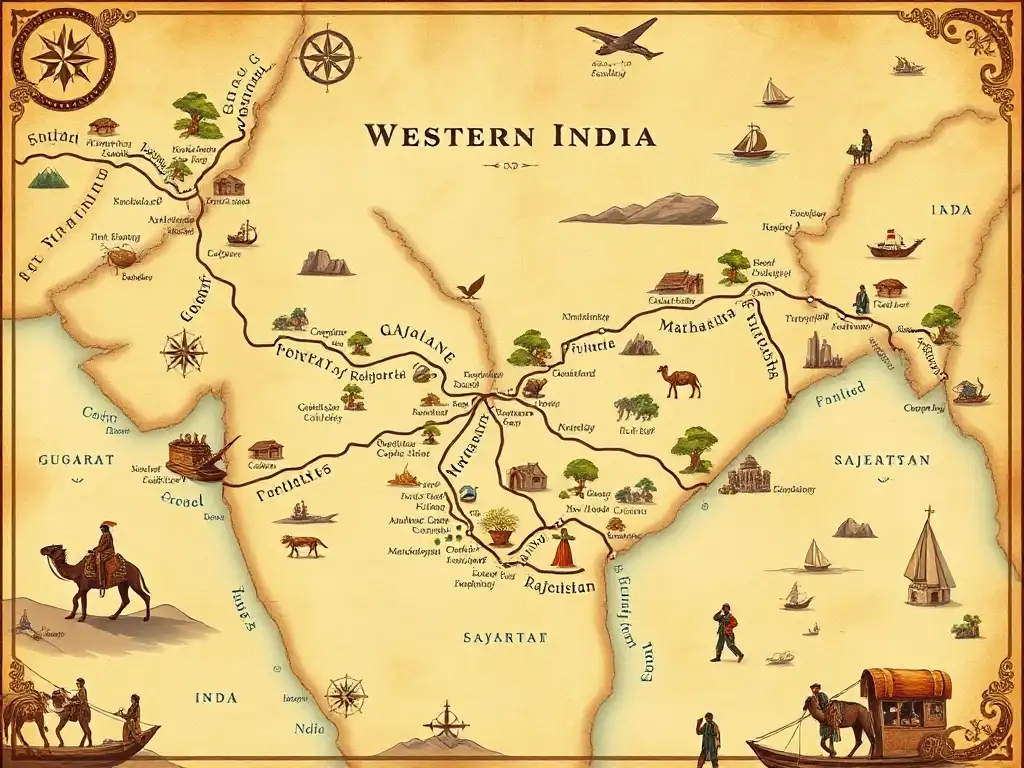
The ancient trade routes of Western India were not static; they evolved in response to a myriad of challenges and changes over time. These routes, which connected the Indian subcontinent with various regions such as Mesopotamia, Arabia, and even parts of Africa, faced significant obstacles. Environmental factors, like monsoons and geographical barriers, often dictated the viability of trade paths. Additionally, political changes, including the rise and fall of empires, could swiftly alter the dynamics of trade.
Merchants frequently had to navigate hostile territories, banditry, and changing political allegiances. As the demand for goods fluctuated, so did the routes themselves, adapting to new centers of commerce and shifting markets. The interplay of these challenges and changes not only influenced the economic landscape of the time but also shaped cultural exchanges, leading to a rich tapestry of interactions that defined the era.
Environmental and Political Factors
Western India is characterized by its diverse geography, which includes coastal regions, deserts, and fertile plains. These environmental features played a crucial role in shaping trade routes. The monsoon winds, for example, were vital for maritime trade, enabling ships to sail to and from ports like Surat and Bharuch. Conversely, the harsh conditions of the Thar Desert posed challenges for overland routes, often leading traders to seek safer, more reliable paths.
Political stability was equally critical. The presence of strong kingdoms, such as the Maurya and Gupta Empires, facilitated trade by providing security and infrastructure. However, periods of conflict and fragmentation, such as during the rise of regional powers in the medieval period, could disrupt trade. The changing political landscape often forced merchants to adapt, either by altering their routes or by forming alliances to ensure safe passage.
Transition from Ancient to Medieval Trade Practices
As Western India transitioned from ancient to medieval trade practices, several notable shifts occurred. The established trade routes began to incorporate new goods and cultural influences, reflecting broader changes in the economy and society. The burgeoning demand for spices, textiles, and precious metals influenced trade dynamics, leading to the emergence of new trading cities and hubs.
With the rise of Islamic empires around the 8th century, Western India saw an influx of new trade practices, including the introduction of new currency systems and mercantile laws. This period marked a significant evolution in trade networks, as Western Indian merchants began to engage with new markets across the Arabian Peninsula and beyond. The fusion of Indian and foreign trading practices not only enriched the region's economy but also facilitated a cross-cultural exchange that had lasting implications for art, technology, and philosophy.
Conclusion: The Legacy of Western India Ancient Trade Routes
The ancient trade routes of Western India left an indelible mark on the region's history, shaping its economic, cultural, and social landscapes. These routes were more than mere pathways for goods; they were conduits for ideas, technologies, and cultural practices, contributing to the rich tapestry of Indian civilization.
Lasting Impact on Modern Trade and Culture
The legacy of Western India's ancient trade routes is evident in contemporary trade practices and cultural exchanges. Modern trade networks still echo the paths laid down by ancient merchants, with cities like Mumbai embodying the spirit of historical trading hubs. The region's rich tradition of craftsmanship, particularly in textiles and jewelry, continues to thrive, drawing upon techniques and styles developed over centuries.
Furthermore, the cultural influences that traversed these routes have persisted, evident in the diverse culinary traditions, art forms, and languages found in Western India today. This historical interconnectedness has contributed to a vibrant cultural identity that continues to evolve while honoring its ancient roots.
Reflection on the Historical Importance of Western India in Trade
Reflecting on the historical importance of Western India in trade reveals a complex narrative of resilience, adaptation, and cultural synthesis. The region's strategic location made it a focal point for commerce, connecting the Indian subcontinent to global trade networks long before modern globalization.
The interactions facilitated by these ancient trade routes fostered a sense of shared identity among diverse communities, promoting mutual understanding and cooperation. As we explore the rich history of Western India, it becomes clear that its ancient trade routes not only shaped economic practices but also laid the foundation for a cultural legacy that resonates through time, reminding us of the enduring power of trade and exchange in human history.
References and Further Reading
The history of Western India's ancient trade routes is rich and complex, with a wealth of scholarly resources available for those interested in delving deeper into this fascinating topic. Below, we provide a selection of suggested academic texts and online resources that can enhance your understanding of the early trade networks that flourished in this region.
Suggested Academic Texts on Ancient Trade Routes
-
"The Spice Trade of the Roman Empire" by J. M. H. Smith
This text explores the intricate trade networks that connected the Roman Empire with eastern regions, including Western India, and how these routes facilitated the exchange of spices, textiles, and other goods.
-
"Trade and Traders in the Roman Empire" by J. M. W. Smith
This comprehensive study examines the roles of various traders and the implications of trade relationships within the Roman Empire, highlighting the importance of Western India in these networks.
-
"India and the Indian Ocean World: Commerce and Connectivity" by R. S. B. Singh
Singh's work investigates the maritime trade routes linking Western India with the Indian Ocean, detailing the cultural and economic exchanges that shaped the region's history.
-
"The Ancient Economy" by M. I. Finley
This classic work provides insights into the economic systems of ancient civilizations, including those in Western India, and discusses the significance of trade in shaping these societies.
-
"The Indus Valley Civilization: A Historical Perspective" by S. R. B. Rao
Rao's book offers an overview of the Indus Valley Civilization, including its trade practices and the impact of these activities on subsequent cultures in Western India.
Online Resources for Exploring Western India's Trade History
-
Digital South Asia Library
This online resource offers access to a collection of historical texts, maps, and academic papers that provide valuable information on the trade routes of ancient Western India.
-
The Indian Council of Historical Research (ICHR)
The ICHR website features a range of publications and research papers on Indian history, including articles focused on trade and commerce in ancient India.
-
The Archaeological Survey of India (ASI)
ASI’s official site includes reports and findings from archaeological excavations in Western India, shedding light on the trade networks and economic activities of ancient civilizations.
-
Project MUSE
An online database providing access to academic journals and books related to history and trade, including numerous articles on the trade routes of Western India.
-
Academia.edu
A platform where scholars share research papers, including studies related to ancient trade routes in Western India. Users can search for specific topics and access a multitude of scholarly works.
These texts and resources will provide a solid foundation for understanding the historical significance of Western India's ancient trade routes and their impact on the broader context of Indian civilization.
- Introduction to Western India Ancient Trade Routes
- Overview of Trade in Ancient India
- Geographic and Cultural Landscape of Western India
- Key Trade Routes of Western India
- Major Goods Traded through Western India
- Influential Civilizations and Their Contributions
- The Role of Western India in Global Trade Networks
- Challenges and Changes in Trade Routes
- Conclusion: The Legacy of Western India Ancient Trade Routes
- References and Further Reading
- What were the major ancient trade routes in Western India?
- How did Western India contribute to cultural exchanges through trade?
- Which civilizations thrived along the trade routes in Western India?
- What role did geography play in the development of trade routes in Western India?
- How did the Western India ancient trade routes influence modern trade?
Frequently Asked Questions
What were the major ancient trade routes in Western India?
Western India was part of significant trade networks like the Silk Route and Maritime Spice Route, which facilitated the exchange of goods between the East and West.
How did Western India contribute to cultural exchanges through trade?
The trade routes in Western India not only enabled the movement of goods but also fostered cultural interactions, leading to the exchange of ideas, religions, and art forms.
Which civilizations thrived along the trade routes in Western India?
The Indus Valley Civilization and later the Maurya and Gupta Empires flourished along these routes, benefiting from the trade in spices, textiles, and precious metals.
What role did geography play in the development of trade routes in Western India?
The coastal geography and proximity to the Arabian Sea allowed Western India to become a strategic hub for maritime trade, enhancing its economic significance.
How did the Western India ancient trade routes influence modern trade?
The historical trade routes laid the foundation for contemporary trade patterns, with many modern cities in Western India maintaining their status as commercial centers.
Final Reflection: The Enduring Legacy of Western India's Ancient Trade Routes
The exploration of Western India's ancient trade routes reveals a profound connection between history and contemporary society. These routes were not merely pathways for goods; they were conduits of culture, ideas, and innovation that shaped civilizations. Today, as we navigate a globalized world, the lessons from these ancient networks remind us of the importance of connectivity and collaboration in fostering economic and cultural growth.
Clearly, the influence of these trade routes extends far beyond their historical context; they continue to resonate in our cultural and social landscapes. The rich tapestry of interactions that emerged from these routes laid the groundwork for the diverse societies we see today. As we reflect on this legacy, we can appreciate how trade has always been a catalyst for change and understanding among peoples. Trade is not just about goods; it is about relationships and the exchange of ideas that enrich our lives.
As we look to the future, I invite you to consider how the principles of these ancient trade routes can be applied in your own life. Reflect on the importance of building connections, embracing diversity, and fostering collaboration in your personal and professional endeavors. By doing so, you can contribute to a world that honors the spirit of trade as a bridge between cultures, just as Western India did centuries ago. Let us carry forward the lessons of the past to inspire a more interconnected and harmonious future.
Uncover the Mysteries of Early Trade Routes!
Thank you for exploring the captivating history of Western India’s role in early trade routes! We hope you’ve gained valuable insights into how these ancient pathways shaped global commerce and culture. Now, let’s take that knowledge further—it's time to ignite your curiosity and make connections!
- Explore more: Dive deeper by visiting local museums or libraries to discover artifacts and documents related to ancient trade in Western India.
- Share your findings: Start a conversation with friends or on social media about what you learned today—your perspective could enlighten others and inspire further exploration!
- Join a community: Engage with historical discussion groups or online forums to connect with fellow enthusiasts and exchange ideas about early trade routes.
Which aspect of early trade routes intrigues you the most? How do you think this ancient exchange of goods and ideas has influenced our modern world?