
How Ancient Scripts Documented the Lives of Common People in India


Welcome to Ancient India History! Here, we embark on a captivating journey through time, unearthing the rich tapestry of ancient Indian civilizations that flourished from the enigmatic Indus Valley to the illustrious Gupta Empire. Our featured article, "How Ancient Scripts Documented the Lives of Common People in India," delves into the fascinating world of ancient Indian scripts history, revealing how these intricate writings not only chronicled monumental events but also captured the everyday lives of ordinary individuals.
Are you ready to uncover the secrets of a civilization that shaped the very foundations of language and culture? Let’s dive deeper into this intriguing exploration!
- Introduction to Ancient Indian Scripts History
- Understanding Ancient Indian Scripts
- The Role of Inscriptions in Everyday Life
- Case Studies of Ancient Inscriptions
- Themes Documented in Ancient Scripts
- The Language of the Common People in Ancient Indian Scripts
- Preservation and Interpretation of Ancient Scripts
- Conclusion: The Legacy of Ancient Indian Scripts
- Frequently Asked Questions
- Final Reflection: The Enduring Legacy of Ancient Indian Scripts
- Unveil the Stories of Ordinary Lives!
Introduction to Ancient Indian Scripts History
The history of ancient Indian scripts is a fascinating journey into the past, revealing how these writing systems shaped the daily lives and cultural practices of the people in various civilizations across the Indian subcontinent. From the intricate symbols of the Indus Valley Civilization to the refined alphabets of the Gupta Empire, ancient Indian scripts serve as a crucial link to understanding the socio-political and economic landscapes of their time.
These scripts not only documented official edicts and religious texts but also captured the everyday experiences of common people, shedding light on their aspirations, struggles, and contributions. By exploring the evolution of these scripts, we gain insight into the rich tapestry of ancient Indian life, ultimately enriching our appreciation for the civilizations that laid the foundations for contemporary Indian society.
Overview of Ancient Indian Scripts and Their Importance
Ancient Indian scripts can be categorized into several distinct writing systems that emerged over millennia. Some of the most notable include:
- Indus Script: The earliest known script, associated with the Indus Valley Civilization (circa 2600-1900 BCE), characterized by its undeciphered symbols.
- Brahmi: A foundational script that emerged in the 3rd century BCE, it is considered the ancestor of most Indian scripts and was used for a variety of languages.
- Kharosthi: Used in the northwest regions, this script was prominent during the Mauryan Empire and represents an important phase in the evolution of Indian writing.
- Siddham: A script used for writing Sanskrit and prevalent in Buddhist texts, highlighting the intersection of religion and language.
These scripts were crucial for several reasons:
- Cultural Preservation: They enabled the documentation of literature, religious texts, and historical records, preserving the rich cultural heritage for future generations.
- Communication: Scripts facilitated communication across vast regions, promoting trade and interaction among diverse communities.
- Administrative Functions: Inscriptions on pillars, edicts, and official documents helped in governance and administration, reflecting the political structure of ancient societies.
As we delve deeper into the ancient Indian scripts history, it becomes evident that their significance extends beyond mere communication; they were instrumental in shaping identity, culture, and societal norms.
Significance of Documenting Common Lives in Ancient India
The documentation of the lives of common people through ancient scripts provides a unique lens to understand their realities and experiences. While much of ancient literature focuses on kings, warriors, and religious figures, the scripts also contain inscriptions and texts that reflect the lives of ordinary individuals. This is significant for several reasons:
- Social Structure Insight: By examining inscriptions that reference occupations, trade practices, and community interactions, we can glean insights into the social hierarchy and dynamics of ancient Indian society.
- Cultural Practices: Scripts often recorded festivals, rituals, and daily activities, offering a glimpse into the cultural practices and values of common people.
- Economic Activities: The documentation of transactions, trade routes, and market regulations reveals the economic conditions and livelihoods of ordinary citizens, highlighting their contributions to the broader economy.
In essence, ancient scripts serve as crucial historical evidence that enriches our understanding of the diverse experiences of people in ancient India, making their study essential for a comprehensive view of the country's rich history.
Understanding Ancient Indian Scripts
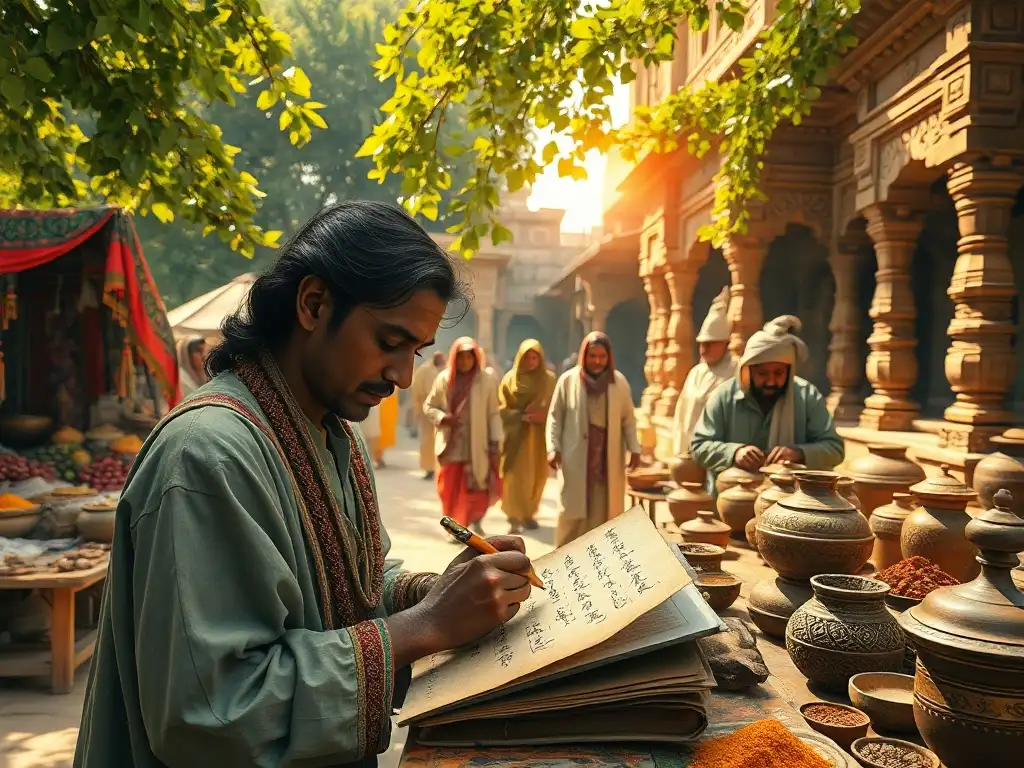
Ancient Indian scripts serve as crucial artifacts that shed light on the lives of common people in India's historical narrative. These scripts not only represent linguistic development but also reflect the social, cultural, and economic aspects of everyday life. By examining these writings, we can unearth the thoughts, practices, and identities of various communities throughout India's rich history.
The study of ancient Indian scripts encompasses a variety of writing systems that evolved over millennia, each with unique characteristics and purposes. These scripts were instrumental in documenting everything from administrative records to religious texts, and they provide valuable insights into the lives of ordinary individuals, their customs, and their interactions.
Major Types of Ancient Indian Scripts
- Indus Script
- The Indus Valley Civilization (circa 2600-1900 BCE) produced the earliest known form of writing in India, the Indus Script.
- This script is characterized by its pictographic symbols, often inscribed on seals and pottery.
- The exact meaning of the Indus Script remains undeciphered, but these symbols are believed to represent a form of proto-writing used for trade and administrative purposes.
- Brahmi Script
- Emerging around the 3rd century BCE, the Brahmi script is one of the oldest writing systems in India that has been deciphered.
- It is the ancestor of many modern Indian scripts, including Devanagari.
- Brahmi inscriptions were used for a variety of purposes, such as royal edicts and religious texts, illustrating the socio-political landscape of the time.
- Kharosthi Script
- Used primarily in the northwest regions of India, Kharosthi flourished during the same period as Brahmi.
- This script is written from right to left and was utilized for administrative and commercial documents, as well as Buddhist texts.
- Its decline came with the rise of Brahmi, but its influence can still be seen in various regional scripts.
- Tamil-Brahmi
- A variant of Brahmi, Tamil-Brahmi was used in the Tamil-speaking regions of South India.
- Dating back to the 3rd century BCE, this script played a significant role in the development of Tamil literature and inscriptions.
- It reflects the cultural richness of the Tamil civilization and its contributions to ancient Indian history.
- Siddham Script
- Siddham emerged around the 7th century CE and is used primarily for writing Sanskrit, especially in Buddhist texts.
- This script is notable for its artistic and decorative qualities, often seen in manuscripts and inscriptions.
- Siddham illustrates the spread of Buddhism and the importance of written texts in religious practices.
Evolution of Scripts from the Indus Valley to Gupta Empire
The evolution of ancient Indian scripts can be viewed as a continuum that reflects the dynamic nature of Indian society and its linguistic heritage.
- Indus Valley to Early Brahmi (2600 BCE - 3rd century BCE)
- The transition from the Indus Script to Brahmi marks a significant linguistic shift.
- While the Indus Script remains largely enigmatic, the emergence of Brahmi indicates a move towards phonetic writing, allowing for more complex expression of language.
- This period saw the standardization of language in written form, which facilitated trade and administration.
- Brahmi and Kharosthi (3rd century BCE - 1st century CE)
- During this period, Brahmi and Kharosthi began to flourish, reflecting the rise of empires such as the Maurya and the Kushan.
- Inscriptions from this era provide insights into administrative practices and the cultural exchanges that occurred through trade.
- The widespread use of these scripts signifies the importance of written documentation in governance and society.
- Post-Mauryan Developments (1st century CE - 4th century CE)
- The advent of new kingdoms in India led to the diversification of scripts.
- The Tamil-Brahmi script emerged, showcasing the regional variations in writing systems.
- This period also saw the incorporation of foreign influences, particularly from the Greeks and the Persians, enriching the local scripts.
- Gupta Period (4th century CE - 6th century CE)
- The Gupta Empire is often regarded as a golden age for the arts and literature, and the writing systems flourished during this time.
- The development of the Gupta script, a direct descendant of Brahmi, became prominent, leading to the eventual rise of modern Indian scripts.
- Inscriptions from this era reveal a thriving culture with a focus on literature, philosophy, and science, reflecting the lives of both elite and common individuals.
The history of ancient Indian scripts is a testament to the evolution of language and communication in India. From the mysterious symbols of the Indus Valley to the sophisticated writings of the Gupta Empire, these scripts document not only the lives of the elite but also offer glimpses into the daily lives, beliefs, and practices of ordinary people throughout Indian history.
The Role of Inscriptions in Everyday Life
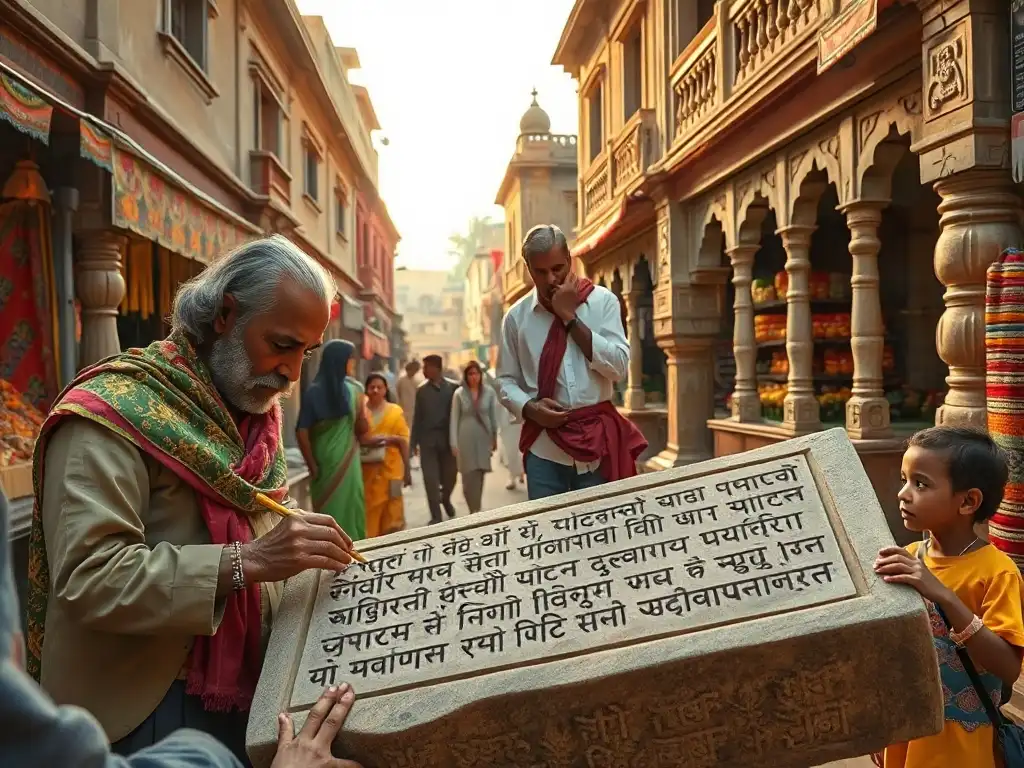
Inscriptions serve as invaluable windows into the past, revealing the nuanced realities of everyday life in ancient India. These inscriptions, etched onto various materials such as stone, metal, and clay, provide a narrative that extends beyond the elite and the rulers, offering insights into the lives of common people. By examining these historical documents, we can uncover the social structures, economic activities, and cultural practices that characterized ancient Indian civilization.
The study of ancient Indian scripts history highlights the importance of these inscriptions in preserving the voices of ordinary individuals. While many historical records primarily focus on kings and their conquests, inscriptions provide a more democratized view of history. They often include references to local governance, trade, religious practices, and community interactions, allowing researchers to piece together a more holistic understanding of daily life in ancient India.
Inscriptions as Historical Documents for Common People
Ancient inscriptions frequently documented the lives of common people, detailing their roles within society, their professions, and their contributions to local economies. For instance, inscriptions found in marketplaces often mention artisans, merchants, and laborers, highlighting their significance in trade and craftsmanship. A notable example is the inscriptions from the ancient city of Pataliputra, where records of various trades and guilds reveal the intricate web of commerce that sustained the local population.
Moreover, inscriptions related to community events, such as religious festivals or public works, provide insight into the social fabric of ancient Indian society. They often commemorate the contributions of individuals to these events, showcasing the collective effort of the community. A striking example is the inscriptions found in temples that honor donors who funded the construction or renovation of these sacred spaces, reflecting the interconnectedness of personal devotion and communal identity.
The presence of personal inscriptions, such as epitaphs and memorials, further illustrates the importance of individual lives in the historical narrative. Many of these inscriptions celebrate the achievements and character of ordinary people, indicating that their lives, too, were worthy of remembrance.
Types of Inscriptions Reflecting Daily Life and Culture
Inscriptions from ancient India can be categorized into several types, each shedding light on different aspects of daily life and culture:
- Religious Inscriptions:
- Often found in temples, these inscriptions include hymns, prayers, and dedications to deities, indicating the spiritual beliefs and practices of the community.
- Example: The inscriptions in the Brihadeeswarar Temple in Thanjavur highlight the contributions of devotees and the significance of religious festivals.
- Commercial Inscriptions:
- These documents record transactions, trade agreements, and the roles of merchants and artisans, showcasing the economic dynamics of the period.
- Example: Inscriptions from the ancient trade routes detail the goods exchanged and the professions of the traders involved.
- Public Administrative Inscriptions:
- These inscriptions outline local governance, laws, and regulations, reflecting the societal organization and civic responsibilities of common people.
- Example: Edicts from Ashoka's reign detail governance practices and the welfare measures taken for the populace.
- Funerary Inscriptions:
- Inscriptions on tombs and memorial stones honor the deceased, providing insight into societal values regarding life, death, and remembrance.
- Example: Epitaphs in the Gupta period often celebrate the virtues of the deceased and their contributions to the community.
- Cultural Inscriptions:
- These encompass a wide range of topics, from poetry to folklore, that illustrate the cultural practices, beliefs, and artistic expressions of the time.
- Example: Inscriptions containing verses from classical literature reveal the literary culture and societal values prevalent among the populace.
The diverse types of inscriptions from ancient India not only document the lives of common people but also enrich our understanding of the cultural heritage of the region. The legacy of these inscriptions continues to influence modern perspectives on ancient Indian civilization, highlighting the importance of everyday experiences in shaping history.
Case Studies of Ancient Inscriptions
The Edicts of Ashoka: A Reflection of Common Values
The Edicts of Ashoka, inscribed by Emperor Ashoka during the Mauryan Empire (c. 268–232 BCE), serve as a remarkable documentation of the values and ethics prevalent in ancient Indian society. These inscriptions, primarily written in Prakrit using the Brahmi script, were carved on rocks and pillars across the Indian subcontinent. They provide a unique glimpse into the socio-political landscape of the time, focusing on the ideals of Dhamma, or moral law.
Key Themes in the Edicts
- Promotion of Non-Violence:
- Ashoka's edicts emphasize the importance of ahimsa (non-violence) towards all living beings.
- This principle resonated deeply with the common populace, as it encouraged humane treatment of animals and fostered a culture of compassion.
- Social Welfare Initiatives:
- The inscriptions outline various welfare measures, such as the establishment of hospitals, wells, and rest houses.
- These initiatives aimed to improve the quality of life for the average citizen, reflecting a governance model focused on the common good.
- Religious Tolerance:
- Ashoka's edicts promote respect for all religions, urging people to practice their beliefs peacefully.
- This inclusivity likely enhanced social cohesion among diverse communities, allowing for shared values and coexistence.
- Moral and Ethical Guidelines:
- The edicts provide directives on ethical behavior, such as honesty, respect for elders, and the importance of family.
- These moral tenets were crucial in shaping the conduct of individuals within their communities, reinforcing social bonds.
The Inscriptions of the Gupta Period: Insight into Daily Activities
The Gupta Empire (c. 320–550 CE) is often referred to as the "Golden Age" of ancient India, noted for its advancements in arts, science, and literature. The inscriptions from this era reveal significant information about the daily lives, occupations, and cultural practices of ordinary people.
Highlights of Gupta Inscriptions
- Occupational Records:
- Many inscriptions document the professions of individuals, ranging from farmers and artisans to traders and scholars.
- This detailed recording illustrates the diversity of occupations and the economic activities that supported the empire.
- Community and Temple Donations:
- Inscriptions often detail donations made by individuals or families to temples and religious institutions, indicating the role of religion in everyday life.
- These records not only highlight the importance of religious patronage but also reflect the social status and wealth of donors.
- Cultural Celebrations:
- Festivals and rituals are frequently mentioned in Gupta inscriptions, showcasing the cultural vibrancy of the time.
- These mentions provide insight into communal life, including how families and communities would gather for celebrations, thus enhancing social ties.
- Legal and Administrative Matters:
- Many inscriptions serve as legal documents that outline land grants, marriage contracts, and trade agreements.
- They provide essential information on the governance structure and the rights of common people, reflecting a sophisticated administrative system.
The examination of ancient Indian scripts history through the lens of significant inscriptions reveals a wealth of knowledge about the lives of common people. From the ethical teachings of Ashoka to the daily practices documented during the Gupta period, these ancient writings illustrate the values, concerns, and everyday experiences that shaped Indian civilization.
Themes Documented in Ancient Scripts
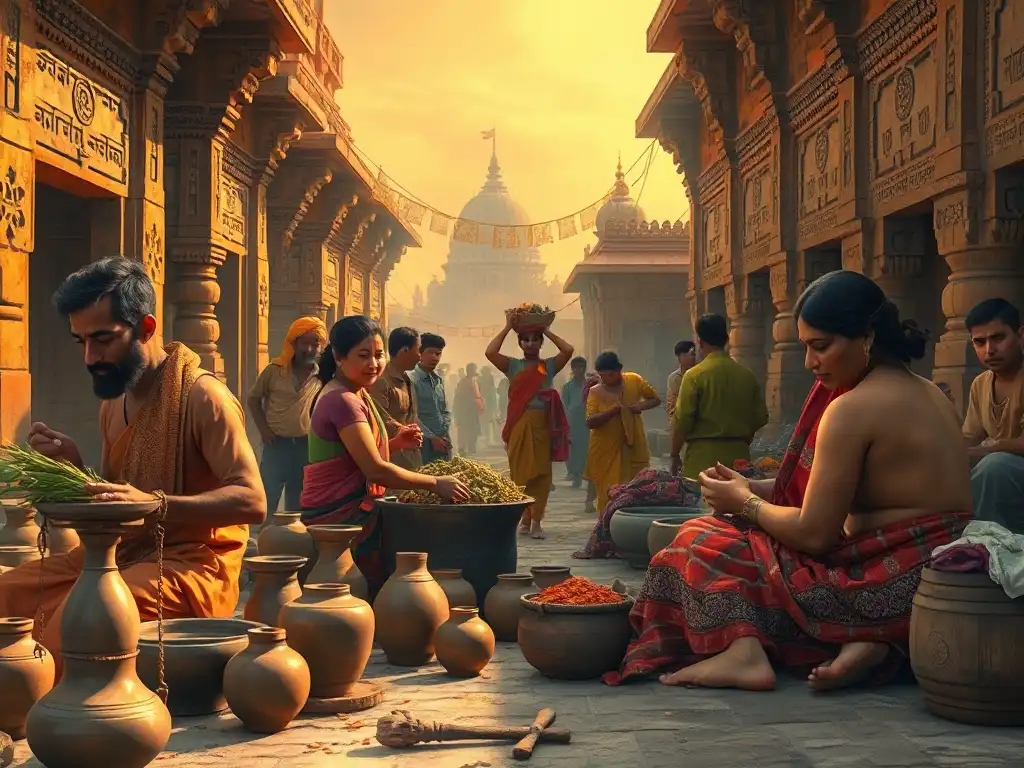
The ancient Indian scripts serve as a vital source of information regarding the lives of common people, reflecting the intricate social, economic, and religious frameworks of their time. These scripts, which include inscriptions from various periods and regions, provide insights into the day-to-day existence of individuals and communities. By examining themes found within these writings, we can better understand the dynamics of ancient Indian society.
Ancient inscriptions reveal a multi-layered social structure in which common people played significant roles. For instance, inscriptions from the Mauryan period often highlight the presence of various social classes, including artisans, farmers, and merchants. These documents frequently depict the hierarchical nature of society, with references to rulers, nobles, and priests, but they also shine a light on the contributions of lower classes.
- Occupational Diversity: Common people engaged in a range of occupations. Inscriptions detail the work of blacksmiths, weavers, and potters, indicating the importance of craftsmanship in daily life.
- Community Life: Records often mention community activities, such as festivals or local governance, showcasing the social cohesion among different groups.
- Legal Rights: Some scripts document the rights and responsibilities of commoners, illustrating the legal frameworks that governed their lives, including land ownership and trade regulations.
These themes collectively illustrate the vital contributions of common people to the social fabric of ancient India, underscoring their roles beyond mere subjects of historical events.
Economic Activities Recorded in Ancient Inscriptions
Economic activities of common people are well-documented in various ancient inscriptions, revealing a thriving economy centered around agriculture, trade, and craftsmanship.
- Agriculture: Many inscriptions mention crop production, irrigation systems, and land management techniques. For example, the use of specific terms related to rice, wheat, and pulses indicates the agricultural practices prevalent in different regions.
- Trade Networks: Scripts from the Gupta period highlight the extensive trade networks that connected various regions. References to goods such as spices, textiles, and precious stones illustrate the economic interactions between local and foreign markets.
- Craftsmanship and Guilds: Inscriptions often list the names of guilds (shrenis), emphasizing the organization of craftsmen and traders. Records of guild regulations provide insight into the economic roles of different tradespeople and their contributions to local economies.
This documentation of economic activities showcases the complexity of ancient Indian economies and the essential roles played by common individuals in sustaining and developing these systems.
Religious Practices of Ordinary Citizens
The religious practices of ordinary citizens are another prominent theme in ancient scripts, reflecting the spiritual life of the common people. These inscriptions illustrate the diverse beliefs and rituals that characterized ancient Indian society.
- Temples and Community Worship: Many inscriptions are found in temples and often record donations made by common people for temple maintenance or festivals, indicating their active participation in religious life.
- Festivals and Rituals: References to local festivals and rituals highlight the importance of community gatherings in worship. These scripts often describe the roles of ordinary citizens in organizing and celebrating religious events, emphasizing grassroots participation.
- Personal Devotion: Inscriptions also reveal personal expressions of faith, such as prayers, dedicatory verses, and appeals for blessings, showcasing the intimate relationship between common people and their deities.
These insights into the religious practices of ordinary citizens underscore the significance of spirituality in their daily lives, providing a holistic view of ancient Indian culture that goes beyond elite narratives.
The Language of the Common People in Ancient Indian Scripts
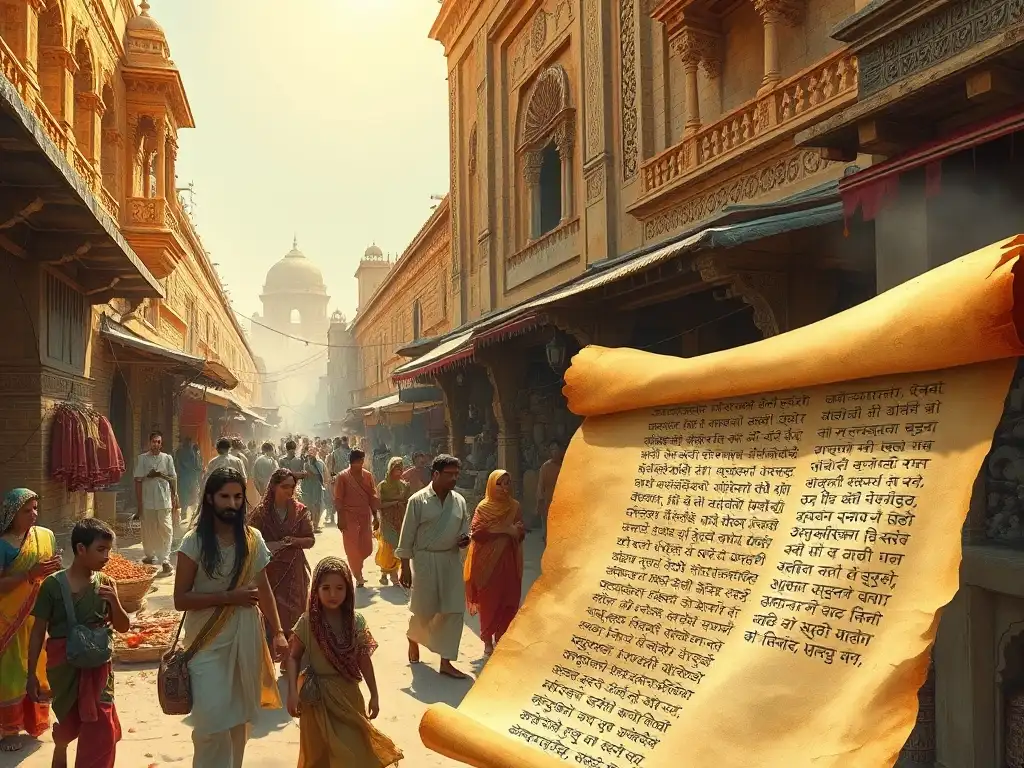
The language of the common people in ancient Indian scripts reflects a rich tapestry of regional dialects, cultural influences, and everyday life. While elite languages like Sanskrit and Pali were predominantly used in religious and literary contexts, various vernacular languages began to emerge and gain prominence among the general populace. This shift highlighted the diverse linguistic landscape of ancient India and showcased the importance of documenting the lives and experiences of ordinary individuals.
Vernacular Influences on Ancient Scripts
The influence of vernacular languages on ancient Indian scripts can be observed through several key developments:
- Regional Variations: As ancient Indian civilizations flourished, local dialects evolved, leading to the emergence of distinct linguistic variations. For instance, the Prakrit languages, which were derived from Sanskrit, became widely spoken across different regions. These languages often adopted elements from local dialects, thus enriching their vocabulary and expressions.
- Script Adaptation: The scripts used to write these vernacular languages underwent adaptations to cater to the phonetic requirements of local dialects. For example, the Brahmi script, one of the earliest writing systems, was adapted to write various Prakrit languages, resulting in different regional scripts like the Gupta script and the Siddham script.
- Inscriptions and Records: Inscriptions found in archaeological sites often reveal the use of vernacular languages. For instance, the edicts of Ashoka, which were primarily in Prakrit, demonstrate how rulers communicated with their subjects. These inscriptions serve as vital historical documents that provide insights into the daily lives, beliefs, and socio-political structures of common people.
- Literature and Folklore: Apart from formal inscriptions, vernacular influences are evident in folk literature and oral traditions. Stories, songs, and proverbs passed down through generations often utilized local languages and dialects, thus preserving the cultural heritage of the communities.
The Transition from Elite Languages to Common Tongues
The transition from elite languages to common tongues marks a significant evolution in ancient Indian society, reflecting a broader democratization of knowledge and culture:
- Rise of Local Governance: As regional kingdoms emerged and expanded, the need for effective communication with the populace increased. Local rulers began to adopt vernacular languages in their inscriptions and administration, signaling a shift away from the exclusive use of elite languages like Sanskrit.
- Education and Accessibility: The proliferation of schools and educational institutions during the Gupta Empire played a crucial role in this transition. As education became more accessible, common people began to learn and use their vernacular languages in both spoken and written forms.
- Cultural Exchange: The interactions between different regions and communities facilitated the exchange of ideas and languages. Trade routes, pilgrimages, and conquests contributed to the blending of linguistic elements, fostering a sense of unity among diverse populations.
- Preservation of Heritage: The documentation of everyday life in vernacular languages allowed for the preservation of cultural practices, beliefs, and traditions. This shift not only provided a voice to the common people but also ensured that their stories and experiences were recorded for future generations.
The evolution of ancient Indian scripts illustrates the dynamic relationship between language and society. By embracing vernacular influences and transitioning from elite languages, ancient Indian civilizations laid the groundwork for a rich historical narrative that continues to resonate through the ages. The legacy of these scripts is a testament to the importance of documenting the lives of common people, ensuring that their contributions to society are remembered and celebrated.
Preservation and Interpretation of Ancient Scripts
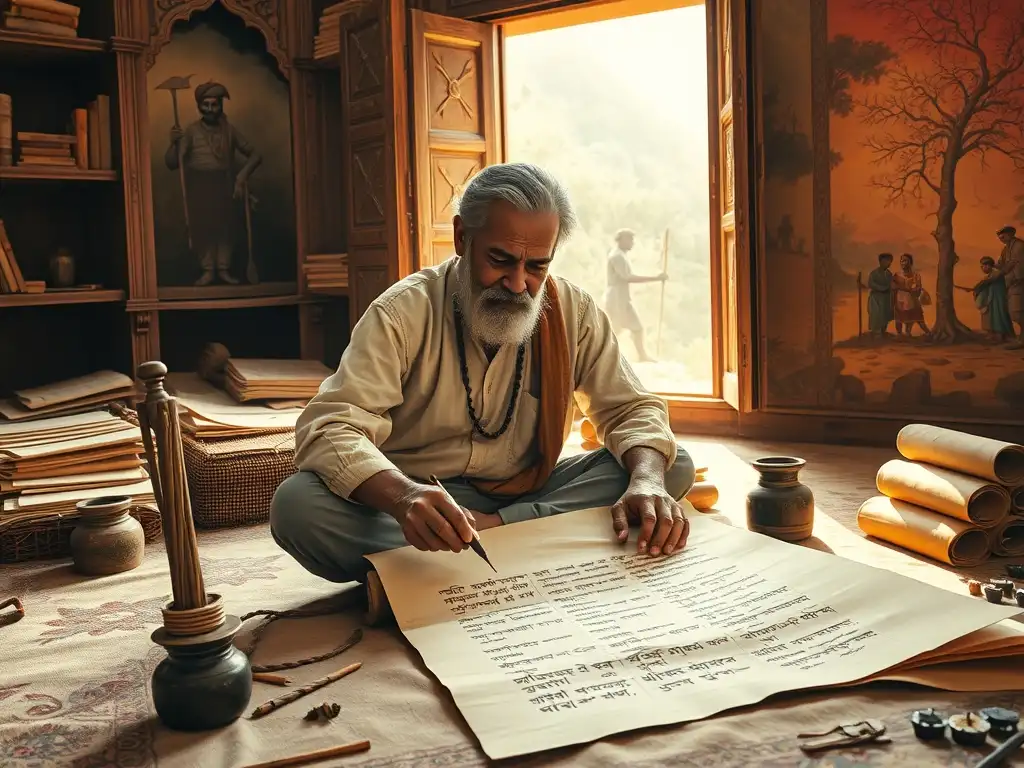
The preservation and interpretation of ancient Indian scripts play a pivotal role in understanding the socio-cultural dynamics of various civilizations throughout Indian history. These scripts, from the Brahmi and Kharosthi to the more region-specific scripts like Tamil and Devanagari, offer rich insights into not only the language but also the everyday lives of the common people of ancient India.
Challenges in Deciphering Ancient Inscriptions
Deciphering ancient inscriptions presents several challenges, primarily due to the following factors:
- Erosion and Weathering: Many inscriptions are found on stone or metal surfaces, which are susceptible to erosion over time. Natural elements such as rain, wind, and temperature fluctuations can lead to significant wear, making some inscriptions nearly illegible.
- Fragmentation: Often, inscriptions are discovered in fragments, which complicates the task of piecing together the complete message. This fragmentation can result from archaeological excavation processes or from the original context in which the inscriptions were placed.
- Linguistic Evolution: The evolution of language over centuries can lead to variations in script, syntax, and vocabulary. Scholars often struggle with understanding context and meaning due to these linguistic shifts, requiring extensive knowledge of historical linguistics.
- Cultural Context: Understanding the cultural and historical context of a script is crucial. Many inscriptions reflect localized dialects or cultural practices that may not be well-documented, leading to potential misinterpretations.
- Limited Resources: The availability of resources and references for certain scripts can be sparse. Some scripts, like the Indus Valley script, remain undeciphered, leading to gaps in our understanding of ancient communications.
Modern Techniques in Analyzing Ancient Indian Scripts
Advancements in technology have significantly enhanced the analysis of ancient Indian scripts. Some modern techniques employed include:
- Digital Imaging: High-resolution imaging techniques, such as 3D scanning and multispectral imaging, allow researchers to visualize inscriptions that are otherwise damaged or barely visible. These methods enhance contrast and detail, revealing characters that would remain obscured to the naked eye.
- Machine Learning and AI: Artificial intelligence is increasingly being used to recognize patterns in ancient scripts. Machine learning algorithms can analyze existing inscriptions and assist in predicting the structure and content of unknown texts.
- Collaborative Databases: The creation of digital databases that compile inscriptions from various regions supports collaborative research. By pooling data, scholars can cross-reference scripts and contribute to a more comprehensive understanding of ancient Indian written communication.
- Interdisciplinary Approaches: Combining insights from archaeology, anthropology, and linguistics enriches the interpretation of ancient scripts. These interdisciplinary methods can provide a holistic view of the significance of inscriptions within the cultural and social framework of the time.
While challenges in deciphering ancient inscriptions are numerous, the integration of modern technology and interdisciplinary research continues to unlock the rich history encapsulated in ancient Indian scripts. Through these efforts, we gain a deeper understanding of the lives and experiences of common people throughout ancient India, further illuminating the diverse tapestry of its civilizations.
Conclusion: The Legacy of Ancient Indian Scripts
The legacy of ancient Indian scripts is a testament to the remarkable capabilities of early civilizations to document their lives, beliefs, and practices. These scripts not only served administrative and religious purposes but also provided a window into the everyday experiences of common people. From inscriptions on pottery to the intricate carvings found in temples, ancient scripts reveal a rich tapestry of social structures, economic activities, and cultural practices.
The ability to read these scripts has allowed historians and archaeologists to piece together narratives that highlight the lives of artisans, farmers, and merchants, who were often overshadowed by the narratives of kings and dynasties. The documentation of trade transactions, community regulations, and personal accounts in these scripts illustrates the complexity and vibrancy of society in ancient India.
The Impact of Ancient Scripts on Understanding Common Lives
Ancient Indian scripts, such as Brahmi and Kharosthi, have significantly impacted our understanding of the socioeconomic fabric of ancient Indian society. These scripts were instrumental in documenting various aspects of life, including:
- Trade and Commerce: Inscriptions found in trading hubs reveal the economic interactions between different regions, showcasing the importance of trade in daily life. For instance, seals from the Indus Valley Civilization often contain inscriptions that may indicate trade transactions or ownership.
- Social Structures: Through scripts, we gain insights into the hierarchy and roles within communities. For example, inscriptions detailing guild activities highlight the organization of craftsmen and traders, indicating a sophisticated understanding of labor division.
- Religious Practices: Many ancient scripts contain references to rituals, deities, and religious practices, which illustrate the spiritual lives of common people. The use of language in inscriptions provides clues about the local dialects and cultural exchanges.
- Personal Narratives: Some scripts feature personal accounts, such as dedications or memorials, which give voice to individuals beyond the elite. These inscriptions allow us to appreciate the personal dimensions of life in ancient India.
By examining these aspects, researchers can reconstruct a more nuanced understanding of how common people lived, worked, and interacted within their communities, revealing the depth of ancient Indian civilization.
Future Research Directions in Ancient Indian Scripts History
As we delve deeper into the study of ancient Indian scripts, several promising research directions emerge that could further enrich our understanding of their historical significance:
- Deciphering Undeciphered Scripts: There are still many inscriptions that remain undeciphered. Continued efforts in linguistic analysis and comparative studies may lead to breakthroughs that uncover new historical narratives.
- Cross-Cultural Comparisons: Exploring the relationships between ancient Indian scripts and contemporary scripts from neighboring regions can provide insights into cultural exchanges and influences that shaped the development of writing in India.
- Technological Advancements: The application of modern technologies, such as digital imaging and 3D scanning, can help in analyzing inscriptions and scripts that are too fragile for traditional study methods. This innovation may reveal details that have been overlooked.
- Interdisciplinary Approaches: Collaborations between linguists, historians, archaeologists, and anthropologists can yield a holistic understanding of how ancient scripts functioned in society and their lasting impact on modern Indian languages and culture.
The study of ancient Indian scripts history not only illuminates the past but also helps us understand the foundational elements of modern Indian culture and society. The ongoing exploration of these scripts promises to unveil even more about the lives of common people in ancient India, ensuring that their stories continue to be told and celebrated.
Frequently Asked Questions
What are ancient Indian scripts?
Ancient Indian scripts refer to the written forms of communication used in India, such as Brahmi, Kharosthi, and Tamil-Brahmi. These scripts played a significant role in documenting the history and culture of ancient Indian civilizations.
How did ancient scripts impact daily life in India?
Ancient scripts were crucial in documenting the lives of common people, including trade, laws, and social practices. They provided a means for communication and record-keeping that shaped various aspects of society.
What is the significance of the Indus Valley script?
The Indus Valley script is one of the earliest forms of written language in India. Though not fully deciphered, it offers insights into the socio-economic structure and cultural practices of the Indus Valley civilization.
How did the Gupta Empire contribute to ancient Indian scripts?
The Gupta Empire saw a revival of literature and arts, leading to the development of Sanskrit literature. This period marked the flourishing of scripts that enriched the cultural heritage of ancient India.
Are there any surviving examples of ancient Indian scripts?
Yes, numerous inscriptions, manuscripts, and artefacts have survived, providing valuable evidence of ancient scripts. These findings help historians understand the language, administration, and daily life of ancient Indian societies.
Final Reflection: The Enduring Legacy of Ancient Indian Scripts
The exploration of ancient Indian scripts reveals not only the historical narratives of rulers and elites but also the rich tapestry of everyday life experienced by common people. In today's world, where personal stories often get overshadowed by grand narratives, understanding these scripts offers a profound reminder of the voices that shaped our society. The significance of these ancient texts is not just in their content but in their ability to connect us to our shared human experience across time.
Cultural heritage is a living entity, continuously influencing our identity and social fabric. The insights gleaned from these ancient scripts challenge us to acknowledge the diverse experiences of all individuals, not just the privileged few. As we reflect on the past, we can see how these documents have paved the way for modern storytelling and historical documentation. History is not just what happened; it is how we remember it.
This quote encapsulates the essence of our engagement with history, urging us to honor the narratives of those who came before us.
As we move forward, let us take a moment to reflect on our own stories and the stories of those around us. Consider how you can contribute to preserving and sharing the narratives that matter in your community. Whether through writing, oral traditions, or digital platforms, every voice counts in the ongoing dialogue of history. Embrace the lessons from ancient Indian scripts, and let them inspire you to document and celebrate the lives of common people today, ensuring that their stories are not lost to time.
Unveil the Stories of Ordinary Lives!
Thank you for diving into the fascinating world of ancient Indian scripts with us! You’ve uncovered the rich narratives that reveal how common people contributed to the tapestry of history. Now, it’s time to take your newfound knowledge a step further!
Here are some actionable steps you can take to deepen your connection with this captivating subject:
- Explore local libraries or online archives to discover ancient manuscripts and scripts that unlock the stories of your own region.
- Join a discussion group focused on ancient history to share insights and learn from fellow enthusiasts who share your passion.
- Record your thoughts or create a blog post reflecting on how these ancient lives shape your understanding of history today.
What story from ancient India resonates with you the most, and how do you think it reflects the lives of everyday people? We invite you to share your thoughts below!