
The Concept of Sadhana: Spiritual Practice in Hindu Philosophy


Welcome to Ancient India History, where we embark on a fascinating journey through the rich tapestry of India's past. In this exploration, we dive deep into the profound concept of Sadhana in Hindu philosophy, a spiritual practice that has shaped the beliefs and rituals of countless generations. What does Sadhana truly mean, and how has it influenced the vibrant culture of ancient India?
Join us as we unravel the threads of spirituality, tradition, and enlightenment that define this essential aspect of Hinduism. Your adventure into the depths of ancient Indian religions awaits—read on to uncover the transformative power of Sadhana!
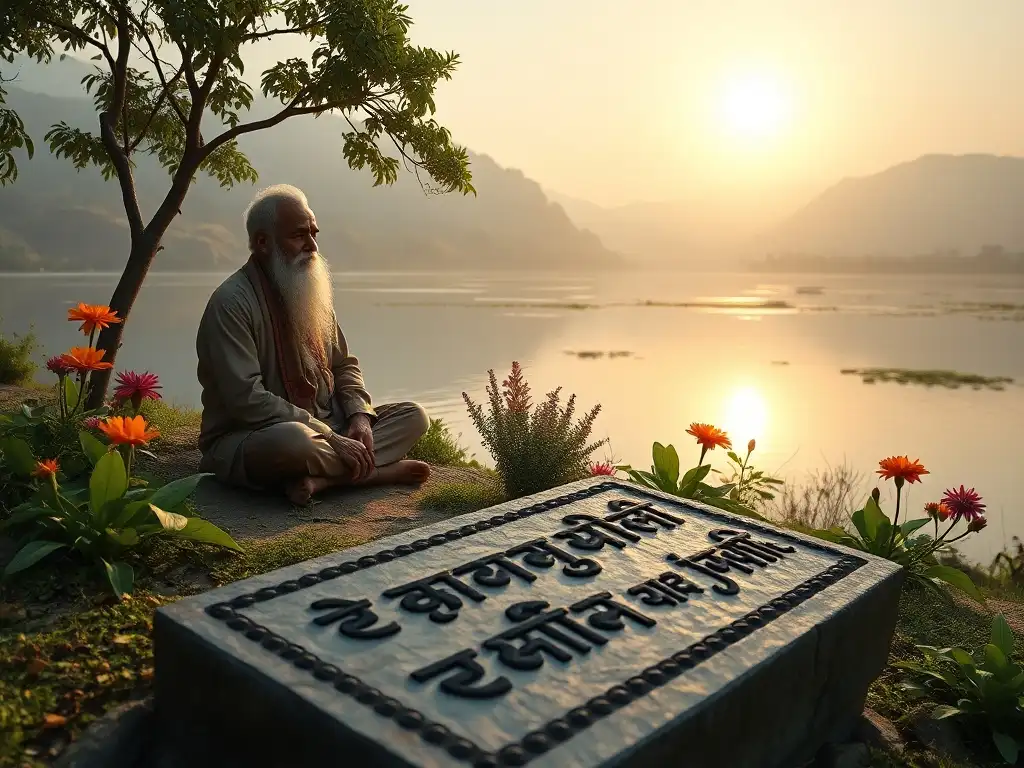
Introduction to Sadhana in Hindu Philosophy
The concept of Sadhana, integral to Hindu philosophy, embodies the disciplined practice of spiritual endeavors aimed at achieving higher consciousness and self-realization. In the context of ancient Indian religions, Sadhana is not merely a set of rituals or physical exercises; it represents a holistic approach to life that encompasses mental, emotional, and spiritual dimensions.
This article delves into the multifaceted nature of Sadhana, exploring its significance, historical development, and its profound impact on the spiritual landscape of Hinduism. As we navigate through the intricacies of Sadhana, we will uncover how this practice has shaped the spiritual journeys of countless practitioners across the ages.
Definition of Sadhana
In its essence, Sadhana is derived from the Sanskrit root "sadh," which means "to accomplish" or "to achieve." Thus, Sadhana can be defined as the process of striving toward a goal, particularly one that is spiritual in nature. It involves various practices, including meditation, prayer, rituals, and ethical living, designed to facilitate the practitioner's journey toward enlightenment or moksha. In Hindu philosophy, Sadhana is not just a means to an end; it is a transformative journey that cultivates inner peace, wisdom, and connection to the divine.
Importance of Sadhana in Spiritual Growth
The practice of Sadhana holds paramount importance in spiritual growth for several reasons:
- Self-Discipline: Sadhana instills habits of self-discipline, fostering a sense of commitment and dedication to the spiritual path.
- Inner Purification: Regular practice aids in purifying the mind and heart, allowing individuals to overcome negative tendencies and distractions.
- Connection to the Divine: Through Sadhana, practitioners can establish a deeper connection with the divine, experiencing moments of transcendence and bliss.
- Personal Transformation: The insights gained through Sadhana lead to profound personal transformation, encouraging individuals to embody virtues such as compassion, love, and humility.
Overview of Sadhana in Ancient Indian Context
In ancient India, Sadhana was often practiced within the framework of various philosophical schools, each offering distinct methods and perspectives. The rich tapestry of Hindu thought encompasses a wide range of Sadhana practices, from the meditative techniques of the Yoga Sutras to the devotional paths of bhakti. Each tradition emphasizes Sadhana's role in transcending the limitations of the ego and realizing one's true nature. Thus, Sadhana serves as a bridge connecting the individual soul (Atman) with the universal consciousness (Brahman).
Historical Context of Sadhana
The evolution of Sadhana can be traced through various historical periods within Hinduism, each contributing to its rich tradition and practices.
Sadhana in Vedic Texts
The origins of Sadhana can be found in the ancient Vedic texts, where rituals and sacrifices played a central role. The Vedas emphasize the importance of performing yajnas (sacrificial rites) as a means of connecting with the divine and ensuring cosmic order. These early practices laid the groundwork for subsequent developments in Sadhana, highlighting the significance of intention and devotion.
Development of Sadhana in Upanishadic Teachings
With the emergence of the Upanishads, the focus of Sadhana shifted from external rituals to inner contemplation and meditation. The Upanishads introduced profound philosophical concepts, such as the unity of Atman and Brahman, and emphasized the importance of self-inquiry. This period marked a significant turning point in Sadhana, as practitioners began to explore introspective practices aimed at realizing their true nature and the essence of reality.
Sadhana Practices during the Epic Period
The Epic period, characterized by the Mahabharata and the Ramayana, witnessed the integration of various Sadhana practices, including devotion to deities and the cultivation of moral virtues. Characters like Arjuna and Rama exemplify the ideals of Sadhana through their unwavering commitment to dharma (righteousness) and their spiritual journeys. This era reinforced the idea that Sadhana encompasses not only personal growth but also the fulfillment of one's responsibilities towards society and the cosmos.
As we explore the concept of Sadhana further, we will uncover the diverse practices, philosophies, and historical developments that have shaped this vital aspect of Hindu spirituality.
Types of Sadhana in Hindu Philosophy
Sadhana in Hindu philosophy can be categorized into several distinct paths, each catering to different aspects of spiritual growth and enlightenment. The four primary types of sadhana are Bhakti, Karma, Jnana, and Dhyana. Each path offers unique techniques and focuses, allowing practitioners to choose a route that resonates with their personal inclinations and spiritual goals.
Bhakti Sadhana: The Path of Devotion
Bhakti Sadhana emphasizes love and devotion towards a personal deity. It encourages practitioners to cultivate a deep emotional connection with the divine, often expressed through prayer, singing of hymns, and rituals. This path is rooted in the belief that surrendering to God can lead to liberation (moksha).
- Key Features:
- Personal Connection: Practitioners often choose a specific deity, such as Krishna or Shiva, and develop a relationship based on love and devotion.
- Rituals and Worship: Devotional practices may include pujas (worship ceremonies), chanting, and participation in communal gatherings.
- Emotional Expression: Bhakti encourages feelings of love, compassion, and surrender, fostering a sense of unity with the divine.
Bhakti Sadhana is particularly significant in the Bhakti movement, which emphasized personal devotion over ritualistic practices and caste distinctions.
Karma Sadhana: The Path of Action
Karma Sadhana is focused on selfless action and the performance of one's duties without attachment to the fruits of those actions. Rooted in the teachings of the Bhagavad Gita, this path highlights the importance of dharma (righteous duty) as a means to spiritual growth.
- Key Features:
- Selfless Service: Actions should be performed with the intention of serving others and fulfilling one's responsibilities.
- Detachment: Practitioners are encouraged to remain unattached to the outcomes of their actions, fostering a sense of equanimity.
- Moral and Ethical Living: Engaging in righteous actions aligns with personal and social responsibilities, reinforcing the interconnectedness of all beings.
Karma Sadhana teaches that through selfless actions, one can purify the mind and progress towards liberation.
Jnana Sadhana: The Path of Knowledge
Jnana Sadhana emphasizes the pursuit of knowledge and wisdom as a means to attain self-realization. This path involves deep inquiry into the nature of reality, self, and the universe, primarily through study, reflection, and philosophical discourse.
- Key Features:
- Self-Inquiry: Practitioners engage in questioning and introspection to understand the true nature of the self (Atman) and its relationship with Brahman (the universal consciousness).
- Philosophical Study: Texts such as the Upanishads and the Bhagavad Gita serve as foundational scripts for study and contemplation.
- Meditation on Truth: Jnana Sadhana often includes meditation focused on the realization of one’s true nature beyond physical existence.
Through Jnana Sadhana, practitioners seek to transcend ignorance and experience the unity of existence.
Dhyana Sadhana: The Path of Meditation
Dhyana Sadhana focuses on meditation as a means to achieve mental clarity, inner peace, and ultimately, self-realization. This path is an essential aspect of many Hindu practices and is often integrated with other forms of sadhana.
- Key Features:
- Concentration Techniques: Dhyana involves focusing the mind on a specific object, thought, or the breath, leading to a state of deep contemplation and stillness.
- Mindfulness: Practicing mindfulness and being present in the moment are crucial components of Dhyana Sadhana.
- Transcendental Experience: The ultimate goal is to transcend the dualities of existence and experience oneness with the universe.
Through consistent practice of Dhyana, individuals can cultivate a profound state of awareness and connection to the divine.
Principles and Techniques of Sadhana
Sadhana is underpinned by several fundamental principles and techniques that facilitate spiritual growth and self-discovery. Understanding these principles is crucial for practitioners as they navigate their spiritual journeys.
Fundamental Principles of Sadhana
- Discipline: Regular practice is essential for progress in any form of sadhana. Consistency helps to cultivate focus and commitment.
- Intention: Setting clear intentions for practice guides practitioners toward their spiritual goals, ensuring that their actions align with their aspirations.
- Surrender: The act of surrendering to a higher power or the process itself allows practitioners to let go of ego and personal desires, fostering a deeper connection with the divine.
- Purification: Sadhana often involves purifying the mind and body, which can be achieved through ethical living, dietary practices, and rituals that cleanse one’s energy.
Techniques for Effective Sadhana
- Meditation: Engaging in various forms of meditation tailored to individual needs can enhance awareness and focus.
- Mantra Chanting: The repetition of sacred sounds or phrases can deepen concentration and invoke spiritual energy.
- Self-Reflection: Journaling or contemplating one's thoughts and actions helps in understanding personal motivations and spiritual progress.
- Community Involvement: Participating in group practices or discussions can provide support, motivation, and shared learning experiences.
By incorporating these techniques and principles, practitioners can enhance their sadhana, leading to a more profound understanding of themselves and their place within the universe.
Sadhana and Its Role in Different Hindu Traditions

Sadhana, a term often translated as "spiritual practice," plays a crucial role across various Hindu traditions, each interpreting and implementing it in unique ways. Rooted in the Sanskrit word "sādhanā," which conveys the idea of a means of accomplishment, sadhana encompasses a range of practices aimed at personal transformation and spiritual enlightenment.
In Hinduism, sadhana serves as a bridge between the mundane and the divine, allowing practitioners to cultivate discipline, focus, and a deeper connection to their inner selves as well as the cosmos. The diverse approaches to sadhana reflect the rich tapestry of Hindu beliefs, philosophies, and rituals, highlighting the adaptability of spiritual practices to individual needs and cultural contexts.
Sadhana in Advaita Vedanta
In Advaita Vedanta, a non-dualistic school of Hindu philosophy, sadhana is primarily focused on the realization of the self (Atman) as one with the ultimate reality (Brahman). The key practices in this tradition include:
- Jnana Yoga: The path of knowledge, emphasizing study, contemplation, and meditation on the scriptures, particularly the Upanishads.
- Vichara: Inquiry into the nature of the self and the distinction between the real and the unreal, often involving self-questioning techniques like "Who am I?"
- Meditation: Deep meditation is utilized to transcend the ego and dualistic perceptions, leading to the experience of oneness with Brahman.
Advaita Vedanta teaches that through consistent sadhana, individuals can overcome ignorance (avidya) and attain liberation (moksha), realizing their true nature as non-different from the absolute.
Sadhana in Bhakti Traditions
In the Bhakti movements, which emphasize devotion to a personal god, sadhana takes on a more devotional and emotional dimension. Key elements include:
- Bhakti Yoga: The path of devotion, characterized by practices such as chanting (kirtan), singing hymns, and prayer directed towards deities like Krishna or Shiva.
- Rituals and Pujas: Engaging in rituals that honor the deities, fostering a sense of connection and community among practitioners.
- Surrender and Love: Sadhana in bhakti is centered on cultivating a loving relationship with the divine, often expressed through surrender (prapatti) and unwavering faith.
This form of sadhana emphasizes the importance of personal experience and emotional connection, leading practitioners toward a profound sense of belonging and spiritual fulfillment.
Sadhana in Yoga Schools
In various schools of yoga, sadhana is integral to achieving physical, mental, and spiritual well-being. Prominent practices include:
- Asanas and Pranayama: Physical postures and breath control that prepare the body and mind for deeper meditation.
- Meditative Practices: Techniques such as dhyana (meditation) and samadhi (state of absorption) that facilitate self-realization and inner peace.
- Ethical Guidelines: The Yamas and Niyamas, ethical precepts, serve as foundational principles guiding practitioners in their daily lives and sadhana.
Each yoga tradition may emphasize different aspects of sadhana, but all share the goal of harmonizing the body, mind, and spirit, leading to enlightenment or self-realization.
Challenges and Misconceptions about Sadhana
Despite its importance in Hindu philosophy, sadhana is often misunderstood or misrepresented. Various challenges arise, leading to misconceptions that can hinder genuine spiritual practice.
Common Misunderstandings of Sadhana in Hindu Philosophy
One of the most prevalent misunderstandings of sadhana is the belief that it is merely a set of rituals or mechanical practices devoid of personal significance. Some common misconceptions include:
- Sadhana as a One-Size-Fits-All Approach: Many may assume that a single method of sadhana is suitable for everyone, ignoring the personalized nature of spiritual practice.
- Sadhana Equals Ritual: There is often a tendency to equate sadhana solely with external rituals, neglecting the internal, meditative, and transformative aspects that are equally vital.
- Immediate Results: Some practitioners expect instant gratification or quick results from their sadhana, overlooking the fact that true spiritual growth is a gradual process requiring patience and dedication.
These misunderstandings can lead to disillusionment and frustration, detracting from the transformative potential of sadhana.
Addressing Misconceptions: Myths vs. Reality
To address these misconceptions, it is essential to clarify the reality of sadhana within Hindu philosophy. Key points include:
- Individualized Practice: Sadhana must be tailored to the individual’s unique spiritual path, preferences, and life circumstances, with flexibility in methods and approaches.
- Beyond Rituals: While rituals play a role, the essence of sadhana lies in the inner journey of self-discovery and connection with the divine, emphasizing the heart and mind over mere external adherence.
- Commitment to Growth: Recognizing that spiritual development is a lifelong journey can help practitioners cultivate patience, understanding that progress often unfolds subtly and over time.
By dispelling these myths and embracing a more nuanced understanding of sadhana, practitioners can engage more deeply with their spiritual journey, fostering a more authentic and fulfilling experience.
Conclusion: The Significance of Sadhana in Modern Spirituality
The concept of Sadhana holds profound significance in contemporary spirituality, transcending time and cultural boundaries. In an age characterized by rapid change and technological advancement, Sadhana offers a pathway to inner peace and self-realization. It serves as a reminder of the importance of discipline and commitment to one's spiritual journey, resonating deeply with those seeking meaning in their lives.
Through various forms of Sadhana, individuals cultivate mindfulness, enhance emotional resilience, and develop a deeper connection to their inner selves. This practice not only fosters personal growth but also encourages a sense of community, as practitioners often share their experiences and support one another on their paths. The essence of Sadhana, rooted in ancient traditions, continues to inspire modern seekers to explore their spirituality, making it a relevant and vital practice today.
Relevance of Sadhana Today
In the contemporary context, Sadhana has become increasingly relevant as people navigate the complexities of everyday life. The practice provides tools to address stress, anxiety, and the feeling of disconnection prevalent in modern society. By engaging in Sadhana, individuals can find solace and clarity amidst chaos, promoting mental and emotional well-being.
Moreover, Sadhana encourages introspection and self-awareness, allowing individuals to understand their thoughts and feelings more profoundly. This self-exploration is crucial in an era where external distractions can overshadow personal growth. As a result, many are drawn to Sadhana as a means to reconnect with their authentic selves and foster a sense of purpose and fulfillment.
Encouragement for Personal Exploration of Sadhana
For those interested in exploring Sadhana, it is essential to approach it with an open heart and mind. Personal exploration can take various forms, whether through meditation, yoga, chanting, or other spiritual practices. Each individual's journey is unique, and the key is to find what resonates most deeply with oneself.
Setting aside dedicated time for Sadhana can significantly enhance its effectiveness. Whether it's a few minutes each day or longer sessions throughout the week, consistency is vital. Engaging with Sadhana can lead to transformative experiences, helping individuals cultivate a richer spiritual life. Therefore, it is encouraged that each person embarks on their unique path of Sadhana, discovering the profound benefits it offers.
Further Reading on Sadhana and Hindu Philosophy
To deepen your understanding of Sadhana and its place within Hindu philosophy, exploring various texts and resources can be immensely beneficial. These materials not only elucidate the principles of Sadhana but also provide insights into the broader context of Hindu spiritual practices.
Recommended Texts and Resources
- "The Yoga Sutras of Patanjali": This foundational text outlines the eight limbs of yoga, providing a structured approach to Sadhana.
- "Bhagavad Gita": A central scripture in Hindu philosophy, it discusses the importance of duty, devotion, and various paths of spiritual practice.
- "The Heart of Yoga: Developing a Personal Practice" by T.K.V. Desikachar: This book offers practical guidance on integrating yoga and Sadhana into daily life.
- "Autobiography of a Yogi" by Paramahansa Yogananda: A spiritual classic that explores various aspects of meditation and Sadhana through personal anecdotes.
Online Courses and Workshops on Sadhana
In addition to reading, participating in online courses and workshops can significantly enhance one's understanding and practice of Sadhana. Many organizations and spiritual teachers offer structured programs that cater to different levels of experience. Some notable options include:
- Sivananda Yoga Vedanta: Offers comprehensive courses on yoga and Sadhana, focusing on holistic living and spiritual growth.
- Kripalu Center for Yoga & Health: Provides workshops and online classes that emphasize personal exploration of Sadhana through yoga and meditation.
- The Chopra Center: Features various online courses focused on meditation, mindfulness, and personal development rooted in ancient wisdom.
Engaging with these resources can provide valuable insights and support as individuals embark on their journeys of Sadhana, enriching their spiritual practices in meaningful ways.
- Introduction to Sadhana in Hindu Philosophy
- Historical Context of Sadhana
- Types of Sadhana in Hindu Philosophy
- Principles and Techniques of Sadhana
- Sadhana and Its Role in Different Hindu Traditions
- Challenges and Misconceptions about Sadhana
- Conclusion: The Significance of Sadhana in Modern Spirituality
- Further Reading on Sadhana and Hindu Philosophy
Frequently Asked Questions
What is Sadhana in Hindu philosophy?
Sadhana refers to the spiritual practice or discipline undertaken to achieve specific goals in the path of spirituality, focusing on personal growth and enlightenment.
How does Sadhana differ from meditation?
While meditation is often a component of Sadhana, the latter encompasses a broader range of practices, including rituals, prayers, and ethical living, aimed at self-realization.
What are common forms of Sadhana in Hinduism?
Common forms of Sadhana include yoga, chanting, japa (repetition of mantras), and various rituals that facilitate spiritual growth and connection with the divine.
Can Sadhana be practiced by anyone?
Yes, Sadhana can be practiced by individuals from all walks of life, regardless of their background or religious affiliation, as it is seen as a personal journey towards self-discovery.
What is the significance of Sadhana in achieving spiritual goals?
Sadhana is essential in Hindu philosophy as it helps practitioners cultivate discipline, focus, and a deeper understanding of themselves, ultimately leading to higher states of consciousness and spiritual fulfillment.
Final Reflection: Embracing Sadhana for Spiritual Growth
The concept of Sadhana in Hindu philosophy remains profoundly relevant today, as it serves as a guiding light for individuals seeking deeper meaning and connection in their lives. In a world often dominated by chaos and distraction, the practice of Sadhana offers a structured approach to spiritual development, encouraging us to cultivate inner peace, mindfulness, and self-awareness. This timeless practice not only enriches our personal journeys but also fosters a sense of community and shared purpose among practitioners.
Sadhana has significantly shaped the cultural and social landscape, influencing countless individuals in their quest for spiritual fulfillment. The ongoing dialogue surrounding Sadhana encourages us to explore our own beliefs and practices, inviting us to engage with the rich tapestry of Hindu philosophy. As Mahatma Gandhi once said, "> The best way to find yourself is to lose yourself in the service of others." This sentiment resonates deeply within the framework of Sadhana, reminding us that our spiritual practices can lead to profound transformations not only within ourselves but also in the lives of those around us.
As we reflect on the lessons of Sadhana, I invite you to consider how you can integrate these practices into your daily life. Take a moment to pause, breathe, and connect with your inner self. Whether through meditation, prayer, or selfless service, let the principles of Sadhana guide you toward a more meaningful existence. Embrace this journey of spiritual exploration, and allow it to inspire you to cultivate compassion, mindfulness, and a deeper understanding of your place in the universe.
Embrace Your Sadhana Journey Today!
Thank you for diving deep into the rich world of Sadhana through our exploration of Hindu philosophy! We hope you found inspiration and practical insights to enhance your spiritual practice. Now, it’s time to take that energy and transform it into action!
Here are a few steps you can take right now to embody the principles of Sadhana in your daily life:
- Start a Daily Spiritual Practice: Devote just 10 minutes each morning to meditation or prayer. This small commitment can lead to profound changes in your mindset and energy.
- Explore New Sadhanas: Research various spiritual practices within Hindu philosophy and try incorporating one that you have yet to experience. You might uncover a new passion!
- Share Your Insights: Join our community by sharing your Sadhana experiences or tips in the comments section below. Connect with others who are on this transformative journey!
What new Sadhana practice are you excited to integrate into your life, and how do you think it will impact your spiritual journey?