
The Significance of Water Tanks in Ancient Indian Urban Planning

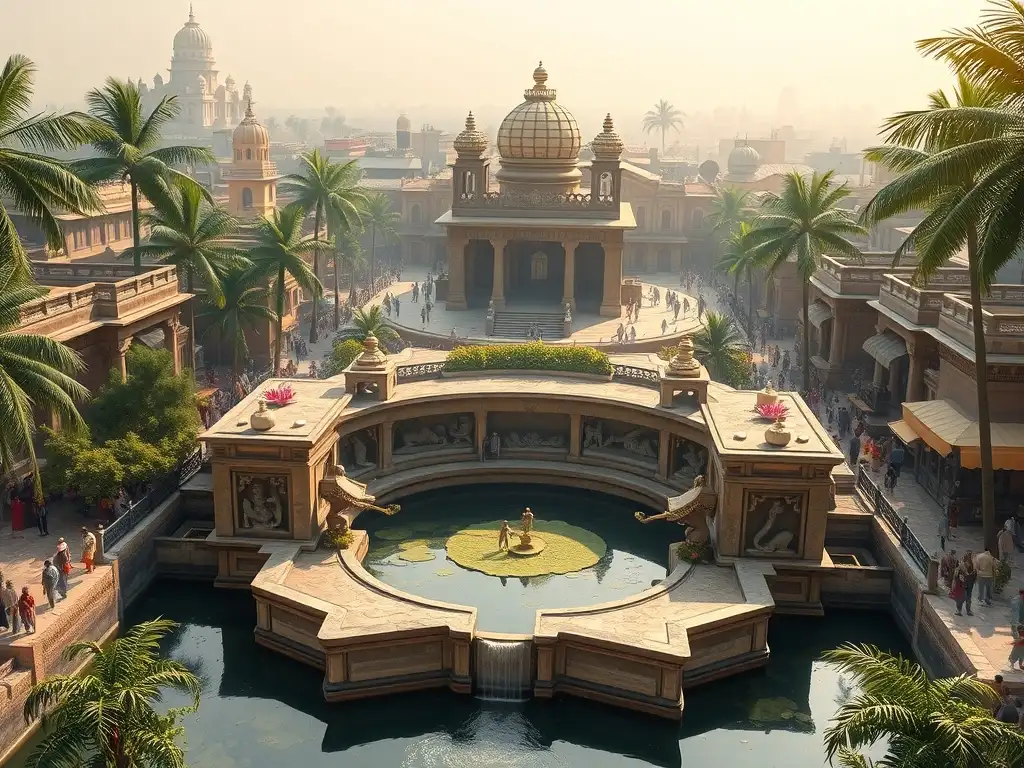
Welcome to Ancient India History, where we embark on a fascinating journey through the rich tapestry of Indian civilization. Today, we delve into an often-overlooked marvel of urban planning: the significance of water tanks in ancient India. These ingenious structures not only fulfilled a vital role in daily life but also reflect the advanced engineering and profound cultural values of their time.
What secrets do these ancient reservoirs hold about the communities that built them? Join us as we explore their enduring legacy and uncover the stories behind their creation and use, inviting you to dive deeper into the wonders of ancient Indian art, architecture, and philosophy.
Introduction to Ancient Indian Water Tanks
Water tanks played a crucial role in the urban planning of ancient Indian civilizations, serving not only as reservoirs for drinking water but also as vital components of the social and cultural fabric. These structures reflect the ingenuity and adaptability of ancient Indian societies in managing their resources, particularly water, which was essential for agriculture, daily living, and trade.
The significance of ancient Indian water tanks lies not only in their functional purpose but also in their architectural brilliance, showcasing the advanced engineering skills of the time. As we delve deeper into the topic, we will explore the various aspects that highlight the importance of water tanks in the urban landscape of ancient India.
Overview of Water Tanks in Ancient India
Water tanks in ancient India were meticulously designed and constructed to cater to the needs of the population. These tanks varied in size and shape, often adorned with intricate carvings and religious symbols, reflecting the cultural values of the communities that built them. Here are some key features of ancient Indian water tanks:
- Construction Materials: Most tanks were built using locally available materials such as stone, brick, and clay, contributing to their durability.
- Architectural Styles: The design of water tanks often incorporated elements of local architectural styles, leading to a diverse range of tank structures across different regions.
- Religious Significance: Many water tanks were associated with temples and religious practices, symbolizing purification and spiritual cleansing.
Importance of Water Management in Urban Planning
The effective management of water resources was essential for the sustainability of ancient urban centers. Water tanks played a pivotal role in this management by:
- Supporting Agriculture: They provided a reliable source of water for irrigation, which was crucial for crop production and food security.
- Facilitating Trade: Access to water encouraged trade by enabling transportation and supporting local markets.
- Promoting Hygiene: Water tanks helped maintain cleanliness in urban areas, reducing the risk of waterborne diseases.
Historical Context of Water Tanks in India
Understanding the historical context of water tanks in India requires examining their evolution and significance across various civilizations.
Evolution of Water Tank Architecture
The architecture of water tanks evolved over centuries, influenced by regional climatic conditions, socio-cultural factors, and technological advancements. Key developments include:
- Early Structures: The earliest known water tanks date back to the Indus Valley Civilization, showcasing advanced engineering with sophisticated drainage systems.
- Medieval Innovations: During the medieval period, the architecture of water tanks became more elaborate, with features like stepped sides and intricate carvings.
- Rural vs. Urban Designs: While urban tanks were often grand and public, rural tanks were typically smaller and served local communities.
Key Civilizations and Their Water Tank Innovations
Several ancient Indian civilizations made significant contributions to the design and functionality of water tanks:
- Indus Valley Civilization: Known for its advanced urban planning, including well-constructed water tanks that facilitated drainage and sanitation.
- Maurya Empire: Emphasized large water bodies for irrigation and bathing, reflecting the importance of water in daily life.
- Gupta Empire: Further refined water tank design, integrating them into urban centers and recognizing their role in public health and community gathering.
The significance of water tanks in ancient Indian urban planning extends beyond mere water storage; they are a testament to the architectural and engineering prowess of ancient civilizations. Understanding their historical context and evolution allows us to appreciate the intricate relationship between water management, urban development, and cultural identity in ancient India.
Architectural Features of Ancient Indian Water Tanks
Ancient Indian water tanks were remarkable feats of engineering and design, reflecting the ingenuity and foresight of urban planners. These tanks served not only functional purposes but also aesthetic ones, often becoming integral parts of the urban landscape.
Design Elements of Water Tanks
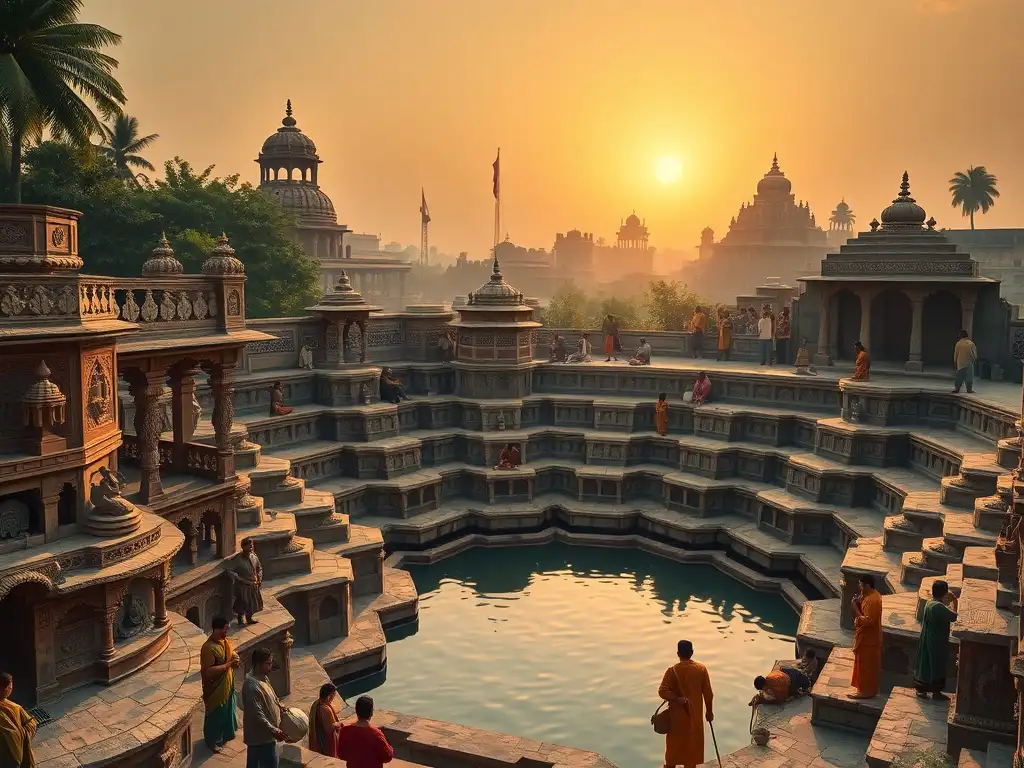
The design of ancient water tanks was a blend of functionality and aesthetics. Many tanks were constructed with terraced steps leading down to the water level, allowing easy access for users. The steps were often adorned with intricate carvings and sculptures, showcasing the artistic skills of the period. Additionally, tanks were frequently surrounded by ghats (steps) that facilitated ritual bathing and gatherings.
The shape of these tanks varied widely, from rectangular and square to circular and octagonal. The layout often included multiple compartments for different purposes, such as storage and purification. Some notable features included:
- Subterranean Chambers: Many tanks had underground chambers to keep the water cool and reduce evaporation.
- Overflow Channels: Ingenious overflow systems ensured that excess rainwater was channeled away, preventing flooding.
- Decorative Elements: Many tanks featured lotus motifs, floral designs, and inscriptions, which added to their aesthetic appeal.
Materials Used in Construction
The materials used in the construction of water tanks were carefully selected based on durability and availability. Commonly used materials included:
- Stone: Sandstone and granite were frequently used due to their durability. These stones were often intricately carved and polished.
- Brick: Fired clay bricks were utilized in many regions, particularly in areas where stone was scarce.
- Terracotta: In some instances, terracotta was used for decorative elements and smaller structures around the tank.
- Mortar and Lime: A mixture of lime and mortar was used to bind the stones and bricks, ensuring the structure's longevity.
Each material contributed to the water tank's overall functionality and aesthetic quality, showcasing the technological advances of the time.
Case Studies of Notable Water Tanks
Several ancient water tanks stand out due to their architectural brilliance and historical significance:
- The Great Bath of Mohenjo-Daro: This is one of the earliest known public water tanks, dating back to around 2500 BCE. It is notable for its large size and sophisticated drainage system, which demonstrates advanced engineering capabilities.
- Saras Sarovar: Located in the sacred city of Pushkar, this tank is surrounded by numerous temples. It serves as a vital pilgrimage site and reflects the intertwining of religious and social practices in ancient India.
- The Stepwell of Adalaj: Built in the 15th century, this stepwell near Ahmedabad features intricate carvings and multiple levels, showcasing the blend of utility and artistry typical of ancient water tank architecture.
The Role of Water Tanks in Urban Life
Water tanks were pivotal in shaping urban life in ancient India, serving various roles that extended beyond mere water supply.
Water Tanks as Social Hubs
Water tanks often functioned as communal gathering spots for the local population. They provided a space for social interaction, where people from different backgrounds came together for daily chores like washing clothes or collecting water. In many communities, these tanks became venues for festivals, rituals, and gatherings, fostering a sense of community and belonging.
The presence of water tanks also facilitated trade and commerce, as merchants would set up stalls nearby, capitalizing on the foot traffic. Thus, the water tanks contributed significantly to the social fabric of ancient Indian cities.
Religious and Cultural Significance of Water Tanks
Many ancient water tanks were imbued with religious significance, often associated with specific deities or spiritual practices. They were considered sacred spaces where rituals like bathing and offerings took place. For instance:
- Pilgrimage Sites: Tanks located in holy cities attracted pilgrims who sought to purify themselves before visiting temples.
- Ritual Bathing: The act of bathing in these tanks was often linked to spiritual cleansing, with many texts describing the purifying qualities of water.
Culturally, water tanks were also featured in literature and arts, symbolizing life, sustenance, and community. They became integral to local traditions and were often celebrated in folk tales and songs.
Economic Impact of Water Tank Infrastructure
The construction and maintenance of water tanks had a profound economic impact on ancient Indian cities. By ensuring a reliable water supply, they facilitated agricultural productivity, which was the backbone of the economy. The tanks enabled irrigation, allowing farmers to cultivate crops in otherwise arid regions.
Moreover, the presence of water tanks supported local trades and crafts, as artisans often relied on water for their work. The economic benefits extended to various sectors, including:
- Tourism: Many water tanks became tourist attractions due to their historical and architectural significance, generating revenue for local economies.
- Trade: The establishment of markets around water tanks helped boost commerce by providing a centralized location for buying and selling goods.
Ancient Indian water tanks were not merely functional structures but rather vital components of urban planning that influenced social, cultural, and economic aspects of life. Their significance continues to resonate in contemporary discussions on sustainable urban development and resource management.
Engineering Techniques in Water Tank Construction
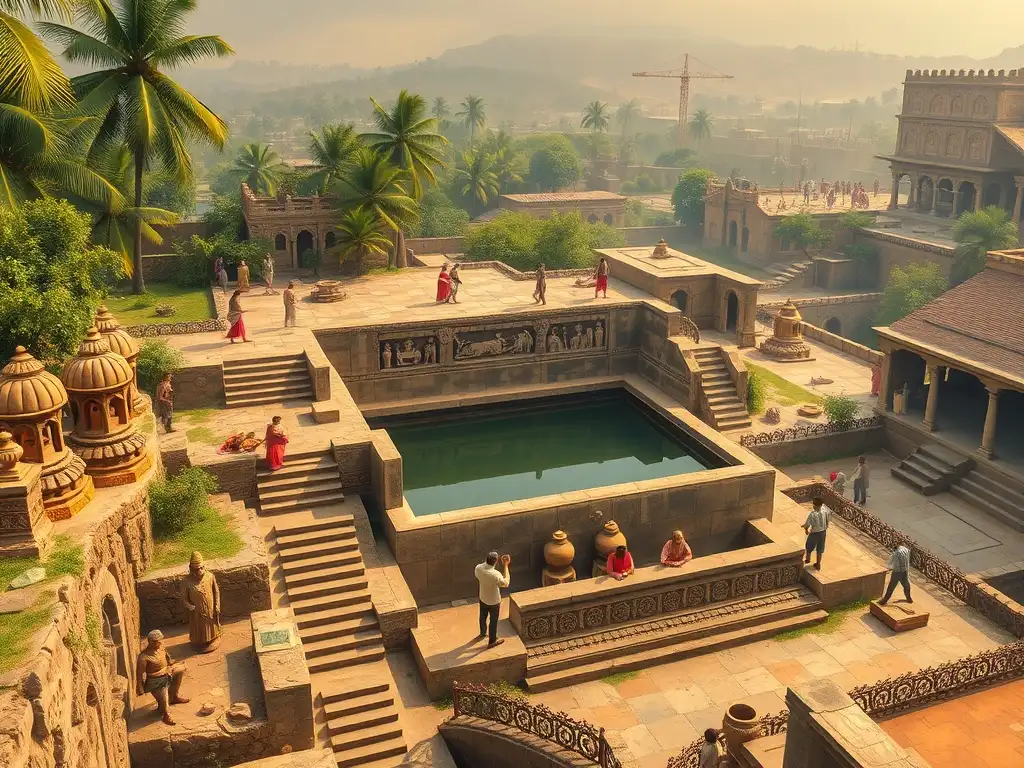
The construction of water tanks in ancient India showcases remarkable engineering techniques that were both innovative and practical. These structures were crucial for managing water supply in urban areas, especially in regions with varying rainfall patterns. The engineering involved in their construction often combined local materials with advanced techniques that allowed for efficient water storage and distribution.
Ancient Indian Engineering Methods
Ancient Indian engineers employed a variety of methods to construct water tanks that were durable and functional. Stone masonry was a predominant technique, where large stones were precisely cut and fitted together to create robust structures. Additionally, the use of bricks, which were fired to enhance their strength, was common. These materials were often sourced from local quarries, ensuring that the tanks were integrated into the surrounding environment.
Moreover, the concept of terracing was utilized, particularly in hilly areas. Engineers would create stepped tanks that collected rainwater at various levels, making use of gravity to facilitate water flow. The incorporation of drainage systems ensured that excess water could be diverted, reducing the risk of flooding and erosion. Techniques such as plastering the inner surfaces with lime or clay helped to seal the tanks, minimizing water loss due to seepage.
Innovations in Water Storage and Distribution
Innovations in water storage and distribution were pivotal to the effectiveness of ancient water tanks. One notable advancement was the development of step wells, which provided access to groundwater. These wells were often adorned with intricate carvings, reflecting the cultural significance of water in daily life.
Another innovation was the use of water channels and pipes made from clay or metal to distribute water from tanks to various parts of the city. Some cities, like the Indus Valley Civilization's Mohenjo-Daro, featured comprehensive drainage systems that connected water tanks to houses, promoting sanitation and hygiene.
The integration of catchment areas around water tanks further enhanced their capacity. Ancient engineers designed these areas to collect runoff water from surrounding lands during monsoon seasons, effectively increasing the tank's water storage capability.
Comparison with Contemporary Techniques
When comparing ancient water tank construction techniques with contemporary methods, several distinctions become apparent. Modern water management often relies on concrete and steel, which offer different durability and maintenance characteristics compared to ancient materials. While contemporary systems use advanced technology for water purification and distribution, ancient systems demonstrated a profound understanding of local ecology and resource management.
Furthermore, modern urban planning often overlooks the importance of natural water bodies, whereas ancient civilizations integrated these tanks into their urban landscapes. The focus on sustainability in ancient designs, such as utilizing natural materials and promoting rainwater harvesting, resonates with today's environmental concerns, highlighting the relevance of ancient practices in contemporary urban planning.
The Decline of Water Tanks and Their Legacy
Despite their significance, ancient water tanks faced decline due to various socio-economic and environmental factors. Understanding these challenges and their implications on water management today can provide valuable insights.
Factors Leading to the Decline of Water Tank Systems
The decline of water tank systems in ancient India can be attributed to several interconnected factors. Urbanization played a significant role, as rapidly growing populations shifted from rural to urban areas, leading to increased demand for water. This shift often necessitated the construction of new infrastructure that neglected the maintenance of existing water tanks.
Additionally, climate change and shifting rainfall patterns adversely impacted the effectiveness of these tanks. As monsoon seasons became less predictable, many tanks were unable to collect sufficient water, leading to a decline in their use. Moreover, the political instability and invasions during certain historical periods resulted in the neglect and destruction of water management systems.
Preservation Efforts for Ancient Water Tanks
In recent years, there has been a resurgence of interest in preserving ancient water tanks as part of cultural heritage conservation efforts. Organizations and local governments are increasingly recognizing the importance of these structures, not only for historical reasons but also for their potential in modern water management.
Efforts to restore and maintain these tanks include clean-up initiatives, community engagement programs, and the implementation of sustainable tourism practices that highlight their significance. Some regions have also adopted traditional methods of water management, blending ancient techniques with contemporary needs to promote ecological sustainability.
Lessons from Ancient Water Tank Management
The legacy of ancient water tanks offers valuable lessons for modern water management. One key takeaway is the importance of sustainability and community involvement in preserving water resources. Ancient Indian civilizations understood the need to manage water carefully, often involving local communities in the upkeep of these tanks.
Moreover, the integration of natural ecosystems into urban planning, as practiced by ancient engineers, can inform contemporary approaches to water management. By recognizing the interconnectedness of water supply, sanitation, and urban development, modern societies can develop more resilient and sustainable water systems.
The significance of ancient Indian water tanks extends beyond their immediate utility; they represent a profound understanding of engineering, environmental stewardship, and community resilience that remains relevant today.
Conclusion
The significance of water tanks in ancient Indian urban planning cannot be overstated. These architectural marvels were not merely functional structures for storing water; they played a pivotal role in the social, cultural, and economic fabric of ancient Indian civilizations. Water tanks facilitated irrigation, ensured a steady water supply for domestic use, supported the growth of agriculture, and promoted community welfare. Furthermore, they served as centers for social interaction and religious activities, reflecting the intricate relationship between water management and the community's daily life.
As we reflect on the ingenuity of ancient Indian water management systems, it becomes evident that the design and implementation of water tanks were deeply rooted in the principles of sustainability and ecological balance. The meticulous planning involved in their construction demonstrates a sophisticated understanding of hydraulic engineering and urban design that resonates with contemporary water management challenges.
Recap of the Significance of Water Tanks in Ancient Indian Urban Planning
Water tanks in ancient India were strategically integrated into urban landscapes, highlighting their multifaceted significance:
- Irrigation and Agriculture: Water tanks were crucial for irrigation, particularly in arid regions. They provided a reliable source of water for crops, thus supporting agricultural productivity and food security.
- Community Centering: These tanks often served as communal gathering spaces, fostering social cohesion. Festivals, rituals, and daily interactions took place around these water bodies, enhancing community bonds.
- Cultural and Religious Importance: Many water tanks were associated with religious practices, featuring temples and shrines nearby. They were places for purification and worship, signifying the reverence for water in spiritual life.
- Urban Planning and Design: The presence of water tanks influenced the layout and growth of cities. They were designed with careful attention to topography, ensuring that water could be effectively harvested and utilized.
Ancient Indian water tanks were not just utilitarian structures; they were vital components of urban planning that contributed to the sustainability and vibrancy of ancient cities.
The Relevance of Ancient Water Management Practices Today
The ancient practices of water management exemplified by the construction and use of water tanks hold significant relevance in today's context, especially as we face global water scarcity and environmental challenges. Here are a few key areas where these ancient techniques can inform contemporary practices:
- Sustainable Water Use: Ancient water tanks exemplify sustainable water management strategies that can be adapted in modern urban planning. The principles of collecting and storing rainwater are increasingly being recognized as vital in addressing current water shortages.
- Community Engagement: The communal aspect of water tanks encourages a participatory approach to water management. Modern initiatives could benefit from involving local communities in managing water resources, fostering a sense of ownership and responsibility.
- Cultural Heritage and Identity: Understanding the significance of ancient water tanks can strengthen cultural heritage and identity. By preserving these structures and promoting awareness of their history, we can cultivate respect for traditional practices that have sustained communities for centuries.
- Ecological Balance: The integration of water tanks into urban environments can contribute to biodiversity and ecological balance. By mimicking ancient practices, modern urban planners can create green spaces that support wildlife and improve urban livability.
The ancient Indian water tank systems offer valuable insights into sustainable practices that can address contemporary water management challenges, emphasizing the importance of learning from history to create resilient and adaptive urban environments.
- Introduction to Ancient Indian Water Tanks
- Historical Context of Water Tanks in India
- Architectural Features of Ancient Indian Water Tanks
- The Role of Water Tanks in Urban Life
- Engineering Techniques in Water Tank Construction
- The Decline of Water Tanks and Their Legacy
- Conclusion
- What were the primary purposes of water tanks in ancient Indian cities?
- How did the design of water tanks reflect ancient Indian architectural practices?
- What role did water tanks play in the social and cultural life of ancient Indians?
- How did the construction of water tanks influence urban planning in ancient India?
- What lessons can modern urban planners learn from ancient Indian water tank systems?
Frequently Asked Questions
What were the primary purposes of water tanks in ancient Indian cities?
Water tanks served multiple purposes including water storage, irrigation, and domestic use. They were vital for sustaining urban life, especially in arid regions.
How did the design of water tanks reflect ancient Indian architectural practices?
The design often showcased advanced engineering techniques, including water conservation methods and aesthetic elements that harmonized with surrounding environments, demonstrating the sophistication of ancient Indian architecture.
Water tanks were not just functional; they served as community gathering spaces, often linked to rituals and festivals, highlighting their cultural significance in daily life.
How did the construction of water tanks influence urban planning in ancient India?
The strategic placement of water tanks influenced the layout of cities, ensuring easy access to water and promoting sustainable urban growth, which was essential for the development of thriving civilizations.
What lessons can modern urban planners learn from ancient Indian water tank systems?
Modern planners can learn the importance of integrating water management with urban design, emphasizing the need for sustainable practices that address both community needs and environmental concerns.
Final Reflection: The Enduring Legacy of Ancient Indian Water Tank Significance
The significance of ancient Indian water tanks transcends time, illustrating the profound relationship between urban planning and sustainable resource management. In a world grappling with water scarcity and climate change, the ingenuity of our ancestors in creating these vital structures serves as a powerful reminder of the importance of preserving and innovating our water management systems. The intricate designs and strategic placements of these tanks not only catered to the needs of their communities but also fostered a sense of collective responsibility towards a precious resource.
Cultural and social landscapes have been shaped by the presence of these water tanks, which were more than mere reservoirs; they were the heart of ancient cities. The communal activities that revolved around these tanks fostered social cohesion and cultural exchange, highlighting the interconnectedness of society and environment. Water is the source of life, and its management is the cornerstone of civilization.
This quote encapsulates the essence of how ancient Indian water tanks were pivotal in sustaining urban life and promoting harmony among inhabitants.
As we reflect on the lessons from ancient Indian water tank significance, let us challenge ourselves to think about our own relationship with water. How can we apply these ancient principles of sustainability and community engagement in our modern lives? I invite you to consider the role you play in water conservation and to advocate for innovative solutions that honor the wisdom of the past while addressing the challenges of the present. Together, we can create a future where water is cherished, managed wisely, and accessible to all.
Embrace the Legacy: Discover the Role of Water Tanks in Ancient Urban Life!
Thank you for exploring the fascinating world of ancient Indian urban planning with us! We hope you’ve gained valuable insights into the crucial role that water tanks played in shaping cities and sustaining communities. Now, it’s time to put that knowledge into action!
Here are some steps you can take to deepen your understanding and appreciation of this significant aspect of our history:
- Visit a local museum or historical site that showcases the architectural marvels of ancient India and learn more about their sophisticated water management systems.
- Further your research by exploring books or documentaries that delve into the intricate relationship between water resources and urban planning in ancient civilizations.
- Share your newfound insights with friends or family! Consider initiating a conversation or writing a post on social media to inspire interest in this fascinating topic.
What aspect of ancient urban planning surprises you the most, and how do you believe these historical practices can inform our modern approaches to water management?