
Exploring Regional Variations: Cooking Traditional Dishes from Different Indian States

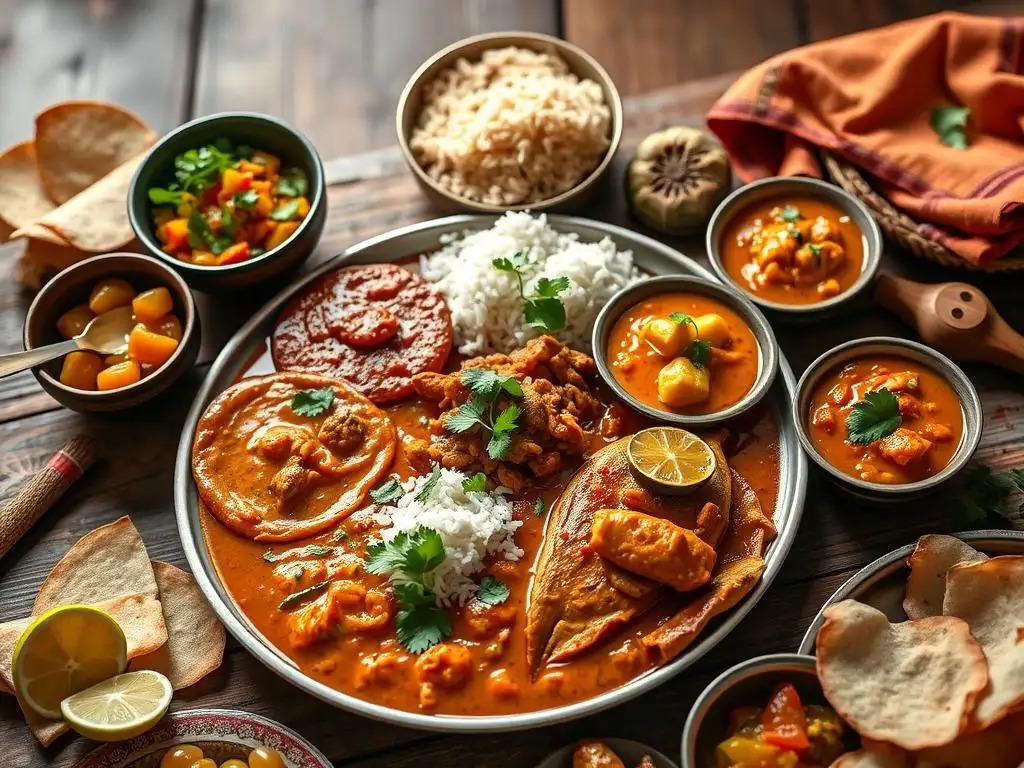
Welcome to Ancient India History, where we embark on a fascinating journey through time, exploring the rich tapestry of cultures and civilizations that have shaped the Indian subcontinent. In this edition, we dive into the delectable world of Traditional Indian Regional Dishes, uncovering the unique flavors and culinary traditions that vary from state to state. What secrets lie within the kitchens of ancient India, and how have these time-honored recipes influenced modern cuisine?
Join us as we unravel the stories behind these dishes and invite you to savor the exquisite diversity of Indian culinary heritage. Get ready to tantalize your taste buds and discover the historical significance that each bite holds!
- Exploring Traditional Indian Regional Dishes: A Culinary Journey
- Traditional Indian Regional Dishes: An Overview
- How to Cook Traditional Indian Regional Dishes
- The Cultural Significance of Traditional Indian Regional Dishes
- Resources for Further Exploration
-
Frequently Asked Questions
- What are some popular traditional Indian regional dishes?
- How do regional variations impact Indian cuisine?
- What role do local ingredients play in traditional dishes?
- Are there any festivals associated with traditional regional dishes?
- How can one learn to cook traditional dishes from different regions?
- Final Reflection: Celebrating the Diversity of Traditional Indian Regional Dishes
- Unleash Your Culinary Adventure Today!
Exploring Traditional Indian Regional Dishes: A Culinary Journey
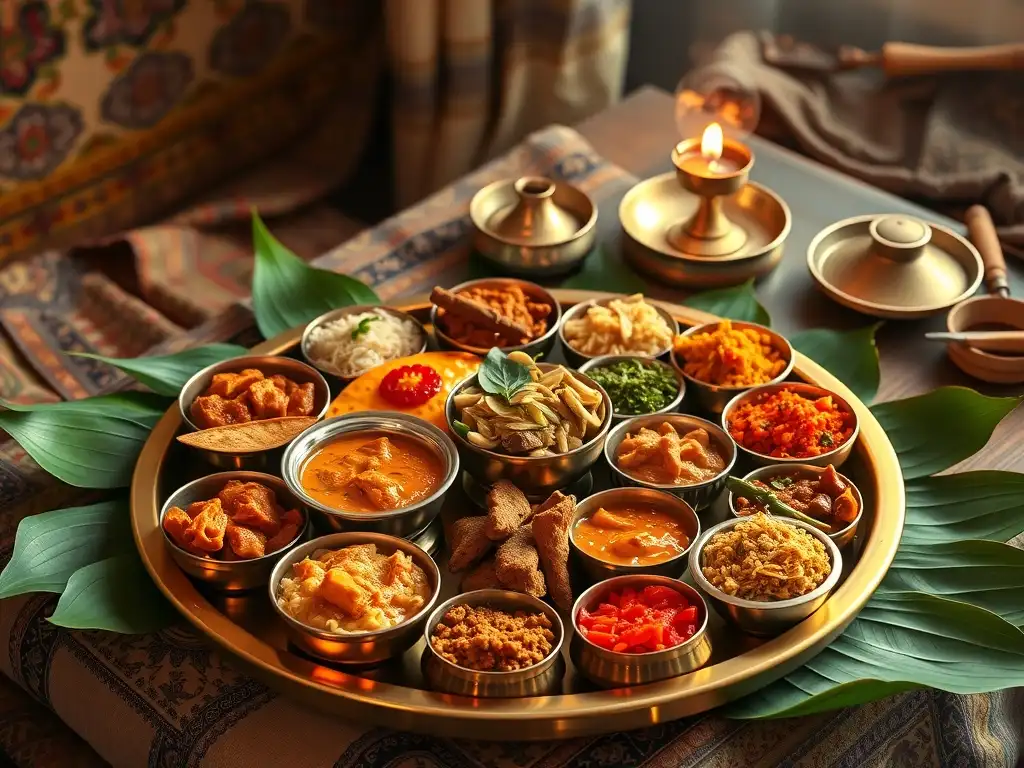
Indian cuisine is a vibrant tapestry of flavors, ingredients, and cooking techniques that reflect the rich history and diverse cultures of the subcontinent. From the aromatic spices of the south to the hearty dishes of the north, each region boasts its own unique culinary identity shaped by geography, climate, and tradition. This article invites you to embark on a culinary journey, exploring traditional Indian regional dishes that not only tantalize the taste buds but also tell the stories of ancient civilizations, cultural exchange, and local ingredients.
As we delve into the traditional Indian regional dishes, you'll discover how food serves as a bridge connecting various communities and celebrating the rich heritage of India. Whether you are a seasoned cook or a curious food enthusiast, understanding these regional variations will enhance your appreciation for Indian cuisine and inspire you to recreate these authentic flavors in your own kitchen.
Understanding the Diversity of Indian Cuisine
Indian cuisine is not monolithic; it is a reflection of the country's vast diversity, encompassing a multitude of regional styles and flavors. The following factors contribute to this culinary richness:
- Geographical Influences:
- Northern India, characterized by its mountainous terrain, tends to feature hearty dishes that use dairy and wheat.
- The coastal regions of the south utilize fresh seafood, rice, and coconut, creating light and flavorful meals.
- The desert landscapes of the west rely on preserved ingredients, resulting in dishes with bold spices and rich flavors.
- Cultural Variations:
- Each state in India has its own cultural practices, festivals, and rituals that influence home-cooked meals. For example, the vegetarian cuisine of Gujarat is shaped by Jain dietary customs, while the meat-rich dishes of Punjab reflect the agrarian lifestyle of the region.
- Historical Context:
- The spice trade and invasions have historically introduced new ingredients and cooking methods. The Mughal influence in North India brought rich gravies and aromatic spices, while the Portuguese introduced ingredients like potatoes and tomatoes in the west.
- Seasonal Ingredients:
- Traditional Indian cooking is also deeply connected to the seasons, with different dishes being prepared based on the availability of fresh produce. For instance, summer calls for refreshing salads and chutneys, while winter is perfect for hearty stews and curries.
This intricate blend of influences is what makes traditional Indian regional dishes so fascinating. Each dish not only delights the palate but also serves as a historical narrative, reflecting the lifestyle and traditions of the people who prepare it. As we continue to explore these culinary traditions, you will gain insight into the unique flavors and cooking styles that define each region of India.
Traditional Indian Regional Dishes: An Overview
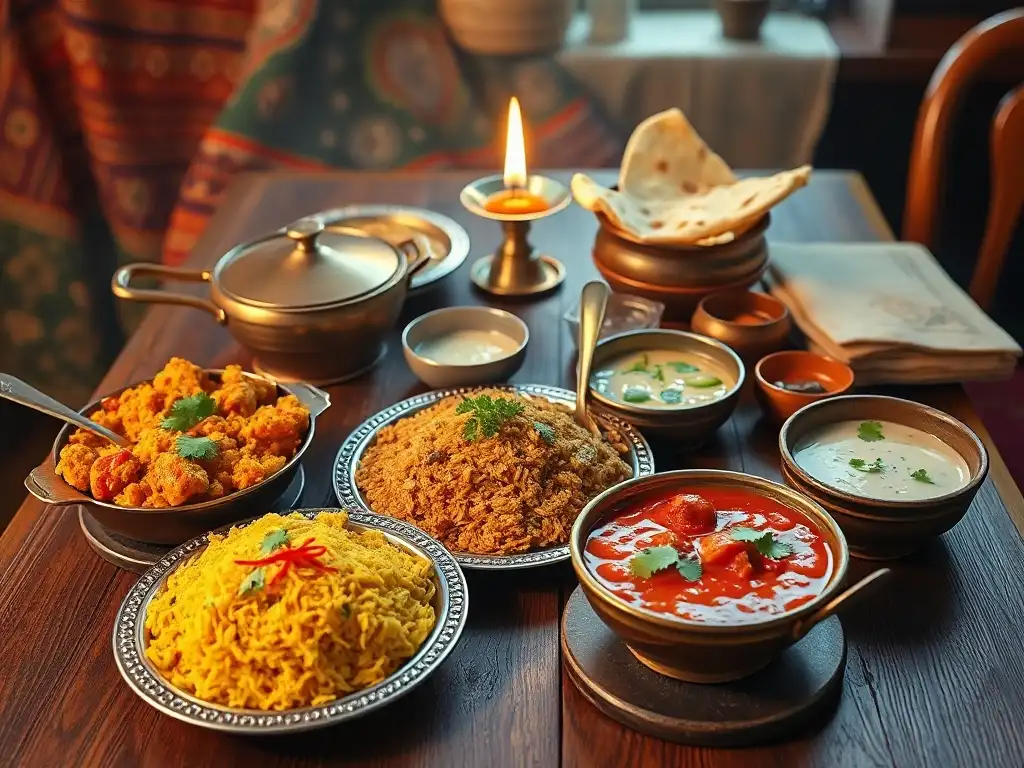
India's culinary landscape is as diverse as its culture, with traditional Indian regional dishes reflecting the unique flavors, ingredients, and cooking techniques of each state. The geography, climate, and history of each region have played a significant role in shaping its cuisine. This overview highlights three major regional cuisines: Northeastern, Northern, and Western Indian cuisines, showcasing the distinct characteristics and traditional dishes that define them.
Northeastern Indian Cuisine
Northeastern Indian cuisine encompasses the culinary practices of eight states: Assam, Meghalaya, Manipur, Mizoram, Nagaland, Arunachal Pradesh, Tripura, and Sikkim. The region is known for its use of fresh ingredients, herbs, and minimal oil, which highlights the natural flavors of the food.
Key Characteristics
- Lively Flavors: Northeastern dishes often incorporate fermented foods, fresh herbs, and unique spices. The use of ingredients like bamboo shoots, fish, and locally grown vegetables is common.
- Rice as a Staple: Rice is the primary staple, often served with a variety of side dishes, including meat and vegetable preparations.
- Cooking Techniques: Steaming, boiling, and grilling are preferred methods, with less emphasis on frying.
Traditional Dishes
- Pokhari: A traditional fish curry made with local spices, often enjoyed with steamed rice.
- Zingran: A spicy meat dish that incorporates local herbs and is usually served with sticky rice.
- Khar: A unique dish from Assam made with raw papaya, pulses, and alkaline water from the residue of the Assamese plant.
Northern Indian Cuisine
Northern Indian cuisine is primarily influenced by the Indo-Aryan culture and the historical interactions with various invaders and settlers. The use of dairy products, spices, and rich gravies characterizes the dishes from this region.
Key Characteristics
- Dairy Products: A wide variety of dairy products such as paneer (cottage cheese), yogurt, and ghee are extensively used.
- Robust Flavors: The use of spices like cumin, coriander, and garam masala creates rich and hearty flavors.
- Bread Varieties: Various types of bread, such as naan, roti, and paratha, are staples and often accompany main dishes.
Traditional Dishes
- Butter Chicken: A famous dish consisting of marinated chicken cooked in a creamy tomato sauce, typically served with naan.
- Rogan Josh: A flavorful lamb curry from Kashmiri cuisine, known for its aromatic spices and rich flavors.
- Chole Bhature: A popular dish made of spicy chickpeas paired with deep-fried bread, beloved across the region.
Western Indian Cuisine
Western Indian cuisine is a melting pot of flavors, influenced by the coastal geography, deserts, and diverse cultures of states like Gujarat, Maharashtra, Rajasthan, and Goa. Each state boasts a distinctive culinary heritage that emphasizes local ingredients and traditional cooking methods.
Key Characteristics
- Vegetarian Focus: Many western Indian dishes are vegetarian due to religious influences, particularly in Gujarat.
- Seafood in Coastal Areas: In states like Goa and Maharashtra, seafood plays a significant role, with coconut and spices adding depth to the flavors.
- Spices and Sweetness: The use of sugar and jaggery is common, especially in Gujarati cuisine, creating a unique balance of sweet and savory flavors.
Traditional Dishes
- Dhokla: A fermented steamed cake made from chickpea flour, popular in Gujarat, often served with green chutney.
- Puran Poli: A sweet flatbread stuffed with a mixture of jaggery and lentils, commonly enjoyed in Maharashtra.
- Goan Fish Curry: A tangy and spicy curry made with coconut milk, tamarind, and local fish, celebrated for its vibrant flavors.
The exploration of traditional Indian regional dishes reveals the rich tapestry of flavors and cooking techniques that define India's diverse culinary heritage. Each region tells its own story through its food, offering a unique insight into the culture and history of its people.
Southern Indian Cuisine
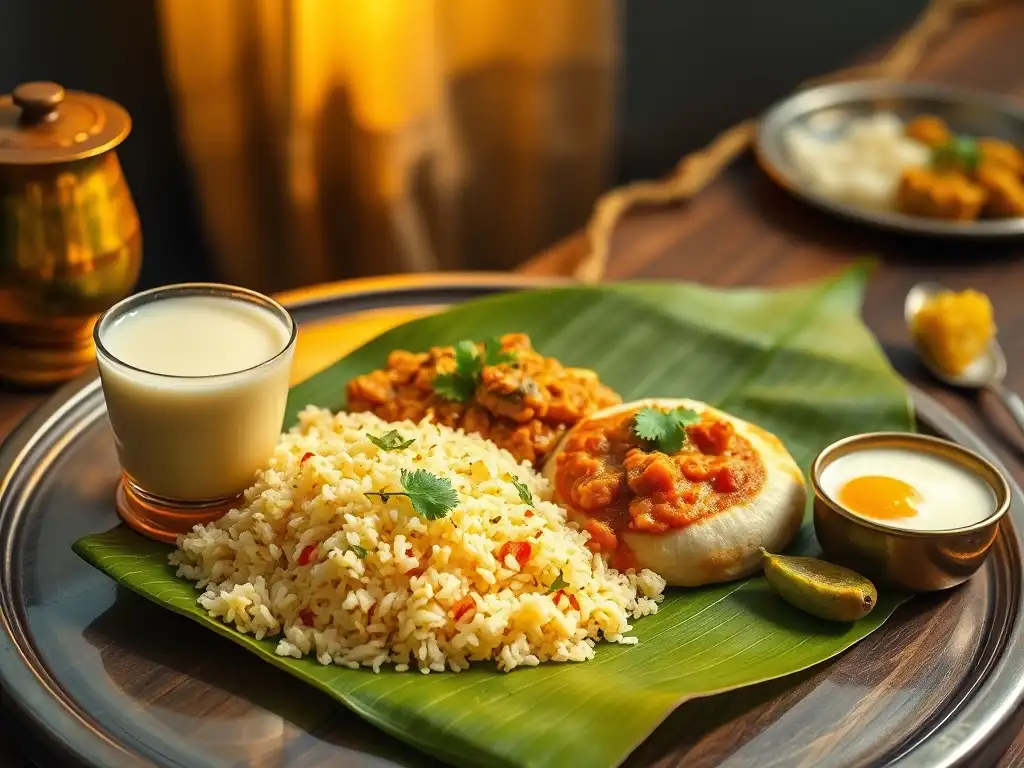
Southern Indian cuisine is known for its vibrant flavors, rich aromas, and a variety of dishes that reflect the unique agricultural products of the region. This cuisine primarily encompasses the states of Tamil Nadu, Karnataka, Andhra Pradesh, Kerala, and Telangana. Each of these states contributes its distinct culinary traditions, heavily influenced by local ingredients and historical trade routes.
One of the hallmark features of Southern Indian cooking is the extensive use of rice, which serves as the staple food. Dishes such as idli, dosa, and uttapam are popular breakfast items, often accompanied by sambar (a lentil-based vegetable stew) and coconut chutney. The fermentation process involved in making these dishes not only enhances their flavors but also boosts their nutritional profile.
Spices play a crucial role in Southern Indian cuisine, with a heavy emphasis on ingredients like mustard seeds, curry leaves, turmeric, and dried red chilies. For example, Chettinad cuisine from Tamil Nadu is particularly famous for its bold use of spices and aromatic blends, resulting in dishes like Chettinad chicken curry and mutton varuval.
Vegetarianism is prevalent in many parts of Southern India, leading to a rich array of vegetarian dishes. Rasam, a spicy soup made with tamarind, tomatoes, and a blend of spices, is a staple in many households. Moreover, dishes like avial (a mixed vegetable curry with coconut) and kootu (a lentil and vegetable preparation) showcase the region’s commitment to healthy, plant-based eating.
Key Ingredients in Southern Indian Cuisine:
- Rice: The primary staple.
- Lentils: Used in various forms, contributing to protein intake.
- Coconut: Used in various forms such as grated, oil, or milk.
- Spices: Mustard seeds, curry leaves, turmeric, cumin, and coriander.
Eastern Indian Cuisine
Eastern Indian cuisine is characterized by its diversity, incorporating the flavors and culinary techniques from the states of West Bengal, Odisha, Assam, and Jharkhand. The region’s food is often marked by its emphasis on rice, fish, and a variety of vegetables, making it a treasure trove for seafood lovers and vegetarians alike.
Rice is the staple grain in Eastern India, often served with a variety of fish and vegetable preparations. Bengali cuisine is particularly renowned for its use of freshwater fish, with dishes like machher jhol (fish curry) and shorshe ilish (hilsa fish in mustard sauce) being iconic. The delicate balance of spices and the use of mustard oil enhance the flavors of these dishes, making them unique.
In addition to fish, Eastern Indian cuisine features pulses and lentils, which are essential for providing protein. Dal (lentil soup) is a common accompaniment to meals. Furthermore, the region is famous for its sweets, with rasgulla and sandesh being popular desserts that exemplify the use of chhena (cottage cheese) and sugar.
The Eastern states also showcase a variety of cooking methods, including steaming, frying, and slow cooking, which contribute to the rich textures and flavors of the food. The use of seasonal vegetables, such as pumpkin, bottle gourd, and spinach, is prevalent, promoting a farm-to-table ethos.
Notable Dishes from Eastern India:
- Machher Jhol: A traditional fish curry.
- Shorshe Ilish: Hilsa fish cooked in mustard sauce.
- Chingri Malai Curry: Prawn curry made with coconut milk.
- Macher Kalia: A spicy fish dish often made with potatoes.
The diverse culinary traditions of Southern and Eastern India reflect the rich agricultural heritage and cultural influences throughout history, showcasing the importance of traditional Indian regional dishes in the broader context of Indian cuisine.
How to Cook Traditional Indian Regional Dishes
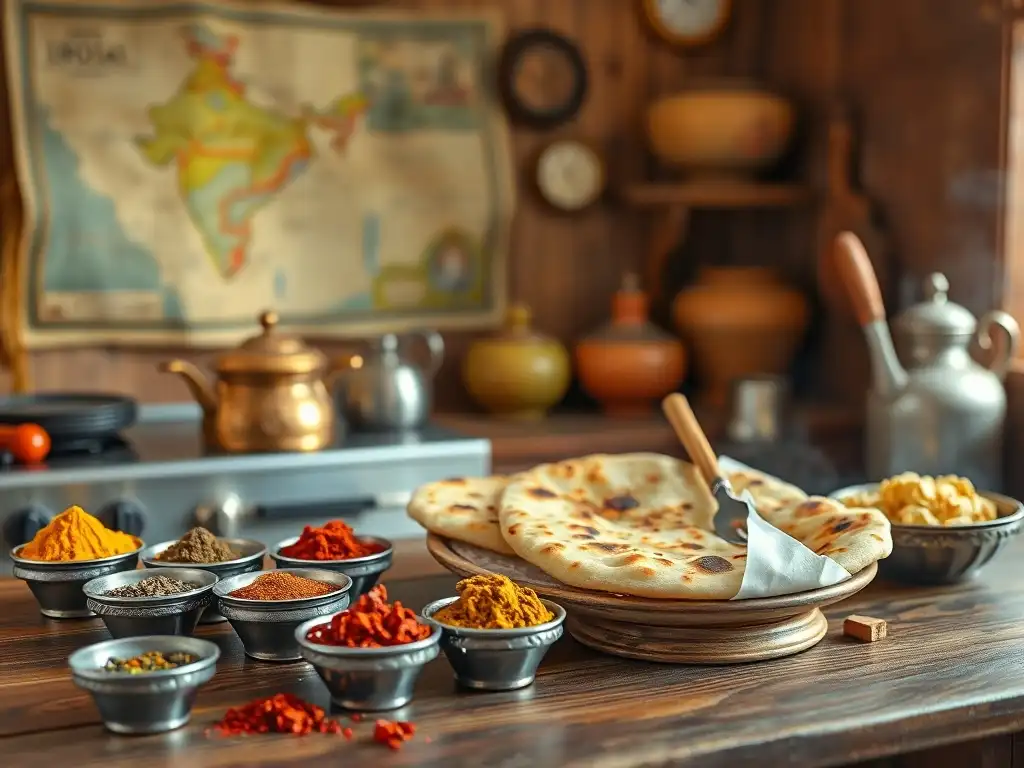
Cooking traditional Indian regional dishes is an exciting way to explore the diverse culinary landscape of India. Each region boasts its unique flavors, ingredients, and cooking techniques that reflect its history and culture. Understanding these regional variations can enhance your culinary skills and provide a deeper appreciation for Indian cuisine.
Ingredients Needed for Authentic Flavors
To capture the authentic flavors of traditional Indian regional dishes, it’s crucial to use the right ingredients. Each region has its signature spices, herbs, and other components that contribute to its unique taste profile. Here’s a breakdown of essential ingredients by region:
- Northeastern Indian Dishes:
- Bamboo shoots: A primary ingredient in many dishes.
- Fermented soybeans: Used in various chutneys and curries.
- Green chilies and herbs: Such as coriander and parsley.
- Northern Indian Dishes:
- Garam masala: A blend of spices that adds warmth and depth.
- Paneer: A fresh cheese used in many vegetarian dishes.
- Basmati rice: Known for its fragrance and long grains.
- Western Indian Dishes:
- Coconut: Frequently used in curries and chutneys.
- Sambar masala: A signature spice blend for lentil soups.
- Jaggery: Used for sweetness in various dishes.
- Southern Indian Dishes:
- Rice: The staple grain, often ground into flour for dosas.
- Tamarind: Adds tanginess to many curries and chutneys.
- Mustard seeds: Commonly used for tempering dishes.
- Eastern Indian Dishes:
- Fish: A staple protein, especially in coastal areas.
- Poppy seeds: Ground into a paste for gravies.
- Mustard oil: Used for cooking and dressing dishes.
Step-by-Step Recipes for Regional Specialties
Cooking Northeastern Indian Dishes
Northeastern Indian cuisine is known for its simplicity and use of fresh ingredients. One popular dish is Pukhlein, a rice-based dish steamed with bamboo shoots.
Ingredients:
- 1 cup rice
- ½ cup bamboo shoots (fresh or canned)
- Salt to taste
Instructions:
- Soak the rice for 2 hours and drain.
- Mix the rice with bamboo shoots and salt.
- Place the mixture in a banana leaf or steamer.
- Steam for about 30 minutes until the rice is cooked.
- Serve hot with chutney.
Cooking Northern Indian Dishes
Northern Indian cuisine is rich and diverse. A classic dish is Paneer Butter Masala.
Ingredients:
- 200g paneer, cubed
- 2 tablespoons butter
- 1 cup tomato puree
- 1 onion, finely chopped
- 1 teaspoon garam masala
- Cream for garnish
Instructions:
- Heat butter in a pan and sauté the onions until golden.
- Add the tomato puree and cook for 10 minutes.
- Stir in the garam masala and add paneer cubes.
- Cook for an additional 5 minutes.
- Garnish with cream and serve with naan or rice.
Cooking Western Indian Dishes
Western India offers a variety of flavors, with a popular dish being Dhokla, a steamed chickpea flour cake.
Ingredients:
- 1 cup chickpea flour (besan)
- 1 teaspoon baking soda
- 1 teaspoon turmeric powder
- Salt to taste
- Green chilies and coriander for garnish
Instructions:
- Mix the chickpea flour, baking soda, turmeric, and salt.
- Add water to make a smooth batter.
- Pour into a greased steaming tray.
- Steam for 15-20 minutes until cooked.
- Garnish with green chilies and coriander.
Cooking Southern Indian Dishes
Southern Indian cuisine is renowned for its use of rice and lentils. A famous dish is Sambar, a lentil-based vegetable stew.
Ingredients:
- 1 cup toor dal (split pigeon peas)
- 2 cups mixed vegetables (carrots, beans, etc.)
- 1 tablespoon sambar powder
- Salt to taste
- Curry leaves for tempering
Instructions:
- Cook the toor dal until soft and mash it.
- In a pot, add vegetables and water, cooking until tender.
- Stir in the mashed dal, sambar powder, and salt.
- Temper with mustard seeds and curry leaves.
- Serve hot with rice or idli.
Cooking Eastern Indian Dishes
Eastern India is famous for its fish dishes. Machher Jhol is a traditional Bengali fish curry.
Ingredients:
- 500g fish (like hilsa or rohu)
- 2 tablespoons mustard oil
- 1 onion, sliced
- 1 teaspoon turmeric powder
- Salt to taste
Instructions:
- Heat mustard oil in a pan and sauté the onions.
- Add turmeric and salt, then the fish pieces.
- Cook on low heat for 10-15 minutes until the fish is cooked through.
- Serve with steamed rice.
By using these authentic ingredients and following these recipes, you can explore the rich tapestry of traditional Indian regional dishes in your own kitchen. From the aromatic spices of the north to the comforting flavors of the south, each dish tells a story of its cultural heritage. Enjoy cooking and discovering the diverse culinary traditions of India!
The Cultural Significance of Traditional Indian Regional Dishes
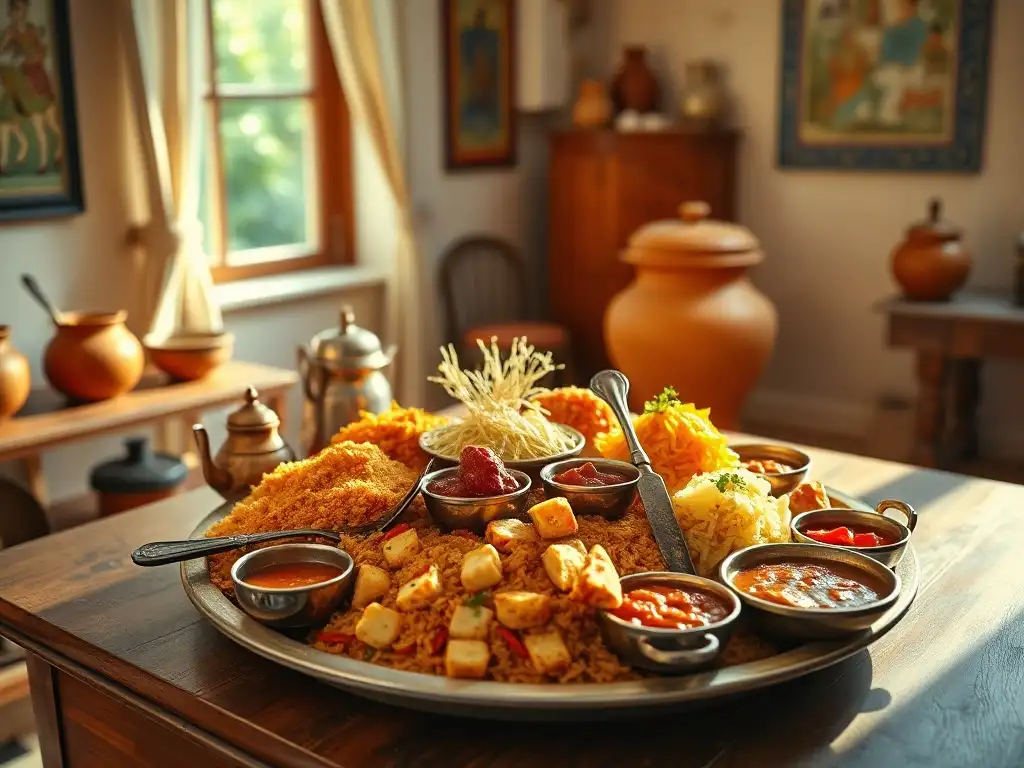
Celebrations and Festivals: Food as a Cultural Expression
Traditional Indian regional dishes play a pivotal role in the celebrations and festivals across the diverse states of India. Each dish is often imbued with cultural significance, reflecting the traditions, beliefs, and history of that particular region. For instance, during Diwali, the festival of lights, families in Gujarat prepare Dhokla and Khandvi, showcasing the region's culinary skills while celebrating togetherness and prosperity.
Food serves not only as nourishment but also as a medium of cultural expression. In South India, during Pongal, a harvest festival, communities come together to prepare Pongal, a dish made from newly harvested rice, symbolizing gratitude to the sun god. Similarly, in Punjab, Lohri is celebrated with the preparation of Gur (jaggery) and Rewari, which are shared among friends and family to mark the end of winter.
These regional dishes are often prepared using age-old recipes passed down through generations, preserving the unique flavors and cooking techniques that define each area's culinary identity. The act of cooking and sharing these traditional dishes during festivals strengthens community bonds and reinforces cultural heritage.
Preserving Culinary Heritage: The Importance of Regional Cooking
Preserving regional cooking is vital for maintaining the rich culinary heritage of India. Each state boasts its own unique ingredients, cooking methods, and flavors, contributing to a mosaic of traditional Indian regional dishes. For instance, the use of mustard oil and panch phoron (a blend of five spices) in Bengali cuisine differentiates it from the coconut oil and curry leaves prevalent in South Indian cooking.
Regional dishes not only reflect local agricultural practices but also the historical influences that have shaped the region's cuisine. For example, the incorporation of Persian spices in Mughlai cuisine highlights the historical interactions between cultures. This culinary diversity is crucial for sustaining biodiversity, as traditional cooking often utilizes locally sourced ingredients, helping to preserve indigenous crops and farming practices.
In today's fast-paced world, there is a growing movement to revive traditional cooking methods and recipes to ensure they are not lost to modern culinary trends. Community initiatives, workshops, and cooking classes are being organized to educate younger generations about their cultural heritage. Furthermore, by promoting local dishes, chefs and home cooks are rediscovering the flavors of their roots, fostering a greater appreciation for traditional Indian regional dishes.
Traditional Indian regional dishes are not merely food; they are a celebration of the rich tapestry of India's cultural heritage. By understanding and embracing these culinary traditions, we can ensure that the flavors of our past continue to thrive in the present and future.
Resources for Further Exploration
Recommended Cookbooks and Cooking Classes
Exploring traditional Indian regional dishes is a journey that can be enhanced with the right resources. Here are some highly recommended cookbooks and cooking classes that delve into the rich culinary heritage of India:
Cookbooks:
- "Indian-ish: Recipes and Antics from a Modern American Family" by Priya Krishna
- This cookbook blends traditional Indian recipes with modern American influences, offering a unique perspective on Indian cuisine.
- "Indian Cooking Unfolded: A Master Class in Indian Cooking" by Raghavan Iyer
- A comprehensive guide that breaks down complex Indian recipes into manageable steps, ideal for beginners and experienced cooks alike.
- "The Art of Indian Vegetarian Cooking" by Yamuna Devi
- This cookbook focuses on vegetarian dishes from various regions of India, showcasing the diversity of flavors and ingredients.
- "Curries and Bugles: A Memoir and a Cookbook of the British Raj" by D. N. Mukherjee
- It combines personal anecdotes with recipes that reflect the historical blend of Indian and British culinary traditions.
Cooking Classes:
- Online Platforms:
- Websites like Udemy and Skillshare offer various courses on Indian cooking, featuring traditional recipes from different regions.
- Local Cooking Schools:
- Many cities with a significant Indian community have cooking schools that offer classes focusing on regional cuisines, such as Saffron & Sage in the United States, which specializes in Indian cooking.
- Culinary Tours:
- Participating in culinary tours in India, such as those offered in Rajasthan or Kerala, can provide hands-on cooking experiences with local chefs.
These resources not only teach cooking techniques but also provide insight into the cultural significance of the dishes, making your culinary journey more enriching.
Where to Find Authentic Ingredients for Traditional Dishes
To prepare authentic traditional Indian regional dishes, sourcing the right ingredients is crucial. Here are some tips on where to find these ingredients:
Local Indian Grocery Stores
- Specialty Stores: Look for Indian grocery stores in your area. These stores typically stock a wide range of authentic spices, legumes, and other essential ingredients like:
- Basmati Rice
- Chickpea Flour (Besan)
- Garam Masala and other regional spice blends
Online Retailers
- Amazon and Specialty Food Sites: Many online platforms now offer a variety of Indian spices, lentils, and specialty ingredients. Some notable options include:
- Kalustyan's
- Patanjali
- iShopIndian
Local Farmers Markets
- Fresh Produce: Farmers markets can be an excellent source for fresh herbs and vegetables that are essential in Indian cooking, such as:
- Cilantro
- Green Chilies
- Fenugreek Leaves (Methi)
Cultural Festivals
- Food Stalls: Attending Indian cultural festivals often allows you to purchase traditional ingredients directly from local vendors, alongside the opportunity to taste authentic regional dishes.
By ensuring you have access to authentic ingredients, you will be able to recreate the flavors and essence of traditional Indian regional dishes in your own kitchen.
Frequently Asked Questions
What are some popular traditional Indian regional dishes?
Some popular dishes include Biryani from Hyderabad, Dhokla from Gujarat, and Masala Dosa from Karnataka, each reflecting the unique flavors and ingredients of their respective regions.
How do regional variations impact Indian cuisine?
Regional variations lead to diverse cooking techniques, spices, and ingredients, resulting in a rich tapestry of flavors that represent the cultural heritage of different states in India.
What role do local ingredients play in traditional dishes?
Local ingredients are essential as they influence the taste, nutritional value, and authenticity of traditional dishes, showcasing the agricultural diversity of each region.
Are there any festivals associated with traditional regional dishes?
Yes, many festivals celebrate regional dishes, such as Pongal in Tamil Nadu, where special dishes like Pongal rice are prepared, highlighting the cultural significance of food in celebrations.
How can one learn to cook traditional dishes from different regions?
One can learn to cook traditional dishes by attending cooking classes, following online tutorials, or exploring regional cookbooks that provide authentic recipes and cooking techniques.
Final Reflection: Celebrating the Diversity of Traditional Indian Regional Dishes
In a world increasingly defined by globalization, the rich tapestry of traditional Indian regional dishes remains a vital connection to our cultural heritage. Each state in India offers a unique culinary narrative that reflects its history, geography, and the diverse communities that inhabit it. As we explore these regional variations, we not only savor the flavors but also embrace the stories and traditions that have shaped them over centuries. The importance of preserving and celebrating these dishes cannot be overstated, as they serve as a delicious reminder of our roots.
The influence of traditional Indian regional dishes extends far beyond the kitchen; it permeates our social fabric and cultural identity. Each meal is a celebration of community, a gathering that fosters connection and understanding among people. The act of sharing these dishes can bridge divides and foster appreciation for the rich diversity that exists within our society. As culinary historian and author Madhur Jaffrey once said, Food is the thread that ties us to our past and connects us to one another.
This sentiment resonates deeply as we recognize that every bite of a regional dish is a taste of history and a step toward unity.
As we conclude this exploration of traditional Indian regional dishes, I invite you to reflect on your own culinary journey. Consider how the dishes you cherish can inspire you to connect with your heritage and the diverse cultures around you.
Whether it's trying your hand at a new recipe or sharing a meal with friends and family, let the flavors of India guide you toward a deeper appreciation of our shared humanity. Embrace the opportunity to celebrate and preserve these culinary traditions, for in doing so, we honor not just the past, but also the vibrant future of our collective identity.
Unleash Your Culinary Adventure Today!
Thank you for diving into the rich tapestry of India’s regional cuisines with us! We hope you’ve been inspired to explore the diverse flavors and traditions that each state has to offer. Now it’s time to take that inspiration and turn it into action.
Here are some exciting steps you can take to deepen your culinary journey:
- Cook a Dish from a New Region: Choose a traditional dish that you’ve never tried cooking before and give it a go! Let the aromas and flavors transport you to its place of origin.
- Join a Regional Cooking Class: Whether online or in-person, immerse yourself in the unique cooking techniques and ingredient nuances of a specific region.
- Share Your Culinary Creations: Post pictures of your dish on social media and invite your friends to join in the fun by tagging them to participate in your cooking journey!
What regional dish will you be preparing to connect with India’s rich culinary heritage? Share your delicious plans in the comments!