
The Importance of Ritual Cleansing Before Festivals: A Cultural Insight

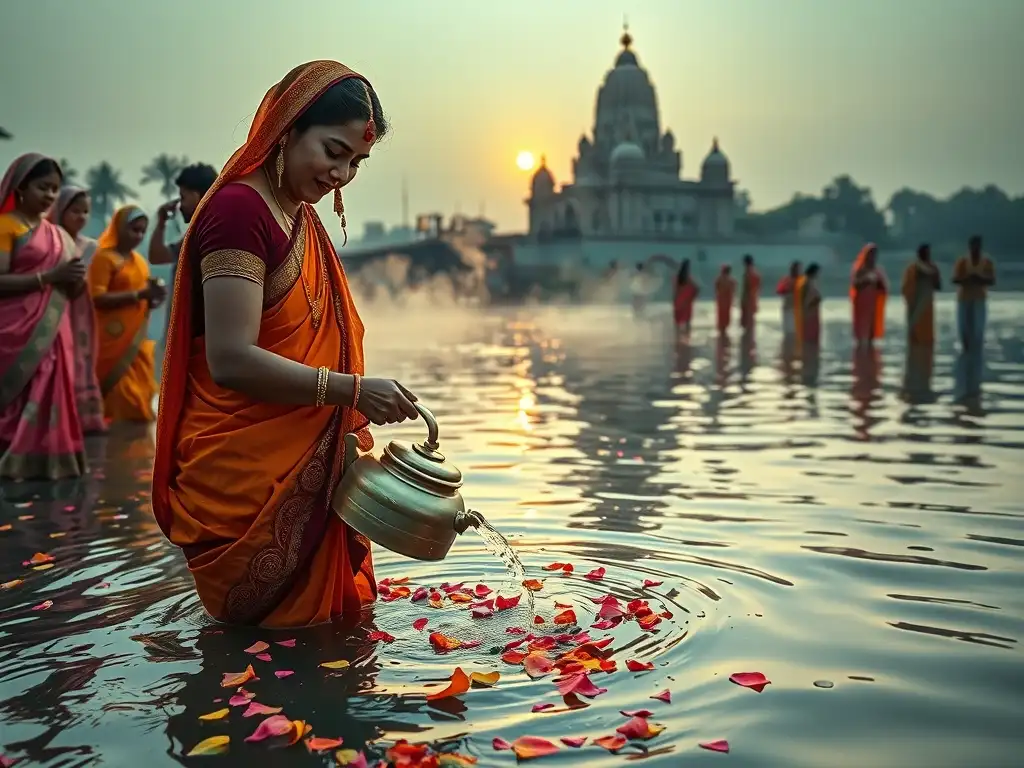
Welcome to Ancient India History, where we embark on an extraordinary journey through the rich tapestry of ancient Indian civilizations. Here, we delve into the fascinating world of ritual cleansing in ancient India, a practice deeply woven into the cultural fabric of festivals and traditions.
As we explore the significance of cleansing rituals before grand celebrations, you'll uncover the profound meanings that lie beneath the surface of these age-old customs. Prepare to be captivated by the stories that shaped a civilization, and let your curiosity guide you as you learn more about the rituals that continue to resonate in today's vibrant festivals.
Introduction to Ritual Cleansing in Ancient India
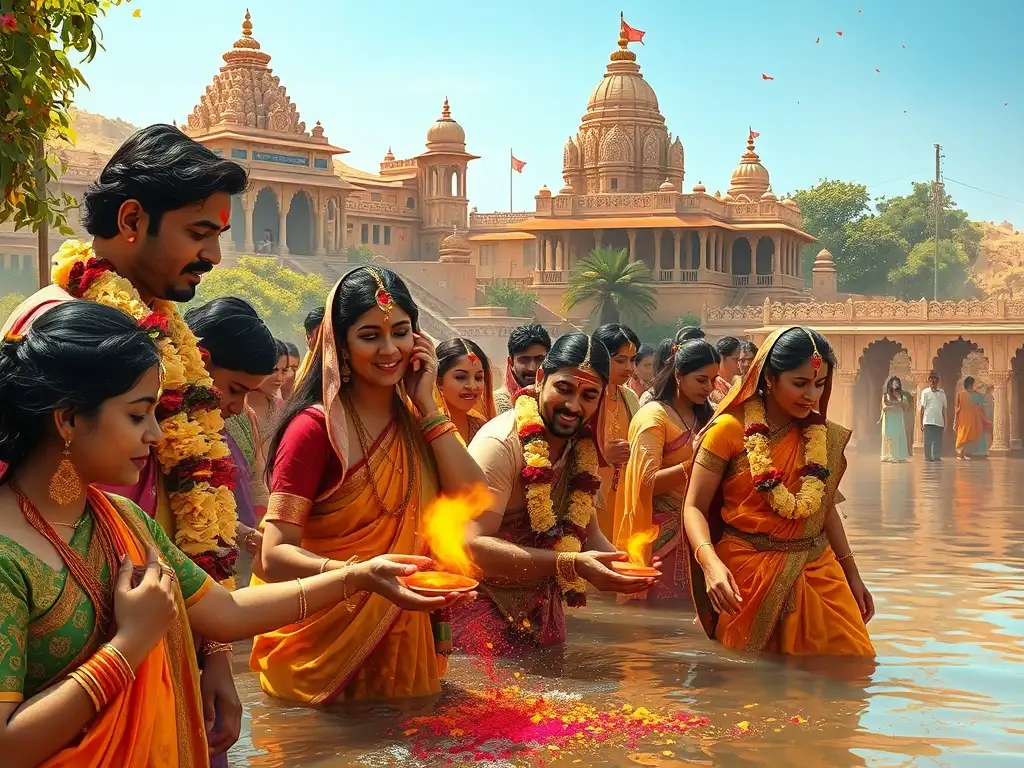
Ritual cleansing in ancient India holds a profound significance within the cultural practices and celebrations that punctuate the lives of its people. This ancient custom, deeply embedded in the spiritual and social fabric of Indian society, serves as a prelude to numerous festivals, symbolizing purity, renewal, and readiness to engage with the divine.
The act of cleansing is not merely a physical endeavor; rather, it embodies a holistic approach to preparing oneself mentally, spiritually, and emotionally for the forthcoming celebrations. As we explore the various dimensions of ritual cleansing, we uncover its pivotal role in shaping the rich tapestry of ancient Indian festivals and traditions.
Definition of Ritual Cleansing
Ritual cleansing, often referred to as "Shuddhi" in Sanskrit, encompasses a range of practices aimed at purifying the body, mind, and spirit. This process can involve the use of water, herbs, and specific mantras, and is performed with the intent of removing impurities and negative energies. The importance of ritual cleansing is recognized across various Indian religions, including Hinduism, Buddhism, and Jainism, each attributing unique meanings and methodologies to the practice.
Historical Context of Ritual Cleansing Practices
Historically, ritual cleansing practices can be traced back to the Indus Valley Civilization (circa 3300–1300 BCE), where evidence suggests the use of advanced drainage systems and bathing rituals, particularly in the Great Bath of Mohenjo-Daro. Over the centuries, these practices evolved and became interwoven with religious and cultural narratives, gaining prominence in sacred texts such as the Vedas and Upanishads. The emphasis on purity and cleanliness reflects a broader philosophical understanding of life, where the physical act of cleansing correlates with spiritual enlightenment and societal harmony.
Significance of Cleansing in Ancient Indian Festivals
The significance of ritual cleansing extends beyond personal purification; it plays a crucial role in the communal experience of festivals. Festivals such as Diwali, Holi, and Navaratri are not only occasions for celebration but also moments for individuals and communities to engage in cleansing rituals. These practices serve as a means of fostering a sense of belonging, reinforcing social bonds, and creating a collective consciousness around shared values of purity and devotion.
The Role of Ritual Cleansing in Festivals
Overview of Major Festivals in Ancient India
Ancient Indian festivals are vibrant displays of culture, spirituality, and tradition. Some major festivals include:
- Diwali: The Festival of Lights, celebrating the victory of light over darkness.
- Holi: The Festival of Colors, marking the arrival of spring and the triumph of good over evil.
- Navaratri: A nine-night festival dedicated to the worship of the goddess Durga.
Each of these festivals incorporates unique rituals, many of which emphasize the importance of cleansing as a preparatory step.
Ritual Cleansing Practices Associated with Specific Festivals
The cleansing rituals associated with these festivals vary widely, reflecting the diverse cultural landscape of ancient India. For example:
- Diwali: Homes are meticulously cleaned and decorated, symbolizing the removal of negativity and welcoming prosperity.
- Holi: Participants often bathe before engaging in the colorful festivities to purify themselves and enhance the joyous spirit of the celebration.
- Navaratri: Devotees undertake fasting and cleansing rituals to prepare themselves spiritually for nine nights of worship.
These practices not only enhance the sanctity of the festivals but also serve to instill a deep sense of respect for tradition, emphasizing the foundational belief in the power of ritual cleansing in ancient Indian culture.
Cultural Significance of Ritual Cleansing
Ritual cleansing in ancient India holds profound cultural significance, deeply embedded in the customs and traditions that shape the societal fabric. This practice is not merely a physical act but a symbolic preparation for festivals, intended to purify the body and mind. Cleansing rituals are associated with a sense of renewal, allowing individuals to shed the impurities accumulated through daily life. As festivals are times of celebration and communion with the divine, the act of cleansing serves to elevate one's spiritual state and align individuals with the sacred energies of the season.
Moreover, ritual cleansing is often an expression of respect and devotion. It signifies readiness to participate in religious observances, reinforcing the belief that purity invites divine blessings. The rituals associated with cleansing can vary widely, yet they share a common thread of fostering a deeper connection with cultural heritage, illustrating the importance of cleanliness and orderliness in ancient Indian philosophy.
Spiritual Beliefs Surrounding Cleansing
Spiritual beliefs surrounding ritual cleansing in ancient India are rooted in the philosophical concepts of purity and pollution, which are central to Hinduism and other indigenous spiritual practices. Water, often regarded as a purifying element, plays a key role in these beliefs. Sacred texts mention the Ganges River as a powerful source of purification, capable of washing away sins and negative energies. Rituals performed near such holy rivers are believed to enhance spiritual well-being and cleanse the soul.
Furthermore, the act of cleansing is often accompanied by mantras and prayers, invoking divine protection and blessings. These spiritual invocations reinforce the idea that physical cleanliness is intrinsically linked to spiritual health. By engaging in these rituals, practitioners express their devotion and seek to align themselves with higher spiritual ideals, embodying the belief that the state of one's environment and body reflects their inner spiritual condition.
The Connection Between Purity and Divine Favor
In ancient Indian culture, there is a profound connection between purity and divine favor. The belief is that maintaining a state of purity through ritual cleansing not only enhances one's spiritual aura but also attracts the blessings of deities. This connection is evident in various religious texts, where rituals and offerings made in a state of purity are considered more effective and sincere.
The notion of purity extends beyond the individual; it encompasses the entire community. Festivals are communal events, and collective cleansing rituals serve to unite participants in a shared experience of spiritual elevation. This communal aspect underscores the belief that divine favor is not just an individual pursuit but a collective aspiration, where the purity of the group enhances the overall spiritual atmosphere, leading to greater blessings and prosperity.
Ritual Cleansing as a Community Bonding Experience
Ritual cleansing serves as a significant community bonding experience in ancient India, fostering a sense of unity and shared identity among participants. These rituals often involve communal gatherings where families and neighbors come together to perform cleansing rites, creating a collective spirit of celebration and anticipation for the upcoming festival. This shared experience reinforces social ties and promotes a sense of belonging.
In many cases, the rituals are accompanied by songs, dances, and communal meals, further solidifying the bonds between individuals. The act of cleansing together symbolizes not only the purification of the body but also the strengthening of community ties. This bonding experience is essential in a society where relationships and social networks play a crucial role in daily life, emphasizing the importance of collective participation in cultural practices.
Methods of Ritual Cleansing in Ancient India
Ritual cleansing methods in ancient India are diverse, reflecting the rich tapestry of cultural practices across different regions and communities. These methods typically involve a combination of physical, spiritual, and symbolic actions, with water often being a central element. Cleansing rituals may include bathing in sacred rivers, sprinkling holy water, or performing specific rites that involve the use of herbal infusions or natural elements.
The significance of these methods lies not only in their physical cleansing properties but also in their spiritual symbolism, reinforcing the connection between the material and spiritual worlds. Each method carries its own historical and cultural weight, contributing to the overall understanding of ritual cleansing as a vital aspect of ancient Indian life.
Traditional Techniques and Materials Used
Traditional techniques and materials used in ritual cleansing vary widely across ancient India, often reflecting local customs and the availability of natural resources. Common practices include:
- Water Rituals: Bathing in sacred rivers or lakes is a prevalent form of cleansing. The water is often considered to have purifying properties, especially in holy sites.
- Herbal Infusions: Certain herbs, such as neem and tulsi, are used in preparations for cleansing due to their medicinal and purifying properties. They may be added to bathing water or used in rituals.
- Ashes and Clays: In some traditions, sacred ashes (vibhuti) or clay from holy sites are used for cleansing. These materials symbolize purity and are believed to ward off negative energies.
- Flowers and Fragrances: The use of flowers, particularly those offered to deities, is common in cleansing rituals. Their fragrance is thought to elevate the spiritual atmosphere and enhance the ritual's efficacy.
These techniques and materials reflect a harmonious relationship with nature and the belief in the sacredness of the elements involved in the cleansing process.
Regional Variations in Cleansing Rituals
Ritual cleansing practices exhibit significant regional variations across ancient India, influenced by local beliefs, customs, and geographical contexts. For instance:
- Northern India: In regions like Punjab and Uttar Pradesh, the ritual of bathing in the Ganges during festivals, such as Kumbh Mela, is a major cultural event, drawing millions who seek purification and spiritual merit.
- Southern India: In Tamil Nadu, traditional rituals may include the use of sacred turmeric paste during cleansing ceremonies, believed to have auspicious properties.
- Western India: In Gujarat and Rajasthan, community-led cleansing rituals often incorporate local folklore and music, enhancing the communal aspect of the celebration.
- Eastern India: In Bengal, the immersion of idols in rivers symbolizes both cleansing and the cyclical nature of life, emphasizing the connection between rituals and the environment.
These regional variations highlight the adaptability of ritual cleansing practices, showcasing how local customs intertwine with broader spiritual beliefs, ultimately enriching the cultural landscape of ancient India.
The Psychological Impact of Ritual Cleansing
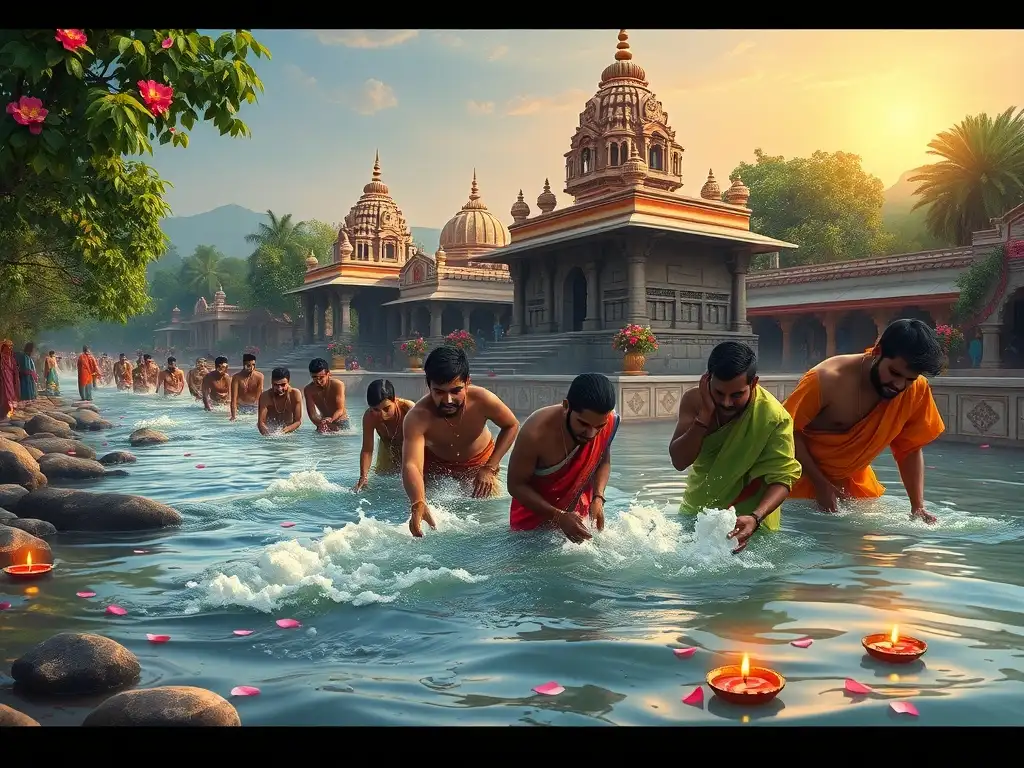
Ritual cleansing in ancient India was not merely a physical act; it held profound psychological significance that shaped the community's mindset and individual emotions. The act of cleansing serves as a powerful ritualistic mechanism that impacts mental states, preparing individuals for the spiritual and social dimensions of festivals.
Mental Preparation for Festivals
Before the celebration of festivals, ritual cleansing acts as a preparatory step, allowing individuals to transition from their mundane daily lives into a sacred space. This preparation is essential as it fosters a sense of anticipation and excitement. Engaging in cleansing rituals instills a feeling of purity and readiness, making participants more receptive to the spiritual experiences and communal bonding that festivals often entail.
For many, the rituals associated with cleansing—such as bathing in holy rivers or reciting specific mantras—serve as a mental reset, clearing away distractions and negativity. This practice cultivates a focused mindset, allowing individuals to fully immerse themselves in the festivities. The psychological benefits are evident, as participants often report feeling lighter, more energized, and spiritually connected after these cleansing rituals.
The Role of Rituals in Enhancing Mindfulness
Ritual cleansing fosters mindfulness, a state of active, open attention to the present. Engaging in such rituals encourages individuals to be aware of their actions, thoughts, and surroundings. This heightened sense of awareness is particularly crucial during festivals, which are often filled with vibrant activities and communal gatherings.
Through the repetitive nature of cleansing rituals—whether it’s washing with specific herbs, chanting, or meditative practices—participants cultivate a deeper connection with their inner selves and the larger community. This mindfulness not only enhances the festival experience but also promotes a sense of peace and tranquility, reducing anxiety and stress associated with daily life.
Cleansing as a Form of Emotional Release
The act of ritual cleansing often serves as an emotional release for many individuals. In ancient India, cleansing rituals symbolized the washing away of sins, guilt, and negative emotions, allowing individuals to enter the festival with a renewed spirit. This cathartic aspect of cleansing can lead to feelings of relief and liberation, essential for personal growth and communal harmony.
The emotional impact is particularly pronounced during significant festivals, such as Diwali or Holi, where cleansing rituals help participants let go of past grievances and embrace forgiveness and love. This transformation not only benefits the individual but also enhances social cohesion, as communities come together in shared experiences of cleansing and renewal.
Modern Perspectives on Ritual Cleansing
As society evolves, so too does the interpretation and practice of ritual cleansing. While the core principles remain intact, modern perspectives on these ancient practices reflect changing lifestyles and values in contemporary India.
Continuation of Ancient Practices in Contemporary India
Many traditional cleansing rituals have persisted in modern India, showcasing the resilience of cultural practices. Despite urbanization and globalization, families often uphold these rituals as a means of connecting with their heritage. Cleansing rituals before festivals like Navratri or Ganesh Chaturthi remain popular, serving as a bridge between the past and present.
These practices not only offer individuals a chance to reconnect with their roots but also reinforce community ties, as families and neighborhoods come together to participate in shared rituals. The essence of ritual cleansing continues to resonate, symbolizing the collective identity and continuity of ancient traditions within a modern context.
The Adaptation of Ritual Cleansing in Modern Celebrations
With the passage of time, some aspects of ritual cleansing have adapted to fit contemporary lifestyles. Modern interpretations may incorporate new elements, such as eco-friendly materials or simplified practices, while still respecting the core significance of cleansing rituals.
For instance, while traditional bathing in rivers may be less feasible for urban dwellers, many have found alternative ways to engage in cleansing, such as taking symbolic baths at home or using herbal products. These adaptations ensure that the practice remains relevant, allowing individuals to participate meaningfully in their cultural heritage.
Challenges Faced in Preserving Ritual Cleansing Traditions
Despite the continued importance of ritual cleansing, several challenges threaten the preservation of these traditions. Rapid urbanization, modernization, and changing social dynamics can dilute the significance and practice of ancient rituals.
Younger generations may find it difficult to relate to the traditional practices, leading to a gradual decline in participation. Additionally, the commercialization of festivals can overshadow the spiritual essence of cleansing rituals, reducing them to mere performances.
To combat these challenges, communities are encouraged to actively engage in educational initiatives that highlight the importance of ritual cleansing, ensuring that these traditions are not lost to time but rather evolve while retaining their cultural significance.
Conclusion: The Enduring Legacy of Ritual Cleansing
Ritual cleansing in ancient India holds a profound significance that transcends mere physical purification. It embodies a rich tapestry of spiritual beliefs, cultural practices, and communal values that have persisted through centuries. The importance of these cleansing rituals can be observed in various festivals, where they serve as a means to prepare individuals and communities for divine connection and celebration. Whether through the sacred waters of rivers or the symbolic gestures of purification, these practices highlight the deep-rooted connection between spirituality and daily life in ancient Indian civilizations.
Moreover, the legacy of ritual cleansing extends beyond the historical context. It has influenced modern practices and continues to be a vital aspect of various cultural and religious celebrations across India today. The continuity of these rituals underscores their significance in maintaining cultural identity and fostering a sense of belonging among communities. As we explore the implications of these traditions, it becomes evident that the essence of ritual cleansing is not merely about cleanliness, but about spiritual renewal, community bonding, and the reverence for the sacred.
Summary of Key Points on Ritual Cleansing in Ancient India
- Spiritual Significance: Ritual cleansing was seen as essential for spiritual purity, allowing individuals to connect with the divine during festivals.
- Cultural Practices: Various methods, including bathing in sacred rivers and performing specific cleansing rituals, were employed to purify the body and mind.
- Community Engagement: Cleansing rituals often involved communal activities, fostering unity and collective participation in festivals.
- Symbolism and Tradition: The practices were imbued with symbolism, representing renewal, transformation, and the cyclical nature of life.
- Historical Continuity: Many of these ancient practices have been preserved and adapted, reflecting their lasting impact on contemporary cultural celebrations.
The Relevance of Cleansing Practices in Today's Cultural Landscape
In today's rapidly changing cultural landscape, the relevance of ritual cleansing practices remains strong. Many modern festivals continue to incorporate cleansing rituals, serving as a bridge between ancient traditions and contemporary beliefs. These practices not only enhance the spiritual atmosphere of celebrations but also reinforce communal ties and cultural identity.
As society grapples with issues of environmental sustainability and personal well-being, the principles of purification resonate deeply. The emphasis on cleanliness, both physical and spiritual, can be seen in modern wellness practices that echo ancient rituals. Furthermore, as globalization fosters cultural exchange, the understanding and appreciation of ritual cleansing can lead to a richer, more inclusive cultural dialogue. Thus, the enduring legacy of these practices highlights their significance as a source of inspiration and identity in today's world.
References for Further Reading on Ritual Cleansing and Festivals
Suggested Books and Articles
- "Rituals of India" by Dr. A. M. Sharma explores various cleansing rituals tied to Indian festivals and their cultural significance.
- "The Cultural Heritage of India" by K. P. Singh provides insights into the historical context of rituals, including cleansing practices.
- "Festivals of India" by S. R. Das discusses the various festivals and associated rituals, including the importance of purification.
Online Resources on Ancient Indian Cultural Practices
- The Digital Library of India hosts a collection of texts and resources related to ancient Indian culture and rituals.
- The Indian Culture Portal offers articles and insights into various cultural practices, including ritual cleansing during festivals.
- The Archaeological Survey of India provides information on the historical significance of sites linked to ancient rituals and practices.
- Introduction to Ritual Cleansing in Ancient India
- The Role of Ritual Cleansing in Festivals
- Cultural Significance of Ritual Cleansing
- Methods of Ritual Cleansing in Ancient India
- The Psychological Impact of Ritual Cleansing
- Modern Perspectives on Ritual Cleansing
- Conclusion: The Enduring Legacy of Ritual Cleansing
- References for Further Reading on Ritual Cleansing and Festivals
- What is the significance of ritual cleansing in ancient India?
- How did ancient Indians perform ritual cleansing?
- What role did ritual cleansing play during festivals?
- Are there any specific festivals associated with ritual cleansing in ancient India?
- How has the practice of ritual cleansing evolved over time in Indian culture?
Frequently Asked Questions
What is the significance of ritual cleansing in ancient India?
Ritual cleansing holds great importance in ancient Indian culture, symbolizing purity and preparation for sacred events, especially festivals. It is seen as a way to purge impurities and invite divine blessings.
How did ancient Indians perform ritual cleansing?
Ancient Indians practiced ritual cleansing through various methods, including bathing in sacred rivers, using specific herbal pastes, and chanting mantras. These practices were believed to enhance spiritual purification.
What role did ritual cleansing play during festivals?
During festivals, ritual cleansing was essential as it was thought to prepare individuals for celebrations and connect them to the divine. It helped in fostering a sense of community and shared spirituality among participants.
Are there any specific festivals associated with ritual cleansing in ancient India?
Yes, several ancient Indian festivals, such as Kumbh Mela and Diwali, involved ritual cleansing. These festivals emphasized the need for purification before engaging in religious practices and communal celebrations.
How has the practice of ritual cleansing evolved over time in Indian culture?
While the core concept of ritual cleansing remains, modern practices may vary, incorporating contemporary hygiene methods alongside traditional rituals. The essence of seeking purity and spiritual readiness continues to be valued in today's society.
Final Reflection: Embracing the Essence of Ritual Cleansing in Modern Times
Ritual cleansing in ancient India is not merely a relic of the past; it is a profound practice that resonates with our contemporary lives. As we navigate the complexities of modern existence, the significance of these cleansing rituals serves as a reminder of the importance of purification, both physically and spiritually, before engaging in communal celebrations. The act of cleansing transcends mere tradition; it embodies a deeper connection to our cultural heritage and the values we hold dear.
Cultural practices such as ritual cleansing have shaped our social fabric, fostering a sense of unity and belonging among communities. The echoes of these ancient traditions can still be felt today, as they encourage mindfulness and intentionality in our lives. As Mahatma Gandhi once said, "> The best way to find yourself is to lose yourself in the service of others." This sentiment rings true as we engage in cleansing rituals, allowing us to shed our burdens and embrace the collective spirit of festivals, ultimately enriching our cultural identity.
As you reflect on the insights shared in this article, I invite you to consider how you can incorporate the essence of ritual cleansing into your own life. Take a moment to purify your mind and spirit before embarking on new journeys or celebrating significant milestones. By honoring these practices, you not only connect with your roots but also cultivate a deeper appreciation for the shared human experience that binds us all. Let the lessons of ritual cleansing inspire you to create meaningful moments in your life, fostering joy and connection in every celebration.
Embrace the Spirit of Cleansing Before the Celebration!
Thank you for taking the time to explore the significance of ritual cleansing before festivals! By understanding this important cultural practice, you’ve taken a meaningful step toward deepening your appreciation for ancient traditions.
Now, let’s translate this knowledge into action:
- Incorporate a personal cleansing ritual into your festival preparations—reflect on what resonates with you and create a unique ceremony that embodies your values and beliefs.
- Share your insights with friends or family by hosting a discussion about the cultural practices that enrich festival celebrations, fostering a deeper understanding and connection.
- Document your experience through journaling or photography, and consider joining online communities where you can exchange stories and insights with others who share your enthusiasm.
What traditions or rituals do you practice that enhance your festival experiences? Share your thoughts, and let’s inspire each other!