
The Mysteries of Brahmi: Unlocking the Language of Ancient Inscriptions

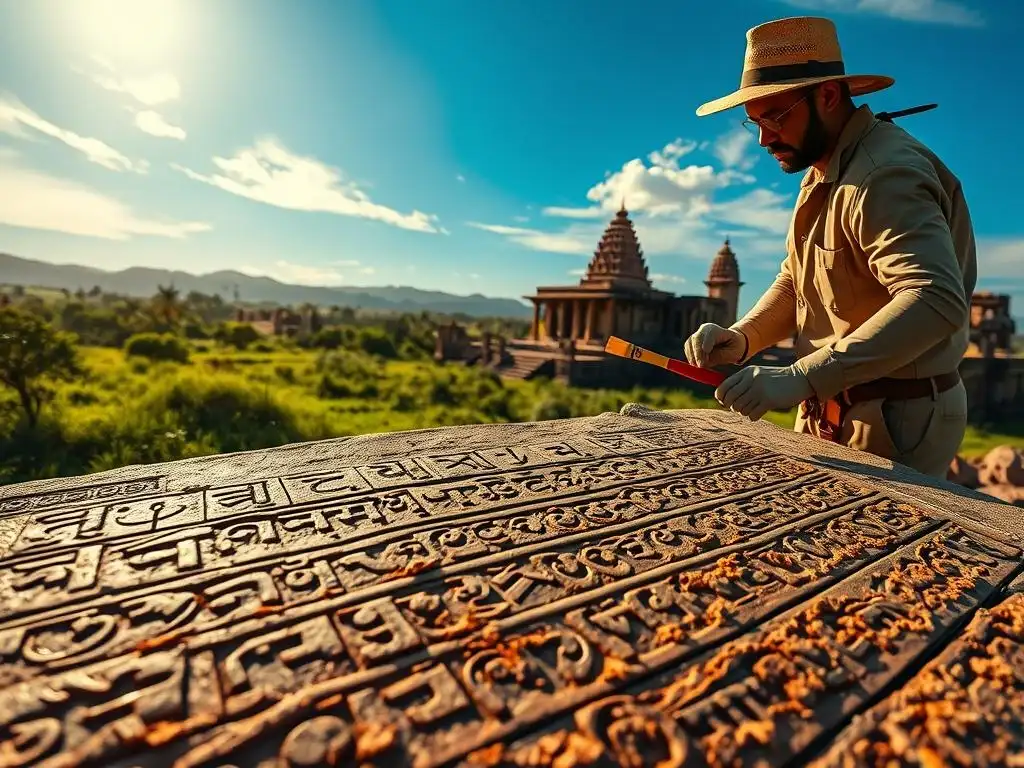
Welcome to Ancient India History, where we embark on a fascinating journey through the rich tapestry of ancient Indian civilizations. Here, we delve into the vibrant cultures, remarkable achievements, and enduring legacies that have shaped a subcontinent. Today, we invite you to uncover the secrets behind ancient Indian inscriptions language in our featured article, "The Mysteries of Brahmi: Unlocking the Language of Ancient Inscriptions."
Join us as we decode the enigmatic scripts that have preserved the wisdom and stories of a bygone era, sparking your curiosity to explore the profound impact these languages have had on our understanding of history. Dive in and let the past come alive!

Introduction to Ancient Indian Inscriptions Language
The study of ancient Indian inscriptions language unveils a fascinating narrative about the civilizations that flourished in India thousands of years ago. Among the various scripts utilized throughout history, Brahmi stands out as one of the earliest and most significant. It serves as a crucial link to understanding the linguistic and cultural evolution of ancient Indian societies, providing insight into their thoughts, beliefs, and administrative practices.
This article aims to explore the mysteries of Brahmi, delving into its origins, significance, and its role in the broader context of ancient Indian inscriptions. Through this exploration, we will uncover how Brahmi not only shaped written communication but also influenced subsequent scripts and languages across the region.
Overview of Brahmi Script in Ancient India
Brahmi script is recognized as one of the oldest writing systems in India, dating back to at least the 3rd century BCE. It is characterized by its distinct characters, which have influenced many other scripts, including Devanagari, Tamil, and even scripts used in Southeast Asia. The Brahmi script was primarily used for writing Prakrit and Sanskrit languages, which were prevalent during various periods of ancient Indian history.
The script's evolution is evident in the diverse inscriptions found across the Indian subcontinent. These inscriptions span various contexts, including religious texts, royal edicts, and everyday transactions, providing a multifaceted view of life in ancient India. The adaptability of Brahmi reflects the dynamic nature of communication during this era, allowing it to meet the needs of different communities and regions.
Significance of Ancient Inscriptions in Understanding History
Ancient inscriptions serve as invaluable historical documents that offer insights into the socio-political, economic, and cultural aspects of ancient Indian civilizations. They provide evidence of governance, trade practices, religious beliefs, and social structures. For example, inscriptions from the Mauryan Empire, such as those by Emperor Ashoka, communicate messages of governance and moral teachings.
Furthermore, these inscriptions are crucial for linguists and historians attempting to reconstruct the evolution of languages and scripts in India. By studying the language used in these inscriptions, researchers can trace the development of dialects and understand the influences that shaped them over time. Each inscription acts as a time capsule, preserving the thoughts and voices of people from a bygone era, allowing modern scholars to unlock the history of ancient India.
The Origins of Brahmi Script
Historical Context of Brahmi in Ancient Indian Civilizations
The origins of Brahmi script can be traced back to the early historical period of India, around the time when urban centers began to flourish in the Indus Valley and the subsequent rise of the Mauryan Empire. The script likely emerged as a response to the need for a systematized form of writing to facilitate administration and communication among diverse populations.
Brahmi was employed in a variety of inscriptions, including those found on rock edicts and pillar inscriptions. These inscriptions often conveyed royal decrees, religious messages, and commemorative texts, serving both practical and ceremonial purposes. The use of Brahmi in significant historical contexts underscores its role in shaping the administrative and cultural landscape of ancient India.
Evolution of Brahmi and Its Influence on Other Scripts
The evolution of Brahmi script is marked by its adaptability and influence on subsequent writing systems. As it spread across different regions and cultures, it underwent various transformations, leading to the development of regional scripts. For instance, the Gupta script, which emerged later, showcases the direct lineage from Brahmi, reflecting changes in style and usage.
Brahmi's influence extended beyond the Indian subcontinent, impacting scripts in Southeast Asia, such as Khmer and Thai scripts. This cross-cultural exchange highlights the significance of Brahmi not only as a writing system but also as a pivotal element in the diffusion of literacy and cultural practices across ancient civilizations. By unlocking the mysteries of Brahmi, we can better understand the intricate tapestry of ancient Indian history and its lasting legacy on the languages and scripts of today.
Deciphering Brahmi: Techniques and Challenges
Deciphering the Brahmi script presents a fascinating yet complex challenge for historians and linguists. This ancient writing system, believed to have originated in the 3rd century BCE, is a key to understanding the rich tapestry of ancient Indian history and culture. The process of decoding Brahmi inscriptions involves a combination of linguistic analysis, comparative studies, and technological advancements.
Methods Used in the Study of Ancient Indian Inscriptions Language
- Comparative Linguistics: Researchers often compare Brahmi with other ancient scripts and languages, such as Kharosthi and Prakrit. This method allows for a better understanding of phonetic and semantic structures, aiding in the interpretation of inscriptions.
- Paleography: The study of ancient handwriting styles is critical in deciphering Brahmi. By analyzing the shapes and forms of characters over time, scholars can trace the evolution of the script and make educated guesses about unreadable segments.
- Contextual Analysis: Understanding the historical and cultural context of inscriptions is essential. Contextual clues, including the location of the inscriptions and their associated artifacts, provide valuable insights into their meanings.
- Digital Tools: Modern technology plays an important role in the study of Brahmi. Digital imaging and software programs can enhance the visibility of worn inscriptions, making it easier to analyze and decode them.
- Interdisciplinary Approaches: Collaborations between linguists, historians, archaeologists, and epigraphists foster comprehensive studies that combine different perspectives and methodologies to tackle the complexities of Brahmi inscriptions.
Major Challenges in Decoding Brahmi Inscriptions
Decoding Brahmi is fraught with challenges that can complicate the deciphering process:
- Inconsistent Glyphs: Variability in the shapes of characters across different inscriptions can lead to misinterpretations. The same sound may be represented by different glyphs depending on regional styles or time periods.
- Fragmentary Evidence: Many inscriptions are incomplete or damaged, making it difficult to derive full meanings or contexts. This lack of complete texts leads to gaps in understanding.
- Linguistic Variations: Brahmi inscriptions often display linguistic diversity, reflecting the various dialects and languages spoken in ancient India. This variation can obscure the meanings of certain words or phrases.
- Lack of Bilingual Texts: Unlike some ancient scripts, Brahmi does not have many bilingual inscriptions that could provide direct translations or comparisons, complicating the deciphering efforts.
- Historical Context: The absence of comprehensive records about the socio-political landscape during the time of Brahmi's use makes it challenging to accurately interpret the meanings of the inscriptions.
Key Features of Brahmi Script
The Brahmi script is distinguished by several key features that highlight its significance in ancient Indian inscriptions and literature:
Characteristics of the Brahmi Writing System
- Abugida Structure: Brahmi is classified as an abugida, meaning it primarily represents consonants, with vowels indicated by diacritics or inherent vowel sounds. This phonetic structure allows for a flexible representation of sounds.
- Syllabic Nature: Each character in Brahmi generally corresponds to a syllable, which contributes to its fluidity in writing. This characteristic was foundational in the development of many subsequent Indian scripts.
- Directional Writing: Brahmi is written from left to right, a feature that has influenced many later scripts derived from it, including Devanagari.
- Diverse Glyphs: The script's characters are characterized by their geometric shapes, with a combination of straight lines and curves that create a unique visual identity.
- Adaptability: Brahmi has shown adaptability over centuries, evolving into various regional scripts and influencing languages across Asia, including Southeast Asia and the Himalayas.
The Role of Brahmi in Ancient Indian Literature
Brahmi played a pivotal role in the preservation and dissemination of ancient Indian literature. As one of the earliest scripts used in India, it served several important functions:
- Record Keeping: Brahmi inscriptions were used for administrative purposes, documenting transactions, land grants, and royal edicts, thereby providing a glimpse into the socio-economic conditions of the time.
- Cultural Transmission: The script facilitated the transmission of religious and philosophical texts, including Buddhist and Jain scriptures, contributing to the spread of ideas and beliefs across regions.
- Literary Expression: Brahmi inscriptions often included poetry and literary compositions, reflecting the artistic and intellectual achievements of ancient Indian civilizations.
- Historical Documentation: Many inscriptions serve as historical records, offering insights into the political landscape, dynastic histories, and significant events during ancient times.
- Foundation for Future Scripts: The influence of Brahmi extends beyond its own time, as it laid the groundwork for numerous other scripts, ensuring the continued evolution of written communication in the Indian subcontinent.
Major Discoveries in Brahmi Inscriptions
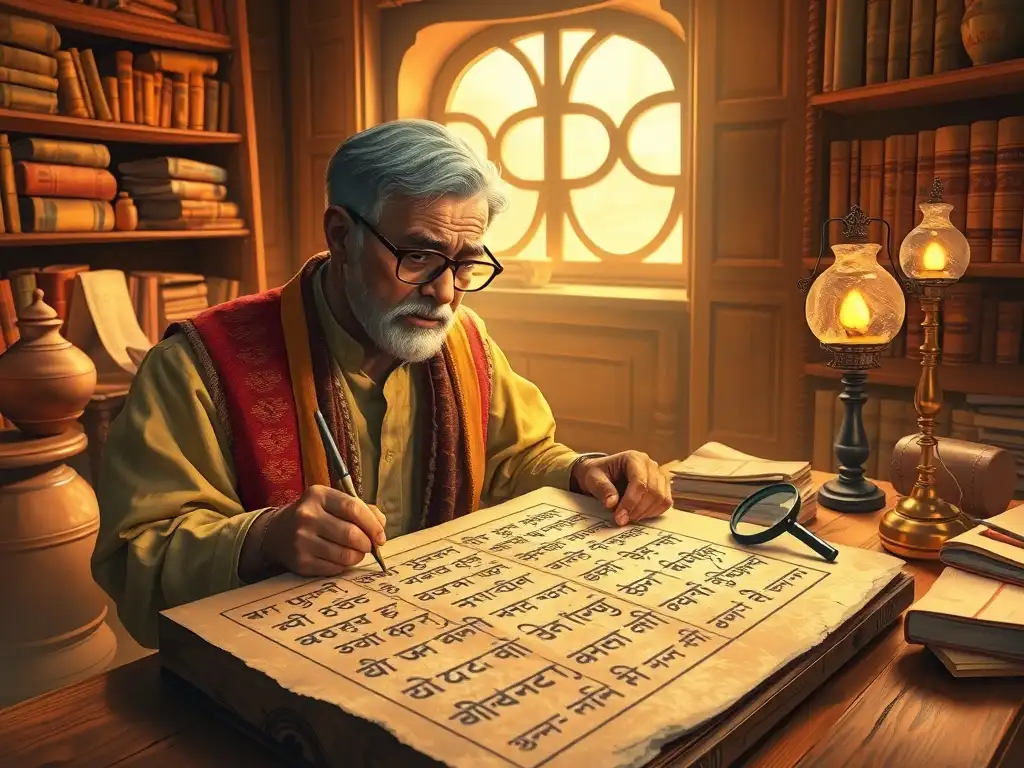
The Brahmi script is one of the oldest writing systems in the Indian subcontinent, and its discoveries have significantly enriched our understanding of ancient Indian history and culture. The first major discovery of Brahmi inscriptions occurred in the late 19th century when British archaeologist Alexander Cunningham unearthed inscriptions in the Bharhut stupa in Madhya Pradesh. These inscriptions, dating back to the 2nd century BCE, revealed insights into the early Buddhist community and their practices.
Another pivotal discovery was in the Sanchi Stupa, where inscriptions provided details about the patronage of various kings and the spread of Buddhism. The famous Edicts of Ashoka, inscribed in Brahmi, were also discovered at several sites, including Lumbini and Kalinga. These edicts not only articulate Ashoka's policies but also underscore the role of Brahmi in governance and the dissemination of moral and ethical guidelines.
Further excavations at sites such as Taxila and the ruins of Nalanda have unearthed numerous Brahmi inscriptions, shedding light on trade, education, and cultural exchanges during ancient times. The ongoing study of these inscriptions continues to reveal the complex tapestry of ancient Indian civilization and its linguistic heritage.
Notable Inscriptions and Their Historical Importance
Among the notable Brahmi inscriptions, the Edicts of Ashoka stand out for their historical significance. These edicts, inscribed on rocks and pillars across the Indian subcontinent, reflect the Mauryan Emperor Ashoka's commitment to dharma (moral law) and social welfare. They provide valuable insights into the political and social landscape of the time, including policies on animal rights, religious tolerance, and sanitation.
Another important inscription is the one found at the Girnar hills in Gujarat, which commemorates the reign of King Rudradaman I of the Western Kshatrapas. This inscription not only highlights the influence of the Brahmi script but also offers a glimpse into the socio-political dynamics of ancient India, including the interactions between various kingdoms and cultural practices.
The inscriptions from the ancient city of Taxila are also noteworthy. They document the educational and trade practices of the time, indicating that Taxila was a prominent center for learning and commerce. These inscriptions serve as critical evidence of the cultural and intellectual exchanges that shaped ancient Indian society.
Regional Variations in Brahmi Inscriptions Across India
Brahmi inscriptions exhibit notable regional variations, reflecting the diverse cultures and languages within ancient India. In northern India, Brahmi inscriptions often incorporated local dialects, which influenced their phonetic structure. For instance, the inscriptions found in the northwestern regions, such as Gandhara, display variations that align with the Gandhari language, showcasing how Brahmi adapted to local linguistic contexts.
In southern India, the Brahmi script evolved into a distinct form known as Tamil Brahmi. This regional variant retained the fundamental characteristics of Brahmi but showcased local linguistic features, demonstrating the integration of the script into the Tamil culture. The inscriptions found in Tamil Nadu, particularly in caves and temples, provide crucial insights into the early Tamil language and its relationship with Brahmi.
The eastern regions, particularly Odisha and Bengal, also exhibit unique adaptations of Brahmi, which laid the foundation for scripts like Kalinga and Bengali. These regional variations underscore the versatility of Brahmi and its role as a foundational script that influenced numerous languages and scripts across India.
The Impact of Brahmi on Modern Languages
Brahmi's influence extends beyond ancient inscriptions; it has significantly impacted modern languages and scripts in the Indian subcontinent. As one of the precursors to numerous contemporary scripts, Brahmi serves as a linguistic bridge that connects ancient and modern forms of expression.
Influence of Brahmi on Contemporary Indian Scripts
The Brahmi script is considered the progenitor of many modern Indian scripts, including Devanagari, Bengali, and Gujarati. Each of these scripts retains essential characteristics of Brahmi, such as its syllabic structure and phonetic representation. For example, the Devanagari script used for Hindi and Sanskrit is derived from Brahmi, maintaining its core phonetic principles while evolving to suit the linguistic needs of contemporary speakers.
Moreover, the adaptability of Brahmi has allowed it to influence scripts in Southeast Asia. For instance, the scripts of Indonesia, Thailand, and Cambodia trace their origins back to Brahmi, reflecting the script's extensive reach and significance in the region's cultural history.
Connections Between Brahmi and Other Ancient Languages
Brahmi's connections with other ancient languages are particularly noteworthy. Scholars have identified similarities between Brahmi and the Phoenician and Aramaic scripts, suggesting that the Brahmi script may have been influenced by these writing systems through ancient trade routes. This cross-cultural exchange highlights the interconnectedness of ancient civilizations and their languages.
Additionally, Brahmi has been linked with the development of the Kharosthi script, which was used in the northwest of India and is believed to have coexisted with Brahmi. The relationship between these two scripts indicates a rich interplay of linguistic and cultural influences in ancient India.
Brahmi not only serves as a crucial element in the study of ancient Indian inscriptions language but also continues to shape the linguistic landscape of modern India and beyond. Its discoveries, regional adaptations, and profound impact on contemporary languages underscore its enduring legacy in the realm of written communication.
Conclusion: The Legacy of Brahmi in Ancient Indian History
The Brahmi script holds a prominent place in the history of ancient Indian languages and inscriptions, serving as a critical bridge between the past and present. As one of the earliest writing systems in India, Brahmi not only facilitated communication but also played a pivotal role in the cultural and intellectual exchanges across the subcontinent. Its influence can be seen in many modern Indian scripts, which evolved from this ancient form of writing, thus highlighting Brahmi’s enduring legacy.
The inscriptions carved in Brahmi provide invaluable insights into various aspects of ancient Indian society, including religious beliefs, governance, and trade practices. By understanding the context of these inscriptions, we can appreciate the sophisticated civilization that flourished in ancient India and its contributions to world heritage.
The Importance of Preserving Ancient Indian Inscriptions Language
Preserving the language of ancient Indian inscriptions is vital for several reasons. First and foremost, these inscriptions are a treasure trove of historical information, offering insights into the socio-political dynamics, cultural practices, and daily lives of ancient civilizations. By studying and preserving these languages, scholars can reconstruct historical narratives that may otherwise be lost to time.
Furthermore, the preservation of ancient scripts like Brahmi supports the continuity and evolution of linguistic heritage, fostering a deeper understanding of modern languages and scripts derived from it. Additionally, as globalization accelerates, preserving these ancient languages contributes to the diversity of human culture, reminding us of our shared history and the myriad ways in which language shapes identity.
Future Directions for Research on Brahmi and Ancient Inscriptions
The study of Brahmi and ancient inscriptions is an evolving field with numerous avenues for future research. One promising direction involves the application of technology, such as digital imaging and machine learning, to analyze and decipher inscriptions more efficiently. This technological integration can help researchers uncover patterns and connections that may not be immediately visible through traditional methods.
Moreover, interdisciplinary collaboration between linguists, historians, and archaeologists can yield richer interpretations of the context and significance of Brahmi inscriptions. Additionally, increased public engagement through educational programs and digital platforms can raise awareness and appreciation of ancient Indian languages, encouraging a new generation of scholars to explore this fascinating subject.
References and Further Reading
For those interested in delving deeper into the study of Brahmi and ancient Indian inscriptions, a variety of texts and resources are available. These works offer comprehensive analyses and discussions on the linguistic, historical, and cultural significance of Brahmi, along with translations of key inscriptions and studies on their impact on subsequent Indian scripts.
Key Texts on Ancient Indian Inscriptions Language
-
"Brahmi Inscriptions: The Language of Ancient India" by Iravatham Mahadevan
This book provides a thorough examination of Brahmi inscriptions and their relevance in the historical context of ancient India.
-
"Ancient Indian Epigraphy" by B. N. Mukherjee
A detailed study on various inscriptions found across India, highlighting their contribution to understanding ancient Indian languages and cultures.
-
"The Decipherment of Brahmi and Kharosthi" by David C. Sircar
This work discusses the methodologies involved in deciphering Brahmi and Kharosthi scripts, offering insights into the challenges and breakthroughs in the field.
Suggested Resources for Further Exploration of Brahmi Script
-
Online Databases and Archives
Numerous digital archives feature high-resolution images of Brahmi inscriptions, providing a platform for researchers and enthusiasts to study these ancient texts.
-
Documentaries and Educational Videos
Visual media exploring the history of Brahmi and its inscriptions can enhance understanding and appreciation of this ancient script.
-
Workshops and Conferences
Participating in academic gatherings focused on ancient Indian languages can foster networking opportunities and collaborative research initiatives.
Engaging with these resources can deepen one's knowledge and appreciation of the complexities surrounding the Brahmi script and its inscriptions in ancient Indian history.
- Introduction to Ancient Indian Inscriptions Language
- The Origins of Brahmi Script
- Deciphering Brahmi: Techniques and Challenges
- Key Features of Brahmi Script
- Major Discoveries in Brahmi Inscriptions
- The Impact of Brahmi on Modern Languages
- Conclusion: The Legacy of Brahmi in Ancient Indian History
- References and Further Reading
- What is the significance of Brahmi in ancient Indian inscriptions?
- How did Brahmi influence other languages and scripts?
- What are some notable inscriptions written in Brahmi?
- Are there any challenges in deciphering Brahmi inscriptions?
- How does studying ancient Indian inscriptions contribute to our understanding of history?
Frequently Asked Questions
What is the significance of Brahmi in ancient Indian inscriptions?
Brahmi is considered one of the earliest scripts used in India, playing a crucial role in documenting the history and culture of ancient civilizations.
How did Brahmi influence other languages and scripts?
Brahmi served as a foundation for several subsequent scripts, including Devanagari and Tamil, influencing the development of many Indian languages.
What are some notable inscriptions written in Brahmi?
Notable inscriptions include the Ashoka edicts, which convey important moral and political messages, showcasing the administrative prowess of the Mauryan Empire.
Are there any challenges in deciphering Brahmi inscriptions?
Yes, deciphering Brahmi can be challenging due to the lack of context and variations in script styles, which can lead to differing interpretations of the text.
How does studying ancient Indian inscriptions contribute to our understanding of history?
Studying these inscriptions provides insights into the social, political, and cultural aspects of ancient Indian civilizations, enhancing our comprehension of their legacy.
Final Reflection: Unlocking the Secrets of Our Past
The exploration of ancient Indian inscriptions language through the lens of Brahmi is not just an academic pursuit; it is a vital key to understanding the foundations of our civilization. Today, as we navigate an increasingly digital world, the significance of these ancient scripts resonates more than ever. The stories inscribed in stone remind us of our shared heritage and the timeless quest for knowledge.
The influence of Brahmi extends beyond mere linguistics; it shapes our cultural identity and historical consciousness. As we decode these inscriptions, we are not just uncovering words; we are connecting with the thoughts and beliefs of those who walked this land centuries ago. To know the past is to understand the present.
This ongoing journey of discovery fosters a deeper appreciation for our roots and encourages us to honor the wisdom of our ancestors as we forge our path forward.
As you reflect on the insights gained from this article, I invite you to consider how the lessons of the past can inform your present and future. Let the mysteries of Brahmi inspire you to seek knowledge, embrace diversity, and connect with the stories that shape our world. Each inscription is a reminder that history is alive, waiting for us to engage with it and learn from it. So, take a moment to ponder: how can you unlock the mysteries of your own past to enrich your journey ahead?
Unlock the Secrets of Brahmi Today!
Thank you for diving deep into the fascinating world of Brahmi with us! You’ve uncovered incredible insights about this ancient language and its inscriptions, opening the door to rich historical narratives. Now, let’s take your journey a step further!
Here are a few actionable steps to amplify your understanding and become part of the vibrant community exploring ancient languages:
- Explore Brahmi Resources: Visit local libraries or online archives to find texts and translations that can deepen your knowledge of ancient inscriptions.
- Join a Discussion Group: Connect with fellow enthusiasts by joining online forums or attending workshops focused on ancient scripts to share insights and discoveries.
- Create Your Own Translation Challenge: Select an inscription or text that intrigues you and attempt to translate it using available guides—invite a friend to join you in this challenge!
What’s one inscription you’d love to decode, and what about it fascinates you? Share your thoughts below!