
The Art of Literary Criticism in Sangam Literature: A Glimpse at Ancient Perspectives

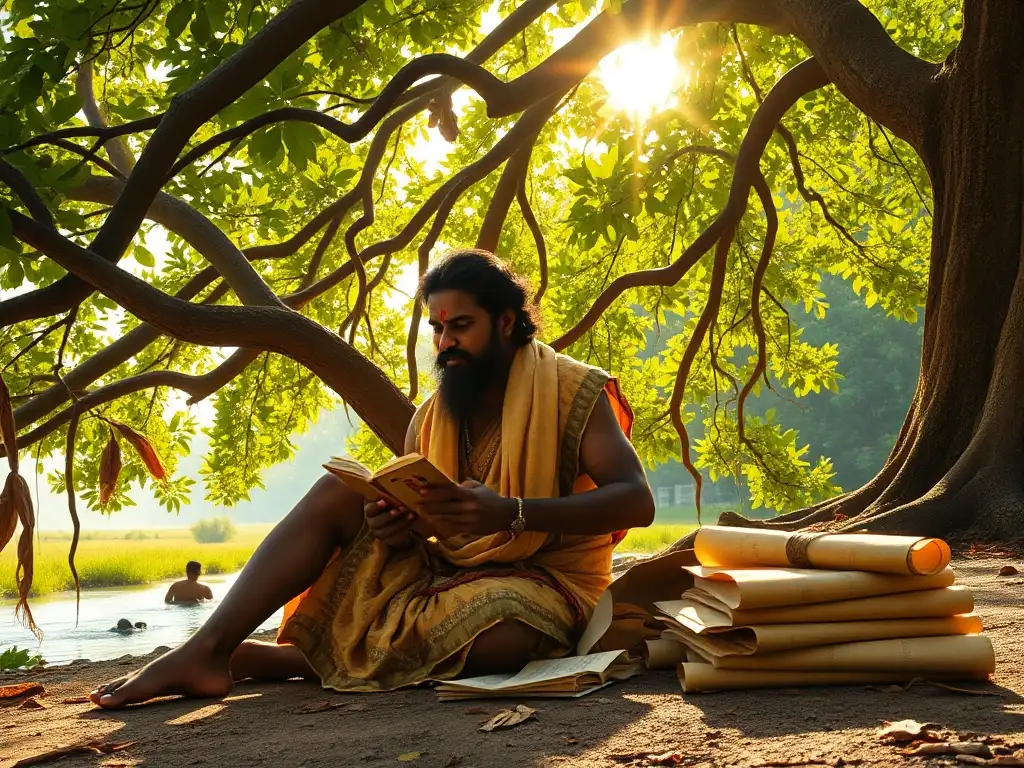
Welcome to Ancient India History, where we embark on a captivating journey through the rich tapestry of India's past. Today, we delve into the intriguing world of Sangam literature, exploring its profound impact on literary criticism and the ancient perspectives that shaped it. Ever wondered how the poetic expressions of the Sangam era influenced modern thoughts on literature?
Join us as we uncover the nuances of this fascinating topic and invite you to explore the depths of a civilization whose contributions continue to resonate through time. Dive in to discover how the art of literary criticism flourished in the heart of ancient India!
Introduction to Sangam Literature
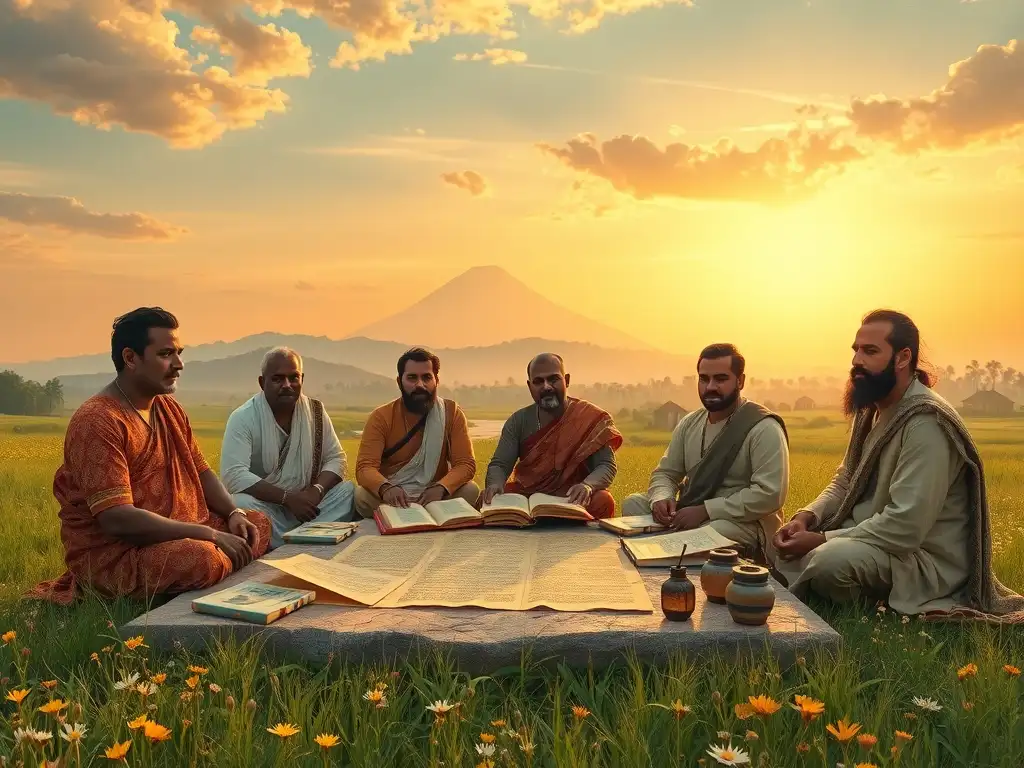
Sangam literature represents a remarkable and intricate tapestry of poetry and prose that emerged in ancient Tamil Nadu, spanning from approximately 300 BCE to 300 CE. This body of work not only reflects the rich cultural and social ethos of the Tamil people but also serves as a pivotal platform for literary criticism during its time.
With a variety of themes ranging from love and valor to ethics and philosophy, Sangam literature has laid the groundwork for literary traditions that continue to resonate in contemporary Indian culture. This article delves into the nuances of Sangam literature literary criticism, exploring its foundational elements and its enduring impact on literary discourse.
Overview of Sangam Literature
Sangam literature comprises an extensive collection of poems and songs composed by a myriad of poets, known as the Sangam poets, who were part of the ancient Tamil poetic assemblies (Sangams). These works, primarily written in Tamil, not only celebrate the beauty of nature and human emotions but also provide insights into the socio-political dynamics of the time.
The literature is categorized into two main styles: Aham, which focuses on personal emotions and love, and Puram, which deals with heroism and sociopolitical themes. The richness of this literature is characterized by its eloquent use of metaphors, imagery, and intricate linguistic structures.
Significance of Literary Criticism in Ancient India
Literary criticism in ancient India, particularly within the context of Sangam literature, played a crucial role in shaping the understanding and appreciation of poetic forms and their meanings. It served as a means to evaluate the aesthetic and ethical dimensions of poetry, allowing for a discourse that examined the relationship between the poet, the poem, and the audience.
This critical engagement fostered a culture of reflection and dialogue, contributing to the evolution of literary standards and practices. The insights garnered from literary criticism in this era established frameworks that influenced not only Tamil literature but also the broader literary landscape of India.
Purpose of the Article
The purpose of this article is to provide an in-depth exploration of the art of literary criticism within Sangam literature, highlighting its significance, methodologies, and impact on subsequent literary traditions. By examining the critical perspectives inherent in these ancient texts, we aim to shed light on how these insights continue to inform contemporary literary analysis and appreciation. Through a detailed exploration of the historical context and key figures involved, this article will serve as a comprehensive guide for scholars and enthusiasts alike.
Historical Context of Sangam Literature
Understanding the historical context of Sangam literature is essential to appreciate its literary merit and the cultural milieu from which it emerged. The socio-political landscape of ancient Tamil Nadu played a pivotal role in shaping the themes and styles present in Sangam poetry.
The Time Period of Sangam Literature
Sangam literature flourished during a time when Tamil Nadu was characterized by a rich tapestry of kingdoms and chiefdoms. The period is generally divided into three phases: early Sangam (300 BCE - 100 CE), middle Sangam (100 CE - 200 CE), and late Sangam (200 CE - 300 CE). This era was marked by significant developments in agriculture, trade, and urbanization, which in turn influenced the thematic concerns of the poets. The patronage of various kings and chieftains fostered an environment where poets could thrive, contributing to the prolific output of literary works.
Key Figures and Poets in Sangam Literature
Several poets stand out in the realm of Sangam literature, each contributing unique perspectives and styles. Ilango Adigal, author of the epic Silapathikaram, and Kapilar, renowned for his evocative verses on love and nature, are among the most celebrated figures. Their works not only exemplify the literary excellence of the time but also embody the critical discourse surrounding poetic expression. The contributions of these poets continue to be studied and revered, offering insights into the art of literary criticism that characterized their era.
Cultural and Social Influences on Sangam Literature
Sangam literature was deeply influenced by the broader cultural and social dynamics of ancient Tamil society. The interplay between various kingdoms, the significance of trade routes, and the prominence of agrarian life all shaped the thematic content of the poetry. Furthermore, the moral and ethical values reflected in the literature were often derived from the prevailing philosophical traditions, including Shaivism and Vaishnavism. This rich cultural backdrop provided fertile ground for the poets to express their thoughts, leading to a flourishing of literary forms that were both innovative and reflective of their times.
In exploring these aspects, the article will illuminate the intricate relationship between Sangam literature and the literary criticism that emerged within it, providing a comprehensive understanding of this ancient yet timeless tradition.
Understanding Literary Criticism in Sangam Literature
Sangam literature, originating from the Tamil region of South India between 300 BCE and 300 CE, is not just a collection of poetic works but also a fertile ground for the exploration of literary criticism. This body of work highlights the intricacies of language, emotion, and societal norms, all through the lens of literary analysis. The criticism that emerges from these texts is deeply rooted in the cultural and philosophical perspectives of the time, offering insights that are both reflective of the era and applicable to contemporary discussions on literature.
Definition of Literary Criticism in Ancient Context
In the ancient context, literary criticism can be defined as the systematic evaluation and interpretation of literary works, focusing on their form, content, and cultural significance. In Sangam literature, this form of criticism often manifests through the analysis of poetic devices, themes, and the emotional resonance of verses.
Unlike modern criticism, which may incorporate various theoretical frameworks, ancient literary criticism in the Sangam tradition was predominantly influenced by the social, political, and philosophical ideologies of the time. Critics often provided insights on the moral implications of the texts and their relevance to societal norms, showcasing a blend of aesthetics and ethics.
Unique Characteristics of Sangam Literary Criticism
Sangam literary criticism exhibits several unique characteristics that distinguish it from other literary traditions.
- Emphasis on Context: Critics placed significant importance on the socio-political and cultural contexts in which the poems were composed. This contextual analysis helped in understanding the nuances of the text.
- Focus on Emotion (Ahimsa): The emotional depth of the poetry was a central concern. Critics evaluated how effectively poets conveyed feelings and experiences, particularly through the concept of "ahimsa" or non-violence, underscoring the moral weight of emotional expression.
- Genre-Specific Critique: Sangam literature encompasses various genres, including love poetry (akam) and heroic poetry (puram). Literary criticism was tailored to the characteristics of each genre, assessing how well they adhered to their conventions.
This multidimensional approach to criticism underscores the sophistication of Sangam literary traditions, providing a rich tapestry for analysis.
Comparison with Contemporary Literary Criticism
When comparing Sangam literary criticism with contemporary practices, several distinctions emerge. Modern literary criticism often employs diverse theoretical frameworks—such as feminism, post-colonialism, and structuralism—allowing for a broader interpretation of texts. In contrast, Sangam criticism was more localized, focusing on moral and ethical assessments that reflected the cultural values of ancient Tamil society.
Additionally, modern critics frequently prioritize individual interpretation and subjective experience, whereas Sangam critics emphasized communal values and collective emotional resonance. Despite these differences, both traditions share a fundamental goal: to deepen understanding and appreciation of literary works.
Key Themes in Sangam Literary Criticism
Sangam literary criticism is rich with thematic explorations, which serve as critical lenses through which the poetry can be understood. These themes not only reflect the human experience but also illustrate the cultural fabric of ancient Tamil society.
Love and Human Relationships
One of the most prominent themes in Sangam literature is love, particularly the various dimensions of human relationships. Critics often dissected the portrayal of love in poetry, examining how poets expressed longing, desire, and emotional complexities. The duality of romantic love (akam) and the valorization of friendship and kinship (puram) provide a framework for understanding interpersonal connections in ancient Tamil culture. Critics highlighted the significance of love as both a personal experience and a societal construct, emphasizing its role in shaping individual identity and community bonds.
Nature and Landscape in Sangam Poetry
Nature plays an integral role in Sangam poetry, serving as both a backdrop and a character in its own right. Literary critics analyzed how the natural landscape influenced human emotions and relationships. The depiction of landscapes, seasons, and elements often serves as metaphors for the emotional states of the characters. Critics noted the intricate connection between humans and their environment, illustrating how nature reflects and amplifies the themes of love, loss, and longing, creating a vivid tapestry of human experience intertwined with the natural world.
Morality and Ethics in Literary Criticism
Morality and ethics are central to the discourse in Sangam literary criticism. Critics engaged with the moral implications of poetic expressions, assessing how themes of virtue, duty, and righteousness are portrayed in the texts. The literature often serves as a moral compass for the society, emphasizing the importance of ethical conduct in personal and communal life. Critics not only examined the poets' intentions but also the societal expectations embedded within the literary works, thereby exploring the intersection of literature, ethics, and cultural values in ancient Tamil society.
Methods of Literary Criticism in Sangam Literature
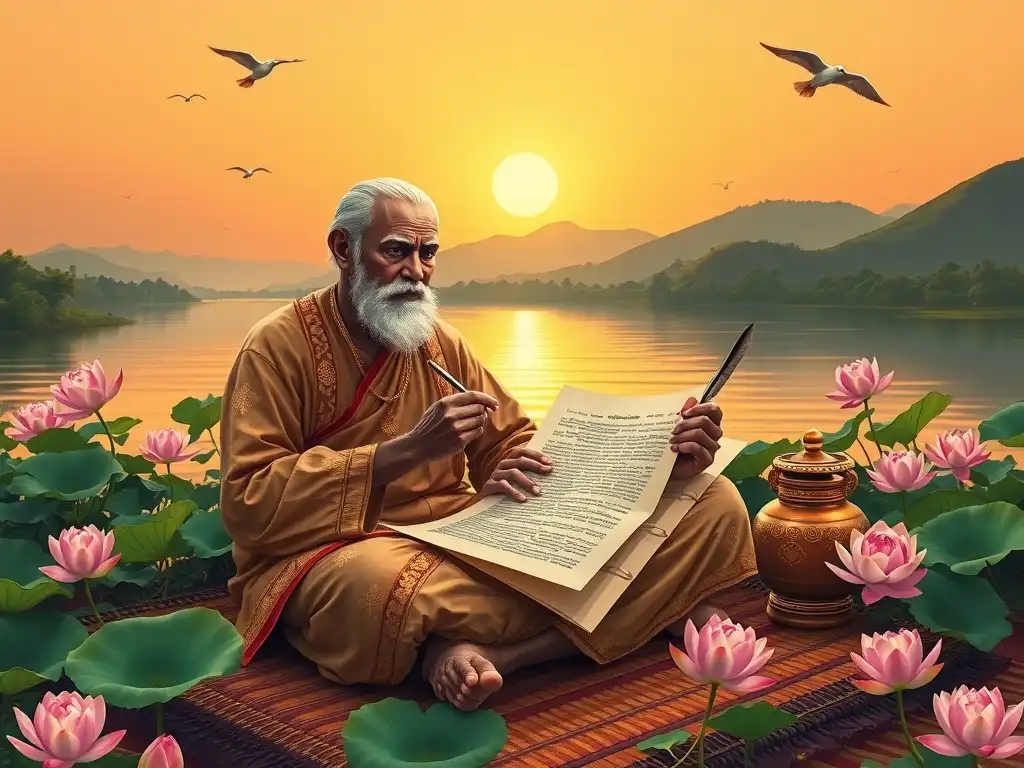
Sangam literature represents a significant period in ancient Tamil literature, flourishing between approximately 300 BCE and 300 CE. The literary criticism of this era employed various methods to evaluate, analyze, and interpret poetry, which was deeply entwined with the cultural and social fabric of the time. Critics of Sangam literature utilized both analytic and evaluative approaches to dissect poetic forms, themes, and styles, establishing a rich tradition of literary analysis that would resonate through generations.
Analytic Approaches to Poetry
Analytic approaches in Sangam literature involved a detailed examination of poetic structures and themes. Critics focused on several key elements:
- Form and Structure: Poets often adhered to specific forms, such as the Aham (inner) and Puram (outer) categories, which delineated emotional and external themes, respectively. Critics analyzed how poets utilized these forms to convey complex emotions and societal observations.
- Imagery and Symbolism: Sangam poetry is rich in metaphor and imagery. Critics dissected the use of natural imagery—such as landscapes, flora, and fauna—to reflect human emotions and societal conditions. For instance, the imagery of the mountain often symbolized stability, while the ocean could represent tumultuous emotions.
- Cultural Context: Critics examined the cultural and historical contexts of the poems, assessing how they reflected the values, beliefs, and social dynamics of the time. By contextualizing poetry within its era, critics provided insights into the socio-political commentary embedded in the verses.
This analytic lens allowed for a deeper appreciation of the craftsmanship involved in Sangam poetry, highlighting both individual expression and communal identity.
Evaluative Techniques Used by Critics
The evaluative techniques in Sangam literary criticism were aimed at assessing the quality and impact of poems. Critics employed various criteria, including:
- Aesthetic Value: Critics evaluated the beauty of language, rhythm, and sound patterns in poetry. They appreciated the elegance of verse and the melodic quality of language, which contributed to the overall sensory experience of the poem.
- Moral and Ethical Dimensions: Many Sangam poems contained moral lessons or reflections on ethical behavior. Critics assessed how effectively poets conveyed these messages and the relevance of the themes to contemporary society.
- Comparative Analysis: Critics often compared works within the Sangam corpus, identifying stylistic differences and thematic variations. This comparative approach fostered a greater understanding of the artistic evolution within the literature.
Through these evaluative techniques, critics not only celebrated the poems but also encouraged poets to refine their craft, ensuring a dynamic literary culture.
The Role of Rhetoric in Sangam Literary Criticism
Rhetoric played a crucial role in the literary criticism of Sangam literature. The use of persuasive language and techniques was instrumental in shaping both the critique and the poetic discourse. Key aspects of rhetoric in this context included:
- Persuasive Techniques: Critics employed rhetorical devices such as parallelism, alliteration, and hyperbole to enhance their critiques and engage their audience. This not only made the criticism more compelling but also mirrored the poetic techniques used by the poets themselves.
- Contextual Rhetoric: The critics understood the power of rhetoric in the social and political contexts of their time. They used rhetorical strategies to comment on societal issues, creating a dialogue between the poet's work and the prevailing cultural narratives.
- Influence on Poets: The rhetorical frameworks established by critics influenced poets in their creative processes. Poets often responded to critiques and adopted rhetorical strategies that resonated with the audience, leading to a vibrant exchange of ideas.
The interplay of rhetoric in literary criticism enriched the landscape of Sangam literature, fostering both artistic innovation and critical engagement.
Important Works and Critiques in Sangam Literature
The Sangam corpus is a treasure trove of poetic works that have undergone various critiques throughout history. These critiques not only reflect the appreciation of the literary artistry but also highlight the cultural significance of these texts.
Overview of Notable Sangam Texts
Some of the most notable texts in Sangam literature include:
- Thirukkural: A classic text attributed to the poet Thiruvalluvar, it comprises 1,330 couplets covering ethical living, politics, and love. This work has inspired extensive commentary and critique across generations.
- Akananuru: A collection of 400 poems that explore themes of love and ethics, offering insights into the emotional landscape of ancient Tamil society.
- Purananuru: This anthology of 400 poems focuses on heroism, valor, and the societal role of warriors, providing a rich historical context for contemporary readers.
These texts exemplify the thematic diversity and artistic depth of Sangam literature, serving as foundational works for literary analysis.
Critiques of Sangam Poems and Their Impact
The critiques of Sangam poems have significantly shaped the understanding and appreciation of this literary tradition. Scholars and poets alike have engaged in extensive analysis, which has led to several impacts:
- Cultural Preservation: The critiques have played a vital role in preserving the cultural heritage of Tamil literature, ensuring that the nuances of language and expression are not lost over time.
- Influence on Modern Literature: The insights gleaned from Sangam poetry have influenced modern Tamil literature and beyond, encouraging contemporary poets to engage with ancient forms and themes.
- Scholarly Discourse: The ongoing critique of Sangam literature has fostered a scholarly discourse that bridges historical and modern perspectives, enriching the understanding of Tamil literary traditions.
These critiques not only celebrate the past but also invigorate the present literary landscape.
Influence of Literary Criticism on Future Generations
The legacy of literary criticism in Sangam literature extends far beyond its time, influencing future generations of poets, scholars, and critics. This influence manifests in several ways:
- Inspiration for Poets: Many contemporary Tamil poets draw inspiration from the themes and styles of Sangam literature, often experimenting with traditional forms while infusing them with modern sensibilities.
- Academic Interest: The rigorous analysis of Sangam texts has spurred academic interest in ancient Tamil literature, leading to scholarly studies, translations, and adaptations that keep the tradition alive.
- Cultural Identity: The literary criticism of Sangam literature has contributed to a sense of cultural identity among Tamil speakers, as the poetry serves as a touchstone for exploring their linguistic and historical heritage.
The influence of literary criticism within Sangam literature has established a rich tradition of analysis and appreciation that continues to resonate in the contemporary literary landscape.
Conclusions and Reflections on Sangam Literature Literary Criticism
Sangam literature, which flourished in ancient Tamil Nadu from approximately 300 BCE to 300 CE, offers a rich tapestry of poetic expressions that provide deep insights into societal norms, values, and aesthetics of the time. The literary criticism inherent in this body of work not only reflects the artistic merit of individual pieces but also serves as a lens through which we can understand the socio-cultural landscape of ancient India. The reflections on the nuances of love, valor, ethics, and nature presented in Sangam poetry highlight the sophisticated literary traditions that existed long before modern critical theories emerged.
Through our exploration of Sangam literary criticism, we recognize that the ancient Tamil poets employed various techniques such as metaphors, similes, and alliteration. These methods were not merely stylistic choices but were integral to conveying deeper meanings and emotional resonances. This critical engagement with their work demonstrates a profound understanding of literature that challenges the notion that literary theory is a modern construct.
Ultimately, the art of literary criticism in Sangam literature invites readers to appreciate not only the aesthetic beauty of the texts but also their enduring relevance. It encourages a reflective approach to literature that remains significant in contemporary discussions about cultural identity and expression.
Lasting Legacy of Sangam Literary Criticism
The legacy of Sangam literary criticism continues to resonate in modern literary discourse and cultural studies. The critical frameworks established by ancient Tamil poets have laid the groundwork for subsequent generations of writers and critics. Their ability to articulate complex emotional states and social issues through poetry has influenced both Tamil literature and broader Indian literary traditions.
Moreover, the emphasis on the relationship between the poet, the poem, and the audience in Sangam literature has fostered a continued appreciation for reader-response criticism. This perspective encourages active engagement with texts, allowing for diverse interpretations and personal connections to the literature. The literary techniques and thematic concerns highlighted in Sangam poetry remain relevant today, serving as a touchstone for discussions on identity, love, and the human condition.
Contemporary Relevance of Ancient Perspectives
In today's globalized world, the insights from Sangam literary criticism offer valuable perspectives on contemporary issues such as cultural heritage, language preservation, and the role of art in society. The themes explored in Sangam literature—such as the celebration of nature, the intricacies of human relationships, and the moral dilemmas faced by individuals—continue to resonate with modern audiences.
Furthermore, the critical methods employed by ancient Tamil poets can inform current literary analysis, encouraging scholars and readers alike to explore texts with a nuanced understanding of context and meaning. The revival of interest in regional literatures and their critical traditions emphasizes the need to engage with ancient perspectives, highlighting their contributions to global literary heritage.
Future Directions for Research in Sangam Literature
The study of Sangam literature and its literary criticism presents numerous opportunities for future research. Scholars can delve deeper into comparative analyses between Sangam texts and other ancient literary traditions, exploring common themes and divergent approaches to literary expression. Additionally, interdisciplinary studies that incorporate linguistics, history, and cultural studies can further enrich our understanding of the socio-political context in which Sangam literature thrived.
Another promising area for research is the exploration of gender dynamics within Sangam poetry. While many poems celebrate male heroism, there is an increasing recognition of the voices of women and their roles in the literary landscape. Investigating these aspects can provide a more comprehensive understanding of the cultural fabric of the time.
References and Suggested Readings
Primary Sources of Sangam Literature
- Tholkappiyam - An ancient Tamil grammar text that discusses the principles of poetry and aesthetics.
- Ettuthokai - A collection of 108 poems, providing insights into the themes and styles of Sangam literature.
- Pattupattu - A compilation of ten long poems that reflect the various aspects of life in ancient Tamil society.
Scholarly Works on Literary Criticism in Ancient India
- "The Tamil Literary Tradition: A Historical Perspective": by A. K. Ramanujan - This work examines the evolution of Tamil literature, including the critical frameworks present in Sangam texts.
- "Literary Criticism in Ancient India" by R. K. Sharma - A detailed analysis of various critical approaches in ancient Indian literature, with a focus on Sangam poetry.
Further Exploration of Sangam Literary Criticism
- "The Poetics of Love: A Study of Sangam Literature": - This book explores the thematic depth and critical analysis of love poetry within the Sangam corpus.
- "Interpreting Sangam Literature: New Approaches to Ancient Texts": - A collection of essays that offers fresh perspectives on the literary criticism found in Sangam works, encouraging modern readers to engage with these ancient texts.
- Introduction to Sangam Literature
- Historical Context of Sangam Literature
- Understanding Literary Criticism in Sangam Literature
- Key Themes in Sangam Literary Criticism
- Methods of Literary Criticism in Sangam Literature
- Important Works and Critiques in Sangam Literature
- Conclusions and Reflections on Sangam Literature Literary Criticism
- References and Suggested Readings
Frequently Asked Questions
What is Sangam literature?
Sangam literature refers to a collection of ancient Tamil texts composed between 300 BCE and 300 CE, showcasing poetry, ethics, and philosophy of the time.
How does literary criticism manifest in Sangam literature?
In Sangam literature, literary criticism often appears through poetic commentary and analysis within the poems themselves, reflecting on themes such as love, heroism, and nature.
Why is the study of Sangam literature important?
The study of Sangam literature is crucial for understanding ancient Indian culture, social values, and the evolution of language and literary forms in early Tamil civilization.
What are some key themes found in Sangam literature?
Key themes include love (akam), war (puram), natural imagery, and the examination of human emotions, which provide deep insights into the societal norms of the time.
How does Sangam literature influence modern literary criticism?
Modern literary criticism draws on Sangam texts to explore cultural identity, poetic structure, and aesthetic values, showing the relevance of ancient perspectives in contemporary discussions.
Final Reflection: Embracing the Wisdom of Sangam Literary Criticism
The exploration of Sangam literature and its literary criticism remains profoundly relevant today, as it invites us to engage with ancient perspectives that resonate with contemporary issues. In a world increasingly dominated by fleeting digital expressions, the depth and richness of Sangam poetry remind us of the enduring power of language and the importance of critical engagement with texts. The insights gleaned from these ancient works not only enrich our understanding of literature but also challenge us to reflect on our own cultural narratives.
The impact of Sangam literary criticism extends beyond its historical context; it shapes our current cultural and social landscape by encouraging a deeper appreciation for diverse voices and perspectives. The critical frameworks established by ancient poets and scholars continue to inspire modern literary discourse, urging us to examine the nuances of language, emotion, and context in our own writings. As the poet Kaniyan Poongundranar famously stated, “The world is a garden, and the words are its flowers,” highlighting the intrinsic value of thoughtful expression and critique in cultivating a vibrant literary culture.
As we conclude this exploration of Sangam literature and its literary criticism, I invite you to reflect on how these ancient insights can influence your own engagement with literature and the world around you. Consider how you might apply the lessons of critical thought and appreciation for diverse narratives in your daily life.
Embrace the challenge of becoming a more discerning reader and writer, allowing the wisdom of the past to illuminate your path forward. In doing so, we not only honor the legacy of Sangam literature but also contribute to a richer, more inclusive literary landscape for future generations.
Unleash Your Inner Critic: Dive Deeper into Sangam Literature!
Thank you for exploring the intricate world of literary criticism within Sangam literature with us! Your journey through ancient perspectives not only enriches your understanding but also opens up a vast sea of insights. Now, it's time to take that knowledge and put it into action!
- Start a discussion: Share your thoughts on Sangam poetry with friends or within a literary group. Which themes resonate with you the most?
- Read a poem from the Sangam period and write your own short critique. How does it compare to contemporary works?
- Explore more: Visit our other insightful articles to deepen your understanding of ancient Indian history and literature.
What hidden gems in Sangam literature have inspired you to view modern storytelling from a fresh perspective?