
The Enigmatic Origins of Ancient Indian Theater: A Journey Through Time

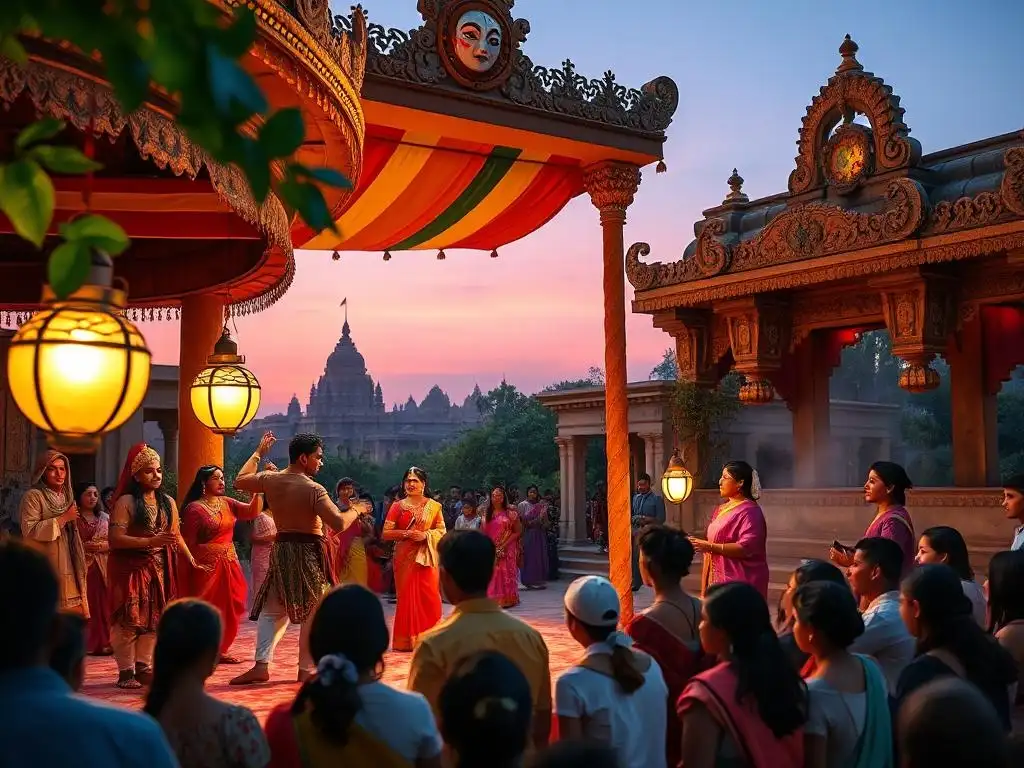
Welcome to Ancient India History, where we invite you on a captivating journey through the rich tapestry of India's past. Discover the enigmatic origins of ancient Indian theater history as we delve into the vibrant performances and artistic expressions that flourished from the Indus Valley to the Gupta Empire. What secrets lie within the scripts and stages of yesteryears? Join us as we unveil the profound cultural contributions that continue to influence the world of art today. Prepare to be intrigued and inspired as you explore the depths of this fascinating topic!
Introduction to Ancient Indian Theater History
The history of ancient Indian theater is a fascinating tapestry woven through the threads of culture, religion, and social dynamics. This art form, rich in tradition and creativity, not only reflects the values and beliefs of the societies that nurtured it but also serves as a vital channel for storytelling, moral instruction, and entertainment.
From its inception in the early civilizations of the Indus Valley to the sophisticated performances during the Gupta Empire, ancient Indian theater has evolved significantly, encompassing a variety of styles, languages, and themes. By delving into the depths of this artistic journey, we can uncover the intricate layers that define ancient Indian theater history and appreciate its enduring legacy in the realm of performing arts.
Overview of Theater in Ancient India
Theater in ancient India was not merely a form of entertainment but an integral part of societal life. It manifested in various forms, including:
- Natya: This classical dance-drama form combined music, dance, and dialogue, often drawing from epics like the Mahabharata and Ramayana.
- Tamasha: A folk theater form that emerged in Maharashtra, characterized by lively performances and vibrant storytelling.
- Nautanki: A popular rural theater that combined drama and music, often addressing social issues through engaging narratives.
The diverse styles of ancient Indian theater were influenced by regional cultures, resulting in a rich variety of performance arts across the subcontinent. This cultural richness not only entertained audiences but also educated them, preserving historical narratives and moral lessons through theatrical expression.
Significance of Ancient Indian Theater in Cultural Context
Ancient Indian theater played a pivotal role in shaping the cultural landscape of the region. The performances often served to:
- Preserve Historical Narratives: Through dramatization of epic tales, historical events, and folklore, theater acted as a vessel for passing down knowledge from one generation to the next.
- Reflect Social Values: Thematic elements in plays often mirrored the prevailing societal norms and moral values, making the audience reflect on their beliefs and practices.
- Encourage Community Engagement: Public performances fostered a sense of community, encouraging participation and interaction among viewers, which was crucial in a largely oral culture.
The significance of ancient Indian theater extends beyond mere entertainment, establishing it as a vital component of cultural identity and continuity.
Historical Context of Ancient Indian Theater
The historical context of ancient Indian theater reveals a complex interplay of influences and transformations that shaped its development over centuries.
The Evolution of Theater from the Indus Valley Civilization
The roots of ancient Indian theater can be traced back to the Indus Valley Civilization (c. 3300–1300 BCE), where archaeological findings suggest that performance arts were already taking shape. Evidence of musical instruments, dance figurines, and clay seals depicting theatrical scenes indicates that the people of this era engaged in early forms of performance. As society evolved, so did theater, transitioning from ritualistic performances linked to agriculture and fertility to more structured forms that incorporated storytelling and drama.
Influence of Religion and Philosophy on Theater Arts
Religion and philosophy played a crucial role in the development of ancient Indian theater. The interplay of various belief systems, such as Hinduism, Buddhism, and Jainism, introduced themes of morality, ethics, and spirituality into theatrical performances.
- The Natyashastra, an ancient treatise attributed to Bharata Muni, codified the principles of drama and performance, intertwining them with spiritual and philosophical concepts.
- Performances often included narrative elements that conveyed moral lessons, reflecting the teachings of sacred texts and philosophical discourse of the time.
This blend of art and spirituality not only enriched the theater but also established it as a medium for profound philosophical exploration.
The Role of Royal Patronage in Promoting Theater
Royal patronage significantly influenced the trajectory of ancient Indian theater. Rulers and nobles recognized the power of theater as a tool for political propaganda and cultural expression.
- Patronage: Kings and emperors often sponsored theatrical troupes, providing them with resources and venues to perform. This support led to the flourishing of various theatrical traditions, particularly during the Maurya and Gupta periods.
- Cultural Exchange: The patronage system facilitated cultural exchange between regions, enabling the integration of diverse artistic expressions and themes into theater.
The support of royalty not only elevated the status of theater as an art form but also ensured its survival and evolution through changing times.
As we explore the enigmatic origins of ancient Indian theater, it becomes evident that this vibrant art form is deeply intertwined with the historical, cultural, and spiritual fabric of Indian civilization. Its journey through time has left an indelible mark on the performing arts, continuing to inspire modern interpretations and adaptations.
Key Elements of Ancient Indian Theater
Ancient Indian theater is a rich tapestry woven with various elements that reflect the cultural, spiritual, and social dynamics of its time. One of the key components is storytelling, which served not only as entertainment but also as a medium to convey moral lessons and religious teachings. The narratives often drew from epics like the Mahabharata and Ramayana, weaving intricate plots that explored human emotions and divine interventions.
Another essential element is music and dance, integral to performances. The interplay between dialogue, song, and movement created a multisensory experience that engaged the audience deeply. Musical compositions were often derived from classical traditions, enhancing the emotional depth of the narrative.
Stagecraft also played a significant role. The use of elaborate sets, props, and symbolic gestures contributed to the storytelling, creating an immersive environment. Additionally, the philosophical underpinnings of theater in ancient India were influenced by various schools of thought, including Buddhism and Hinduism, which emphasized the significance of art as a reflection of life and the cosmos.
Theatrical Forms and Genres in Ancient India
Ancient Indian theater was characterized by a variety of forms and genres, each with distinct styles and conventions. One of the most notable forms is Natya, a traditional theater that combines drama, music, and dance. Natya Shastra, an ancient treatise attributed to Bharata Muni, lays the foundation for this art form, prescribing rules for performance, music, and aesthetics.
Another prominent genre is Tamasha, which originated in Maharashtra and blends folk elements with classical styles. It often features themes from mythology and history, engaging audiences with vibrant performances and lively music. The Koodiyattam and Kathakali forms of Kerala stand out for their elaborate rituals and storytelling methods, showcasing the local traditions and spiritual beliefs.
Additionally, Sanskrit plays, written by renowned playwrights such as Kalidasa and Bhasa, explored themes of love, valor, and morality. These plays often featured sophisticated characters and intricate plots, reflecting the societal values of the time. The diversity in theatrical forms illustrates the dynamic cultural landscape of ancient India.
Instruments and Music in Ancient Indian Theater
Music in ancient Indian theater was not merely an accompaniment; it was a vital component that enhanced the overall experience. Various musical instruments were employed, each adding a unique flavor to the performances. The veena, a string instrument, was often used in classical performances, while mridangam, a percussion instrument, provided rhythm and depth.
Vocal music played a crucial role, with singers narrating the story alongside the actors. The ragas and talas followed specific structures, designed to evoke particular emotions and atmospheres, aligning with the narrative's progression. This musical framework not only captivated audiences but also elevated the dramatic tension within the plays.
The integration of music with dance further enriched the performances. Dance forms such as Bharatanatyam and Odissi were often incorporated into theatrical presentations, where the performers conveyed emotions and story elements through intricate movements. This seamless blend of music, dance, and drama created a holistic artistic expression that defined ancient Indian theater.
Costumes and Makeup: A Glimpse into Performance Aesthetics
Costumes and makeup in ancient Indian theater were essential for character portrayal and visual storytelling. The attire was meticulously designed, reflecting the status, personality, and emotions of the characters. For instance, royalty might be adorned with rich fabrics and intricate jewelry, while commoners would wear simpler garments, showcasing the social hierarchy.
Makeup played a pivotal role in character differentiation and expression. Performers used natural dyes and pigments to create distinctive looks, enhancing their physical features to convey emotions more effectively. The use of kohl for eye makeup, along with vibrant colors for facial paints, allowed actors to embody their roles fully.
Additionally, the significance of symbolic colors cannot be overlooked. Different colors were assigned specific meanings, contributing to the narrative's emotional tone. For example, red might symbolize passion or love, while blue could represent divinity. These aesthetic choices not only enriched the visual appeal but also deepened the audience's understanding of the character's journey.
Major Historical Figures in Ancient Indian Theater
The evolution of ancient Indian theater is marked by influential figures who shaped its trajectory through their contributions. Among these, Bharata Muni stands as a cornerstone, credited with the creation of the Natya Shastra, a comprehensive guide that detailed theatrical practices, performance techniques, and the philosophy behind drama.
Kalidasa, a renowned playwright and poet, is celebrated for his masterpieces that continue to resonate in Indian culture. His works, such as "Shakuntala" and "Malavikagnimitram," exemplify the blend of poetic language with dramatic elements, showcasing the depth of human emotions and relationships.
Other notable figures include Bhasa, an early playwright whose works laid the foundation for Sanskrit drama, and Vishakhadatta, known for his historical plays that explored themes of politics and morality. Their contributions not only enriched the literary landscape but also solidified the importance of theater as a cultural institution in ancient India.
Playwrights and Their Contributions to Ancient Indian Theater
Playwrights in ancient India played a pivotal role in shaping the landscape of theater through their innovative storytelling and character development. Kalidasa, often hailed as the greatest Sanskrit dramatist, infused his works with rich poetic language and profound themes. His plays, such as "Shakuntala," not only explored love and nature but also delved into the complexities of human relationships, leaving a lasting impact on Indian literature.
Another significant playwright, Bhasa, is recognized for his diverse body of work, which includes both one-act plays and full-length dramas. His narratives often drew inspiration from epics and folklore, making them accessible to a wider audience and establishing a bridge between classical literature and popular theater.
Sakuntala, one of Kalidasa's masterpieces, exemplifies the intricate blend of poetry, drama, and emotion that defines ancient Indian theater. The portrayal of characters, such as Shakuntala and King Dushyanta, reflects the nuanced understanding of love and destiny. This integration of aesthetics and narrative depth became a hallmark of ancient Indian playwrights, influencing generations to come.
The Role of Actors and Performers in Ancient Theater
Actors and performers were the linchpins of ancient Indian theater, bringing stories to life through their artistry and skill. They were not just entertainers but also cultural ambassadors, embodying the values and beliefs of their society. Training was rigorous, often beginning at a young age, where aspiring actors learned various disciplines, including dance, music, and voice modulation.
In ancient times, gender roles in theater were quite distinct. While male actors predominantly played both male and female roles, women’s participation was limited in many contexts due to societal norms. However, certain forms, like Devadasi traditions, allowed women to perform in sacred temples, showcasing their skills in dance and drama.
The relationship between actors and the audience was intimate, relying heavily on the performers' ability to evoke emotions and engage spectators. Performers utilized gestures (mudras) and facial expressions to convey complex emotions, adhering to the principles set forth in the Natya Shastra. This emphasis on physicality and expressiveness highlighted the significance of the actor's role in creating a compelling narrative that resonated with the audience.
The Influence of Ancient Indian Theater on Later Art Forms
Ancient Indian theater has played a pivotal role in shaping various forms of art that emerged in India and beyond. The foundations laid by traditional theater forms, such as Sanskrit drama, have significantly influenced literature, dance, and even modern cinema. The intricate narrative techniques, character development, and themes explored in ancient texts, such as Kalidasa's Shakuntala and Bhasa's plays, have provided a rich source of inspiration for later artists.
Moreover, the performance style of ancient theater, characterized by elaborate costumes, expressive gestures, and dramatic storytelling, can be seen in various Indian dance forms like Kathakali and Bharatanatyam. These dance traditions often incorporate theatrical elements, showcasing the historical connection between theater and dance. The use of music and rhythmic patterns in ancient performances has also permeated into contemporary Indian music genres, further underscoring the enduring legacy of ancient theater.
Connections Between Ancient Indian Theater and Later Indian Cinema
The evolution of Indian cinema can be traced back to the theatrical traditions of ancient India. Early filmmakers drew heavily from the narrative techniques and storytelling methods found in ancient plays. The incorporation of mythological themes, character arcs, and moral dilemmas in films mirrors the essence of ancient theater, where such elements were central to the plots.
Moreover, iconic films have directly adapted stories from ancient texts, bringing to life the rich tapestry of Indian mythology and folklore. Notable examples include Devdas, which has its roots in literary works that echo themes from ancient dramas, and Baahubali, which reflects the grandiosity and spectacle characteristic of ancient performances.
The visual style of Indian cinema, including elaborate set designs and costumes, is reminiscent of the opulence found in ancient theater, signifying a direct lineage from these historical art forms. Thus, the interplay between ancient theater and modern cinema continues to resonate, illustrating the profound influence of ancient Indian theater on contemporary storytelling.
The Legacy of Ancient Theater in Contemporary Performance Arts
The legacy of ancient Indian theater is evident in various contemporary performance arts, where traditional forms are often revived and reinterpreted. The resurgence of interest in classical forms of drama, such as Natyashastra, has led to numerous adaptations in modern theater. These adaptations not only preserve the cultural heritage but also allow for creative expressions that cater to contemporary audiences.
Furthermore, contemporary playwrights frequently incorporate ancient themes, narratives, and stylistic elements into their works, bridging the gap between the past and present. The integration of traditional music, dance, and storytelling techniques into modern performances highlights the enduring relevance of ancient theater practices.
Festivals and theater groups that focus on reviving ancient plays often attract diverse audiences, fostering a renewed appreciation for the richness of India's theatrical history. This vibrant interplay between ancient traditions and contemporary performance arts ensures the survival and evolution of India's theatrical legacy.
Conclusion: The Lasting Impact of Ancient Indian Theater History
The history of ancient Indian theater is a testament to the cultural richness and artistic diversity of India. Its lasting impact is evident not only in the realms of literature and performance arts but also in the broader cultural landscape, influencing various aspects of Indian identity.
The narratives, themes, and performance styles that originated in ancient theater continue to inspire modern artists, ensuring that the essence of these historical art forms remains alive. As we explore the ongoing influence of ancient theater, it is crucial to recognize its role in shaping the socio-cultural fabric of contemporary society.
Reflection on the Cultural Significance of Ancient Theater
The cultural significance of ancient theater extends beyond mere entertainment; it served as a medium for social commentary, moral instruction, and the exploration of complex human emotions. The themes addressed in ancient plays resonate with universal human experiences, allowing them to retain relevance across generations.
Additionally, ancient theater was a space for community engagement and collective experiences. Festivals and performances brought people together, fostering a sense of belonging and shared identity. This communal aspect of ancient theater underscores its importance in the cultural history of India.
Future Research Directions in Ancient Indian Theater Studies
Future research in ancient Indian theater studies holds great promise for uncovering new insights into the complexities of this rich tradition. Scholars can explore various aspects, such as the regional variations of performance styles, the influence of ancient theater on local folk traditions, and the socio-political contexts that shaped theatrical practices.
Furthermore, interdisciplinary approaches that incorporate archaeology, anthropology, and cultural studies can provide a more comprehensive understanding of ancient theater's role in society. As new archaeological findings emerge and contemporary performance practices evolve, the field of ancient Indian theater studies is poised for significant growth and exploration.
- Introduction to Ancient Indian Theater History
- Overview of Theater in Ancient India
- Historical Context of Ancient Indian Theater
- Key Elements of Ancient Indian Theater
- Major Historical Figures in Ancient Indian Theater
- The Influence of Ancient Indian Theater on Later Art Forms
- Conclusion: The Lasting Impact of Ancient Indian Theater History
Frequently Asked Questions
What is the significance of ancient Indian theater history?
Ancient Indian theater history is significant as it showcases the cultural richness and artistic expressions of ancient civilizations, reflecting their social values, traditions, and beliefs.
Which ancient texts reference theater and performance in India?
Key texts such as the Natyashastra, attributed to Bharata Muni, provide comprehensive insights into dramatic arts, including techniques, genres, and the importance of theater in society.
How did theater evolve in ancient India?
Theater evolved through various stages, influenced by religious rituals, folk traditions, and royal patronage, ultimately leading to the development of distinct forms like Natya and Tamasha.
What were the key elements of performance arts in ancient Indian theater?
Key elements included music, dance, and dialogue, which were integral to storytelling, while costumes and makeup played significant roles in enhancing the visual appeal of performances.
How did the Gupta Empire influence theater?
During the Gupta Empire, there was a flourishing of arts and culture, leading to greater patronage of theater, which resulted in the creation of classical plays and the enhancement of performance techniques.
Final Reflection: Unveiling the Timeless Legacy of Ancient Indian Theater
The exploration of ancient Indian theater history reveals a rich tapestry of cultural expression that is as relevant today as it was centuries ago. The intricate narratives, profound philosophies, and vibrant performances that characterized this art form continue to resonate in contemporary society, reminding us of the power of storytelling. As we delve into the origins and evolution of this theatrical tradition, we uncover not just a historical account, but a living legacy that shapes our understanding of culture and identity.
The influence of ancient Indian theater transcends time, weaving itself into the fabric of our modern cultural landscape. It serves as a reminder of the profound connection between art and society, illustrating how performance can reflect and challenge social norms. As we witness the resurgence of interest in traditional art forms, we can appreciate the words of the playwright and philosopher, Antonin Artaud: Theater is a spiritual and not a material act.
This sentiment echoes the essence of ancient Indian theater, which sought to elevate the human experience through artistic expression, inviting us to engage with our own stories and histories.
As we reflect on the journey through the enigmatic origins of ancient Indian theater, I invite you to consider how these lessons can be applied in your own life. Embrace the stories that shape your identity, and seek out the performances that challenge and inspire you. In a world that often feels fragmented, let us draw from the wisdom of the past to create a more connected and empathetic future. The stage is set for each of us to play our part—let us step into the spotlight and celebrate the enduring legacy of theater in our lives.
Unveil the Magic of Ancient Indian Theater!
Thank you for embarking on this journey through the enchanting world of ancient Indian theater! We hope you’ve discovered the rich history and profound impact this art form has had over the centuries. Now, it's time to take the next step and immerse yourself further in this incredible cultural legacy.
Here are some exciting actions you can take right now:
- Dive deeper into the arts: Read a classic ancient Indian play or explore modern performances that bring these timeless stories to life.
- Share your thoughts: Discuss the influence of ancient Indian theater with friends or connect with fellow enthusiasts in online communities.
- Visit local events: Seek out theater performances or cultural festivals in your area that celebrate the vibrant heritage of Indian art.
As you reflect on the world of ancient Indian theater, consider this: What aspects of these traditional theatrical practices inspire you the most, and how can you weave those elements into your own creative endeavors?