
Sculpting Divinity: How Ancient Indian Artists Portrayed the Divine

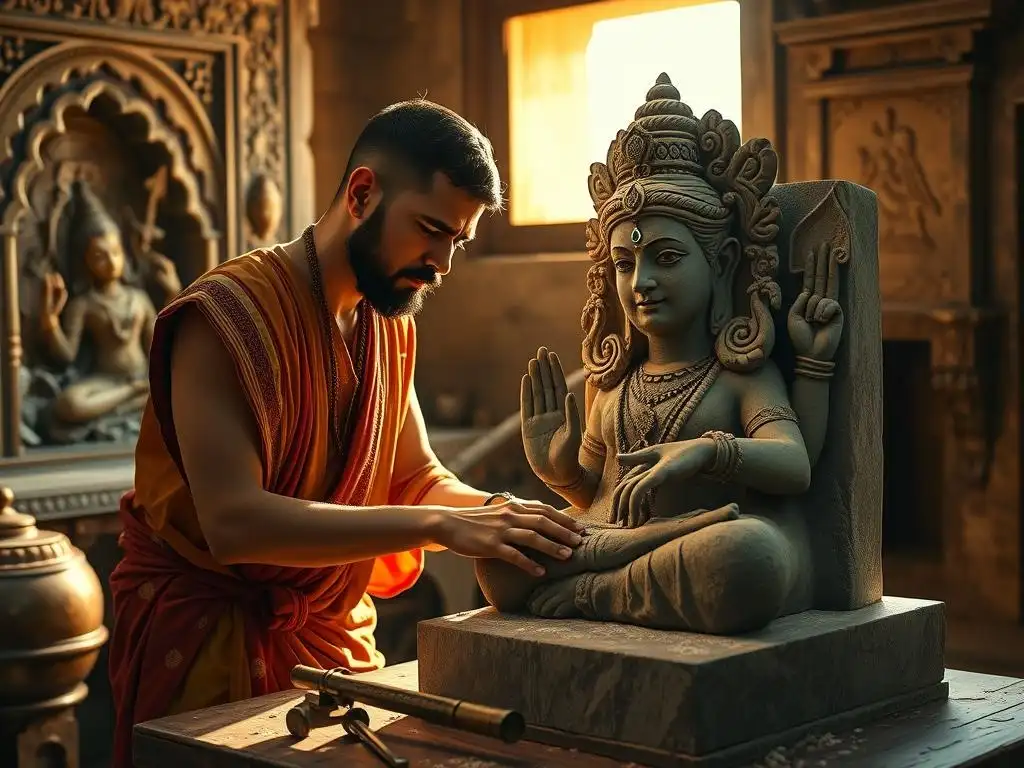
Welcome to Ancient India History, where we embark on an exciting journey through time to uncover the rich tapestry of ancient Indian civilizations. In our featured article, "Sculpting Divinity: How Ancient Indian Artists Portrayed the Divine," we delve into the captivating world of ancient Indian artists and their divine sculptures. Discover how these talented artisans not only captured the essence of spirituality but also shaped the cultural landscape of their time. Prepare to be fascinated as we explore the intricate artistry and profound significance behind these masterpieces. Join us as we unravel the mysteries and marvels of history!
The portrayal of the divine has been a central theme in the artistic expressions of ancient Indian civilizations, reflecting their profound spirituality, cultural values, and philosophical inquiries. From the intricate carvings of the Indus Valley Civilization to the majestic sculptures of the Gupta Empire, ancient Indian artists meticulously crafted representations of deities that conveyed not only beauty but also deep symbolism and religious significance. These divine sculptures served as conduits between the earthly realm and the spiritual, allowing devotees to connect with the divine through visual art.
As we delve into the world of ancient Indian artists and their divine sculptures, we will explore the diverse styles, techniques, and materials that defined this rich artistic tradition. We will examine the historical context in which these artworks were created, shedding light on the beliefs and practices that influenced their creation. The following sections will highlight the evolution of divine representation in Indian art, showcasing how these artistic endeavors not only enriched the visual landscape but also played a vital role in the religious and cultural life of ancient India.
The Historical Context of Divine Sculptures
Understanding the historical backdrop of ancient Indian sculpture is crucial to appreciating the artistry and significance of divine representations. The evolution of these sculptures can be traced back to several key periods:
- Indus Valley Civilization (c. 3300–1300 BCE): Early signs of artistic expression can be found in seals and figurines depicting deities, hinting at a complex belief system.
- Maurya Period (c. 322–185 BCE): The influence of Buddhism led to the creation of stupas and sculptures that depicted the life of the Buddha, marking a shift in divine representation.
- Gupta Period (c. 320–550 CE): Often referred to as the golden age of Indian art, this era saw the emergence of highly refined sculptures representing Hindu deities, characterized by exquisite detailing and idealized forms.
Throughout these periods, various factors influenced the artistic styles, including regional variations, religious shifts, and the patronage of kings and temples.
Techniques and Materials Used by Ancient Indian Artists
The artistry of ancient Indian sculptors can be appreciated not only through the finished products but also through the innovative techniques and materials they employed. Key aspects include:
- Stone Carving: Artists primarily used sandstone, granite, and marble, which allowed for intricate detailing and durability. The skillful use of tools enabled them to create lifelike figures and elaborate motifs.
- Bronze Casting: The lost-wax technique was prevalent, allowing for detailed and delicate sculptures. This method was especially significant in South Indian temple art.
- Terracotta and Clay: Used for smaller figures and household deities, these materials showcased the accessibility of divine representations in everyday life.
The mastery of these techniques not only reflects the artists’ technical prowess but also their deep understanding of the spiritual essence they aimed to capture in their work.
Symbolism in Divine Sculptures
Ancient Indian sculptures are rich in symbolism, with each element meticulously chosen to convey specific meanings. For example:
- Posture (Mudras): The position of the hands in sculptures can signify different actions or states of being, such as teaching, blessing, or protection.
- Iconography: Various attributes associated with deities, such as weapons or animals, enhance the narrative and convey deeper philosophical concepts.
- Facial Expressions: The expressions on the faces of divine figures often reflect serenity, power, or compassion, inviting viewers to engage emotionally with the artwork.
This symbolic language created a bridge between the viewer and the divine, allowing for a multifaceted understanding of the spiritual world.
Conclusion
The exploration of ancient Indian artists and their divine sculptures reveals a fascinating narrative of creativity, spirituality, and cultural identity. As we continue to investigate the techniques, materials, and symbolism employed in these artworks, we gain a deeper appreciation for the rich heritage of ancient Indian artists and their divine sculptures. This journey not only highlights the aesthetic beauty of the sculptures but also invites us to reflect on the enduring legacy of ancient Indian art in the context of spirituality and cultural expression.
- The Historical Context of Divine Sculptures
- Techniques and Materials Used by Ancient Indian Artists
- Symbolism in Divine Sculptures
- Conclusion
- What are the main themes explored in ancient Indian sculptures?
- How did ancient Indian artists depict the divine in their work?
- Which civilizations contributed to the development of divine sculptures in ancient India?
- What materials were commonly used by ancient Indian artists for sculptures?
- How has the legacy of ancient Indian divine sculptures influenced modern art?
Introduction to Ancient Indian Artists and Divine Sculptures
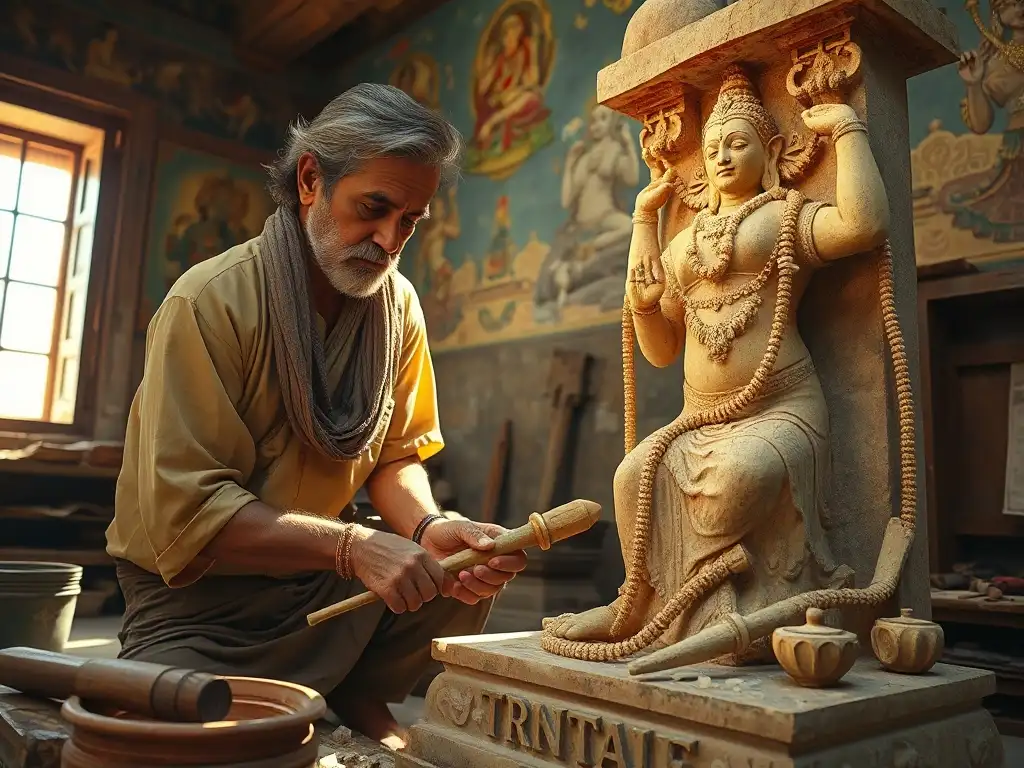
Ancient Indian artists played a pivotal role in shaping the visual narrative of spirituality and divinity through their remarkable sculptures. The intricate craftsmanship and profound symbolism embedded in these divine representations not only reflect the rich cultural heritage of India but also illuminate the spiritual beliefs and practices of the time. This section delves into the essence of ancient Indian artists and their dedication to portraying the divine through various artistic mediums, particularly sculpture.
Overview of Ancient Indian Art Forms
Ancient Indian art forms are distinguished by their diversity, complexity, and deep-rooted connections to religion and philosophy. From the early Indus Valley Civilization to the sophisticated Gupta Empire, each period contributed unique styles and techniques that shaped the visual landscape of the subcontinent.
- Indus Valley Civilization (c. 3300–1300 BCE):
- Terracotta Figurines: Crafted with precision, these figurines often depicted women, animals, and deities, signifying the importance of fertility and worship.
- Seals: Engraved with intricate designs, seals featured motifs of animals and possibly divine figures, hinting at the religious practices of the time.
- Mauryan Period (c. 322–185 BCE):
- Ashoka Pillars: Known for their grandeur, these pillars often had sculpted animals and inscriptions that served both decorative and commemorative purposes.
- Buddhist Stupas: The Sanchi Stupa, for example, features relief sculptures that narrate the life and teachings of Buddha, merging art with doctrine.
- Gupta Period (c. 240–550 CE):
- Religious Sculptures: This period is celebrated for its exquisite sculptures that depict Hindu gods and goddesses, illustrating complex postures and expressions.
- Cave Temples: The rock-cut caves of Ajanta and Ellora showcase elaborate carvings and frescoes that narrate sacred tales, blending spatial dynamics with divine representation.
These art forms collectively signify the evolution of techniques and thematic focus, underscoring the integral role of divine imagery in ancient Indian sculpture.
Importance of Divine Representation in Sculpture
The representation of the divine in ancient Indian sculpture served several significant purposes, deeply intertwined with the cultural and spiritual fabric of the society.
- Religious Significance: Sculptures of gods and goddesses were not merely decorative; they were considered manifestations of the divine. Worshippers believed that these images were imbued with spiritual energy, making them focal points for devotion and rituals.
- Cultural Identity: Divine sculptures reflected the cultural values and beliefs of the time. They conveyed moral lessons and narratives central to Hinduism, Buddhism, and Jainism, thereby reinforcing community identity and continuity.
- Artistic Techniques: The portrayal of divinity necessitated advanced artistic techniques. Artists meticulously studied anatomy and expressions to create lifelike representations, often utilizing materials like stone, bronze, and terracotta, showcasing their skill and dedication.
- Symbolism: Each element in a divine sculpture, from posture to adornments, carried symbolic meanings. For instance, the lotus symbolizes purity, while multiple arms may indicate the divine's omnipotence. Understanding these symbols enriches the viewer's experience and appreciation of the artwork.
Purpose of the Article
This article aims to explore the intricate relationship between ancient Indian artists and their divine sculptures, focusing on the following aspects:
- Highlighting Techniques: Analyzing the methods and materials used by ancient Indian artists to create their divine works, shedding light on their expertise and creativity.
- Understanding Symbolism: Discussing the various symbolic elements present in divine sculptures, providing insights into the spiritual and cultural narratives they convey.
- Cultural Context: Examining the historical and cultural contexts that influenced the portrayal of the divine, offering a deeper appreciation of the socio-religious dynamics of ancient India.
By delving into these themes, the article seeks to enhance the understanding of how ancient Indian artists depicted the divine, ultimately enriching the broader narrative of ancient Indian visual arts and culture.
Historical Context of Divine Sculptures in Ancient India
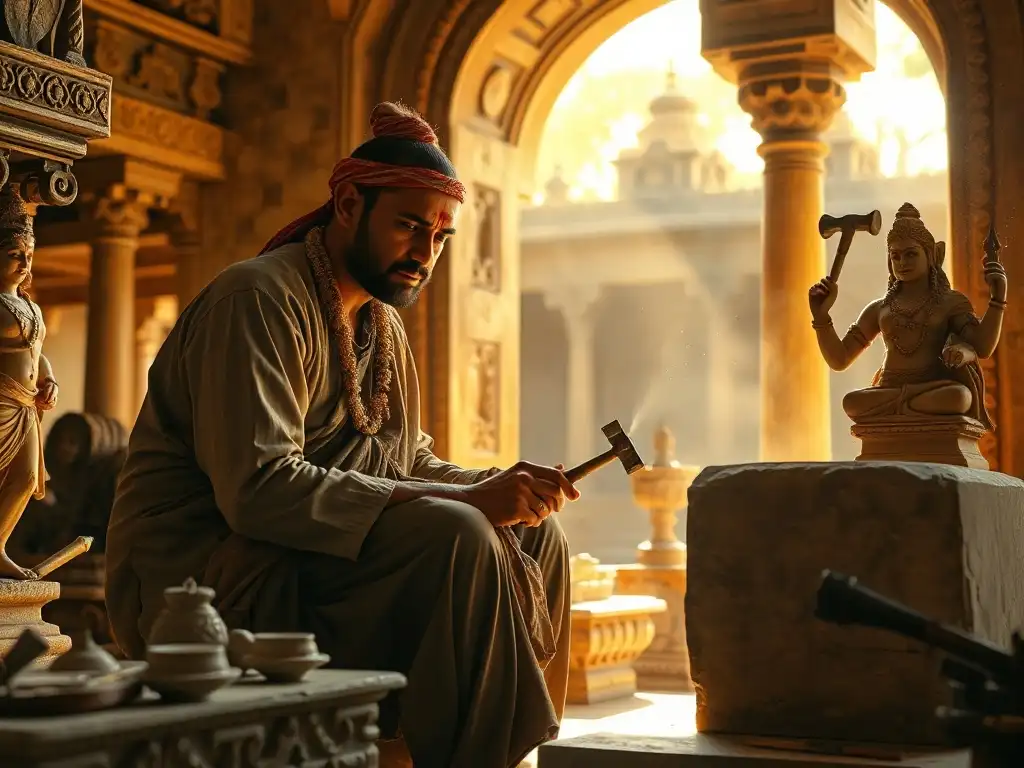
The historical context of divine sculptures in ancient India is deeply intertwined with the religious and cultural evolution of the subcontinent. From the earliest times, the representation of divinity through art served not merely as aesthetic expression but also as a means of spiritual communication and devotion. The ancient Indian artists, influenced by various religious beliefs—primarily Hinduism, Buddhism, and Jainism—crafted sculptures that embodied the ideals, stories, and philosophies of their respective traditions.
As societies evolved, so did the techniques and themes of divine sculptures. The early influences of folk traditions and oral storytelling transitioned into more sophisticated artistic expressions, reflecting the complex interplay between religion, mythology, and societal values. These sculptures were often found in temples, caves, and public spaces, serving as focal points for worship and reflection.
Influence of Religion on Ancient Indian Artists
The role of religion in shaping the works of ancient Indian artists cannot be overstated. Each major religion contributed unique themes, iconography, and techniques to the creation of divine sculptures.
- Hinduism: Hindu artists focused on portraying deities such as Vishnu, Shiva, and Devi, often depicting them in various forms and avatars. The intricate details of their clothing, jewelry, and postures communicated the attributes and stories associated with each deity. The use of mudras (hand gestures) and asanas (postures) in sculptures conveyed deeper philosophical meanings.
- Buddhism: In contrast, Buddhist artists emphasized the life of the Buddha and his teachings, often creating sculptures that depicted significant events like his enlightenment and teachings. The Bodhisattva figures were also prominently featured, representing compassion and the path to enlightenment.
- Jainism: Jain sculptures typically depicted Tirthankaras, the revered spiritual teachers. These figures were characterized by their serene expressions and minimalist adornments, reflecting the Jain philosophy of asceticism and non-attachment.
The intersection of these religions fostered a rich tapestry of artistic expression, as artists drew inspiration from and contributed to the evolving religious landscape.
Major Periods of Sculpture Development
The history of divine sculptures in ancient India can be divided into several key periods, each marked by distinctive styles, techniques, and influences.
Indus Valley Civilization
The Indus Valley Civilization (c. 3300–1300 BCE) is known for its sophisticated urban planning and advanced craftsmanship. Although fewer sculptures have survived from this era, the steatite seals featuring animal motifs and human figures suggest early attempts to convey religious and cultural significance. These seals often depicted deities and animals, hinting at the spiritual beliefs of the time.
- Notable Features:
- Seals often engraved with intricate designs.
- Representation of a possible proto-Shiva figure known as Pashupati.
- Limited but significant use of sculpture for ritualistic purposes.
Mauryan Empire
The Mauryan Empire (c. 322–185 BCE) marked a significant evolution in the art of sculpture. Under the patronage of Emperor Ashoka, Buddhist art flourished, leading to the creation of monumental sculptures and stupas. The Sanchi Stupa and Buddhist pillars are prime examples of this period, featuring intricate carvings that depicted scenes from the Jataka tales and the life of the Buddha.
- Notable Features:
- Introduction of Ashoka's edicts, inscribed on pillars.
- Increased use of stone as a medium for sculptures.
- Growing emphasis on storytelling through visual art.
Gupta Empire
The Gupta Empire (c. 320–550 CE) is often referred to as the Golden Age of India, particularly in art and culture. This period saw the peak of divine sculpture, with artists achieving remarkable finesse and detail. The Gupta style is characterized by graceful figures, intricate ornamentation, and the portrayal of deities in dynamic postures.
- Notable Features:
- The development of the Vishnu and Shiva iconography.
- The emergence of the Chola and Pala influences in sculptures.
- Use of schist and sandstone, allowing for greater detail and expression.
The divine sculptures from the Gupta period remain some of the most celebrated in Indian art history, encapsulating the spiritual essence and artistic mastery of ancient Indian artists.
Understanding the historical context of divine sculptures in ancient India requires an appreciation of the significant influence of religion and the distinct periods of artistic development. From the early representations in the Indus Valley to the sophisticated techniques of the Gupta Empire, the work of ancient Indian artists continues to resonate with reverence and inspiration.
Techniques and Materials Used by Ancient Indian Artists
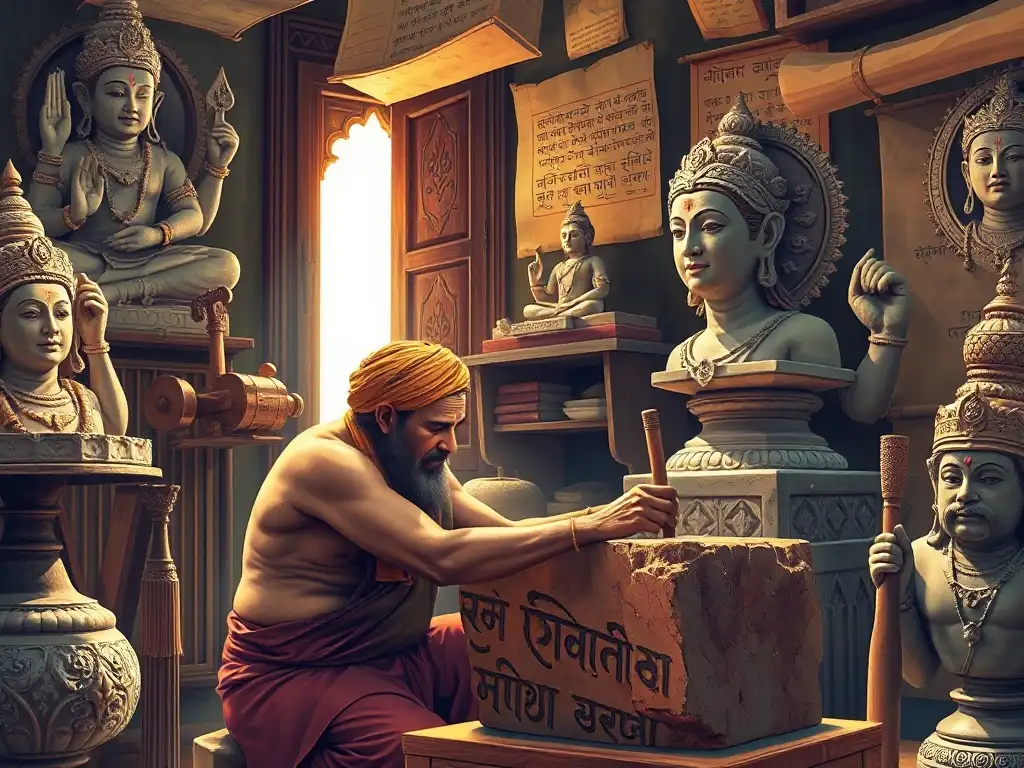
Stone Carving Techniques in Ancient Indian Sculpture
Stone carving was one of the most significant techniques employed by ancient Indian artists, particularly from the Indus Valley Civilization (circa 3300–1300 BCE) through to the Gupta Empire (circa 320–550 CE). Artists utilized various types of stone, including sandstone, granite, and marble, each chosen for its unique characteristics and suitability for intricate designs.
- Chiseling: This primary technique involved the use of chisels and hammers to remove material from the stone block, allowing artists to create detailed figures and ornate patterns.
- Polishing: After the initial carving, surfaces were polished using finer tools or abrasive materials like sand, leading to a smooth, lustrous finish that enhanced the visual appeal of the sculptures.
- Inlay Work: Some sculptures featured inlaid stones or metals, adding color and texture. This technique was especially prominent in later periods, seen in the exquisite work at sites like Khajuraho.
An exemplary piece is the Brahma statue from the Elephanta Caves, showcasing the sophisticated skill set of ancient Indian sculptors. The intricate details of Brahma’s four faces highlight both technical expertise and symbolic representation of divinity.
Use of Bronze and Other Materials
In addition to stone, ancient Indian artists also utilized bronze and other materials, particularly during the early historic period. The lost-wax casting technique was pivotal in creating durable bronze sculptures that captured intricate details.
- Lost-Wax Casting: This method involved creating a wax model of the sculpture, which was then encased in clay. Once heated, the wax melted away, leaving a mold that could be filled with molten bronze. This process allowed for the production of complex figures with fine details, enabling artists to depict divine forms with remarkable precision.
- Other Metals: Besides bronze, metals like copper and brass were also used, often for smaller sculptures and ritual objects. The use of gilding further enhanced these pieces, making them visually striking.
A notable example of bronze artistry is the Nataraja statue, a representation of Lord Shiva as the cosmic dancer, which exemplifies the dynamic movement and grace achievable through bronze casting.
Iconography in Divine Sculptures
Iconography plays a crucial role in understanding the divine sculptures of ancient India. Each figure depicted was imbued with symbolism, serving to convey deeper spiritual meanings.
- Attributes and Symbols: Deities were often represented with specific attributes that conveyed their powers and characteristics. For instance, Vishnu is typically depicted with a conch shell, discus, and mace, while Goddess Durga is shown riding a lion, symbolizing strength and power.
- Mudras: The hand gestures, or mudras, of divine figures were essential in conveying messages and emotions. For example, the abhaya mudra (gesture of fearlessness) signifies protection, while the dharma chakra mudra represents the teaching of the Buddha.
- Postures: The posture of divine figures also holds significance. Standing figures often symbolize stability and authority, while seated figures signify meditation and introspection.
The Kandariya Mahadeva Temple sculptures serve as a testament to this intricate iconography, where the divine figures are adorned with elaborate jewelry and intricately detailed clothing, embodying the richness of ancient Indian spiritual beliefs.
The techniques and materials employed by ancient Indian artists were pivotal in the creation of divine sculptures. Their mastery of stone and metal work, coupled with a deep understanding of iconography, helped communicate the essence of the divine, leaving a lasting legacy in the realm of visual arts.
Styles of Divine Sculpture in Ancient India
The portrayal of the divine in ancient Indian sculptures is a rich tapestry woven from various regional styles, cultural influences, and historical contexts. These divine sculptures are not merely artistic expressions but also serve as reflections of the spiritual beliefs, societal norms, and technological advancements of their time. From the graceful figures of the Indus Valley Civilization to the intricate carvings of the Gupta period, the evolution of styles reveals the profound connection between art and spirituality in ancient Indian culture.
Distinctive Features of Regional Styles
Ancient Indian artists developed distinctive sculptural styles influenced by local traditions, religious practices, and available materials. Each regional style encapsulated unique characteristics that set it apart from others.
North Indian Sculptural Styles
North Indian sculpture is characterized by its intricate detailing and a strong emphasis on narrative forms.
- Kushan Period (1st - 3rd Century CE): This era saw the emergence of the iconic Gandhara art, which blended Greek and Indian artistic techniques. The sculptures often depicted Buddhist figures with realistic proportions and flowing drapery. The Buddha was represented in various mudras, showcasing spiritual significance.
- Gupta Period (4th - 6th Century CE): Known as the Golden Age of India, Gupta sculptures reflect a heightened sense of idealism and harmony. The Brahmanical deities, such as Vishnu and Shiva, were often depicted in graceful postures, exuding divinity. The sculptures from this period are noted for their smooth surfaces and serene expressions, embodying the spiritual essence of the divine.
South Indian Sculptural Styles
South Indian sculptures are renowned for their grandeur and robust forms, often characterized by intricate iconography and vivid storytelling.
- Pallava Period (6th - 9th Century CE): The rock-cut temples of the Pallavas, such as those at Mahabalipuram, exhibit a unique interplay of light and shadow. The sculptures often depict scenes from the Mahabharata and Ramayana, reflecting the narrative technique prevalent in South Indian art.
- Chola Period (9th - 13th Century CE): This period is marked by a significant evolution in bronze casting techniques, allowing for exquisite sculptures of deities like Nataraja (Shiva as the cosmic dancer). The Chola artists excelled in creating dynamic poses and intricate detailing, emphasizing movement and rhythm in their divine representations.
Evolution of Styles Over Time
The evolution of divine sculpture in ancient India showcases a fascinating journey through time, reflecting the changing religious dynamics and artistic innovations.
- Early Period (Indus Valley Civilization): The earliest known sculptures, such as the Dancing Girl, reveal a focus on human figures and their connection to ritual practices. The simplicity of these forms laid the groundwork for more complex representations in subsequent eras.
- Classical Period (Kushana to Gupta): The transition from the Kushan to Gupta periods marks a significant shift towards more refined and idealized forms. The incorporation of Greek artistic elements during the Kushan era gave way to the Gupta style's emphasis on spiritual expression and harmony.
- Medieval Period (Pallava to Chola): The flourishing of temple architecture and sculpture during the Pallava and Chola periods illustrates the apex of divine sculpture. The techniques evolved to include narrative reliefs and elaborate iconography, creating a comprehensive visual language that communicated spiritual teachings.
The study of ancient Indian artists and their divine sculptures reveals a profound engagement with spirituality, culture, and artistic innovation. These sculptures not only served as religious icons but also as historical documents that provide insight into the beliefs and practices of ancient Indian civilizations. Understanding these styles enriches our appreciation of the artistic heritage that continues to influence contemporary Indian art and culture.
Notable Divine Sculptures and Their Significance
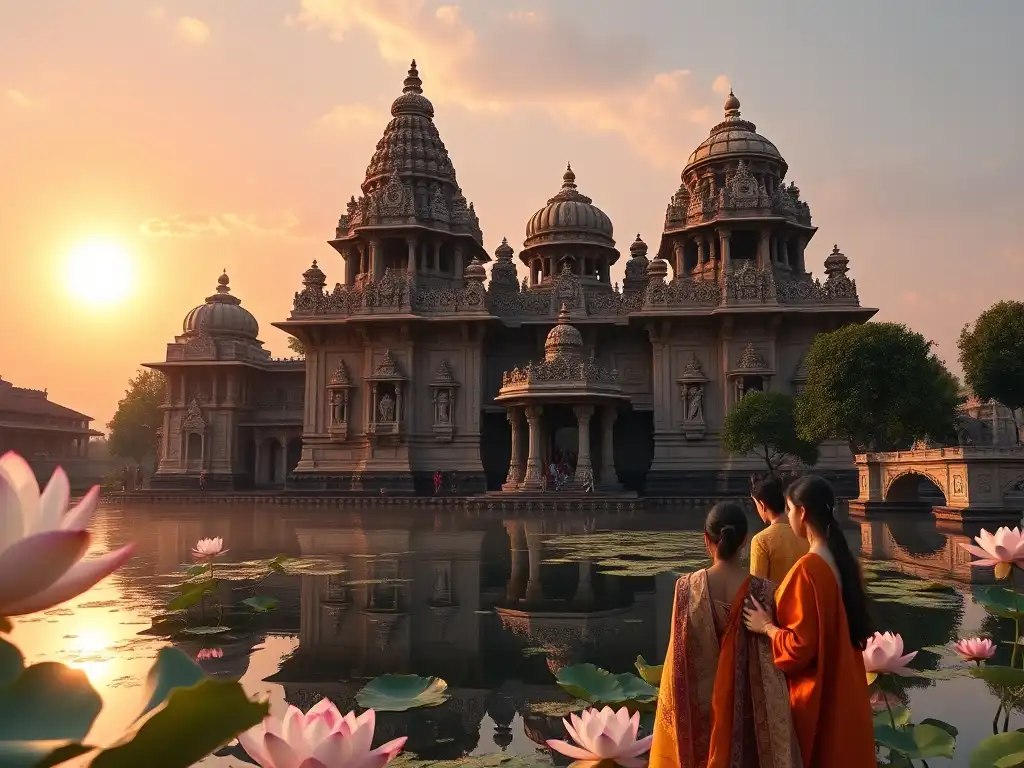
Sculptures in ancient India not only represent artistic excellence but also embody the spiritual and cultural ethos of their times. The portrayal of divinity in these sculptures often reflects the complexities of religious beliefs, social hierarchies, and philosophical concepts prevalent throughout various periods. This section delves into some of the most notable divine sculptures and their significance, highlighting the exceptional skills of ancient Indian artists.
Renowned Sculptures and Their Artists
The Great Stupa at Sanchi
The Great Stupa at Sanchi, built during the Mauryan period in the 3rd century BCE, is a prime example of early Buddhist architecture and artistry. The stupa is adorned with intricate carvings and reliefs that depict various Jataka tales, representing the previous lives of the Buddha.
- Significance:
- Religious Importance: The stupa serves as a reliquary, housing sacred Buddhist relics and acting as a pilgrimage site.
- Artistic Contribution: The carvings reflect the early Indian artistic style, transitioning from the aniconic representation of the Buddha to more human forms in later periods.
The Elephanta Caves
The Elephanta Caves, located on Elephanta Island near Mumbai, date back to the 5th to 8th centuries CE and are renowned for their stunning rock-cut sculptures dedicated to the Hindu god Shiva. The most famous sculpture within the caves is the Trimurti, a colossal depiction of a three-headed Shiva.
- Significance:
- Cultural Fusion: The sculptures exhibit a blend of local traditions and influences from other regions, showcasing the dynamism of ancient Indian artists in adapting styles.
- Philosophical Depth: The representation of Shiva as the creator, preserver, and destroyer encapsulates the core tenets of Hindu philosophy regarding the cyclical nature of life and the universe.
Symbolism Behind Famous Divine Sculptures
The symbolism in ancient Indian divine sculptures is rich and multifaceted, often serving as a visual language that communicates complex theological and philosophical ideas.
- Divine Attributes:
- Many sculptures depict deities with multiple arms, symbolizing their omnipotent abilities. For instance, the multiple arms of Durga signify her power to combat evil.
- Use of Iconography:
- Specific objects in sculptures hold significant meaning. For example, Shiva's trident (trishula) represents the three aspects of existence: creation, preservation, and destruction.
- Color and Material Significance:
- The choice of materials, such as sandstone or basalt, and the use of vibrant colors in sculptures were often reflective of the divine nature of the figures. For example, the bright hues in temple sculptures were meant to invoke the celestial realm.
The divine sculptures created by ancient Indian artists are not merely aesthetic objects; they are profound expressions of spirituality, culture, and philosophy that continue to inspire and resonate with audiences today. Each piece tells a story, inviting viewers to explore the rich tapestry of beliefs and values that shaped ancient Indian civilization.
The Role of Ancient Indian Artists in Religious Practices
Artists as Spiritual Practitioners
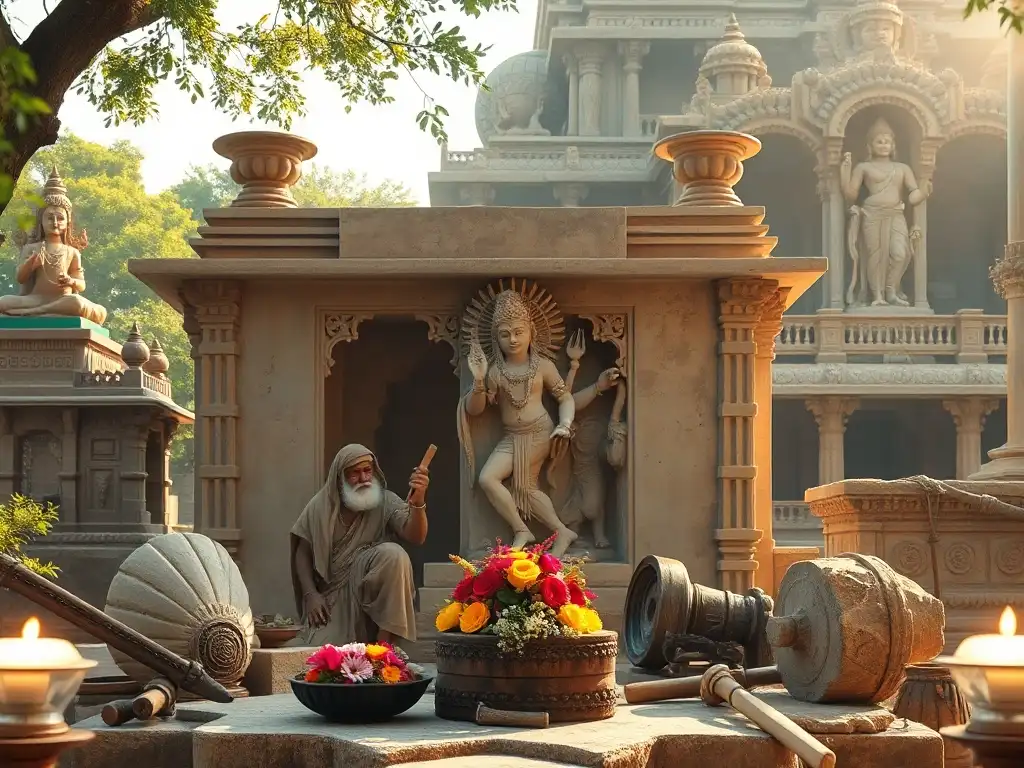
Ancient Indian artists held a unique position within their societies, often regarded not merely as creators of aesthetic beauty but as spiritual practitioners deeply intertwined with religious beliefs and practices. These artists were trained in sacred traditions, and their craft was viewed as a form of devotion to the divine. They employed a highly symbolic language in their sculptures, where every detail—from the posture of a figure to the choice of materials—was imbued with spiritual significance.
For instance, the creation of sculptures in ancient India was not merely an act of artistic expression but a ritual in itself. Artists often engaged in prayers and meditative practices before beginning their work, believing that their creative process was a channel through which divine energy could manifest. This connection to spirituality is evident in the meticulous craftsmanship of sculptures found in ancient temples, which often depicted deities in various forms and expressions, catering to the devotional needs of worshippers.
Moreover, many artists were associated with specific temples or royal courts, receiving patronage that allowed them to focus solely on their craft. This relationship between artists and religious institutions facilitated the production of numerous divine sculptures that played a vital role in the spiritual lives of the communities they served. The craftsmanship involved in creating these works was seen as a sacred duty, one that contributed to the overall spiritual atmosphere of the temples.
The Connection Between Art and Worship
The connection between art and worship in ancient India is profound and multifaceted. Sculptures served not only as objects of beauty but also as focal points for ritualistic practices. Temples were adorned with intricate carvings and divine sculptures that represented various deities, ensuring that worshippers had visual and tangible manifestations of the divine to connect with during their religious ceremonies.
Key Aspects of the Art-Worship Relationship:
- Iconography: Each sculpture was designed according to specific iconographic standards which communicated various attributes of the deities. For example, the multiple arms of deities like Shiva or Durga symbolize their omnipotence and ability to perform various tasks simultaneously.
- Rituals and Offerings: Sculptures were often an integral part of rituals. Offerings, such as flowers and incense, were presented before these divine forms, creating a sacred dialogue between the worshipper and the divine. The act of worshiping these sculptures was believed to invoke blessings and protection.
- Pilgrimage Sites: Many ancient sculptures were situated in pilgrimage sites, attracting devotees from far and wide. The spiritual significance of these sites was amplified by the presence of divine sculptures, making them places of gathering for communal worship and cultural exchange.
- Art as a Teaching Tool: Sculptures also served an educational purpose, conveying stories from sacred texts and moral lessons through visual narratives. For instance, the reliefs depicting scenes from the Ramayana or Mahabharata helped in imparting values and teachings to the populace, reinforcing the moral fabric of society.
Ancient Indian artists played a crucial role in shaping the religious landscape through their divine sculptures. Their work was not only a reflection of artistic skill but also a vital expression of devotion, bridging the gap between the material and spiritual worlds. The intricate relationship between art and worship continues to influence the perception of divine representations in contemporary Indian culture and spirituality.
Legacy of Ancient Indian Artists and Their Divine Sculptures
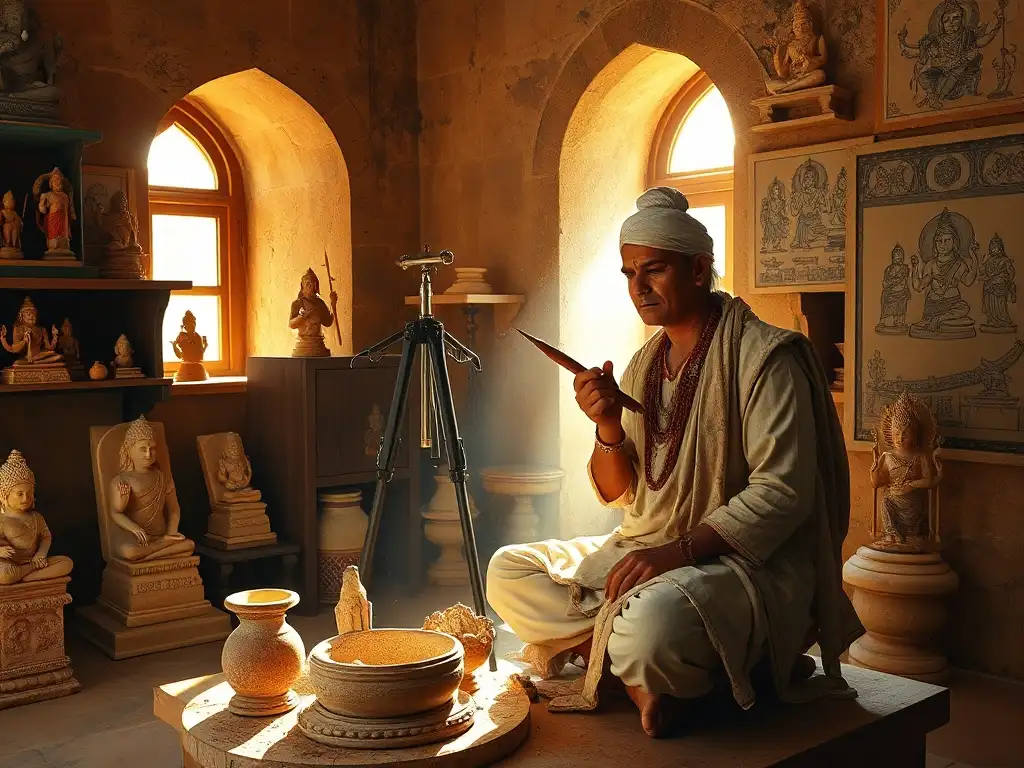
The legacy of ancient Indian artists is profoundly intertwined with their divine sculptures, which have become emblematic of India's rich cultural and spiritual heritage. From the early Indus Valley Civilization through to the Gupta Empire, these artists not only captured the essence of divinity but also reflected the social, philosophical, and aesthetic values of their time.
Ancient Indian artists employed various materials, such as stone, metal, and clay, to create sculptures that were both intricate and symbolic. These divine representations often portrayed deities from Hinduism, Buddhism, and Jainism, showcasing a deep understanding of religious iconography and philosophy. For instance, the sculptures of the Bodhisattvas in Buddhist art exemplify the artists' ability to convey complex spiritual concepts through physical forms.
The craftsmanship displayed in these sculptures is a testament to the advanced artistic techniques of the time, including the use of lost-wax casting for metal sculptures and detailed chisel work for stone carvings. Many of these divine sculptures, such as the famous "Dancing Shiva" or the serene "Buddha", not only served a religious purpose but also played a critical role in public art, adorning temples and monastic complexes that were centers of community life.
Influence on Contemporary Indian Art
The influence of ancient Indian artists on contemporary Indian art is both profound and pervasive. Modern artists often draw inspiration from the iconography, themes, and techniques of their ancient predecessors, merging traditional motifs with contemporary expressions.
- Revival of Traditional Techniques: Many contemporary artists are reviving ancient sculptural techniques, such as stone carving and bronze casting, reflecting a commitment to preserving the rich heritage of Indian artistry. Workshops and art schools now incorporate these traditional methods, teaching students not only how to replicate ancient forms but also to innovate upon them.
- Themes of Divinity: The representation of divinity continues to be a significant theme in modern Indian art. Artists like Subodh Gupta and Anish Kapoor explore these themes while often juxtaposing them with contemporary issues, creating a dialogue between the past and present. Their works challenge viewers to reconsider the role of spirituality in a modern context.
- Cultural Synthesis: Contemporary artists are also blending influences from global art movements with traditional Indian motifs. This synthesis results in a diverse array of artworks that reflect both ancient traditions and modern sensibilities, making the legacy of ancient Indian artists relevant in today's multicultural landscape.
Preservation of Ancient Sculptural Techniques
The preservation of ancient sculptural techniques is crucial for maintaining the integrity of India’s artistic heritage. Several initiatives and practices have emerged to ensure that these techniques continue to be passed down through generations:
- Artisan Communities: Many traditional sculptors belong to hereditary artisan communities that have maintained their craft for centuries. These artisans often serve as custodians of ancient techniques, employing methods that have been handed down through their families.
- Documentation and Research: Scholars and art historians are actively documenting ancient sculptural techniques, creating databases and publications that detail the processes, materials, and tools used by ancient Indian artists. This research not only aids in the understanding of historical practices but also provides a foundation for contemporary artists seeking to engage with traditional methods.
- Cultural Festivals and Workshops: Events such as sculpture festivals and workshops promote the learning and appreciation of ancient techniques. These gatherings provide platforms for artisans to showcase their skills, offer hands-on training, and engage with the public, fostering a greater appreciation for the art form.
- Art Education Programs: Educational institutions are increasingly incorporating the study of ancient Indian art and sculpture into their curricula. By teaching both the historical context and practical techniques, these programs ensure that the skills and knowledge of ancient artists are not lost to time.
The legacy of ancient Indian artists and their divine sculptures continues to resonate within contemporary art practices. Through preservation efforts and the ongoing exploration of ancient techniques, the vibrant tapestry of India’s artistic heritage remains alive, inspiring future generations of artists.
Conclusion: The Enduring Impact of Ancient Indian Divine Sculptures
Summary of Key Points
The ancient Indian artists who dedicated their skills to divine sculptures have left an indelible mark on the cultural landscape of India. Key points regarding their contributions and significance include:
- Historical Context: Ancient Indian artists flourished in various periods, particularly during the Indus Valley Civilization, Maurya, and Gupta periods, producing intricate sculptures that reflected the spiritual beliefs of their time.
- Materials and Techniques: Artists employed diverse materials such as stone, metal, and clay, utilizing sophisticated techniques to achieve both aesthetic beauty and symbolic meanings in their works.
- Iconography: The portrayal of deities and mythological figures was rich in symbolism, with each sculpture designed to convey specific narratives, moral values, and religious concepts. This iconographic richness is essential to understanding the cultural nuances of the period.
- Regional Variations: Different regions showcased unique styles and motifs in their divine sculptures, influenced by local traditions, religious practices, and available resources. For example, the rock-cut caves of Ajanta and Ellora exhibit distinct artistic styles that reflect regional characteristics.
- Legacy: The legacy of these ancient artists continues to influence contemporary art and sculpture in India, with modern artists often drawing inspiration from the motifs and techniques of their ancient predecessors.
Reflection on the Cultural Heritage of Ancient India
Ancient Indian divine sculptures serve as more than mere artistic expressions; they are a window into the rich tapestry of India's spiritual and cultural heritage. These sculptures reflect the deep reverence for divinity that permeated various facets of life in ancient India, from religious practices to community gatherings.
The craftsmanship of ancient Indian artists not only showcases their technical prowess but also their profound understanding of spirituality and philosophy. Each piece is a narrative, encapsulating timeless stories of gods, goddesses, and celestial beings, inviting viewers to engage with the divine on multiple levels.
Moreover, these sculptures have endured through centuries, transcending time and space to resonate with modern audiences. They stand as testaments to the enduring nature of faith, art, and culture in ancient India. As we continue to explore and appreciate these masterpieces, we are reminded of the incredible legacy left by ancient Indian artists and their unparalleled ability to express the divine through their art.
The exploration of ancient Indian artists' divine sculptures not only enriches our understanding of art but also deepens our appreciation for the complex cultural heritage that has shaped contemporary Indian society. The beauty and significance of these sculptures endure, inviting ongoing reflection and admiration.
Frequently Asked Questions
What are the main themes explored in ancient Indian sculptures?
Ancient Indian sculptures often focus on divine figures, mythological narratives, and the spiritual connection between humans and deities, showcasing the cultural richness of the time.
How did ancient Indian artists depict the divine in their work?
Ancient Indian artists portrayed the divine using intricate details, symbolic elements, and expressive features, aiming to evoke a sense of spiritual transcendence through their sculptures.
Which civilizations contributed to the development of divine sculptures in ancient India?
The Indus Valley Civilization, Maurya Empire, and Gupta Empire played significant roles in advancing the art of sculpture, each contributing unique styles and techniques to the portrayal of the divine.
What materials were commonly used by ancient Indian artists for sculptures?
Ancient Indian artists primarily used stone, bronze, and terracotta, carefully selecting materials that would enhance the beauty and durability of their divine sculptures.
How has the legacy of ancient Indian divine sculptures influenced modern art?
The intricate designs and spiritual themes of ancient Indian sculptures continue to inspire modern artists, reinforcing the importance of cultural heritage and the interconnection of art and spirituality.
Final Reflection: The Timeless Legacy of Ancient Indian Artists and Their Divine Sculptures
The artistry of ancient Indian artists in portraying the divine is not merely a relic of the past; it is a vibrant testament to the enduring connection between humanity and spirituality. As we navigate a world increasingly detached from its roots, the intricate sculptures and the stories they tell remain profoundly relevant today. They remind us that art is not just a visual experience but a bridge to understanding our beliefs, values, and the divine essence that permeates our existence.
The influence of these divine sculptures extends far beyond their historical context, shaping cultural narratives and spiritual practices even in contemporary society. These masterpieces invite us to reflect on our own beliefs and the ways we express them. As we admire the craftsmanship and devotion embedded in each sculpture, we recognize that they serve as a source of inspiration and contemplation. Art is the most beautiful of all lies.
– Claude Debussy. This quote encapsulates the idea that while these sculptures may be representations of the divine, they evoke deeper truths about our human experience and our quest for meaning.
As we conclude this exploration of ancient Indian artists and their divine sculptures, I invite you to reflect on how art can inspire your own spiritual journey. Consider how the stories and emotions captured in these works resonate with your life today. Let the legacy of these artists encourage you to seek beauty and divinity in your surroundings, and perhaps even inspire you to create your own expressions of the sacred. Embrace the lessons of the past, and allow them to guide you toward a more profound understanding of the divine in your own life.
Unveil the Artistic Legacy of Ancient India!
Thank you for taking the time to explore the incredible artistry that shaped the portrayal of divinity in Ancient India. You've gained insight into the techniques and cultural significance behind these divine sculptures, and now it's time to take action!
Here are some inspiring steps you can take to deepen your connection with this remarkable legacy:
- Visit a local museum or gallery showcasing Indian art to experience these divine forms firsthand.
- Share your newfound knowledge with friends or on social media, sparking conversations about the rich history of Indian artistry.
- Join an online community focused on ancient art, where you can engage in discussions about the influence of these sculptures on modern artistic expressions.
What aspect of Ancient Indian art do you find most captivating, and how do you believe it continues to influence contemporary artistic expressions?