
The Journey of Ancient Indian Theater from Sacred to Secular

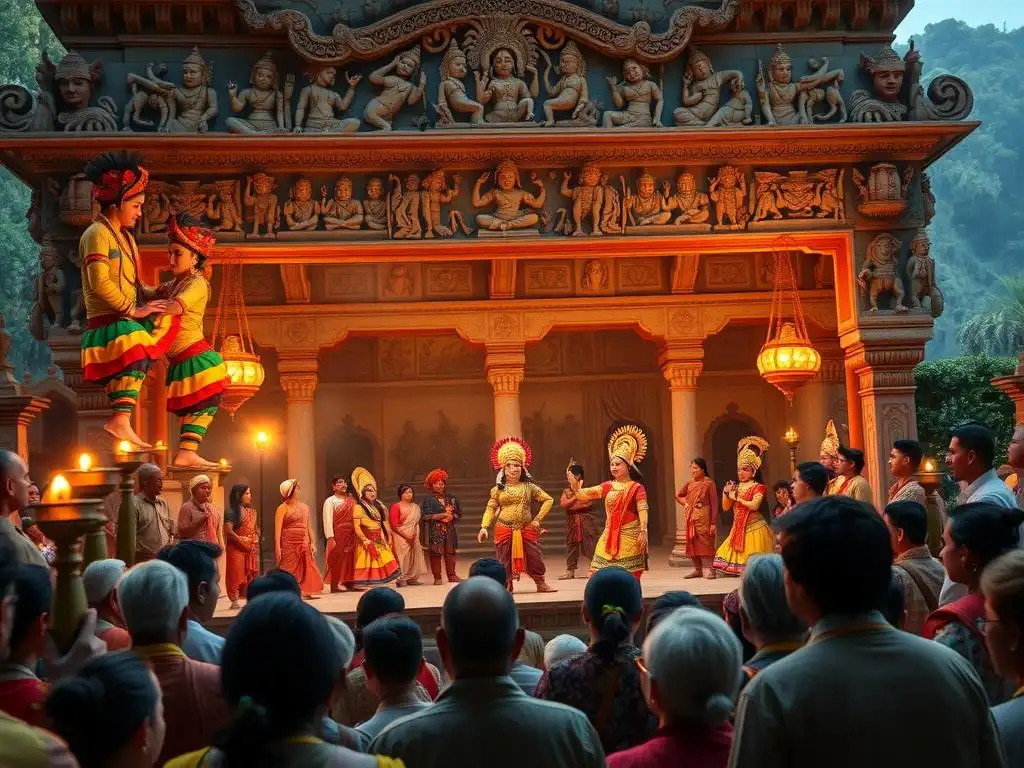
Welcome to Ancient India History, where we invite you to embark on an enlightening journey through time! Delve into the fascinating world of ancient Indian theater history, a vibrant tapestry woven with sacred rituals and secular performances that reflect the profound cultural heritage of our civilization.
As you explore our latest article, "The Journey of Ancient Indian Theater from Sacred to Secular," prepare to uncover the intricate connections between art and society in a land where storytelling has thrived for millennia. Join us in unraveling the captivating evolution of this timeless art form and discover how it continues to resonate in today's world!
Introduction to Ancient Indian Theater History
The history of ancient Indian theater is a captivating journey that reflects the evolution of cultural expressions from sacred rituals to secular performances. Spanning thousands of years, this transformation highlights the intricate relationship between spirituality and art, showcasing how theater served as a medium for storytelling, social commentary, and entertainment.
Ancient Indian theater history is not just a record of performances; it is a tapestry woven from the threads of religion, philosophy, and societal norms, revealing the profound impact of these elements on the artistic landscape of the time. As we delve into this rich heritage, we will uncover the layers of meaning and the diverse influences that shaped the theatrical practices of ancient India.
Overview of Ancient Indian Theater
Ancient Indian theater encompasses a wide array of performance styles, forms, and traditions that evolved across different regions and periods. Some of the notable features include:
- Dramatic Forms: Theatrical performances ranged from folk plays to classical dramas, incorporating various languages and dialects.
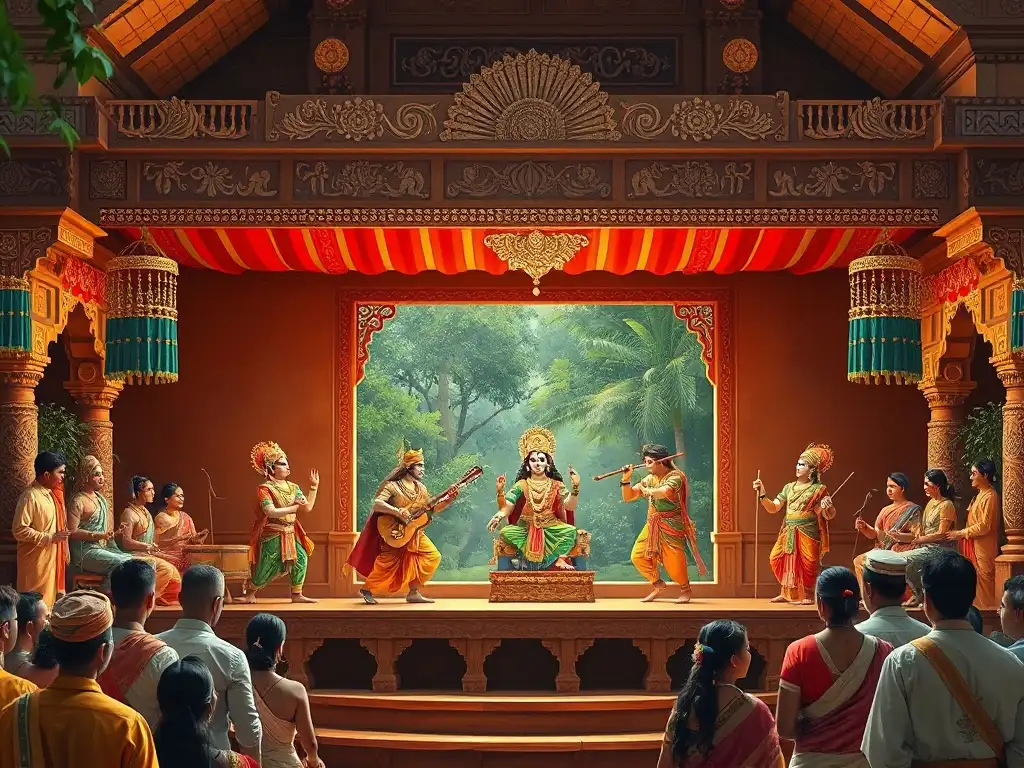
- Performance Spaces: Open-air stages, temples, and village squares served as venues for these performances, creating intimate connections between the audience and the performers.
- Role of Music and Dance: Integral to theater, music and dance enhanced the storytelling experience, adding layers of emotion and cultural significance.
The evolution of ancient Indian theater is closely tied to the historical context of each era, with influences from neighboring cultures and changing social dynamics.
Importance of Theater in Ancient Indian Culture
Theater held a significant place in ancient Indian culture for several reasons:
- Cultural Reflection: It mirrored societal values, beliefs, and practices, often addressing themes of morality, love, and heroism.
- Educational Tool: Theater served as a medium for imparting moral lessons and social norms, making it an essential aspect of education in ancient societies.
- Community Engagement: Performances fostered a sense of community, bringing people together to celebrate festivals, religious occasions, and communal events.
Theater was more than just entertainment; it was a vital expression of identity and collective consciousness in ancient Indian civilization.
Origins of Ancient Indian Theater
The Sacred Roots of Indian Performance Arts
The origins of ancient Indian theater can be traced back to sacred rituals and religious ceremonies. These performances were often rooted in spiritual practices and aimed at appeasing deities or narrating mythological tales. Elements of theater were interwoven with:
- Ritualistic Elements: Many performances included offerings, chants, and symbolic gestures that connected the audience with the divine.
- Cultural Traditions: Each region contributed unique stories and styles, reflecting local beliefs and customs.
As these sacred performances evolved, they began to adopt more structured forms, paving the way for theatrical expression.
Influence of Religion and Mythology on Early Theater
Religion and mythology played crucial roles in shaping early Indian theater. The narratives drawn from epics like the Mahabharata and Ramayana provided rich material for dramatization. Key influences include:
- Character Archetypes: Gods, heroes, and mythical figures were portrayed, embodying moral virtues and ideals.
- Moral Lessons: These myths often conveyed essential life lessons, guiding audiences in ethical conduct and spiritual understanding.
The connection between theater and mythology not only enriched performances but also reinforced cultural values and traditions.
Key Texts and Scriptures: Natya Shastra and Its Significance
One of the most significant texts in the history of ancient Indian theater is the Natya Shastra, attributed to the sage Bharata Muni. This ancient treatise outlines various aspects of performance, including:
- Theatrical Techniques: It details acting styles, stagecraft, and the integration of music and dance, providing a comprehensive framework for ancient theater.
- Aesthetic Principles: The Natya Shastra introduces the concepts of rasa (emotion) and bhava (mood), which are foundational to Indian aesthetics and performance arts.
The teachings of the Natya Shastra not only influenced theatrical practices but also laid the groundwork for future generations of artists, ensuring the continuity of this vibrant art form.
Evolution of Ancient Indian Theater
The evolution of ancient Indian theater reflects a complex interweaving of religious, cultural, and social dynamics that have shaped its trajectory over centuries. Initially, theater in India emerged as an extension of ritualistic performances tied to religious ceremonies. These performances served to communicate spiritual narratives and engage the community in collective worship. The use of music, dance, and dramatic storytelling became integral components of these sacred rituals, laying the groundwork for what would later evolve into more diverse theatrical expressions.
As society progressed, theater began to reflect the sociopolitical landscape of the times. The introduction of Sanskrit drama around the 2nd century BCE marked a significant transformation in the form and content of performances. Playwrights like Bhasa and Kalidasa created works that explored a wider range of themes, moving beyond purely religious narratives to include romance, heroism, and moral dilemmas. The emergence of local dialects and folk traditions further diversified the theatrical landscape, incorporating storytelling techniques and performance styles unique to various regions.
Transition from Sacred Rituals to Secular Performances
The transition from sacred rituals to secular performances in ancient Indian theater was a gradual process influenced by changes in societal values and norms. While early theater was largely dominated by religious themes, the advent of new philosophical ideologies and the rise of urban centers facilitated a shift towards secular subjects. This shift was particularly evident during the Maurya and Gupta periods when theater began to serve not just as a medium for spiritual expression but also as a form of entertainment and social commentary.
One of the key factors in this transition was the increasing patronage of theater by royal courts and affluent patrons, who sought to use performances as a means of demonstrating power and sophistication. The incorporation of secular themes allowed playwrights to explore human emotions, relationships, and societal issues, reflecting the complexities of life in a rapidly changing world. This evolution not only enriched the content of performances but also broadened the audience base, making theater accessible to various strata of society.
Regional Variations in Theater Styles
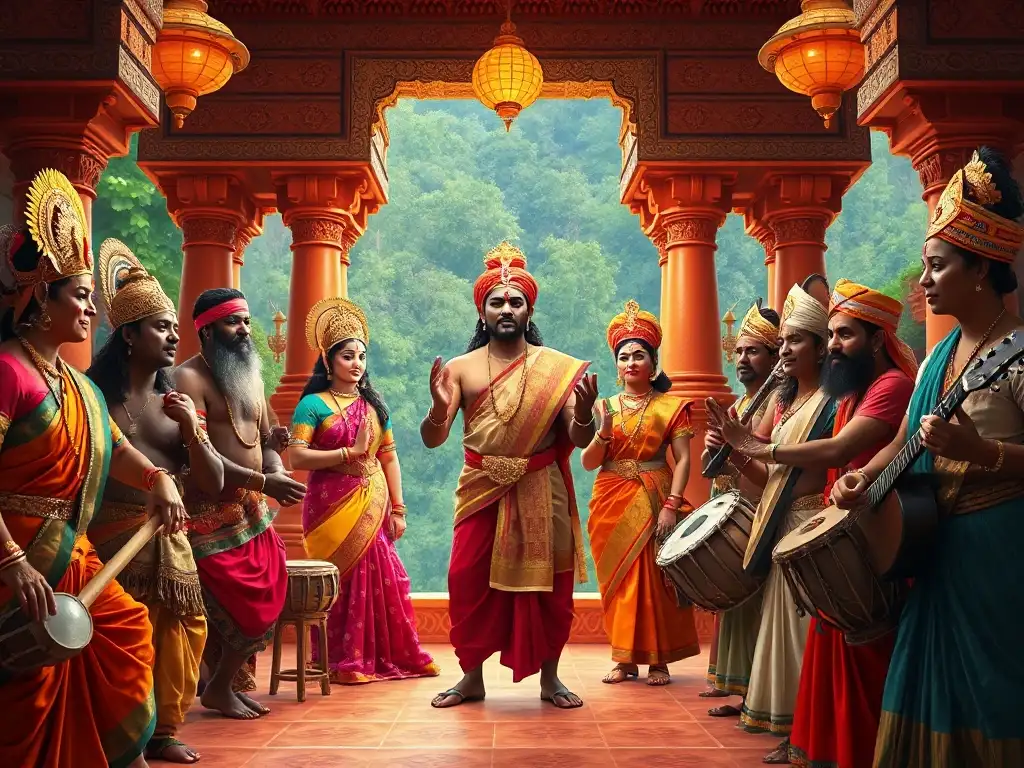
Ancient Indian theater is characterized by a rich tapestry of regional variations, each reflecting the unique cultural heritage of its respective area. From the classical Sanskrit dramas of the north to the folk theater traditions of the south, the diversity of styles is remarkable.
- Sanskrit Theater: Flourished primarily in the northern regions, emphasizing elaborate narratives, stylized performances, and intricate poetry. Notable works like Kalidasa's "Shakuntala" exemplify this tradition.
- Natya Shastra: Written by Bharata Muni, this ancient treatise on performing arts laid down the foundational principles of drama, including stagecraft, acting techniques, and audience engagement, influencing various regional forms.
- Folk Theater: In southern India, forms such as Kathakali and Yakshagana blend dance, music, and storytelling, rooted in local myths and legends, showcasing the rich cultural narratives of the region.
- Rajasthani and Punjabi Theater: These regional styles incorporate elements of local folklore and history, often performed during festivals and celebrations, reflecting the vibrant oral traditions of their communities.
Major Periods in Ancient Indian Theater History
The history of ancient Indian theater can be segmented into several major periods, each contributing significantly to its development and cultural significance. Understanding these periods provides valuable insight into the evolution of theatrical forms and practices across the subcontinent.
Theater During the Maurya Empire
During the Maurya Empire (c. 322–185 BCE), theater began to flourish under the patronage of influential rulers like Chandragupta Maurya and his grandson Ashoka. This period marked the formalization of Sanskrit drama, with performances held in royal courts and public gatherings. The emphasis on intricate storytelling and artistic expression led to the development of notable theater forms that combined dance, music, and drama.
The Maurya period also saw the emergence of the Natya Shastra, which provided a comprehensive framework for performance, including detailed descriptions of acting techniques, stage design, and emotional expression. These guidelines paved the way for subsequent theatrical practices and influenced playwrights for generations.
The Gupta Period and its Impact on Performing Arts
The Gupta period (c. 320–550 CE) is often regarded as the Golden Age of Indian culture, and its impact on performing arts, particularly theater, was profound. This era witnessed a resurgence of artistic expression, with theater reaching new heights of popularity and sophistication. The Gupta rulers were known for their patronage of the arts, fostering an environment where playwrights and performers could thrive.
Notable playwrights such as Kalidasa and Bhasa produced works that became classics of Indian literature, exploring themes of love, valor, and morality. This period also saw the integration of various art forms, including music and dance, into theatrical performances, enriching the overall experience. The Gupta era laid the groundwork for the subsequent revival of theater in later centuries.
The Role of Royal Patronage in Theater Development
Royal patronage played a crucial role in the development of ancient Indian theater, influencing both the content and form of performances. From the Maurya Empire through the Gupta period and beyond, kings and noble patrons supported theatrical arts as a means of showcasing their wealth and cultural sophistication. This patronage not only provided financial support for artists and playwrights but also established theaters as venues for public entertainment and cultural expression.
Patrons often commissioned specific plays that aligned with their political agendas or personal interests, resulting in a diverse array of performances that reflected the values and ideologies of the time. The interplay between artists and patrons created a dynamic environment that fostered innovation and experimentation in theater, allowing it to evolve into a complex and multifaceted art form that resonated with audiences across different regions and cultures.
Characteristics of Ancient Indian Theater
Ancient Indian theater is distinguished by its rich blend of ritualistic elements, mythological narratives, and aesthetic principles that reflect the diverse cultural ethos of the time. This theater form was not merely a means of entertainment but served as a conduit for spiritual expression and societal reflection. One prominent characteristic is the integration of various art forms—dance, music, and drama coalesced to create holistic performances that engaged multiple senses.
The performance space was often sacred, emphasizing the religious undertones of early theater. The use of elaborate costumes and intricate makeup was essential, as these elements helped in portraying various characters, from gods to commoners. The audience’s role was also interactive; they were not mere spectators but active participants, responding to the performance, thereby enhancing the communal experience.
Additionally, the language of the plays often varied, with Sanskrit being predominant in classical dramas. The poetic nature of the dialogues, coupled with the rich symbolism, added layers of meaning to the narratives. Overall, the characteristics of ancient Indian theater reflect a deep connection to the spiritual, social, and cultural fabric of its time.
Themes and Motifs in Ancient Indian Plays
Themes in ancient Indian plays often revolved around dharma (righteousness), karma (action and its consequences), and the interplay between the divine and the mortal. Such themes were deeply rooted in the philosophical and spiritual beliefs of the society. The narratives frequently explored the struggles of heroes and their quests for justice, love, and truth, often depicting the moral dilemmas faced by characters.
Another recurrent motif is the concept of illusion (maya), which illustrates the transient nature of life and the importance of realizing deeper truths. Plays often featured divine interventions and miraculous occurrences, reinforcing the belief in a higher power guiding human affairs. The tales of legendary figures from epics like the Ramayana and Mahabharata were popular, offering audiences both entertainment and moral lessons.
Moreover, gender roles and the dynamics between male and female characters were significant themes. They often highlighted societal norms and the complexities of relationships, contributing to a rich tapestry of narratives that resonated with audiences on multiple levels.
Use of Music and Dance in Theater Performances
Music and dance were integral components of ancient Indian theater, enhancing the emotional and aesthetic experience of the performances. The use of ragas (melodic frameworks) and talas (rhythmic cycles) was meticulously planned to evoke specific emotions corresponding to the narrative. Each performance was accompanied by live musicians who played traditional instruments such as the vina, mridangam, and flute, creating a vibrant auditory backdrop.
Dance forms, such as Kathak and Bharatanatyam, were often incorporated into the theatrical presentations, serving to express emotions and advance the narrative. The movements were not just artistic expressions but were laden with symbolic meanings, reflecting the emotions and motivations of characters. This synergy between music, dance, and drama created a multi-sensory experience, making the performances captivating and memorable.
Additionally, the musical compositions often included devotional songs, further reinforcing the sacred nature of many early plays. The rhythmic patterns and melodic lines were crafted to resonate with the audience, drawing them deeper into the narrative and enhancing their emotional engagement.
The Aesthetic Principles in Ancient Indian Theater
The aesthetic principles of ancient Indian theater are primarily articulated through the concept of Rasa, which refers to the emotional flavors or sentiments evoked in the audience. According to Bharata Muni’s Natya Shastra, there are nine primary Rasas: love (Shringara), heroism (Veera), compassion (Karuna), anger (Raudra), and more, each designed to elicit specific emotional responses. The adept use of Rasa allowed playwrights and performers to create profound connections with their audience.
Another significant principle is Abhinaya, which encompasses the techniques of expression through gestures, facial expressions, and body movements. This element is crucial in conveying the subtleties of the narrative and the emotional states of characters, making the performance relatable and engaging.
The integration of Natyadharmi (formalistic) and Lokadharmi (realistic) styles in performances also played a vital role in shaping the aesthetic experience. While Natyadharmi emphasized stylization and abstraction, Lokadharmi aimed for realism, ensuring that the performances were both artistic and relatable. This balance of styles contributed to the overall richness and complexity of ancient Indian theater.
Notable Figures in Ancient Indian Theater
Ancient Indian theater boasts a rich lineage of influential figures whose contributions have shaped its evolution. Among these, Bharata Muni, the author of the Natya Shastra, stands out as a seminal figure; his work laid the foundation for the theoretical framework of Indian drama and performance arts. Bharata’s insights into Rasa, Abhinaya, and other aesthetic principles continue to influence theater practices today.
Another key figure is Kalidasa, one of the greatest Sanskrit dramatists and poets, known for his works like Shakuntala and Malavikagnimitram. His plays are celebrated for their lyrical beauty, intricate character development, and exploration of human emotions, setting a high standard in the realm of ancient Indian theater.
Bhasa, a lesser-known playwright, is credited with a diverse array of plays that often explore themes of love, heroism, and moral dilemmas. His work is remarkable for its rich characterization and dialogue, contributing significantly to the narrative style of ancient Indian drama.
Influential Playwrights and Their Contributions
The contributions of various playwrights have been instrumental in shaping the landscape of ancient Indian theater. Kalidasa is not only revered for his dramatic works but also for his poetic prowess, which infused his plays with emotional depth and lyrical beauty. His ability to weave intricate plots with profound themes has earned him a timeless place in Indian literature.
Bhasa’s plays, characterized by their brevity and emotional intensity, showcase a different narrative style that emphasizes direct engagement with the audience. His ability to craft compelling dialogues and relatable characters has influenced generations of playwrights.
Additionally, Shudraka, known for his play Mrichhakatika (The Little Clay Cart), provides a glimpse into the socio-political fabric of ancient India. His works often spotlight the lives of common people, exploring themes of love, justice, and societal norms, thereby broadening the scope of ancient Indian theater beyond divine narratives.
Overall, the cumulative contributions of these playwrights have enriched the tapestry of ancient Indian theater, ensuring its relevance and resonance through the ages. Their works continue to be performed and studied, maintaining a vital link to India’s cultural heritage.
The Influence of Ancient Indian Theater on Modern Performing Arts
The influence of ancient Indian theater on modern performing arts is profound and multifaceted. Ancient Indian theatrical traditions, such as Natya Shastra, written by Bharata Muni around the 2nd century BCE, established foundational principles of drama, acting, and performance that resonate in contemporary theater forms. This ancient text not only outlines the technical aspects of performance but also emphasizes the importance of emotion, rhythm, and movement, elements that continue to be central in modern theater.
Furthermore, the rich storytelling traditions of ancient India, which often incorporated mythological themes and moral lessons, have been adopted and adapted in various global narratives. For instance, the themes explored in Ramayana and Mahabharata are echoed in modern plays and films, demonstrating how ancient stories can bridge cultural gaps and remain relevant.
In addition, the use of traditional instruments and music, as seen in ancient performances, has also influenced contemporary musical theater. The incorporation of classical instruments into modern performances enhances their emotional depth and authenticity, creating a tapestry of sound that connects the audience to India’s rich heritage.
Continuity and Change: How Ancient Traditions Shape Contemporary Theater
The continuity of ancient traditions in contemporary theater is evident in numerous performance practices. Many modern Indian theater companies draw inspiration from classical dance forms like Kathakali and Odissi, integrating their intricate movements and storytelling techniques into their productions. This melding of dance and drama not only preserves traditional art forms but also makes them accessible to a broader audience.
However, change is equally significant. Contemporary playwrights often reinterpret ancient texts, infusing them with modern themes and social issues. This evolution reflects the dynamic nature of theater as an art form, allowing it to comment on contemporary society while honoring its roots. For example, productions of Mahabharata have been reimagined to explore themes of power, gender, and morality in today's context, demonstrating that ancient narratives are not static but rather living texts that evolve with society.
Additionally, the rise of new mediums, such as digital theater and online performances, has further transformed how ancient stories are told and experienced. These innovations ensure that ancient Indian theater continues to thrive, adapting to changing audience preferences while preserving its essential spirit.
The Global Impact of Ancient Indian Performance Arts
The global impact of ancient Indian performance arts extends well beyond the borders of India. Aspects of ancient Indian theater have influenced various international theater movements and practices. The intricate use of symbolism, the emphasis on storytelling, and the incorporation of music and dance have inspired global artists, leading to cross-cultural collaborations and the blending of artistic traditions.
For instance, the principles of Natya Shastra have found resonance in Western theater, particularly in the realms of physical theater and experimental performances. The focus on the embodied experience of the performer and the emotional connection to the audience are themes that transcend cultural boundaries, enriching the global performing arts landscape.
Furthermore, festivals celebrating Indian classical arts, such as the Khajuraho Dance Festival, attract international audiences and performers, fostering a dialogue between ancient traditions and contemporary global arts. This exchange not only promotes the preservation of ancient Indian theater but also encourages innovation as artists from different backgrounds come together to reinterpret and reimagine these time-honored forms.
Conclusion: The Legacy of Ancient Indian Theater
The legacy of ancient Indian theater is marked by its ability to adapt and thrive through centuries of change. From sacred rituals to secular performances, ancient Indian theater has laid the groundwork for a vibrant and diverse performing arts culture that continues to evolve today. This legacy is not only a testament to the richness of India's cultural heritage but also a source of inspiration for artists worldwide.
The Enduring Relevance of Ancient Indian Theater History
The enduring relevance of ancient Indian theater history lies in its ability to address universal themes that resonate across cultures and eras. The exploration of human emotions, moral dilemmas, and societal issues in ancient texts remains applicable today, allowing contemporary audiences to connect with the narratives on a personal level. The performances that draw from this rich history serve as a reminder of the shared human experience, fostering empathy and understanding.
Moreover, the revival of interest in traditional forms, such as Nautanki and Tamasha, highlights a growing appreciation for the intricacies of ancient performances. This resurgence not only helps preserve these art forms but also encourages new interpretations that keep them alive in modern contexts.
Future Directions in the Study of Ancient Indian Theater
The future directions in the study of ancient Indian theater are promising, with scholars and practitioners exploring new methodologies to analyze and interpret these rich traditions. Interdisciplinary approaches that combine theater studies with anthropology, history, and cultural studies are gaining traction, allowing for a more nuanced understanding of the social and historical contexts in which these performances evolved.
Additionally, the integration of technology in research and performance is opening new avenues for exploration. Digital archives, virtual reality experiences, and online platforms can enhance accessibility to ancient texts and performances, enabling a broader audience to engage with this heritage.
As the study of ancient Indian theater evolves, there is a growing recognition of its role in addressing contemporary issues such as identity, gender, and social justice. By examining the ways in which ancient narratives can inform modern debates, scholars can contribute to a richer understanding of both the past and the present in the context of Indian performing arts.
References
Ancient Indian theater has a rich and multifaceted history, documented through various texts and resources that provide insights into its evolution from sacred rituals to secular performances. This section highlights key texts and academic journals that are essential for anyone interested in exploring the depths of ancient Indian theater history.
Key Texts and Resources for Further Reading
-
Natyashastra by Bharata Muni
Often considered the foundational text of Indian dramaturgy, the Natyashastra is believed to have been composed between 200 BCE and 200 CE. This comprehensive treatise covers various aspects of theater, including performance techniques, stage design, and the theoretical framework of drama. Its significance in defining the principles of ancient Indian theater cannot be overstated.
-
The Mahabharata and Ramayana
These epic narratives are not only central to Indian culture but also served as pivotal sources for many theatrical performances. Their rich storytelling tradition and character development have influenced countless adaptations in various forms of art and performance.
-
Sanskrit Plays
Works by playwrights such as Kalidasa ( Shakuntala), Bhasa, and Ashvaghosha provide an invaluable glimpse into the secular dimensions of ancient Indian theater. These plays showcase the blend of poetic language and dramatic storytelling, illustrating the transition from religious to secular themes.
-
The History of Indian Theater by K. M. K. Venkatachari
This text offers a comprehensive overview of the evolution of theater in India, tracing its roots from ritualistic performances to contemporary forms. It examines the socio-cultural contexts that influenced this transformation.
-
Indian Theatre: Traditions of Performance by R. S. Sharma
This resource delves into the various forms of traditional Indian theater, exploring regional variations and the impact of historical events on performance styles.
Suggested Academic Journals and Articles on Ancient Indian Theater
-
The Journal of South Asian Literature
This journal publishes scholarly articles that often explore linguistic, cultural, and theatrical aspects of ancient Indian literatures, including theater.
-
Asian Theatre Journal
A prominent academic journal that features research on various forms of theater across Asia, including ancient Indian theater. Articles often address historical contexts, performance practices, and cultural implications.
-
Theatre Research International
While focusing on global theater, this journal includes articles on the history and development of Indian theater, providing a broader context for understanding ancient practices.
-
“The Role of Ritual in Indian Theatre” by A. D. P. Singh
This article, published in a prominent theater journal, examines the intersection of ritual and performance, shedding light on how sacred elements influenced the development of secular theater.
-
“From Natyashastra to Modernity: The Evolution of Indian Theatre” by S. K. Iyer
This scholarly article traces the journey of Indian theater from ancient traditions outlined in the Natyashastra to contemporary practices, highlighting significant shifts and adaptations.
By exploring these key texts and academic resources, readers can gain a deeper understanding of the intricate tapestry that is ancient Indian theater, illuminating its sacred origins and secular evolution.
- Introduction to Ancient Indian Theater History
- Origins of Ancient Indian Theater
- Evolution of Ancient Indian Theater
- Transition from Sacred Rituals to Secular Performances
- Regional Variations in Theater Styles
- Major Periods in Ancient Indian Theater History
- Characteristics of Ancient Indian Theater
- Notable Figures in Ancient Indian Theater
- The Influence of Ancient Indian Theater on Modern Performing Arts
- Conclusion: The Legacy of Ancient Indian Theater
- References
- What is the significance of Ancient Indian theater history?
- How did sacred elements influence early Indian theater?
- What role did the Natya Shastra play in the development of theater?
- How did the Gupta Empire contribute to the evolution of theater?
- What are some key features of ancient Indian dramatic performances?
Frequently Asked Questions
What is the significance of Ancient Indian theater history?
Ancient Indian theater history is significant because it showcases the evolution of performance arts, reflecting societal values and religious beliefs from sacred rituals to secular entertainment.
How did sacred elements influence early Indian theater?
Early Indian theater was deeply rooted in religious rituals and mythology, often performed in temples to honor deities, merging spiritual and artistic expressions into a unified cultural practice.
What role did the Natya Shastra play in the development of theater?
The Natya Shastra, attributed to Bharata Muni, is a foundational text that outlines the principles of drama, music, and dance, establishing a framework for performance arts in ancient India.
How did the Gupta Empire contribute to the evolution of theater?
The Gupta Empire was a golden age for arts and culture, promoting theater as a form of entertainment and fostering the growth of classical drama, which led to the emergence of notable playwrights like Kalidasa.
What are some key features of ancient Indian dramatic performances?
Ancient Indian dramatic performances were characterized by their rich storytelling, use of gesture and expression, elaborate costumes, and incorporation of music and dance, creating a multifaceted entertainment experience.
Final Reflection: The Evolution of Ancient Indian Theater and Its Enduring Legacy
The journey of ancient Indian theater from sacred to secular illustrates a profound transformation that resonates deeply in today's cultural landscape. This evolution not only highlights the rich tapestry of India's artistic heritage but also serves as a reminder of how art can adapt and thrive amidst changing societal values. As we reflect on this journey, we recognize that the essence of ancient Indian theater continues to influence contemporary performances, reminding us of the power of storytelling across generations.
Cultural expressions, such as theater, are not just relics of the past; they shape our social fabric and identity. The transition from divine narratives to secular themes in ancient Indian theater has paved the way for a diverse range of artistic expressions that reflect the complexities of modern life. This ongoing influence is captured beautifully in the words of playwright and poet, Ratan Thiyam: Theater is a reflection of life itself, a mirror that shows us who we are and who we can become.
The ability of theater to evolve while retaining its core essence speaks to its significance in fostering dialogue and understanding within society.
As we conclude this exploration of ancient Indian theater history, I invite you to reflect on your own relationship with the performing arts. Consider how the stories told through theater, whether sacred or secular, resonate with your experiences and beliefs. Embrace the lessons of adaptability and resilience that this rich tradition offers, and let it inspire you to engage with the arts in your own life. Whether as a creator, performer, or audience member, your participation in this vibrant cultural dialogue can help keep the spirit of ancient Indian theater alive for future generations.
Unveil the Magic of Ancient Indian Theatre Today!
Thank you for exploring the fascinating journey of ancient Indian theater with us! You've discovered how it evolved from sacred rituals to a vibrant secular art form that reflects our rich cultural heritage. Now, it's time to take that newfound knowledge and dive even deeper into the world of ancient arts.
Here are a few engaging actions you can take right now:
- Explore local theater performances inspired by ancient Indian traditions to experience this art form firsthand.
- Join online forums or groups dedicated to discussions about ancient Indian theater and share your insights with fellow enthusiasts.
- Attend workshops or classes that focus on traditional performance arts—it’s a wonderful opportunity to connect with history while enhancing your skills!
How will you connect with the enchanting world of ancient Indian theater in your life?