
The Legacy of Sculptural Art in Ancient Indian Literature and Texts

Welcome to Ancient India History, where we embark on a captivating journey through the rich tapestry of ancient Indian civilizations. In this exploration, we delve into the legacy of sculptural art, an exquisite manifestation of creativity and spirituality that has profoundly influenced both literature and culture. Are you ready to uncover the intricate stories that lie behind the stunning sculptures of the Indus Valley to the Gupta Empire? Join us as we unravel the artistic brilliance that shaped a civilization, inviting you to discover the profound connections between art and the narratives of ancient India.
- Introduction to Ancient Indian Sculptural Art
- Historical Context of Sculptural Art in Ancient India
- Key Texts and Literary References to Sculptural Art
- Types of Sculptural Art Represented in Ancient Indian Texts
- Notable Sculptural Art Forms Mentioned in Ancient Indian Literature
- Thematic Elements of Sculptural Art in Ancient Indian Literature
- The Legacy of Ancient Indian Sculptural Art
- Conclusion: The Enduring Impact of Ancient Indian Sculptural Art
-
Frequently Asked Questions
- What is the significance of ancient Indian sculptural art?
- How did the Indus Valley civilization contribute to sculptural art?
- What role did the Gupta Empire play in the development of sculptural art?
- How is sculptural art represented in ancient Indian literature?
- What are some notable examples of ancient Indian sculptural art?
- Final Reflection: The Enduring Legacy of Ancient Indian Sculptural Art
- Unveil the Rich Tapestry of Ancient Indian Sculpture!
Introduction to Ancient Indian Sculptural Art
Ancient Indian sculptural art is a profound reflection of the rich and diverse cultural heritage of India, spanning thousands of years. From the intricate carvings of the Indus Valley Civilization to the detailed stone sculptures of the Gupta Empire, this art form has played a pivotal role in documenting the spiritual, social, and political life of ancient Indian civilizations.
The legacy of sculptural art is not merely confined to visual aesthetics; it intertwines with literature and texts, providing a deeper understanding of the historical context and philosophical thoughts that shaped ancient Indian society. In exploring this topic, we delve into the definitions, characteristics, and significance of sculptural art in ancient Indian literature, shedding light on how these artistic expressions continue to influence contemporary culture.
Definition of Sculptural Art in Ancient India
Sculptural art in ancient India encompasses a wide range of three-dimensional representations created using various materials such as stone, metal, clay, and wood. This art form is characterized by its:
- Religious Themes: Many sculptures were created for temples and shrines, depicting deities, mythological narratives, and spiritual motifs.
- Intricate Detailing: The craftsmanship exhibited in ancient sculptures often includes elaborate patterns, detailed facial expressions, and lifelike postures, showcasing the artisans' skill.
- Cultural Symbolism: Sculptures often reflect the social and cultural values of the time, serving as historical documents that provide insights into the daily life, beliefs, and practices of ancient Indians.
The significance of sculptural art can be traced back to its origins in the Indus Valley Civilization, where seals and small figurines were created, evolving over the centuries into grand temple sculptures and reliefs during the Mauryan and Gupta periods.
Importance of Sculptural Art in Indian Literature
The relationship between sculptural art and literature in ancient India is intricate and multifaceted. Sculptures often serve as visual narratives that complement literary texts, enhancing the understanding of ancient stories and philosophies. Here are some key points highlighting their importance:
- Illustration of Epic Narratives: Many sculptures depict scenes from famous epics like the Mahabharata and Ramayana, bringing to life the characters and events described in these texts. For instance, the intricate carvings at Khajuraho illustrate tales of love and devotion found in ancient literature.
- Cultural Documentation: Sculptural art acts as a historical record, preserving the cultural and social milieu of the time. Detailed sculptures found in ancient texts often provide context to the stories, allowing modern scholars to reconstruct historical narratives.
- Philosophical Representation: Many sculptures embody the philosophical ideas prevalent in ancient Indian thought. For example, the portrayal of the Buddha in various postures not only reflects artistic styles but also conveys deep spiritual meanings as depicted in Buddhist literature.
The legacy of ancient Indian sculptural art is not only a testament to the artistic prowess of its creators but also a vital component of the literary and cultural fabric of ancient India. Through exploring these connections, we gain a deeper appreciation for how sculptural art has shaped and been shaped by the rich tapestry of Indian history.
Historical Context of Sculptural Art in Ancient India
Evolution of Sculptural Traditions
The evolution of sculptural art in ancient India is a testament to the region's rich cultural heritage and artistic innovation. Beginning with the Indus Valley Civilization (c. 3300–1300 BCE), we see some of the earliest forms of sculptural expression. The small terracotta figurines, such as the famous "Dancing Girl" and seals depicting various animals, indicate a sophisticated understanding of form and detail.
As we transition into the Maurya Period (c. 322–185 BCE), sculptural art began to flourish under the patronage of Emperor Ashoka, who commissioned numerous rock-cut caves and stupas. The most notable example is the Sanchi Stupa, adorned with intricate reliefs and gateways (toranas) that narrate Jataka tales and Buddhist iconography. The Mauryan style was characterized by its focus on naturalism and emotional expression, which laid the groundwork for future developments.
The Gupta Empire (c. 320–550 CE) marked a golden age for sculptural art, with an emphasis on Hindu themes alongside Buddhist influences. Sculptures from this period, such as those found at Ajanta and Ellora Caves, exhibit a refined sense of proportion and grace, exemplifying the period's artistic sophistication. The evolution continued with regional variations, showcasing local styles and religious preferences, leading to the diverse tapestry of sculptural art that emerged across ancient India.
Major Influences on Ancient Indian Sculptural Art
Numerous factors contributed to the unique development of ancient Indian sculptural art. These influences can be categorized as follows:
- Religious and Philosophical Context:
- Hinduism, Buddhism, and Jainism played pivotal roles in shaping the themes and subjects of sculptures. Each religion offered different iconographic elements, leading to a rich variety of representations.
- For instance, the Buddhist sculptures often focused on the life of the Buddha and his teachings, while Hindu sculptures depicted a plethora of deities and mythological narratives.
- Cultural Exchanges:
- The Silk Road facilitated trade and cultural interactions between India and other civilizations, including the Greeks, Persians, and Central Asians. This exchange introduced new artistic techniques, styles, and motifs.
- The influence of Hellenistic art can be seen in the naturalistic portrayal of figures and the drapery of garments in some sculptures from the Mauryan period.
- Patronage and Craftsmanship:
- The support from royal patrons significantly impacted the evolution of sculptural art. Emperors and local rulers commissioned artists to create works that reflected their power, beliefs, and cultural values.
- Highly skilled artisans played a crucial role in the intricate detailing and craftsmanship of sculptures. The use of high-quality stone, such as sandstone and marble, allowed for more durable and elaborate works.
- Regional Styles:
- Ancient India was characterized by diverse regional styles that emerged due to local traditions and practices. For instance, the Chola dynasty is known for its bronze sculptures depicting deities, while Mughal influences later introduced elements of Persian artistry.
The legacy of ancient Indian sculptural art remains a vital aspect of India's cultural history, reflecting the intricate interplay of religion, culture, and artistry that has shaped its development over centuries. Through the study of these influences, we can gain a deeper understanding of the rich tapestry of ancient Indian civilization.
Key Texts and Literary References to Sculptural Art
Ancient Indian sculptural art is not only a visual phenomenon but also a significant subject within various literary texts. These texts provide insights into the cultural, religious, and social contexts in which sculpture thrived. The references to sculptural art in ancient Indian literature can be categorized into three primary sources: Vedic literature, epics like the Ramayana and Mahabharata, and the Puranas. Each of these genres contributes uniquely to our understanding of the importance and evolution of sculptural art in ancient India.
Vedic Literature and its Depictions of Sculpture
The Vedic texts, primarily composed between 1500 and 500 BCE, are crucial in understanding the early manifestations of art in ancient India. While these texts predominantly focus on rituals, hymns, and philosophy, they also contain subtle references to the artistic expressions of the period.
- Imagery in Hymns: The Rigveda, one of the oldest sacred texts, features descriptions of divine forms that can be seen as early conceptualizations of sculptural art. Phrases invoking the deities often emphasize the beauty and grandeur of their forms, hinting at the artistic representations that may have existed.
- Ritualistic Context: The Yajurveda mentions the construction of altars and sacrificial spaces adorned with intricate designs, potentially involving carved sculptures. These references suggest that sculptural art played a role in the religious rituals of the time.
The Vedic literature, though not extensive in direct references to sculpture, lays the groundwork for understanding the symbolic importance of physical representations of the divine.
Epics: Ramayana and Mahabharata on Sculptural Art
The epic narratives of the Ramayana and Mahabharata, composed between the 5th century BCE and the 5th century CE, provide rich and vivid accounts of sculptural art, reflecting its significance in the cultural and religious milieu of ancient India.
- Ramayana's Artistic Imagery: In the Ramayana, the descriptions of Ayodhya and Lanka are filled with references to grandeur and artistic excellence. The verses describe palatial structures adorned with beautiful sculptures, emphasizing the aesthetic values of the time. For instance, the portrayal of Ravana's golden city showcases the artistic skills in sculpting and architecture.
- Mahabharata's Sculptural Symbolism: The Mahabharata includes numerous references to sculptures as symbols of might and virtue. The scenes of the Kurukshetra War often highlight the warriors' armor and weapons, which were sometimes embellished with intricate carvings. Additionally, the imagery of the divine chariots and palaces within the text indicates a deep appreciation for sculptural artistry.
Both epics serve as a testament to the flourishing of ancient Indian sculptural art during this period, illustrating how literature and visual art were intertwined.
Puranas: The Role of Sculpture in Religious Narratives
The Puranas, a genre of ancient Indian texts written between the 4th and 16th centuries CE, focus on mythological narratives, cosmology, and religious practices. They frequently reference sculptural art as a means of conveying spiritual themes and cultural values.
- Divine Iconography: The Puranas extensively describe the creation and worship of deities through sculpture. For example, the Vishnu Purana outlines the significance of sculptural representations of Vishnu and his avatars, emphasizing the importance of physical forms in religious worship.
- Architectural Descriptions: Many Puranas include detailed descriptions of temples and their sculptures, illustrating the artistic styles prevalent during various dynasties. The sculptures are depicted not just as art but as vital elements of the spiritual experience, enhancing the connection between the devotee and the divine.
The Puranas highlight the evolution of ancient Indian sculptural art as a vital component of religious practice, showcasing how it served to narrate stories and convey complex theological concepts.
Ancient Indian literature offers a profound insight into the multifaceted nature of sculptural art. From the subtle references in Vedic texts to the elaborate depictions in epics and Puranas, it becomes evident that ancient Indian sculptural art was a pivotal aspect of cultural expression and spiritual life. Understanding these literary references enriches our appreciation of the artistic legacy that continues to influence contemporary Indian art and culture.
Types of Sculptural Art Represented in Ancient Indian Texts
Ancient Indian sculptural art is a profound reflection of the cultural, religious, and social values of its time. Textual references and archaeological findings reveal a diverse array of sculptural forms that have contributed significantly to the artistic legacy of the subcontinent. This section explores the primary types of sculptural art represented in ancient Indian literature and texts, focusing on their thematic and aesthetic dimensions.
Religious Sculptures and Their Symbolism
Religious sculptures in ancient India are perhaps the most prominent representation of sculptural art, often conveying intricate spiritual narratives and symbolisms.
- Deity Representations: Sculptures of gods and goddesses were prevalent, with notable examples being the figures of Vishnu, Shiva, and Durga. Each of these representations was imbued with symbolic meanings—such as Vishnu's various avatars depicting the cycle of creation and preservation.
- Iconography: The iconographic elements in these sculptures are rich with symbolism. For instance, the multiple arms of deities often signify their divine powers and capabilities. The use of specific attributes, like Shiva’s trident or Lakshmi's lotus, aids in identifying the deities and emphasizing their roles in mythology.
- Religious Narratives: Many sculptures depict scenes from sacred texts, such as the Mahabharata and Ramayana. These scenes often illustrate pivotal moments, embodying moral and ethical lessons central to Hindu philosophy.
- Cave Temples: Sites like the Ajanta and Ellora caves house remarkable religious sculptures that integrate architecture and art. These sculptures not only served as objects of worship but also as a means to narrate the life stories of Buddha and other religious figures through intricate relief work.
Secular Sculptures: Depictions of Daily Life
In addition to religious themes, ancient Indian sculptural art also celebrated the nuances of everyday life.
- Life Scenes: Sculptures depicting daily activities, such as farming, dancing, and music-making, provide valuable insights into the social fabric of ancient Indian society. These artworks often reveal the attire, tools, and lifestyles of various classes.
- Artisans and Crafts: The representation of artisans at work is a recurring theme, illustrating the importance of craftsmanship. Such sculptures highlight the skills and trades that were integral to the economy and culture of the time.
- Cultural Practices: Secular sculptures often reflect the festivals, rituals, and customs of ancient Indian communities. For example, sculptures depicting processions give insight into the communal and celebratory aspects of life.
- Material Culture: The choice of materials, ranging from stone to terracotta, also informs us about technological advancements and aesthetic preferences in different regions. Each material carried its own significance, revealing the interplay between function and beauty.
Portraiture and Its Significance in Sculptural Art
Portraiture in ancient Indian sculptural art serves as a crucial means of understanding individuality and societal hierarchy.
- Royal Portraits: Sculptures of kings and queens were often created to commemorate their reign and achievements. These portraits typically emphasized regal attributes, such as elaborate attire and jewelry, symbolizing power and authority.
- Historical Figures: Apart from royalty, portraits of notable philosophers, poets, and saints were also created, preserving their legacies. These sculptures often include inscriptions detailing the individual's contributions to society.
- Cultural Identity: The stylistic elements of portraits can reveal much about the cultural identity of the period. Variations in facial features, hairstyles, and attire across different regions provide a glimpse into the diversity of ancient Indian populations.
- Evolution of Style: The evolution of portraiture from the early periods, such as the Mauryan Empire, to the later Gupta period highlights the changing artistic sensibilities. This evolution is characterized by increased realism and attention to detail, reflecting broader cultural trends.
The exploration of ancient Indian sculptural art through these themes highlights its rich and multifaceted nature. From religious symbolism to the portrayal of daily life and individual identities, these sculptures provide a window into the complexities of ancient Indian civilization.
Notable Sculptural Art Forms Mentioned in Ancient Indian Literature
Stone Carvings and Their Cultural Significance
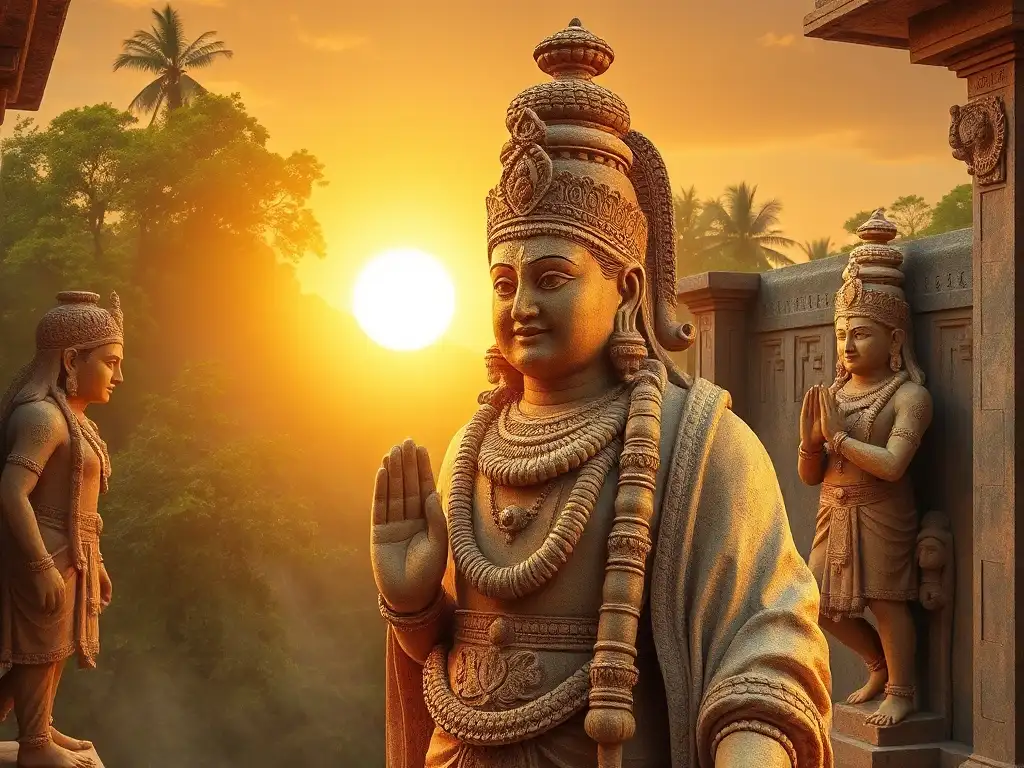
Stone carvings hold a prominent place in the realm of ancient Indian sculptural art, as evidenced by numerous references in various texts and inscriptions. These carvings served not only as decorative elements but also as vital carriers of cultural narratives and religious significance.
Historical Context
The practice of stone carving in ancient India dates back to the Indus Valley Civilization (circa 3300–1300 BCE), where artisans crafted intricate seals and figurines. As civilizations evolved, so did the complexity and thematic variety of stone sculptures. Notably, the Maurya (322–185 BCE) and Gupta (circa 240–550 CE) periods are recognized for their advanced techniques and artistic expressions.
Cultural Narratives
Ancient texts such as the Mahabharata and Ramayana often mention stone sculptures that depict mythological figures and deities. These carvings were not merely artistic endeavors; they encapsulated the values, beliefs, and stories of the time. For instance, the famous rock-cut caves of Ajanta and Ellora are illustrated in ancient writings, highlighting their spiritual and cultural significance.
Examples of Stone Carving
- Reliefs and Bas-Reliefs: Commonly found in temple architecture, these carvings depict scenes from epics and everyday life.
- Monolithic Structures: The Giant Monoliths of Mahabalipuram showcase elaborate figures carved from single blocks of stone, displaying both technical skill and artistic vision.
The significance of stone carvings can also be seen in their preservation, as many of these artworks have survived the test of time, allowing modern scholars to study and appreciate ancient Indian sculptural art.
Metal Sculptures in Ancient Indian Texts
Metal sculptures represent another vital aspect of ancient Indian sculptural art, often highlighted in literary references for their craftsmanship and symbolic meaning. The use of metals such as bronze and copper was prevalent, particularly during the early historic and medieval periods.
Historical Importance
Ancient texts, including Shilpa Shastras, provide insights into the methods and materials used in metal sculpture. The bronze statues from the Chola dynasty (9th to 13th centuries) are particularly notable, celebrated for their exquisite detailing and lifelike representations.
Symbolism and Function
Metal sculptures often served religious functions, representing deities in temples and rituals. The intricate casting techniques used in creating these sculptures allowed for a high level of detail, enhancing their spiritual and aesthetic impact.
Notable Examples
- Nataraja (Dancing Shiva): A quintessential representation of the dynamic movement and grace of the deity, often found in temples across South India.
- Buddhist Statuary: Bronze figures of the Buddha, which convey serenity and enlightenment, are extensively documented in ancient texts like the Lotus Sutra.
Metal sculptures not only reflect the artistic prowess of ancient Indian artisans but also provide a glimpse into the spiritual life and societal values of the time.
Terracotta Art and Its Representation in Literature
Terracotta art is another significant form of ancient Indian sculptural art, noted for its accessibility and versatility. This medium was widely used for both functional and decorative purposes, as evidenced in various literary and archaeological findings.
Origins and Development
Terracotta artifacts date back to the Indus Valley Civilization, where baked clay was utilized to create figurines, pottery, and seals. Over time, this art form evolved, with references found in texts such as the Mahabharata and Puranas, which mention terracotta idols and their roles in worship and daily life.
Artistic Features
Terracotta sculptures often exhibit a range of styles, from simple figurines to intricate decorative motifs. Their malleability allowed artisans to express creativity while also reflecting the cultural narratives of the time.
Examples in Literature
- Folk Deities: Terracotta sculptures of local deities are frequently mentioned in regional texts, demonstrating the blend of local traditions within the broader tapestry of ancient Indian culture.
- Ritual Objects: Many ancient texts describe terracotta items used in rituals, indicating their significance in both domestic and religious contexts.
The legacy of terracotta art in ancient Indian literature underscores the interplay between art, culture, and spirituality, while also showcasing the diverse material practices of ancient Indian civilizations.
Thematic Elements of Sculptural Art in Ancient Indian Literature
Ancient Indian sculptural art is celebrated not only for its aesthetic beauty but also for the rich thematic elements that permeate its representations within literature and texts. These themes often reflect the cultural, spiritual, and societal values of the time, providing a deeper understanding of the civilizations that produced them. The exploration of these thematic elements reveals how sculptures served as a medium for conveying complex ideas and emotions, deeply intertwined with the religious and philosophical beliefs of ancient India.
Spirituality and Divine Representation in Sculptures
The spiritual dimension of ancient Indian sculptural art is profound, with many sculptures serving as representations of deities and divine figures. These works are often imbued with rich symbolism, reflecting the beliefs and practices of various religious traditions, including Hinduism, Buddhism, and Jainism.
- Iconography: Each deity is depicted with specific attributes that convey their roles and powers. For example, the multiple arms of goddess Durga symbolize her ability to multitask and combat evil from all directions.
- Sacred Texts Reference: Texts such as the Puranas and Agamas detail the iconography and spiritual significance of these sculptures, guiding artisans in their creation.
- Temples as Cultural Hubs: Temples served as not just places of worship but as repositories of artistic expression, where sculptures of deities adorned the walls, enhancing the spiritual experience for devotees.
The prevalence of divine representation in sculptures emphasizes the importance of spirituality in ancient Indian society, where art became a conduit for expressing devotion and reverence towards the divine.
Nature and Human Form in Sculptural Art
The portrayal of nature and the human form is another significant theme in ancient Indian sculptural art. This thematic expression showcases the harmony between humanity and the natural world, often reflecting the cultural appreciation of nature’s beauty and its symbolism.
- Natural Elements: Sculptures frequently depict flora and fauna, symbolizing the interconnectedness of life. For instance, scenes of gods in natural settings illustrate a divine presence within the environment.
- Human Emotion and Expression: The human form in sculpture is rendered with intricate detail, capturing a wide array of emotions. The expressions of figures can convey joy, sorrow, love, and contemplation, allowing for a deep emotional connection with the viewer.
- Cultural Practices: Many sculptures also depict daily life and cultural practices, showcasing activities such as dance, music, and rituals, thereby preserving the social fabric of the time.
The representation of nature and the human form in sculptural art illustrates the aesthetic values of ancient Indian civilizations and their philosophical understanding of existence, beauty, and the human experience.
Symbolism and Metaphor in Sculptural Descriptions
Symbolism plays a crucial role in the interpretation of ancient Indian sculptural art, with each element serving as a metaphor that transcends mere visual representation. This layer of meaning invites viewers to engage with the art on a deeper level.
- Metaphysical Concepts: Sculptures often embody metaphysical ideas, such as the concept of Maya (illusion) and Brahman (the ultimate reality), expressed through intricate designs and forms.
- Narrative Elements: Many sculptures tell stories, drawing from epics like the Mahabharata and Ramayana. The depiction of scenes from these texts encapsulates complex narratives and moral lessons, inviting viewers to reflect on their significance.
- Cultural Identity: Symbolic elements in sculptures also serve to reinforce cultural identity, as seen in regional styles and motifs that highlight local traditions and beliefs.
The use of symbolism and metaphor in ancient Indian sculptural art enriches the viewer's understanding, allowing for a multifaceted interpretation that connects art, culture, and philosophy. The legacy of these thematic elements continues to influence contemporary interpretations of ancient Indian sculptural art, showcasing its enduring relevance in the study of history and culture.
The Legacy of Ancient Indian Sculptural Art
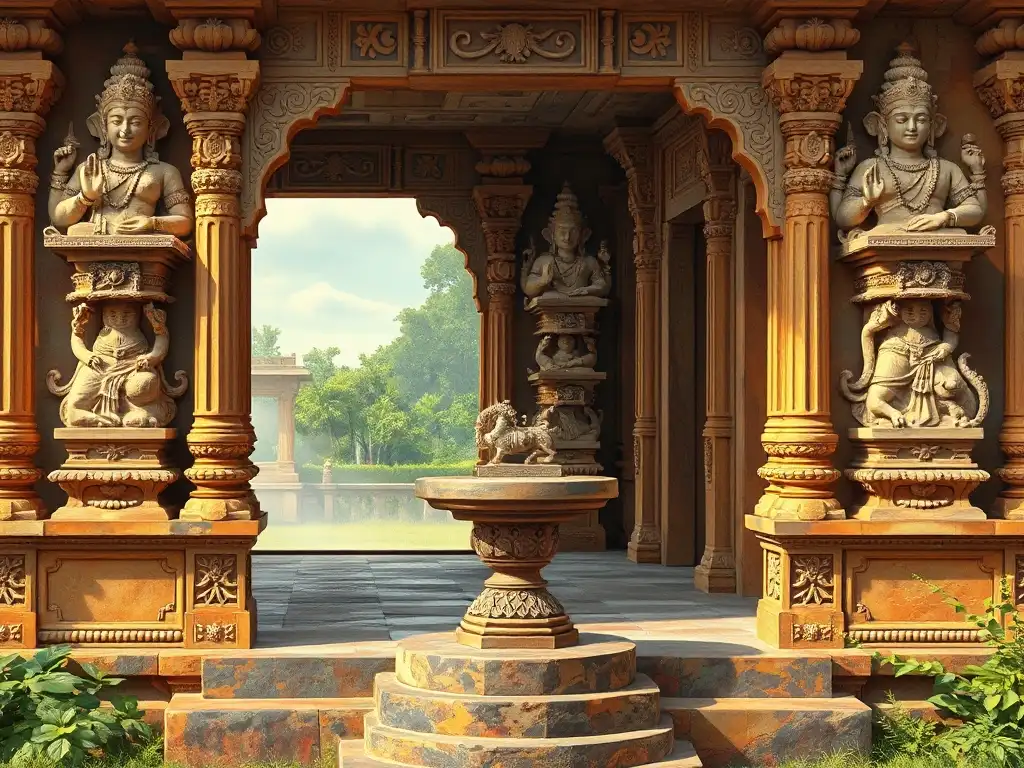
Ancient Indian sculptural art stands as a testament to the remarkable creativity and technical prowess of early Indian civilizations. From the intricate carvings of the Indus Valley Civilization to the grand sculptures of the Gupta Empire, this art form has not only reflected the aesthetic sensibilities of its time but has also played a crucial role in the spiritual and cultural narratives of the society. The legacy of this sculptural art is profound, influencing various subsequent art movements and preserving traditions that continue to resonate in modern India.
Influence on Subsequent Art Movements
The legacy of ancient Indian sculptural art significantly influenced various art movements across the globe. Notably, it impacted:
- Buddhist Art: The intricate carvings of the Mauryan period, particularly in sites like Sanchi and Ajanta, laid the groundwork for Buddhist iconography. The sculptures depicting the life of Buddha and various bodhisattvas have been a major source of inspiration for artists throughout Asia.
- Hindu Temple Architecture: The sculptural techniques developed during the Gupta period, such as high relief and intricate detailing, found their way into the architectural embellishments of temples. The styles seen in Khajuraho and Brihadeeswarar Temple reflect a direct lineage from earlier traditions.
- Islamic Art: The Indo-Islamic architectural style, particularly during the Mughal era, incorporated elements from ancient Indian sculptures. The intricate jali work and ornamental motifs found in structures like the Taj Mahal can be traced back to earlier Indian design principles.
- Modern and Contemporary Art: Artists like Nandalal Bose and Benode Behari Mukherjee drew inspiration from ancient Indian sculptural forms, integrating traditional techniques into modern expressions. Their works often reflect the themes and styles of ancient sculptures, creating a dialogue between the past and present.
Preservation of Sculptural Traditions in Modern India
The preservation of ancient Indian sculptural traditions is evident in various contemporary practices:
- Museums and Cultural Institutions: Numerous museums across India, such as the National Museum in New Delhi and the Indian Museum in Kolkata, house extensive collections of ancient sculptures. These institutions play a pivotal role in educating the public about ancient sculptural art and its significance.
- Art Festivals and Exhibitions: Events like the India Art Fair showcase contemporary artists who draw on ancient themes and techniques. These festivals provide a platform for dialogue about the relevance of ancient art in modern contexts.
- Sculpture Workshops and Education: Institutions like the National Institute of Design (NID) and various state-run art colleges offer courses focused on traditional sculpting techniques. These programs aim to keep the ancient methodologies alive while encouraging innovation.
- Community Engagement: Several local artisans and communities continue to practice ancient sculptural techniques, ensuring that these traditions are passed down through generations. Initiatives that promote traditional crafts not only preserve these skills but also provide livelihoods to artisans.
The Role of Ancient Texts in Understanding Sculptural Heritage
Ancient texts are critical in unraveling the intricacies of sculptural heritage in India:
- Religious Scriptures: Texts such as the Vedas, Puranas, and Buddhist scriptures often contain references to sculptures and their symbolic meanings. For instance, the Shilpa Shastras, ancient treatises on arts and crafts, outline the principles of sculpting and the materials used, providing insight into the technical aspects of sculpture-making.
- Literary Works: Classical literature, including plays by Kalidasa and poetry by Bhasa, often describes sculptures, emphasizing their cultural significance and their role in societal values. Such literary references enrich our understanding of the context in which these sculptures were created.
- Historical Accounts: Writings by travelers and historians, such as Fa-Hien and Ibn Battuta, document their observations of Indian sculptures, offering a glimpse into how these art forms were perceived and their impact on cultural exchanges.
- Iconography Studies: The analysis of ancient texts related to iconography helps in interpreting the motifs and themes represented in sculptures. This understanding is vital for appreciating the depth of meaning embedded in the artistic expressions of the time.
The legacy of ancient Indian sculptural art is a multifaceted domain that continues to influence modern artistic practices while being preserved through various means. The interplay between ancient texts and the visual arts enriches our comprehension of this enduring heritage, ensuring that the beauty and significance of ancient Indian sculptural art remain vibrant and relevant.
Conclusion: The Enduring Impact of Ancient Indian Sculptural Art
Summary of Key Points
The exploration of ancient Indian sculptural art reveals a profound legacy that has shaped not only the visual arts but also the cultural and spiritual fabric of the region. Key points to consider include:
- Historical Context: Ancient Indian sculptural art dates back to the Indus Valley Civilization (circa 2500 BCE) and continued to evolve through various dynasties, including the Mauryas and Guptas. Each period contributed unique styles and techniques that reflect their societal values and beliefs.
- Themes and Motifs: Themes in ancient Indian sculpture often revolved around religious narratives, mythology, and the depiction of deities. Common motifs include representations of Hindu gods, Buddha figures, and intricate carvings that depict daily life, nature, and celestial beings.
- Materials and Techniques: Sculptors utilized a variety of materials such as stone, bronze, and terracotta. Techniques ranged from chiseling and casting to intricate relief work, showcasing the high level of craftsmanship that defined ancient Indian sculptural art.
- Cultural Influences: The influence of trade, migration, and interactions with neighboring cultures played a significant role in the evolution of sculptural styles. For instance, the Greco-Buddhist art of Gandhara is a notable example of cross-cultural exchange.
- Legacy and Preservation: Ancient Indian sculptural art has left an indelible mark on subsequent generations, influencing modern art forms and continuing to inspire artists today. Efforts to preserve these art forms are vital for maintaining India’s cultural heritage.
Reflection on the Cultural Significance of Sculptural Art in Ancient India
The cultural significance of ancient Indian sculptural art extends beyond mere aesthetics; it encapsulates the philosophical and spiritual ideologies of the time. Sculptures served as a conduit for storytelling, conveying complex narratives through visual means. The intricate details found in sculptures often reflect the values and beliefs of the society, offering insights into their understanding of the cosmos and human existence.
Moreover, these artworks functioned as tools for worship and meditation, bridging the physical and spiritual worlds. Temples adorned with sculptures became centers of community life, where art, religion, and social activities intertwined. The physical presence of these sculptures in sacred spaces created an environment conducive to spiritual experiences, reinforcing the idea that art is an integral part of religious practice.
In contemporary times, the appreciation for ancient Indian sculptural art continues to flourish, highlighting its role in shaping India’s identity. Museums and cultural institutions actively promote awareness of this heritage, ensuring that the stories told through these ancient works remain alive for future generations. Thus, the enduring impact of ancient Indian sculptural art is not only a testament to the skilled artisans of the past but also a reflection of a rich cultural narrative that continues to resonate today.
Frequently Asked Questions
What is the significance of ancient Indian sculptural art?
Ancient Indian sculptural art holds significant importance as it reflects the cultural, religious, and artistic values of various Indian civilizations, showcasing their historical narratives and spiritual beliefs.
How did the Indus Valley civilization contribute to sculptural art?
The Indus Valley civilization is known for its intricate sculptures and terracotta figurines, which reveal insights into the daily life, craftsmanship, and religious practices of the society during that era.
What role did the Gupta Empire play in the development of sculptural art?
During the Gupta Empire, sculptural art flourished with innovative techniques and stylistic developments, particularly in temple architecture and the portrayal of deities, marking a golden age in Indian art.
How is sculptural art represented in ancient Indian literature?
Ancient Indian literature often describes sculptural art through poetic verses and mythological narratives, highlighting the techniques, themes, and iconography that define the art forms of the time.
What are some notable examples of ancient Indian sculptural art?
Prominent examples include the Ajanta and Ellora Caves, which feature exquisite rock-cut sculptures, and the Khajuraho Temples, famous for their detailed narrative reliefs and erotic sculptures, showcasing the diversity of ancient Indian artistry.
Final Reflection: The Enduring Legacy of Ancient Indian Sculptural Art
The intricate relationship between ancient Indian sculptural art and literature continues to resonate in our modern world, reminding us of the profound impact that art has on culture and identity. As we explore the narratives woven into the sculptures of ancient India, we uncover not just artistic expression, but a reflection of societal values, beliefs, and the human experience that transcends time. This legacy is not merely a relic of the past; it is a vibrant thread that connects us to our heritage and shapes our understanding of art today.
The influence of ancient Indian sculptural art extends far beyond the confines of history, permeating contemporary culture and inspiring countless artists, writers, and thinkers. The stories encapsulated in these sculptures serve as a reminder of the power of visual storytelling and its ability to convey complex ideas and emotions. As noted by art historian Dr. R. S. Sharma, Sculpture is not just a form of art; it is a dialogue between the past and the present, inviting us to engage with the narratives of our ancestors.
This ongoing dialogue enriches our cultural landscape, urging us to reflect on our own identities and the stories we wish to tell.
As we conclude our exploration of ancient Indian sculptural art, I invite you to reflect on how these timeless narratives can inspire your own journey. Consider the stories that shape your life and the art that speaks to your soul.
Let the legacy of these ancient sculptures encourage you to embrace creativity in all its forms, whether through art, writing, or personal expression. In doing so, you not only honor the past but also contribute to the ever-evolving tapestry of human experience, ensuring that the legacy of ancient Indian sculptural art continues to thrive in the hearts and minds of future generations.
Unveil the Rich Tapestry of Ancient Indian Sculpture!
Thank you for exploring the profound legacy of sculptural art in ancient Indian literature and texts with us! Through this journey, we hope you’ve gained valuable insights into how this incredible art form not only reflects cultural narratives but also enriches our understanding of history.
Now, let’s draw inspiration from this rich heritage and take action!
- Dive deeper into a local museum or an online virtual gallery showcasing Indian sculpture. Experience the beauty and craftsmanship up close!
- Share your favorite sculptural piece or story from ancient Indian literature in our comments section. Let’s initiate a discussion about the influences and narratives behind these remarkable artworks!
- Consider joining or forming a book club centered on ancient Indian art and literature, where you can delve into these topics further with fellow enthusiasts.
What piece of ancient Indian sculpture resonates with your own life experiences or passions? We invite you to share your thoughts below!