
The Indus Valley Civilization: Pioneers of Crop Cultivation Techniques

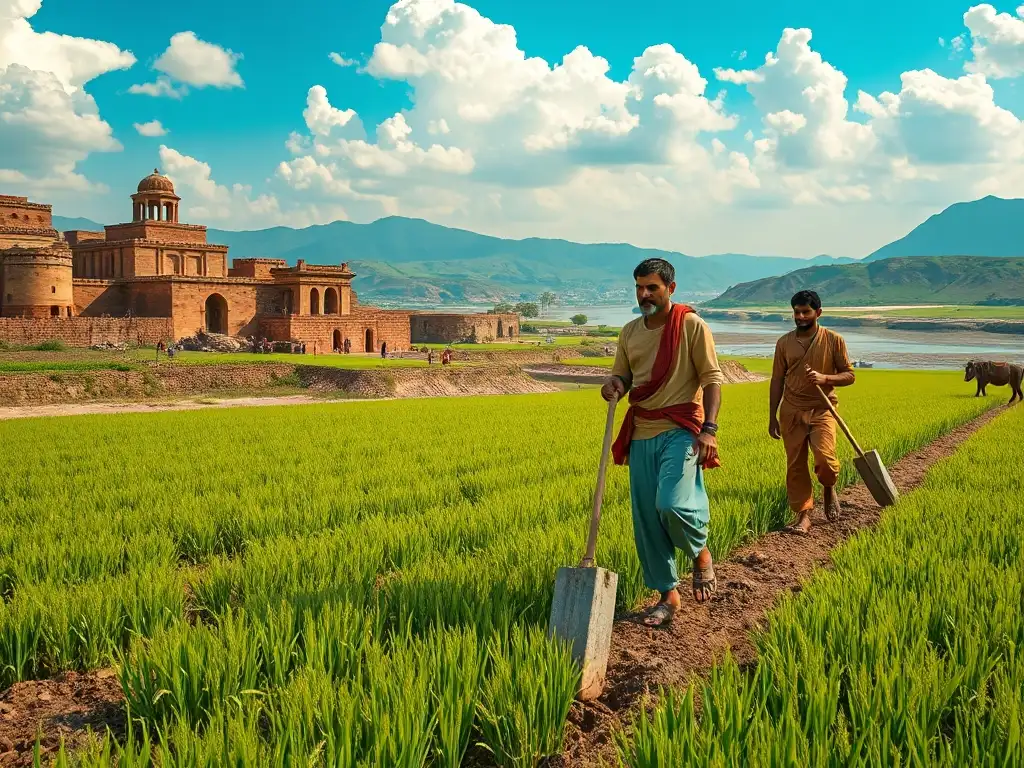
Welcome to Ancient India History, where we embark on a fascinating journey through the vibrant tapestry of ancient Indian civilizations. In this exploration, we delve into the groundbreaking Indus Valley crop cultivation techniques, revealing how these early pioneers transformed agriculture and laid the foundation for future societies. What innovations did they create, and how did these practices shape their economy and culture? Join us as we uncover the remarkable contributions of the Indus Valley Civilization and discover the profound impact they had on our world's agricultural landscape. Your adventure into the past begins here!
Introduction to the Indus Valley Civilization
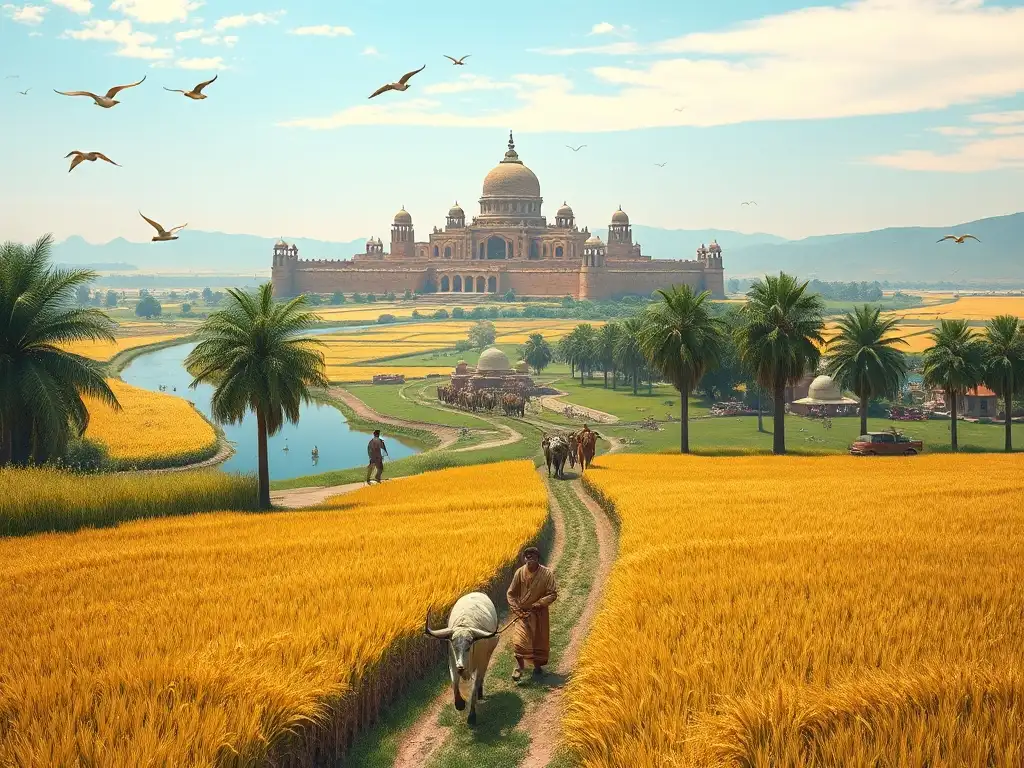
The Indus Valley Civilization (IVC), flourishing around 2500-1900 BCE, represents one of the world's earliest urban cultures, known for its advanced infrastructure and innovative agricultural practices. Spanning modern-day Pakistan and northwest India, this civilization laid the groundwork for agricultural techniques that significantly influenced subsequent societies. Understanding the Indus Valley crop cultivation techniques is crucial for appreciating the evolution of agriculture in ancient India, which not only supported large urban populations but also contributed to economic stability and cultural development.
Overview of the Indus Valley Civilization
The IVC was characterized by its well-planned cities such as Mohenjo-Daro and Harappa, featuring sophisticated drainage systems, granaries, and public baths. The civilization was marked by its remarkable ability to adapt to the diverse environmental conditions of the region. Through archaeological findings, we learn that the inhabitants engaged in extensive trade and maintained a complex social structure, which was intrinsically linked to their agricultural practices.
Key characteristics of the Indus Valley Civilization include:
- Urban Planning: Cities were designed with a grid layout, showcasing advanced civil engineering.
- Trade Networks: Evidence suggests extensive trade relations with Mesopotamia and other regions.
- Cultural Artifacts: Seals, pottery, and tools discovered provide insights into their daily lives and beliefs.
Significance of Agriculture in Ancient India
Agriculture was the backbone of ancient Indian societies, serving not only as a means of sustenance but also as a catalyst for trade and cultural exchange. The Indus Valley people exemplified this by developing advanced agricultural techniques that allowed for the cultivation of various crops, ensuring food security and economic prosperity. The significance of agriculture in ancient India can be summarized as follows:
- Economic Foundation: It provided the primary source of food and raw materials for trade.
- Societal Development: Agricultural surplus enabled the growth of urban centers and social stratification.
- Cultural Practices: Agricultural cycles influenced festivals, rituals, and community activities.
Indus Valley Crop Cultivation Techniques
The agricultural techniques employed by the Indus Valley Civilization were groundbreaking for their time and laid the foundation for future agricultural practices in the region. These techniques encompassed a variety of methods that enhanced crop yield and sustainability.
Key Features of Indus Valley Agriculture
- Irrigation Systems: The IVC utilized sophisticated irrigation methods, including canals and wells, to manage water resources effectively.
- Crop Rotation: Evidence suggests that farmers practiced crop rotation, which improved soil fertility and reduced pest infestations.
- Use of Tools: The development of plows and sickles facilitated more efficient planting and harvesting processes.
- Storage Facilities: Granaries were constructed to store surplus grains, highlighting the importance of food preservation and management.
Major Crops Cultivated in the Indus Valley
The Indus Valley farmers grew a variety of crops that were adapted to the region's climate and soil conditions. Some of the major crops included:
- Wheat: A staple food, it was cultivated extensively and played a crucial role in the diet.
- Barley: Another important grain, used for food and brewing.
- Legumes: Such as lentils and chickpeas, which enriched the soil with nitrogen.
- Cotton: Early evidence of cotton cultivation indicates its role in textile production.
The agricultural innovations of the Indus Valley Civilization not only supported its urban centers but also laid the groundwork for future agricultural practices in the Indian subcontinent. Understanding these techniques allows us to appreciate the ingenuity of ancient Indian societies and their contributions to agriculture and economy.
Innovations in Crop Cultivation
The Indus Valley Civilization (IVC) is renowned for its sophisticated approach to agriculture, which laid the groundwork for future agricultural practices. Central to their success were innovations in crop cultivation that allowed them to efficiently produce food in a variety of environmental conditions. The civilization's understanding of their environment and their ability to manage resources led to sustained agricultural output, which was crucial for the growth of urban centers. This section explores the key innovations that characterized Indus Valley crop cultivation techniques.
Advanced Irrigation Systems
One of the most remarkable features of the Indus Valley Civilization was its advanced irrigation systems. The people of the IVC constructed an extensive network of canals and reservoirs, which facilitated the controlled distribution of water to their fields. This system enabled them to harness the natural flow of rivers, such as the Indus River, and redirect it to areas that required irrigation.
- Canal Systems: Archaeological findings suggest that canals were dug to transport water from rivers to agricultural lands, significantly enhancing crop yields.
- Water Management: The strategic placement of these canals not only ensured adequate water supply but also helped in managing seasonal floods, showcasing their advanced understanding of hydrology.
This innovative approach to irrigation allowed the Indus Valley farmers to cultivate crops throughout the year, even during dry seasons, which was pivotal for food security and the civilization's sustainability.
Use of Fertilizers and Soil Management
The inhabitants of the Indus Valley also practiced effective soil management techniques, including the use of natural fertilizers. They recognized the importance of soil fertility for successful crop cultivation, leading them to develop methods that enhanced soil quality.
- Organic Fertilizers: Evidence suggests that they utilized animal manure and compost to enrich their fields, promoting healthy crop growth and increasing yields.
- Soil Conservation Techniques: The civilization employed crop residues and cover crops to maintain soil structure and prevent erosion, demonstrating an early understanding of sustainable farming practices.
These methods not only improved the fertility of the soil but also contributed to long-term agricultural sustainability, ensuring that the land remained productive for future generations.
Crop Rotation Practices
Crop rotation was another significant practice employed by the Indus Valley farmers, enhancing their agricultural productivity and soil health. By alternating different crops in the same field over successive seasons, they were able to:
- Reduce Soil Depletion: Rotating crops prevented the depletion of specific nutrients in the soil, as different plants have varying nutrient requirements and contributions.
- Control Pests and Diseases: This practice also aided in breaking the life cycles of pests and diseases, reducing their impact on crop yields.
The strategic use of crop rotation demonstrated the Indus Valley Civilization's advanced agricultural knowledge and its commitment to maintaining a balanced ecosystem within their farming practices.
Agricultural Tools and Techniques
The agricultural success of the Indus Valley Civilization can also be attributed to the innovative tools and techniques they employed in farming. These tools were essential in enhancing productivity and efficiency in crop cultivation.
Traditional Farming Implements
The IVC utilized a variety of traditional farming implements that were specifically designed to suit their agricultural needs.
- Plows: Evidence from archaeological sites indicates that they used wooden plows, which were likely pulled by oxen, to till the soil effectively. This innovation allowed for deeper cultivation and better soil aeration.
- Sickles: Indus Valley farmers employed sickles made from stone or metal for harvesting crops, which improved efficiency and reduced labor time during the harvest season.
These tools facilitated more efficient farming practices, enabling the civilization to increase crop production and support its growing population.
Role of Livestock in Agriculture
Livestock played a crucial role in the agricultural practices of the Indus Valley Civilization.
- Draft Animals: Animals such as oxen were essential for plowing fields, transporting goods, and assisting in various farming tasks, which significantly enhanced agricultural productivity.
- Nutrient Recycling: Livestock also contributed to the agricultural system through their manure, which was used as a natural fertilizer, thus closing the nutrient loop within the ecosystem.
The integration of livestock into agricultural practices showcased the IVC's comprehensive approach to farming, which combined crop cultivation with animal husbandry to create a sustainable agricultural model.
Impact of Indus Valley Agriculture on Society
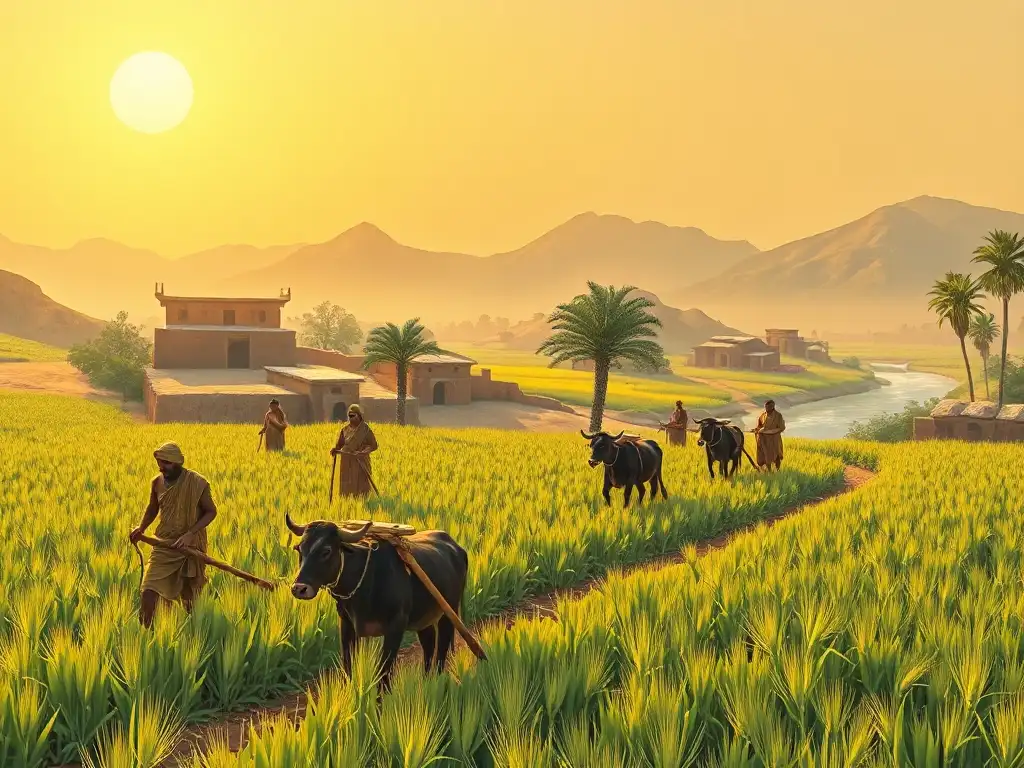
The agricultural practices of the Indus Valley Civilization significantly shaped the societal framework of this ancient culture. The ability to cultivate crops not only ensured food security but also laid the groundwork for a burgeoning population. This agricultural surplus facilitated the rise of urban centers, such as Harappa and Mohenjo-Daro, which became hubs of social, political, and economic activities.
Moreover, agriculture influenced the social structure of the Indus Valley. As farming became the cornerstone of life, the community began to organize around agricultural cycles. This resulted in a more stratified society where roles became specialized, from farmers to artisans and traders. The cultivation of crops such as wheat, barley, and pulses created a sense of community and collaboration, fostering social cohesion.
The impact of agriculture also extended to religious and cultural practices. Fertility deities and agricultural festivals emerged as vital components of their spiritual life, reflecting the deep connection between the land and the people. Thus, the agricultural practices not only sustained the population but also shaped the very identity of the Indus Valley Civilization.
Economic Implications of Agricultural Practices
The economic implications of agricultural practices in the Indus Valley were profound. The introduction of advanced crop cultivation techniques allowed for increased yields, which in turn stimulated trade and commerce. Grains and other agricultural products became key commodities, driving economic growth and enabling the civilization to flourish.
The development of irrigation systems, such as wells and canals, was crucial for maximizing agricultural output. These innovations allowed farmers to cultivate land that would otherwise be unproductive, thus expanding arable land and increasing the overall agricultural base. The surplus generated from these practices not only supported local communities but also enabled the export of goods to neighboring regions, enhancing the economy further.
In essence, the agricultural economy of the Indus Valley was interwoven with its social and political life, creating a complex system that fostered prosperity. The wealth generated from agriculture likely contributed to the construction of monumental architecture and the development of urban planning, showcasing the civilization's advanced understanding of economic principles.
Influence on Trade and Commerce
Agriculture was a catalyst for trade and commerce in the Indus Valley Civilization, playing a pivotal role in establishing economic networks both locally and regionally. The surplus production of crops such as cotton, wheat, and barley allowed for the emergence of trade routes that connected the Indus Valley to distant lands, including Mesopotamia and the Arabian Peninsula.
Archaeological evidence indicates that the Indus Valley engaged in extensive trade, exchanging agricultural products for raw materials, such as metals and precious stones. The sophistication of their trade practices is underscored by the use of standardized weights and measures, which facilitated fair transactions and further integrated their economy.
Additionally, the growth of urban centers as trade hubs attracted diverse populations, fostering cultural exchange and innovation. The interdependence between agriculture and trade transformed the Indus Valley into a thriving economic powerhouse, influencing the development of commerce in ancient times.
Social Structure and Agricultural Dependence
The social structure of the Indus Valley Civilization was intricately linked to its agricultural practices. The reliance on farming created distinct social roles, with a clear division of labor between farmers, artisans, and merchants. The agricultural calendar dictated the rhythm of life, leading to the establishment of seasonal festivals and rituals that were integral to their culture.
As agriculture formed the bedrock of the economy, communities became increasingly dependent on the success of their crops. This dependence fostered a communal spirit, as families and neighbors collaborated for planting and harvesting. Social hierarchies arose, with landowners and successful farmers often holding more influence within the community, leading to a stratified society based on agricultural wealth.
Moreover, agricultural practices influenced gender roles, with men typically engaged in plowing and fieldwork, while women often took charge of processing and storing crops. This division of labor reflects the broader societal norms of the time, where agricultural dependence shaped not only economic but also social dynamics.
Comparison with Other Ancient Civilizations
Indus Valley vs. Mesopotamian Agriculture
When comparing the agricultural practices of the Indus Valley Civilization with those of Mesopotamia, distinct differences and similarities emerge. Both civilizations relied on irrigation to enhance crop yields, yet their approaches varied. The Indus Valley utilized a decentralized system of wells and canals, allowing for more localized management of water resources, in contrast to Mesopotamia's reliance on large-scale river diversion projects.
Furthermore, the crop selection in the Indus Valley included a broader variety of pulses and cotton, showcasing a diversification in agriculture not as pronounced in Mesopotamia. The emphasis on cotton cultivation in the Indus Valley also laid the groundwork for a textile industry that became crucial for trade, setting it apart from its Mesopotamian counterpart.
The societal implications of agriculture differed as well; while Mesopotamia faced challenges such as soil salinization due to mismanagement of irrigation, the Indus Valley seemed to maintain more sustainable practices, contributing to its longevity as a civilization.
Unique Aspects of Indus Valley Crop Cultivation Compared to Ancient Egypt
The Indus Valley's crop cultivation techniques also exhibited unique characteristics when juxtaposed with those of Ancient Egypt. Both civilizations practiced irrigation agriculture, but the methods employed reflected their respective environments. The Indus Valley's use of seasonal flooding from rivers enabled farmers to adopt a more diverse range of crops, including grains and legumes, while Egyptian agriculture relied heavily on the predictable Nile floods to cultivate staple crops like wheat and flax.
Moreover, the Indus Valley's agricultural practices were marked by an emphasis on crop rotation and polyculture, promoting soil health and resilience against pests. In contrast, Ancient Egyptian agriculture was more monocultural, focusing on fewer crops but with a highly organized scaling of production.
The societal roles surrounding agriculture also differed; while both civilizations revered agricultural deities, the Indus Valley community's integration of agriculture into daily life was more pronounced, influencing their social structures and communal activities. This holistic relationship with the land distinguished the agricultural practices of the Indus Valley from those of Ancient Egypt, highlighting its innovative and adaptive nature.
Legacy of Indus Valley Crop Cultivation Techniques
The Indus Valley Civilization, flourishing around 2500 BCE in what is now Pakistan and northwest India, is heralded for its advanced crop cultivation techniques that laid the groundwork for agricultural practices in subsequent civilizations. The legacy of these techniques is evident in the strategic methods employed by the Indus Valley farmers, which included advanced irrigation systems, organized crop rotations, and the domestication of key staple crops such as wheat, barley, and cotton.
The meticulous planning of urban centers like Harappa and Mohenjo-Daro also reflects the importance of agriculture in their society. The establishment of granaries signifies not only the successful harvests but also the need for storage and distribution systems that would later influence agricultural economies in other regions. The sophisticated understanding of seasonal cycles and climate adaptability demonstrated by the Indus Valley farmers underscores their pioneering role in crop cultivation.
Influence on Modern Agricultural Practices
The techniques developed by the Indus Valley Civilization have had a lasting influence on modern agricultural practices, particularly in South Asia. Their methods of irrigation, which included the use of canals and wells, have evolved but continue to serve as a foundation for contemporary irrigation systems. The practice of crop rotation, aimed at maintaining soil fertility and reducing pests, is also a direct descendant of the strategies employed by these ancient farmers.
Moreover, the genetic diversity of crops cultivated during this period has informed modern agricultural research, particularly in the fields of genetics and crop improvement. As scientists seek to enhance yield and resistance to climate change, they often look back to the diverse strains of wheat and barley that originated in the Indus Valley.
Preservation of Ancient Techniques in Contemporary Farming
Many traditional farming methods that originated in the Indus Valley continue to be practiced in various forms across the Indian subcontinent. Techniques such as intercropping, where different crops are grown together to optimize space and resources, have been preserved and are essential to sustainable farming practices today.
Additionally, the community-based approach to agriculture, where farming techniques are shared and adapted within local populations, reflects the collaborative spirit of the Indus Valley farmers. This preservation of ancient knowledge not only aids in maintaining agricultural biodiversity but also fosters resilience against modern challenges such as climate variability and resource scarcity.
Conclusion
Summary of Indus Valley Contributions to Agriculture
The Indus Valley Civilization's contributions to agriculture are profound and far-reaching. Their innovative crop cultivation techniques, including systematic irrigation, advanced crop selection, and effective storage solutions, have set benchmarks that resonate through the ages. The seeds of knowledge they planted have blossomed into the rich tapestry of agricultural practices that define modern farming.
The Enduring Importance of Crop Cultivation Techniques in Ancient Civilizations
The crop cultivation techniques of the Indus Valley are not merely historical footnotes; they are integral to understanding the evolution of agriculture and its impact on civilization. As we navigate contemporary agricultural challenges, the lessons learned from ancient practices remind us of the resilience and ingenuity of early farmers. The enduring importance of these techniques highlights the interconnectedness of past and present agricultural systems, emphasizing the need to honor and preserve traditional practices while innovating for the future.
- Introduction to the Indus Valley Civilization
- Indus Valley Crop Cultivation Techniques
- Innovations in Crop Cultivation
- Agricultural Tools and Techniques
- Impact of Indus Valley Agriculture on Society
- Comparison with Other Ancient Civilizations
- Legacy of Indus Valley Crop Cultivation Techniques
- Conclusion
- What were the primary crop cultivation techniques used in the Indus Valley Civilization?
- How did the climate influence crop cultivation in the Indus Valley?
- What types of crops were primarily cultivated in the Indus Valley?
- How did the crop cultivation techniques of the Indus Valley compare to those of other ancient civilizations?
- What role did trade play in the advancement of crop cultivation in the Indus Valley?
Frequently Asked Questions
What were the primary crop cultivation techniques used in the Indus Valley Civilization?
The Indus Valley Civilization utilized advanced techniques such as plowing, crop rotation, and irrigation systems to enhance agricultural productivity.
How did the climate influence crop cultivation in the Indus Valley?
The climate of the Indus Valley, characterized by seasonal monsoons, provided sufficient water for irrigation, which was crucial for successful crop cultivation.
What types of crops were primarily cultivated in the Indus Valley?
Farmers in the Indus Valley cultivated a variety of crops, including wheat, barley, and cotton, which were essential for their diet and trade.
How did the crop cultivation techniques of the Indus Valley compare to those of other ancient civilizations?
The crop cultivation techniques of the Indus Valley were notably advanced, featuring strategies like irrigation and seed selection, which were sometimes more sophisticated than those of other contemporary civilizations.
What role did trade play in the advancement of crop cultivation in the Indus Valley?
Trade allowed the Indus Valley Civilization to exchange agricultural goods and knowledge, leading to the introduction of new crops and enhanced cultivation techniques.
Final Reflection: The Enduring Legacy of Indus Valley Crop Cultivation Techniques
The exploration of Indus Valley crop cultivation techniques reveals not only the ingenuity of an ancient civilization but also its profound relevance in today's agricultural practices. As we face modern challenges such as climate change and food security, the innovative methods developed by the Indus Valley people serve as a reminder of the importance of sustainable practices. Their ability to adapt and thrive in a diverse environment underscores a striking truth: the lessons from our past can illuminate pathways for our future.
The influence of the Indus Valley Civilization extends far beyond historical significance; it continues to shape our cultural and social landscapes. The principles of crop rotation, irrigation, and soil management pioneered by these ancient farmers resonate in contemporary agricultural strategies. As we strive for food sustainability, we must acknowledge the wisdom embedded in these age-old practices. The future belongs to those who believe in the beauty of their dreams.
— Eleanor Roosevelt. This quote encapsulates the spirit of innovation that characterized the Indus Valley, reminding us that embracing our agricultural heritage can inspire new dreams for sustainable farming.
As we reflect on the remarkable achievements of the Indus Valley Civilization, I invite you to consider how these ancient techniques can inform your own relationship with food and agriculture. Whether you are a gardener, a farmer, or simply a consumer, think about how you can incorporate sustainable practices into your daily life. By honoring the legacy of the Indus Valley and applying its lessons, we can contribute to a more resilient and sustainable future for generations to come. Let us take inspiration from the past and cultivate a brighter tomorrow.
Explore the Innovations of Ancient Agriculture!
Thank you for delving into the fascinating world of the Indus Valley Civilization! You've uncovered the pioneering spirit of crop cultivation techniques that shaped agricultural practices for centuries. Now, let’s take that inspiration and put it to action!
- Grow your own herbs or vegetables at home using traditional methods inspired by the Indus Valley; it’s a great way to connect with history while enjoying fresh produce.
- Share what you've learned with friends or family; consider hosting a small discussion or presentation about the incredible agricultural advancements of ancient civilizations.
- Explore local farmers' markets to find heirloom seeds that reflect the biodiversity cultivated by ancient societies, and support sustainable agriculture in your community.
What new agricultural technique will you try first, and how do you think it will connect you to the rich heritage of the Indus Valley Civilization?