
How to Find the Right Export Partner for Indian Goods: Key Considerations

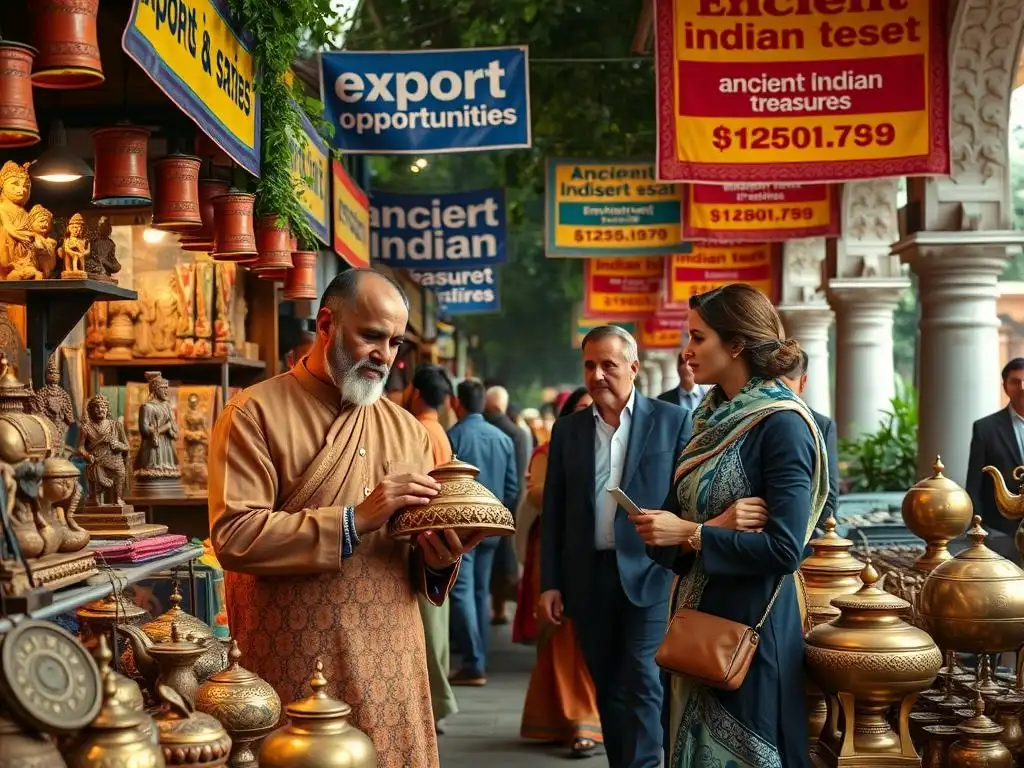
Welcome to Ancient India History, where we embark on a fascinating journey through the rich tapestry of Indian civilization. In today’s exploration, we delve into the intricate world of exporting ancient Indian goods, uncovering the vital connections that have shaped trade throughout history. As we guide you through the key considerations for finding the right export partner, prepare to discover how these timeless treasures continue to influence modern business and investment strategies. Join us as we unravel the secrets of ancient commerce and inspire your own ventures in this vibrant realm!
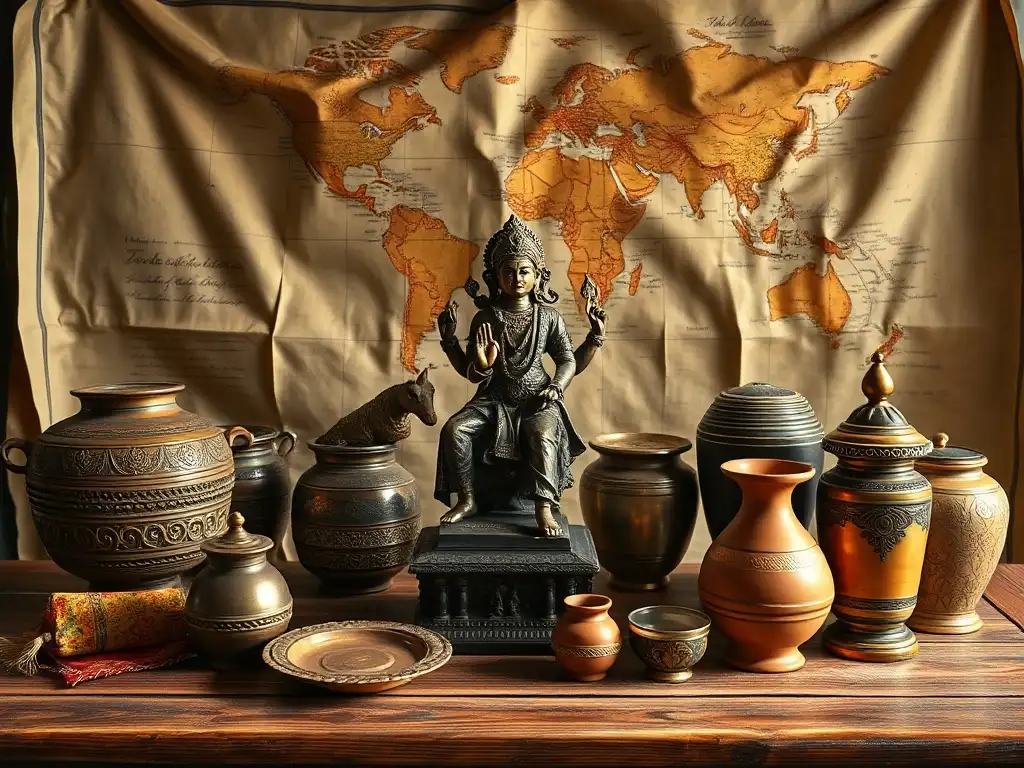
When it comes to exporting ancient Indian goods, the right partnership can make a significant difference in navigating the complexities of international trade. The rich tapestry of India's history and culture is not only a source of pride but also a potential goldmine for businesses looking to share these treasures with the world. From intricate textiles and exquisite handicrafts to timeless artifacts, ancient Indian goods offer a unique appeal in global markets.
However, finding the right export partner is crucial to ensure that these goods are represented authentically and reach the appropriate audience. This article delves into essential considerations for selecting an export partner who can effectively facilitate the distribution of India’s ancient heritage.
Understanding the Importance of Exporting Ancient Indian Goods
The Significance of Exporting Indian Heritage
Exporting ancient Indian goods is not just a business endeavor; it is a means of preserving and promoting India's rich cultural heritage. Each item carries with it a story, a tradition, and a glimpse into the lives of those who created it. By exporting these goods, businesses help to foster appreciation and understanding of Indian art and culture across the globe.
- Cultural Exchange: Facilitates a greater understanding of Indian traditions and practices.
- Preservation of Craftsmanship: Supports artisans and ensures that traditional skills are passed down through generations.
- Global Recognition: Enhances the visibility of Indian culture on international platforms.
Economic Benefits of Exporting Ancient Art and Artifacts
The economic impact of exporting ancient Indian goods extends beyond the immediate financial gains. It contributes to the broader economy by creating jobs, boosting local artisans, and promoting sustainable practices.
- Job Creation: Increases employment opportunities in crafting, exporting, and retailing sectors.
- Market Expansion: Opens new markets for local artisans, allowing them to reach consumers worldwide.
- Sustainable Development: Encourages environmentally friendly production practices, thus supporting sustainable economic growth.
Key Considerations When Choosing an Export Partner for Indian Goods
Assessing Experience in Exporting Ancient Indian Products
When selecting an export partner, it is vital to consider their experience and expertise in handling ancient Indian goods. An experienced partner will be familiar with the complexities involved in exporting such unique items.
- Knowledge of Customs and Traditions: Understanding the cultural significance of items helps in marketing them appropriately.
- Established Networks: A partner with a robust network can facilitate smoother trade processes.
- Track Record: Look for partners with a proven history of successful exports.
Evaluating Reputation and Credibility
The reputation of an export partner can greatly influence the success of your exporting venture. It is essential to evaluate their credibility within the market.
- Client Testimonials: Positive feedback from previous clients can provide insights into reliability and service quality.
- Industry Recognition: Awards and recognition from reputable organizations can be indicators of credibility.
- Transparency: A trustworthy partner should be open about their processes, pricing, and terms.
Compliance with Export Regulations for Indian Goods
Compliance with export regulations is a critical factor that cannot be overlooked. Your chosen export partner should be well-versed in the legalities and logistics of exporting ancient Indian goods.
- Knowledge of Legal Requirements: Ensure they understand the necessary permits and documentation needed for exporting.
- Ethical Sourcing Practices: The partner should adhere to ethical practices in sourcing and exporting goods.
- Awareness of International Trade Agreements: Familiarity with trade agreements can help in navigating tariffs and other trade barriers.
By taking these considerations into account, you can find an export partner who not only understands the value of ancient Indian goods but also shares a commitment to preserving and promoting India’s cultural heritage on a global scale.
Identifying the Right Niche for Exporting Ancient Indian Goods
When considering exporting ancient Indian goods, the first step is to identify a niche that resonates both with your interests and market demand. Ancient Indian goods can encompass a wide range of products, including textiles, handicrafts, jewelry, and even traditional medicines. Selecting the right niche involves careful market research and an understanding of cultural significance.
- Research Popular Products: Analyze which ancient Indian goods are currently trending in international markets. Items like handwoven textiles from Varanasi or intricately designed bronze sculptures from South India often attract global attention.
- Cultural Relevance: Focus on products that embody the rich heritage of India. For instance, exporting traditional Indian pottery or Ayurvedic products can attract buyers interested in sustainable and culturally significant goods.
- Target Audience: Define your target audience. Are they collectors of art, home décor enthusiasts, or health-conscious consumers? Understanding your customers will help tailor your offerings to meet their preferences.
- Regulatory Compliance: Be aware of export regulations, including customs duties and import restrictions, specific to heritage goods. This knowledge will guide you in selecting products that can be exported smoothly.
Exploring High-Demand Markets for Indian Heritage Products
Identifying high-demand markets is crucial for the successful export of ancient Indian goods. The global landscape is diverse, and certain regions may have a higher appreciation for Indian heritage products.
- North America and Europe: These regions often exhibit strong demand for unique and authentic cultural products. For instance, art galleries and boutique stores in the U.S. frequently showcase Indian handicrafts.
- Australia and New Zealand: With their growing interest in holistic health, these markets are increasingly receptive to Ayurvedic products and traditional Indian textiles.
- Middle East: The Middle Eastern market, particularly in countries like the UAE, has a burgeoning interest in luxury and heritage products, making it a viable destination for high-quality Indian goods.
- Asia-Pacific: Countries such as Japan and South Korea show an appreciation for the aesthetics of Indian culture. Exporting items like traditional Indian jewelry can cater to this growing interest.
Matching Product Offerings with Market Needs
Once you have identified the niche and potential markets, the next step is to ensure that your product offerings align with the specific needs of those markets.
- Market Analysis: Conduct thorough market analysis to understand local preferences. This includes identifying preferred materials, styles, and price points. For instance, organic and sustainably sourced products are increasingly popular globally.
- Customization Options: Consider offering customization options for your products. Markets may prefer tailored products that reflect local tastes while still maintaining their Indian heritage.
- Quality Assurance: Ensure that your products meet international quality standards. This is particularly important for goods like textiles or food items, where quality can significantly impact consumer trust and satisfaction.
- Feedback Mechanism: Establish a feedback mechanism to gather insights from customers. This will help you adapt your offerings based on real-time market needs, enhancing customer satisfaction and loyalty.
Building a Strong Relationship with Your Export Partner
Establishing a strong relationship with your export partner is essential for the sustained success of your exporting endeavors. A collaborative partnership can facilitate smoother operations and better market penetration.
Effective Communication Practices
Effective communication is at the heart of a strong partnership. Here are some best practices:
- Regular Updates: Maintain regular communication to discuss product developments, market trends, and any challenges faced. This ensures that both parties are aligned and can proactively address any issues.
- Cultural Sensitivity: Be aware of cultural differences that may affect communication styles. Understanding your partner's cultural context can enhance mutual respect and collaboration.
- Clear Expectations: Set clear expectations regarding roles, responsibilities, and timelines. This clarity helps prevent misunderstandings and establishes accountability.
- Feedback Loop: Encourage open feedback about the partnership. This can lead to improvements and adaptations that benefit both parties in the long run.
Long-Term Collaboration and Trust-Building
Building trust is fundamental for a long-term partnership. Trust fosters collaboration, leading to increased efficiency and better outcomes.
- Consistency: Be consistent in your dealings. Delivering on promises and maintaining quality over time establishes credibility and reliability.
- Transparency: Practice transparency in operations, pricing, and any challenges faced. Being open fosters an environment of trust and loyalty.
- Shared Goals: Align your business goals with those of your export partner. Shared objectives create a sense of teamwork and commitment, which is essential for a successful partnership.
- Problem-Solving Orientation: Approach challenges as opportunities for collaboration. Working together to solve issues enhances the strength of your partnership and builds resilience against future challenges.
Leveraging Technology in Exporting Ancient Indian Goods

The landscape of exporting ancient Indian goods has evolved dramatically with the advent of technology. Leveraging technology not only streamlines the logistics of exporting but also opens up new avenues for reaching global markets. By integrating digital tools into your business strategy, you can enhance efficiency, reduce costs, and improve customer engagement.
- Supply Chain Management Software: Implementing software solutions to manage your supply chain can help track inventory, optimize shipping routes, and reduce lead times. This is particularly important when dealing with delicate items like artifacts or textiles, where proper handling and timely delivery are crucial.
- Blockchain Technology: Utilizing blockchain can enhance transparency in the export process. This technology can help verify the authenticity of ancient goods, which is vital for maintaining trust with international buyers. It provides a secure ledger to track the provenance of items, ensuring that they are ethically sourced and legally traded.
- Data Analytics: By analyzing market trends and consumer behavior through data analytics, exporters can make informed decisions about which products to market, the best times to export, and the most effective pricing strategies.
Utilizing E-commerce Platforms for Export
E-commerce platforms have revolutionized the way goods are sold and exported, allowing exporters to reach international customers with relative ease. Here are some key aspects to consider when utilizing these platforms for exporting ancient Indian goods:
- Global Reach: Platforms such as Amazon, eBay, and specialized marketplaces focused on handmade or unique goods enable exporters to showcase their products to a worldwide audience. This is particularly beneficial for ancient Indian goods that appeal to niche markets.
- User-Friendly Interfaces: Most e-commerce platforms provide simple user interfaces that facilitate easy listing and management of products. They often come with built-in tools for payment processing, inventory management, and customer service, which can save exporters time and resources.
- Marketing Features: Many e-commerce sites offer integrated marketing tools, such as SEO optimization, pay-per-click advertising, and social media integration. Utilizing these features can significantly enhance visibility and drive traffic to your listings, ultimately boosting sales.
- Customer Feedback and Reviews: Engaging with customers and collecting feedback through these platforms can provide valuable insights into consumer preferences, helping exporters refine their offerings and improve customer satisfaction.
Digital Marketing Strategies to Boost Export Opportunities
Effective digital marketing strategies are essential for increasing the visibility of ancient Indian goods in global markets. Here are several approaches that can be employed:
- Content Marketing: Creating informative and engaging content that highlights the history, significance, and craftsmanship of ancient Indian goods can captivate potential buyers. Blog posts, videos, and infographics can be used to tell the story behind each product.
- Social Media Marketing: Platforms like Instagram and Pinterest are particularly effective for showcasing visually appealing products. Regularly posting high-quality images and engaging with followers can help build a loyal customer base and attract new buyers.
- Email Marketing: Building an email list allows exporters to communicate directly with customers. Sending newsletters with updates on new arrivals, promotions, and stories about ancient goods can foster a sense of community and encourage repeat purchases.
- Search Engine Optimization (SEO): Optimizing your website and product listings for search engines ensures that potential buyers can easily find your goods online. Using relevant keywords, such as "exporting ancient Indian goods," can improve search rankings and drive organic traffic to your site.
Final Thoughts on Choosing the Right Export Partner
Choosing the right export partner is a critical decision that can significantly influence the success of your exporting endeavors. A suitable partner will not only share your vision for promoting ancient Indian goods but will also bring expertise, connections, and resources to the table. It's essential to conduct thorough research and vet potential partners based on their track record, reputation, and understanding of the market.
Recap of Key Considerations for Exporting Ancient Indian Goods
When exporting ancient Indian goods, consider the following key factors:
- Market Research: Understand the demand for specific ancient goods in target markets to tailor your offerings accordingly.
- Legal Compliance: Ensure all exports comply with local and international regulations regarding the trade of cultural artifacts.
- Quality Control: Maintain high standards for product quality to build a positive reputation and encourage customer loyalty.
- Technological Integration: Utilize technology for efficient operations, from supply chain management to marketing strategies.
- Partnerships: Cultivate relationships with reliable export partners to leverage their expertise and networks.
By addressing these considerations, exporters can navigate the complexities of the international market and successfully promote the rich heritage of ancient Indian goods.
Additional Resources for Exporting Indian Goods
Exporting ancient Indian goods requires a solid understanding of both the products and the market dynamics. To aid exporters in their journey, a variety of resources are available that provide valuable insights and guidance.
- Government Resources:
- The Ministry of Commerce and Industry in India offers publications and reports on export policies, trade agreements, and market access.
- The Export Promotion Councils (EPCs) provide sector-specific information, helping exporters connect with potential buyers and navigate regulatory requirements.
- Trade Associations:
- Associations like the Federation of Indian Export Organisations (FIEO) offer training programs and workshops that help exporters enhance their skills and knowledge.
- Local chambers of commerce often have export directories and can facilitate networking opportunities.
- Online Platforms:
- Websites such as IndiaMART and TradeIndia serve as marketplaces where exporters can list their products and connect directly with international buyers.
- Alibaba and similar platforms can also be effective for reaching a global audience.
- Market Research Reports:
- Various market research firms publish reports analyzing trends in global demand for specific goods, which can guide exporters in making informed decisions.
- Educational Resources:
- Online courses and webinars focused on exporting practices, customs regulations, and marketing strategies can empower exporters with the necessary knowledge to thrive.
Useful Links and Tools for Exporters
- Government of India - Export Import (EXIM) Policy: A comprehensive guide to the regulations governing exports.
- DGFT (Directorate General of Foreign Trade): Offers details on licensing and other mandatory requirements for exporters.
- Export Credit Guarantee Corporation (ECGC): Provides insurance and guarantees to exporters, protecting against payment risks.
- Trade Map: An online tool for analyzing international trade data, helping exporters identify potential markets.
- Global Trade Atlas: Provides trade statistics and data for countries, which can be invaluable for understanding market dynamics.
Conclusion
Finding the right export partner for ancient Indian goods is a multifaceted endeavor that requires careful consideration of various factors, including market knowledge, regulatory compliance, and the ability to establish trustworthy relationships. By leveraging available resources, tools, and networks, exporters can enhance their chances of success in the competitive global marketplace.
The journey of exporting ancient Indian goods not only contributes to the economy but also plays a crucial role in promoting the rich cultural heritage of India on the world stage.
The Future of Exporting Ancient Indian Goods
As globalization continues to evolve, the future of exporting ancient Indian goods looks promising. Increased interest in sustainable and ethically sourced products is creating a favorable environment for Indian artisans and exporters.
- Rising Demand for Authentic Products:
- There is a growing global trend towards unique, handcrafted, and culturally significant products, which positions ancient Indian goods favorably in international markets.
- Digital Transformation:
- The rise of e-commerce platforms has made it easier for small exporters to reach global customers directly, reducing reliance on intermediaries. This shift is expected to expand market access for ancient Indian goods.
- Supportive Policies:
- Government initiatives aimed at boosting exports and promoting "Make in India" can facilitate better market access and financial support for exporters.
- Cultural Exchange:
- As countries increasingly value cultural diversity, ancient Indian goods can serve as ambassadors of Indian heritage, fostering cross-cultural exchanges that benefit both exporters and global consumers.
With the right strategies and support, the future of exporting ancient Indian goods is not only viable but also brimming with opportunities for growth and recognition on the global stage.
- Understanding the Importance of Exporting Ancient Indian Goods
- Key Considerations When Choosing an Export Partner for Indian Goods
- Identifying the Right Niche for Exporting Ancient Indian Goods
- Building a Strong Relationship with Your Export Partner
- Leveraging Technology in Exporting Ancient Indian Goods
- Final Thoughts on Choosing the Right Export Partner
- Additional Resources for Exporting Indian Goods
- Conclusion
- What are the key considerations when choosing an export partner for Indian goods?
- Why is understanding market trends important for exporting ancient Indian goods?
- How can cultural knowledge influence the export of ancient Indian goods?
- What types of ancient Indian goods are commonly exported?
- How can I ensure the quality of ancient Indian goods before export?
Frequently Asked Questions
What are the key considerations when choosing an export partner for Indian goods?
When selecting an export partner, it is essential to evaluate their experience, network, and understanding of the market to ensure they can effectively promote your products.
Why is understanding market trends important for exporting ancient Indian goods?
Market trends provide insight into consumer preferences and demand, allowing you to tailor your offerings and maximize sales opportunities in the international market.
How can cultural knowledge influence the export of ancient Indian goods?
Having a good grasp of cultural nuances can significantly impact marketing strategies and customer relations, helping to build trust and enhance brand reputation.
What types of ancient Indian goods are commonly exported?
Commonly exported items include handicrafts, textiles, jewelry, and artifacts that showcase the rich cultural heritage of ancient Indian civilizations.
How can I ensure the quality of ancient Indian goods before export?
To ensure quality, it's advisable to conduct thorough inspections and source from reputable suppliers who adhere to standards that reflect the rich history of these products.
Final Reflection: The Importance of Strategic Partnerships in Exporting Ancient Indian Goods
In today's global marketplace, the ability to successfully export ancient Indian goods hinges on the strength of strategic partnerships. As we navigate the complexities of international trade, the right export partner can be the difference between mere participation in the market and achieving significant success. The insights shared in this article underscore the necessity of thorough research, cultural understanding, and mutual trust in building these vital relationships.
The journey of exporting ancient Indian goods is not just a business endeavor; it is a cultural exchange that enriches both the exporter and the global community. The impact of these goods extends beyond mere transactions; they tell stories of heritage, craftsmanship, and tradition. As we engage with international partners, we are not only sharing products but also the rich tapestry of Indian culture. Culture is the widening of the mind and of the spirit.
— Jawaharlal Nehru. This quote resonates deeply as we consider how our exports can foster greater appreciation and understanding of India's diverse heritage.
As you reflect on the insights shared in this article, I encourage you to think about your own role in this intricate web of global trade. Consider how you can forge meaningful partnerships that not only benefit your business but also honor and promote the legacy of ancient Indian goods.
By embracing the lessons of collaboration and cultural respect, you can contribute to a future where the beauty and significance of Indian craftsmanship are celebrated worldwide. Let us take action, build connections, and pave the way for a thriving export landscape that honors our past while looking toward a promising future.
Unlock New Markets By Finding Your Perfect Export Partner!
Thank you for taking the time to explore the essential considerations for finding the right export partner for Indian goods. With this newfound knowledge, you are well-equipped to navigate the complex world of international trade. Now, it’s time to take those insights and put them into action!
Here are a few steps to get started on your export journey:
- Identify your ideal export partner by researching companies that share your values and target markets. Compile a list of potential partners to approach.
- Engage in online trade forums or local export groups to connect with other businesses and exchange experiences. Your next partner might be just a conversation away!
- Share your insights! Write a brief post about your export journey on social media or within a local business group, inviting others to participate in the discussion.
As you move forward, take a moment to reflect on this question: What is the first step you will take to find your ideal export partner, and how will it contribute to your business growth?