
Debunking Myths: Common Misconceptions About the Vedas


Welcome to Ancient India History, where we embark on a captivating journey through the rich tapestry of India's past! Here, we delve into the myriad cultures and profound contributions of remarkable ancient civilizations, from the enigmatic Indus Valley to the illustrious Gupta Empire. In our latest article, “Debunking Myths: Common Misconceptions About the Vedas,” we invite you to challenge your perceptions and uncover the truths behind one of the cornerstones of Indian epic literature.
What myths have obscured the wisdom of the Vedas, and how do they influence our understanding of ancient philosophies today? Join us as we unravel these intriguing misconceptions and spark your curiosity to explore further!
- Introduction to the Vedas and Their Significance
-
Common Misconceptions about the Vedas
- Myth 1: The Vedas are Only Religious Texts
- Reality: The Vedas as Comprehensive Knowledge Systems
- Myth 2: The Vedas Promote Caste Discrimination
- Reality: Understanding Social Roles in Vedic Society
- Reality: Historical Context of Caste in Vedic Texts
- Myth 3: The Vedas are Exclusively Male-Centric
- Reality: The Role of Women in Vedic Literature
- Myth 4: The Vedas are Static and Unchanging
- Reality: The Evolution of Vedic Texts Over Time
- Exploring the Origins of Misconceptions about the Vedas
- The Impact of Misconceptions about the Vedas on Modern Society
- Conclusion: Clarifying the Truth about the Vedas
- References for Further Reading on the Vedas
- Frequently Asked Questions
- Final Reflection: Unveiling Truths Behind Misconceptions About the Vedas
- Unveil the Truth and Transform Your Understanding!
Introduction to the Vedas and Their Significance
The Vedas, revered as the most authoritative texts in ancient Indian literature, form the cornerstone of Hindu philosophy, spirituality, and culture. Composed in Sanskrit over several millennia, these texts encapsulate a vast body of knowledge encompassing rituals, hymns, philosophy, and moral guidelines. As the oldest scriptures of Hinduism, the Vedas not only provide insights into the spiritual practices of early Indian civilizations but also reflect the socio-cultural dynamics of their time.
However, despite their historical and cultural significance, numerous misconceptions about the Vedas persist, often leading to misunderstandings regarding their content and purpose. This article aims to debunk these myths and illuminate the profound wisdom contained within these ancient texts.
Overview of the Vedas in Ancient Indian Literature
The Vedas are traditionally divided into four main texts:
- Rigveda - A collection of hymns praising various deities.
- Samaveda - Focused on melodies and chants for rituals.
- Yajurveda - Contains prose mantras and instructions for rituals.
- Atharvaveda - Includes spells, charms, and philosophical discourses.
These texts were not merely religious scripts; they represented a comprehensive worldview that encompassed philosophy, science, and ethics. The oral tradition of passing down Vedic knowledge played a crucial role in preserving these texts through generations. The Vedas' influence extends beyond religion, impacting various fields such as linguistics, astronomy, and medicine, making them a vital part of India's intellectual heritage.
Importance of Understanding Misconceptions about the Vedas
Understanding the common misconceptions surrounding the Vedas is essential for several reasons:
- Preservation of Cultural Heritage: Misunderstandings can lead to the erosion of the rich cultural and philosophical traditions embedded in the Vedas.
- Academic Integrity: Accurate interpretations of the Vedas are necessary for scholarly work, ensuring that the studies of ancient Indian history and literature remain grounded in fact.
- Promoting Inclusivity: By debunking these myths, we foster a more inclusive dialogue about the role of the Vedas in contemporary society, encouraging diverse interpretations and understandings.
In unraveling these misconceptions, we not only honor the legacy of the Vedas but also enrich our understanding of ancient Indian civilization and its enduring contributions to the world.
Common Misconceptions about the Vedas
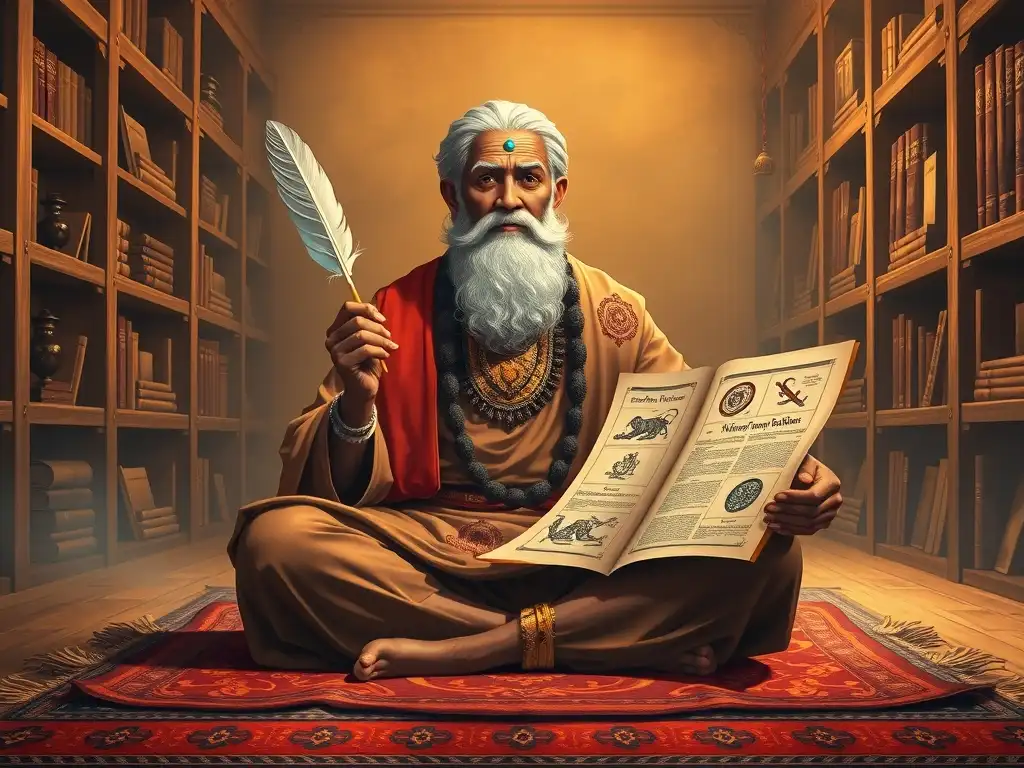
Myth 1: The Vedas are Only Religious Texts
One of the most prevalent misconceptions about the Vedas is the belief that they are solely religious texts. This view is often rooted in the understanding of the Vedas as scriptures used in rituals and worship. However, this perspective significantly limits the broader scope of the Vedas.
The Multifaceted Nature of the Vedas
The Vedas, comprising four primary collections— Rigveda, Yajurveda, Samaveda, and Atharvaveda—are much more than mere religious documents. They encapsulate a vast array of knowledge across disciplines such as:
- Philosophy: The Vedas explore metaphysical concepts, ethics, and the nature of reality.
- Science and Mathematics: Ancient Indian scholars utilized Vedic texts to develop early theories in mathematics, astronomy, and medicine.
- Arts and Literature: The Vedic hymns and mantras reflect high literary standards, showcasing poetic and rhetorical skill.
The Vedas are not only the foundation of spiritual wisdom but also the bedrock of ancient scientific and philosophical thought.
This multi-dimensional character of the Vedas illustrates that they serve as comprehensive knowledge systems, contributing to various fields of human understanding.
Reality: The Vedas as Comprehensive Knowledge Systems
The Vedas are structured not just as a liturgical guide but as an encyclopedic collection of knowledge. Each Veda serves a distinct purpose:
- Rigveda: Primarily a collection of hymns, it addresses various aspects of life, nature, and the cosmos.
- Yajurveda: Focuses on rituals and sacrifices, detailing the procedural aspects of ceremonies.
- Samaveda: Contains melodies and chants, emphasizing the musical aspects of rituals.
- Atharvaveda: Encompasses a wide range of topics, including healing, magic, and domestic rituals.
This diversity highlights that the Vedas function as a holistic system, providing insights into various aspects of human existence, spirituality, and the natural world.
Myth 2: The Vedas Promote Caste Discrimination
Another common misconception is that the Vedas inherently endorse caste discrimination. Critics often cite specific verses to claim that the Vedic texts justify social stratification and hierarchy.
The Context of Caste in Vedic Literature
While the term "varna" appears in the Vedas, it is essential to understand its context. The concept of varna initially referred to social roles based on skills and duties rather than rigid caste systems as understood today. The four varnas— Brahmins (priests and scholars), Kshatriyas (warriors and rulers), Vaishyas (traders and agriculturists), and Shudras (laborers and service providers)—were meant to categorize individuals based on their professional aptitudes.
However, over time, the interpretation and application of these classifications have evolved into a more rigid caste system, which is not a direct reflection of the original Vedic principles.
The original intent of the varna system was to promote social harmony through the recognition of diverse talents and responsibilities.
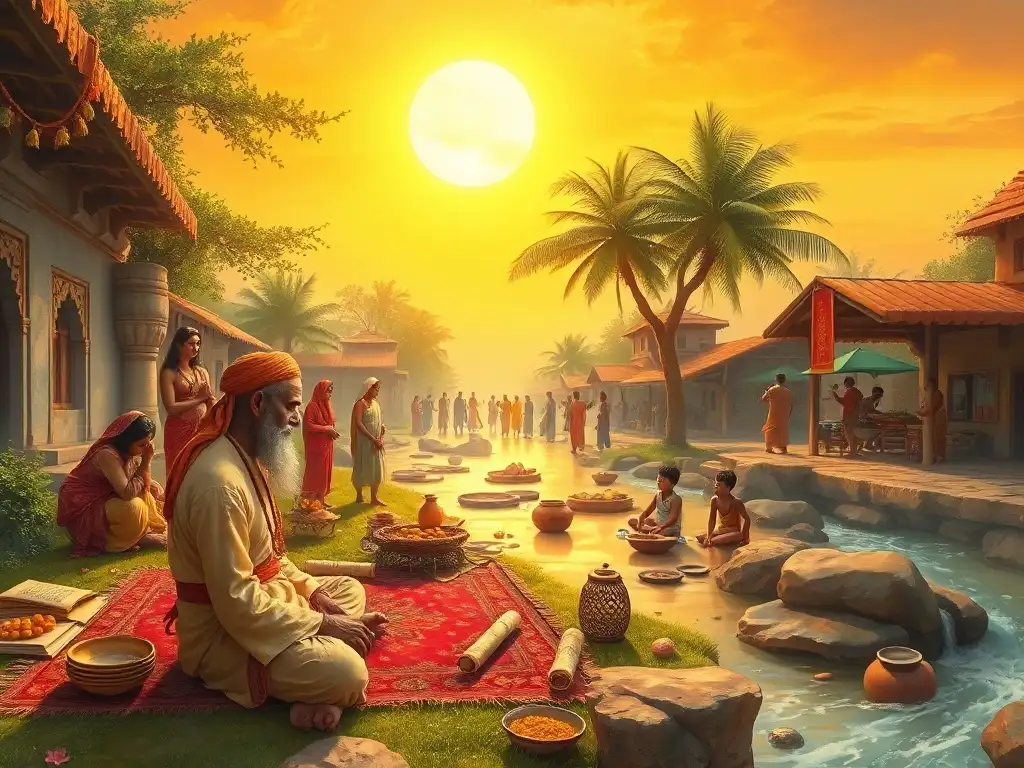
The Vedic society aimed for a functional distribution of roles, with each varna contributing to the overall welfare of the community. The emphasis was on duty (dharma) rather than on lineage or birth. Moreover, various texts, including the Upanishads and later philosophical works, advocate for the transcendence of caste barriers based on spiritual realization.
By addressing these misconceptions about the Vedas, we can appreciate their profound richness and the depth of knowledge embedded within these ancient texts. Understanding the true nature of the Vedas allows us to engage with them not merely as religious scriptures but as foundational texts that shaped various aspects of ancient Indian civilization.
Reality: Historical Context of Caste in Vedic Texts
The concept of caste, as we understand it today, is often misinterpreted when viewed through the lens of the Vedas. In the Vedic texts, the idea of social stratification was not as rigid or exclusive as it has become in later interpretations. The Vedas, particularly the Rigveda, mention a division of society into four primary groups: the Brahmins (priests and scholars), Kshatriyas (warriors and rulers), Vaishyas (merchants and landowners), and Shudras (laborers and service providers). However, these divisions were more fluid and based on occupation rather than hereditary status.
Historical analysis suggests that the Vedic society was characterized by mobility and adaptability. The roles associated with each group were not strictly enforced, and individuals could change their status based on their actions and contributions to society. Additionally, the Vedas emphasize the importance of Dharma (duty) that transcends caste, promoting the idea that righteousness and moral conduct are fundamental to one's role in society.
Over time, these initial divisions became more rigid due to socio-political changes and the influence of later texts like the Manusmriti, which codified and entrenched caste discrimination. Therefore, understanding the historical context of caste in Vedic texts requires acknowledging this evolution and recognizing that the Vedas themselves do not advocate for the oppressive caste system that developed later.
Myth 3: The Vedas are Exclusively Male-Centric
A prevalent myth surrounding the Vedas is that they are entirely male-centric, overlooking the contributions and presence of women within these ancient texts. This misconception arises from a selective reading and interpretation of the Vedic literature, which often emphasizes male figures and their roles in rituals and society. However, this perspective fails to recognize the significant and multifaceted roles women played in Vedic society.
Women in Vedic times were not only participants in religious and cultural life but also held important positions as scholars, poets, and practitioners of spirituality. The Rigveda, for instance, includes hymns composed by women, such as those attributed to the sage Lopamudra and the poetess Gargi. These contributions highlight that women were actively engaged in intellectual and spiritual pursuits, challenging the notion that the Vedas were solely a male domain.
Furthermore, the Vedic texts acknowledge the sanctity of women through various rituals and hymns that celebrate their roles as mothers, wives, and caretakers of family and culture. The idea of Shakti, or feminine power, is deeply ingrained in Vedic philosophy, further emphasizing the importance of women in spiritual and societal contexts.
Reality: The Role of Women in Vedic Literature
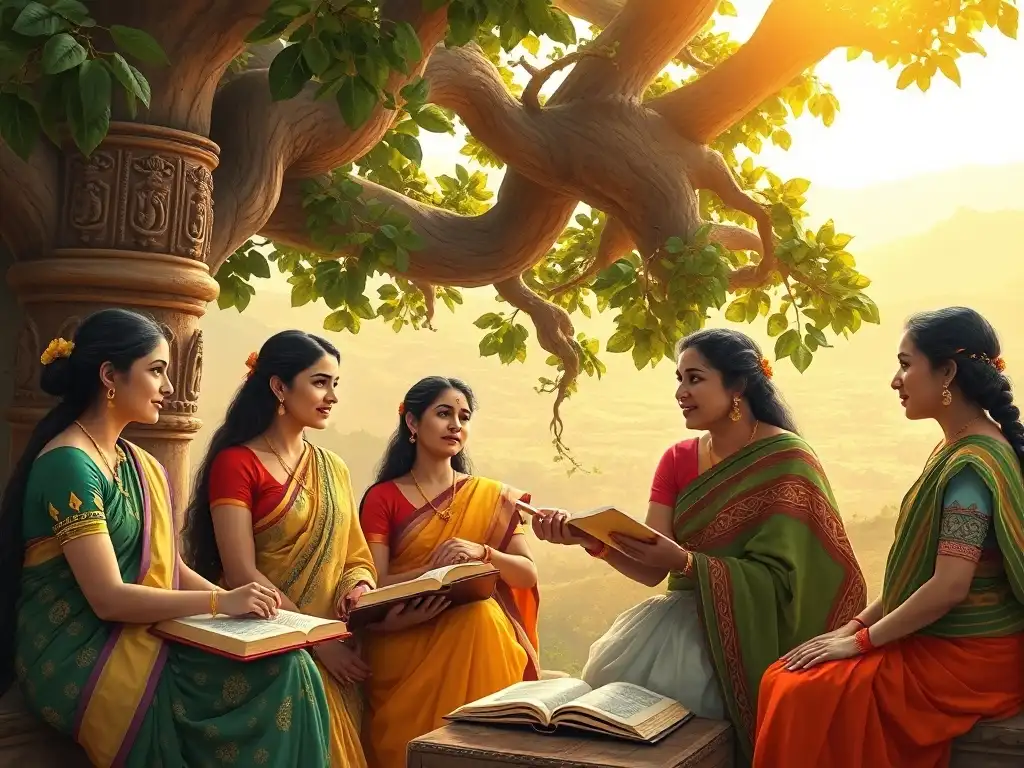
Contrary to the belief that the Vedas are male-centric, a closer examination reveals a more inclusive view of women's roles. Vedic literature celebrates several women who were revered for their wisdom, strength, and intellectual contributions. For example, Gargi, a prominent philosopher, is noted for her participation in philosophical debates and discussions, showcasing women's involvement in intellectual discourse during Vedic times.
Additionally, the concept of Savitri, a legendary character in Vedic literature known for her devotion and intelligence, exemplifies the ideal attributes of a woman in society. Her story illustrates the significance of women's roles in familial and spiritual realms, emphasizing their agency and importance within the socio-religious fabric of the time.
Moreover, women were not just passive figures in the background; they actively engaged in rituals and were often seen as essential participants in domestic and public ceremonies. The Vedic texts also mention the practice of women participating in yajnas (sacrificial rituals), which underscores their integral role in spiritual life.
Acknowledging the role of women in Vedic literature allows for a more nuanced understanding of ancient Indian society. It dismantles myths of male exclusivity and highlights the diverse contributions of women, reflecting a broader spectrum of human experience and capability in the context of the Vedas.
Myth 4: The Vedas are Static and Unchanging
One of the most prevalent misconceptions about the Vedas is the belief that these ancient texts are static and unchanging. This notion suggests that the Vedas have remained exactly the same since their inception, with no variations or adaptations over time. However, this perspective overlooks the dynamic nature of the Vedic tradition and the historical context in which these texts were composed and transmitted.
The Vedas are not merely static scriptures; they are living documents that have evolved over centuries. Oral tradition played a significant role in the preservation and transmission of Vedic knowledge. This oral tradition allowed for variations in recitation and interpretation, as different regions and communities adapted the texts to fit their cultural contexts and linguistic preferences. Additionally, the Vedas consist of multiple layers, including hymns, rituals, and philosophical discourses, each of which may have undergone changes as society progressed.
Moreover, the commentaries and philosophical treatises that emerged over time, such as the Upanishads and Brahmanas, illustrate how Vedic thought developed and expanded. These texts reflect the intellectual and spiritual inquiries of various thinkers, showcasing how interpretations of Vedic knowledge adapted to the changing needs of society.
Reality: The Evolution of Vedic Texts Over Time
The reality is that the Vedas have undergone significant evolution throughout their history, influenced by various factors including cultural, social, and linguistic changes. The Vedic texts, traditionally attributed to sages known as Rishis, were initially transmitted orally. This method of transmission was inherently flexible, allowing for variations in the way verses were recited and understood.
As the Vedic tradition spread across different regions of India, local customs, languages, and dialects began to impact the recitation and interpretation of the texts. This led to the emergence of different schools of thought, each offering unique insights and practices based on the core Vedic principles. Thus, while the fundamental teachings of the Vedas have remained intact, the expression of these teachings has been diverse and dynamic.
Furthermore, the textual history of the Vedas includes various layers of compilation and redaction. Scholars identify four main texts known as the Samhitas, each representing a distinct collection of hymns and rituals. In addition, the Brahmanas and Aranyakas provide explanatory frameworks and rituals, while the Upanishads delve into philosophical interpretations. This multi-faceted structure demonstrates that the Vedic corpus is not monolithic but rather a tapestry of evolving thought.
Acknowledging the evolution of Vedic texts allows for a deeper understanding of their significance and relevance in contemporary society. The Vedas are not relics of the past; they are dynamic texts that continue to inspire and inform spiritual and philosophical discourse in modern India and beyond.
Exploring the Origins of Misconceptions about the Vedas
Historical Context of Vedic Knowledge
The Vedas, composed between 1500 and 500 BCE, are considered the oldest sacred texts of Hinduism and hold a paramount place in ancient Indian literature. To understand the misconceptions about the Vedas, it is essential to explore the historical context in which they were created.
The Vedic texts, comprising four main collections— Rigveda, Samaveda, Yajurveda, and Atharvaveda—were primarily composed in Sanskrit and reflect a society deeply rooted in ritual, spirituality, and philosophical inquiry. The Rigveda, for example, consists of hymns that invoke deities for blessings, showcasing the early human quest for understanding the cosmos and their place within it.
The transmission of Vedic knowledge was predominantly oral for centuries, leading to variations in interpretation and understanding. This oral tradition meant that the texts were not static; they evolved through recitation and commentary, resulting in different schools of thought. Consequently, modern interpretations often struggle to accurately reflect the nuances of the original texts, leading to widespread misconceptions about the Vedas.
Influence of Colonial Interpretations on Vedic Understanding
The colonial period marked a significant turning point in the perception of the Vedas. European scholars, often lacking a comprehensive understanding of ancient Indian culture, approached these texts through a lens of their own biases. For instance, some 19th-century scholars categorized the Vedas as primitive literature, a view that inadvertently diminished their philosophical and cultural significance.
This misinterpretation was compounded by the Orientalist approach, which tended to romanticize or oversimplify Eastern texts. Notably, figures like William Jones and Max Müller, while contributing to the study of Sanskrit and the Vedas, also propagated certain misconceptions, such as the notion of a linear progression of civilization from the West to the East. Such views led to a perception of the Vedas as relics of an inferior past rather than as complex philosophical texts.
Furthermore, the colonial emphasis on scientific rationalism often clashed with the spiritual and metaphysical dimensions of Vedic thought. This clash resulted in a misunderstanding of rituals and cosmological concepts, reinforcing misconceptions about the Vedas as merely archaic religious texts devoid of rational or empirical value.
The Role of Modern Scholarship in Shaping Views
In recent decades, modern scholarship has played a pivotal role in reevaluating the Vedas and addressing misconceptions about the Vedas. With the advent of interdisciplinary approaches, scholars are now employing archaeology, anthropology, and linguistics to provide a more nuanced understanding of Vedic texts.
For instance, recent archaeological discoveries in the Indus Valley have shed light on the socio-cultural contexts that informed Vedic traditions, suggesting a more integrated view of ancient Indian civilization. Scholars like S. R. Rao and Michael Witzel have emphasized the need to understand the Vedas not merely as religious scripture but as philosophical treatises that engage with metaphysical questions and existential themes.
Moreover, contemporary Indian scholars are reclaiming the narrative around the Vedas, emphasizing their relevance in today's discourse on spirituality, ethics, and philosophy. This shift is crucial in countering lingering colonial narratives and in fostering an appreciation for the Vedas as living texts that continue to resonate within modern Hindu practices.
The ongoing dialogue in modern scholarship is vital for dispelling the misconceptions about the Vedas and for recognizing their profound contributions to human thought and cultural heritage. By fostering a more informed understanding, we can appreciate the Vedas not only as historical artifacts but as dynamic texts that reflect the complexities of ancient Indian civilization.
The Impact of Misconceptions about the Vedas on Modern Society
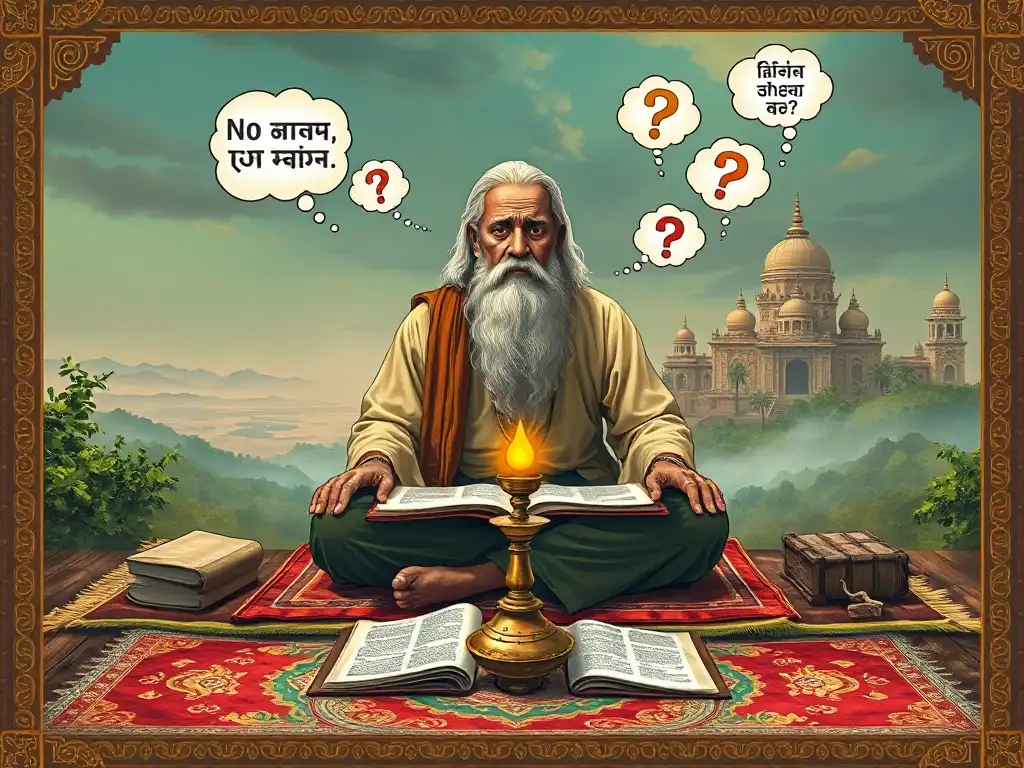
The Vedas, revered as the oldest sacred texts of Hinduism, continue to exert a profound influence on various aspects of modern society. However, a range of misconceptions about the Vedas can distort their significance and impact, leading to misunderstandings that affect cultural perceptions, identity, and interfaith relations.
Misunderstanding the Vedas' Cultural Significance
One of the most pervasive misconceptions about the Vedas is the belief that they are merely ancient religious texts devoid of relevance to contemporary life. In reality, the Vedas encompass a vast body of knowledge that includes philosophy, poetry, rituals, and science.
- Philosophical Insights: The Vedas provide profound philosophical insights that encourage introspection and ethical living. For instance, the concept of Dharma (duty/righteousness) is central, guiding individuals in their moral and social responsibilities.
- Scientific Contributions: The Vedic texts also address various aspects of science, including astronomy, medicine, and mathematics. The Sulba Sutras, for example, contain early principles of geometry that are foundational to later mathematical developments.
- Cultural Heritage: The Vedas are integral to the cultural fabric of India, influencing art, music, and literature. Misunderstanding their significance can lead to a diminished appreciation of Indian heritage.
The misinterpretation of the Vedas as solely religious texts can hinder efforts to celebrate and preserve this rich cultural legacy, ultimately impacting educational curricula and cultural initiatives.
Influence on Contemporary Indian Identity
The misconceptions surrounding the Vedas significantly shape contemporary Indian identity. Many people view the Vedas through a lens that emphasizes exclusivity or orthodoxy, which can alienate various groups within Indian society.
- Nationalism and Identity Politics: Some nationalist movements have appropriated Vedic texts to promote a singular narrative of Indian identity, often marginalizing alternative perspectives. This can lead to a contentious environment where diverse voices are silenced.
- Cultural vs. Religious Identity: The conflation of cultural and religious identity due to misconceptions about the Vedas can create divisions within communities. For instance, individuals from non-Hindu backgrounds may feel estranged from the broader cultural heritage of India, which is steeped in Vedic traditions.
- Youth Engagement: Young people, often misinformed about the Vedas, may disengage from their cultural roots. This can result in a loss of connection to their heritage, as they may not recognize the Vedas as a source of inclusive wisdom relevant to their lives.
Addressing these misconceptions is crucial for fostering a more unified and inclusive understanding of Indian identity that honors the contributions of all communities.
Implications for Interfaith Dialogue and Understanding
Misconceptions about the Vedas can create barriers to meaningful interfaith dialogue. The belief that the Vedas represent a monolithic worldview can lead to misunderstandings between different religious communities.
- Promoting Inclusivity: The Vedas contain diverse philosophical ideas that can foster interfaith discussions. For example, the idea of Sarva Dharma Sambhava (equal respect for all religions) is deeply embedded in Vedic thought, providing a foundation for mutual respect and understanding.
- Addressing Stereotypes: Misconceptions can perpetuate stereotypes about Hinduism and its texts, often painting them as rigid or dogmatic. By clarifying the nuanced interpretations of the Vedas, we can dismantle these stereotypes and promote a more accurate understanding of Hindu philosophy.
- Collaborative Initiatives: Engaging in discussions about the Vedas can encourage collaborative initiatives among different faith communities. Understanding the shared values and teachings within the Vedas can lead to joint efforts to tackle societal issues such as poverty, education, and environmental sustainability.
Addressing the misconceptions about the Vedas is essential not only for preserving their cultural significance but also for enhancing modern Indian identity and fostering interfaith dialogue. By recognizing the Vedas as a living tradition that encompasses a wealth of knowledge and wisdom, society can move towards a more inclusive and harmonious future.
Conclusion: Clarifying the Truth about the Vedas
The Vedas, as ancient texts, encapsulate a wealth of knowledge, spirituality, and cultural ethos that has shaped Indian civilization for millennia. Understanding these scriptures accurately is paramount to appreciating their significance. Misconceptions about the Vedas can lead to a distorted perception not only of these texts but also of the cultural and historical narratives they represent. Addressing these misunderstandings is essential to foster a deeper respect and comprehension of the Vedic tradition.
The Importance of Accurate Knowledge of the Vedas
Accurate knowledge of the Vedas is crucial for several reasons:
-
Cultural Heritage:
The Vedas are the foundation of Hindu philosophy and spirituality. They contain hymns, rituals, and teachings that reflect the values and beliefs of ancient Indian society. Misconceptions can dilute this rich heritage.
-
Historical Context:
Understanding the Vedas within their historical context allows scholars and enthusiasts to appreciate the evolution of Indian thought. For instance, the Vedas were composed over a vast period, and their interpretations have transformed through time, influencing various philosophical schools.
-
Spiritual Significance:
The Vedas are regarded as divinely inspired texts. Many misconceptions trivialize their spiritual significance, reducing them to mere mythological tales rather than profound spiritual literature.
-
Intellectual Engagement:
Engaging with the Vedas encourages critical thinking and analysis. It is essential to approach these texts with an open mind and a willingness to explore their complexities instead of relying on oversimplified narratives.
By promoting accurate knowledge, we not only honor the traditions encapsulated within the Vedas but also encourage a more holistic understanding of ancient Indian history and philosophy.
Encouraging Open Dialogue and Further Research on Vedic Texts
Open dialogue and further research are vital in dispelling misconceptions about the Vedas. Here’s how we can foster this environment:
-
Interdisciplinary Approaches:
Combining insights from philosophy, history, linguistics, and anthropology can lead to a richer understanding of the Vedas. Scholars from various fields should collaborate to explore these texts thoroughly.
-
Community Engagement:
Encouraging discussions within communities, whether academic or lay, can help unravel common misconceptions. Workshops, seminars, and public lectures can serve as platforms for sharing knowledge and perspectives.
-
Utilizing Modern Technology:
Digital platforms can facilitate access to Vedic texts and scholarly interpretations. Online forums and social media can be effective in sparking interest and discussions around these ancient scriptures.
-
Promoting Critical Scholarship:
It is essential to support and promote works by credible scholars who approach the Vedas with respect and scholarly rigor. Their insights can guide readers toward more accurate interpretations and understanding.
Addressing misconceptions about the Vedas requires a collective effort. By fostering accurate knowledge and encouraging open dialogue, we can ensure that the Vedas are appreciated for their true value and significance within the tapestry of ancient Indian civilization.
References for Further Reading on the Vedas
Suggested Books and Articles on Vedic Literature
To gain a deeper understanding of the Vedas and the misconceptions surrounding them, consider exploring the following books and articles:
-
"The Vedas: An Introduction to Hinduism's Sacred Texts" by R. C. Sharma
This book provides a comprehensive overview of the Vedas, their historical context, and their significance in Hinduism. It also addresses common myths and interpretations.
-
"The Rig Veda: A New Translation" by Ralph T.H. Griffith
This translation offers insights into the earliest Vedic hymns, along with commentary that clarifies their meanings and dispels prevalent misconceptions.
-
"Vedic Literature: An Overview" by N. S. Aiyangar
A scholarly article that discusses the various forms of Vedic literature, including the Samhitas, Brahmanas, and Upanishads, while highlighting misconceptions about their origins and purposes.
-
"The Philosophy of the Vedas" by S. Radhakrishnan
This work delves into the philosophical aspects of the Vedas, countering common myths about their teachings and relevance to modern thought.
-
"The Vedas: A Historical and Philosophical Approach" by Anita K. Desai
This book examines the historical evolution of the Vedas, addressing misconceptions about their authorship and timeline.
Online Resources for Exploring the Vedas and Their Misconceptions
In addition to books, various online resources can further enhance your understanding of the Vedas and clarify misconceptions:
-
Digital Library of India
A vast repository of texts, including translations and commentaries on the Vedas. This resource allows users to explore the original texts and scholarly interpretations.
-
Academia.edu
A platform where scholars publish papers and articles. You can find numerous research papers focusing on Vedic literature and its misconceptions.
-
Internet Archive
This digital library offers free access to a wide range of texts, including historical editions of Vedic literature that highlight various interpretations and address common myths.
-
YouTube Educational Channels
Many educational channels provide lectures and discussions on the Vedas, often debunking myths and presenting scholarly consensus. Look for channels run by historians and religious scholars.
-
Online Discussion Forums
Platforms like Reddit and Quora often have threads dedicated to the Vedas, where users discuss myths and provide scholarly references to support their claims.
By utilizing these resources, readers can gain a nuanced understanding of the Vedas, moving beyond common misconceptions to appreciate their true historical and cultural significance.
Frequently Asked Questions
What are the Vedas?
The Vedas are ancient Indian scriptures considered the earliest texts of Hindu philosophy, containing hymns, rituals, and spiritual knowledge.
Why are the Vedas often misunderstood?
Many misconceptions arise due to the complexity of the texts, cultural differences, and historical context, leading to oversimplified interpretations.
How many Vedas are there?
There are four Vedas: the Rigveda, Samaveda, Yajurveda, and Atharvaveda, each serving a unique purpose in spiritual and ritualistic practices.
What role do the Vedas play in Hinduism?
The Vedas are regarded as the foundation of Hindu spiritual thought, guiding rituals, ethics, and philosophy throughout history.
How can one approach the Vedas to avoid misconceptions?
To avoid misconceptions, one should study the Vedas with a historical lens, seek guidance from knowledgeable scholars, and engage with commentaries that provide context.
Final Reflection: Unveiling Truths Behind Misconceptions About the Vedas
In a world where information is abundant yet often misleading, understanding the true essence of the Vedas is more relevant than ever. As we navigate through a sea of misconceptions, it becomes crucial to discern fact from fiction. The Vedas, as ancient texts, hold profound wisdom that transcends time and culture, yet they are frequently misrepresented. To truly appreciate their significance, we must challenge these myths and embrace the authentic teachings they offer.
The impact of the Vedas extends far beyond their historical context; they continue to shape cultural and spiritual landscapes today. As we delve into their teachings, we find a rich tapestry of philosophy, ethics, and spirituality that resonates with contemporary issues. The ongoing dialogue surrounding the Vedas encourages us to reflect on our values and beliefs. The Vedas are not just texts; they are a way of life that guides us towards understanding the universe and our place within it.
This perspective invites us to engage with these texts on a deeper level, fostering a connection that enriches our lives.
As we conclude this exploration of misconceptions about the Vedas, I invite you to reflect on your own understanding of these ancient scriptures. Consider how the lessons within the Vedas can inform your daily life and contribute to your personal growth. Let us strive to approach these texts with an open mind and a willingness to learn, allowing their timeless wisdom to illuminate our paths and inspire us to seek truth in all aspects of life.
Unveil the Truth and Transform Your Understanding!
Thank you for diving into the intriguing world of the Vedas with us! Your commitment to exploring these ancient texts helps unravel the rich tapestry of India's history. Now, it's time to take the next step in your journey of discovery.
Here are some actionable suggestions to deepen your understanding and share the insights you've gained:
- Engage with the Content: Explore detailed articles and resources on our website to broaden your knowledge and discover new perspectives on Vedic concepts and texts.
- Join the Discussion: Contribute your thoughts or questions in the comments section to connect with fellow enthusiasts and explore new ideas together.
- Spread the Knowledge: Share this article on your social media platforms to help dispel common myths and enlighten others about the true significance of the Vedas.
Before you go, we’d love to hear your thoughts: What misconception about the Vedas surprised you the most, and how do you believe that understanding the truth can change perspectives on ancient Indian culture?