
The Vedic Challenge: Navigating Misinterpretations and Modern Critiques


Welcome to Ancient India History, where we invite you to embark on a journey through the captivating tapestry of ancient Indian civilizations. In our featured article, "The Vedic Challenge: Navigating Misinterpretations and Modern Critiques," we delve into the profound world of Vedic texts and interpretations, exploring their significance and the myriad ways they've been understood—or misunderstood—over time. As you navigate this intricate landscape, prepare to uncover insights that challenge conventional views and spark your curiosity about the wisdom of the ages. Dive deeper with us and discover how these ancient scriptures continue to influence modern thought!
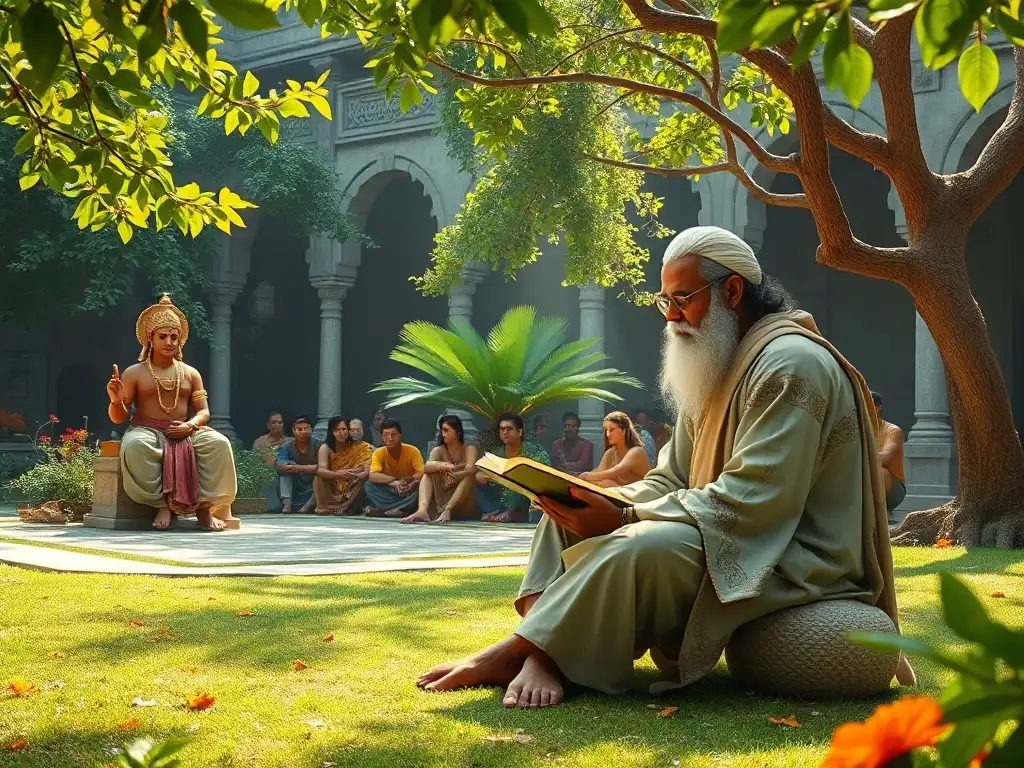
Introduction to Vedic Texts and Interpretations
The Vedic texts hold a pivotal position in the tapestry of ancient Indian history, representing not only a cornerstone of spiritual and philosophical thought but also a foundation for the civilization's social and cultural structures. These ancient scriptures, composed in Sanskrit, are revered as the oldest texts of Indian literature, encapsulating a wealth of knowledge that spans various domains, including ritual practices, cosmology, and ethical guidance.
However, as contemporary scholars and practitioners engage with these texts, a complex web of interpretations and misinterpretations has emerged, prompting critical examination and discussion. This article aims to explore the intricacies of Vedic texts and their interpretations, shedding light on the ongoing debates and challenges that arise from modern critiques.
Overview of Vedic Literature
The Vedic literature comprises four primary texts: the Rigveda, Samaveda, Yajurveda, and Atharvaveda. Each of these texts serves a distinct purpose:
- Rigveda: A collection of hymns praising various deities, it is the oldest and most significant of the Vedas.
- Samaveda: Primarily a liturgical text, it consists of melodies and chants used during rituals.
- Yajurveda: Focused on ritual instructions, it provides guidelines for conducting sacrifices and other ceremonies.
- Atharvaveda: This text encompasses a wide range of topics, including magic, healing, and domestic rituals, reflecting the everyday lives of people.
Together, these texts form the Vedic corpus, which not only influenced subsequent Indian literature but also laid the groundwork for various schools of thought, including philosophy and spirituality.
Importance of Vedic Texts in Ancient Indian Culture
The significance of the Vedic texts in ancient Indian culture is multifaceted. They served as the primary source of knowledge and guidance for various aspects of life, including:
- Spirituality: The Vedas provided insights into the nature of the divine, the universe, and the self, shaping the spiritual landscape of ancient India.
- Social Structure: The texts contributed to the establishment of societal norms and practices, influencing caste systems and community roles.
- Ritual and Worship: Vedic rituals, as prescribed in the texts, were central to religious life, ensuring harmony between the material and spiritual worlds.
The Vedas not only reflect the beliefs and practices of ancient Indian society but also represent a remarkable intellectual tradition that continues to resonate in modern times.
Historical Context of Vedic Texts

Understanding the historical context of Vedic texts is crucial for appreciating their significance and the challenges posed by modern interpretations. The Vedas were composed during the Vedic period, which is generally dated from around 1500 to 500 BCE. This era was characterized by significant socio-political changes, migrations, and cultural interactions.
The Origins of the Vedas
The origins of the Vedas are shrouded in mystery, with scholars debating their exact beginnings. They are believed to have been composed by the Aryans, a group of nomadic pastoralists who migrated into the Indian subcontinent. This period saw the blending of indigenous cultures with Aryan traditions, leading to the development of a distinct Vedic culture. The oral tradition played a key role in preserving these texts before they were eventually transcribed, highlighting the importance of memory and recitation in Vedic society.
Evolution of Vedic Literature Over Time
Over time, Vedic literature evolved, giving rise to various texts and interpretations. This evolution is marked by significant developments, including:
- Brahmanas: Prose texts explaining the rituals and ceremonies outlined in the Vedas.
- Aranyakas and Upanishads: Philosophical texts that explore metaphysical questions and the nature of reality, paving the way for later philosophical traditions.
- Sutras: Concise aphorisms that distill complex ideas, which later served as the foundation for various schools of Indian philosophy.
The dynamic nature of Vedic literature reflects the adaptability and resilience of Indian thought, allowing it to engage with new ideas and challenges throughout history. As we navigate the complexities of Vedic interpretations today, it is essential to recognize their rich historical context and the myriad influences that have shaped their understanding over the centuries.
Common Misinterpretations of Vedic Texts
The Vedic texts, which form the foundation of Hindu philosophy and spirituality, are often subject to various misinterpretations. These misinterpretations stem from a variety of factors, including linguistic challenges, cultural differences, and the historical context in which these texts were written.
Misunderstandings in Vedic Philosophies
One prevalent misunderstanding revolves around the concept of Brahman and Atman. Many contemporary readers misinterpret Brahman, the ultimate reality, as a personal deity, whereas Vedic philosophy presents it as an abstract, impersonal force that pervades the universe. Similarly, the notion of Atman, or the individual self, is sometimes misconstrued as being separate from Brahman, leading to a dualistic interpretation that contradicts the non-dualism central to many Vedic teachings.
Furthermore, the ritualistic aspects of the Vedic texts are often viewed as mere superstition in modern contexts. However, these rituals served profound purposes in their time, acting as a means to connect with the divine and the cosmos, and should not be dismissed as outdated practices without understanding their historical significance.
Cultural Context Ignored in Modern Interpretations
Modern interpretations frequently overlook the cultural context in which the Vedic texts were produced. These texts emerged in an ancient Indian society with a distinct social structure, cosmological beliefs, and spiritual practices. For instance, the caste system, which is often criticized in contemporary discourse, is rooted in the societal structure of the time and is explained through the Vedic notion of dharma, or duty. Ignoring this context can lead to an incomplete understanding of the Vedic worldview.
Additionally, the rich tapestry of mythology and symbolism embedded in Vedic literature is often simplified or misunderstood. Terms and concepts that might seem archaic or irrelevant today were deeply embedded in the socio-religious fabric of ancient India. Recognizing these nuances is crucial for a well-rounded interpretation of Vedic texts.
The Impact of Language on Interpretation
The language of the Vedic texts, primarily Sanskrit, plays a significant role in shaping interpretations. Sanskrit is a highly nuanced language with profound meanings that can be lost in translation. For example, the term "yajna" (sacrifice) encapsulates a variety of meanings, including ritual, offering, and cosmic order, which can be misrepresented in translations that fail to convey its depth.
Moreover, the interpretative traditions that have developed over centuries add layers of complexity to understanding these texts. Different schools of thought interpret key terms and phrases in varied ways, which can lead to divergent understandings of essential concepts. Thus, a thorough grasp of the language is critical for accurate interpretation of Vedic texts.
Critiques of Vedic Texts in Modern Scholarship
As Vedic texts have gained attention in modern scholarship, they have also faced critiques that challenge their relevance and interpretation. These critiques often emerge from a contemporary perspective that seeks to align ancient wisdom with modern values.
Overview of Modern Critiques of Vedic Literature
Critics of Vedic literature often point to perceived patriarchal structures within the texts, arguing that they reflect a society that suppressed women's rights and roles. This critique, while valid in some contexts, can overlook the complexities and variations in gender roles depicted in the texts. Furthermore, some scholars argue that Vedic texts promote exclusivity and dogma, which they believe contradicts the pluralistic nature of modern society.
Additionally, the historical accuracy of events described in the Vedas is often questioned, with critics suggesting that these texts are more mythological than historical. This raises important discussions about the nature of historical truth in ancient texts and the criteria by which we judge the validity of historical narratives.
The Role of Western Perspectives in Vedic Scholarship
Western scholars have played a significant role in shaping the discourse around Vedic texts, often through a lens that emphasizes rationality and empirical evidence. This perspective can unintentionally impose a framework that may not align with the intrinsic spiritual and philosophical dimensions of the Vedas. Consequently, some interpretations may dismiss the experiential aspects of Vedic wisdom as mere superstition.
Furthermore, the colonial history of India has influenced how Vedic texts are perceived in the Western academic context. Many critiques originate from a colonial mindset that sought to categorize and simplify complex cultural phenomena, which can lead to oversimplified interpretations of Vedic literature.
Response from Indian Scholars to Modern Critiques
In response to modern critiques, Indian scholars have sought to reclaim the narrative surrounding Vedic texts, emphasizing the importance of contextual and indigenous interpretations. These scholars argue for a balanced approach that acknowledges both the historical and spiritual significance of the Vedas. They advocate for a deeper engagement with the texts, utilizing traditional commentaries and interpretations that have been preserved through generations.
Moreover, Indian scholars emphasize the pluralistic nature of Vedic philosophy, highlighting that it encompasses a wide range of beliefs and practices. By showcasing this diversity, they aim to counter simplified critiques that portray Vedic texts as monolithic or dogmatic. This ongoing dialogue between traditional interpretations and modern critiques is vital for fostering a richer understanding of Vedic literature and its relevance today.

The Vedic texts, composed over several centuries, serve as a foundational element of ancient Indian civilization. However, navigating the complexities of their interpretations presents a considerable challenge. Various scholars and practitioners often grapple with differences in linguistic nuances, cultural contexts, and philosophical underpinnings. This challenge is compounded by the evolution of religious practices and beliefs over time, which can obscure the original meanings intended in these texts.
Misinterpretations can arise from a lack of understanding of the historical and cultural milieu in which these texts were created. Furthermore, modern critiques often reflect contemporary biases that may not align with the original philosophies of the Vedic literature. As such, a comprehensive and contextual approach is essential for accurately navigating the Vedic challenge.
Importance of Contextual Analysis in Vedic Studies
Contextual analysis is vital in Vedic studies as it enables scholars to grasp the intricate layers of meaning within the texts. Understanding the historical, cultural, and social contexts in which the Vedas were composed allows for a more nuanced interpretation. This analysis involves:
- Historical Context: Recognizing the time and circumstances of the Vedic period aids in understanding the socio-political dynamics influencing the texts.
- Linguistic Nuances: The Sanskrit language, rich in meaning and context, requires careful examination of syntax and semantics to capture the intended significance.
- Cultural Practices: The rituals and beliefs prevalent in ancient Indian society provide essential background for interpreting Vedic hymns and philosophies.
By prioritizing contextual analysis, scholars can avoid the pitfalls of anachronism and contemporary misinterpretation, leading to a more accurate and authentic understanding of Vedic literature.
Approaches to Accurate Interpretation of Vedic Texts
Accurate interpretation of Vedic texts necessitates a multifaceted approach. Scholars employ several methodologies to ensure a well-rounded understanding:
- Comparative Analysis: This involves comparing Vedic texts with other ancient scriptures and philosophies, such as the Upanishads and the Puranas, to identify common themes and divergences.
- Hermeneutics: Utilizing hermeneutic principles aids in interpreting the underlying meanings of verses, considering factors like authorial intent and audience reception.
- Interdisciplinary Approaches: Engaging with disciplines such as anthropology, linguistics, and philosophy enriches the interpretative framework, allowing for deeper insights.
- Practitioner Perspectives: Incorporating insights from practitioners of Vedic rituals and philosophies brings practical understanding and reveals how these texts function in contemporary spiritual life.
By leveraging these approaches, researchers can enhance the clarity and relevance of Vedic texts, aligning them with both ancient wisdom and modern sensibilities.
Integrating Traditional Knowledge with Modern Critiques
The integration of traditional knowledge with modern critiques is essential for a holistic understanding of Vedic texts. Traditional interpretations, often rooted in centuries of scholarship and practice, provide a foundation that can enrich contemporary discussions. At the same time, modern critiques offer valuable perspectives that challenge outdated views and encourage a re-examination of established beliefs.
This integration can be achieved through:
- Dialogues between Scholars and Practitioners: Encouraging conversations between traditional scholars and modern critics fosters mutual understanding and respect for differing viewpoints.
- Critical Examination of Sources: Analyzing various interpretations of Vedic texts, both ancient and modern, allows for a balanced view that embraces complexity and diversity.
- Collaborative Scholarship: Promoting collaborative research projects that include voices from both traditional and contemporary backgrounds can lead to innovative insights and interpretations.
Such an integrated approach not only enriches Vedic scholarship but also ensures that it remains relevant in the face of changing societal values and understandings.
Conclusion: The Path Forward in Vedic Studies
The path forward in Vedic studies requires a commitment to rigorous scholarship that respects the depth and richness of the Vedic tradition while remaining open to modern critiques. By fostering a culture of inquiry that values both traditional knowledge and contemporary perspectives, scholars can navigate the complexities of Vedic texts more effectively.
Emphasizing the Need for Balanced Interpretations
Balanced interpretations of Vedic texts are crucial for promoting a comprehensive understanding of their significance. This balance can be achieved through:
- Inclusivity: Engaging diverse perspectives from various scholars, practitioners, and cultural contexts enriches the discourse surrounding Vedic texts.
- Critical Thinking: Encouraging critical analysis of both ancient interpretations and modern critiques cultivates a more sophisticated understanding.
- Respect for Tradition: Valuing traditional wisdom while embracing change leads to interpretations that are both authentic and relevant.
By emphasizing balance, scholars can contribute to a more inclusive and respectful discourse around Vedic literature.
The Future of Vedic Scholarship and Understanding
The future of Vedic scholarship hinges on adaptability and openness to new ideas. As the world continues to evolve, so too must the approaches to studying Vedic texts. Future directions may include:
- Technological Advancements: Utilizing digital tools and resources to analyze texts and share findings can enhance accessibility and collaboration among scholars worldwide.
- Global Perspectives: Engaging with international scholars can introduce new interpretations and methodologies that broaden the understanding of Vedic literature.
- Interdisciplinary Research: Continued collaboration across disciplines can reveal new insights and applications of Vedic knowledge in various fields, from philosophy to environmental science.
By embracing these future possibilities, Vedic scholarship can continue to thrive, offering valuable insights into the rich tapestry of ancient Indian civilization and its enduring legacy.
References and Further Reading on Vedic Texts and Interpretations
The Vedic texts are foundational to understanding ancient Indian civilization, but their interpretations have been subject to various critiques and misinterpretations throughout history. Engaging with a range of scholarly resources is essential for a comprehensive understanding of these texts. Below are curated lists of recommended books, articles, and online resources that provide valuable insights into Vedic literature and its interpretations.
Recommended Books and Articles
-
"The Rig Veda: A Historical Analysis" by A. L. Basham
This book delves into the historical context of the Rig Veda, offering insights into its composition and the society it reflects. Basham's rigorous analysis helps in understanding the complexities of Vedic texts.
-
"Vedic Literature: A New Interpretation" by R. N. Sharma
Sharma presents a modern interpretation of Vedic literature, addressing common misconceptions and providing a fresh perspective on its themes and philosophies.
-
"The Vedas: An Introduction to Hinduism's Sacred Texts" by J. A. B. van Buitenen
This introductory text offers a thorough overview of the Vedas, their structure, and their significance within the broader context of Hindu beliefs and practices.
-
"The Hindu Tradition: A Concise History" by S. R. Sharma
While not exclusively about the Vedic texts, this book provides essential context about Hinduism's development, including the role of the Vedas.
-
"Scripture and the Modern World: A Study of Vedic Texts" by M. N. D. N. S. Rao
Rao's work explores the relevance of Vedic texts in contemporary society, discussing how they can inform modern ethical and philosophical issues.
-
Articles in the Journal of Indian Philosophy
This peer-reviewed journal regularly publishes scholarly articles that analyze various aspects of Vedic literature, offering critical insights and interpretations.
Online Resources for Vedic Study
-
The Internet Archive
A treasure trove of digitized books and manuscripts, including many important texts on Vedic literature that can be accessed for free.
-
Sacred Texts Archive
This website hosts a wide array of ancient texts, including translations and commentaries on the Vedas, making them accessible to a global audience.
-
The Vedic Society
An organization dedicated to the study and promotion of Vedic literature, offering lectures, seminars, and resources for both scholars and enthusiasts.
-
Stanford Encyclopedia of Philosophy
Entries related to Indian philosophy often include discussions on Vedic texts, their interpretations, and their philosophical implications.
-
Online courses from universities
Many institutions offer free or paid online courses focusing on Vedic studies, providing structured learning opportunities with expert guidance.
By engaging with these resources, readers can deepen their understanding of the Vedic texts and navigate the complexities surrounding their interpretations in both historical and modern contexts.
- Introduction to Vedic Texts and Interpretations
- Overview of Vedic Literature
- Importance of Vedic Texts in Ancient Indian Culture
- Historical Context of Vedic Texts
- Common Misinterpretations of Vedic Texts
- Critiques of Vedic Texts in Modern Scholarship
- Navigating the Vedic Challenge
- Conclusion: The Path Forward in Vedic Studies
- References and Further Reading on Vedic Texts and Interpretations
- What are the Vedic texts?
- How have modern critiques affected the interpretation of Vedic texts?
- What is the significance of the Vedic challenge in contemporary discussions?
- How do Vedic texts contribute to our understanding of ancient Indian civilization?
- What role do interpretations play in the study of Vedic texts?
Frequently Asked Questions
What are the Vedic texts?
The Vedic texts are a large body of ancient Indian literature that form the foundation of Hindu philosophy, rituals, and spirituality. They consist of the four Vedas: Rigveda, Samaveda, Yajurveda, and Atharvaveda.
How have modern critiques affected the interpretation of Vedic texts?
Modern critiques often challenge traditional views of the Vedic texts, focusing on historical context and sociopolitical influences. These critiques can lead to diverse interpretations and a broader understanding of the texts' meanings.
What is the significance of the Vedic challenge in contemporary discussions?
The Vedic challenge highlights the need to critically analyze the interpretations of Vedic texts, promoting a dialogue between traditional beliefs and modern perspectives. This helps to bridge the gap between ancient wisdom and contemporary thought.
How do Vedic texts contribute to our understanding of ancient Indian civilization?
Vedic texts provide insights into the social structure, ritual practices, and philosophical beliefs of ancient Indian civilization. They reveal how these aspects influenced the development of later cultures and religions in the region.
What role do interpretations play in the study of Vedic texts?
Interpretations of Vedic texts are crucial for understanding their multifaceted meanings. Different scholarly perspectives can unveil various layers of meaning, reflecting the complexity and richness of ancient Indian thought.
Final Reflection: Embracing the Depth of Vedic Texts and Interpretations
The exploration of Vedic texts and interpretations is not just an academic endeavor; it is a vital journey into understanding the essence of human thought and spirituality. In today's fast-paced world, where information is often oversimplified, the richness of Vedic literature offers profound insights that challenge our perceptions and encourage deeper contemplation. The ongoing dialogue surrounding these ancient texts reminds us that wisdom is timeless, and the lessons embedded within them remain relevant as we navigate modern complexities.
Culture and society are continually shaped by the narratives we choose to embrace, and the Vedic texts stand as a testament to the enduring quest for knowledge and truth. The misinterpretations and critiques we encounter today serve as a reminder of the importance of context and understanding in our interpretations. As we engage with these texts, we must remember the words of Mahatma Gandhi: Live as if you were to die tomorrow. Learn as if you were to live forever.
This perspective encourages us to approach the Vedic texts with both humility and curiosity, recognizing their potential to enrich our lives and broaden our understanding of the universe.
As you reflect on the insights shared in this article, I invite you to take a moment to consider how the teachings of the Vedic texts can resonate within your own life. Challenge yourself to delve deeper into these ancient teachings, allowing them to inspire personal growth and a greater appreciation for the complexities of existence. By embracing the depth of Vedic interpretations, you not only honor the wisdom of the past but also contribute to a more nuanced and compassionate understanding of our shared human experience.
Unveil the Truth: Join the Vedic Challenge!
Thank you for exploring the intricacies of the Vedic challenge and uncovering the nuances of ancient wisdom! Your journey through various interpretations and contemporary critiques helps illuminate the profound significance of Vedic texts in our history. Now, let’s transform that knowledge into meaningful action.
Here are some ways you can take the next step:
- Engage in Discussion: Connect with fellow history enthusiasts by sharing your thoughts in our comment section. What insights did you find most enlightening?
- Explore Further: Delve deeper into ancient texts and their interpretations. Consider picking up a new book or watching a documentary that relates to Vedic philosophy.
- Share Your Findings: Spread awareness! Share this article with friends or on social media, inviting them to explore the depths of Vedic wisdom alongside you.
Which aspect of the Vedic texts resonates with your understanding of contemporary challenges? Let's discuss!