
The Mahabharata and Its Interpretation in Different Regions of India

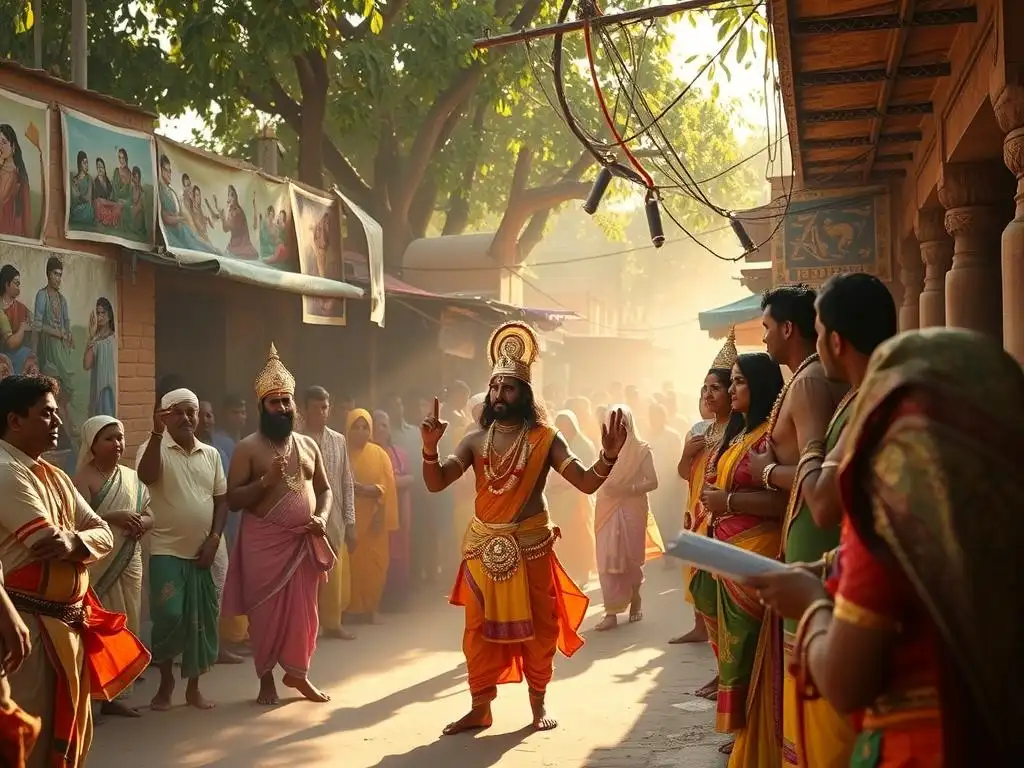
Welcome to Ancient India History, where we embark on a journey through the rich tapestry of India’s past. Today, we invite you to delve into the fascinating cultural interpretations of the Mahabharata across different regions of India. This epic, revered not just as a story but as a profound reflection of our values and beliefs, has inspired countless interpretations that vary from one locale to another.
What do these diverse perspectives reveal about our shared heritage? Join us as we unravel the layers of meaning behind this monumental work, and discover how its echoes continue to resonate in the heart of Indian culture. Prepare to be captivated!
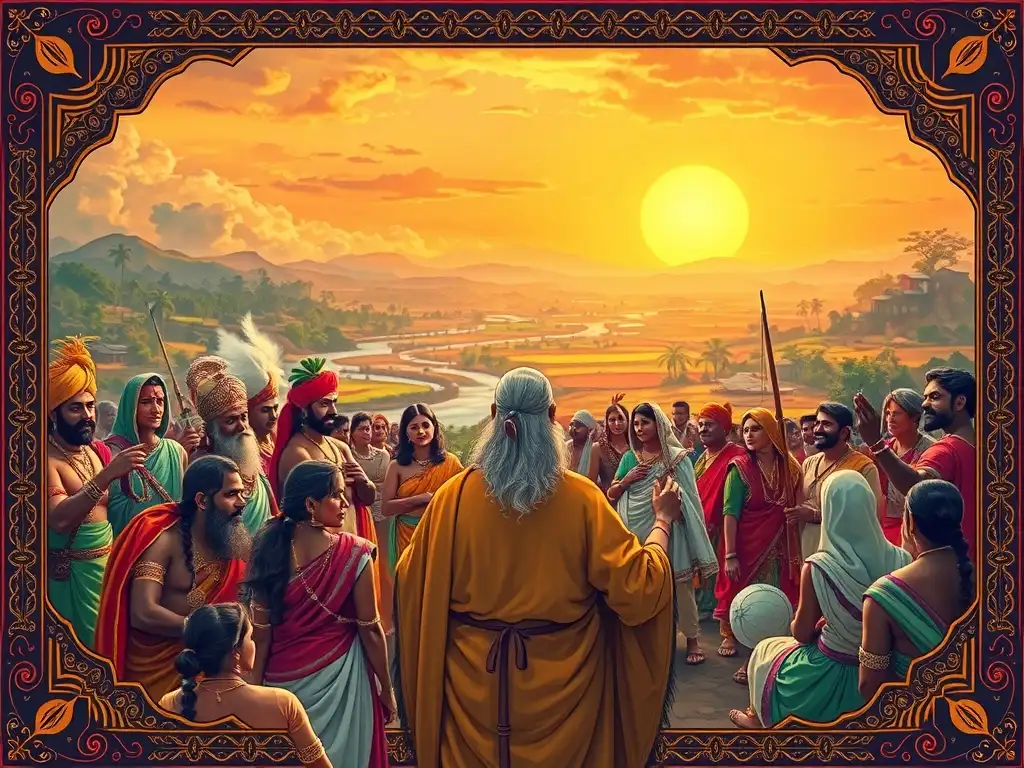
Introduction to the Mahabharata
The Mahabharata, one of the two major Sanskrit epics of ancient Indian literature, is a monumental work that encompasses a vast array of themes, characters, and philosophical insights. Spanning over 100,000 shlokas (verses), it is not merely a story of a dynastic struggle but a profound exploration of dharma (duty/righteousness), ethics, and the complexities of human nature. The epic's narrative revolves around the Kurukshetra War between the Pandavas and Kauravas, but its impact extends far beyond mere storytelling. It has influenced various aspects of life in India, including art, politics, philosophy, and spirituality.
The cultural interpretations of the Mahabharata vary significantly across different regions of India, reflecting local traditions, languages, and customs. This article aims to delve into these rich and diverse interpretations of the Mahabharata, highlighting how different regions have embraced and adapted this epic to resonate with their unique cultural identities.
Overview of the Mahabharata Epic
The Mahabharata is attributed to the sage Vyasa and is divided into 18 parvas (books). It includes the renowned Bhagavad Gita, which presents a dialogue between Prince Arjuna and Lord Krishna, addressing profound moral dilemmas faced by individuals during times of conflict. The epic's themes of justice, loyalty, and the quest for truth are universal, making it relevant across time and space.
Key characters such as Yudhishthira, Bhima, Arjuna, Draupadi, and Krishna serve not only as pivotal figures in the narrative but also as symbols of various human traits and philosophies. The epic's intricate plot lines, including sub-stories and philosophical discourses, contribute to its status as a cornerstone of Indian literature and moral thought.
Importance of the Mahabharata in Indian Culture
The Mahabharata holds a vital place in Indian culture, serving as a source of inspiration for countless generations. It has influenced various art forms, including dance, theater, and painting, and continues to be a subject of scholarly study and debate. The moral and ethical questions posed in the epic resonate deeply with the Indian ethos, making it a reference point for issues of justice, governance, and personal conduct.
In addition to its literary significance, the Mahabharata's narratives have been integral to the spiritual landscape of India. The teachings of the Bhagavad Gita, in particular, have transcended the epic itself, becoming a guide for personal and spiritual development for millions. Its interpretations in different languages and dialects further enhance its reach and relevance, allowing it to speak to diverse audiences across the country.
Regional Interpretations of the Mahabharata
The Mahabharata's vastness allows for numerous interpretations, each colored by regional sensibilities and cultural contexts. This section explores how different regions of India have adapted the Mahabharata, enriching its narrative and expanding its reach.
North India: The Mahabharata's Influence in Hindi Literature
In North India, the Mahabharata has profoundly influenced Hindi literature and folk traditions. Numerous retellings and adaptations, such as Kahani Mahabharat Ki and Mahabharat Ki Mahakavyas, have emerged, showcasing the epic's themes through local narratives and characters.
The epic's characters often find representation in folk performances and theatrical adaptations, such as Nautanki and Ramlila, where the stories are dramatized and presented with regional flair. These adaptations not only preserve the essence of the original text but also make it accessible to audiences unfamiliar with Sanskrit literature.
South India: Tamil and Telugu Adaptations
In South India, particularly among Tamil and Telugu speakers, the Mahabharata has been interpreted in various forms. Notable adaptations include Kamba Ramayanam, which incorporates elements of the Mahabharata into its narrative framework.
The Mahabharata has also inspired numerous dance forms, like Bharatanatyam and Kuchipudi, where episodes from the epic are depicted through intricate movements and expressive storytelling. Additionally, folk traditions in these regions often celebrate the epic through songs and regional literature, reflecting local customs and beliefs.
East India: The Mahabharata in Bengal and Odisha
In East India, the Mahabharata has influenced literature, theater, and visual arts significantly. Bengali adaptations often showcase the epic's characters in a light that underscores their psychological and emotional journeys, focusing on themes of love, betrayal, and redemption.
Odisha has a rich tradition of Pattachitra art, where scenes from the Mahabharata are beautifully depicted on cloth. The Natyasastra, an ancient text on performing arts, has also been instrumental in shaping the way the Mahabharata is performed in Odisha, with local adaptations emphasizing the spiritual and moral lessons of the epic.
West India: Gujarati Versions and Folk Narratives
In West India, particularly Gujarat, the Mahabharata continues to inspire a plethora of folk narratives and adaptations. The epic is often retold through Garba and Dandiya dances, where communities come together to celebrate its themes of valor and righteousness.
Gujarati writers, poets, and playwrights have also contributed to the Mahabharata's interpretation, creating works that resonate with local audiences. The richness of Gujarati literature often intertwines with the epic, providing fresh perspectives on its timeless themes.
This exploration of the Mahabharata and its regional interpretations underscores the epic's enduring relevance and its ability to adapt across diverse cultural landscapes in India. Each interpretation contributes to the vast tapestry of Indian literature, reflecting the dynamic interplay between tradition and regional identity.
Themes and Motifs in Regional Interpretations
The Mahabharata, one of the most revered epics of ancient Indian literature, has inspired a plethora of interpretations across various regions of India. Each interpretation reflects the local culture, traditions, and societal norms, making the epic a canvas for diverse themes and motifs. From moral dilemmas to familial relationships, the Mahabharata presents a rich tapestry of narratives that resonate differently depending on the locale. Understanding these themes is essential to grasp the epic's enduring significance in Indian culture.
Common Themes Across Regions
Several themes permeate the interpretations of the Mahabharata, regardless of regional differences. One prominent theme is dharma, or duty, which explores the moral responsibilities of individuals in various circumstances. Characters like Arjuna grapple with the complexities of duty and righteousness, a theme that resonates deeply in all adaptations.
Another universal motif is the conflict between good and evil. This theme is illustrated through the rivalry between the Pandavas and Kauravas, symbolizing the eternal struggle between righteousness and injustice. The moral lessons drawn from these conflicts serve as guiding principles in many communities, emphasizing values such as justice, honor, and sacrifice.
Additionally, the importance of family and kinship is a critical theme that transcends regional interpretations. The epic's focus on familial bonds and the devastating consequences of betrayal highlights the complexity of relationships, making it relatable across diverse cultural contexts.
Unique Local Themes and Narratives
While many themes are common, regional interpretations of the Mahabharata often introduce unique local narratives that reflect specific cultural contexts. For instance, in the Northeast region of India, the Mahabharata is often intertwined with local folklore and traditions, leading to interpretations that emphasize nature and spirituality. The characters may be portrayed in alignment with local deities, creating a synthesis of the epic's narrative with indigenous beliefs.
In Southern India, particularly in Tamil Nadu, the Mahabharata is reinterpreted through the lens of devotion and bhakti. Here, the emphasis is on the divine qualities of the characters and their relationships with God, showcasing the spiritual dimensions of the epic. The narrative often highlights Pattinappakkam, a locality associated with the Mahabharata, illustrating how geography influences storytelling.
Furthermore, in Western India, interpretations may focus on valor and heroism, often glorifying key figures like Bhima and Arjuna as embodiments of strength and courage. These adaptations may also incorporate local historical contexts, blending legends of regional heroes into the Mahabharata's fabric.
The Role of Folklore in Mahabharata Interpretations
Folklore plays a crucial role in shaping the interpretations of the Mahabharata across various regions. The epic is often retold through folk tales, songs, and oral traditions, which infuse local flavor into the narrative. This blending of folklore with the Mahabharata allows communities to connect with the epic on a personal level, making its themes more accessible and relatable.
In many regions, the Mahabharata is celebrated during festivals and cultural events, where folk performances and storytelling sessions bring the characters to life. These performances often highlight local customs and practices, allowing the audience to engage with the epic in a familiar cultural context. The use of folklore not only preserves the Mahabharata's teachings but also ensures its relevance in contemporary society.
Performance Arts and the Mahabharata
The Mahabharata has significantly influenced various performance arts in India, inspiring numerous forms of artistic expression. From dance to theater, the epic provides rich material for creative storytelling, allowing artists to explore its themes and characters through movement, drama, and music.
Dance Forms Depicting the Mahabharata
Numerous classical and folk dance forms in India have drawn inspiration from the Mahabharata, each interpreting its stories through the unique styles and techniques of the region. For example, Kathak, a classical dance form from North India, often depicts scenes from the Mahabharata, utilizing expressive gestures and intricate footwork to convey the emotional depth of the narrative.
In Odissi, a classical dance from Odisha, performers narrate episodes from the epic, emphasizing the beauty of divine love and heroism. The dance incorporates intricate hand movements and facial expressions that bring the characters' emotions to life, reflecting the epic's rich storytelling tradition.
Folk dance forms, such as Bharatnatyam and Manipuri, also integrate themes from the Mahabharata, showcasing the regional diversity in interpreting the epic. Each dance form serves as a vibrant medium through which the Mahabharata continues to resonate with audiences today.
Theatre and Dramatic Interpretations of the Mahabharata
Theatrical adaptations of the Mahabharata have been a significant part of India's cultural landscape, with various regional theatrical traditions interpreting the epic in their own unique ways. The Katha and Nautanki forms of theater, for instance, often incorporate elements of the Mahabharata, using dramatic storytelling to engage audiences.
In the Bhavai theater of Gujarat, performances based on the Mahabharata are characterized by humor and satire, often reflecting social issues while retaining the epic's core narratives. This approach not only entertains but also provokes thought, making the audience reflect on the moral dilemmas presented in the original text.
The Ramlila performances, while primarily focused on the Ramayana, occasionally incorporate characters and themes from the Mahabharata, illustrating the interconnectedness of India's epic narratives. These theatrical interpretations highlight the versatility of the Mahabharata in various performance arts, showcasing its relevance across time and space.
Storytelling Traditions and Their Impact
Storytelling traditions have played a vital role in disseminating the tales of the Mahabharata throughout India. Oral traditions, such as katha, involve narrators who recount the epic’s events, often embellishing the tales with local anecdotes and moral lessons relevant to their audiences.
These storytelling sessions often take place in community gatherings, temples, and festivals, fostering a communal spirit while reinforcing cultural values. The impact of these traditions is profound, as they not only preserve the Mahabharata's teachings but also adapt them to contemporary issues faced by the community.
Moreover, storytelling serves as a means of intergenerational transmission of knowledge, ensuring that the values and lessons of the Mahabharata continue to be relevant in modern society. The dynamic nature of these traditions allows for ongoing reinterpretation, making the Mahabharata a living epic that evolves with each retelling.
The Mahabharata's Influence on Philosophy and Spirituality
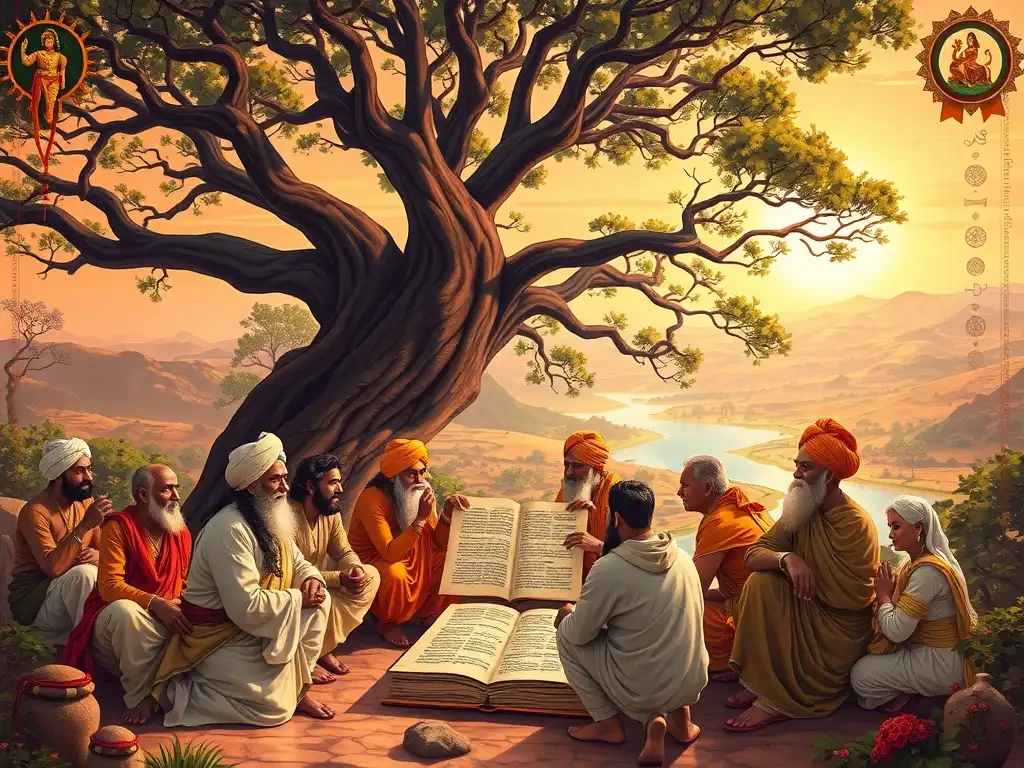
The Mahabharata is not merely an epic narrative; it serves as a profound philosophical and spiritual text that has influenced various aspects of Indian thought and practice. Its intricate storylines, characters, and teachings have laid the groundwork for moral and ethical discussions that transcend time and geography. Central to its philosophy are the concepts of dharma (duty/righteousness), karma (action and consequence), and moksha (liberation), which resonate deeply within the spiritual fabric of Indian culture.
The epic explores the complexities of human nature and the moral dilemmas faced by its characters, providing a canvas for philosophical inquiry. For instance, the discourse between Krishna and Arjuna in the Bhagavad Gita, a part of the Mahabharata, delves into selflessness, righteousness, and the nature of reality, making it a vital text for both philosophical inquiry and spiritual guidance. This dialogue has inspired numerous interpretations and has become a cornerstone for various schools of Indian philosophy.
Philosophical Lessons from Regional Interpretations
Different regions of India have interpreted the philosophical lessons of the Mahabharata through their unique cultural lenses. In the northern states, for example, the emphasis is often placed on the concept of dharma, where the epic is viewed as a guide to ethical living and decision-making in society. The characters are seen as embodiments of various virtues and vices, prompting discussions about moral conduct and the challenges of upholding dharma in a complex world.
In contrast, southern interpretations frequently highlight the emotional and devotional aspects of the narrative, focusing on the relationships between characters. The Bhakti movement, which emerged in the South, draws heavily on the personal devotion to deities depicted in the Mahabharata, fostering a sense of intimacy and connection with divine principles. This regional variance enriches the philosophical discourse, allowing for a multifaceted understanding of the text's teachings.
Religious Significance in Different Cultural Contexts
The Mahabharata holds considerable religious significance across various cultural contexts in India. For Hindu communities, it is not just an epic but a sacred text that provides teachings on life, ethics, and spirituality. The narratives surrounding deities such as Krishna and the Pandavas serve as allegories for divine intervention in human affairs, reinforcing the belief in a higher power guiding moral choices.
In regions like West Bengal, the Mahabharata is intertwined with local traditions and festivals, integrating its teachings into the fabric of everyday life. The performance of the Mahabharata through traditional dances and plays during festivals illustrates its role in both religious observance and community bonding. Additionally, various sects of Hinduism interpret the epic in diverse ways, emphasizing different characters or events to suit their theological perspectives, thus amplifying its religious relevance across India.
Modern Adaptations of the Mahabharata
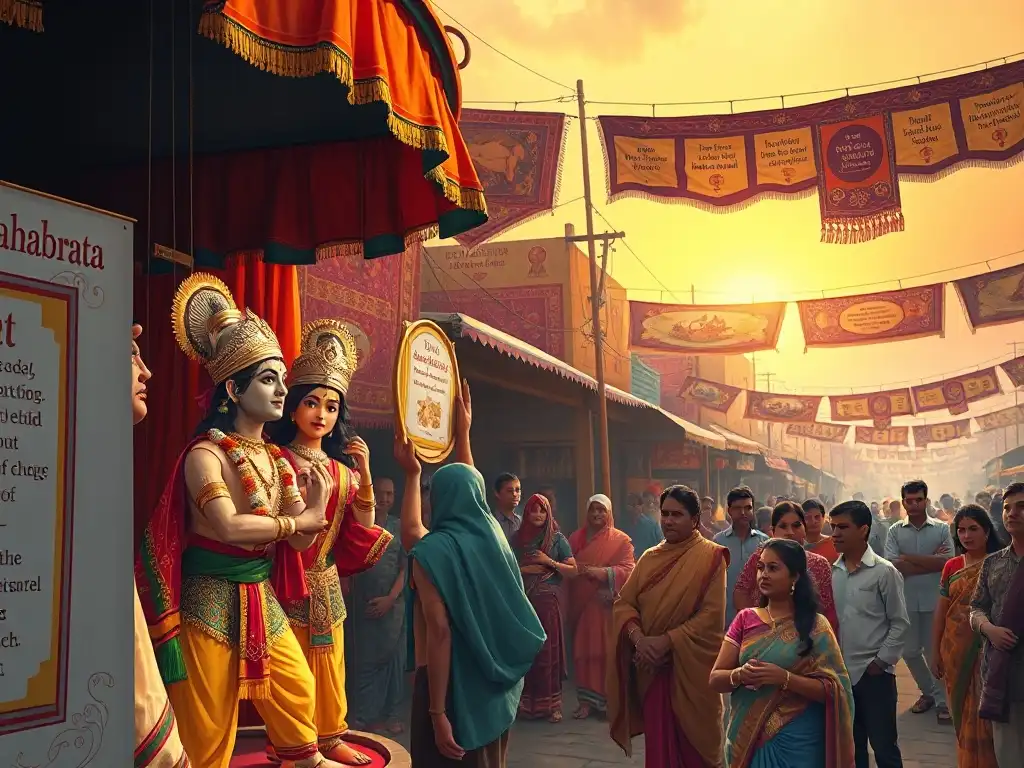
As society evolves, so too does the interpretation of the Mahabharata. Modern adaptations reflect contemporary issues, reinterpreting the epic’s themes to resonate with today’s audience. These adaptations often explore the timelessness of the Mahabharata’s ethical quandaries and human experiences, bridging the gap between ancient wisdom and modern sensibilities.
Film and Television Representations
Film and television have played a pivotal role in popularizing the Mahabharata, bringing its complex narratives and characters to a broader audience. Iconic adaptations, such as the television series produced in the late 1980s, introduced generations to the epic's grandeur and moral dilemmas. These adaptations often take creative liberties, emphasizing certain aspects of the story to highlight contemporary themes such as justice, loyalty, and family dynamics.
Recent films and series continue this trend, exploring gender roles, social justice, and the consequences of power struggles, thus making the Mahabharata relevant to modern viewers. The use of advanced technology in storytelling also enables innovative portrayals of battles and divine interventions, captivating audiences while preserving the epic's core messages.
Literary Reimaginings in Contemporary Indian Literature
Contemporary Indian literature has seen a surge in reimaginings of the Mahabharata, with authors exploring alternative narratives and perspectives. Writers such as Chitra Banerjee Divakaruni and Anand Neelakantan have crafted retellings that delve into the lives of lesser-known characters, providing fresh insights into the epic’s events. These adaptations often challenge traditional interpretations, questioning established norms and shedding light on themes of power, gender, and morality.
Such literary endeavors not only celebrate the Mahabharata's rich narrative but also engage with pressing social issues, making the epic accessible to new generations. By recontextualizing these age-old stories, contemporary authors invite readers to reflect on their relevance in today’s world, fostering a dialogue between the past and present.
The Mahabharata in Global Contexts
The influence of the Mahabharata extends beyond the borders of India, finding resonance in global contexts. Scholars and artists around the world have drawn inspiration from its themes and characters, creating works that reflect universal human experiences. The epic's exploration of conflict, ethics, and the complexities of duty strikes a chord with audiences regardless of cultural background.
International adaptations, such as plays, films, and literary works, often reinterpret the Mahabharata through various cultural lenses, allowing for a diverse range of interpretations. This global engagement not only highlights the epic's universal relevance but also fosters cross-cultural dialogue, encouraging a deeper understanding of the narratives and philosophies that underpin the Mahabharata.
Conclusion
The Mahabharata stands as one of the most significant epics in Indian literature and culture, transcending time and geographical boundaries. Its narrative, rich in moral dilemmas, philosophical inquiries, and complex characters, has found diverse interpretations across various regions of India. Each cultural lens offers unique insights into the themes and teachings of the Mahabharata, reflecting the local customs, beliefs, and values. This ongoing dialogue between the text and its interpreters ensures that the Mahabharata remains a living document, relevant to contemporary society and its challenges.
The interpretations of the Mahabharata not only highlight regional identities but also foster a sense of unity in diversity within India. As scholars and practitioners continue to explore the epic, they contribute to a deeper understanding of its multifaceted nature and its role in shaping Indian cultural heritage. The future of Mahabharata studies promises to be vibrant and expansive, paving the way for new interpretations and adaptations.
The Enduring Legacy of the Mahabharata in Indian Culture
The Mahabharata has left an indelible mark on Indian culture, influencing art, theater, dance, and literature. Its characters, such as Krishna, Arjuna, and Draupadi, have become archetypes, symbolizing various human traits and dilemmas. These figures frequently appear in regional folklore, festivals, and rituals, showcasing their relevance in everyday life.
In literature, the Mahabharata has inspired countless retellings and adaptations in various languages, each offering a fresh perspective on the timeless themes of duty, justice, and righteousness. The epic's moral and ethical teachings continue to be invoked in contemporary discussions on governance, personal conduct, and social justice, demonstrating its enduring legacy.
Moreover, the Mahabharata's influence extends to performing arts, with traditional forms like Kathakali, Yakshagana, and Bharatanatyam often depicting scenes from the epic. Each performance not only entertains but also educates audiences about the epic's profound philosophical insights and cultural significance.
Future Directions for Mahabharata Studies in Different Regions
As the study of the Mahabharata evolves, several future directions emerge that promise to enrich our understanding of this epic. One significant area is the exploration of regional adaptations, focusing on how local cultures reinterpret the narrative to reflect their own social and political contexts. This could involve comparative analyses of different versions, highlighting both similarities and unique characteristics.
Additionally, interdisciplinary approaches that incorporate perspectives from anthropology, sociology, and gender studies can provide a more comprehensive understanding of the Mahabharata's impact across various communities. Investigating how different demographics, including women, marginalized groups, and indigenous communities, engage with the text could unveil new interpretations and insights.
Another promising direction is the use of digital humanities tools to analyze texts, performances, and visual representations of the Mahabharata. These technologies can aid in preserving oral traditions and regional performances, ensuring that diverse interpretations are documented and accessible for future generations.
References
Key Texts and Resources for Further Reading on the Mahabharata
- The Mahabharata translated by R. K. Narayan – A widely accessible version that retains the essence of the epic while being engaging for modern readers.
- Mahabharata: An Inquiry in the Human Condition: by Ramesh Menon – A contemporary retelling that delves into the philosophical underpinnings of the epic.
- The Mahabharata: A Reader: edited by John Brockington – A compilation of critical essays providing various scholarly perspectives on the Mahabharata.
Scholarly Articles on Mahabharata Cultural Interpretations in India
- "Regional Interpretations of the Mahabharata: A Study of Local Adaptations" by Anjali Desai – An insightful article examining how different regions have uniquely interpreted the epic.
- "Gender Dynamics in the Mahabharata: A Feminist Perspective" by Vandana Singh – This paper explores the roles of female characters and their cultural significance within the epic.
- "The Mahabharata in Contemporary Indian Society: Relevance and Adaptation" by Ravi Kumar – A discussion on how the epic is interpreted and adapted in modern Indian culture, addressing contemporary social issues.
- Introduction to the Mahabharata
- Regional Interpretations of the Mahabharata
- Themes and Motifs in Regional Interpretations
- Performance Arts and the Mahabharata
- The Mahabharata's Influence on Philosophy and Spirituality
- Philosophical Lessons from Regional Interpretations
- Religious Significance in Different Cultural Contexts
- Modern Adaptations of the Mahabharata
- Conclusion
- References
Frequently Asked Questions
What is the Mahabharata?
The Mahabharata is an ancient Indian epic that narrates the story of the Kurukshetra War and the fates of the Kaurava and Pandava princes, reflecting the moral dilemmas and philosophical inquiries of the time.
How have cultural interpretations of the Mahabharata varied in India?
Cultural interpretations of the Mahabharata in India vary significantly by region, with local traditions, languages, and beliefs influencing the storytelling styles and emphases, showcasing the epic's diverse impact on Indian culture.
What are some key themes explored in the Mahabharata?
The Mahabharata explores themes such as dharma (duty/righteousness), karma (action and consequence), and the complexities of human relationships, providing timeless insights into ethical questions and societal norms.
How does the Mahabharata influence contemporary Indian culture?
The Mahabharata continues to influence literature, theater, and television in contemporary India, with adaptations that emphasize its relevance to modern social and moral issues, thus keeping the epic's teachings alive.
Why is the Mahabharata significant in the study of ancient Indian history?
The Mahabharata is significant as it offers a comprehensive view of ancient Indian society, including its politics, philosophy, and cultural practices, serving as a lens through which historians can understand the historical context of the time.
Final Reflection: The Enduring Legacy of the Mahabharata Across India
The Mahabharata remains a vital cultural touchstone in India, illustrating the intricate tapestry of human emotions, moral dilemmas, and societal values that resonate even today. Its interpretations across various regions not only highlight the diversity of Indian culture but also underscore a universal quest for understanding the complexities of life. As we navigate our modern world, the lessons embedded within this epic continue to inspire and challenge us, reminding us of our shared humanity and the timeless nature of its narratives.
Cultural interpretations of the Mahabharata have shaped regional identities and fostered a sense of belonging among communities. The epic's adaptability allows it to reflect local customs, beliefs, and values, making it a living document that evolves with society. As noted by scholar Ramesh Menon, “The Mahabharata is not just a story; it is a mirror reflecting the myriad shades of human experience.” This ongoing dialogue between the text and its interpreters illustrates how the Mahabharata remains relevant, providing insights into our struggles and triumphs as individuals and as a society.
As you reflect on the themes and interpretations of the Mahabharata, consider how its lessons can be woven into your own life. Embrace the complexity of your own narratives, and let the wisdom of this ancient epic guide you in navigating the challenges you face. Whether through storytelling, art, or personal reflection, engage with the Mahabharata's teachings and allow them to inspire your journey, fostering a deeper understanding of yourself and the world around you.
Unveil the Rich Tapestry of the Mahabharata Across India!
Thank you for diving deep into the fascinating interpretations of the Mahabharata! Your exploration of this epic not only expands your understanding but also enriches your connection to India’s diverse cultural heritage. Now that you have uncovered the layers of this legendary text, it’s time to take your journey further.
Here are some actionable steps to deepen your engagement with the Mahabharata:
- Join a discussion group or online forum focused on Mahabharata interpretations to share insights and perspectives with others.
- Visit local libraries or bookstores to discover regional adaptations or retellings that might offer unique viewpoints on the epic.
- Consider hosting a storytelling session with friends or family, where you can narrate different interpretations of the Mahabharata and discuss their meanings.
What aspect of the Mahabharata’s regional interpretations resonates with you the most, and how do you see it influencing modern narratives?