
Rituals of Remembrance: Honoring Ancestors in Ancient Indian Culture

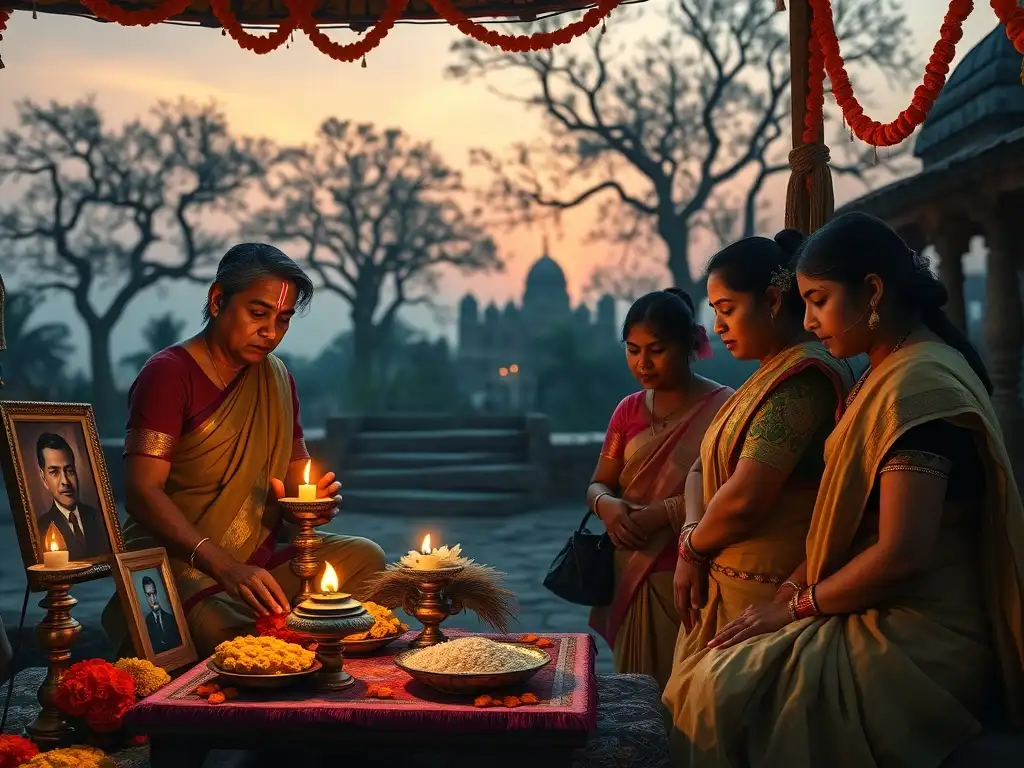
Welcome to Ancient India History, where we delve into the rich tapestry of our past! Here, you’ll uncover the fascinating Ancient Indian ancestor rituals that served not just as a means of remembrance, but as a vibrant expression of cultural identity. Our feature article, "Rituals of Remembrance: Honoring Ancestors in Ancient Indian Culture," opens a window into the heart of ancient traditions, revealing how these sacred practices shaped communities and preserved legacies.
Join us as we explore the profound connections between the living and the departed, and ignite your curiosity about the remarkable contributions of ancient Indian civilizations. Dive deeper with us and discover the stories waiting to be told!
- Introduction to Ancient Indian Ancestor Rituals
- Historical Context of Ancestor Rituals in Ancient India
- Key Ancient Indian Ancestor Rituals
- Symbolism and Beliefs in Ancestor Worship
- Regional Variations of Ancestor Rituals in Ancient India
- Legacy of Ancestor Rituals in Modern India
- Conclusion: The Enduring Importance of Ancestor Rituals in Ancient Indian Culture
-
Frequently Asked Questions
- What are ancient Indian ancestor rituals?
- How did rituals vary among different ancient Indian civilizations?
- What is the significance of ancestor worship in ancient Indian culture?
- Are there specific festivals dedicated to honoring ancestors in ancient India?
- How do these ancient rituals influence modern practices in India?
- Final Reflection: The Enduring Legacy of Ancient Indian Ancestor Rituals
- Embrace Your Heritage Today!
Introduction to Ancient Indian Ancestor Rituals
In the tapestry of ancient Indian culture, the rituals of remembrance hold a profound and sacred place, reflecting a deep reverence for ancestors. These practices serve not only to honor those who have passed but also to maintain a vital connection between the living and the deceased.
Ancient Indian ancestor rituals are steeped in rich traditions that span millennia, encompassing a variety of ceremonies and customs that illustrate the importance of familial bonds and the continuity of lineage. This exploration delves into the significance of ancestor worship, the diverse rituals associated with it, and how these practices have shaped the spiritual and cultural landscape of ancient India.
Understanding the Significance of Ancestor Worship in Ancient India
Ancestor worship in ancient India was more than just a religious obligation; it was a vital expression of cultural identity and social cohesion. The veneration of ancestors was based on the belief that the spirits of the deceased continued to influence the lives of their descendants. This connection fostered a sense of responsibility among the living to uphold family honor and ensure the well-being of their forebears in the afterlife.
- Cultural Beliefs and Practices:
- The belief in reincarnation and karma shaped the understanding of life and death.
- Ancestors were seen as guardians and protectors, whose blessings were sought for prosperity and success.
- Rituals as a Means of Communication:
- Rituals served as a medium for maintaining communication with ancestors.
- Offerings, prayers, and ceremonies were conducted to express gratitude and seek guidance.
- Social Structure and Ancestral Ties:
- Ancestral worship reinforced social hierarchies and familial structures within communities.
- The performance of rituals was often a communal activity, fostering unity and cooperation.
Overview of Rituals of Remembrance in Ancient Indian Culture
The rituals of remembrance in ancient India varied widely across regions, communities, and time periods, each with its unique customs and practices. However, several key rituals stand out as fundamental to the honoring of ancestors:
- Shraddha Ceremony:
- A crucial ritual performed during the lunar month of Pitru Paksha.
- Involves offerings of food and water to ancestors, symbolizing nourishment for their spirits.
- Pind Daan:
- A specific offering made to the deceased, typically using rice balls (pind).
- Represents the sustenance provided to ancestors in the afterlife.
- Tarpan:
- A ritual involving the offering of water and sesame seeds to appease the souls of ancestors.
- Often performed on special occasions, such as festivals or family gatherings.
- Family Gatherings:
- Rituals often included family reunions, where stories of ancestors were shared, reinforcing bonds and cultural heritage.
These practices highlight the intricate relationship between the living and the dead in ancient Indian culture, illustrating how rituals of remembrance not only pay tribute to ancestors but also serve as a means of cultural continuity and identity. Through these ancestral rituals, the teachings and values of previous generations continue to resonate within the fabric of contemporary Indian society.
Historical Context of Ancestor Rituals in Ancient India
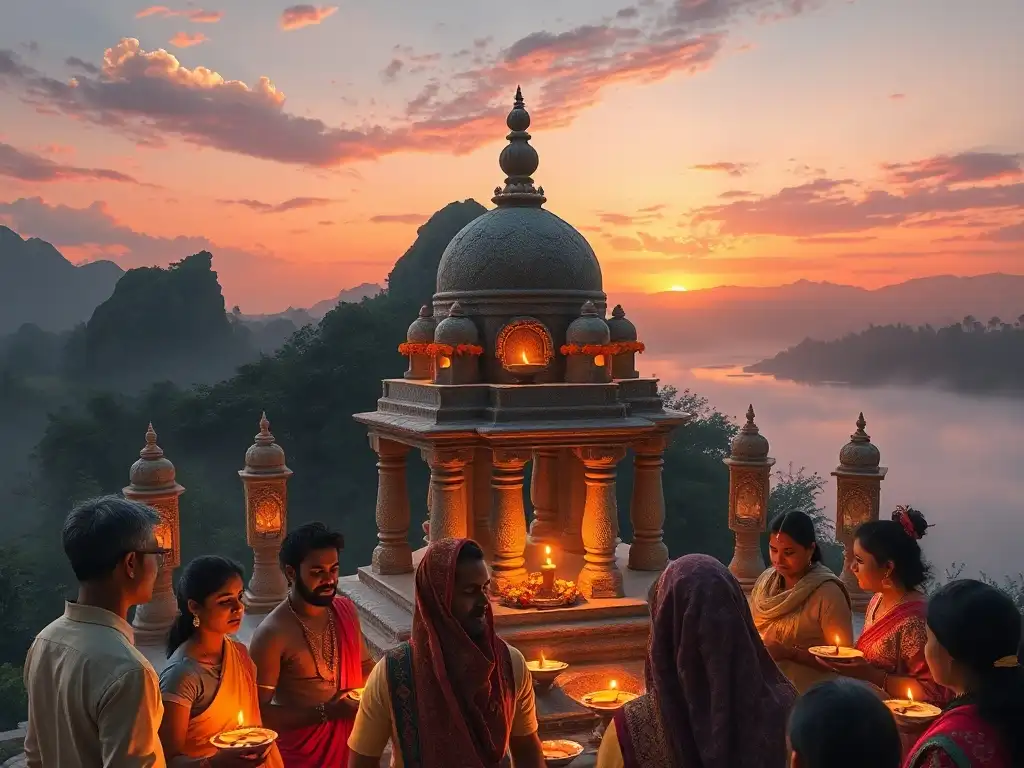
Rituals of remembrance and ancestor worship have played a significant role in shaping the spiritual and cultural landscape of ancient Indian society. These practices were deeply rooted in the philosophical and religious beliefs of the time, reflecting the reverence for lineage and the continuity of familial bonds. The earliest records indicate that ancestor worship in India can be traced back to the Vedic period, where rituals were performed to honor deceased family members, ensuring their presence and blessings in the lives of the living.
The significance of these rituals was not merely relegated to spiritual aspects; they served as a vital social function, reinforcing kinship ties and community cohesion. The belief in the afterlife and the ongoing relationship between the living and the dead influenced various aspects of daily life, leading to the establishment of specific ceremonies and observances, such as Shraddha, an important rite dedicated to ancestors. These practices were intended to provide spiritual merit to the deceased, ensuring their well-being in the afterlife, and were often accompanied by offerings of food, water, and other necessities.
The Role of Ancestors in Ancient Indian Society
Ancestors were revered figures in ancient Indian culture, often perceived as protectors and guides for their descendants. Their significance extended beyond mere memory; they were believed to have a direct influence on the fortunes of the living. This belief manifested in various ways:
- Spiritual Guardianship: Ancestors were viewed as custodians of family traditions, values, and wisdom. Their guidance was sought in times of decision-making and crisis.
- Cultural Continuity: The rituals surrounding ancestor worship facilitated the transmission of cultural heritage from one generation to the next, ensuring that family stories, practices, and teachings were preserved.
- Community Bonds: Regular observance of ancestor rituals fostered community spirit. Families would gather to perform these rites, strengthening social ties and collective identity.
The importance of these rituals is further highlighted by their integration into significant life events, such as births, marriages, and festivals. Ancestral blessings were considered essential for auspicious beginnings, and families often consulted their ancestors during these milestones.
Influences of Various Civilizations on Ancestor Worship Practices
The rituals associated with ancestor worship in ancient India were influenced by a myriad of cultures and civilizations, leading to a diverse tapestry of practices. Notably, the following influences shaped these rituals:
- Indus Valley Civilization: Archaeological findings suggest that early forms of ancestor worship may have existed as far back as the Indus Valley Civilization, with evidence of burial practices and possibly ritual offerings.
- Vedic Traditions: The Vedic texts laid the foundation for many ancestor rituals, introducing concepts such as Pitṛs (ancestors) and the significance of rituals like Pind Daan, where offerings are made to ensure the peace of the departed souls.
- Buddhism and Jainism: These religions also contributed to the evolution of ancestor rituals. Concepts of karma and rebirth influenced how ancestors were perceived, shifting the focus towards ethical living and spiritual merit.
- Regional Variations: Different regions in India developed unique practices influenced by local beliefs and customs. For instance, in South India, the Mahalaya Amavasya is a significant day for honoring ancestors, showcasing the local adaptations of broader ancestral worship practices.
The rituals of remembrance in ancient Indian culture were multifaceted, deeply embedded in society, and influenced by various civilizations. These rituals not only honored the deceased but also served to strengthen familial and communal bonds, reflecting the profound respect for ancestry that permeated ancient Indian life.
Key Ancient Indian Ancestor Rituals
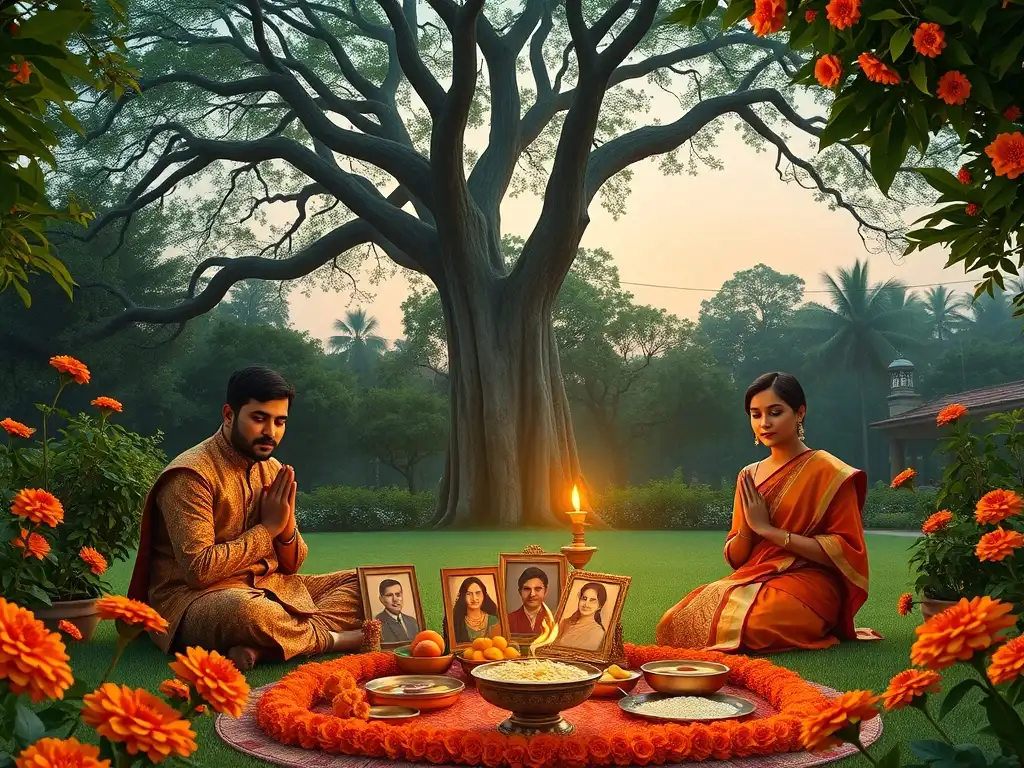
Ancient Indian ancestor rituals, deeply rooted in the spiritual and cultural fabric of the civilization, serve as a profound means to honor and remember those who have passed. These rituals reflect the belief in the continuity of life and the importance of maintaining a connection with ancestors. Among the most significant of these rituals are Shraddha and Pitru Paksha, which embody the reverence for forebears and the teachings they imparted.
Shraddha: The Essential Ancestor Ritual
Description and Purpose of Shraddha
Shraddha is a pivotal ritual in ancient Indian culture, primarily aimed at honoring deceased ancestors. The term "Shraddha" derives from the Sanskrit word "śraddhā," which translates to faith or devotion. This ritual embodies the belief that performing acts of devotion for ancestors helps ensure their peace in the afterlife and enables them to bless their descendants.
The purpose of Shraddha goes beyond mere remembrance; it is considered a means to express gratitude and seek forgiveness for any transgressions that may have occurred during the ancestors' lifetime. By performing this ritual, practitioners believe they provide their ancestors with sustenance in the form of offerings, thus maintaining a vital link between the living and the dead.
Key Components of the Shraddha Ceremony
The Shraddha ceremony typically involves several key components, each designed to honor the ancestors effectively:
- Tarpana (Water Offering): A sacred act where water is offered to appease the ancestors. This is often accompanied by the chanting of specific mantras.
- Food Offerings: Various types of food, particularly rice mixed with ghee, are prepared and offered to the ancestors. It is believed that the soul of the ancestor consumes the essence of these offerings.
- Recitation of Mantras: Specific verses from ancient texts are recited during the ceremony to invoke blessings and express reverence towards the ancestors.
- Performing Prayers: The ritual often includes prayers seeking peace and liberation for the souls of the departed ancestors.
- Feeding Brahmins: In many traditions, feeding Brahmins (priests) is considered auspicious, as it symbolizes giving and sharing with the community in honor of the ancestors.
These elements collectively create a sacred atmosphere that not only honors the ancestors but also reinforces the moral and ethical values that they imparted to their descendants.
Pitru Paksha: The Fortnight of Ancestor Remembrance
Significance of Pitru Paksha in Ancient Indian Culture
Pitru Paksha, a significant period in the Hindu calendar, is dedicated to the remembrance of ancestors. Traditionally observed during the lunar month of Bhadrapada, it lasts for fifteen days, starting from the full moon day (Purnima) and concluding on the new moon day (Amavasya). This time is believed to be particularly potent for honoring ancestors, as it is said that during this fortnight, the spirits of the departed are most receptive to the offerings made by their descendants.
The significance of Pitru Paksha lies in its emphasis on gratitude and remembrance. It serves as a reminder to the living about their responsibilities towards their ancestors and the importance of familial bonds, transcending even the boundaries of life and death.
Rituals Observed During Pitru Paksha
During Pitru Paksha, various rituals are practiced to honor ancestors, including:
- Tarpana: Similar to Shraddha, Tarpana is performed daily during this period, where water and rice balls (pindas) are offered to the souls of the departed.
- Pitru Tarpana: This is a specific ritual dedicated to the ancestors, where families gather to perform collective prayers and offerings.
- Feasting: Families prepare meals and share them in honor of their ancestors, emphasizing the idea of providing sustenance.
- Visiting Sacred Places: Many individuals undertake pilgrimages to sacred sites, performing rituals to ensure that their ancestors are honored in holy places.
- Charity and Almsgiving: It is customary to donate food, money, or goods to the needy during Pitru Paksha, reflecting the values of compassion and gratitude towards the deceased.
Both Shraddha and Pitru Paksha are integral to the rich tapestry of ancient Indian ancestor rituals, reinforcing the cultural belief in honoring the past while nurturing the present. These practices not only keep the memories of ancestors alive but also instill a sense of responsibility and continuity among generations.
Other Notable Ancestor Rituals in Ancient India
Ancient Indian ancestor rituals are deeply rooted in the belief that the deceased continue to exist in a spiritual form and that honoring them can aid their peace and well-being in the afterlife. Beyond the well-known Shraddha ceremony, various other rituals showcase the reverence for ancestors, each with unique cultural significance and practices. These rituals not only reflect the spiritual connection between the living and the dead but also underscore the importance of familial bonds and responsibilities in ancient Indian society.
Tarpan: The Offering of Water
Tarpan is a vital ritual performed in honor of ancestors, particularly during the Pitru Paksha, a fortnight dedicated to paying respects to deceased family members. This ritual involves offering water mixed with sesame seeds, barley, and sometimes rice to the spirits of ancestors.
- Significance: The act of offering water is believed to provide sustenance to the souls of ancestors, ensuring they receive the necessary nourishment in the afterlife. It symbolizes the living’s gratitude and respect toward their forebears.
- Ritual Process: Typically conducted at riverbanks or sacred water bodies, the ritual begins with the individual reciting specific mantras and invoking the names of their ancestors. After the offerings are made, participants often perform a series of prayers requesting peace and blessings for their ancestors.
- Cultural Variations: While Tarpan is predominantly observed in Hindu traditions, variations exist across different regions of India. In some communities, additional offerings such as flowers and fruits may accompany the water.
Narayan Bali: Rituals for Deceased Ancestors
Narayan Bali is a significant ancestor ritual aimed at appeasing the souls of the deceased who may have met untimely or unnatural deaths. This ceremony is thought to alleviate any suffering their spirits might endure and to ensure they find peace.
- Purpose and Beliefs: The belief is that certain deaths, such as those caused by accidents or violence, may leave the souls restless. The Narayan Bali ritual aims to liberate these souls, allowing them to move on to their next life instead of remaining tied to the earthly realm.
- Ceremonial Practices: The ritual typically involves the preparation of a symbolic offering that represents the deceased, often in the form of a rice ball or similar item. Priests recite specific mantras and conduct rituals to invite the presence of deities, particularly Lord Vishnu, to assist in the liberation of the soul.
- Wider Implications: Narayan Bali is not only about appeasing the ancestors but also serves to promote harmony and balance within the family. It acts as a reminder of the fragility of life and the importance of honoring those who have passed on.
These rituals, among others, illustrate the complex tapestry of beliefs and practices surrounding ancestor veneration in ancient India. They highlight the deep-seated cultural values of respect, remembrance, and the ongoing connection between generations.
Symbolism and Beliefs in Ancestor Worship
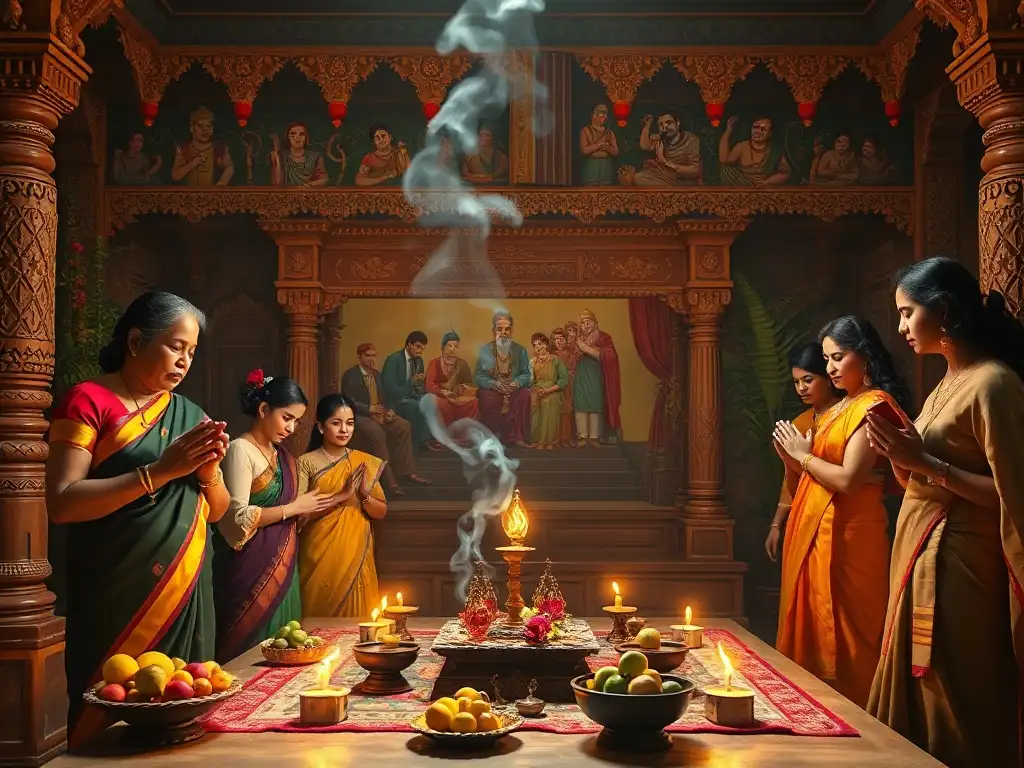
Spiritual Beliefs Surrounding Ancestors in Ancient India
In ancient Indian culture, ancestor worship was deeply intertwined with spiritual beliefs that emphasized the ongoing connection between the living and the deceased. The reverence for ancestors is rooted in the conviction that they continue to influence the lives of their descendants, guiding them through challenges and bestowing blessings upon them. This belief system is reflected in the term "Pitr," which refers to ancestors in Sanskrit, symbolizing the respect and honor accorded to those who have passed on.
The notion that ancestors reside in a spiritual realm, influencing the material world, is central to many ancient Indian traditions. It was believed that neglecting the ancestors could lead to their displeasure, resulting in misfortune or ill fate for the living family members. Thus, regular rituals and ceremonies to honor them were considered essential for maintaining familial harmony and prosperity.
Moreover, the practice of Shraddha, a ritual performed to appease the ancestors, underscores this spiritual connection. During these ceremonies, offerings of food, water, and other items are made, signifying not only respect but also a belief in the sustenance of the ancestors' spirits. This ritual serves as a bridge between the physical and spiritual worlds, reinforcing the idea that the past continues to shape the present.
Symbolic Offerings and Their Meanings in Ancestor Rituals
The offerings made during ancestor rituals in ancient India are rich with symbolism and hold significant meaning. Each item presented during these ceremonies serves a purpose, reflecting the values and beliefs surrounding the connection between the living and the deceased.
- Food Offerings:
- Rice: Symbolizes nourishment and sustenance. It is often offered as a primary food item during Shraddha, representing the ongoing relationship between the living and their ancestors.
- Lentils: These are considered purifying and are offered to invoke blessings. They signify the importance of sustenance and the provision of needs, both in this life and the next.
- Water:
- Water is essential in many rituals, symbolizing purity and the flow of life. It is offered to ancestors during ceremonies as a means of quenching their thirst, believed to be vital for their peace in the afterlife.
- Flowers:
- Fresh flowers are often included in rituals as a symbol of beauty and transience. They represent the impermanence of life and the importance of remembering those who have passed. Flowers are thought to please the spirits and invite their presence during the rituals.
- Coconut:
- The coconut is considered a sacred offering, symbolizing the selfless service of the devotee. Its hard shell represents the physical body, while the water inside symbolizes the spirit. Offering a coconut signifies the surrender of one’s ego to the ancestors.
- Ghee (Clarified Butter):
- Ghee is a symbol of purity and is often used in fire rituals. Its offering is believed to enhance the efficacy of prayers and acts as a medium that carries the offerings to the ancestral spirits.
These symbolic offerings reflect the deep-rooted beliefs in ancient Indian ancestor rituals, emphasizing respect, remembrance, and the continuity of familial bonds across generations. Through these practices, the living honor their ancestors, ensuring that their legacies endure and that their spirits remain a vital part of the family's spiritual and cultural identity.
Regional Variations of Ancestor Rituals in Ancient India
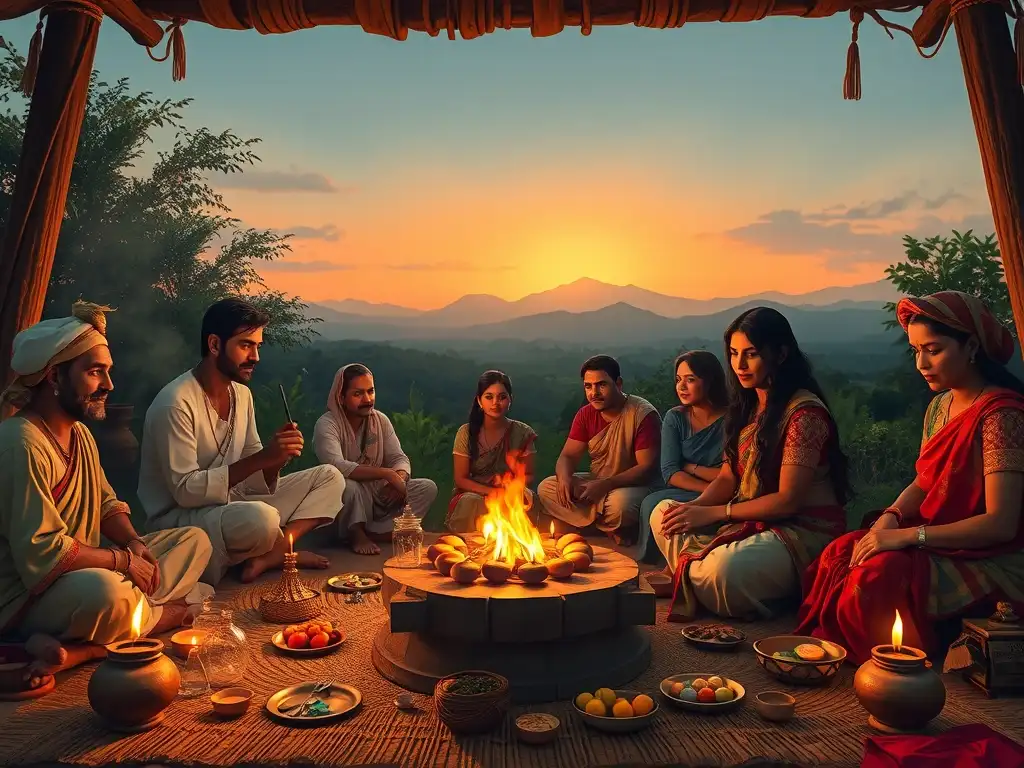
How Different Regions Practiced Ancestor Worship
Ancient Indian ancestor rituals varied significantly across different regions, reflecting the diverse cultural landscapes of the subcontinent. Each region developed unique practices rooted in local customs, beliefs, and social structures.
- Northern India:
- In regions such as Punjab and Uttar Pradesh, rituals often involved elaborate offerings during specific festivals like Pitru Paksha. Families would prepare special meals and offer them to their ancestors, believing that the spirits would partake in the essence of the food.
- The Tarpan ritual, which included the offering of water and rice to the ancestors, was a common practice. This ritual was performed preferably at sacred rivers, such as the Ganges, where it was believed that the waters could purify the offerings.
- Southern India:
- The South had its own distinctive practices, where the Shraddha ceremony took center stage. Families would perform this ritual annually, usually during the month of Bhadrapada.
- Unique to Tamil Nadu, the Puthandu festival involved ancestral worship, where offerings of Pongal (a rice dish) were made to honor deceased family members.
- Eastern India:
- In West Bengal, the Mahalaya festival marked the arrival of the goddess Durga and served as a time for remembering ancestors. Families would perform rituals to ensure their ancestors' souls found peace and could bless the living.
- Rituals often included reciting the Chandi Path, a sacred text, to invoke blessings from ancestors.
- Western India:
- The state of Gujarat had unique rituals that involved community gatherings and collective remembrance of ancestors. Annakut, a festival where food is offered to deities, also extended to honoring ancestors.
- In Maharashtra, families would gather during Pitra Paksha to offer special dishes, particularly Modak, believed to be favored by the ancestors.
Unique Rituals and Traditions in Various Indian Cultures
The cultural diversity of India is mirrored in the variety of ancestor rituals practiced across its vast regions. These rituals not only honor the deceased but also reinforce social bonds within families and communities.
- Punjab:
- The Sukhmani Sahib is often recited as a form of prayer for the departed souls, emphasizing peace and serenity for the ancestors.
- Bengal:
- The practice of Brahmin Bhoj, where Brahmins are invited for a feast to honor ancestors, showcases the integral role of community in remembering those who have passed.
- Rajasthan:
- The Chaurasi ritual involves the construction of a memorial for the deceased, where families gather to remember and celebrate their ancestors' lives.
- Madhya Pradesh:
- The Gond tribes hold rituals involving dance and music, celebrating the spirits of their ancestors, which underscores the connection between the living and the spiritual realm.
These regional variations illustrate how Ancient Indian ancestor rituals are deeply intertwined with local customs, beliefs, and landscapes, reflecting a rich tapestry of cultural heritage. By honoring their ancestors, communities across India maintain a vital link to their history and identity, fostering a sense of belonging that transcends generations.
Legacy of Ancestor Rituals in Modern India
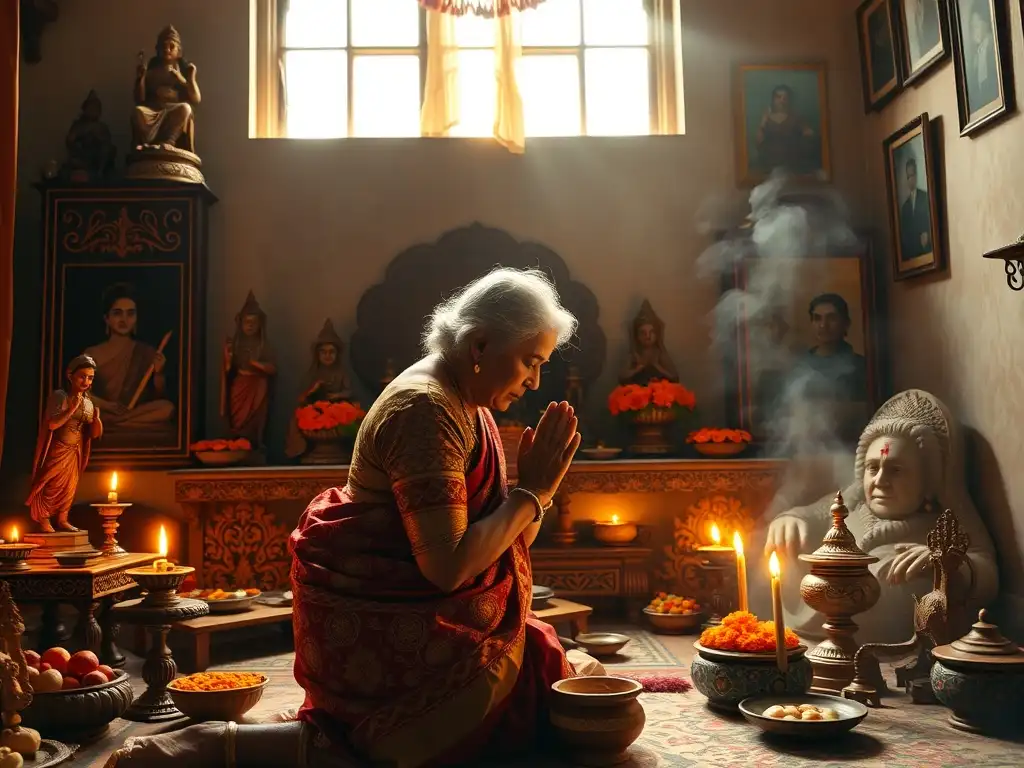
The legacy of ancestor rituals in modern India can be traced back to the profound traditions established in ancient Indian civilizations. These rituals, deeply rooted in the spiritual and cultural fabric of society, highlight a collective memory that transcends generations. The enduring respect for ancestors is evident in various practices observed across different regions of India, which continue to honor the contributions and sacrifices of forebears.
Continuation of Ancient Indian Ancestor Rituals Today
Many contemporary rituals performed in India have their origins in ancient practices. For instance, the Shraddha ceremony, a key component of honoring ancestors, remains a prominent aspect of Hindu culture. This ritual, which involves offerings to ancestors, is observed during the Pitru Paksha period, a time dedicated to remembering and paying respects to deceased family members.
- Common Practices:
- Offering Food: Families prepare special meals that are offered to the spirits of their ancestors. This act symbolizes nourishment and respect.
- Tarpan: A ritual involving water offerings, where individuals pour water while reciting mantras to invoke the spirits of their ancestors.
- Pind Daan: The act of placing rice balls (pind) as offerings signifies the sustenance provided to the departed souls.
- Regional Variations:
- In South India, the Mahalaya Amavasya is a significant day for honoring ancestors, with families engaging in elaborate rituals.
- In Bengal, the Mahalaya festival is marked by the chanting of hymns and the performance of rituals that invoke the blessings of ancestors.
These practices show how ancient Indian ancestor rituals not only persist but have adapted to contemporary contexts, maintaining their significance in modern spiritual life.
The Impact of Ancient Rituals on Contemporary Indian Culture
The influence of ancient ancestor rituals on contemporary Indian culture is multifaceted. These rituals serve as a means of cultural continuity, connecting modern practitioners with their historical roots. The values of respect, remembrance, and familial bonds are emphasized through these practices, fostering a sense of community and identity.
- Cultural Identity:
- The observance of ancestor rituals reinforces a shared cultural identity among communities, linking individuals to their lineage and history. This connection is crucial in maintaining the social fabric of Indian society.
- Psychological and Emotional Aspects:
- Engaging in these rituals provides emotional solace and a sense of closure for families dealing with loss. The act of remembering and honoring ancestors offers comfort and helps individuals navigate grief.
- Integration with Festivals:
- Many ancestor rituals are intertwined with major Indian festivals, such as Diwali and Chhath Puja, further embedding them in the cultural consciousness. The rituals enhance the festive spirit while also serving a spiritual purpose.
- Evolving Practices:
- Modern interpretations of these rituals reflect changing social dynamics, including urbanization and globalization. While some practices remain traditional, others have evolved to incorporate new beliefs and values, demonstrating the adaptability of ancient customs.
The legacy of ancient Indian ancestor rituals continues to be a vital part of modern Indian culture, shaping identities, fostering connections, and preserving the memory of those who came before. As these rituals evolve, they remain a testament to the enduring significance of honoring one’s ancestors in the rich tapestry of Indian history.
Conclusion: The Enduring Importance of Ancestor Rituals in Ancient Indian Culture
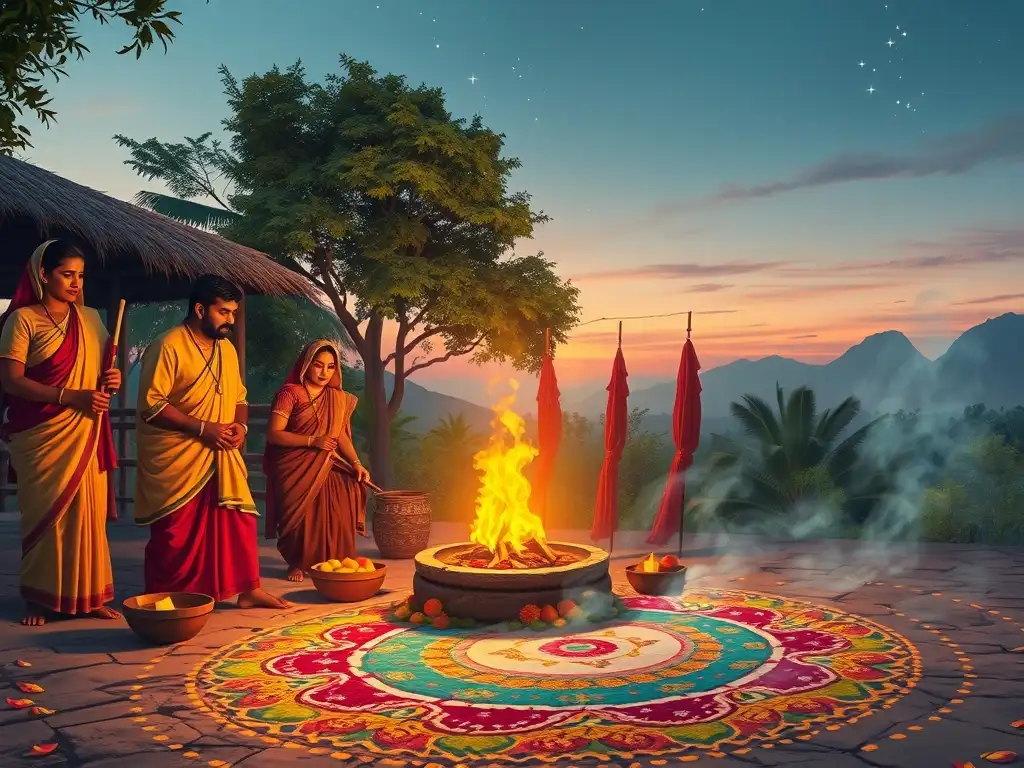
Reflecting on the Spiritual Legacy of Ancestors in Indian Traditions
The rituals honoring ancestors in ancient Indian culture reflect a profound respect for the spiritual legacy left behind by previous generations. These practices, deeply embedded in various traditions, serve as a bridge between the living and the deceased. They are not merely ceremonial acts but embody a philosophy that emphasizes the continuity of life and the importance of familial bonds.
- Cultural Significance: The ancestor rituals, such as Shraddha and Pitru Paksha, are rooted in the belief that the deceased continue to exist in a different realm. By performing these rituals, individuals acknowledge their lineage and the contributions of their ancestors to their present lives. This act of remembrance is a vital element of identity within Indian culture.
- Spiritual Practices: Various texts, including the Vedas and Puranas, elaborate on the significance of these rituals. They often emphasize the notion that performing rites for ancestors can ensure their peace in the afterlife and, in turn, bestow blessings upon the living. This interconnectedness fosters a sense of responsibility towards honoring one’s forebears.
- Social Cohesion: Ancestor rituals also play a critical role in community bonding. Families often come together to perform these rites, strengthening relationships and reinforcing cultural values. They act as communal gatherings that not only honor the past but also solidify the present and future family ties.
Encouraging Modern Practices of Ancestor Remembrance
In contemporary society, the essence of ancient Indian ancestor rituals can still be relevant and impactful. Encouraging modern practices of remembrance can help individuals connect with their heritage and foster a sense of belonging. Here are several ways to promote these rituals in today’s context:
- Educational Initiatives: Schools and communities can organize workshops that delve into the significance of ancestor rituals. Sharing stories and experiences related to these customs can inspire younger generations to appreciate and participate in these traditions.
- Digital Remembrance: The advent of technology allows for creative expressions of remembrance. Families can create online memorials or social media pages to honor their ancestors, sharing memories, photos, and stories that keep the legacy alive.
- Incorporating Rituals into Daily Life: Simple practices, such as lighting a candle or offering flowers on special dates, can serve as daily reminders of an individual’s lineage. These small acts can cultivate mindfulness and a deeper connection to one’s roots.
- Community Celebrations: Organizing events that celebrate ancestral contributions can enhance community spirit. Festivals that focus on honoring ancestors can provide a platform for sharing cultural heritage and reinforcing social ties among participants.
The ancient Indian ancestor rituals offer a rich tapestry of meaning that transcends time. By reflecting on their spiritual legacy and encouraging modern practices of remembrance, individuals can honor their ancestors while fostering a sense of identity and belonging in an ever-evolving world.
Frequently Asked Questions
What are ancient Indian ancestor rituals?
Ancient Indian ancestor rituals are spiritual practices aimed at honoring and remembering deceased family members. These rituals often involve offerings, prayers, and ceremonies that reflect deep respect for one's lineage.
How did rituals vary among different ancient Indian civilizations?
Rituals differed based on the region and culture, with variations seen in the Indus Valley, Vedic traditions, and later under the Gupta Empire. Each civilization had its unique customs, beliefs, and methods of honoring ancestors.
What is the significance of ancestor worship in ancient Indian culture?
Ancestor worship played a crucial role in maintaining family ties and social structure. It reinforced cultural values, ensured the well-being of the family, and sought blessings from ancestors for prosperity.
Are there specific festivals dedicated to honoring ancestors in ancient India?
Yes, festivals like Pitru Paksha are specifically dedicated to honoring ancestors. During this time, families perform rituals to pay homage and seek forgiveness for any past wrongs, emphasizing the importance of remembering one's lineage.
How do these ancient rituals influence modern practices in India?
Many ancient ancestor rituals have been adapted into contemporary practices, promoting a sense of connection with one's heritage. Modern families often still observe similar rituals, showcasing the enduring influence of these traditions.
Final Reflection: The Enduring Legacy of Ancient Indian Ancestor Rituals
In exploring the ancient Indian ancestor rituals, we uncover a profound connection between the past and the present. These rituals serve not only as a means of honoring those who came before us but also as a reminder of the values and traditions that shape our identities today. The significance of remembering our ancestors is more relevant than ever in a rapidly changing world, where the threads of cultural heritage can easily fray. As we navigate modernity, we must recognize that these rituals are not mere relics of history; they are living practices that continue to influence our lives.
The impact of these rituals extends far beyond individual families; they weave a rich tapestry of cultural identity that resonates throughout society. By participating in these time-honored practices, we foster a sense of belonging and continuity that transcends generations. The act of remembrance is a powerful tool for healing and connection, reminding us that we are part of something greater than ourselves. As Mahatma Gandhi once said, A nation's greatness is measured by how it treats its weakest members.
This sentiment underscores the importance of honoring our ancestors, as it reflects our commitment to preserving the values they instilled in us.
As we conclude our exploration of these ancient practices, I invite you to reflect on your own relationship with your ancestors and the traditions that shape your life. Consider how you can incorporate elements of remembrance into your daily routine, whether through storytelling, rituals, or simply taking a moment to honor those who came before you. Let us embrace the wisdom of our ancestors and carry their legacy forward, ensuring that their stories and teachings continue to inspire future generations. In doing so, we not only honor our past but also enrich our present and illuminate our path forward.
Embrace Your Heritage Today!
Thank you for taking the time to explore the profound traditions of honoring our ancestors within ancient Indian culture. You've gained valuable insights into how these rituals shape our identity and foster connections across generations. Now, let's take this inspiration a step further!
Here are a few meaningful actions you can take right now:
- Start your own remembrance ritual: Choose a specific day to honor your ancestors, perhaps by lighting a lamp or offering flowers. Make it personal and reflective.
- Share your newfound knowledge: Discuss what you've learned with friends or family, or share this article on social media to raise awareness about these beautiful traditions.
- Join a local cultural group: Engage with communities that celebrate these rituals—doing so can offer deeper insights and shared experiences.
What unique ways can you think of to celebrate your ancestors’ legacy in your daily life?