
The Role of Women in the Preservation of Ancient Indian Inscriptions

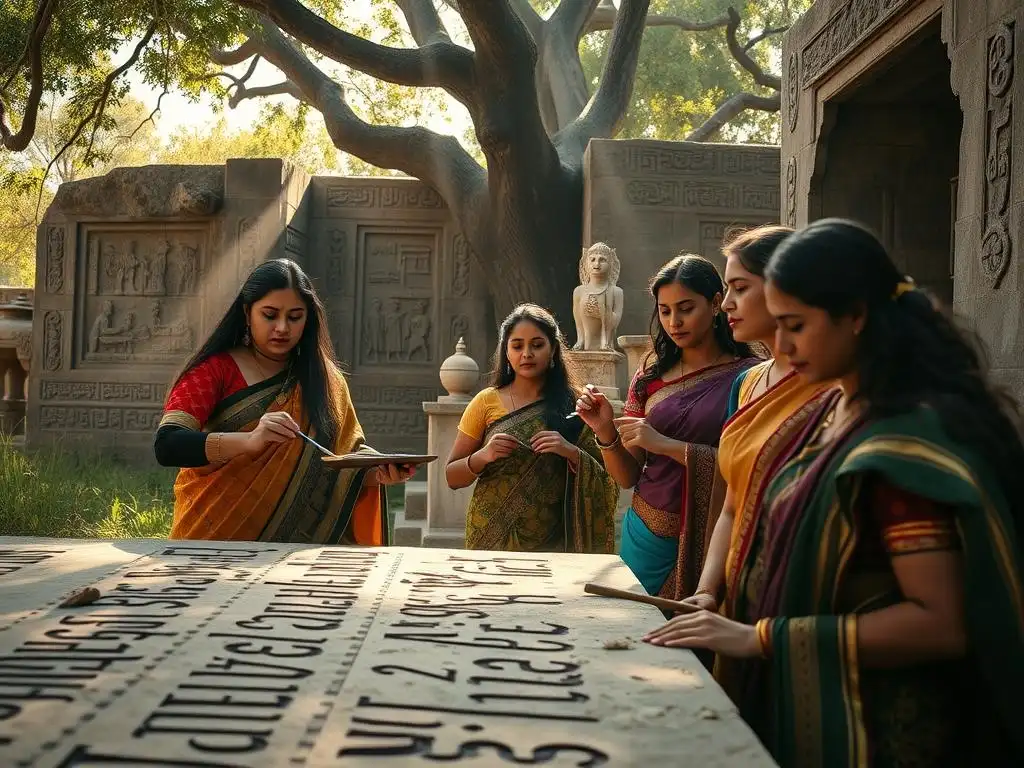
Welcome to Ancient India History, where we embark on a fascinating journey through the rich tapestry of ancient Indian civilizations. Today, we delve into a captivating narrative that highlights the often-overlooked contributions of women in shaping our cultural heritage.
Our featured article, "The Role of Women in the Preservation of Ancient Indian Inscriptions," uncovers the vital influence these remarkable women had on the language and scripts that defined their time. Prepare to be intrigued as we reveal the untold stories that lie behind the inscriptions, inviting you to explore further and discover the profound impact of women in ancient Indian history.
Introduction to Women in Ancient Indian History
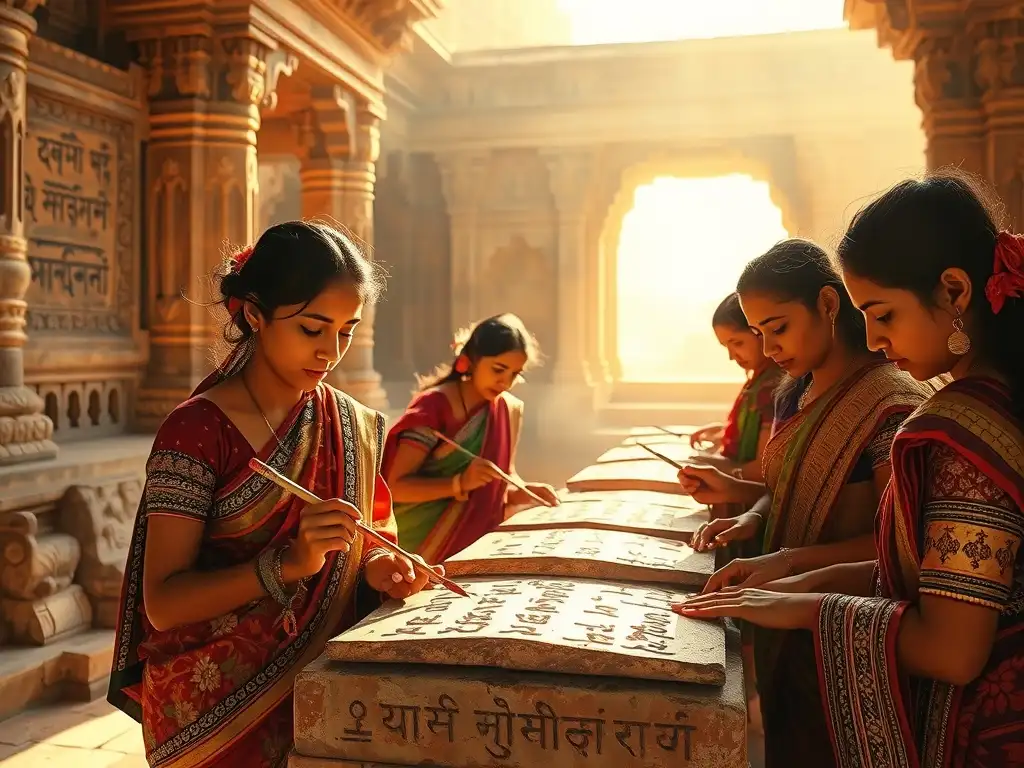
The history of ancient India is a tapestry woven with the contributions of various segments of society, yet the role of women often remains underexplored. Women in Ancient Indian History not only participated in the daily life of their communities but also played a crucial role in the preservation and transmission of cultural heritage, particularly through ancient inscriptions.
These inscriptions, which serve as vital records of historical events, societal norms, and religious practices, owe much of their continuity and preservation to the efforts of women, whose involvement ranged from transcription to the safeguarding of these invaluable artifacts. Understanding their contributions provides a more nuanced perspective on the historical narrative of ancient civilizations in India.
Overview of Women's Contributions to Ancient Indian Society
Women in ancient Indian society were multifaceted figures, contributing to various aspects such as agriculture, commerce, education, and spirituality. They often acted as custodians of knowledge, passing down oral traditions and written records. Notably, women were involved in the creation of literary works, the promotion of arts, and the maintenance of social customs.
Their roles extended beyond the household, as many women held positions of influence, particularly in royal families, where they were patrons of education and culture. This dynamic interplay between women and their societal roles underscores the importance of recognizing their contributions to the preservation of history through inscriptions.
Importance of Inscriptions in Documenting History
Inscriptions serve as primary sources that document the socio-political and cultural milieu of ancient India. They provide insights into the languages, scripts, and dialects prevalent during various periods, as well as the ideologies and beliefs that shaped society. The preservation of these inscriptions is not merely about maintaining physical artifacts; it involves safeguarding the narratives that define civilizations. Women, through their roles in transcription, preservation, and interpretation, significantly contributed to this process, ensuring that the voices of their times were not lost to history.
Historical Context of Ancient Indian Inscriptions
The evolution of ancient Indian inscriptions can be traced through various historical periods, each marked by distinct linguistic and cultural developments. Understanding this context is crucial for appreciating the role of women in their preservation.
Types of Ancient Indian Inscriptions
Ancient Indian inscriptions can be categorized into various types, including:
- Religious Inscriptions: Often found in temples and caves, these inscriptions include hymns, prayers, and religious decrees.
- Royal Inscriptions: These document the achievements of kings and emperors, often celebrating military victories or territorial expansions.
- Commercial Inscriptions: Used for trade and commerce, these inscriptions record transactions, trade routes, and economic conditions.
- Personal Inscriptions: Often found on tombstones or memorials, these provide insights into individual lives and familial connections.
Each type not only serves a specific purpose but also reflects the societal values and priorities of the time.
Major Locations and Time Periods of Inscriptions
The richness of ancient Indian inscriptions can be found across various locations and time periods, including:
- Indus Valley Civilization (c. 3300–1300 BCE): The earliest known inscriptions, often in the Indus script, remain undeciphered but indicate a complex society.
- Maurya Empire (c. 322–185 BCE): The Edicts of Ashoka are prime examples of royal inscriptions promoting Dharma.
- Gupta Empire (c. 240–550 CE): This period saw a flourish of artistic and literary achievements, with inscriptions documenting patronage and cultural developments.
Women played pivotal roles in these contexts, from the transcription of scripts to the transmission of religious texts, solidifying their place in the preservation of ancient Indian history.
Women as Guardians of Ancient Indian Scripts
Throughout history, women have played an essential role in the preservation and transmission of ancient Indian scripts and inscriptions. As custodians of knowledge, they contributed not only to the creation of these texts but also to their safeguarding and dissemination. The significance of women in this context is often overlooked, yet their influence can be traced back to various periods in ancient Indian history.
Women were integral to the oral traditions that predated written inscriptions, ensuring that cultural narratives and linguistic intricacies were preserved and passed down through generations. Their involvement in religious, educational, and familial spheres made them pivotal figures in the continuity of language and script. The reverence for knowledge and literature in ancient Indian society often placed women in positions where they could influence the preservation of inscriptions, whether through direct participation in script development or by educating future generations about these texts.
Roles of Women in Script Development
Women in ancient India were not merely passive recipients of knowledge; many actively participated in the development of scripts and the crafting of inscriptions. In several ancient texts, references can be found that indicate women's roles as scribes, educators, and scholars.
For instance, women were often involved in the production of manuscripts and inscriptions in temples and royal courts. They were entrusted with the task of inscribing sacred texts, which were critical for religious and cultural practices. Additionally, women such as scholars and poets contributed to the refinement of language and script, influencing the way inscriptions were crafted and understood.
The ability of women to engage in script development varied across regions and periods, reflecting the social dynamics of their times. While some women had access to education and could participate in literary endeavors, others faced restrictions. Yet, the contributions of those who could engage in this field laid the groundwork for the preservation of ancient texts.
Women in the Transmission of Knowledge
The transmission of knowledge in ancient India relied heavily on oral traditions, where women often served as primary educators within families and communities. Mothers, grandmothers, and other female figures were responsible for imparting wisdom about scripts, language, and cultural heritage to the younger generation.
In addition to familial roles, women participated in broader educational frameworks, such as ashrams and temples, where they were involved in teaching and learning. This not only helped in preserving linguistic and scriptural knowledge but also ensured that the cultural narratives associated with these inscriptions were kept alive.
Moreover, women's gatherings, such as those held for religious or literary discussions, provided platforms for the exchange of ideas and knowledge related to ancient Indian scripts. This collective effort contributed significantly to the continuity of language and the preservation of inscriptions across generations.
Case Studies of Influential Women in Ancient Indian Inscriptions
The history of ancient Indian inscriptions is dotted with remarkable women whose contributions have significantly shaped the cultural landscape. Their roles as preservers and promoters of ancient scripts are evident in various inscriptions and texts that have survived through the ages.
Notable Figures in Ancient Indian History
Among the notable figures in ancient Indian history, we find women who were not only influential but also recognized for their scholarly achievements. For example, Vatsala, a renowned poetess of the Gupta period, was known for her exquisite writings that contributed to the refinement of Sanskrit literature. Her works often included inscriptions that celebrated the achievements of women and underscored their significance in the literary domain.
Another prominent figure is Maitreyi, a philosopher and scholar mentioned in the Upanishads. Her dialogues and discourses reflect the depth of knowledge women possessed, and she is often cited in discussions about the philosophical underpinnings of ancient Indian thought.
Contributions of Women in Specific Inscriptions
Women have left their mark on various inscriptions throughout ancient India, often commemorating significant events or dedicating texts to deities. For instance, the Udayagiri Caves inscriptions feature references to women who were patrons of the arts and education, contributing to the flourishing of cultural practices during their time.
In addition, inscriptions from the Ellora Caves showcase the role of women as sponsors of religious structures, highlighting their influence in the creation and preservation of sacred texts. These inscriptions not only reflect the artistic and architectural advancements of the time but also serve as a testament to the critical involvement of women in cultural heritage.
Overall, the contributions of women in the preservation of ancient Indian inscriptions reveal a rich tapestry of influence that has significantly shaped the historical narrative of women in ancient Indian history. Their roles as guardians of scripts and knowledge continue to be celebrated and acknowledged in the ongoing exploration of ancient Indian civilizations.
The Impact of Women on the Preservation Efforts
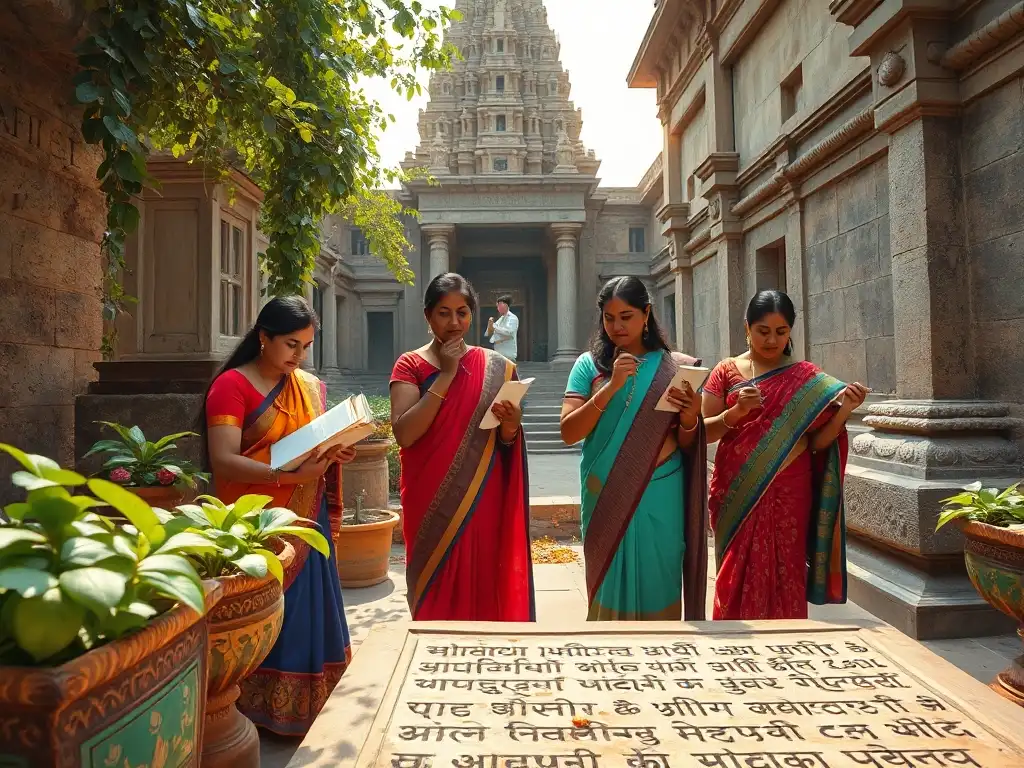
Women have played a crucial, yet often underappreciated, role in the preservation of ancient Indian inscriptions. Their contributions extend beyond mere caretaking; they have been instrumental in the discovery, documentation, and interpretation of these invaluable historical artifacts. As cultural custodians, women have engaged in various activities, from participating in archaeological digs to advocating for the protection of heritage sites. Their unique perspectives and experiences have enriched the understanding of inscriptions, revealing insights into the social, religious, and economic contexts of ancient Indian life.
Throughout history, women have also acted as transmitters of knowledge, passing down oral traditions and local histories that complement the written inscriptions. By weaving stories related to these inscriptions into the fabric of community memory, they have ensured that the significance of these texts is not lost over time. This grassroots approach to preservation highlights the essential role of women in maintaining cultural continuity and fostering a deeper appreciation for ancient Indian heritage.
Women’s Roles in Archaeology and Restoration
In the field of archaeology, women have increasingly emerged as key figures in excavating and restoring ancient sites. Their involvement has been evidenced in several significant archaeological projects throughout India. For instance, women archaeologists have led efforts at sites like Harappa and Mohenjo-Daro, where they have meticulously cataloged artifacts and inscriptions, shedding light on the Indus Valley Civilization.
Moreover, women have taken on leadership roles in restoration projects, working closely with government and non-governmental organizations to safeguard inscriptions from deterioration. Their expertise in conservation techniques has been vital in ensuring that ancient texts are preserved for future generations. Initiatives led by women have also focused on raising awareness about the importance of inscriptions, encouraging community engagement and investment in cultural heritage.
Community Involvement and Grassroots Efforts
Women have often been at the forefront of grassroots movements aimed at preserving ancient inscriptions and cultural sites. These community-driven initiatives are critical, especially in regions where government support may be limited. Women have organized local groups to monitor the condition of inscriptions, advocate for their protection, and educate the public about their historical significance.
Through workshops, public talks, and collaborative projects, women have fostered a sense of ownership within communities regarding their cultural heritage. This involvement not only empowers women but also brings communities together in a shared mission to honor and preserve their history. The collective effort of women in these grassroots movements has resulted in successful campaigns to protect inscriptions from vandalism and neglect, demonstrating the power of community-led preservation.
Challenges Faced by Women in Ancient India
Despite their significant contributions, women in ancient India faced numerous challenges that hindered their involvement in the preservation of inscriptions and cultural heritage. These challenges were often rooted in societal norms and expectations that restricted women's roles to domestic spheres, leaving little room for participation in public or scholarly activities.
Societal Constraints on Women’s Involvement
The patriarchal structure of ancient Indian society imposed significant limitations on women's mobility and access to education. Many women were expected to fulfill roles as wives and mothers, with little opportunity to pursue interests in archaeology or history. This societal constraint often resulted in a lack of recognition for women's efforts in preservation, as their contributions remained largely unrecorded or overlooked.
Moreover, cultural beliefs regarding women's capabilities further marginalized their involvement in scholarly pursuits. This led to a historical narrative that predominantly highlighted male figures in the fields of archaeology and history, eclipsing the achievements of women who played vital roles behind the scenes. As a result, the preservation of ancient inscriptions often did not reflect the full spectrum of contributors, leaving women's voices and stories largely absent from the historical record.
Historical Narratives and Their Impact on Recognition
The historical narratives surrounding ancient Indian history have often favored male perspectives, leading to a significant gap in the recognition of women's contributions. Texts and records that have been preserved frequently highlight male scholars and leaders, neglecting the roles played by women in the same contexts. This has created a skewed understanding of history, where women's involvement in the preservation of inscriptions is not adequately acknowledged or celebrated.
As a result, many contemporary efforts to recognize women's roles in ancient Indian history face the challenge of overcoming these entrenched narratives. It is essential to re-evaluate historical accounts and include women's experiences and contributions to provide a more comprehensive understanding of the past. By doing so, we can ensure that the vital role of women in the preservation of ancient inscriptions is recognized and celebrated, paving the way for future generations to appreciate their legacy.
Contemporary Perspectives on Women in Ancient Indian History
In recent years, there has been a growing recognition of the vital roles that women played in ancient Indian history, particularly in the context of preserving inscriptions and scripts. Historically, the contributions of women have often been overlooked or minimized in historical narratives.
However, contemporary scholarship has begun to illuminate the critical positions women held—not only as participants in the cultural and religious life of their communities but also as custodians and transmitters of knowledge. This shift in perspective encourages a reevaluation of ancient texts and inscriptions that highlight women's influence in various capacities, including religious, scholarly, and familial roles.
Modern Recognition of Women's Contributions
The resurgence of interest in the contributions of women to ancient Indian history is evident in various academic circles. Researchers are increasingly emphasizing the significance of women's roles in the transcription and preservation of inscriptions. For example, women in the royal courts often played key roles in commissioning and maintaining inscriptions that celebrated their families and dynasties. Furthermore, many inscriptions reveal references to women as patrons of temples and cultural sites, showcasing their power and influence in societal structures.
Modern historians and archaeologists are also utilizing a more inclusive approach to gender studies, integrating feminist perspectives into their analyses. This has led to the acknowledgment of women's contributions in areas such as art, literature, and education, significantly enhancing our understanding of their roles in shaping ancient Indian civilization.
The Role of Women in Current Archaeological Practices
Today, women are not only recognized for their historical contributions but are also prominent figures in current archaeological practices related to ancient inscriptions. Female archaeologists and historians are increasingly leading excavations and research projects centered on inscriptions and scripts. Their unique perspectives often bring to light previously overlooked evidence of women's roles, allowing for a more nuanced understanding of the past.
Moreover, collaborative efforts among scholars are enhancing the discourse around women in ancient India. Workshops, conferences, and publications focusing on female contributions to archaeology are gaining traction, fostering an environment where women's historical roles are explored and celebrated. This growing body of work serves to inspire future generations of female scholars in the field, ensuring that women's contributions to the preservation of ancient Indian inscriptions are recognized and valued.
Conclusion
Summary of Women’s Impact on Ancient Indian Inscriptions
Women have played an indispensable role in the preservation of ancient Indian inscriptions, from their involvement in the commissioning of significant works to their participation in the oral transmission of knowledge. Their contributions have been integral to maintaining the cultural and historical heritage of India, as evidenced by the numerous inscriptions that reflect women's influence in various capacities.
As contemporary scholarship continues to evolve, it becomes increasingly clear that recognizing women's roles is essential for a comprehensive understanding of ancient Indian history. By embracing a more inclusive narrative, we can appreciate the profound impact women had on the preservation of inscriptions and scripts, which serve as invaluable resources for understanding India's rich past.
Future Directions for Research on Women in Ancient Indian History
Looking ahead, there are numerous avenues for further research on women in ancient Indian history, particularly concerning their contributions to inscriptions. Scholars should focus on interdisciplinary approaches that combine archaeological evidence, linguistic studies, and sociocultural analyses to create a more holistic view of women's roles.
Additionally, expanding the scope of research to include regional studies could uncover localized practices and contributions that have been historically neglected. This could lead to a richer understanding of the diversity of women's experiences across different cultures and time periods in ancient India.
Ultimately, fostering greater collaboration among historians, archaeologists, and gender studies experts will be crucial in advancing our understanding of the complexities surrounding women in ancient Indian history, ensuring that their invaluable contributions to the preservation of inscriptions are fully recognized and appreciated.
- Introduction to Women in Ancient Indian History
- Historical Context of Ancient Indian Inscriptions
- Women as Guardians of Ancient Indian Scripts
- Case Studies of Influential Women in Ancient Indian Inscriptions
- The Impact of Women on the Preservation Efforts
- Challenges Faced by Women in Ancient India
- Contemporary Perspectives on Women in Ancient Indian History
- Conclusion
- What was the role of women in ancient Indian inscriptions?
- How did women's contributions impact ancient Indian culture?
- Were women involved in the creation of inscriptions?
- What are some notable examples of women mentioned in ancient inscriptions?
- How does the study of women in ancient inscriptions enhance our understanding of history?
Frequently Asked Questions
What was the role of women in ancient Indian inscriptions?
Women played a significant role in the preservation of ancient Indian inscriptions, often serving as patrons and contributors to religious and cultural texts.
How did women's contributions impact ancient Indian culture?
The contributions of women helped shape the cultural landscape of ancient India, influencing literature, art, and religious practices, ensuring their legacy continued through generations.
Were women involved in the creation of inscriptions?
Yes, women were actively involved in the creation of inscriptions, with many known for their literacy and skill in writing, thus contributing to the documentation of history.
What are some notable examples of women mentioned in ancient inscriptions?
Many inscriptions reference women such as royalty, scholars, and artists, showcasing their influence and status in society during various periods of ancient Indian history.
How does the study of women in ancient inscriptions enhance our understanding of history?
Studying women in ancient inscriptions reveals their impact on historical narratives, helping to paint a more comprehensive picture of ancient Indian society and its diverse contributions.
Final Reflection: Empowering Voices in Ancient Indian History
The exploration of women's roles in the preservation of ancient Indian inscriptions reveals a profound connection between the past and the present. Today, as we strive for gender equality and recognition of women's contributions across various fields, it becomes increasingly clear that the stories of these remarkable women are not just historical footnotes but essential narratives that shape our understanding of cultural heritage. Their dedication and resilience remind us that history is not merely a record of events but a tapestry woven with the threads of countless lives, each deserving of recognition.
The impact of women's involvement in preserving ancient inscriptions continues to resonate in our cultural and social landscapes. Their efforts have not only safeguarded invaluable knowledge but have also paved the way for future generations to appreciate the richness of our heritage. As we reflect on this, we are reminded of the words of historian Romila Thapar: History is not just about the past; it is a lens through which we can understand our present and shape our future.
This perspective invites us to acknowledge the vital contributions of women in ancient Indian history and consider how their legacies influence contemporary discussions on identity and heritage.
As we conclude this exploration, I invite you to reflect on the lessons learned from the women who played a pivotal role in preserving our ancient inscriptions. Consider how their stories can inspire you to advocate for the recognition of women's contributions in your own community and beyond. Let us honor their legacy by actively engaging in the preservation of our cultural heritage, ensuring that the voices of women in history are not only heard but celebrated. Together, we can continue to weave the narrative of empowerment and recognition that these women so richly deserve.
Unveil the Power of Women in Preserving History!
Thank you for engaging with our exploration of the vital role women play in preserving ancient Indian inscriptions. Your interest not only highlights the significance of women's contributions but also empowers future generations to cherish their heritage. Now, it’s time to take action!
- Dive deeper: Explore personal accounts and stories of women involved in this preservation effort to fully appreciate their impact.
- Join a community: Connect with local organizations that strive to support and amplify women's voices in the preservation of history.
- Share your thoughts: Engage in discussions about this crucial topic with friends or on social media to spread awareness of these unsung heroines!
What do you believe is the most impactful way women can influence our understanding of ancient history today?