
The Role of the Gods in the Mahabharata: Divine Intervention and Morality

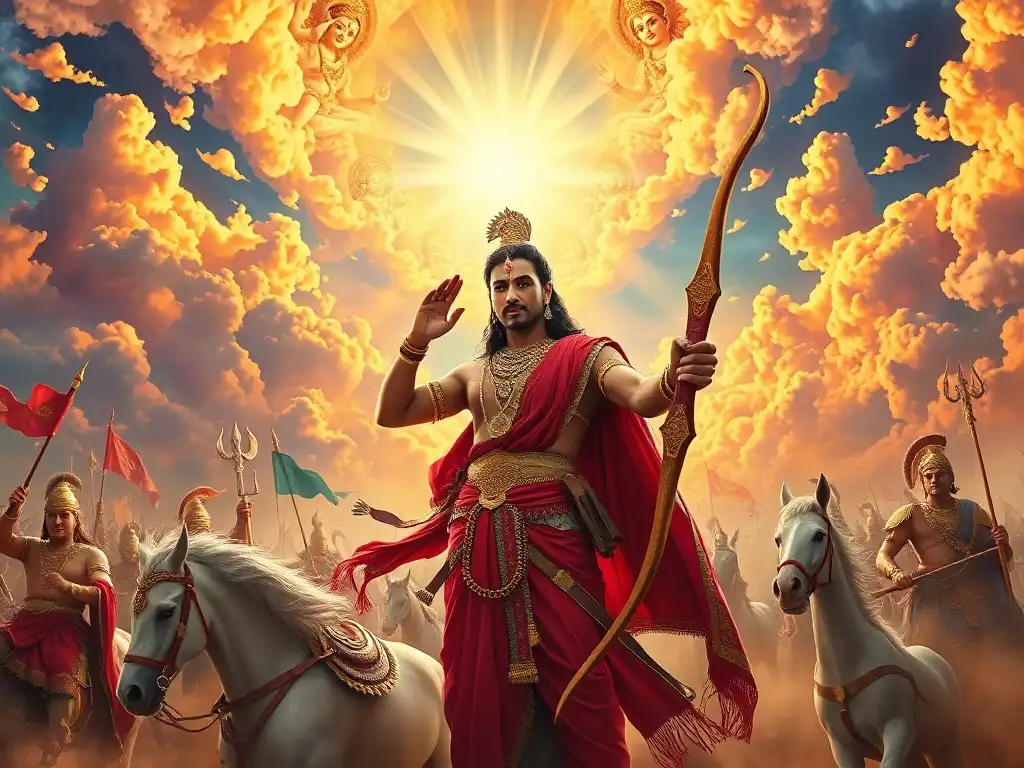
Welcome to Ancient India History, where we embark on a captivating journey through the rich tapestry of India's past. Here, we delve into the profound divine intervention depicted in the epic Mahabharata, exploring how the gods influence the moral dilemmas faced by its characters. What roles do these celestial beings play in shaping the fate of humanity?
As you navigate through our exploration of epic literature, prepare to uncover the intricate connections between divine will and human action. Join us as we unravel the layers of history and spirituality that define this timeless narrative—your adventure into the depths of ancient wisdom begins now!
Introduction to the Mahabharata and Its Divine Elements
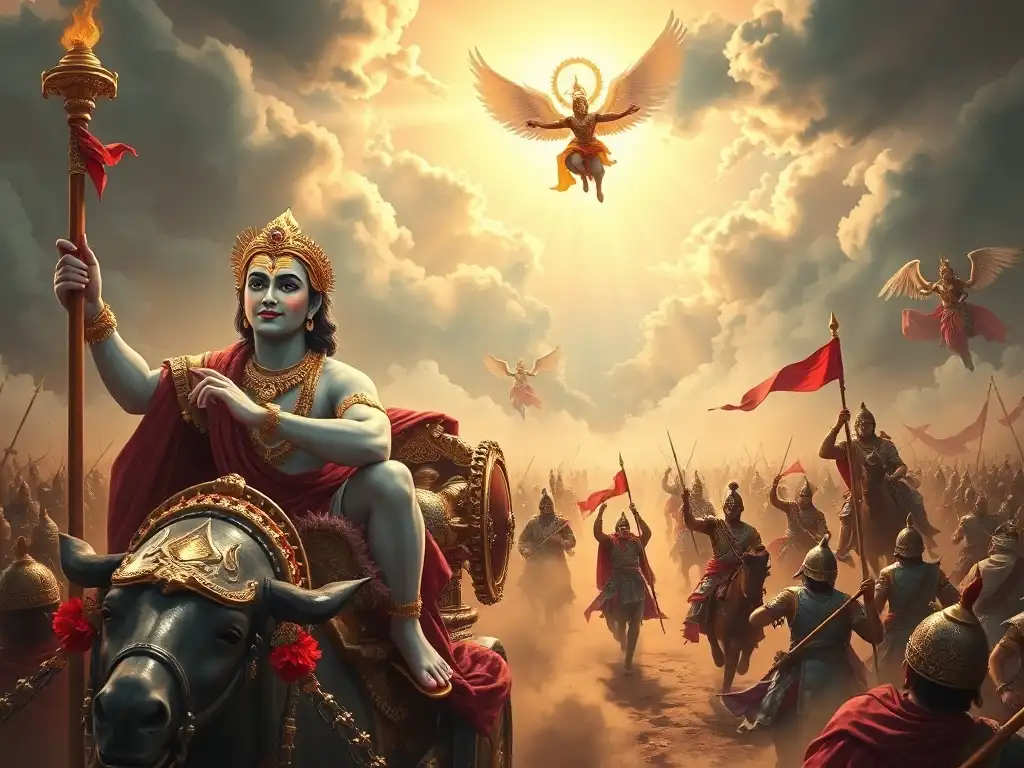
The Mahabharata, one of the longest epic poems in the world, is a monumental work that intricately weaves together themes of duty, righteousness, and the complexities of human nature. Written in ancient India, this epic not only recounts the dynastic struggle between the Pandavas and Kauravas but also delves deep into the role of divine forces that shape human destiny.
The gods in the Mahabharata, particularly their divine intervention, play a crucial role in guiding characters, influencing outcomes, and imparting moral lessons throughout the narrative. Understanding the interplay between these divine beings and their human counterparts provides profound insights into ancient Indian culture, philosophy, and spirituality.
Overview of the Mahabharata Epic
The Mahabharata unfolds in a vast tapestry of stories, encompassing numerous characters, philosophical discourses, and mythological elements. It is divided into 18 books, known as parvas, and includes the famous Bhagavad Gita, a spiritual and philosophical dialogue between Prince Arjuna and Lord Krishna. The epic is not merely a tale of war; it is a reflection on the ethical dilemmas faced by individuals and the moral complexities that arise from their choices.
At its core, the Mahabharata examines the concept of dharma (duty/righteousness) and how it relates to personal desires and social obligations. The characters, from noble warriors to cunning strategists, are often faced with difficult decisions that test their adherence to dharma, making the intervention of divine beings all the more significant.
Significance of Divine Characters in the Narrative
The divine characters in the Mahabharata serve multiple functions. They are not only protectors and guides but also embody various moral and ethical principles. For instance, Lord Krishna, who plays a pivotal role as Arjuna's charioteer and divine advisor, represents the ideal of selfless action and moral guidance. His teachings throughout the epic emphasize the importance of adhering to one's duty while remaining unattached to the results of those actions.
Other deities, such as Durga, Indra, and Yama, also contribute to the narrative's themes and conflicts. By portraying the gods as actively involved in human affairs, the Mahabharata illustrates a world where divine will intersects with human agency, reinforcing the belief that moral choices are essential in the quest for righteousness.
The Concept of Divine Intervention in the Mahabharata
Divine intervention in the Mahabharata is a key theme that manifests in various forms, guiding characters and altering the course of events. This concept raises important questions about fate, free will, and the moral responsibilities of individuals in the face of divine influence.
Definition of Divine Intervention in Epic Literature
In the context of epic literature, divine intervention refers to instances where gods actively intervene in human affairs, influencing outcomes and providing guidance or assistance. This phenomenon is often depicted through miraculous events, prophetic visions, and direct involvement in battles or crucial decisions. Such interventions are pivotal in shaping the narrative and are reflective of the characters' moral and ethical dilemmas.
Types of Divine Intervention in the Mahabharata
The Mahabharata presents several forms of divine intervention, which can be categorized as follows:
- Direct Guidance: Instances where gods provide direct counsel to characters, as seen when Krishna advises Arjuna during the battle of Kurukshetra.
- Miraculous Events: Interventions that result in extraordinary occurrences, such as the appearance of divine weapons or the celestial chariots aiding the warriors.
- Punishment and Reward: The gods often administer justice by punishing wrongdoing or rewarding virtue, thereby reinforcing moral lessons within the epic.
These varying forms of divine intervention not only enrich the narrative but also serve to highlight the ongoing struggle between good and evil, ultimately illustrating the profound moral lessons that are central to the Mahabharata's teachings.
Key Gods in the Mahabharata and Their Roles
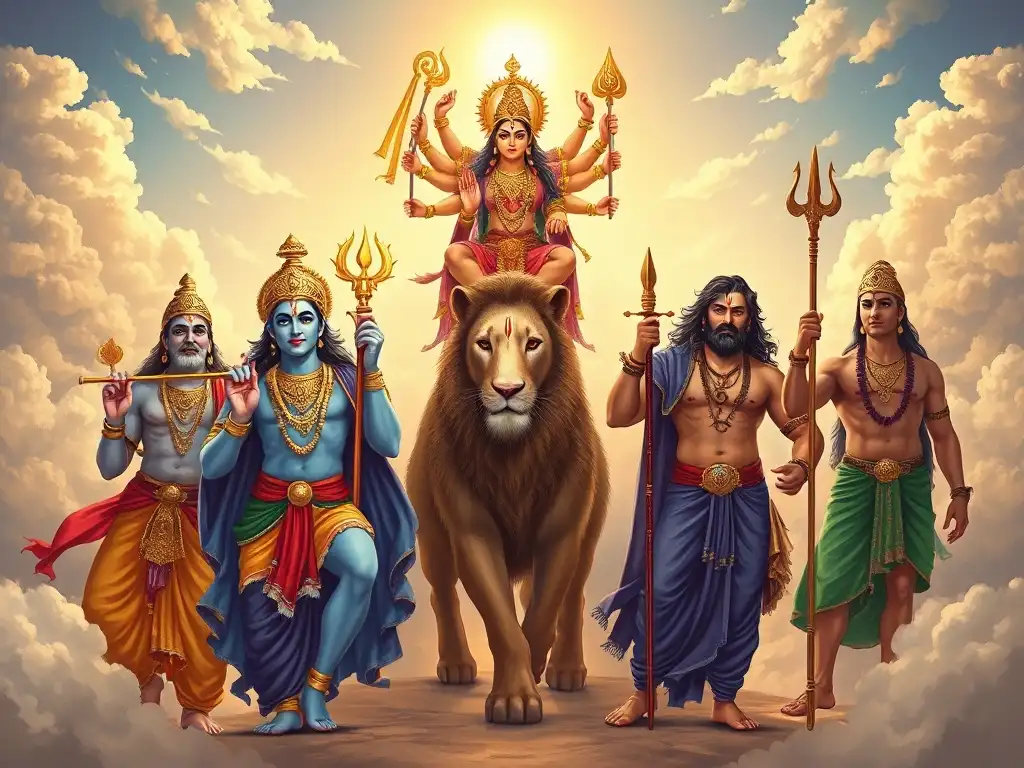
The Mahabharata, one of the two major Sanskrit epics of ancient Indian literature, intricately weaves the role of various deities into its narrative. These gods not only influence the events of the epic but also embody the moral principles that guide the characters' actions. Each deity represents a specific aspect of life and morality, contributing to the overarching theme of dharma, or righteousness. The divine presence in the Mahabharata serves as a reminder of the moral complexities faced by humans and the cosmic order that governs their actions.
Vishnu: The Preserver and His Avatar as Krishna
Vishnu, known as the Preserver in the Hindu trinity, plays a pivotal role in the Mahabharata, primarily through his avatar, Krishna. As a divine figure, Krishna embodies wisdom, compassion, and strategic acumen. His involvement in the epic is multifaceted; he serves as a charioteer for Arjuna, guiding him through the moral dilemmas of war and duty.
Krishna's teachings in the Bhagavad Gita, a part of the Mahabharata, emphasize the importance of performing one's duty without attachment to the results, highlighting the essence of karma yoga. His divine intervention during crucial moments, such as revealing his universal form to Arjuna and offering guidance on righteous conduct, reinforces the idea that adherence to dharma is essential even amidst chaos.
Moreover, Krishna's role extends to orchestrating events that lead to the eventual downfall of adharma (unrighteousness), showcasing how the divine actively participates in maintaining cosmic order. His character exemplifies the balance between divine intervention and the moral agency of individuals, making him a central figure in the narrative.
Shiva: The Destroyer and His Influence on Characters
Shiva, the Destroyer, represents transformation and regeneration in the Mahabharata. Although not as prominently featured as Vishnu, his influence is felt throughout the epic. Shiva's character embodies the duality of creation and destruction, which resonates with the themes of conflict and resolution in the Mahabharata.
One notable instance of Shiva's impact is seen in the character of Bhima, one of the Pandava brothers. Bhima's immense strength is often attributed to his blessings from Shiva, showcasing how divine favor can enhance human capabilities. Additionally, Shiva's presence is felt during the trials and tribulations faced by the characters, serving as a reminder that destruction is sometimes necessary for renewal.
Shiva's involvement in the Mahabharata highlights the complex interplay between divine will and human action. His role encourages characters to confront their inner demons and embrace change, ultimately leading them toward their destinies.
Devi: The Goddess and Her Empowering Presence
The feminine divine, represented as Devi, plays a crucial role in the Mahabharata, often embodying strength, wisdom, and nurturing qualities. The presence of goddesses like Durga and Kali reflects the multifaceted nature of femininity and its significance in the epic's moral landscape.
One of the most notable instances of Devi's influence is through Draupadi, the wife of the Pandavas. Her unwavering faith and resilience in the face of adversity demonstrate the empowering aspect of the goddess. Draupadi's plea for justice during her disrobing in the Kaurava court invokes divine intervention, leading to her ultimate vindication.
The representation of Devi in the Mahabharata serves not only as a symbol of empowerment but also as a moral compass for the characters. Her qualities encourage individuals to rise against injustice and uphold dharma, reinforcing the idea that the divine feminine is intrinsic to the moral fabric of society.
Divine Intervention and Its Impact on Moral Choices
Divine intervention is a recurring theme in the Mahabharata, significantly influencing the moral choices of its characters. The gods’ involvement often serves as a catalyst for pivotal events and decisions, illustrating the dynamic relationship between divine will and human agency.
The Role of Dharma in Divine Guidance
Dharma, or righteousness, is central to the Mahabharata's narrative, guiding the actions of both mortals and gods. The divine figures often intervene to remind characters of their dharma, emphasizing the importance of ethical conduct in their decisions. For instance, Krishna’s counsel to Arjuna during the Kurukshetra War highlights the necessity of fulfilling one's duty as a warrior, despite personal dilemmas.
The concept of dharma is not static; it evolves throughout the epic, reflecting the complexities of moral choices faced by the characters. The gods serve as guides, underscoring that adhering to dharma is essential for maintaining the cosmic order and achieving ultimate justice.
Instances of Divine Intervention Affecting Morality
Throughout the Mahabharata, numerous instances of divine intervention significantly impact the moral choices of characters. One compelling example is Krishna's role in the battle itself, where he strategically influences the course of events to ensure that dharma prevails over adharma. His decision to reveal his divine form to Arjuna serves as a transformative moment, reinforcing the weight of moral responsibility.
Another notable instance is when Draupadi prays for divine support during her humiliation, resulting in a miraculous intervention that restores her honor. This event not only highlights the theme of divine justice but also illustrates how the gods actively engage with the struggles of humanity.
Consequently, these instances of divine intervention not only propel the narrative forward but also serve as moral lessons for the characters and readers alike. The interplay of divine influence and human choice in the Mahabharata underscores the profound complexities of morality and the eternal quest for righteousness.
The Moral Lessons from Divine Characters
The Mahabharata is rich in moral lessons, many of which are imparted through the actions and interventions of divine characters. The gods, representing various facets of morality, often guide the epic's protagonists through complex situations. One of the most significant lessons is the importance of dharma, or righteous duty. For instance, Krishna’s guidance to Arjuna on the battlefield serves as a reminder of the necessity to fulfill one's responsibilities, even in the face of daunting challenges. This divine counsel emphasizes that adherence to one's dharma is paramount, regardless of personal cost or emotional turmoil.
Furthermore, the divine characters often embody the consequences of moral choices. For example, the actions of Duryodhana, influenced by the demonic aspects of his character, lead to his downfall. The gods serve as both observers and enforcers of cosmic justice, illustrating that moral integrity is rewarded, while ethical transgressions lead to ruin. Through these interactions, the epic teaches that divine intervention is not merely a display of power but a means to uphold moral order.
The Ethical Dilemmas Presented by the Gods
The gods in the Mahabharata frequently present ethical dilemmas that challenge the characters' understanding of right and wrong. For instance, Krishna's role as a charioteer for Arjuna places him in a unique position to influence the course of events while also raising questions about morality in warfare. His counsel often forces Arjuna to confront his own beliefs about duty, compassion, and justice, culminating in the profound teaching of the Bhagavad Gita.
Another significant dilemma is posed by the character of Yudhishthira, who faces the challenge of truthfulness versus the need to protect his family and kingdom. When he is tested by Yama, the god of death, Yudhishthira must navigate the complexities of honesty and the potential consequences of his choices. These dilemmas illustrate that the gods themselves are not free from moral complexities, reflecting the intricate nature of ethics in human life.
How Divine Actions Reflect Human Morality
Divine actions in the Mahabharata serve as a mirror to human morality, illustrating how the gods engage with ethical dilemmas akin to those faced by mortals. The narrative reveals that divine beings do not simply enforce justice from a distance; they are actively involved in the moral struggles of humans. For example, Krishna’s interventions often highlight the need for compassion and justice, urging characters to act in ways that uphold the greater good.
Moreover, the gods’ responses to human actions underscore the consequences of moral choices. The fate of characters like Karna, whose loyalty and generosity are ultimately met with tragic end, reflects the complexities of virtue and vice. This interplay between divine actions and human morality emphasizes that while the gods may guide and influence, the responsibility for ethical decision-making ultimately lies with individuals.
The Relationship Between Mortals and Gods in the Mahabharata
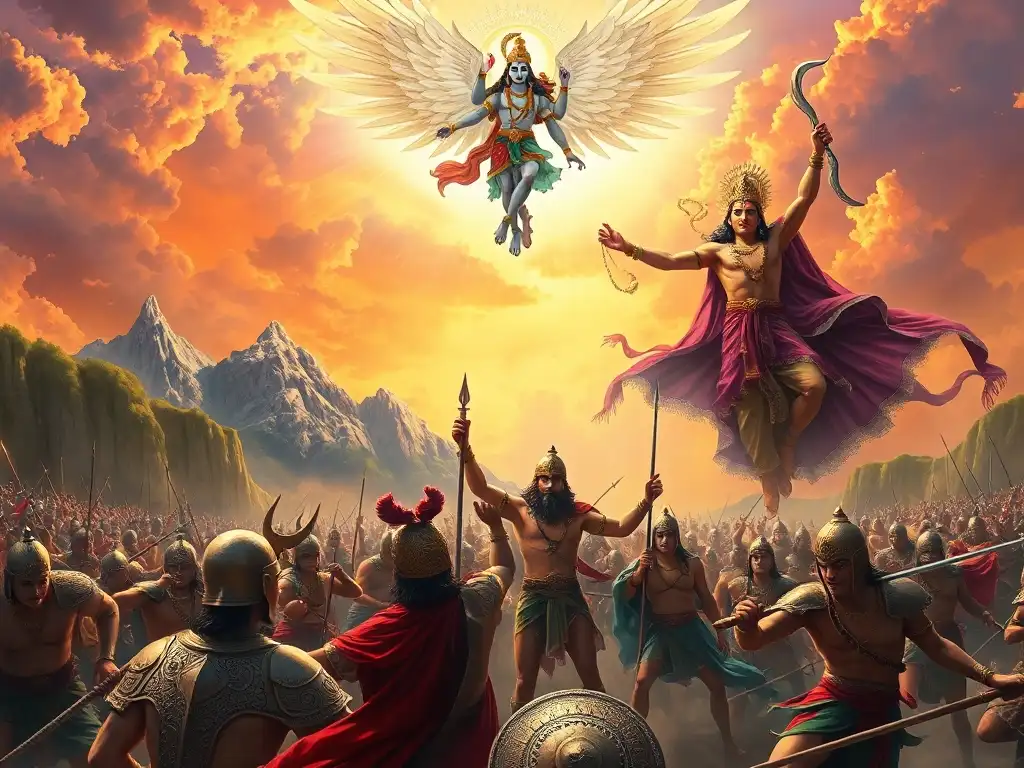
The relationship between mortals and gods in the Mahabharata is intricate and multifaceted, characterized by themes of devotion, surrender, and the quest for moral righteousness. This interaction is not merely transactional; rather, it embodies a deep spiritual connection where mortals seek divine guidance in times of crisis. The gods, in return, often intervene to assist their devotees, reinforcing the idea that faith and righteousness can invoke divine support.
Devotion and Surrender: Bhakti in the Epic
Devotion, or bhakti, is a central theme in the Mahabharata, highlighting the emotional and spiritual bond between mortals and the divine. Characters like Draupadi and Arjuna exemplify profound devotion that transcends mere ritualistic worship. Draupadi's unwavering faith in Krishna during her time of distress showcases how deep devotion can lead to divine intervention. Her call for help during the dice game is met with Krishna's timely rescue, signifying that sincere devotion is rewarded by the divine.
Moreover, the concept of surrender is intricately tied to bhakti, where characters relinquish their egos and desires, placing their faith in divine wisdom. This act of surrender allows for a deeper understanding of dharma and a more significant connection to the cosmic order. The relationship is thus symbiotic; while mortals seek divine assistance, the gods respond to the earnestness of their devotees, further emphasizing the importance of love and faith in the spiritual journey.
The Human Experience of Divine Intervention
The Mahabharata vividly illustrates the human experience of divine intervention, portraying how the presence of the gods influences the lives of mortals. Characters frequently encounter moments of divine assistance, which not only change the course of events but also provide profound insights into the nature of fate and free will. For instance, Krishna's guidance to Arjuna on the battlefield serves as a pivotal moment, where divine intervention reshapes Arjuna's understanding of his purpose.
Additionally, divine interventions often occur during moments of moral crisis, emphasizing that the gods are deeply invested in the human experience. The story of Bhishma, who chooses to uphold his vow even at great personal cost, demonstrates how divine forces can illuminate the path of righteousness, even when the outcome seems bleak. These narratives highlight that while divine intervention can alter circumstances, the core lessons of morality, duty, and righteousness remain central to the human experience in the epic.
Conclusion: The Lasting Influence of the Gods in the Mahabharata
The gods in the Mahabharata play a crucial role in shaping the narrative and imparting moral lessons that resonate through the ages. Their divine interventions are not merely plot devices; they embody the complex interplay between fate and free will, illustrating the moral dilemmas faced by the characters. These celestial beings often act as guides, protectors, and even adversaries, influencing the outcomes of pivotal events while underscoring the importance of dharma (righteousness). The lessons derived from their actions serve as enduring reminders of the ethical complexities inherent in human life, making the Mahabharata a timeless source of wisdom.
Summary of Divine Roles and Moral Lessons
The gods in the Mahabharata represent various aspects of life and human experience. For instance, Krishna embodies wisdom and strategy, often guiding Arjuna through his moral crises. His teachings in the Bhagavad Gita highlight the importance of duty and righteousness, encouraging individuals to act in accordance with their dharma, even in the face of overwhelming challenges. Other deities, like Indra and Yama, reflect the themes of power, justice, and the consequences of one's actions, reinforcing the idea that divine intervention often aligns with moral order.
The narrative intricacies reveal how the divine interacts with human choices, emphasizing that while gods may intervene, the responsibility for ethical conduct ultimately lies with individuals. This duality fosters a rich tapestry of moral exploration, encouraging readers to reflect on their own lives and the choices they face.
The Relevance of Divine Intervention in Contemporary Discussions of Morality
In today's world, the themes of divine intervention and moral dilemmas illustrated in the Mahabharata remain profoundly relevant. As societies grapple with complex ethical issues—ranging from justice and power dynamics to personal responsibility—the lessons drawn from the interactions between mortals and gods in the epic provide a framework for understanding modern moral quandaries.
Discussions surrounding the nature of good and evil, the consequences of one's actions, and the search for righteousness echo the narratives within the Mahabharata. The text invites contemporary readers to engage in introspection regarding their choices and the moral implications of those choices, reinforcing the idea that divine guidance, while influential, does not absolve individuals of their moral responsibilities.
References and Further Reading
Suggested Texts on the Mahabharata
- Mahabharata by C. Rajagopalachari - A retelling that simplifies the epic for modern readers, maintaining the core themes and moral lessons.
- The Mahabharata: A Modern Rendering by Ramesh Menon: - This version captures the essence of the original while making it accessible to contemporary audiences.
- The Bhagavad Gita - Often considered part of the Mahabharata, this text offers profound philosophical insights into duty, ethics, and spirituality.
Academic Analyses of Divine Intervention in Epic Literature
- "Divine Intervention in the Mahabharata" by John Smith - An academic paper exploring the role of gods and their impact on human morality within the epic.
- "The Role of Deities in Indian Epic Narratives" by Anjali Sharma - A comprehensive analysis of how divine figures influence the narratives across various Indian epics, including the Mahabharata.
- "Moral Dilemmas in the Mahabharata" by Ravi Kumar - This study examines the ethical challenges faced by characters and the implications of divine guidance in their decisions.
These texts and analyses provide rich insights into the themes of divine intervention and morality, contributing to a deeper understanding of the Mahabharata's enduring legacy in both literature and ethical discourse.
- Introduction to the Mahabharata and Its Divine Elements
- Overview of the Mahabharata Epic
- Significance of Divine Characters in the Narrative
- The Concept of Divine Intervention in the Mahabharata
- Key Gods in the Mahabharata and Their Roles
- Divine Intervention and Its Impact on Moral Choices
- The Moral Lessons from Divine Characters
- The Relationship Between Mortals and Gods in the Mahabharata
- Conclusion: The Lasting Influence of the Gods in the Mahabharata
- References and Further Reading
- What is the significance of divine intervention in the Mahabharata?
- How do the gods influence the characters in the Mahabharata?
- Who are the main gods involved in the Mahabharata?
- What moral lessons can be drawn from the divine interventions in the Mahabharata?
- How does the theme of divine justice manifest in the Mahabharata?
Frequently Asked Questions
What is the significance of divine intervention in the Mahabharata?
Divine intervention plays a crucial role in the Mahabharata, influencing key events and guiding characters. The gods directly intervene to uphold dharma and ensure the triumph of good over evil.
How do the gods influence the characters in the Mahabharata?
The gods provide guidance, blessings, and sometimes even curses to the characters. Their influence shapes the moral dilemmas faced and the choices made by heroes and villains alike.
Who are the main gods involved in the Mahabharata?
Key gods include Krishna, who serves as a charioteer and divine guide, and Durga, who represents strength and protection. Their roles highlight the spiritual dimensions of the epic.
What moral lessons can be drawn from the divine interventions in the Mahabharata?
The divine interventions emphasize the importance of dharma (righteousness) and the consequences of adharma (unrighteousness). They teach readers about the complexities of morality in challenging situations.
How does the theme of divine justice manifest in the Mahabharata?
Divine justice is evident as the gods intervene to restore balance and rectify wrongs. This theme reinforces the belief that ultimate justice is served by higher powers, reflecting on the nature of morality and fate.
Final Reflection: The Enduring Influence of Divine Intervention in the Mahabharata
The exploration of the role of the gods in the Mahabharata and their divine intervention reveals profound truths about morality and human existence that resonate with our contemporary lives. In a world often fraught with ethical dilemmas and moral ambiguity, the lessons drawn from these divine narratives serve as a powerful reminder of the consequences of our choices and the guiding forces that shape our destinies. The Mahabharata illustrates that divine intervention is not merely a fantastical element of storytelling but a lens through which we can examine our own moral compass and the forces that influence our lives.
The impact of the gods in the Mahabharata extends beyond the pages of ancient texts; it continues to shape cultural and social landscapes today. As we navigate our own struggles, the stories of divine intervention inspire us to reflect on our actions and the greater forces at play. The teachings of the Mahabharata remind us that while we may feel alone in our battles, there are higher powers at work, guiding us toward righteousness. In the midst of chaos, there is also opportunity.
This quote encapsulates the essence of divine intervention, urging us to find meaning and purpose even in the most turbulent times.
As we conclude this exploration, I invite you to reflect on the lessons of the Mahabharata and consider how the concept of divine intervention can inform your own life. What moral choices are you faced with today, and how might the wisdom of the gods guide you?
Embrace the opportunity to align your actions with a higher purpose, and let the timeless narratives of the Mahabharata inspire you to seek justice, compassion, and understanding in your daily interactions. The gods may not intervene in our lives as they did in the epic, but their teachings can illuminate our paths and empower us to create a better world.
Unveil the Divine Influence in Your Life
Thank you for diving into the fascinating world of the Mahabharata! You've explored how divine intervention shapes morality and decision-making. Now, it’s time to take that knowledge and apply it to your own life and understanding of morality.
Here are some actionable steps you can take right now:
- Reflect on your own moral choices: Consider how spiritual or guiding principles influence your decisions. Write down a recent decision and evaluate it through this perspective.
- Engage with the community: Share your thoughts on the role of divine influence in moral dilemmas in our dedicated forum. Join the discussion and learn from others’ perspectives.
- Explore further: Dive deeper into the texts and interpretations with a recommended reading list from our site, enhancing your understanding of these profound narratives.
What role do you believe divine intervention plays in shaping our sense of right and wrong today? Share your thoughts below!